
Updated planning guide for 2026, 2027-2028
Top Best Kilimanjaro Climbing Tours From Zanzibar: Expert Trekking Guide
Planning to climb Kilimanjaro from Zanzibar? This comprehensive guide details the best tours, routes, preparation, and booking advice for your 2026-2027 adventure.
WhatsApp +255616946642 | topguideadventures@gmail.com | info@topguideadventures.com
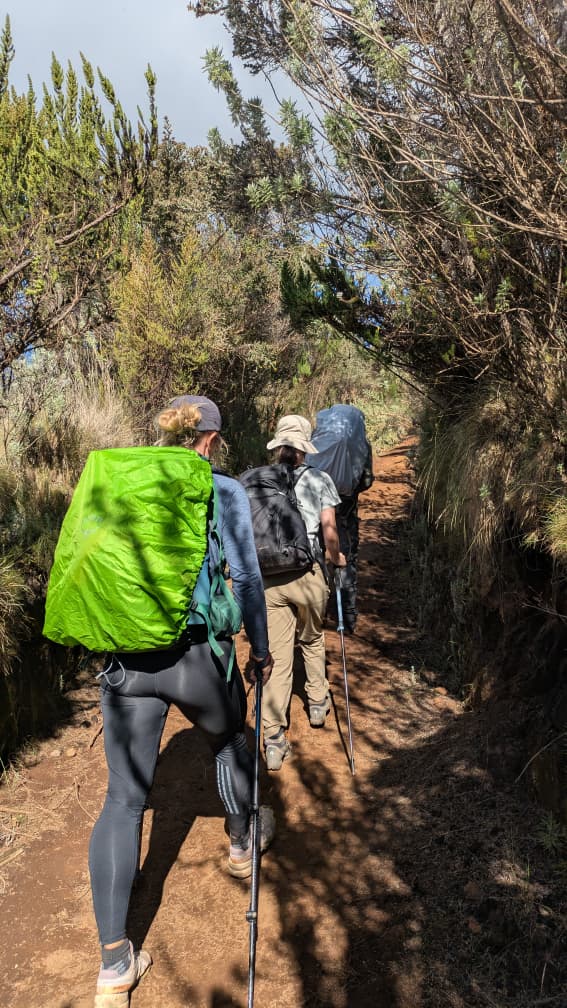

Top Best Kilimanjaro Climbing Tours from Zanzibar: Essential Planning Guide 2026-2027
Many travelers visiting the idyllic beaches and historic Stone Town of Zanzibar dream of adding an extraordinary challenge to their Tanzanian holiday: climbing Mount Kilimanjaro. Combining a relaxing island escape with the ascent of Africa’s highest peak is a popular and achievable goal. However, understanding how to transition from Zanzibar to Kilimanjaro and choosing the right tour operator is crucial for a successful and memorable experience. This guide provides in-depth information on finding the top best Kilimanjaro climbing tours from Zanzibar, covering everything from initial planning to the moment you stand on Uhuru Peak.
Quick Facts: Kilimanjaro Tours from Zanzibar
| Aspect | Details |
|---|---|
| Mountain | Mount Kilimanjaro |
| Elevation | 5,895 meters (19,341 feet) |
| Starting Point from Zanzibar | Arusha (via flight or ferry/bus) |
| Typical Tour Duration | 5 to 9 days (trekking) + travel time |
| Best Trekking Seasons | January-March, June-October |
| Fitness Level Required | Good to Excellent |
| Key Considerations | Altitude sickness, weather, logistics from Zanzibar |
| Operator Focus | Safety, experienced guides, quality equipment |
| Planning Years | 2026, 2027, 2028 |
Understanding Kilimanjaro Tours from Zanzibar
When searching for the top best Kilimanjaro climbing tours from Zanzibar, it’s important to understand the logistics. Zanzibar itself is an island, while Mount Kilimanjaro is located on the Tanzanian mainland. Therefore, any Kilimanjaro tour originating from Zanzibar will first require you to travel from the island to the mainland, typically to the town of Arusha, which serves as the gateway to Kilimanjaro National Park. This transfer can be done via a short domestic flight from Zanzibar’s Abeid Amani Karume International Airport (ZNZ) to Kilimanjaro International Airport (JRO) or Arusha Airport (ARK), or via a combination of ferry and road travel.
Tour operators based in Tanzania, like us at Best Tanzania Tour Operator, specialize in managing these transitions. They will arrange your transport from Zanzibar to Arusha, organize your entire Kilimanjaro trek, and can even facilitate your return to Zanzibar or onward travel for safaris. When we talk about “tours from Zanzibar,” we mean packages that cater to travelers who are starting their Kilimanjaro journey while already in Zanzibar, ensuring all necessary arrangements are made from that point.
The quality of a Kilimanjaro tour is paramount, especially when considering the physical demands and potential risks of high-altitude trekking. Key factors to evaluate include the experience and qualifications of the guides, the quality of camping equipment, the provision of sufficient food and water, safety protocols, and the overall customer service. Reputable operators prioritize your well-being and success, employing guides trained in wilderness first aid and acclimatization techniques.
Why Choose Kilimanjaro from Zanzibar?
The allure of combining a tropical island paradise with the challenge of summiting Kilimanjaro is powerful. Here’s why this combination is so appealing:
- Ultimate Tanzania Experience: It offers the perfect blend of relaxation and adventure. You can unwind on Zanzibar’s pristine beaches, soak in its rich history and culture, and then test your limits by conquering the continent’s highest peak.
- Logistical Convenience (with the right operator): While it involves a transfer, experienced tour operators simplify the process. They handle flights, transfers, and all trek logistics, allowing you to focus on enjoying both experiences.
- Unique Travel Story: Not many travelers can say they’ve summited Kilimanjaro after enjoying a sunset on the Spice Island. It creates a truly distinctive and brag-worthy travel narrative.
- Complementary Experiences: The vibrant culture and history of Zanzibar contrast beautifully with the raw, natural beauty and physical challenge of Kilimanjaro.
- Pre- or Post-Trek Relaxation: Zanzibar is the ideal place to recover and relax after the strenuous trek, or to build up your energy and anticipation before the climb.
Best Time to Climb Kilimanjaro from Zanzibar (2026-2027)
Choosing the right time to climb is critical for success and enjoyment. Kilimanjaro experiences distinct dry and wet seasons, and knowing these will help you plan your 2026 or 2027 adventure.
| Season | Months | Weather Conditions | Pros | Cons |
|---|---|---|---|---|
| Dry Season (Peak) | June – October | Clear skies, less rain, cooler temperatures, especially at higher altitudes. | Best visibility, lower chance of rain, stable weather. Ideal for photography. | Colder temperatures, higher crowds, especially in July and August. |
| Short Rains | November – December | Intermittent showers, can be humid. | Fewer crowds, greener landscapes. | Unpredictable rain, reduced visibility at times. |
| Long Rains | March – May | Heavy and consistent rainfall, potential for snow at the summit. | Very few trekkers, lush scenery. | Challenging conditions due to mud and rain, significantly higher risk of route closures or difficult passage. Generally not recommended for climbing. |
| Dry Season (Secondary) | January – February | Generally dry, can be hot on the lower slopes, colder at the summit. | Good visibility, fewer crowds than the peak season, pleasant temperatures. | Slightly higher chance of rain than June-October, but usually manageable. |
For your 2026 or 2027 climb, the most recommended periods are June to October and January to February. These windows offer the best balance of clear skies and manageable weather. If you are departing from Zanzibar, you’ll need to coordinate your mainland transfer to align with these optimal climbing windows.
Kilimanjaro Routes: Which is Best for You?
Kilimanjaro offers several established routes, each with its own characteristics, difficulty levels, and scenery. The choice of route significantly impacts your acclimatization, success rate, and overall experience. When selecting a tour, consider the duration, difficulty, and scenery of each route.
- Marangu Route (Coca-Cola Route): The oldest and perhaps most famous route. It’s the only route with dormitory-style accommodation in huts rather than camping. It’s often considered easier due to its gentler slope and shorter duration (5-6 days), but this shorter duration can lead to poor acclimatization and a lower success rate. It’s also very crowded.
- Machame Route (Whiskey Route): Arguably the most popular route. It’s known for its excellent scenery and good acclimatization profile due to its “climb high, sleep low” strategy. It’s a camping route, typically taking 6-7 days. The 7-day Machame offers a higher success rate. You can find Machame Route Kilimanjaro Group Departures Dates with us.
- Lemosho Route: A longer, more scenic, and remote route, often considered one of the most beautiful. It offers excellent acclimatization, with a 7-8 day duration providing a high success rate. It’s a camping route and starts from the western side of the mountain.
- Shira Route: Similar to Lemosho but starts at a higher altitude, which can be a disadvantage for acclimatization. It’s typically 7-8 days and is a camping route.
- Rongai Route: The only route approaching from the north, offering a different perspective and often better weather in the rainy seasons. It’s a less crowded camping route, typically 6-7 days. It’s generally considered a moderate difficulty route.
- Northern Circuit: The longest route (9-10 days), offering the highest success rate due to its excellent acclimatization. It circles the mountain, providing diverse views. It’s a camping route and the most expensive due to its duration.
- Umbwe Route: The shortest, steepest, and most direct route. It’s very challenging and requires excellent fitness and prior high-altitude experience. It has a very low success rate and is generally not recommended for most climbers.
For travelers coming from Zanzibar, the Machame, Lemosho, and Rongai routes are often recommended for their balance of scenery, acclimatization, and success rates. A 7-day Machame or Lemosho trek is a popular choice for those seeking a good balance.
Kilimanjaro Route Overview
Here is a simplified illustration of the main starting and ending points for the popular Kilimanjaro routes:
| Route | Starting Point | Ending Point | General Direction |
| Marangu | Marangu Gate (Southeast) | Marangu Gate (Southeast) | Ascends Southeast, descends Southeast |
| Machame | Machame Gate (Southwest) | Mweka Gate (South) | Ascends Southwest, descends South |
| Lemosho | Lemosho Gate (West) | Mweka Gate (South) | Ascends West/Northwest, descends South |
| Shira | Shira Gate (West) | Mweka Gate (South) | Ascends West, descends South |
| Rongai | Nale Muru Gate (North) | Marangu Gate (Southeast) | Ascends North, descends Southeast |
| Northern Circuit | Lemosho Gate (West) | Mweka Gate (South) | Ascends West/Northwest, circles North, descends South |
| Umbwe | Umbwe Gate (Southwest) | Mweka Gate (South) | Ascends Southwest, descends South |
Sample Itinerary: 7-Day Machame Route (Zanzibar Departure)
This sample itinerary outlines a typical 7-day Machame climb, assuming you have already arrived in Arusha from Zanzibar. Tour operators will customize this based on your specific needs and the best time for your 2026 or 2027 climb.
Day 1: Arrival in Arusha & Briefing
Arrive at Kilimanjaro International Airport (JRO) or Arusha Airport (ARK) from Zanzibar. You will be met and transferred to your hotel in Arusha. A pre-climb briefing with your lead guide will cover essential information, gear check, and answer any last-minute questions. Overnight in Arusha.
Day 2: Machame Gate to Machame Camp
After breakfast and a drive to Machame Gate (approx. 1,800m), you’ll begin your trek through the lush rainforest. The trail is steep in places, with muddy sections possible. You’ll reach Machame Camp (approx. 3,000m) in the late afternoon. Trekking time: 5-7 hours.
Day 3: Machame Camp to Shira Camp
Today’s trek involves ascending out of the forest into heath and moorland. The path is steep and rocky, with a significant climb. You’ll enjoy panoramic views of the surrounding landscape. Shira Camp is situated on a plateau (approx. 3,850m). Trekking time: 4-6 hours.
Day 4: Shira Camp to Barranco Camp
This is a “climb high, sleep low” day. You’ll ascend towards the Lava Tower (4,600m) before descending to Barranco Camp (approx. 3,950m). This day is crucial for acclimatization. The views of Kilimanjaro’s western breach are spectacular. Trekking time: 5-7 hours.
Day 5: Barranco Camp to Karanga Camp
The day starts with the challenging but rewarding climb up the Barranco Wall, a large cliff face. After conquering the wall, the route continues through valleys and ridges to Karanga Camp (approx. 4,000m). Trekking time: 3-5 hours.
Day 6: Karanga Camp to Barafu Camp
You’ll trek across a barren landscape of scree and rock. The terrain becomes more exposed and the air thinner. You’ll reach Barafu Camp (approx. 4,650m), the base camp for your summit attempt, in the early afternoon. You’ll rest and prepare for the night’s summit push. Trekking time: 3-5 hours.
Day 7: Summit Attempt & Descent to Mweka Camp
The summit attempt begins around midnight. You’ll ascend steeply through the night, reaching Stella Point (5,756m) on the crater rim by dawn, and then continuing to Uhuru Peak (5,895m), the highest point in Africa. After celebrating your achievement, you’ll begin the long descent, passing Barafu Camp and continuing down to Mweka Camp (approx. 3,100m). This is a very long and demanding day. Trekking time: 10-15 hours.
Day 8: Mweka Camp to Mweka Gate & Transfer to Arusha
A shorter trek through the rainforest brings you to Mweka Gate (approx. 1,650m). Here, you’ll receive your summit certificates and meet your vehicle for the transfer back to Arusha. Celebrate your success! Overnight in Arusha.
Day 9: Departure from Arusha / Transfer to Zanzibar
Enjoy a final breakfast in Arusha before transferring to the airport for your flight back to Zanzibar or your onward journey. Depending on your flight schedule, you might have time for some last-minute souvenir shopping.
What to Expect on Your Kilimanjaro Climb from Zanzibar
Climbing Kilimanjaro is a significant undertaking that requires physical and mental preparation. Here’s what you can generally expect:
- Altitude Sickness: This is the most common challenge. Symptoms can range from mild headaches and nausea to more severe conditions. Proper acclimatization, slow ascent, hydration, and listening to your guides are crucial. Most reputable operators have experienced guides trained to manage altitude-related issues.
- Weather: Kilimanjaro’s weather is unpredictable and changes rapidly with altitude. You can experience sunshine, rain, wind, and even snow on the same day. Layering your clothing is essential.
- Terrain: The landscape changes dramatically from dense rainforest at the base to alpine desert and finally arctic conditions near the summit. Trails can be muddy, rocky, and steep, especially on summit night.
- Camping: Most routes involve camping. You’ll sleep in tents, and camp crew will set up mess tents for dining and toilets. Expect basic but functional facilities.
- Food: Tour operators provide all meals during the trek. Expect hearty, nutritious meals prepared by your cook. Vegetarian and other dietary needs can usually be accommodated with advance notice.
- Guides and Crew: You will be accompanied by a team of guides, a cook, and porters. The guides are experienced mountaineers responsible for your safety and success. Porters carry the bulk of the equipment.
- Physical Demands: The climb requires good cardiovascular fitness and stamina. Days can be long, with several hours of trekking each day, culminating in a very long summit night.
- Lack of Amenities: Once you leave the gate, there are no shops, ATMs, or modern conveniences. You need to carry everything you need or rely on your crew.
Typical Inclusions and Exclusions
When comparing the top best Kilimanjaro climbing tours from Zanzibar, pay close attention to what is included in the package. This varies significantly between operators.
| Included | Typically Excluded |
|---|---|
| Park fees and rescue fees | International flights |
| All meals during the trek | Visa fees |
| Certified, experienced mountain guides | Travel insurance (mandatory) |
| Cook and porters | Tips for guides, cook, and porters |
| Camping equipment (tents, sleeping mats) | Personal climbing gear (sleeping bag, trekking poles, etc.) |
| Boiled water during the trek | Personal expenses (souvenirs, drinks, laundry) |
| Accommodation in Arusha (pre/post-climb) | Alcoholic beverages |
| Transfers from/to Kilimanjaro Airport (JRO) or Arusha Airport (ARK) | Lunches and dinners in Arusha (unless specified) |
| Transfer from/to Zanzibar (flight or ferry/bus combination) | Vaccinations and medications |
Always clarify these details with your chosen tour operator. For those coming from Zanzibar, confirm if the transfer from the island to Arusha is included in your quoted price.
Essential Packing and Preparation Guide
Proper preparation is key to a successful and enjoyable Kilimanjaro climb. This applies whether you are based in Zanzibar or elsewhere.
Physical Preparation
Start training at least 2-3 months before your climb. Focus on cardiovascular exercises like hiking, running, cycling, and swimming. Include strength training, especially for your legs and core. Practice hiking with a weighted backpack on varied terrain. While you don’t need to be an elite athlete, a good level of fitness will make the climb significantly more manageable.
Essential Gear List
Your tour operator will provide a detailed packing list, but here are the essentials:
- Clothing:
- Moisture-wicking base layers (synthetic or merino wool)
- Insulating mid-layers (fleece or down jacket)
- Waterproof and windproof outer shell (jacket and pants)
- Warm hiking trousers (quick-drying)
- T-shirts and long-sleeved shirts
- Warm hat (wool or fleece), sun hat, and balaclava/neck gaiter
- Gloves (waterproof outer, warm inner)
- Hiking socks (wool or synthetic)
- Footwear:
- Broken-in, waterproof hiking boots
- Camp shoes or trainers
- Gear:
- Durable backpack (50-70 liters)
- Daypack (25-35 liters)
- Sleeping bag (rated to -15°C or lower)
- Sleeping bag liner
- Trekking poles (highly recommended)
- Headlamp with extra batteries
- Water bottles or hydration reservoir (at least 3 liters capacity)
- Water purification tablets or filter (backup)
- Sunscreen (SPF 30+), sunglasses, lip balm
- Insect repellent
- Personal first-aid kit (including blister treatment, pain relievers, antiseptic wipes)
- Toiletries (biodegradable soap, toothbrush, toothpaste, wet wipes)
- Hand sanitizer
- Quick-drying towel
- Snacks (energy bars, nuts, dried fruit)
- Camera and spare batteries/power bank
- Passport, visa, copies of important documents
- Cash for tips and personal expenses
Altitude Acclimatization Tips
Acclimatization is the body’s process of adjusting to lower oxygen levels at high altitudes. Here’s how to maximize it:
- Ascend Slowly: Choose a longer route (7-9 days) for better acclimatization.
- “Pole Pole” (Slowly, Slowly): Walk at a slow, steady pace.
- Hydrate: Drink plenty of water (3-4 liters per day).
- Eat Well: Consume nutritious meals, even if your appetite is reduced.
- Avoid Alcohol and Smoking: These can impede acclimatization.
- Inform Your Guide: Report any symptoms of altitude sickness immediately.
Common Mistakes to Avoid
Many trekkers make common errors that can affect their climb. Being aware of these can help you avoid them:
- Inadequate Training: Underestimating the physical demands and not preparing sufficiently.
- Rushing the Climb: Choosing a short route (e.g., 5-day Marangu) which significantly lowers acclimatization and success rates. A 7-day trek is generally recommended.
- Poor Gear: Not having the right clothing and equipment, leading to discomfort or cold. Especially important are waterproofs and warm layers.
- Ignoring Altitude Sickness: Pushing on despite symptoms, which can lead to serious medical issues. Always communicate with your guides.
- Dehydration: Not drinking enough fluids, which exacerbates altitude sickness and fatigue.
- Incorrect Footwear: Wearing new or ill-fitting boots that cause blisters.
- Not Packing Enough Snacks: High-energy snacks can be crucial for morale and energy on tough days.
- Choosing the Cheapest Operator: While budget is a factor, extremely cheap tours often compromise on guide experience, safety equipment, food quality, and porter welfare, which can jeopardize your climb.
Who is Kilimanjaro Climbing Best Suited For?
Kilimanjaro is often marketed as a “walk-in” mountain, but it is a serious high-altitude trek. It is best suited for:
- Reasonably Fit Individuals: Those who have a good level of cardiovascular fitness and can comfortably hike for several hours a day with a backpack.
- Adventurous Travelers: People who enjoy the outdoors, are comfortable with camping, and seek a significant physical and mental challenge.
- First-Time High-Altitude Climbers: Kilimanjaro is an excellent introduction to high-altitude trekking due to its well-established routes and rescue services, provided a longer route and reputable operator are chosen.
- Couples and Groups: It’s a popular goal for couples, friends, and families looking for a shared adventurous experience.
- Travelers Seeking a Challenge: Individuals who want to push their boundaries and achieve a significant personal accomplishment.
It is generally not recommended for individuals with serious pre-existing medical conditions, those who are extremely unfit, or those who have no interest in hiking or camping.
Alternatives to Climbing Kilimanjaro from Zanzibar
While Kilimanjaro is the star attraction, Tanzania offers other incredible experiences that can be combined with a Zanzibar holiday. If a full Kilimanjaro climb isn’t for you, consider these:
- Mount Meru Climb: A beautiful and challenging trek in Arusha National Park, often used for acclimatization before Kilimanjaro. It’s typically a 3-4 day climb and offers stunning views of Kilimanjaro.
- Day Hikes on Kilimanjaro’s Lower Slopes: Some operators offer guided day hikes on the lower parts of Kilimanjaro, providing a taste of the mountain without the commitment of a full ascent.
- Tanzania Safari: The quintessential Tanzanian experience. Combine your Zanzibar trip with a safari in iconic parks like the Serengeti, Ngorongoro Crater, Tarangire, or Lake Manyara. This is a fantastic option for wildlife enthusiasts. You can explore Tanzania Safari Group Departures Dates for shared tour options.
- Zanzibar Cultural Tours: Explore the history and culture of Stone Town, visit spice plantations, discover hidden beaches, or go snorkeling and diving in the turquoise waters.
- Mount Oldonyo Lengai Climb: A more adventurous and strenuous climb of a unique active volcano in the Great Rift Valley, often combined with safaris.
Planning Your 2026-2027 Kilimanjaro Climb from Zanzibar
Planning ahead is essential, especially for a significant expedition like climbing Kilimanjaro. Here’s a timeline and key considerations for your 2026 or 2027 trip.
Booking Timeline
12+ Months Before: Research tour operators, choose your route and preferred dates. Book your Kilimanjaro climb and Zanzibar stay. This is especially important for peak seasons (June-Oct, Jan-Feb) in 2026 and 2027, as well as for securing specific group departure dates.
6-9 Months Before: Start your physical training program. Begin researching and purchasing necessary gear. Arrange international flights.
3-6 Months Before: Continue training. Purchase remaining gear. Confirm visa requirements and obtain necessary vaccinations. Arrange travel insurance (ensure it covers high-altitude trekking and emergency evacuation).
1-2 Months Before: Finalize gear purchases. Pack your bags. Confirm all travel arrangements, including your transfer from Zanzibar to Arusha.
1-2 Weeks Before: Arrive in Tanzania (if possible, spend a few days in Arusha before the climb for final preparations and acclimatization). Final gear check. Get any last-minute necessities.
Budget Considerations for 2026-2027
The cost of Kilimanjaro tours can vary significantly. Factors influencing price include:
- Route Duration: Longer routes are more expensive.
- Operator Quality: Reputable operators with higher safety standards and better crew welfare generally charge more.
- Group Size: Private climbs are more expensive than joining a group.
- Inclusions: What is included in the tour package (e.g., pre/post-climb accommodation, transfers from Zanzibar).
While it’s tempting to opt for the cheapest option, prioritize safety and success. Investing in a reputable operator is crucial for a positive experience. Remember to budget for:
- The tour package itself.
- Tips for the mountain crew (a significant part of their income).
- Personal gear purchases.
- Travel insurance.
- International flights.
- Visa fees.
- Spending money for souvenirs and extras.
- Transfer costs from Zanzibar to Arusha if not fully included.
Booking Your Kilimanjaro Tour: Expert Advice
Choosing the right tour operator is the most critical decision you’ll make. Here’s how to select the top best Kilimanjaro climbing tours from Zanzibar:
- Research Reputable Operators: Look for companies with a proven track record, excellent safety records, and positive reviews. Check their website thoroughly for detailed itineraries, inclusions, and crew information. We at Best Tanzania Tour Operator are committed to safety and quality. You can see traveler feedback on our services.
- Prioritize Safety: Ensure the operator has experienced, certified guides trained in first aid and altitude sickness management. Ask about their emergency procedures and oxygen availability.
- Check Inclusions: Verify exactly what is covered. Does it include park fees, rescue fees, all meals, accommodation in Arusha, and importantly, the transfer from Zanzibar?
- Consider Route and Duration: Opt for a longer route (7-9 days) for better acclimatization and a higher success rate. The Machame or Lemosho routes are excellent choices.
- Read Reviews: Look beyond star ratings. Read detailed reviews on independent platforms to understand the experience of other trekkers.
- Ask Questions: Don’t hesitate to contact potential operators with any questions you have. Their responsiveness and the quality of their answers can be a good indicator of their professionalism. Feel free to reach out to us via WhatsApp: +255616946642 or email: topguideadventures@gmail.com.
- Understand Porter Welfare: Ethical operators ensure their porters are well-treated, paid fairly, and equipped properly.
- Confirm Zanzibar Transfer: Clearly understand how your journey from Zanzibar to Arusha will be managed and what costs are involved.
Booking through a company that understands both Zanzibar and Kilimanjaro logistics, like Best Tanzania Tour Operator, simplifies your planning significantly. We can arrange your entire Tanzanian adventure, from the moment you land in Zanzibar to the summit of Kilimanjaro and beyond. Explore our other website at www.topguideadventures.com for more offerings.
Traveler Feedback and Social Proof
Hearing from past travelers can provide valuable insights when choosing your Kilimanjaro tour. Many trekkers share their experiences online, highlighting the dedication of guides, the quality of the food, and the overall support provided by their tour operator. Positive testimonials often emphasize:
- The expertise and encouragement of the guides.
- The delicious and plentiful food provided by the crew.
- The excellent condition of camping equipment.
- The seamless logistical arrangements, especially for transfers.
- The feeling of safety and support throughout the climb.
We encourage you to read reviews from our clients to understand the level of service and dedication we provide. You can find recent feedback on platforms like TripAdvisor. Seeing photos and updates from recent climbs on our Instagram page, @top_guide_adventures, can also offer a visual sense of the experience.
Frequently Asked Questions (FAQs)
Can I really climb Kilimanjaro directly from Zanzibar?
Yes, but not directly from the island itself. You will need to travel from Zanzibar to the Tanzanian mainland, typically to Arusha, which is the base town for Kilimanjaro climbs. This transfer is usually done by a short flight or by ferry and road. Reputable tour operators will arrange this transfer for you as part of your tour package.
How long does it take to get from Zanzibar to Kilimanjaro?
By flight: A direct flight from Zanzibar (ZNZ) to Kilimanjaro International Airport (JRO) or Arusha Airport (ARK) takes about 1 hour. By ferry and road: This involves a ferry trip from Zanzibar to Dar es Salaam (approx. 2 hours), followed by a bus or private transfer to Arusha (approx. 6-8 hours). The flight is the most convenient and time-efficient option for most travelers.
What is the best route for Kilimanjaro climbing tours from Zanzibar?
For travelers coming from Zanzibar, the Machame or Lemosho routes, preferably for 7 or 8 days respectively, are highly recommended. They offer excellent acclimatization profiles, beautiful scenery, and higher success rates compared to shorter routes. They also provide a more immersive experience of the mountain’s diverse ecosystems.
What is the typical cost of a Kilimanjaro climb from Zanzibar?
The cost varies greatly depending on the operator, route, and duration. A reputable 7-day Machame climb package, including transfers from Zanzibar, can range from approximately $1,800 to $3,000+ per person. It’s crucial to compare what’s included and prioritize safety and quality over the cheapest price. Always clarify if the Zanzibar transfer is part of the quoted price for 2026-2027 bookings.
Do I need travel insurance for Kilimanjaro?
Yes, comprehensive travel insurance is mandatory for all Kilimanjaro climbs. Ensure your policy covers high-altitude trekking up to 6,000 meters and includes emergency medical evacuation, as this is critical in case of an accident or severe altitude sickness.
What is the success rate for climbing Kilimanjaro?
Success rates vary significantly based on the route chosen, duration, and the operator’s quality. For shorter routes (5-6 days), success rates can be around 60-70%. For longer routes (7-9 days) with proper acclimatization, success rates can be as high as 85-95%. Choosing a longer route and a reputable operator is key for maximizing your chances.
What are the best months to climb Kilimanjaro in 2026 and 2027?
The best months for climbing Kilimanjaro are typically the dry seasons: January to March and June to October. These periods offer the clearest skies and the least amount of rain, making the trek more enjoyable and increasing the chances of good visibility from the summit. The shoulder months of November and December can also be viable but may experience some rain.
How much should I tip the Kilimanjaro crew?
Tipping is customary and a significant part of the crew’s income. A general guideline for a 7-day climb is around $250-$350 per trekker, distributed among the guides, cook, and porters. Your operator will provide specific recommendations, often with a suggested breakdown per crew member.
Can I combine Kilimanjaro with a safari from Zanzibar?
Absolutely! This is a very popular combination. After your climb, you can return to Zanzibar for relaxation or head out on a safari adventure to explore Tanzania’s incredible wildlife parks. Many tour operators can arrange a comprehensive itinerary covering both Kilimanjaro and safari experiences, with seamless transitions.
What is the best way to acclimatize before climbing Kilimanjaro?
The best way to acclimatize is to ascend slowly on the mountain itself, choosing a longer route (7+ days) that incorporates “climb high, sleep low” principles. Some trekkers also spend a few days at a higher altitude in Arusha before starting their climb, and ensuring good hydration and avoiding alcohol are also key.
Ready to Climb Kilimanjaro from Zanzibar?
Your dream of conquering Kilimanjaro, combined with the tropical allure of Zanzibar, is within reach. Planning is key to ensuring a safe, successful, and unforgettable adventure. By understanding the routes, preparation, and what to expect, you can make informed decisions for your 2026 or 2027 expedition.
At Best Tanzania Tour Operator, we specialize in crafting memorable Kilimanjaro climbing tours from Zanzibar, handling all the logistics so you can focus on the climb and your island experience. Our experienced guides and dedicated crew are committed to your safety and enjoyment.
Contact us today to start planning your top best Kilimanjaro climbing tour from Zanzibar:
- WhatsApp: +255616946642
- Email: topguideadventures@gmail.com
- Backup Email: info@topguideadventures.com
Let us help you create the ultimate Tanzanian adventure!
Complete Top Best Kilimanjaro Climbing Tours from Zanzibar Planning Details for 2026- 2027-2028
Top Best Kilimanjaro Climbing Tours from Zanzibar needs more than a quick description because travelers normally want to understand timing, route logic, comfort level, inclusions, local support, safety, and how the trip fits with the rest of a Tanzania journey. For 2026- 2027-2028, the best plan is to compare the route, travel month, daily pace, accommodation style, and transport arrangement before confirming.
A strong plan should explain where the trip starts, what happens each day, how long transfers may take, what travelers should prepare, and which parts can be customized. This makes the page useful for families, couples, solo travelers, private groups, budget travelers, mid-range guests, and luxury travelers.
Important things to confirm before booking
- Exact starting point and pickup time.
- Accommodation level or day-trip timing.
- Transport type and guide arrangement.
- Park fees, activities, meals, drinking water, and transfers.
- Best travel month for weather, wildlife, trekking, beaches, or photography.
- Payment plan, deposit, cancellation terms, and changes if travel dates move.
Top Best Kilimanjaro Climbing Tours from Zanzibar Sample Structure and Route Logic
Most travelers choose Top Best Kilimanjaro Climbing Tours from Zanzibar because they want a clear experience that is easy to understand and simple to book. The structure should feel practical: arrival or pickup, main activity, important stops, relaxed timing, overnight or return plan, and final drop-off. When the topic involves safari, the route should respect park distance and game drive time. When it involves Kilimanjaro, the route should respect acclimatization and safe pacing. When it involves Zanzibar, the plan should balance ocean activities, culture, relaxation, and transfer time.
| Planning Area | What to Check | Why It Matters |
|---|---|---|
| Timing | Season, pickup time, daily pace, and activity duration | Helps avoid rushed travel and gives better value |
| Comfort | Budget, mid-range, luxury, private, or shared style | Matches the trip with the traveler expectation |
| Logistics | Transfers, vehicle, guide, permits, and entry rules | Prevents surprises during the trip |
| Booking | Deposit, availability, route, inclusions, and final balance | Makes confirmation smooth and transparent |
Top Guide Adventures Recommendation
Best Tanzania Tour operator recommends treating Top Best Kilimanjaro Climbing Tours from Zanzibar as a complete travel plan rather than only a title. A good operator should explain the route, guide support, what is included, what is excluded, how timing works, and what can be adjusted. Travelers can also compare Tanzania safari group departures and shared tours, check Machame Route Kilimanjaro group departures, or read more articles in the Tanzania safari tours blog.
For a more personal look at current trips and field updates, travelers may follow Top Guide Adventures on Instagram, review traveler feedback on Tripadvisor, or visit our another website.
Top Best Kilimanjaro Climbing Tours from Zanzibar FAQs for 2026- 2027-2028
How early should I book Top Best Kilimanjaro Climbing Tours from Zanzibar?
Booking early is better for 2026- 2027-2028, especially for high season, family travel, group departures, Kilimanjaro routes, Serengeti safaris, Zanzibar holidays, and private customized tours.
Can this trip be customized?
Yes. The route, accommodation level, pace, pickup point, and add-ons can usually be adjusted depending on availability and the travel dates.
Is Top Best Kilimanjaro Climbing Tours from Zanzibar suitable for first-time travelers?
Yes, when the itinerary is explained clearly and the guide support is reliable. First-time travelers should ask for a simple day-by-day plan, inclusions, exclusions, and preparation notes.
What should I ask before confirming?
Ask about transport, guide, meals, park or activity fees, accommodation, payment plan, cancellation terms, and what happens if weather or travel timing changes.
Top Best Kilimanjaro Climbing Tours from Zanzibar Detailed Cost and Value Notes
Cost can change by season, accommodation level, group size, park rules, transfer distance, and activity style. A useful page should explain what usually affects price rather than only giving one short number. Travelers comparing this topic for 2026-2027 should check whether transport, guide, meals, drinking water, accommodation, park fees, permits, and airport transfers are included.
Top Best Kilimanjaro Climbing Tours from Zanzibar should be explained with enough detail for a traveler to understand the route, timing, comfort level, inclusions, exclusions, preparation, and booking steps. Repeating the focus topic naturally in helpful planning areas makes the article stronger without stuffing keywords.
Top Best Kilimanjaro Climbing Tours from Zanzibar Best Traveler Type for This Plan
This plan can work for different travelers when the details are adjusted correctly. Families may need softer timing and private transport, couples may prefer better rooms and scenic pacing, group travelers may focus on shared departures and value, while photographers may need more time in key locations.
Top Best Kilimanjaro Climbing Tours from Zanzibar should be explained with enough detail for a traveler to understand the route, timing, comfort level, inclusions, exclusions, preparation, and booking steps. Repeating the focus topic naturally in helpful planning areas makes the article stronger without stuffing keywords.
Top Best Kilimanjaro Climbing Tours from Zanzibar Common Booking Mistakes to Avoid
Common mistakes include choosing only by the cheapest price, ignoring transfer time, booking without checking inclusions, using a rushed itinerary, not confirming accommodation names, and failing to ask how changes are handled if flights, weather, or park timing changes.
Top Best Kilimanjaro Climbing Tours from Zanzibar should be explained with enough detail for a traveler to understand the route, timing, comfort level, inclusions, exclusions, preparation, and booking steps. Repeating the focus topic naturally in helpful planning areas makes the article stronger without stuffing keywords.
Top Best Kilimanjaro Climbing Tours from Zanzibar What Makes a Strong Itinerary
A strong itinerary has a clear start point, realistic daily timing, enough activity time, transparent inclusions, simple communication, and a guide or operations team that understands local routes. It should also leave space for comfort, photos, meals, and unexpected delays.
Top Best Kilimanjaro Climbing Tours from Zanzibar should be explained with enough detail for a traveler to understand the route, timing, comfort level, inclusions, exclusions, preparation, and booking steps. Repeating the focus topic naturally in helpful planning areas makes the article stronger without stuffing keywords.
Top Best Kilimanjaro Climbing Tours from Zanzibar Final Planning Advice for 2026-2027
For 2026-2027, travelers should book early for busy seasons, compare the exact route carefully, ask for written inclusions and exclusions, and choose an operator who can explain the trip in practical language. This helps the page become useful for both planning and booking intent.
Top Best Kilimanjaro Climbing Tours from Zanzibar should be explained with enough detail for a traveler to understand the route, timing, comfort level, inclusions, exclusions, preparation, and booking steps. Repeating the focus topic naturally in helpful planning areas makes the article stronger without stuffing keywords.
Plan your Top Best Kilimanjaro Climbing Tours from Zanzibar with Top Guide Adventures
Tell us your travel dates, group size, comfort level, and dream experience. We will help you shape a clear, realistic, and memorable Tanzania itinerary.







 Veedesigner
 Fatma Kizanga
 Benjamin Waryuba
 Philip Philip
 John jr Itaja
 Antonia Optatus
 Edith Kanyere
 Neema Iddy
 Kelvin Boniphace
 Damari Maiga



