
Updated planning guide for 2026-2027
Train Travel In Tanzania Explained: Complete Guide 2026-2027
Discover the intricacies of train travel in Tanzania. This guide covers routes, practicalities, and planning for your journey on Tanzanian railways in 2026-2027.
WhatsApp +255616946642 | topguideadventures@gmail.com | info@topguideadventures.com
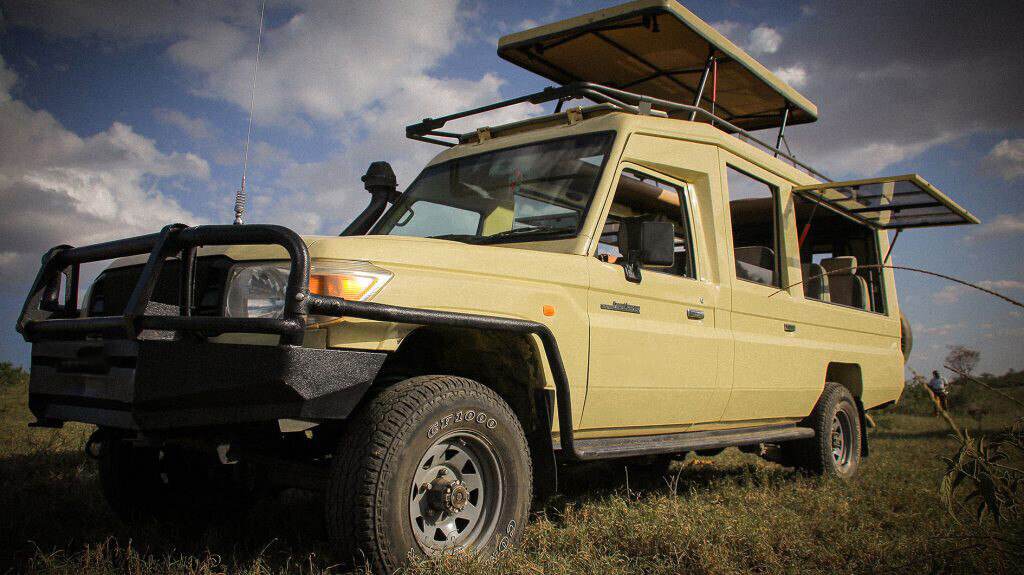
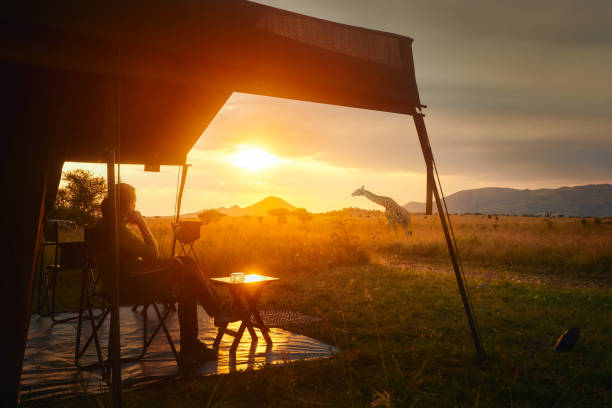
Train Travel in Tanzania Explained: Essential Travel Guide 2026-2027
For many travelers to Tanzania, the primary image conjured is one of vast savannas, iconic wildlife, and perhaps the snow-capped peak of Kilimanjaro. Safaris, treks, and beach holidays on Zanzibar often dominate the conversation. However, beneath the surface of these popular pursuits lies a network of railways offering a different perspective on this diverse East African nation. Train travel in Tanzania presents a unique opportunity to experience the country at a slower pace, interact with locals, and witness landscapes unfold beyond the usual tourist trails. This comprehensive guide aims to demystify train travel in Tanzania, providing practical information for planning your journey in 2026-2027.
Quick Overview of Tanzania’s Railway Network
Tanzania’s railway system is primarily managed by the Tanzania Railways Corporation (TRC). The network connects major cities and towns, with the most significant and frequently used line being the Central Line. This line runs from Dar es Salaam on the coast, westward through the country, passing through Dodoma (the capital), Manyoni, Tabora, and extending to Kigoma on the shores of Lake Tanganyika, and also to Mwanza on Lake Victoria. There is also a southern line connecting Dar es Salaam to Mtwara, though its operational status and passenger service can be less predictable than the Central Line.
In recent years, significant investment has been made in upgrading parts of the network, most notably the Standard Gauge Railway (SGR) project, which is gradually replacing older sections of the track, particularly between Dar es Salaam and the western regions. While the SGR is a modern development, the older ‘narrow gauge’ lines still form the backbone of much of the current passenger service.
Understanding the current state of these lines, particularly for passenger services in 2026-2027, is key to planning an effective trip. This guide will focus on the services that are reliably available to travelers seeking to use trains as a mode of transport.
| Aspect | Details |
|---|---|
| Primary Operator | Tanzania Railways Corporation (TRC) |
| Main Passenger Line | Central Line (Dar es Salaam – Kigoma/Mwanza) |
| Key Stations | Dar es Salaam, Dodoma, Tabora, Kigoma, Mwanza |
| Type of Trains | Mixed (older narrow gauge, newer standard gauge sections) |
| Travel Style | Local experience, budget-friendly, slow travel |
| Booking | Primarily at stations; online options may be limited or developing |
| Comfort Level | Basic to moderate, depending on class and train type |
Why Consider Train Travel in Tanzania?
While flights are swift and private road transfers offer flexibility, train travel in Tanzania offers distinct advantages for certain types of travelers and experiences:
- Authentic Local Experience: Trains are a vital mode of transport for many Tanzanians. Traveling by rail allows you to share compartments with locals, observe daily life, and gain a more grounded understanding of the country.
- Scenic Views: The railway lines traverse diverse landscapes, from coastal plains to rolling hills, agricultural areas, and the edges of national parks. Watching the scenery change from a train window is a unique way to see Tanzania.
- Cost-Effectiveness: Generally, train travel is significantly more affordable than flying or hiring private vehicles for long distances. This makes it an attractive option for budget-conscious travelers or those looking to allocate more funds to activities and accommodations.
- Reduced Travel Stress: For long journeys, avoiding the potential hassles of road traffic, multiple checkpoints, or flight delays can be appealing. Once on board, you can relax and let the journey unfold.
- Environmental Consideration: Compared to flying or extensive private vehicle use, train travel can be a more environmentally friendly choice for covering long distances.
The Central Line: The Heart of Tanzanian Rail Passenger Service
The Central Line is the most reliable and well-serviced route for passenger trains in Tanzania. It’s the artery that connects the economic hub of Dar es Salaam to the country’s interior and its western regions. Understanding its route is fundamental for planning any train-based itinerary.
Key Segments and Destinations:
- Dar es Salaam to Dodoma: This is a popular stretch, connecting the coast to the capital city. It passes through agricultural lands and smaller towns.
- Dodoma to Tabora: This segment continues westward, moving into drier inland areas. Tabora is a historic trading town.
- Tabora to Kigoma: The line reaches its western terminus at Kigoma, a port town on the eastern shore of Lake Tanganyika. This is a long journey, often taking over 24 hours.
- Tabora to Mwanza: An alternative branch from Tabora heads north to Mwanza, Tanzania’s second-largest city and a major port on Lake Victoria.
Travelers often use the train to access areas like Iringa (though a bus connection from Kilosa or Dodoma is usually required), Tabora for its history, Kigoma for Lake Tanganyika and Gombe Stream National Park (though access to Gombe is usually via boat from Kigoma), and Mwanza for exploring Lake Victoria and nearby attractions.
Illustrative Route: Central Line (Simplified)
- Dar es Salaam (Coast)
- Morogoro (Agricultural region)
- Kilosa (Junction town)
- Dodoma (Capital City)
- Manyoni (Junction town)
- Tabora (Historic town)
- Branch North: Mwanza (Lake Victoria)
- Continue West: Kigoma (Lake Tanganyika)
Understanding Train Classes and Comfort Levels
TRC generally offers different classes of travel, which directly impact comfort, amenities, and price. For the Central Line passenger services, you can typically expect:
- First Class (First Class Sleeper/Sitting): This is the most comfortable option. Seats are usually spacious and reclining. Sleeper compartments (often 2-berth or 4-berth) are available on overnight services, providing a bed and some privacy. These are the best choice for long journeys.
- Second Class (Second Class Sleeper/Sitting): Offers a step down in comfort from first class. Seats may be less spacious, and compartments are more basic. Sleeper options might be available, but are generally simpler. This class is a good balance of cost and comfort for many travelers.
- Third Class: The most basic and cheapest option. Seats are often bench-style, and compartments are open with many passengers. This class is very much a local experience and can be crowded. It’s generally not recommended for tourists undertaking long journeys unless seeking a truly immersive, no-frills adventure.
The availability of specific classes can vary depending on the train and the route. For instance, overnight services are more likely to have sleeper options. It’s advisable to aim for First or Second Class for any journey exceeding a few hours to ensure a more pleasant experience.
Best Time to Travel by Train in Tanzania (2026-2027)
While trains run year-round, certain periods offer a more comfortable travel experience:
- Dry Seasons (June to October, and January to February): These periods generally offer pleasant weather across much of Tanzania. Road conditions are good, and train journeys are less likely to be affected by heavy rains. The landscape can be drier, but wildlife viewing in national parks (which might be accessed indirectly) is often excellent.
- Shoulder Seasons (March to May, and November to December): These months can see significant rainfall, especially the long rains from March to May. While train lines are usually operational, heavy downpours can sometimes cause delays or disruptions. However, this is also a time of lush green landscapes and fewer crowds, which can be appealing.
For train travel specifically, the dry seasons are preferable for overall comfort and to minimize the chances of weather-related delays. However, if your itinerary is flexible and you don’t mind the possibility of some rain, traveling during the shoulder seasons can offer a more tranquil journey and potentially lower demand for tickets.
Sample Itinerary: Dar es Salaam to Mwanza by Train
This sample itinerary outlines a possible journey using the Central Line. Please note that train schedules are subject to change and can be inconsistent. This is a guideline, and actual travel times may vary significantly. It’s essential to confirm schedules locally closer to your travel date for 2026-2027.
Day 1: Dar es Salaam to Dodoma
Morning: Arrive at Dar es Salaam Central Railway Station well in advance of departure. Purchase your tickets for First or Second Class. Confirm the departure time, which can vary but often departs in the morning or early afternoon.
Afternoon/Evening: The journey to Dodoma takes approximately 8-12 hours, depending on the train and stops. You’ll pass through agricultural areas and witness the landscape change as you head inland. Enjoy the views and the local atmosphere. Arrive in Dodoma in the evening.
Accommodation: Overnight in Dodoma.
Day 2: Dodoma to Tabora
Morning: After breakfast, head back to Dodoma station. Purchase tickets for the onward journey to Tabora. Departures can be in the morning or early afternoon.
Afternoon/Evening: The journey to Tabora is another significant leg, typically taking around 6-9 hours. The scenery becomes more arid. Arrive in Tabora in the evening.
Accommodation: Overnight in Tabora.
Day 3: Tabora to Mwanza
Morning: Spend some time exploring Tabora if time permits, or head directly to the station. Secure your tickets for the final leg to Mwanza. This train typically departs in the morning.
Afternoon/Evening: The journey to Mwanza takes approximately 6-8 hours. The landscape opens up as you approach the vastness of Lake Victoria. Arrive in Mwanza in the late afternoon or early evening.
Total Travel Time: Approximately 3 days of active train travel.
Note: This is a simplified representation. Actual train schedules may mean longer waits between legs or overnight stays in stations. Some services might offer direct overnight trains between major points, but these need to be verified.
What to Expect on a Tanzanian Train Journey
Train travel in Tanzania is an experience that requires patience and a willingness to embrace the unexpected. Here’s what you can generally anticipate:
- Punctuality: Schedules can be fluid. Trains may depart late or arrive later than scheduled. Flexibility is key.
- Crowds: Especially in lower classes, trains can be very crowded. Even in First or Second Class, expect a lively atmosphere.
- Amenities: Toilets are usually available, but their cleanliness can vary. Onboard catering is often limited to vendors selling snacks and drinks, or a basic dining car on some longer routes. Bringing your own food and water is highly recommended.
- Security: While generally safe, it’s wise to keep your belongings secure and within sight, especially during stops and boarding.
- Language: Swahili is the primary language. While some staff may speak basic English, especially in major stations, having a few Swahili phrases can be helpful.
- Pace: This is slow travel. Journeys that might take a few hours by road can take a full day or more by train. Embrace the journey itself as part of the experience.
Booking Your Train Tickets
Booking train tickets in Tanzania is typically a straightforward, albeit sometimes time-consuming, process:
- At the Station: The most common and reliable method is to purchase tickets directly from the ticket counter at the railway station. It’s advisable to go to the station at least a few hours before departure, especially for popular routes or if you want to secure First Class tickets. For longer journeys, you might need to buy tickets for each segment of your trip separately.
- Online/App Booking: TRC is developing its digital presence, and limited online booking options might become available or improve by 2026-2027. However, for the current situation, relying on station purchases is usually more dependable. Check the official TRC website for any updates.
- Through a Tour Operator: For a more hands-off approach, some local tour operators, like Top Guide Adventures, can assist with booking train tickets as part of a larger itinerary. This can be particularly helpful if you have complex travel plans or are unfamiliar with the local process.
Tip: For overnight journeys in sleeper compartments, book these as far in advance as possible, especially during peak travel seasons. If you are traveling between major cities like Dar es Salaam and Kigoma, you might be able to book a multi-day ticket, but often it’s segment by segment.
What to Pack for Train Travel in Tanzania
Packing smart will significantly enhance your comfort and preparedness for a Tanzanian train journey:
Essential Items:
- Plenty of Water: Stay hydrated. Purchase large bottles at stations or bring your own.
- Snacks and Food: Bring non-perishable snacks, fruits, bread, and any favorite treats. While vendors sell items, choices can be limited.
- Comfortable Clothing: Light, breathable fabrics are best. Layers are useful as temperatures can change.
- Travel Pillow and Blanket: Especially for Second Class or if you anticipate a chilly night. First Class sleepers usually provide bedding.
- Entertainment: Books, downloaded movies, music, or a journal.
- Power Bank: To keep your devices charged, as charging points may be scarce or occupied.
- Hand Sanitizer and Wet Wipes: For hygiene, especially around toilets and food.
- Basic First-Aid Kit: Including pain relievers, motion sickness medication, and any personal prescriptions.
- Small Backpack: To keep essentials easily accessible during the journey.
- Cash: For purchasing tickets, food, and small items from vendors.
- Camera: To capture the changing landscapes.
- Insect Repellent: Especially if traveling during or after rainy seasons.
Common Mistakes to Avoid
To ensure a smoother experience with train travel in Tanzania, be aware of these common pitfalls:
- Underestimating Travel Times: Always add buffer time. Journeys often take longer than initially expected.
- Not Confirming Schedules: Train times can change without much notice. Always verify departure times at the station.
- Expecting Western Standards: Train infrastructure and services are developing. Manage expectations regarding punctuality, cleanliness, and amenities.
- Traveling in Third Class for Long Distances: Unless you are an adventurous budget traveler seeking maximum local immersion, Third Class can be extremely uncomfortable for journeys over several hours.
- Not Carrying Enough Food and Water: Relying solely on onboard vendors can lead to disappointment.
- Not Securing Valuables: Always be mindful of your belongings, especially in crowded areas or when sleeping.
- Arriving Late for Departure: Given potential delays, it’s still crucial to be at the station well in advance to navigate ticket collection and boarding.
Who is Train Travel in Tanzania Best For?
Train travel in Tanzania is not for everyone, but it is ideal for:
- Budget Travelers: Those looking to minimize transportation costs while maximizing their experience of the country.
- Slow Travelers: Individuals who appreciate the journey as much as the destination and enjoy observing local life.
- Adventurous Explorers: Travelers seeking authentic, off-the-beaten-path experiences and a deeper connection with the local culture.
- Photographers and Landscape Enthusiasts: Those who enjoy capturing diverse scenery from a unique vantage point.
- Travelers with Flexible Itineraries: People who are not on a strict schedule and can accommodate potential delays or changes.
It is generally less suitable for travelers on a tight schedule, those seeking luxury or high levels of comfort, or those with mobility issues who might find boarding and navigating stations challenging.
Alternatives to Train Travel in Tanzania
While train travel offers a unique experience, other transportation methods are more common and often more practical for tourists:
- Flights: For covering long distances quickly between major cities like Dar es Salaam, Kilimanjaro International Airport (JRO), Arusha, Zanzibar, and Mwanza. This is the fastest but most expensive option.
- Private Road Transfers: Hiring a private vehicle with a driver is a popular and convenient way to travel between destinations, especially for safaris or reaching remote areas. Offers flexibility but is costly.
- Buses: A vast network of public buses connects almost every town and village. They are affordable and frequent but can be slow, crowded, and less comfortable than trains, especially for long journeys. Companies like Scandinavia, Modern Coast, and Abood operate on major routes.
- Dala-dalas: Local minibuses used for short distances within towns and between nearby villages. A very local and budget-friendly experience but not suitable for inter-city travel.
- Ferries: Essential for travel to Zanzibar (from Dar es Salaam) and for navigating the large lakes like Tanganyika and Victoria.
| Factor | Train | Bus | Flight |
|---|---|---|---|
| Cost | Low to Moderate | Very Low | High |
| Speed | Slow | Slow to Moderate | Fast |
| Comfort | Basic to Moderate (First/Second Class) | Basic to Poor | High |
| Scenery | Good | Good (can be obstructed) | Minimal |
| Local Interaction | High | Very High | Low |
| Reliability (Schedules) | Moderate (can be inconsistent) | Moderate to High (frequent departures) | High (subject to weather) |
| Best For | Slow travel, budget, local experience | Budget, local routes, short distances | Long distances, time-saving |
Planning Your Train Travel in Tanzania for 2026-2027
Successful train travel in Tanzania requires careful planning. Here’s a step-by-step approach for your 2026-2027 trip:
- Define Your Route: Decide where you want to go. The Central Line offers access to key inland cities. Research the specific stops and their relevance to your interests (e.g., Tabora for history, Kigoma for Lake Tanganyika).
- Check Current Schedules: This is crucial and often the most challenging part. Information online may be outdated. Your best bet is to inquire with local contacts or at the station itself closer to your travel dates. For 2026-2027, expect potential ongoing SGR developments which might affect existing lines.
- Book Tickets: Plan to purchase tickets in person at the station. For long journeys, consider booking a day or two in advance if possible, especially for First Class sleepers.
- Allocate Ample Time: Build significant buffer time into your itinerary for each train journey. Factor in potential delays and the time needed to get to and from stations.
- Prepare Your Supplies: Pack enough food, water, entertainment, and comfort items as outlined in the packing section.
- Consider Your Accommodation: Book accommodation at your destination stations, especially if arriving late at night.
- Have a Backup Plan: Be prepared to switch to bus travel or other arrangements if train services are significantly disrupted or unavailable.
Booking Advice for Train Journeys
When booking your train tickets and planning your overall trip using trains in Tanzania for 2026-2027, consider these points:
- Engage Local Expertise: If you’re not comfortable navigating the local transport system or finding up-to-date schedules, a local tour operator like Top Guide Adventures can be invaluable. They can assist with ticket purchases, advise on the best class of travel, and help integrate train journeys into a larger itinerary. You can reach them via WhatsApp at +255616946642 or email at topguideadventures@gmail.com / info@topguideadventures.com.
- Be Flexible: Train schedules are not always fixed. Be prepared for last-minute changes or delays.
- Prioritize Comfort for Long Trips: For journeys exceeding 6-8 hours, invest in First or Second Class. Sleeper compartments are highly recommended for overnight travel to ensure you arrive at your destination rested.
- Understand Ticket Types: Ensure you understand if your ticket is for a sitting or sleeping berth, and the specific class.
- Confirm Luggage Policies: While generally lenient, be aware of any specific rules regarding luggage size and quantity. Your luggage should be manageable for you to carry.
Frequently Asked Questions (FAQs) about Train Travel in Tanzania
1. Are trains in Tanzania reliable for tourist travel in 2026-2027?
Train travel in Tanzania can be a unique experience but is generally less reliable in terms of punctuality and adherence to schedules compared to Western standards. While the TRC operates services, delays are common. For travelers who value flexibility and are not on a tight schedule, it’s a viable option. For those with strict time constraints, flights or private transfers are more dependable.
2. How do I buy train tickets in Tanzania?
The most common way to buy train tickets is in person at the railway station. It’s recommended to go to the station a few hours before departure, especially for popular routes or First Class tickets. Online booking options are limited and may not be fully developed for all routes by 2026-2027. Local tour operators can assist with this.
3. What is the difference between First, Second, and Third Class on Tanzanian trains?
First Class offers the most comfortable seating and is usually available with private sleeper compartments for overnight journeys. Second Class is more basic but still provides adequate seating and sometimes simpler sleeper options. Third Class is the most rudimentary, with bench seating and a local, often crowded, atmosphere. For longer trips, First or Second Class is strongly advised.
4. Can I travel overnight on Tanzanian trains?
Yes, many long-distance services on the Central Line, such as those between Dar es Salaam and Kigoma or Mwanza, operate overnight and offer sleeper compartments in First and Second Class. These are ideal for covering long distances while saving on accommodation costs, provided you book them in advance.
5. What food and drinks are available on the train?
Onboard catering is typically limited. You can usually buy snacks and drinks from vendors on the train or at stations. Some longer routes may have a basic dining car. It is highly recommended to bring your own supply of water, snacks, and meals for the journey.
6. Is train travel safe in Tanzania?
Train travel in Tanzania is generally considered safe. Like any public transport, it’s advisable to be aware of your surroundings, keep your belongings secure, and avoid displaying large amounts of cash. The main risks are usually related to delays and the basic condition of some infrastructure.
7. How long does the train journey from Dar es Salaam to Kigoma take?
The journey from Dar es Salaam to Kigoma on the Central Line is a very long one, typically taking around 24 to 36 hours, depending on the specific train service and any operational delays. It’s a true test of patience and a deep dive into the Tanzanian landscape.
8. Are there toilets on Tanzanian trains?
Yes, toilets are available on passenger trains. However, their cleanliness can vary greatly. It is advisable to bring your own hand sanitizer and wet wipes.
9. Can I use my credit card to buy train tickets?
Credit card facilities at train stations for ticket purchases are uncommon. It is best to assume you will need to pay in cash (Tanzanian Shillings) for tickets.
10. What is the Standard Gauge Railway (SGR) and how does it affect current train travel?
The Standard Gauge Railway (SGR) is a modern, high-speed rail project being built across Tanzania, partly funded by China. As of 2026-2027, sections of the SGR are operational, primarily for freight and some passenger services (like the Dar es Salaam-Morogoro line). This is gradually replacing older narrow-gauge lines, which can lead to temporary route changes or disruptions. Travelers should stay updated on which lines are using SGR technology and which are still on the older network.
Conclusion: Embrace the Journey
Train travel in Tanzania offers a compelling alternative to more conventional modes of transport. It’s a chance to connect with the country on a more intimate level, observe its diverse landscapes at a relaxed pace, and experience genuine local life. While it demands patience and flexibility, the rewards of an authentic journey are significant.
For travelers planning their trips for 2026-2027, incorporating train travel can add a unique dimension to their Tanzanian adventure. Whether you’re heading inland to Dodoma, exploring the historical town of Tabora, or reaching the shores of Lake Tanganyika or Victoria, the railway offers a window into the heart of Tanzania. Remember to plan ahead, pack wisely, and most importantly, enjoy the adventure that train travel in Tanzania provides.
Ready to Plan Your Tanzanian Adventure?
While train travel offers a unique perspective, Top Guide Adventures specializes in crafting unforgettable safaris, Kilimanjaro treks, Zanzibar holidays, and custom itineraries across Tanzania. We can help you seamlessly integrate train journeys or arrange all your transport and accommodation needs for 2026-2027.
Contact us today to discuss your dream Tanzanian experience:
WhatsApp: +255616946642
Email: topguideadventures@gmail.com
Backup Email: info@topguideadventures.com
Let us help you create an extraordinary journey through Tanzania.
Plan your Train Travel in Tanzania Explained with Top Guide Adventures
Tell us your travel dates, group size, comfort level, and dream experience. We will help you shape a clear, realistic, and memorable Tanzania itinerary.







 Veedesigner
 Fatma Kizanga
 Benjamin Waryuba
 Philip Philip
 John jr Itaja
 Antonia Optatus
 Edith Kanyere
 Neema Iddy
 Kelvin Boniphace
 Damari Maiga



