
Updated planning guide for 2026-2027
Travel Time Between Major Tanzania Cities: Complete Guide 2026-2027
Understand the nuances of travel time between Tanzania's key cities. This comprehensive guide helps you plan your safari, Kilimanjaro trek, or Zanzibar holiday with realistic travel schedules for 2026-2027.
WhatsApp +255616946642 | topguideadventures@gmail.com | info@topguideadventures.com
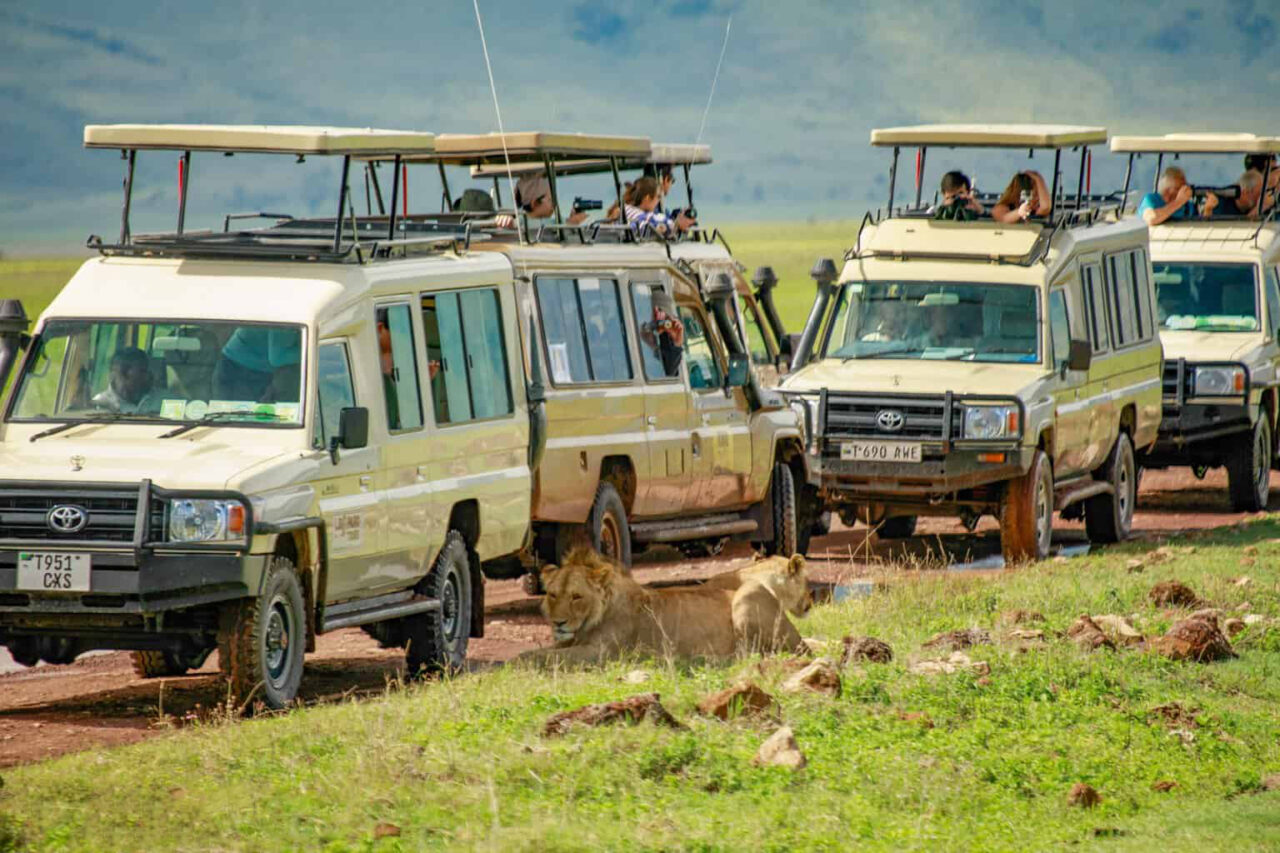
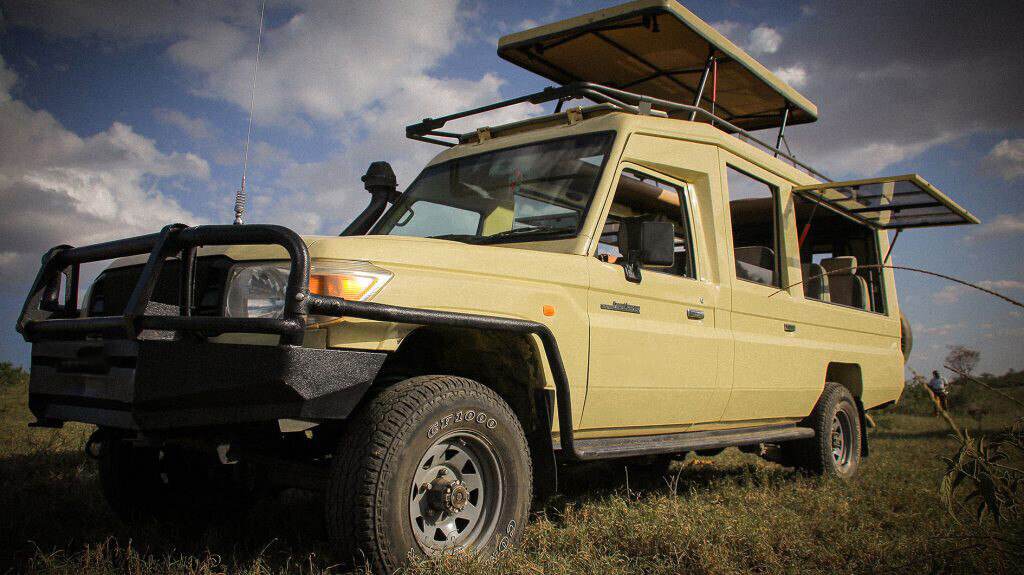
Understanding Travel Time Between Major Tanzania Cities
Planning a trip to Tanzania involves navigating a vast and diverse landscape. Understanding the travel time between major cities is crucial for creating a realistic and enjoyable itinerary. Whether you’re heading for a thrilling safari in the Serengeti, a challenging trek up Mount Kilimanjaro, or a relaxing break on the spice-scented beaches of Zanzibar, knowing how long it takes to get from point A to point B will save you time, stress, and potential disappointment. This guide provides an in-depth look at typical travel durations, factors influencing them, and practical advice for your 2026-2027 Tanzanian adventure.
The geography of Tanzania means that distances, while sometimes appearing short on a map, can translate into significant travel times due to road conditions, traffic, and the need for multiple transport methods. Efficient planning requires more than just looking at mileage; it demands an understanding of local transport realities.
Table of Contents
- Quick Facts on Tanzania Travel
- Overview of Major Cities & Travel Hubs
- Why Understanding Travel Time is Key
- Best Time to Travel for Smoother Journeys
- Illustrative Route Overview
- Itinerary Logic: Connecting the Dots
- Dar es Salaam: The Coastal Gateway
- Arusha: The Safari & Kilimanjaro Hub
- Zanzibar: The Island Paradise
- Moshi: The Kilimanjaro Base Camp
- Other Important Travel Points
- What to Expect on Tanzanian Roads
- Inclusions, Packing & Preparation Tips
- Common Mistakes to Avoid
- Who This Information is Best For
- Alternatives to Standard Travel
- Planning Your 2026-2027 Trip: Key Considerations
- Booking Advice for Efficient Travel
- Frequently Asked Questions (FAQs)
Quick Facts on Tanzania Travel
| Aspect | Details |
|---|---|
| Primary International Airports | Julius Nyerere International Airport (DAR) in Dar es Salaam, Kilimanjaro International Airport (JRO) near Arusha. Zanzibar International Airport (ZNZ). |
| Major Domestic Hubs | Dar es Salaam, Arusha, Zanzibar City, Kilimanjaro (JRO). |
| Primary Transport Modes | Flights (domestic & international), private road transfers, buses (long-distance), ferries (to Zanzibar). |
| Road Conditions | Vary significantly. Major highways are generally good, but secondary roads can be rough, unpaved, and slow. |
| Typical Travel Speed (Road) | Average 40-60 km/h outside major cities, depending on road quality. |
| Time Zones | East Africa Time (EAT), UTC+3. |
Overview of Major Cities & Travel Hubs
Tanzania is a large country, and its major centers are spread out. Understanding their geographical relationship is the first step to planning your travel.
- Dar es Salaam: Tanzania’s largest city and former capital, a bustling port city on the Indian Ocean coast. It’s the main economic hub and a primary entry point for international travelers.
- Arusha: Located in the northern highlands, Arusha is the gateway to the famous northern safari circuit (Serengeti, Ngorongoro Crater, Tarangire, Lake Manyara) and Mount Kilimanjaro. It’s a popular transit point for trekkers and safari-goers.
- Zanzibar: An archipelago off the coast, famous for its spice plantations, historical Stone Town, and stunning beaches. It’s accessed primarily by ferry or short flights from the mainland.
- Moshi: A smaller town near Arusha, also serving as a major base for Kilimanjaro expeditions. It offers a slightly more laid-back atmosphere than Arusha.
Why Understanding Travel Time is Key
Ignoring travel times can lead to:
- Missed flights or onward connections: Especially critical when flying out of the country or to other destinations.
- Rushed experiences: Arriving late to a lodge or activity can diminish the enjoyment.
- Unnecessary fatigue: Long, arduous journeys can leave you tired before your main adventure begins.
- Increased costs: Last-minute changes or requiring private transport due to missed public transport can be expensive.
- Disrupted itineraries: A delayed journey can have a domino effect on subsequent bookings.
Accurate estimates for travel time between major Tanzania cities are vital for a smooth, enjoyable trip in 2026-2027.
Best Time to Travel for Smoother Journeys
While Tanzania is a year-round destination, certain periods offer better travel conditions, particularly for road travel:
- Dry Seasons (June to October & December to February): These periods generally have better road conditions as the rains have subsided or have not yet begun. This means faster and more reliable travel times, especially for overland journeys. Safari viewing is also excellent during the June-October dry season.
- Shoulder Seasons (March-May, November): These months can experience the ‘long rains’ (March-May) and ‘short rains’ (November). While beautiful and less crowded, road travel can be significantly slower, with potential for delays due to washed-out roads or muddy conditions. Flights are generally unaffected.
For 2026-2027, consider the dry seasons for the most predictable travel times.
Illustrative Route Overview
This is a simplified representation. Actual routes may vary based on road conditions and specific destinations within regions.
| Point A | Point B | Primary Mode(s) | Estimated Time (Typical) | Notes |
| Dar es Salaam (DAR) | Arusha (near JRO) | Flight (recommended) Private Road Transfer (long) |
Flight: 1-1.5 hours Road: 8-12 hours |
Flight is highly recommended for efficiency. Road is a very long day, often requiring an overnight stop. |
| Arusha | Serengeti National Park (Central) | Private Road Transfer (4×4 safari vehicle) | 6-9 hours | Includes park entry and game drive en route. Roads within the park can be slow. |
| Arusha | Ngorongoro Conservation Area (Crater Rim) | Private Road Transfer (4×4 safari vehicle) | 3-4 hours | Includes entry fees. Roads are generally good until the final ascent. |
| Arusha | Moshi | Private Road Transfer / Bus | 1.5-2.5 hours | Good paved road. |
| Dar es Salaam | Zanzibar (Stone Town / Airport) | Ferry (to Stone Town) Flight (to ZNZ) |
Ferry: 1.5-2 hours Flight: 15-30 minutes |
Ferry is scenic but can be affected by sea conditions. Flights are faster and more reliable. |
| Arusha | Zanzibar (ZNZ) | Flight (via DAR or direct) | Flight: 1-2 hours (including layover if applicable) | Direct flights are available but less frequent than via Dar. |
| Moshi | Zanzibar (ZNZ) | Flight (via JRO/DAR) | Flight: 2-3 hours (including transfers) | Requires transfer to JRO airport and then a flight. |
Itinerary Logic: Connecting the Dots
Effective itinerary planning hinges on understanding these travel times. Here’s how to build logical sequences:
- Prioritize Flights for Long Distances: For the significant distance between Dar es Salaam and Arusha/Kilimanjaro region, flying is almost always the best option for efficiency and comfort. This saves an entire day of travel.
- Group Northern Circuit Activities: If your focus is safari and Kilimanjaro, base yourself in Arusha or Moshi. All your activities in the Serengeti, Ngorongoro, and the mountain trek start from this region. Minimize back-and-forth travel to Dar es Salaam unless your international flight departs from there.
- Connect Zanzibar Strategically: Zanzibar can be visited either at the beginning or end of your trip. Flying directly from Arusha/JRO to Zanzibar is often more efficient than returning to Dar es Salaam first. If flying internationally from DAR, consider spending your last night on Zanzibar and then flying to DAR for your departure, or flying from ZNZ to DAR on your departure day (allowing ample time).
- Factor in Buffer Time: Always add extra time for transfers to and from airports/ferry terminals, check-in procedures, potential delays, and immigration/customs. For road transfers, expect them to take longer than the minimum estimated time.
Dar es Salaam: The Coastal Gateway
Dar es Salaam (DAR) is Tanzania’s largest city and its primary international airport. Travel here usually involves:
- To Arusha/Kilimanjaro: As mentioned, flying is the most practical. Domestic flights from DAR to Kilimanjaro International Airport (JRO) take about 1 to 1.5 hours. The alternative is a private road transfer, which is an arduous 8-12 hour journey, often requiring an overnight stop. For most travelers in 2026-2027 aiming for safaris or Kilimanjaro, flying is the only sensible option to maximize time on the ground.
- To Zanzibar: This is a common route. The quickest way is a short flight (15-30 minutes) from DAR to Zanzibar International Airport (ZNZ). Alternatively, you can take a ferry from the Dar es Salaam ferry terminal to Stone Town, Zanzibar. The ferry journey takes approximately 1.5 to 2 hours and can be affected by sea conditions. While cheaper, it’s less predictable than flying.
- To Other Destinations: Dar es Salaam also serves as a hub for travel to southern Tanzania (e.g., Selous Game Reserve, Ruaha National Park), which often involves domestic flights or long overland journeys.
Arusha: The Safari & Kilimanjaro Hub
Arusha is the operational heart for northern Tanzania tourism. Travel times from Arusha include:
- To Serengeti National Park: A typical safari drive in a 4×4 vehicle takes between 6 to 9 hours to reach the central Serengeti, depending on the specific gate and your lodge location. This journey includes park entry procedures and often a game drive en route, making it a full day.
- To Ngorongoro Conservation Area: The drive to the Ngorongoro Crater rim takes about 3 to 4 hours. The roads are generally paved for most of the way, with the final ascent being a gravel track.
- To Tarangire National Park: Approximately 2-3 hours drive from Arusha.
- To Lake Manyara National Park: Approximately 2-3 hours drive from Arusha.
- To Moshi: A short drive of 1.5 to 2.5 hours on a good paved road.
- To Zanzibar: Direct flights from Arusha Airport (ARK) or Kilimanjaro International Airport (JRO) to Zanzibar (ZNZ) are available, taking around 1 to 2 hours, including any potential layovers. This is the most efficient way to connect.
- To Dar es Salaam: As mentioned, flying from JRO to DAR (1-1.5 hours) is the recommended method.
Zanzibar: The Island Paradise
Travel on Zanzibar itself is typically by private car or taxi. Travel times to and from the mainland are:
- From Dar es Salaam: Flight (15-30 mins to ZNZ) or Ferry (1.5-2 hours to Stone Town).
- From Arusha/Kilimanjaro: Flight (1-2 hours, possibly with a stop in DAR).
- On the Island:
- Zanzibar Airport (ZNZ) to Stone Town: Approx. 15-30 minutes.
- Stone Town to Nungwi (North): Approx. 1.5-2 hours.
- Stone Town to Paje (East Coast): Approx. 1-1.5 hours.
- Stone Town to Kendwa (North-West): Approx. 1.5-2 hours.
Moshi: The Kilimanjaro Base Camp
Moshi is primarily a gateway for Kilimanjaro treks and shares proximity with Arusha.
- To Arusha: 1.5-2.5 hours by road.
- To Kilimanjaro International Airport (JRO): Approx. 45 minutes to 1 hour. This is crucial for trekkers flying in or out.
- To Dar es Salaam: Flying from JRO is the most practical option (1-1.5 hours). Overland is a very long journey (8-12 hours+).
- To Zanzibar: Fly from JRO to ZNZ (1-2 hours, potentially with a layover).
Other Important Travel Points
While Dar, Arusha, and Zanzibar are the main hubs, other locations are relevant:
- Mwanza: Located on the shores of Lake Victoria, it’s a gateway to western Tanzania. Travel from Arusha to Mwanza is typically by flight (approx. 1.5 hours) or a very long overland journey (10-12 hours).
- Tanga: A coastal city north of Dar es Salaam. Accessible by road from Dar (approx. 4-6 hours) or by train.
What to Expect on Tanzanian Roads
Road travel in Tanzania is an experience in itself. Be prepared for:
- Variable Road Quality: Major highways connecting key cities are often paved and in reasonable condition. However, as soon as you leave these main arteries, especially in rural areas or national parks, roads become unpaved, dusty, and can be very bumpy.
- Traffic Congestion: In and around Dar es Salaam and Arusha, traffic can be heavy, particularly during peak hours. This significantly impacts travel times within cities and on their outskirts.
- Slow Speeds: Due to road conditions, traffic, and the presence of pedestrians, bicycles, and animals, average speeds are considerably lower than you might be accustomed to. Expect averages of 40-60 km/h outside major urban centers.
- Unpredictable Delays: Roadworks, breakdowns, police checkpoints, and weather can all cause unexpected delays.
- Scenery: Despite the challenges, road journeys offer incredible views of the Tanzanian countryside, local life, and diverse landscapes.
Inclusions, Packing & Preparation Tips
When planning your travel, consider these practical aspects:
| Aspect | Details |
|---|---|
| Included in Tours | Most reputable tour operators will include airport transfers, private vehicle hire with a driver/guide for safaris and Kilimanjaro treks, and internal flights if specified in the itinerary. Always confirm what is included. |
| Packing Essentials | Lightweight, breathable clothing; a warm layer for evenings/mornings (especially for Kilimanjaro/safari); comfortable walking shoes; sun protection (hat, sunglasses, sunscreen); insect repellent; basic first-aid kit; camera; power bank; universal adapter. For road trips, a neck pillow and entertainment can be helpful. |
| Preparation | Ensure your visa is sorted (if required). Confirm vaccinations and malaria precautions with your doctor. Inform your tour operator of any dietary needs or medical conditions. Download offline maps if you plan independent navigation. Stay hydrated. |
| Connectivity | Wi-Fi is available in most hotels and lodges, though speeds can vary. Consider purchasing a local SIM card for more reliable data access. Mobile phone reception can be patchy in remote safari areas. |
Common Mistakes to Avoid
Travelers often make these errors when planning around travel times:
- Underestimating Road Travel Times: Assuming distances translate directly to time as they would in more developed countries.
- Booking Flights Too Close Together: Not leaving enough buffer time between your arrival flight and your onward journey (especially if arriving internationally).
- Not Considering Road Conditions: Planning overland journeys during the rainy season without acknowledging potential delays.
- Over-scheduling: Trying to fit too much into one day, leading to rushed experiences and missed connections.
- Ignoring Internal Flight Luggage Limits: Domestic flights often have stricter luggage weight restrictions than international carriers.
- Not Factoring in Transfer Time to Airports/Ports: Forgetting the time needed to get from your hotel to the departure point.
Who This Information is Best For
This guide is essential for:
- First-time visitors to Tanzania: To set realistic expectations for travel.
- Independent travelers: Who are managing their own logistics and transport.
- Tour operators and agents: To better advise their clients.
- Anyone planning a multi-destination itinerary: Covering safari, Kilimanjaro, Zanzibar, or combinations thereof.
- Travelers in 2026-2027: Looking for up-to-date planning insights.
Alternatives to Standard Travel
While standard modes are common, consider these:
- Private Charters: For ultimate efficiency and comfort, especially for groups or time-sensitive itineraries, private bush planes can connect remote airstrips. This is a premium option.
- Overnight Buses/Sleeper Trains: For budget travelers, overnight buses can save on accommodation costs, but are less comfortable and can still be subject to delays. The Tazara railway connects Tanzania and Zambia, but its schedule and reliability for tourist travel between major cities is limited.
- Combining Modes: For instance, taking a ferry to Zanzibar and then flying back to Dar es Salaam for an international departure, or vice versa.
Planning Your 2026-2027 Trip: Key Considerations
When you start planning your Tanzania trip for 2026 or 2027, keep these in mind:
| Planning Step | Action | Notes for 2026-2027 |
|---|---|---|
| Define Itinerary Scope | Decide on your must-see locations (e.g., Serengeti, Kilimanjaro, Zanzibar). | Consider if you want a fast-paced trip or a more relaxed one. Shorter trips may necessitate flying between key hubs. |
| Choose Transport Modes | Select flights, private transfers, or public transport based on budget and time. | Book internal flights well in advance for 2026-2027, as they can fill up, especially during peak seasons. Research reputable bus companies if opting for overland. |
| Allocate Travel Days Wisely | Build realistic travel days into your schedule. | For a 10-day trip, plan for at least 2-3 days dedicated to travel between regions. For example, a day for Dar to Arusha transfer, and a day for Arusha to Serengeti transfer. |
| Book Accommodation Strategically | Ensure your accommodation is located conveniently for your onward travel. | If flying out of DAR, consider staying closer to the airport on your last night, or on Zanzibar if you plan to fly from ZNZ to DAR. |
| Confirm Visa Requirements | Check the latest visa regulations for Tanzania. | Visa policies can change. Ensure you apply in advance for 2026-2027 travel. |
| Health & Safety | Consult your doctor for necessary vaccinations and malaria advice. | Stay updated on any travel advisories for Tanzania for 2026-2027. |
| Budget Allocation | Factor in the cost of internal flights and private transfers, which can be significant. | Prices for flights and private vehicles may fluctuate. Early booking can sometimes secure better rates for 2026-2027. |
Booking Advice for Efficient Travel
To ensure smooth travel between Tanzania’s major cities in 2026-2027, follow this advice:
- Book Internal Flights Early: Especially for routes like Dar es Salaam to Arusha/Kilimanjaro (DAR-JRO) or Arusha/Kilimanjaro to Zanzibar (JRO-ZNZ), booking several months in advance is recommended. This secures your preferred times and often better pricing.
- Use a Reputable Tour Operator: For safari and Kilimanjaro treks, working with an experienced operator is invaluable. They manage all internal transfers, lodge bookings, and park logistics, taking the complexity out of travel time planning. They have established relationships with reliable transport providers.
- Confirm Transfer Details: If booking independently, always confirm pick-up times, locations, and contact numbers for all transfers (airport, hotel, ferry). Ensure your driver/guide knows your itinerary.
- Be Realistic with Road Journeys: If you choose overland travel, especially between Dar and Arusha, break the journey with an overnight stop. Trying to do it in one day is exhausting and risky.
- Factor in Time Zones and Day Length: Tanzania is on EAT (UTC+3). Daylight hours are relatively consistent year-round. Plan your travel to arrive at your destination with enough daylight to settle in.
- Communicate with Your Operator: If you have specific concerns about travel times or connections, discuss them with your tour operator. They can tailor the itinerary to minimize stressful transit periods.
Frequently Asked Questions (FAQs)
What is the fastest way to get from Dar es Salaam to Arusha?
The fastest and most practical way to travel from Dar es Salaam to Arusha (or Kilimanjaro International Airport – JRO) is by domestic flight. The flight duration is approximately 1 to 1.5 hours. Overland travel is a very long journey of 8-12 hours and is not recommended for most travelers in 2026-2027.
How long does it take to get from Arusha to the Serengeti?
The drive from Arusha to the central Serengeti typically takes between 6 to 9 hours in a 4×4 safari vehicle. This includes time for park entry procedures and often a game drive en route, making it a full day of travel and wildlife viewing.
Is it better to fly or take the ferry to Zanzibar from Dar es Salaam?
For speed and reliability, flying is generally better. A flight from Dar es Salaam (DAR) to Zanzibar (ZNZ) takes about 15-30 minutes. The ferry takes 1.5 to 2 hours and can be subject to sea conditions and delays. However, the ferry is a more budget-friendly option.
Can I drive directly from Dar es Salaam to the Ngorongoro Crater?
While technically possible, driving directly from Dar es Salaam to the Ngorongoro Crater rim is a very long journey, often exceeding 10-12 hours. Most travelers break this journey by flying from Dar es Salaam to Arusha/JRO and then taking a 3-4 hour road transfer from Arusha to Ngorongoro.
What are the typical travel times between safari locations in Northern Tanzania?
Travel times between safari locations in Northern Tanzania (e.g., Arusha to Tarangire, Tarangire to Ngorongoro, Ngorongoro to Serengeti) vary. Tarangire and Manyara are usually 2-3 hours from Arusha. Ngorongoro is 3-4 hours from Arusha. Moving between Serengeti, Ngorongoro, and other parks within the circuit can take anywhere from 2 to 8 hours depending on the specific route and park roads.
Are road conditions good for travel between major Tanzania cities in 2026-2027?
Road conditions vary greatly. Major routes between Dar es Salaam and Arusha are generally paved, but can still have traffic. Roads within national parks and to more remote areas are often unpaved, dusty, and can be rough, significantly increasing travel time. The dry seasons (June-Oct, Dec-Feb) offer the best conditions.
How much buffer time should I allow for travel between locations?
It’s always wise to add at least 20-30% buffer time to estimated travel durations, especially for road journeys. For airport transfers, allow at least 2-3 hours before your domestic flight and 3-4 hours for international flights, plus travel time to the airport itself.
Is it possible to travel between Kilimanjaro International Airport (JRO) and Zanzibar directly?
Yes, direct flights are available between Kilimanjaro International Airport (JRO) and Zanzibar International Airport (ZNZ). These flights typically take around 1 to 2 hours, though they may be less frequent than flights connecting through Dar es Salaam.
What is the best way to travel from Moshi to Zanzibar?
The most practical way to travel from Moshi to Zanzibar is to take a taxi or transfer to Kilimanjaro International Airport (JRO) (approx. 45-60 minutes) and then catch a flight to Zanzibar (ZNZ) (approx. 1-2 hours, possibly with a stop). Overland travel is extremely long and impractical.
How does the travel time between major Tanzania cities affect safari planning?
It dictates the pace of your safari. Long travel times mean you might spend a full day traveling between parks or to/from your entry/exit city. This often leads to itineraries that group destinations logically (e.g., all northern circuit parks together) and utilize flights for long-haul connections, maximizing time spent on game drives.
Plan Your Tanzania Adventure with Confidence
Understanding the travel time between major Tanzania cities is a cornerstone of effective trip planning. Whether you’re aiming for the vast plains of the Serengeti, the summit of Kilimanjaro, or the idyllic beaches of Zanzibar, having realistic expectations about transit will ensure your 2026-2027 journey is as smooth and enjoyable as possible. Don’t let travel logistics become a source of stress; plan them wisely.
Ready to create your dream Tanzanian itinerary? Let us handle the details. We specialize in crafting unforgettable safari, trekking, and beach holidays tailored to your interests and budget. Get in touch today to discuss your travel plans.
Contact us:
- WhatsApp: +255616946642
- Email: topguideadventures@gmail.com
- Backup Email: info@topguideadventures.com
Let us help you navigate the travel time between major Tanzania cities and ensure your adventure is perfect.
Plan your Travel Time Between Major Tanzania Cities with Top Guide Adventures
Tell us your travel dates, group size, comfort level, and dream experience. We will help you shape a clear, realistic, and memorable Tanzania itinerary.







 Veedesigner
 Fatma Kizanga
 Benjamin Waryuba
 Philip Philip
 John jr Itaja
 Antonia Optatus
 Edith Kanyere
 Neema Iddy
 Kelvin Boniphace
 Damari Maiga



