
Updated planning guide for 2026-2027
Uganda: Complete Guide 2026-2027
Discover Uganda, the "Pearl of Africa," with this in-depth travel guide. From iconic mountain gorillas to vibrant cultures and stunning landscapes, learn how to plan your perfect 2026-2027 adventure.
WhatsApp +255616946642 | topguideadventures@gmail.com | info@topguideadventures.com

Uganda: Your Essential Travel Guide for 2026-2027
Uganda, often called the “Pearl of Africa,” offers a travel experience unlike any other. This landlocked East African nation is a treasure trove of biodiversity, dramatic landscapes, and rich cultural heritage. Famous for its dense rainforests, stunning mountain ranges, and a significant portion of the world’s remaining mountain gorillas, Uganda presents an unparalleled opportunity for wildlife encounters and authentic cultural immersion. Whether you’re dreaming of tracking gorillas in Bwindi Impenetrable National Park, witnessing the mighty Murchison Falls, or exploring the vibrant capital city of Kampala, this guide will equip you with everything you need to plan an unforgettable journey for 2026-2027.
This detailed guide covers all aspects of planning a trip to Uganda, from understanding its appeal and choosing the best time to visit, to crafting an itinerary, preparing for your adventure, and making informed booking decisions. We aim to provide practical, actionable advice for travelers seeking a genuine and rewarding experience in this remarkable country.
Quick Facts About Uganda
| Official Name | Republic of Uganda |
| Capital City | Kampala |
| Languages | English, Swahili (official); Luganda and other local languages widely spoken |
| Currency | Ugandan Shilling (UGX) |
| Visa Requirements | Most nationalities require a visa. Available online (e-visa) or on arrival at Entebbe International Airport. Check current regulations. |
| Best Time to Visit | Dry seasons: June to August and December to February. Gorilla trekking is possible year-round. |
| Main Attractions | Mountain Gorilla Trekking, Chimpanzee Trekking, Wildlife Safaris (Murchison Falls, Queen Elizabeth, Kidepo Valley), Source of the Nile, Cultural Experiences. |
| Getting Around | Flights, private vehicles with drivers, public buses (for the adventurous). |
Why Choose Uganda for Your Next Adventure?
Uganda stands out in East Africa for several compelling reasons, offering a distinct experience that appeals to a wide range of travelers. Its primary draw is undoubtedly the opportunity to encounter mountain gorillas in their natural habitat, a profoundly moving experience that few places on Earth can offer.
1. Unrivaled Gorilla and Chimpanzee Encounters
Uganda is home to approximately half of the world’s endangered mountain gorillas, found primarily in the Bwindi Impenetrable National Park and the Virunga Mountains (Mgahinga Gorilla National Park). The trekking experience here is often described as life-changing, allowing for close, respectful observation of these gentle giants. Beyond gorillas, Uganda also boasts significant populations of chimpanzees, with excellent trekking opportunities in Kibale Forest National Park, often referred to as the “Primate Capital of Africa.” These close-up encounters with our closest living relatives are incredibly intimate and educational.
2. Diverse Wildlife and Stunning Scenery
While gorillas are a major highlight, Uganda’s wildlife viewing extends far beyond primates. Murchison Falls National Park, Uganda’s largest, features the powerful falls and offers boat safaris on the Nile, where you can spot hippos, crocodiles, and abundant birdlife. Queen Elizabeth National Park is renowned for its tree-climbing lions in the Ishasha sector, along with a diverse array of mammals and birds. Kidepo Valley National Park, though more remote, offers a truly wild safari experience with unique species and dramatic, semi-arid landscapes.
The landscapes themselves are breathtaking. From the misty, ancient rainforests of Bwindi to the vast savannas of Kidepo, the crater lakes of the Rwenzori Mountains, and the source of the mighty River Nile, Uganda offers a visual feast.
3. Authentic Cultural Experiences
Uganda is a melting pot of diverse ethnic groups, each with its own traditions, languages, and customs. Travelers have opportunities to engage respectfully with local communities, visit traditional villages, learn about local crafts, and witness daily life. The Batwa pygmy community, for instance, offers insights into their ancient forest-dwelling culture. Interactions with local people are often warm and welcoming, adding a rich layer to the travel experience.
4. Accessibility and Infrastructure
While still offering a sense of adventure, Uganda’s tourism infrastructure has developed significantly. Entebbe International Airport (EBB) is the main gateway, with connections to major international hubs. Within the country, a network of well-maintained roads (though some can be rough in national parks), internal flights, and reliable tour operators make travel relatively straightforward, especially when compared to some more remote destinations.
5. A Less Crowded Safari Experience
Compared to some of its more famous East African neighbors, Uganda often offers a less crowded and more intimate safari experience. This allows for a deeper connection with nature and wildlife, without the constant presence of numerous other vehicles.
Best Time to Visit Uganda for Your 2026-2027 Trip
Uganda’s climate is tropical, with two distinct dry seasons and two wet seasons. This means that travel is possible year-round, but the dry seasons generally offer the most comfortable conditions for safaris and trekking.
Dry Seasons (Ideal for Safaris & Trekking)
- June to August: This is a prime time. The weather is typically sunny and dry, making game drives and trekking more pleasant. Vegetation is less dense, improving visibility for wildlife. It’s also a popular time, so booking in advance is recommended for 2026-2027.
- December to February: Another excellent dry period. Expect warm, sunny days, ideal for exploring national parks. This season can also be busy, particularly around the Christmas and New Year holidays.
Wet Seasons (Lower Crowds, Lush Scenery)
- March to May: This is the main rainy season. Expect frequent, heavy downpours, especially in the afternoons. While challenging for some activities, it offers lush, green landscapes, fewer tourists, and potentially lower prices. Gorilla permits are often easier to secure.
- September to November: A shorter, less intense rainy season. You might experience intermittent showers, but there are often periods of sunshine. The landscape is beautiful and green, and birdwatching is excellent.
Gorilla Trekking Seasonality
It’s important to note that gorilla trekking is possible and rewarding in any season. The jungle is always humid, and rain can occur even in the dry months. The dry seasons offer slightly easier trekking conditions due to less mud and slippery trails. However, the wet seasons can mean less dense vegetation, potentially making the gorillas easier to spot. The number of permits available is limited year-round, so booking well in advance for 2026-2027 is crucial regardless of the season.
Key Destinations and Regions in Uganda
Uganda offers a rich variety of landscapes and wildlife experiences across its national parks and regions. Understanding these key areas will help you tailor your itinerary.
1. Bwindi Impenetrable National Park
Highlights: Mountain Gorilla Trekking.
Description: A UNESCO World Heritage site, Bwindi is a vast, ancient rainforest supporting an incredible diversity of life, including over half of the world’s mountain gorillas. The terrain is rugged and hilly, making trekking challenging but incredibly rewarding. There are four main sectors: Buhoma, Ruhija, Rushaga, and Nkuringo, each offering unique trekking experiences and accommodation options.
2. Mgahinga Gorilla National Park
Highlights: Mountain Gorilla Trekking, Golden Monkey Trekking, Volcano Hiking.
Description: Part of the larger Virunga Mountains range, Mgahinga is home to one gorilla family that is usually available for trekking. It also offers golden monkey trekking, a chance to hike volcanoes like Mount Muhabura, and stunning views. It provides a slightly different trekking experience than Bwindi, often with more open landscapes.
3. Kibale Forest National Park
Highlights: Chimpanzee Trekking, Birdwatching, Forest Walks.
Description: Known as the “Primate Capital of Africa,” Kibale is renowned for its high density of chimpanzees. It offers the best chimpanzee trekking in Uganda, with a high chance of sightings. The park also hosts 12 other primate species and is a haven for birdwatchers, with over 370 bird species.
4. Queen Elizabeth National Park
Highlights: Game Drives, Boat Safaris, Tree-Climbing Lions, Birdwatching.
Description: Uganda’s most popular savanna reserve, Queen Elizabeth National Park offers a classic safari experience. Key attractions include the Kazinga Channel, a natural waterway teeming with hippos, crocodiles, and birds, offering fantastic boat safaris. The Ishasha sector is famous for its tree-climbing lions.
5. Murchison Falls National Park
Highlights: Murchison Falls, Nile Delta Boat Safaris, Game Drives.
Description: Uganda’s largest national park, Murchison Falls is where the Nile River dramatically squeezes through a narrow gorge to create the powerful Murchison Falls. Boat trips to the base of the falls and boat safaris on the Nile are major highlights, offering sightings of elephants, giraffes, buffaloes, lions, and abundant birdlife.
6. Kidepo Valley National Park
Highlights: Remote Wilderness, Unique Wildlife, Dramatic Landscapes.
Description: Located in the far northeastern corner of Uganda, Kidepo is often cited as Africa’s most beautiful national park. It offers a truly wild and remote safari experience, with herds of buffalo, elephants, and unique species like the cheetah and aardwolf. The stark, beautiful landscape is unforgettable.
7. Jinja & The Source of the Nile
Highlights: White Water Rafting, Kayaking, Source of the Nile Boat Trips.
Description: Situated on the shores of Lake Victoria, Jinja is known as the adventure capital of East Africa. It’s the starting point for thrilling white-water rafting on the Nile, kayaking, and offers boat tours to the geographical source of the Nile River.
8. Kampala
Highlights: Cultural Sites, Markets, Nightlife.
Description: Uganda’s bustling capital city offers a glimpse into urban East African life. Key attractions include the Kasubi Tombs (UNESCO World Heritage Site), Uganda National Museum, Namirembe Cathedral, and vibrant markets like Owino. It’s a good place to start or end your trip, offering a contrast to the wilderness.
Sample Uganda Itinerary: 10 Days Gorilla & Wildlife Adventure (2026-2027)
This sample itinerary focuses on key highlights, balancing primate encounters with classic safari experiences. It assumes arrival and departure from Entebbe International Airport (EBB).
Day 1: Arrival in Entebbe & Transfer to Kampala
- Arrive at Entebbe International Airport (EBB).
- Meet your guide and transfer to your hotel in Kampala (approx. 1-2 hour drive).
- Relax and acclimatize.
- Accommodation: Hotel in Kampala.
Day 2: Transfer to Kibale Forest National Park
- After breakfast, begin your journey west towards Kibale Forest National Park (approx. 5-6 hours drive).
- Enjoy scenic views of the Ugandan countryside.
- Check into your lodge near the park.
- Accommodation: Lodge near Kibale.
Day 3: Chimpanzee Trekking in Kibale
- Morning chimpanzee trekking in Kibale Forest. This is a highlight for primate lovers.
- Afternoon optional guided nature walk or visit the Bigodi Wetland Sanctuary for birdwatching and other primates.
- Accommodation: Lodge near Kibale.
Day 4: Transfer to Queen Elizabeth National Park
- Drive to Queen Elizabeth National Park (approx. 2-3 hours).
- Check into your lodge and enjoy lunch.
- Afternoon game drive in the Mweya sector, looking for elephants, lions, buffaloes, and more.
- Accommodation: Lodge in/near Queen Elizabeth NP.
Day 5: Queen Elizabeth NP – Kazinga Channel & Ishasha
- Morning boat safari on the Kazinga Channel, famous for its high concentration of hippos and birdlife.
- Afternoon drive to the Ishasha sector, known for its tree-climbing lions.
- Accommodation: Lodge in/near Queen Elizabeth NP.
Day 6: Transfer to Bwindi Impenetrable National Park
- Morning drive towards Bwindi Impenetrable National Park (approx. 3-4 hours, depending on sector).
- Check into your lodge and prepare for the next day’s gorilla trek.
- Accommodation: Lodge near Bwindi.
Day 7: Gorilla Trekking in Bwindi
- Full day dedicated to gorilla trekking. After a briefing, you’ll hike into the forest with your guide to find a habituated gorilla family.
- Spend up to one hour observing the gorillas in their natural habitat.
- Return to your lodge, often tired but exhilarated.
- Accommodation: Lodge near Bwindi.
Day 8: Transfer to Lake Mburo National Park
- Drive to Lake Mburo National Park (approx. 4-5 hours), known for its diverse wildlife and beautiful scenery.
- Enjoy an afternoon game drive or a walking safari, which is unique to this park.
- Accommodation: Lodge in/near Lake Mburo NP.
Day 9: Lake Mburo & Transfer to Entebbe
- Morning activities in Lake Mburo (e.g., boat trip on the lake, another game drive).
- Begin your drive back to Entebbe (approx. 4-5 hours).
- Option to stop at the Equator monument.
- Accommodation: Hotel in Entebbe.
Day 10: Departure
- Enjoy a final Ugandan breakfast.
- Depending on your flight schedule, you might have time for souvenir shopping or a visit to the Uganda Wildlife Education Centre.
- Transfer to Entebbe International Airport (EBB) for your departure.
What to Expect on Your Uganda Safari & Trekking Adventure
A trip to Uganda is an adventure that engages all your senses. Here’s what you can generally expect:
1. The Gorilla Trekking Experience
Permits: Gorilla permits are mandatory and limited, costing $700 USD per person per trek (as of recent information, always check for updates for 2026-2027). These permits are your entry ticket and must be booked far in advance.
The Trek: Treks can range from 30 minutes to 8 hours, depending on the gorillas’ location. Trails can be steep and muddy, especially in the wet season. You’ll be accompanied by armed rangers and local guides who are knowledgeable about the gorillas and the forest. Porters are available for hire at the park entrance and are highly recommended to help carry your backpack and provide support on challenging terrain.
The Encounter: Once you find a habituated gorilla family, you’ll have up to one hour to observe them. This is a strictly regulated encounter to minimize disturbance to the gorillas. You’ll witness their social interactions, feeding habits, and the dynamics within the family group.
2. Wildlife Viewing
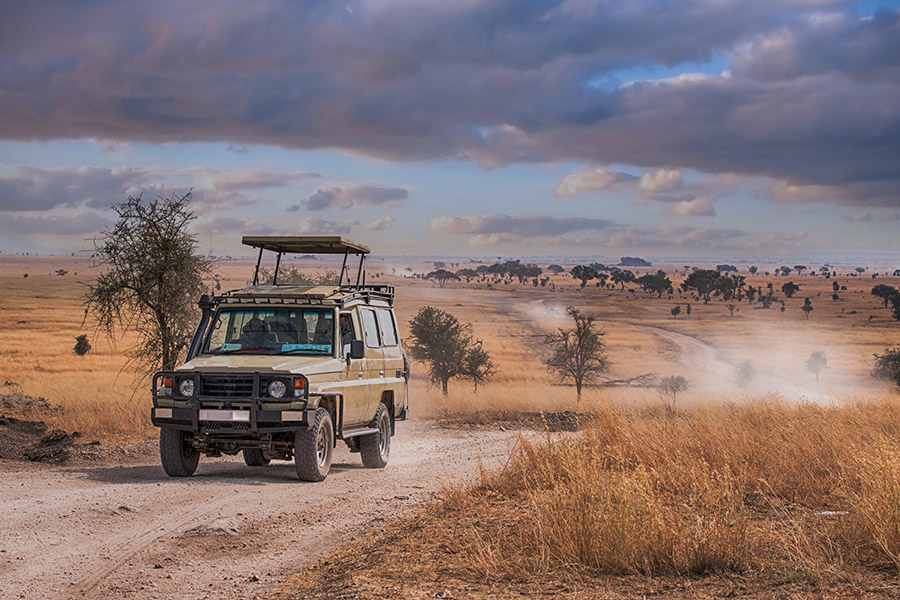
Game Drives: Expect to use 4×4 safari vehicles, often with pop-up roofs for better viewing. Drives are usually conducted in the early morning and late afternoon when animals are most active. Your guide will help spot a variety of animals, from the Big Five (lion, leopard, elephant, buffalo, rhino – though rhinos are best seen at Ziwa Rhino Sanctuary) to numerous antelopes, zebras, giraffes, and diverse birdlife.
Boat Safaris: A highlight in parks like Queen Elizabeth and Murchison Falls, offering incredible close-up views of hippos, crocodiles, water birds, and animals coming to drink. It’s a relaxed way to experience wildlife.
3. Accommodation
Uganda offers a range of accommodation options, from budget campsites and hostels to mid-range lodges and luxury tented camps. Lodges within or near national parks are often the most convenient. Expect comfortable rooms, often with en-suite facilities, and delicious meals, frequently featuring local ingredients. Many lodges offer stunning views and a tranquil atmosphere.
4. Roads and Transportation
Roads within major towns and between key tourist hubs are generally paved and in good condition. However, roads within national parks can be rough, dusty, and muddy, especially during the rainy seasons. A 4×4 vehicle with a qualified driver/guide is essential for navigating these conditions safely and comfortably. Internal flights are also an option for longer distances, saving travel time but adding to the cost.
5. Safety and Health
Uganda is generally considered safe for tourists, especially when traveling with reputable tour operators. Standard precautions against petty theft in urban areas apply. For health, consult your doctor about necessary vaccinations (e.g., Yellow Fever is often required) and malaria prophylaxis. It’s advisable to drink bottled or purified water and be cautious with street food.
Planning Your Uganda Trip: Essential Preparations
Thorough preparation is key to a successful and enjoyable trip to Uganda. Consider these essential aspects for your 2026-2027 travel plans.
1. Visas and Documentation
Visa: Most nationalities require a visa. The easiest way to obtain one is through the online e-visa system before your trip. Alternatively, visas can be obtained on arrival at Entebbe Airport. Always check the latest visa requirements with the Ugandan embassy or consulate in your country.
Passport: Ensure your passport is valid for at least six months beyond your intended stay and has at least two blank pages.
Yellow Fever Certificate: Proof of Yellow Fever vaccination is often required for entry into Uganda and for onward travel to other countries. Carry this certificate with you.
2. Health Precautions
Vaccinations: Consult your doctor or a travel clinic 4-6 weeks before your trip. Recommended vaccinations often include Hepatitis A, Typhoid, Tetanus, and Diphtheria. Yellow Fever is usually mandatory.
Malaria: Uganda is a malaria-risk area. Discuss appropriate antimalarial medication with your doctor. Use insect repellent (with DEET), wear long sleeves and trousers at dawn and dusk, and sleep under mosquito nets.
Travel Insurance: Comprehensive travel insurance is highly recommended. Ensure it covers medical emergencies, evacuation, trip cancellation, and lost luggage.
3. Packing Essentials
Pack light, comfortable, and practical clothing. Neutral colors are best for safaris to avoid startling wildlife.
- Clothing: Lightweight, long-sleeved shirts and trousers (for sun and insect protection), T-shirts, shorts, a warm fleece or jacket (for cooler evenings/mornings), rain jacket or poncho, comfortable hiking boots (broken in), sandals or comfortable shoes for evenings, swimwear.
- Gear: Binoculars (essential for wildlife viewing), camera with extra batteries and memory cards, headlamp or flashlight, reusable water bottle, dry bag (for boat trips or rainy days), small backpack for day hikes.
- Health & Toiletries: Personal first-aid kit, prescription medications, sunscreen (high SPF), insect repellent, hand sanitizer, toiletries.
- Documents: Passport, visa, flight tickets, travel insurance details, vaccination certificates, copies of important documents.
4. Physical Fitness
Gorilla and chimpanzee trekking involve hiking through rugged terrain, often on steep, slippery slopes. While you don’t need to be an elite athlete, a reasonable level of fitness is beneficial. Regular walking and cardio exercise in the months leading up to your trip will greatly enhance your experience.
5. Currency and Budget
The local currency is the Ugandan Shilling (UGX). US Dollars are widely accepted for park fees, permits, and in tourist establishments, but it’s good to have some local currency for smaller purchases, tips, and local markets. ATMs are available in major towns like Kampala and Entebbe, but may not always be reliable in smaller towns.
Common Mistakes to Avoid on Your Uganda Trip
Learning from others’ experiences can help ensure your trip is smooth and enjoyable. Here are common pitfalls to steer clear of:
- Not Booking Permits and Accommodation in Advance: Especially for gorilla permits and lodges in popular areas, booking months, or even a year, ahead is crucial for 2026-2027, particularly during peak seasons.
- Underestimating Trekking Difficulty: Don’t assume gorilla treks are easy walks. Be prepared for challenging hikes and consider hiring a porter.
- Packing Inappropriately: Forgetting essential items like a rain jacket, insect repellent, or good hiking boots can make your trip uncomfortable. Avoid bright colors on safari.
- Not Budgeting for All Costs: Remember to factor in park entrance fees, permit costs, vehicle hire, driver/guide fees, meals, tips, and personal expenses.
- Ignoring Health Advice: Skipping vaccinations or malaria precautions can lead to serious health issues.
- Trying to See Too Much: Uganda is best explored at a reasonable pace. Trying to cram too many destinations into a short trip leads to excessive travel time and less enjoyment. Focus on quality over quantity.
- Relying Solely on Public Transport: While possible for the very adventurous, public transport is slow, crowded, and often unreliable for reaching remote national parks. A private vehicle with a driver is highly recommended for most travelers.
- Not Using a Reputable Tour Operator: A good operator handles logistics, permits, accommodation, and provides experienced guides, significantly enhancing your safety and experience.
Who is Uganda Best Suited For?
Uganda appeals to a diverse range of travelers, but it particularly shines for those seeking:
- Wildlife Enthusiasts & Primate Lovers: The unparalleled opportunity to see mountain gorillas and chimpanzees makes it a top destination.
- Adventure Seekers: White-water rafting, hiking, and exploring remote wilderness areas offer plenty of thrills.
- Nature Photographers: The dramatic landscapes and unique wildlife provide endless photographic opportunities.
- Cultural Explorers: Those interested in understanding local traditions and interacting with communities will find Uganda rich in cultural experiences.
- Travelers Seeking Authentic Experiences: Uganda offers a less commercialized and more genuine African travel experience compared to some other destinations.
- Eco-Tourists: The focus on conservation and responsible tourism in its national parks aligns well with eco-conscious travelers.
While Uganda is fantastic for many, it might be less ideal for travelers who prioritize luxury resorts with extensive amenities, or those who dislike any form of physical exertion or basic accommodations. The focus is on nature and wildlife, which often involves rustic charm and active exploration.
Alternatives to Uganda
While Uganda is unique, other destinations offer similar experiences. Understanding these alternatives can help solidify your choice:
- Rwanda: Offers mountain gorilla trekking in Volcanoes National Park. It’s known for its well-organized tourism, higher-end lodges, and shorter travel times between parks. Gorilla permits are more expensive than in Uganda.
- Democratic Republic of Congo (DRC): Also offers mountain gorilla trekking in Virunga National Park. It’s a more adventurous and less developed option, requiring a higher tolerance for risk and complexity. It’s also home to the rare Grauer’s gorillas (eastern lowland gorillas) in Kahuzi-Biega National Park.
- Tanzania: Famous for its vast savanna safaris in the Serengeti and Ngorongoro Crater, offering incredible wildlife viewing of the Great Migration. It also offers Kilimanjaro climbing and Zanzibar’s beaches. Less focused on primate trekking.
- Kenya: Another premier safari destination, known for the Maasai Mara, Amboseli National Park (with Mount Kilimanjaro views), and diverse landscapes. Offers excellent wildlife viewing, but primate trekking is not its main draw.
- Botswana: Offers exclusive, high-end safari experiences, particularly in the Okavango Delta. Known for its pristine wilderness and diverse wildlife, but generally more expensive and less focused on primates.
Planning Your Uganda Trip for 2026-2027: Key Considerations
Planning your trip to Uganda for 2026 or 2027 requires foresight, especially for popular activities like gorilla trekking. Here’s how to approach it:
1. Booking Window
For gorilla permits, aim to book at least 6-9 months in advance, especially if traveling during the peak dry seasons (June-August, December-February). For popular lodges, particularly in Bwindi and Queen Elizabeth National Parks, booking 6-12 months ahead is advisable.
2. Choosing a Tour Operator
Selecting a reliable tour operator is paramount. Look for companies with extensive experience in Uganda, positive reviews, and a commitment to responsible tourism. A good operator will help with permits, accommodation, transportation, and provide knowledgeable guides. They can also customize itineraries to your specific interests and budget.
3. Budgeting for 2026-2027
Uganda can cater to various budgets, but primate trekking significantly influences costs. Key expenses include:
- Gorilla Permits: A significant portion of the budget.
- Park Fees: Daily entrance fees for national parks.
- Accommodation: Varies from budget to luxury.
- Transportation: 4×4 vehicle and driver/guide hire.
- Meals: Depending on accommodation type.
- Miscellaneous: Tips, souvenirs, drinks.
While exact prices fluctuate, a mid-range 10-day safari focusing on gorillas can range significantly. It’s best to get custom quotes from tour operators for the most accurate pricing for your 2026-2027 travel dates.
4. Itinerary Customization
Don’t hesitate to work with your tour operator to tailor your itinerary. If you have specific interests (e.g., birdwatching, photography, cultural immersion, specific parks), communicate them clearly. This ensures your trip is perfectly suited to you.
5. Responsible Tourism
Practice responsible tourism by respecting wildlife, adhering to park rules, supporting local communities, and choosing operators committed to sustainability. This helps preserve Uganda’s natural and cultural heritage for future generations and for your potential return trips in 2027 and beyond.
Booking Your Uganda Safari: Expert Advice
The process of booking your Uganda adventure can seem daunting, but with the right approach, it becomes straightforward and exciting. Here’s how to ensure a smooth booking experience:
1. Research and Select a Tour Operator
This is the most critical step. Look for companies that specialize in Uganda and East Africa. Check their websites for detailed itineraries, sample costs, and client testimonials. Consider factors like:
- Experience: How long have they been operating in Uganda?
- Reputation: Read reviews on independent platforms.
- Customization: Can they tailor a trip to your needs?
- Responsibility: Do they engage in sustainable tourism practices?
- Communication: Are they responsive and clear in their communication?
For a reliable and expert service, consider reaching out to Top Guide Adventures. They have a strong track record in organizing safaris and trekking in Uganda.
2. Request a Custom Itinerary and Quote
Once you have a shortlist of operators, contact them with your desired travel dates (for 2026-2027), interests, budget range, and preferred travel style (e.g., mid-range, luxury). They will then propose a detailed itinerary and a comprehensive quote.
3. Understand Inclusions and Exclusions
Carefully review what the quote includes and excludes. Typically, a safari package includes:
| Inclusions (Typical) | Exclusions (Typical) |
| Gorilla/Chimpanzee Permits | International Flights |
| Park Entrance Fees | Visa Fees |
| Accommodation (as specified) | Travel Insurance |
| 4×4 Safari Vehicle with Driver/Guide | Tips for Driver/Guide, Porters, Lodge Staff |
| Meals (as specified, usually full board in parks) | Drinks and Alcoholic Beverages |
| Activities (e.g., game drives, boat trips) | Personal Expenses (souvenirs, laundry) |
| Bottled Water in Vehicle | Vaccinations and Medications |
4. Secure Your Permits and Bookings
Upon agreeing on an itinerary and quote, the operator will typically require a deposit to secure your bookings, especially the crucial gorilla and chimpanzee permits. Confirm the payment schedule and methods.
5. Finalize and Prepare
As your travel date approaches, your operator will provide a final itinerary, contact details for your guide, and pre-departure information. Use this time to finalize your packing, health preparations, and any visa applications.
Contact Us for Your Uganda Adventure!
Planning your dream trip to Uganda for 2026-2027 should be exciting, not stressful. Let our expert team at Top Guide Adventures help you craft the perfect itinerary. We specialize in creating unforgettable Uganda safari and trekking experiences tailored to your interests.
Reach out to us today:
- WhatsApp: +255616946642
- Email: topguideadventures@gmail.com
- Backup Email: info@topguideadventures.com
We look forward to helping you explore the wonders of Uganda!
Frequently Asked Questions (FAQs) about Uganda Travel
Q1: Is Uganda safe for tourists in 2026-2027?
A1: Uganda is generally safe for tourists, especially when traveling with reputable tour operators. Standard precautions against petty theft in urban areas are advised. The main risks are related to road safety and health. It’s crucial to follow advice from your guide and tour operator.
Q2: How much does a gorilla permit cost in Uganda?
A2: As of recent information, a standard gorilla trekking permit in Uganda costs $700 USD per person. This price is subject to change by the Uganda Wildlife Authority, so it’s essential to confirm the current price for your 2026-2027 travel dates when booking.
Q3: What is the best time of year to visit Uganda?
A3: The dry seasons, from June to August and December to February, are generally considered the best times for safaris and trekking due to more favorable weather conditions. However, Uganda can be visited year-round, with the wet seasons offering lush landscapes and fewer crowds.
Q4: Do I need a visa to enter Uganda?
A4: Most nationalities require a visa. You can apply for an e-visa online before your trip, or obtain a visa on arrival at Entebbe International Airport. Always check the latest visa requirements with the Ugandan immigration authorities or your country’s embassy.
Q5: What should I pack for a Uganda safari?
A5: Pack light, breathable clothing in neutral colors, a rain jacket, insect repellent, sunscreen, a hat, comfortable hiking boots, binoculars, and a camera. Layers are recommended as temperatures can vary.
Q6: Can I trek for gorillas more than once?
A6: Yes, it is possible to trek for gorillas multiple times, even in the same park or different sectors. Each trek offers a unique experience as gorilla families move and their dynamics change. You will need to purchase a separate permit for each trek.
Q7: How difficult is gorilla trekking?
A7: The difficulty varies greatly depending on the gorilla family’s location on any given day and the terrain. Treks can range from easy to very strenuous, involving steep, muddy slopes. A reasonable level of fitness is recommended, and hiring a porter is highly advised for support.
Q8: What is the difference between Uganda and Rwanda for gorilla trekking?
A8: Both countries offer incredible mountain gorilla experiences. Rwanda’s Volcanoes National Park is often considered more accessible with higher-end infrastructure and shorter treks, but permits are more expensive. Uganda’s Bwindi Impenetrable National Park offers more diverse trekking options across its four sectors and is generally more affordable, though the terrain can be more challenging.
Q9: What vaccinations are required for Uganda?
A9: Yellow Fever vaccination is typically mandatory. Other recommended vaccinations include Hepatitis A, Typhoid, Tetanus, and Diphtheria. It is crucial to consult your doctor or a travel clinic at least 4-6 weeks before your trip for personalized advice.
Q10: Can I travel to Uganda independently or do I need a tour operator?
A10: While independent travel is possible, using a reputable tour operator is highly recommended for Uganda, especially for first-time visitors. They handle complex logistics, secure permits, arrange reliable transport, and provide knowledgeable guides, ensuring a safer and more enjoyable experience. This is particularly true for arranging gorilla trekking in 2026-2027.
Ready to Experience Uganda?
Uganda offers an adventure that touches the soul. From the awe-inspiring presence of mountain gorillas to the vast savannas and the warmth of its people, this is a destination that promises profound memories. Planning your trip for 2026-2027 is the first step towards an unforgettable journey.
Let Top Guide Adventures be your partner in exploring the “Pearl of Africa.” Our expertise ensures a well-organized, safe, and enriching safari and trekking experience. We are dedicated to creating personalized itineraries that match your dreams and expectations.
Contact us today to start planning your bespoke Uganda adventure:
- WhatsApp: +255616946642
- Email: topguideadventures@gmail.com
- Backup Email: info@topguideadventures.com
We look forward to helping you discover the magic of Uganda!
Plan your Uganda with Top Guide Adventures
Tell us your travel dates, group size, comfort level, and dream experience. We will help you shape a clear, realistic, and memorable Tanzania itinerary.







 Veedesigner
 Fatma Kizanga
 Benjamin Waryuba
 Philip Philip
 John jr Itaja
 Antonia Optatus
 Edith Kanyere
 Neema Iddy
 Kelvin Boniphace
 Damari Maiga



