
Updated planning guide for 2026, 2027-2028
Ultimate Climb Kilimanjaro Packages: Expert Trekking Guide 2026-2027-2028
Planning to conquer Africa's highest peak? Discover everything you need to know about ultimate Kilimanjaro packages, from choosing the right route and understanding costs to essential preparation and booking tips for your 2026-2027 adventure.
WhatsApp +255616946642 | topguideadventures@gmail.com | info@topguideadventures.com
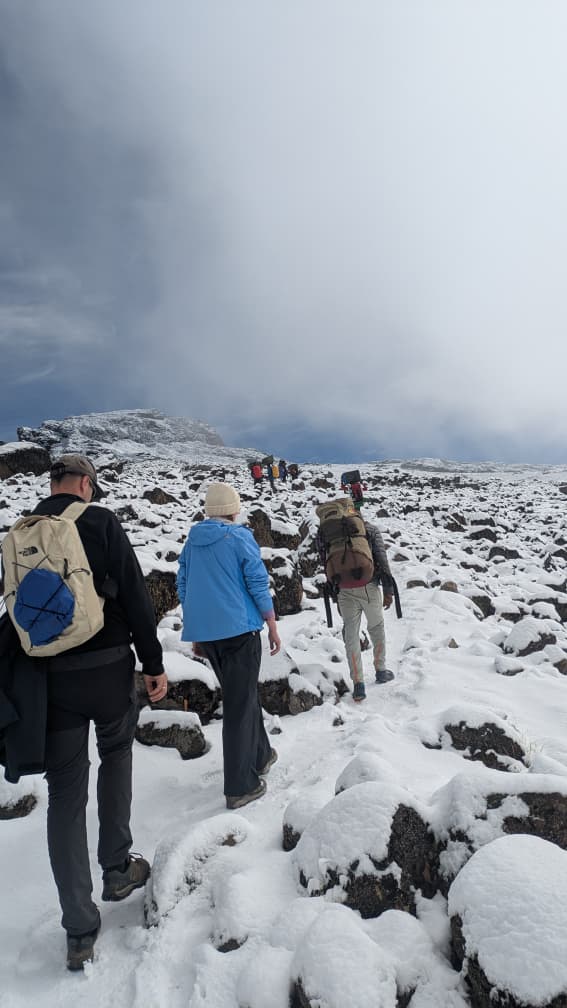
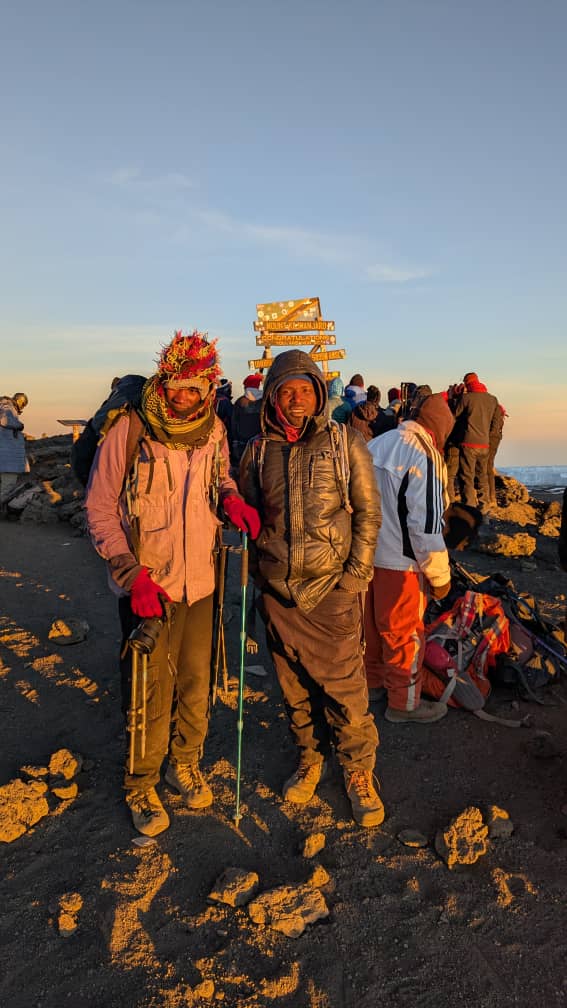
Climbing Mount Kilimanjaro is a dream for many adventurers. As Africa’s highest peak and the world’s tallest free-standing mountain, it offers a challenging yet incredibly rewarding experience. To make this dream a reality, choosing the right Kilimanjaro package is crucial. This comprehensive guide will walk you through everything you need to know to select the ultimate Kilimanjaro packages, ensuring a safe, successful, and memorable ascent in 2026, 2027, and 2028.
Introduction to Kilimanjaro Trekking
Mount Kilimanjaro, a dormant volcano in Tanzania, stands proudly at 5,895 meters (19,341 feet) above sea level. It’s not a technical climb, making it accessible to many individuals with good physical fitness and a determination to reach the summit, Uhuru Peak. The journey to the top is as much about the experience of traversing diverse ecosystems – from lush rainforests to alpine deserts and arctic summit zones – as it is about the final achievement. Selecting the right Kilimanjaro package is the first and most critical step in ensuring your expedition is well-supported, safe, and enjoyable.
Kilimanjaro Trekking Quick Facts
| Feature | Details |
|---|---|
| Mountain | Mount Kilimanjaro |
| Location | Kilimanjaro Region, Tanzania |
| Highest Point | Uhuru Peak (5,895 m / 19,341 ft) |
| Type of Climb | Non-technical trekking |
| Typical Trek Duration | 5 to 9 days (depending on route) |
| Best Time to Climb | January-March and June-October |
| Key Requirement | Good physical fitness and acclimatization |
| Park Entrance Fees | Included in most reputable packages |
Why Choose Kilimanjaro for Your Next Adventure?
Kilimanjaro offers a unique combination of accessibility and grandeur. It’s one of the Seven Summits, appealing to mountaineers and trekkers worldwide. The diverse climate zones encountered during the climb provide a fascinating ecological journey. Furthermore, reaching Uhuru Peak offers unparalleled panoramic views and a profound sense of accomplishment. For many, it’s a personal challenge, a way to celebrate a milestone, or an opportunity to connect with nature on a grand scale. The support infrastructure, including experienced guides and porters, ensures that even those without extensive mountaineering experience can undertake this incredible feat.
Understanding Kilimanjaro Packages
A Kilimanjaro package is more than just a trip; it’s a comprehensive service designed to manage all aspects of your climb. Reputable tour operators provide services that typically include park entry fees, rescue fees, camping or accommodation fees, professional guides, cooks, and porters, as well as all meals during the trek. The quality and duration of these packages can vary significantly, impacting your overall experience, safety, and success rate.
When looking for the ultimate Kilimanjaro packages, consider what is included. Does it cover emergency oxygen, comprehensive medical kits, and satellite phones? Are the guides certified and experienced? What is the guide-to-client ratio? Understanding these details will help you differentiate between basic tours and truly premium experiences that prioritize your well-being and summit success.
Choosing Your Kilimanjaro Route
Kilimanjaro can be climbed via several distinct routes, each offering a different experience in terms of scenery, difficulty, acclimatization profile, and crowd levels. The choice of route is one of the most significant decisions you’ll make when selecting a Kilimanjaro package. Longer routes generally offer better acclimatization, increasing your chances of reaching the summit safely and comfortably. Shorter routes are quicker but can be more strenuous and may have lower success rates due to inadequate acclimatization.
Here are the main factors to consider when choosing a route:
- Acclimatization Profile: How well does the route allow your body to adjust to the altitude? Longer routes with gradual ascents are better.
- Scenery: Each route offers unique landscapes. Some are known for their dramatic views, while others traverse diverse ecological zones.
- Crowds: Some routes are more popular and can be crowded, especially during peak season.
- Success Rate: Routes with better acclimatization profiles generally have higher summit success rates.
- Difficulty: While no route is technically difficult, some have steeper sections or more challenging terrain.
- Cost: Longer routes with more days are typically more expensive.
Kilimanjaro Routes: A Detailed Overview
Understanding the nuances of each route is key to selecting the best Kilimanjaro package for your needs. Here’s a breakdown:
Marangu Route (Coca-Cola Route)
- Duration: 5-6 days
- Scenery: Less varied, forested slopes, then open moorland and arctic zone.
- Acclimatization: Poor, especially on the 5-day option. Often has the lowest success rate.
- Accommodation: Huts are available, making it the only route with ‘dormitory-style’ lodging.
- Crowds: Can be very crowded.
- Pros: Shorter, cheaper, offers hut accommodation.
- Cons: Poor acclimatization, lower success rate, less scenic diversity.
Machame Route (Whiskey Route)
- Duration: 6-7 days
- Scenery: Very scenic, traversing diverse ecosystems.
- Acclimatization: Good, especially on the 7-day option, using the ‘climb high, sleep low’ principle.
- Accommodation: Camping.
- Crowds: Popular and can be busy.
- Pros: Excellent scenery, good acclimatization profile, high success rate (especially 7-day).
- Cons: Camping only, can be busy.
For group departures on the Machame Route, check out Machame Route Kilimanjaro Group Departures Dates.
Lemosho Route
- Duration: 7-8 days
- Scenery: Arguably the most beautiful, starting in the western rainforest.
- Acclimatization: Excellent, with a gradual ascent and opportunities for ‘climb high, sleep low’.
- Accommodation: Camping.
- Crowds: Less crowded in the initial days, joins Machame route later.
- Pros: Stunning scenery, excellent acclimatization, high success rate, more remote feel.
- Cons: Longer and more expensive.
Shira Route
- Duration: 7-8 days
- Scenery: Similar to Lemosho, with impressive views from the Shira Plateau.
- Acclimatization: Good, but starts at a higher altitude than Lemosho, which can be challenging for some.
- Accommodation: Camping.
- Crowds: Less crowded initially.
- Pros: Beautiful plateau views, good acclimatization.
- Cons: Higher starting altitude can be an issue for some, longer and more expensive.
Northern Circuit Route
- Duration: 9+ days
- Scenery: Most scenic, offering a full 360-degree circuit of the mountain.
- Acclimatization: The best, due to its length and gradual ascent.
- Accommodation: Camping.
- Crowds: Least crowded route.
- Pros: Highest success rate, most scenic, least crowded, best acclimatization.
- Cons: Longest and most expensive.
Rongai Route
- Duration: 6-7 days
- Scenery: Starts from the drier northern side, less scenic than western routes but offers a different perspective.
- Acclimatization: Fair, better than Marangu but not as good as Lemosho or Machame.
- Accommodation: Camping.
- Crowds: Less crowded.
- Pros: Good option during rainy seasons (drier side), less crowded.
- Cons: Less scenic, acclimatization is moderate.
Umbwe Route
- Duration: 5-6 days
- Scenery: Steepest and most direct route, with dramatic views.
- Acclimatization: Poor, very rapid ascent.
- Accommodation: Camping.
- Crowds: Least crowded.
- Pros: Shortest and most direct.
- Cons: Very steep, rapid ascent, poor acclimatization, lowest success rate, only for experienced trekkers.
Kilimanjaro Routes: Simplified Map/Area Overview
Visualizing the routes helps understand their progression:
| West/Northwest: Lemosho, Shira, Machame (Join together) | North: Rongai | South/Southeast: Marangu, Umbwe (Join together) | North Circuit: Northern Circuit (Circumnavigates) |
| Ascent Paths | Descent Paths | ||
| Marangu, Machame, Lemosho, Shira, Umbwe, Rongai, Northern Circuit | Marangu (same as ascent), Mweka (for all other routes) |
Sample Kilimanjaro Itineraries
Here are sample itineraries for popular routes, illustrating the day-by-day progression. These are typical lengths; operators may offer variations.
Sample 7-Day Machame Route Itinerary
| Day | Route Stage | Altitude Gain | Approx. Trekking Time | Description |
|---|---|---|---|---|
| 1 | Machame Gate to Machame Camp | 1,800 m (1,020 m net) | 5-7 hours | Trek through lush rainforest. |
| 2 | Machame Camp to Shira 2 Camp | 1,000 m (680 m net) | 4-6 hours | Cross moorland, climb to a plateau. |
| 3 | Shira 2 Camp to Barranco Camp | 200 m (net gain, but involves Lava Tower at 4,600m) | 5-7 hours | Ascend to Lava Tower, then descend to Barranco. ‘Climb high, sleep low’. |
| 4 | Barranco Camp to Karanga Camp | 260 m (net gain, but involves climbing Barranco Wall) | 3-5 hours | Tackle the iconic Barranco Wall, then a shorter hike. |
| 5 | Karanga Camp to Barafu Camp | 650 m (net gain) | 3-5 hours | Trek across scree slopes towards the summit base. |
| 6 | Barafu Camp to Summit (Uhuru Peak) to Mweka Camp | 1,255 m ascent, 2,855 m descent | 7-9 hours to summit, 4-5 hours descent | Summit night! Ascend Stella Point, then Uhuru Peak. Descend to Mweka Camp. |
| 7 | Mweka Camp to Mweka Gate | 1,400 m descent | 3-5 hours | Final descent through rainforest. Celebrate! |
Sample 8-Day Lemosho Route Itinerary
| Day | Route Stage | Altitude Gain | Approx. Trekking Time | Description |
|---|---|---|---|---|
| 1 | Lemosho Gate to Mti Mkubwa Camp | 1,100 m (670 m net) | 3-5 hours | Enter the rainforest, gentle ascent. |
| 2 | Mti Mkubwa Camp to Shira 1 Camp | 1,000 m (600 m net) | 5-7 hours | Continue through forest, emerging onto the moorland. |
| 3 | Shira 1 Camp to Shira 2 Camp | 300 m (net gain) | 3-5 hours | Cross the Shira Plateau, camp at Shira 2. |
| 4 | Shira 2 Camp to Barranco Camp | 200 m (net gain, via Lava Tower) | 5-7 hours | Ascend to Lava Tower (4,600m), descend to Barranco. |
| 5 | Barranco Camp to Karanga Camp | 260 m (net gain, via Barranco Wall) | 3-5 hours | Climb the Barranco Wall. |
| 6 | Karanga Camp to Barafu Camp | 650 m (net gain) | 3-5 hours | Trek towards the summit base camp. |
| 7 | Barafu Camp to Summit (Uhuru Peak) to Mweka Camp | 1,255 m ascent, 2,855 m descent | 7-9 hours to summit, 4-5 hours descent | Summit night! Reach Uhuru Peak, descend to Mweka Camp. |
| 8 | Mweka Camp to Mweka Gate | 1,400 m descent | 3-5 hours | Final descent and celebration. |
What to Expect on the Mountain
Climbing Kilimanjaro is a significant physical and mental challenge. Here’s a realistic look at what you’ll experience:
- Physical Demands: Days involve long hours of walking, often on steep, rocky, or scree-covered terrain. Summit night is particularly demanding, with a continuous ascent for 7-9 hours in the dark and cold.
- Altitude Effects: Altitude sickness (Acute Mountain Sickness – AMS) is a real risk. Symptoms can include headaches, nausea, dizziness, and fatigue. Proper acclimatization is paramount. Your guides will monitor you closely.
- Weather: Weather on Kilimanjaro is unpredictable and can change rapidly. You’ll experience tropical rainforest conditions at the start, followed by moorland, alpine desert, and arctic conditions at the summit. Be prepared for sun, rain, wind, and freezing temperatures.
- Camping: Most routes involve camping. You’ll sleep in tents, with separate tents for dining and for your guides and porters. Campsites are basic but functional.
- Food: Your tour operator will provide all meals. Expect hearty, nutritious meals prepared by your cook, including porridge, eggs, pancakes, pasta, rice, chicken, vegetables, and fruit. Hydration is also critical; drink plenty of water.
- Teamwork: You’ll be part of a team including guides, porters, and a cook. The porters carry the majority of the equipment, and the guides are essential for navigation, safety, and your well-being.
- Scenery: The views are breathtaking. From dense forests teeming with colobus monkeys to vast volcanic deserts and the icy glaciers of the summit, the landscapes are spectacular.
- Summit Night: This is the most challenging part. You’ll wake up around midnight, dress in your warmest gear, and begin the steep ascent to Stella Point and then Uhuru Peak. The air is thin, and every step is an effort. Reaching the summit at sunrise is an unforgettable moment.
Package Inclusions and Exclusions
When comparing ultimate Kilimanjaro packages, scrutinize what is included and what is not. This can significantly affect the final cost and your experience.
Typical Inclusions:
- Park entrance fees, camping/hut fees, rescue fees
- Professional, licensed, and experienced guides
- Assistant guides (ratio typically 1:3 or 1:4)
- Porters for carrying group gear (tents, food, cooking equipment)
- Cook for preparing meals
- All meals during the trek (breakfast, lunch, dinner)
- Boiled drinking water
- Tents, sleeping mats, cooking equipment
- Oxygen cylinders and a comprehensive medical kit
- Satellite phone or reliable communication device for emergencies
- Transfers to and from Kilimanjaro International Airport (KIA) and the mountain gate
- Accommodation before and after the climb (often in a hotel in Moshi or Arusha)
Common Exclusions:
- International flights to Tanzania
- Visa fees
- Travel insurance (mandatory)
- Personal climbing gear (boots, clothing, sleeping bag, etc.)
- Tips for guides, porters, and cook (a significant cost)
- Lunches and dinners in towns before/after the climb
- Personal expenses (souvenirs, drinks, laundry)
- Optional porter for personal gear (excess baggage)
- Gratuity for hotel staff
Kilimanjaro Package Cost Factors
The price of Kilimanjaro packages can vary widely. Understanding these factors helps you budget and choose wisely:
- Route Length: Longer routes (e.g., 8 or 9 days) cost more than shorter ones (e.g., 5 or 6 days) due to more days of guide, porter, and park fees.
- Operator Type: Local Tanzanian operators are often more affordable than international ones, but quality can vary. Ensure you choose a reputable local operator.
- Group Size: Private climbs are more expensive per person than joining a group.
- Service Level: The quality of equipment, food, guide experience, and support services (like emergency oxygen, communication) impacts price. Premium packages offer higher standards.
- Inclusions: Packages that include more (e.g., pre/post-climb accommodation, airport transfers) will be more expensive.
- Time of Year: Peak seasons might have slightly higher demand, though park fees are generally fixed.
When looking for the ultimate Kilimanjaro packages, don’t just choose the cheapest. Prioritize safety, guide experience, and a good acclimatization profile. A slightly higher price for a well-supported, longer, and reputable climb often translates to a safer and more successful experience.
Essential Preparation for Your Climb
Successful Kilimanjaro treks are built on solid preparation. This involves physical training, mental readiness, and logistical planning.
Physical Training:
- Cardiovascular Fitness: Engage in regular aerobic activities like hiking, running, cycling, or swimming for at least 3-4 months before your climb. Aim for 3-5 sessions per week.
- Strength Training: Focus on leg strength (squats, lunges) and core strength.
- Hiking Practice: The most crucial training is hiking, especially with a backpack. Practice on hills or stairs to simulate ascents. Aim for hikes of 4-6 hours with significant elevation gain.
- Back-to-Back Hikes: If possible, do long hikes on consecutive days to prepare your body for multiple days of trekking.
- Altitude Training (Optional): If you live at high altitude, this is beneficial. Otherwise, focus on the other elements.
Mental Preparation:
- Understand the Challenge: Kilimanjaro is tough. Be prepared for discomfort, cold, and fatigue.
- Positive Mindset: A positive attitude is vital. Focus on small goals and celebrate milestones.
- Patience: The pace on Kilimanjaro is slow and steady (‘pole pole’). Learn to embrace it.
Logistical Planning:
- Book Early: Especially for peak seasons and specific departure dates.
- Visas and Flights: Arrange these well in advance.
- Vaccinations: Consult your doctor about recommended vaccinations for Tanzania.
- Travel Insurance: Ensure it covers high-altitude trekking and emergency evacuation.
Comprehensive Kilimanjaro Packing List
Having the right gear is essential for comfort and safety. Here’s a general packing list for your Kilimanjaro package:
Clothing:
- Base Layers: Moisture-wicking thermal tops and bottoms (synthetic or merino wool).
- Mid Layers: Fleece jacket or down vest for insulation.
- Outer Layer: Waterproof and windproof jacket and trousers (Gore-Tex or similar).
- Trekking Trousers: Lightweight, quick-drying trousers (2 pairs). Avoid jeans.
- Trekking Shirts: Long-sleeved and short-sleeved moisture-wicking tops (3-4).
- Insulated Jacket: A warm, puffy down or synthetic jacket for evenings and summit night.
- Headwear: Warm woolen hat, sun hat with a brim, balaclava or neck gaiter.
- Gloves: Warm, waterproof outer gloves and thinner liner gloves.
Footwear:
- Hiking Boots: Waterproof, broken-in hiking boots with good ankle support.
- Camp Shoes: Comfortable trainers or sandals for camp.
- Socks: Several pairs of wool or synthetic hiking socks.
Gear:
- Backpack: A comfortable daypack (30-40 liters) for essentials carried daily.
- Duffel Bag: A large, waterproof duffel bag (80-100 liters) for porters to carry.
- Sleeping Bag: A warm sleeping bag rated to at least -10°C (0°F).
- Sleeping Bag Liner: For added warmth and hygiene.
- Trekking Poles: Highly recommended for stability and reducing knee strain.
- Headlamp: With extra batteries.
- Water Bottles/Hydration Reservoir: Capacity of 2-3 liters.
- Sunglasses: With UV protection.
- Sunscreen: High SPF.
- Lip Balm: With SPF.
- Insect Repellent: Especially for lower elevations.
- Personal First-Aid Kit: Include blister treatment, pain relievers, personal medications.
- Toiletries: Biodegradable soap, toothbrush, toothpaste, wet wipes, hand sanitizer.
- Camera: With extra batteries and memory cards.
- Power Bank: To charge electronics.
- Snacks: Energy bars, nuts, dried fruit.
Health, Safety, and Acclimatization
Your health and safety are paramount. Reputable Kilimanjaro packages prioritize these aspects.
Acclimatization:
- Go Slow: The most important rule is ‘pole pole’ (slowly, slowly). Maintain a slow, steady pace.
- Hydrate: Drink 3-4 liters of water per day.
- Eat Well: Consume as much food as you can, even if your appetite is reduced.
- Avoid Alcohol and Smoking: These hinder acclimatization.
- Ascend Gradually: Choose longer routes (7+ days) for better acclimatization.
- ‘Climb High, Sleep Low’: This principle, utilized on routes like Lemosho and Machame, involves ascending to a higher altitude during the day and descending to a lower camp to sleep.
Symptoms of Altitude Sickness (AMS):
Be aware of the symptoms. Mild AMS can be managed by resting at the current altitude or descending. Moderate to severe AMS requires immediate descent. Common symptoms include:
- Headache
- Nausea and vomiting
- Dizziness and lightheadedness
- Fatigue and weakness
- Loss of appetite
- Difficulty sleeping
Safety Measures Provided by Good Operators:
- Experienced Guides: Certified guides trained in wilderness first aid and altitude sickness management.
- Daily Health Checks: Guides monitor your symptoms and oxygen saturation.
- Emergency Oxygen: Portable oxygen cylinders are carried for emergencies.
- Medical Kit: Comprehensive first-aid kits, including medication for AMS.
- Communication: Satellite phones or two-way radios for communication with base operations.
- Rescue Procedures: Established protocols for evacuation if needed.
Common Mistakes to Avoid When Booking
Many potential climbers make mistakes that can compromise their experience or safety. Avoid these pitfalls:
- Choosing the Cheapest Package: This often means cutting corners on guide experience, safety equipment, food quality, or porter welfare. Safety and success should be the priority.
- Opting for Short Routes (e.g., 5-day Marangu): These routes offer poor acclimatization and significantly lower summit success rates.
- Not Researching the Operator: Look for reviews, certifications, and clear communication. A good operator will answer all your questions thoroughly.
- Underestimating the Physical Demand: Kilimanjaro is a serious trek. Insufficient training is a common reason for failure.
- Ignoring Altitude Sickness: Pushing on despite symptoms can lead to severe complications. Listen to your body and your guides.
- Inadequate Gear: Not having the right clothing or equipment can lead to discomfort, hypothermia, or frostbite.
- Not Buying Travel Insurance: Essential for covering medical emergencies and evacuation.
- Focusing Solely on Summit: The journey is as important as the destination. Enjoy the diverse landscapes and the experience.
Who Are Kilimanjaro Packages Best For?
Kilimanjaro is an achievable goal for a wide range of individuals, provided they are well-prepared. Kilimanjaro packages are ideal for:
- Adventure Seekers: Those looking for a significant physical and mental challenge with a spectacular reward.
- Hikers and Trekkers: Individuals with a good level of fitness who enjoy multi-day treks.
- Bucket List Travelers: People aiming to conquer one of the world’s most iconic peaks.
- Milestone Celebrators: Those marking a significant birthday, anniversary, or personal achievement.
- First-Time Mountaineers: As a non-technical climb, it’s an excellent introduction to high-altitude trekking for those who choose appropriate routes and operators.
- Families: Older teenagers (typically 15+) with good fitness can undertake the climb with their families.
- Group Travelers: Friends, colleagues, or organized groups looking for a shared challenge.
While it doesn’t require technical mountaineering skills, it does demand good physical condition, mental resilience, and proper acclimatization. It is not suitable for individuals with severe heart or respiratory conditions without thorough medical consultation.
Alternatives to Kilimanjaro Trekking
While Kilimanjaro is a prime destination, Tanzania offers other incredible adventures. If a Kilimanjaro trek isn’t quite right for you, consider these options:
- Tanzania Safaris: Explore the world-renowned Serengeti, Ngorongoro Crater, Tarangire, and Lake Manyara. These offer unparalleled wildlife viewing opportunities. Best Tanzania Tour operator offers a variety of safari options, including group departures. See All Tanzania Safaris Group Departures Dates for shared tours.
- Mount Meru Climb: A challenging but rewarding trek often used as acclimatization for Kilimanjaro. It’s a beautiful mountain with diverse flora and fauna.
- Zanzibar Holidays: Relax on pristine beaches, explore historic Stone Town, and enjoy water sports after a safari or trek.
- Day Trips: Short excursions like day hikes in Arusha National Park or cultural tours around Moshi are available.
- Other High-Altitude Treks (Outside Tanzania): If you’re looking for similar challenges globally, consider Mount Toubkal in Morocco, Mount Elbrus in Russia, or treks in Nepal or Peru.
Planning Your Kilimanjaro Trek for 2026-2027
Planning your Kilimanjaro expedition for 2026 or 2027 requires foresight. Here’s a timeline and key considerations:
12-18 Months Prior:
- Research: Start exploring routes, operators, and potential travel dates.
- Set Budget: Determine your overall budget, including flights, the package, insurance, and spending money.
- Health Check: Consult your doctor about fitness and any necessary vaccinations or medications.
6-12 Months Prior:
- Book Your Package: Secure your spot with a reputable operator, especially if aiming for peak season (June-October, January-March). This is the time to book your ultimate Kilimanjaro packages.
- Book Flights: International flights can be booked once your trek dates are confirmed.
- Purchase Gear: Start acquiring necessary clothing and equipment.
3-6 Months Prior:
- Intensify Training: Begin a structured fitness program.
- Arrange Visa: Check visa requirements for Tanzania.
- Buy Travel Insurance: Ensure it covers high-altitude trekking and emergency evacuation.
1-3 Months Prior:
- Final Gear Check: Ensure all your equipment is in good condition and fits well.
- Practice Hikes: Conduct longer hikes to test your gear and fitness.
- Confirm Details: Reconfirm your booking with the tour operator.
Weeks Before Departure:
- Pack: Pack your bags, adhering to the operator’s weight limits for portered duffels.
- Rest: Ensure you are well-rested before your journey.
- Mental Preparation: Review your goals and stay positive.
Booking Your Ultimate Kilimanjaro Package
Choosing the right tour operator is as important as choosing the right route. Here’s how to approach booking:
- Reputation and Reviews: Look for operators with consistently positive reviews on platforms like TripAdvisor. Check out traveler feedback at Top Guide Adventures reviews.
- Safety Standards: Inquire about their safety protocols, guide certifications, emergency equipment (oxygen, satellite phones), and medical support.
- Guide Experience: Experienced guides are crucial for acclimatization, safety, and overall success.
- Porter Welfare: Ethical treatment of porters is a sign of a responsible operator. Look for companies that adhere to KPAP (Kilimanjaro Porters Assistance Project) guidelines or similar standards.
- Inclusions/Exclusions: Clearly understand what is covered in the price.
- Communication: A good operator will be responsive and informative, answering all your questions promptly and clearly.
- Sustainability: Consider operators with a commitment to environmental responsibility and community support.
For a reliable and well-supported experience, consider booking your ultimate Kilimanjaro packages with experienced local operators like Best Tanzania Tour operator. You can reach them via WhatsApp at +255616946642 or email at topguideadventures@gmail.com. For backup inquiries, use info@topguideadventures.com.
Explore our other website for more travel inspiration: www.topguideadventures.com.
Reviews and Social Proof
Hearing from past travelers can provide valuable insights. Many trekkers share their experiences online, highlighting the highs and lows of their Kilimanjaro journey. Reputable operators will have testimonials and reviews available on their websites and third-party platforms. Following tour operators on social media, such as Instagram, can also offer a glimpse into recent expeditions, showing real people, real climbs, and the stunning scenery. Always read reviews critically, looking for consistent themes regarding safety, guide quality, and overall satisfaction.
Ready to Book Your Ultimate Kilimanjaro Package?
Your dream of standing atop Kilimanjaro is within reach. By understanding the routes, preparing adequately, and choosing a reputable operator, you can ensure your expedition is safe, successful, and unforgettable. If you’re looking for the ultimate Kilimanjaro packages for your 2026-2027 adventure, Best Tanzania Tour operator is here to help you plan every step of the way.
Contact us today to discuss your personalized Kilimanjaro climb:
- WhatsApp: +255616946642
- Email: topguideadventures@gmail.com
- Backup Email: info@topguideadventures.com
Let us help you achieve your summit goal in 2026 or 2027!
Complete Ultimate Climb Kilimanjaro Packages Planning Details for 2026- 2027-2028
Ultimate Climb Kilimanjaro Packages needs more than a quick description because travelers normally want to understand timing, route logic, comfort level, inclusions, local support, safety, and how the trip fits with the rest of a Tanzania journey. For 2026- 2027-2028, the best plan is to compare the route, travel month, daily pace, accommodation style, and transport arrangement before confirming.
A strong plan should explain where the trip starts, what happens each day, how long transfers may take, what travelers should prepare, and which parts can be customized. This makes the page useful for families, couples, solo travelers, private groups, budget travelers, mid-range guests, and luxury travelers.
Important things to confirm before booking
- Exact starting point and pickup time.
- Accommodation level or day-trip timing.
- Transport type and guide arrangement.
- Park fees, activities, meals, drinking water, and transfers.
- Best travel month for weather, wildlife, trekking, beaches, or photography.
- Payment plan, deposit, cancellation terms, and changes if travel dates move.
Ultimate Climb Kilimanjaro Packages Sample Structure and Route Logic
Most travelers choose Ultimate Climb Kilimanjaro Packages because they want a clear experience that is easy to understand and simple to book. The structure should feel practical: arrival or pickup, main activity, important stops, relaxed timing, overnight or return plan, and final drop-off. When the topic involves safari, the route should respect park distance and game drive time. When it involves Kilimanjaro, the route should respect acclimatization and safe pacing. When it involves Zanzibar, the plan should balance ocean activities, culture, relaxation, and transfer time.
| Planning Area | What to Check | Why It Matters |
|---|---|---|
| Timing | Season, pickup time, daily pace, and activity duration | Helps avoid rushed travel and gives better value |
| Comfort | Budget, mid-range, luxury, private, or shared style | Matches the trip with the traveler expectation |
| Logistics | Transfers, vehicle, guide, permits, and entry rules | Prevents surprises during the trip |
| Booking | Deposit, availability, route, inclusions, and final balance | Makes confirmation smooth and transparent |
Top Guide Adventures Recommendation
Best Tanzania Tour operator recommends treating Ultimate Climb Kilimanjaro Packages as a complete travel plan rather than only a title. A good operator should explain the route, guide support, what is included, what is excluded, how timing works, and what can be adjusted. Travelers can also compare Tanzania safari group departures and shared tours, check Machame Route Kilimanjaro group departures, or read more articles in the Tanzania safari tours blog.
For a more personal look at current trips and field updates, travelers may follow Top Guide Adventures on Instagram, review traveler feedback on Tripadvisor, or visit our another website.
Ultimate Climb Kilimanjaro Packages FAQs for 2026- 2027-2028
How early should I book Ultimate Climb Kilimanjaro Packages?
Booking early is better for 2026- 2027-2028, especially for high season, family travel, group departures, Kilimanjaro routes, Serengeti safaris, Zanzibar holidays, and private customized tours.
Can this trip be customized?
Yes. The route, accommodation level, pace, pickup point, and add-ons can usually be adjusted depending on availability and the travel dates.
Is Ultimate Climb Kilimanjaro Packages suitable for first-time travelers?
Yes, when the itinerary is explained clearly and the guide support is reliable. First-time travelers should ask for a simple day-by-day plan, inclusions, exclusions, and preparation notes.
What should I ask before confirming?
Ask about transport, guide, meals, park or activity fees, accommodation, payment plan, cancellation terms, and what happens if weather or travel timing changes.
Ultimate Climb Kilimanjaro Packages Detailed Cost and Value Notes
Cost can change by season, accommodation level, group size, park rules, transfer distance, and activity style. A useful page should explain what usually affects price rather than only giving one short number. Travelers comparing this topic for 2026-2027 should check whether transport, guide, meals, drinking water, accommodation, park fees, permits, and airport transfers are included.
Ultimate Climb Kilimanjaro Packages should be explained with enough detail for a traveler to understand the route, timing, comfort level, inclusions, exclusions, preparation, and booking steps. Repeating the focus topic naturally in helpful planning areas makes the article stronger without stuffing keywords.
Ultimate Climb Kilimanjaro Packages Best Traveler Type for This Plan
This plan can work for different travelers when the details are adjusted correctly. Families may need softer timing and private transport, couples may prefer better rooms and scenic pacing, group travelers may focus on shared departures and value, while photographers may need more time in key locations.
Ultimate Climb Kilimanjaro Packages should be explained with enough detail for a traveler to understand the route, timing, comfort level, inclusions, exclusions, preparation, and booking steps. Repeating the focus topic naturally in helpful planning areas makes the article stronger without stuffing keywords.
Ultimate Climb Kilimanjaro Packages Common Booking Mistakes to Avoid
Common mistakes include choosing only by the cheapest price, ignoring transfer time, booking without checking inclusions, using a rushed itinerary, not confirming accommodation names, and failing to ask how changes are handled if flights, weather, or park timing changes.
Ultimate Climb Kilimanjaro Packages should be explained with enough detail for a traveler to understand the route, timing, comfort level, inclusions, exclusions, preparation, and booking steps. Repeating the focus topic naturally in helpful planning areas makes the article stronger without stuffing keywords.
Ultimate Climb Kilimanjaro Packages What Makes a Strong Itinerary
A strong itinerary has a clear start point, realistic daily timing, enough activity time, transparent inclusions, simple communication, and a guide or operations team that understands local routes. It should also leave space for comfort, photos, meals, and unexpected delays.
Ultimate Climb Kilimanjaro Packages should be explained with enough detail for a traveler to understand the route, timing, comfort level, inclusions, exclusions, preparation, and booking steps. Repeating the focus topic naturally in helpful planning areas makes the article stronger without stuffing keywords.
Ultimate Climb Kilimanjaro Packages Final Planning Advice for 2026-2027
For 2026-2027, travelers should book early for busy seasons, compare the exact route carefully, ask for written inclusions and exclusions, and choose an operator who can explain the trip in practical language. This helps the page become useful for both planning and booking intent.
Ultimate Climb Kilimanjaro Packages should be explained with enough detail for a traveler to understand the route, timing, comfort level, inclusions, exclusions, preparation, and booking steps. Repeating the focus topic naturally in helpful planning areas makes the article stronger without stuffing keywords.
Plan your Ultimate Climb Kilimanjaro Packages with Top Guide Adventures
Tell us your travel dates, group size, comfort level, and dream experience. We will help you shape a clear, realistic, and memorable Tanzania itinerary.







 Veedesigner
 Fatma Kizanga
 Benjamin Waryuba
 Philip Philip
 John jr Itaja
 Antonia Optatus
 Edith Kanyere
 Neema Iddy
 Kelvin Boniphace
 Damari Maiga



