
Updated planning guide for 2026, 2027-2028
Ultimate Hardest Route Kilimanjaro Guide: Expert Trekking 2026-2027-2028
Planning to tackle Kilimanjaro via its most challenging routes? This comprehensive guide details everything you need to know, from route selection and preparation to trekking tips and booking with confidence for 2026-2027.
WhatsApp +255616946642 | topguideadventures@gmail.com | info@topguideadventures.com

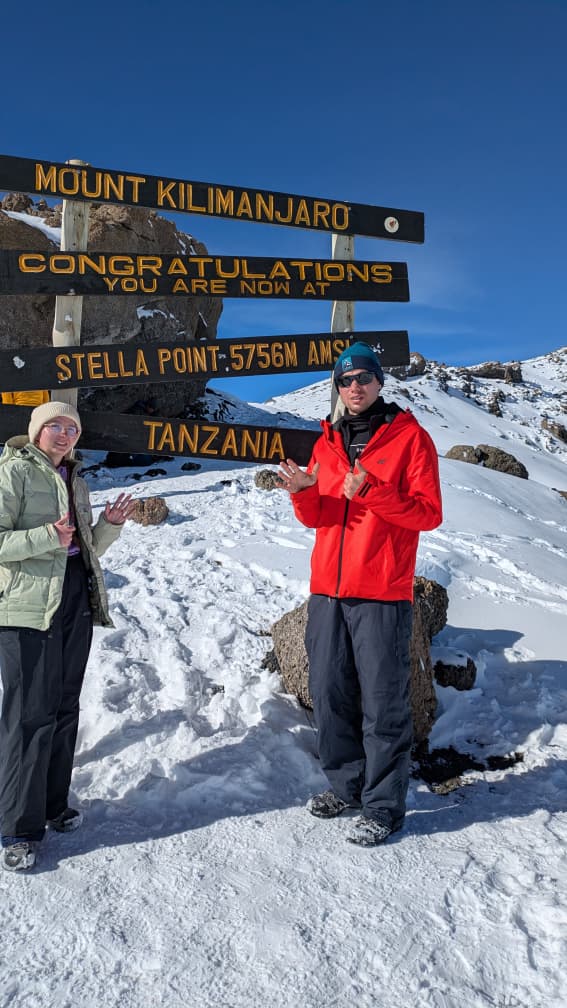
Kilimanjaro, Africa’s highest peak, beckons adventurers from around the globe. While many dream of reaching its summit, not all routes are created equal. For those seeking a true test of endurance and a more remote, wild experience, the hardest routes on Kilimanjaro offer an unparalleled challenge. This guide is designed to provide an in-depth look at these demanding ascents, helping you prepare thoroughly and make informed decisions for your 2026-2027 expedition.
Quick Facts: The Toughest Kilimanjaro Climbs
| Feature | Northern Circuit | Lemosho Route (longer variations) | Umbwe Route |
|---|---|---|---|
| Typical Duration | 9-10 days | 8-9 days | 5-6 days |
| Success Rate | High (due to acclimatization) | High (due to acclimatization) | Lower (due to steepness and speed) |
| Scenery | Diverse, remote, great views | Beautiful forests, diverse zones | Steep, direct, less scenic variety |
| Crowds | Low | Moderate (especially early stages) | Low |
| Difficulty | Moderate to Difficult (due to length) | Moderate to Difficult (longer options) | Very Difficult |
| Acclimatization Profile | Excellent | Good to Excellent | Poor |
Understanding the ‘Hardest’ Routes
When we talk about the ‘hardest’ routes on Kilimanjaro, we’re not just referring to the physical exertion required. Difficulty on Kilimanjaro is a multifaceted concept, influenced by several key factors:
- Acclimatization Profile: This is arguably the most critical factor in summit success and overall safety. Routes that ascend gradually, allowing the body to adapt to decreasing oxygen levels, are considered easier in terms of altitude sickness risk. Conversely, routes with rapid ascents and insufficient acclimatization days are inherently harder and riskier.
- Steepness and Technicality: While Kilimanjaro is not a technical climb requiring ropes and harnesses (except for specific ice-related challenges on Stella Point/Uhuru Peak depending on conditions), some routes are significantly steeper and more direct. The Umbwe route, for instance, is known for its steepness.
- Length and Duration: Longer routes, such as the Northern Circuit, demand greater physical stamina over more days. While the daily climbs might be less strenuous than on shorter routes, the cumulative fatigue can be a significant challenge.
- Remoteness and Scenery: Some of the ‘harder’ routes are also harder because they are less traveled, offering a more solitary experience. This can be a positive for some, but it also means fewer resources and potentially longer distances between camps if something goes wrong.
- Summit Night: The final ascent to Uhuru Peak is always the most demanding part of any Kilimanjaro climb, regardless of the route. This is undertaken in darkness, in extreme cold, and at very high altitude. However, a good acclimatization profile from the preceding days can make this final push more manageable.
Based on these factors, the routes often considered the most challenging are the Umbwe Route (due to its steepness and poor acclimatization profile, making it very difficult for most climbers) and longer variations of the Lemosho Route or the Northern Circuit (due to their sheer length and endurance demands, though their acclimatization profiles are excellent).
Why Choose a More Difficult Kilimanjaro Route?
The allure of the hardest routes on Kilimanjaro lies in their unique offerings:
- Enhanced Acclimatization & Higher Success Rates: Paradoxically, routes like the Northern Circuit and longer Lemosho variations, while demanding in terms of days, offer superior acclimatization. This leads to significantly higher summit success rates and a more comfortable trekking experience, despite the overall challenge of a longer trek.
- Spectacular Scenery & Remote Experience: These routes traverse diverse landscapes, from lush rainforests to alpine deserts and arctic zones, often with fewer fellow trekkers. The Northern Circuit, for example, circles the mountain, offering unparalleled views of all its aspects, including the rarely seen northern slopes.
- Greater Sense of Accomplishment: Successfully completing a longer, more demanding trek provides a profound sense of achievement. The journey itself becomes a significant part of the adventure.
- Deeper Immersion in Nature: Less crowded trails mean a more intimate connection with Kilimanjaro’s unique ecosystems and a quieter, more reflective journey.
Best Time to Climb Kilimanjaro in 2026-2027
Choosing the right time to climb is crucial for any Kilimanjaro trek, especially the more challenging ones. The best periods generally coincide with the dry seasons:
- January to March: Another dry season, often with clearer skies but can be colder, especially at higher altitudes. This period can be excellent for the Northern Circuit and Lemosho routes.
- June to October: The longest dry season. Days are typically sunny and clear, though nights are colder. This is a very popular time, but the longer routes can still offer a sense of remoteness.
The rainy seasons (April-May and November-December) are generally less ideal due to muddy trails, reduced visibility, and increased risk of illness. However, fewer crowds and lower prices might appeal to some adventurers. For 2026 and 2027, these dry seasons remain the prime windows for tackling the hardest routes.
Kilimanjaro Route Map Overview
While we cannot display a visual map here, understanding the general path of the key routes helps visualize their difficulty and appeal.
General Route Directions:
- Umbwe Route: Starts from the south, ascending very steeply through the forest and onto the southern ice fields. It’s a direct, challenging line to the summit.
- Lemosho Route: Starts in the west, offering excellent acclimatization as it traverses the mountain from west to east, often merging with the Machame route for a portion before heading towards the summit. Longer variations (8-9 days) are key for better acclimatization and a more thorough experience.
- Northern Circuit: The longest route, starting from the west (like Lemosho) but continuing in a full circle around the mountain’s northern slopes before joining the main descent path. Its length is its primary challenge, but its acclimatization is superb.
Detailed Itinerary Comparison
The duration and daily progression are key differentiators for the hardest routes. Here’s a comparative look, focusing on longer, more challenging itineraries:
| Day | Umbwe (6 Days – Very Difficult) | Lemosho (8 Days – Challenging) | Northern Circuit (9 Days – Challenging Endurance) |
|---|---|---|---|
| 1 | Machame Gate to Umbwe Cave Camp | Moshi to Lemosho Glades, hike to Mti Mkubwa Camp | Moshi to Lemosho Glades, hike to Mti Mkubwa Camp |
| 2 | Umbwe Cave Camp to Barranco Camp | Mti Mkubwa Camp to Shira 2 Camp | Mti Mkubwa Camp to Shira 2 Camp |
| 3 | Barranco Camp | Shira 2 Camp to Machame Camp | Shira 2 Camp to Barranco Camp |
| 4 | Karanga Camp | Machame Camp to Barafu Camp | Barranco Camp to Karanga Camp |
| 5 | Barafu Camp | Karanga Camp to Barafu Camp | Karanga Camp to Barafu Camp |
| 6 | Summit (Uhuru Peak) & descend to Mweka Camp | Summit & descend to Mweka Camp | Summit & descend to Mweka Camp |
| 7 | Mweka Camp to Mweka Gate | Mweka Camp to Mweka Gate | Mweka Camp to Mweka Gate |
| 8 | N/A | N/A | Special day: Explore northern slopes (e.g., Lava Tower area) |
| 9 | N/A | N/A | Special day: Acclimatization around Crater Highlands |
The Most Challenging Routes in Detail
Umbwe Route
The Umbwe Route is widely considered the most difficult and steepest route on Kilimanjaro. It is also one of the shortest, typically completed in 5-7 days. Its primary challenge lies in its rapid ascent, offering very little time for acclimatization. This means climbers face the severe effects of altitude sickness more intensely and have a lower summit success rate compared to longer routes.
- Pros: Very direct, fewer people, dramatic scenery, a true test of endurance for experienced high-altitude trekkers.
- Cons: Extremely steep, poor acclimatization, high risk of altitude sickness, low success rate, not recommended for first-time high-altitude trekkers.
- Best for: Highly experienced, fit trekkers with a proven history of successful high-altitude ascents who are specifically seeking the toughest physical challenge and understand the risks.
Lemosho Route (8-9 Days)
While Lemosho itself is a popular and scenic route, choosing its longer variations (8 or 9 days) elevates it to a challenging, yet highly rewarding, experience. These longer itineraries focus on superior acclimatization by adding extra days in the middle stages of the trek. This allows for more ‘climb high, sleep low’ opportunities, significantly increasing comfort and summit chances.
- Pros: Excellent acclimatization profile, high success rate, stunning scenery, diverse landscapes, good balance of challenge and comfort.
- Cons: Can be more crowded in the initial stages (though less so than Machame), requires a good level of fitness due to the extended duration.
- Best for: Adventurers seeking a high success rate and beautiful scenery, who are fit enough for an extended trek and want to prioritize acclimatization.
Northern Circuit
The Northern Circuit is the longest route on Kilimanjaro, typically taking 9 days. It circumnavigates the mountain’s northern slopes, offering a unique and remote perspective. Its main challenge is the sheer duration and the endurance required to maintain a steady pace for over a week. However, its excellent acclimatization profile makes it one of the routes with the highest success rates.
- Pros: The best acclimatization profile, highest success rates, most scenic variety, most remote experience, unparalleled views.
- Cons: Longest duration requires significant endurance and commitment, can be more expensive due to more trekking days.
- Best for: Those who want the best chance of summit success, appreciate stunning and varied scenery, desire a remote trekking experience, and are prepared for a longer physical commitment.
What to Expect on the Trail
Climbing Kilimanjaro, especially via its harder routes, is an expedition that tests your body and mind. Here’s a breakdown of what awaits:
- Daily Trekking: Expect to walk for 5-8 hours per day on most days, with summit day being significantly longer (10-16 hours). The terrain varies from muddy forest paths to rocky scree and ice-covered slopes near the summit.
- Altitude: The primary challenge. As you ascend, the air thins, and oxygen levels drop. Symptoms of Acute Mountain Sickness (AMS) like headaches, nausea, and fatigue are common. Proper acclimatization is key to managing this.
- Weather: Kilimanjaro experiences extreme weather variations. You can encounter tropical rain in the rainforest, dry and windy conditions in the moorland and alpine desert, and freezing temperatures, snow, and ice on the summit.
- Camping: All routes involve camping. Campsites are basic, typically offering a mess tent for meals and sleeping tents. Facilities are minimal, usually just a designated area for toilets.
- Food: Your support crew will prepare nutritious meals, ranging from porridge and eggs for breakfast to rice, pasta, stews, and vegetables for lunch and dinner. High-energy snacks are also provided.
- Crew: You’ll be accompanied by a team of experienced guides, cooks, and porters who handle logistics, camp setup, and meal preparation. Their expertise is invaluable.
- Scenery: Prepare for breathtaking views. You’ll pass through distinct ecological zones: lush rainforest, heath and moorland, alpine desert, and the arctic summit zone. The Northern Circuit, in particular, offers continuous vistas.
Physical Preparation for a Tough Climb
Conquering the hardest routes demands rigorous physical training. Your preparation should focus on cardiovascular fitness, muscular endurance, and your body’s ability to handle prolonged exertion.
- Cardiovascular Fitness: Aim for at least 3-4 sessions per week of moderate to high-intensity cardio for 45-60 minutes. Activities like running, cycling, swimming, and brisk hiking are excellent. Focus on activities that mimic trekking, like hiking with a weighted backpack.
- Strength Training: Concentrate on leg strength (squats, lunges, calf raises) and core stability. Strong legs will help you navigate steep ascents and descents, while a strong core improves balance and endurance.
- Hiking and Trekking: This is the most crucial part of your training. Undertake long hikes (4-6 hours minimum) on consecutive days, especially in the 2-3 months leading up to your climb. Include hills or stairs to simulate ascents. Carry a backpack with 10-15 lbs (4.5-7 kg) to get used to the weight.
- Altitude Simulation (Optional): If you live at sea level and have no prior high-altitude experience, consider altitude training devices or visiting a high-altitude area for acclimatization before your trip, if feasible.
- Consistency is Key: Start your training early, ideally 3-6 months before your trek. Consistency will build the endurance needed for the extended days on the mountain.
Mental Preparation for the Summit Push
The physical challenge is only half the battle. The mental fortitude required for the hardest routes, especially summit night, is immense.
- Visualize Success: Imagine yourself reaching the summit, enjoying the views, and returning safely. Positive visualization can build confidence.
- Break Down the Challenge: Kilimanjaro can seem daunting. On the mountain, focus on reaching the next camp, the next landmark, or even just the next step. Break the immense journey into smaller, manageable segments.
- Embrace Discomfort: There will be moments of fatigue, cold, and minor discomfort. Accept that these are part of the experience and learn to push through them.
- Trust Your Guides: Your guides are highly experienced. Listen to their advice, follow their instructions, and trust their judgment regarding your health and safety.
- Positive Mindset: Maintain a positive attitude. Your mental state significantly impacts your physical performance and overall enjoyment.
Essential Gear and Packing List
Proper gear is non-negotiable for a safe and comfortable climb. Pack layers to adapt to the extreme temperature fluctuations.
Clothing Layers:
- Base Layers: Moisture-wicking thermal tops and bottoms (merino wool or synthetic).
- Mid Layers: Fleece jackets or insulated vests for warmth.
- Outer Layer (Shell): Waterproof and windproof jacket and trousers (Gore-Tex or similar).
- Insulation Layer: A warm down or synthetic jacket for evenings and summit night.
Footwear:
- Hiking Boots: Broken-in, waterproof, mid-to-high cut boots.
- Camp Shoes: Comfortable trainers or sandals for use at camp.
- Socks: Several pairs of wool or synthetic hiking socks.
- Gaiters: To keep mud and scree out of your boots.
Headwear & Handwear:
- Warm Hat: Fleece or wool hat that covers your ears.
- Sun Hat: Wide-brimmed hat for sun protection.
- Balaclava/Neck Gaiter: For wind and cold protection.
- Gloves: Liner gloves and warm, waterproof outer gloves or mittens.
Trekking Gear:
- Backpack: A comfortable daypack (30-40 liters) for essentials.
- Duffel Bag: A large, waterproof duffel bag (80-100 liters) for porters.
- Sleeping Bag: A 4-season bag rated to at least -15°C (0°F).
- Trekking Poles: Highly recommended for stability and reducing knee strain.
- Headlamp: With extra batteries.
- Water Bottles/Hydration Reservoir: At least 3 liters capacity.
- Sunglasses: UV protection.
- Sunscreen & Lip Balm: High SPF.
- Insect Repellent: For lower altitudes.
- Personal First-Aid Kit: Including blister treatment, pain relievers, and personal medications.
- Toiletries: Biodegradable soap, toothbrush, toothpaste, wet wipes.
- Camera & Power Bank: For photos and device charging.
Common Mistakes to Avoid on Challenging Routes
Many trekkers make avoidable errors that can jeopardize their climb. Be aware of these:
- Inadequate Physical Training: Underestimating the physical demands is a primary mistake. Proper training ensures you have the stamina for long days.
- Poor Acclimatization Strategy: Choosing a short route or pushing too hard too fast without listening to your body can lead to altitude sickness. Always opt for longer itineraries on challenging routes.
- Insufficient Hydration: Dehydration exacerbates altitude sickness. Drink at least 3-4 liters of water daily.
- Not Packing Enough Warm Layers: Summit night is extremely cold. Ensure you have adequate insulation.
- Wearing Cotton Clothing: Cotton absorbs moisture and loses its insulating properties, making you cold and uncomfortable. Stick to synthetics and wool.
- Ignoring Early Symptoms of Altitude Sickness: Do not downplay headaches or nausea. Communicate any symptoms to your guide immediately.
- Rushing the Descent: Many injuries occur during the descent. Take your time and use trekking poles.
- Choosing the Cheapest Operator: While cost is a factor, the cheapest operators often cut corners on safety, guide experience, and equipment, which can be dangerous.
Who Are the Hardest Routes Best Suited For?
The hardest routes on Kilimanjaro are not for everyone. They are best suited for:
- Experienced Hikers and Trekkers: Individuals who have previously completed multi-day treks at significant altitudes (e.g., 4000m+).
- Physically Fit Individuals: Those who maintain a consistent fitness regimen and can handle prolonged physical exertion.
- Mentally Resilient Adventurers: People who are prepared for the challenges of altitude, cold, and fatigue, and possess a strong determination.
- Those Seeking a Deeper Challenge: Adventurers who want more than just a summit photo, but a profound personal test and a more remote experience.
- Travelers Prioritizing Success and Scenery: For routes like the Northern Circuit and longer Lemosho, travelers who want the highest probability of reaching the summit and enjoy spectacular, varied landscapes will find these routes ideal.
Alternatives to the Hardest Routes
If the absolute hardest routes seem too daunting, but you still want a significant challenge with good acclimatization, consider these excellent options:
- Machame Route (7 Days): Often called the ‘Whiskey Route’ for its popularity, the 7-day Machame offers a good balance of scenery, acclimatization, and challenge. It’s a popular choice for its high success rates.
- Marangu Route (5-6 Days): While often perceived as easier due to its hut accommodation, the 6-day variation provides better acclimatization than the 5-day. It’s less scenic than western routes but offers a unique hut experience.
- Shira Route (8 Days): Similar to Lemosho but starts at a higher altitude, potentially offering a quicker immersion into the mountain’s scenery. It requires good initial fitness.
For those seeking a less strenuous experience but still wanting to enjoy Kilimanjaro’s beauty, shorter versions of Lemosho or Machame (6 days) can be considered.
Planning Your 2026-2027 Trek
Planning ahead is essential, especially for a challenging trek. Here’s a timeline to help you prepare for your 2026-2027 expedition:
6-12 Months Before:
- Research Routes: Understand the differences between the hardest routes (Umbwe, Northern Circuit, long Lemosho) and their suitability for you.
- Choose an Operator: Select a reputable tour operator. Look for experienced guides, good safety protocols, and positive reviews. For example, Top Guide Adventures is a trusted choice.
- Book Your Trek: Secure your preferred dates, especially if aiming for peak season in 2026 or 2027.
- Start Fitness Training: Begin your cardiovascular and strength training program.
3-6 Months Before:
- Intensify Training: Focus on long hikes and back-to-back trekking days.
- Gear Acquisition: Start purchasing or renting essential gear. Ensure boots are well-worn in.
- Consult Your Doctor: Discuss your plans and get advice on vaccinations and altitude sickness medication.
1-3 Months Before:
- Finalize Gear: Purchase any remaining items and test them out.
- Review Itinerary: Familiarize yourself with the daily stages of your chosen route.
- Pack Smart: Begin organizing your gear, ensuring everything is functional.
Weeks Before:
- Lighten Training: Taper your training to allow your body to recover and build strength.
- Finalize Travel Plans: Book flights, arrange airport transfers, and confirm visa requirements.
- Mental Preparation: Read about Kilimanjaro, visualize your success, and prepare for the mental aspect.
Recommended Internal Resources
To further aid your planning, explore these resources from our site:
- For group departures and shared tours across Tanzania, including potential Kilimanjaro add-ons: Tanzania Safari Group Departures.
- Specific information on Kilimanjaro Machame Route group departures: Machame Route Group Departures.
- Comprehensive articles on planning your Tanzanian safari adventure: Tanzania Safari Tours Blog.
- Explore our other website for more travel options: Top Guide Adventures.
What Our Travelers Say
Hear from adventurers who have experienced Kilimanjaro with us. Their feedback highlights the dedication of our team and the success of their journeys.
For genuine traveler reviews and experiences, please see our TripAdvisor profile:
Read Traveler Reviews on TripAdvisor
You can also see recent photos and updates from our expeditions on our Instagram page:
Booking Your Kilimanjaro Climb
Ready to take on the ultimate challenge? Booking your climb with a trusted operator is the first step to a successful and memorable expedition.
At Top Guide Adventures, we specialize in creating tailor-made Kilimanjaro treks and safaris. We understand the nuances of each route, the importance of safety, and the need for excellent support crews. Whether you’re aiming for the rigorous Northern Circuit, a longer Lemosho, or another challenging path, we are here to guide you every step of the way.
Contact us today to discuss your 2026-2027 Kilimanjaro adventure:
- WhatsApp: +255616946642
- Email: topguideadventures@gmail.com
- Backup Email: info@topguideadventures.com
Let us help you plan your ultimate hardest route Kilimanjaro climb.
Frequently Asked Questions (FAQs)
Is the Umbwe Route truly the hardest?
Yes, the Umbwe Route is widely considered the most difficult route on Kilimanjaro due to its extreme steepness and very poor acclimatization profile. It offers the fastest ascent to high altitude, significantly increasing the risk of altitude sickness and lowering summit success rates. It is only recommended for very experienced high-altitude trekkers.
What is the highest success rate for summiting Kilimanjaro?
Routes that offer better acclimatization profiles generally have higher success rates. The Northern Circuit (9 days) and longer variations of the Lemosho Route (8-9 days) typically boast the highest success rates, often above 90%, due to their gradual ascent and additional acclimatization days.
Do I need to be an expert climber for the hardest routes?
You do not need to be an expert climber in the technical sense (no ropes or ice axes are typically required for standard routes). However, for the truly hardest routes like Umbwe, you need significant high-altitude trekking experience and exceptional physical fitness. For longer, challenging routes like the Northern Circuit, excellent fitness and endurance are paramount.
How much water should I drink daily?
It is crucial to stay well-hydrated. Aim to drink at least 3-4 liters of water per day. This includes water, tea, soup, and other fluids. Dehydration can significantly worsen altitude sickness symptoms.
What is the most common altitude sickness symptom?
The most common symptom is a headache. Other common symptoms include nausea, dizziness, fatigue, and loss of appetite. It is vital to communicate any symptoms to your guide immediately, as they can assess the severity and recommend appropriate action, which may include descending.
Can I use Diamox (Acetazolamide) for altitude sickness?
Diamox can help speed up acclimatization for some individuals. However, it is a prescription medication and should only be taken after consulting with your doctor. It is not a substitute for proper acclimatization and should be used as advised by a medical professional.
What is the temperature like at the summit?
Temperatures at the summit (Uhuru Peak) can range from -10°C to -20°C (14°F to -4°F), and with wind chill, it can feel much colder. This is why adequate warm clothing and layers are essential for summit night.
How much weight do the porters carry?
Porters are typically allowed to carry a maximum of 15-20 kg (33-44 lbs) of your gear. This weight limit ensures their safety and well-being. You will carry your daypack with essentials during the trek.
What if I need to turn back during the climb?
Safety is our top priority. If you experience severe altitude sickness or any other medical issue, your guides will assess the situation and may advise you to descend. Your tour operator should have emergency protocols in place, including evacuation procedures if necessary.
Is the Northern Circuit the best route for 2026-2027?
For those seeking the best balance of high success rates, incredible scenery, and a remote experience, the Northern Circuit is an outstanding choice for 2026-2027. Its 9-day itinerary provides excellent acclimatization, making the challenging trek more manageable and enjoyable.
Complete Ultimate Hardest Route Kilimanjaro Guide Planning Details for 2026- 2027-2028
Ultimate Hardest Route Kilimanjaro Guide needs more than a quick description because travelers normally want to understand timing, route logic, comfort level, inclusions, local support, safety, and how the trip fits with the rest of a Tanzania journey. For 2026- 2027-2028, the best plan is to compare the route, travel month, daily pace, accommodation style, and transport arrangement before confirming.
A strong plan should explain where the trip starts, what happens each day, how long transfers may take, what travelers should prepare, and which parts can be customized. This makes the page useful for families, couples, solo travelers, private groups, budget travelers, mid-range guests, and luxury travelers.
Important things to confirm before booking
- Exact starting point and pickup time.
- Accommodation level or day-trip timing.
- Transport type and guide arrangement.
- Park fees, activities, meals, drinking water, and transfers.
- Best travel month for weather, wildlife, trekking, beaches, or photography.
- Payment plan, deposit, cancellation terms, and changes if travel dates move.
Ultimate Hardest Route Kilimanjaro Guide Sample Structure and Route Logic
Most travelers choose Ultimate Hardest Route Kilimanjaro Guide because they want a clear experience that is easy to understand and simple to book. The structure should feel practical: arrival or pickup, main activity, important stops, relaxed timing, overnight or return plan, and final drop-off. When the topic involves safari, the route should respect park distance and game drive time. When it involves Kilimanjaro, the route should respect acclimatization and safe pacing. When it involves Zanzibar, the plan should balance ocean activities, culture, relaxation, and transfer time.
| Planning Area | What to Check | Why It Matters |
|---|---|---|
| Timing | Season, pickup time, daily pace, and activity duration | Helps avoid rushed travel and gives better value |
| Comfort | Budget, mid-range, luxury, private, or shared style | Matches the trip with the traveler expectation |
| Logistics | Transfers, vehicle, guide, permits, and entry rules | Prevents surprises during the trip |
| Booking | Deposit, availability, route, inclusions, and final balance | Makes confirmation smooth and transparent |
Top Guide Adventures Recommendation
Best Tanzania Tour operator recommends treating Ultimate Hardest Route Kilimanjaro Guide as a complete travel plan rather than only a title. A good operator should explain the route, guide support, what is included, what is excluded, how timing works, and what can be adjusted. Travelers can also compare Tanzania safari group departures and shared tours, check Machame Route Kilimanjaro group departures, or read more articles in the Tanzania safari tours blog.
For a more personal look at current trips and field updates, travelers may follow Top Guide Adventures on Instagram, review traveler feedback on Tripadvisor, or visit our another website.
Ultimate Hardest Route Kilimanjaro Guide FAQs for 2026- 2027-2028
How early should I book Ultimate Hardest Route Kilimanjaro Guide?
Booking early is better for 2026- 2027-2028, especially for high season, family travel, group departures, Kilimanjaro routes, Serengeti safaris, Zanzibar holidays, and private customized tours.
Can this trip be customized?
Yes. The route, accommodation level, pace, pickup point, and add-ons can usually be adjusted depending on availability and the travel dates.
Is Ultimate Hardest Route Kilimanjaro Guide suitable for first-time travelers?
Yes, when the itinerary is explained clearly and the guide support is reliable. First-time travelers should ask for a simple day-by-day plan, inclusions, exclusions, and preparation notes.
What should I ask before confirming?
Ask about transport, guide, meals, park or activity fees, accommodation, payment plan, cancellation terms, and what happens if weather or travel timing changes.
Ultimate Hardest Route Kilimanjaro Guide Detailed Cost and Value Notes
Cost can change by season, accommodation level, group size, park rules, transfer distance, and activity style. A useful page should explain what usually affects price rather than only giving one short number. Travelers comparing this topic for 2026-2027 should check whether transport, guide, meals, drinking water, accommodation, park fees, permits, and airport transfers are included.
Ultimate Hardest Route Kilimanjaro Guide should be explained with enough detail for a traveler to understand the route, timing, comfort level, inclusions, exclusions, preparation, and booking steps. Repeating the focus topic naturally in helpful planning areas makes the article stronger without stuffing keywords.
Ultimate Hardest Route Kilimanjaro Guide Best Traveler Type for This Plan
This plan can work for different travelers when the details are adjusted correctly. Families may need softer timing and private transport, couples may prefer better rooms and scenic pacing, group travelers may focus on shared departures and value, while photographers may need more time in key locations.
Ultimate Hardest Route Kilimanjaro Guide should be explained with enough detail for a traveler to understand the route, timing, comfort level, inclusions, exclusions, preparation, and booking steps. Repeating the focus topic naturally in helpful planning areas makes the article stronger without stuffing keywords.
Ultimate Hardest Route Kilimanjaro Guide Common Booking Mistakes to Avoid
Common mistakes include choosing only by the cheapest price, ignoring transfer time, booking without checking inclusions, using a rushed itinerary, not confirming accommodation names, and failing to ask how changes are handled if flights, weather, or park timing changes.
Ultimate Hardest Route Kilimanjaro Guide should be explained with enough detail for a traveler to understand the route, timing, comfort level, inclusions, exclusions, preparation, and booking steps. Repeating the focus topic naturally in helpful planning areas makes the article stronger without stuffing keywords.
Ultimate Hardest Route Kilimanjaro Guide What Makes a Strong Itinerary
A strong itinerary has a clear start point, realistic daily timing, enough activity time, transparent inclusions, simple communication, and a guide or operations team that understands local routes. It should also leave space for comfort, photos, meals, and unexpected delays.
Ultimate Hardest Route Kilimanjaro Guide should be explained with enough detail for a traveler to understand the route, timing, comfort level, inclusions, exclusions, preparation, and booking steps. Repeating the focus topic naturally in helpful planning areas makes the article stronger without stuffing keywords.
Ultimate Hardest Route Kilimanjaro Guide Final Planning Advice for 2026-2027
For 2026-2027, travelers should book early for busy seasons, compare the exact route carefully, ask for written inclusions and exclusions, and choose an operator who can explain the trip in practical language. This helps the page become useful for both planning and booking intent.
Ultimate Hardest Route Kilimanjaro Guide should be explained with enough detail for a traveler to understand the route, timing, comfort level, inclusions, exclusions, preparation, and booking steps. Repeating the focus topic naturally in helpful planning areas makes the article stronger without stuffing keywords.
Plan your Ultimate Hardest Route Kilimanjaro Guide with Top Guide Adventures
Tell us your travel dates, group size, comfort level, and dream experience. We will help you shape a clear, realistic, and memorable Tanzania itinerary.







 Veedesigner
 Fatma Kizanga
 Benjamin Waryuba
 Philip Philip
 John jr Itaja
 Antonia Optatus
 Edith Kanyere
 Neema Iddy
 Kelvin Boniphace
 Damari Maiga



