
Updated planning guide for 2026, 2027-2028
Ultimate Northern Circuit Vs Lemosho Guide: Expert Trekking 2026-2027-2028
Choosing between Tanzania's Northern Circuit and the Lemosho route for your safari? This comprehensive guide breaks down each option, helping you plan the perfect adventure in 2026-2027.
WhatsApp +255616946642 | topguideadventures@gmail.com | info@topguideadventures.com
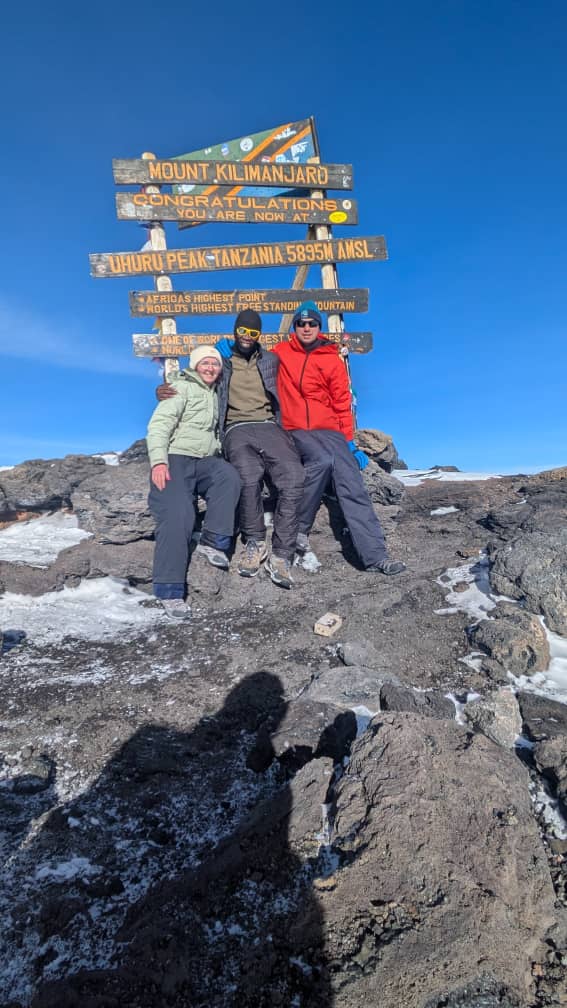

Planning a Tanzania safari is an exciting prospect, promising encounters with iconic wildlife and breathtaking landscapes. Two of the most sought-after safari experiences are the Northern Circuit and the Lemosho route. While both offer incredible opportunities to witness the magic of East Africa, they cater to slightly different interests and travel styles. Understanding the nuances between the Ultimate Northern Circuit vs Lemosho guide is crucial for crafting an unforgettable journey. This detailed exploration will help you decide which path aligns best with your safari dreams for 2026-2027.
Quick Facts: Northern Circuit vs Lemosho
| Feature | Northern Circuit | Lemosho Route |
|---|---|---|
| Primary Focus | Classic wildlife viewing across multiple parks, diverse landscapes. | Often combined with Kilimanjaro treks, more remote park access, wilderness feel. |
| Key Parks Included | Serengeti, Ngorongoro Crater, Tarangire, Lake Manyara. | Can include Serengeti, Ngorongoro Crater, Tarangire, Lake Manyara, often with added time in less-visited areas. |
| Typical Duration | 3-7 days is common for the core parks. | 5-10 days is typical, allowing for deeper exploration and transit. |
| Wildlife Density | Extremely high, especially during migration periods. | High, with potential for more intimate sightings due to fewer vehicles in certain areas. |
| Road Conditions | Generally good within parks, can be dusty. | Can be rougher, especially in more remote sections; depends on specific itinerary. |
| Accommodation Options | Wide range: luxury lodges, tented camps, budget options. | Often leans towards tented camps and lodges, can feel more exclusive. |
| Best For | First-time visitors, those wanting to see the “greatest hits” of Tanzania, diverse ecosystems. | Adventure seekers, photographers, those combining with Kilimanjaro, seeking a wilder experience. |
Safari Overview: Northern Circuit and Lemosho
Tanzania is synonymous with world-class safari experiences, and at the heart of its most celebrated wildlife destinations lie the Northern Circuit and the Lemosho route. While often mentioned in the same breath, they represent distinct approaches to exploring this vast and wildlife-rich country.
The Northern Circuit is the quintessential Tanzanian safari. It typically encompasses a loop through several of the country’s most famous national parks: Tarangire National Park, known for its giant baobabs and elephant herds; Lake Manyara National Park, famous for its tree-climbing lions and diverse birdlife; the Ngorongoro Conservation Area, a UNESCO World Heritage Site featuring the spectacular Ngorongoro Crater, an intact caldera teeming with wildlife; and the vast Serengeti National Park, the stage for the Great Migration and unparalleled predator sightings. This circuit offers a concentrated dose of Tanzania’s most iconic wildlife spectacles, making it ideal for those with limited time or who want to experience the “greatest hits” in one trip.
The Lemosho route, while often associated with Kilimanjaro trekking, can also be adapted for a safari experience, or more commonly, it refers to a safari that incorporates areas often visited on the Northern Circuit but with a more adventurous, less-trodden path. When people refer to a “Lemosho safari,” they often mean a safari that takes a more in-depth approach, perhaps spending more time in the Serengeti’s less-visited western or northern corridors, or venturing into conservancies adjacent to the main parks. It implies a desire for a wilder, more exclusive feel, often with more remote camping or smaller, intimate lodges. It can also mean an itinerary that specifically utilizes the Lemosho access gate for Kilimanjaro, and then continues into the Serengeti and Ngorongoro for a combined trekking and safari adventure. This guide will focus on the safari aspects, comparing the traditional Northern Circuit with a safari that adopts the spirit and access points of the Lemosho route, often implying a longer, more immersive experience.
Why This Choice Matters for Your Safari
The decision between a Northern Circuit safari and a Lemosho-style safari is not just about the parks you visit, but about the pace, the exclusivity, and the overall feel of your adventure. This choice directly impacts:
- Wildlife Viewing Experience: Will you be content with the high-traffic, high-sighting areas, or do you prefer seeking out more elusive wildlife in quieter corners?
- Pace of Travel: Do you want a fast-paced tour hitting all the highlights, or a more relaxed journey allowing for deeper exploration?
- Accommodation Style: Are you looking for a range of options from luxury lodges to basic camps, or do you prefer a more exclusive, often tented camp experience?
- Budget: While both can be tailored, longer, more remote safaris (often associated with Lemosho) can sometimes incur higher costs due to logistics and exclusivity.
- Combination Trips: If you’re considering climbing Kilimanjaro, the Lemosho route is a direct access point and can be seamlessly integrated with a safari.
Understanding these differences is key to selecting the safari that best matches your expectations and ensures a truly memorable trip to Tanzania in 2026 or 2027.
Deep Dive: The Northern Circuit Experience
The Northern Circuit is the classic, well-established safari route in Tanzania, designed to showcase the country’s most iconic wildlife and landscapes efficiently. It’s a well-oiled machine, offering incredible game viewing with a high degree of accessibility and variety.
Serengeti National Park
The crown jewel of the Northern Circuit, the Serengeti is vast, covering over 14,000 square kilometers. It is legendary for the Great Migration, where millions of wildebeest, zebras, and gazelles traverse the plains in search of fresh grazing. This spectacle alone draws visitors from around the globe. Beyond the migration, the Serengeti boasts resident populations of all the Big Five (lion, leopard, elephant, rhino, and buffalo), cheetahs, hyenas, giraffes, and countless other species. Game drives here are typically conducted in open-sided 4×4 vehicles, following well-established tracks. The sheer density of predators, particularly lions and cheetahs, is astonishing.
Ngorongoro Crater
A UNESCO World Heritage Site, the Ngorongoro Crater is a natural amphitheater, a collapsed volcano caldera that hosts an incredible concentration of wildlife. Descending into the crater floor is like entering a lost world. With its own permanent water sources and diverse habitats, it supports a dense population of animals year-round, including the rare black rhinoceros. You can expect to see large herds of wildebeest and zebras, elephants, buffalo, hippos, and a high density of predators like lions, hyenas, and jackals. The crater rim offers stunning panoramic views, and accommodation is available both on the rim and in the surrounding conservation area.
Tarangire National Park
Famous for its large elephant herds, especially during the dry season (July to October) when they congregate around the Tarangire River, this park also features iconic baobab trees that dot the landscape. You’ll find a good number of predators here too, including lions and leopards, and it’s a great spot for birdwatching, with over 500 species recorded. The landscape is more rugged and less open than the Serengeti, offering a different visual experience.
Lake Manyara National Park
Though small, Lake Manyara packs a punch. It’s known for its elusive tree-climbing lions, a phenomenon not commonly seen elsewhere. The park also features a large alkaline lake that attracts thousands of flamingos seasonally, as well as hippos, elephants, giraffes, and baboons. The dense groundwater forest provides a beautiful, shady environment for game drives.
Typical Northern Circuit Itinerary Logic
A standard Northern Circuit safari often follows a logical progression, starting from Arusha (the gateway city). A common flow might be:
- Day 1: Arrive in Arusha, overnight.
- Day 2: Drive to Tarangire National Park for game drives. Overnight near Tarangire.
- Day 3: Drive to Lake Manyara for a morning game drive, then proceed to the Ngorongoro Conservation Area. Overnight on the crater rim or nearby.
- Day 4: Descend into the Ngorongoro Crater for a full day of game viewing. Overnight in the crater area or en route to Serengeti.
- Day 5-7: Drive to Serengeti National Park, spending multiple days exploring different regions (central, northern, or southern depending on migration). Overnight in Serengeti lodges or camps.
- Day 8: Morning game drive in Serengeti, then fly back to Arusha or Kilimanjaro International Airport (JRO) for departure.
This structure maximizes game viewing opportunities while minimizing long travel days between parks. It’s a well-trodden path, meaning good infrastructure and reliable services.
Deep Dive: The Lemosho Route Experience
When discussing a “Lemosho route” in the context of safari, it generally refers to a safari experience that mirrors the parks of the Northern Circuit but emphasizes a more remote, less crowded, and often more exclusive approach. It can also refer to an itinerary that uses the Lemosho gate for Kilimanjaro and then transitions into a safari.
The spirit of Lemosho in safari is about:
- Deeper Immersion: Spending more time in each location, or venturing into less-visited areas of the Serengeti or adjacent conservancies.
- Wilderness Feel: Prioritizing locations and accommodations that offer a sense of being truly in the wild, often involving more mobile camping or exclusive tented camps.
- Flexibility: Having a more adaptable itinerary that can focus on specific interests like photography, birdwatching, or tracking particular animals.
- Reduced Vehicle Traffic: Opting for routes or times that avoid peak crowds, especially in the Serengeti and Ngorongoro.
Serengeti’s Western and Northern Corridors
A Lemosho-style safari might spend significant time in the western Serengeti, which is less visited than the central Seronera area but offers excellent game viewing, especially during the migration’s river-crossing seasons. The northern Serengeti, near the Mara River, is another prime location for witnessing dramatic migration events. These areas require more travel time from Arusha, often necessitating a flight into a Serengeti airstrip to save time and maximize wildlife viewing hours.
Ngorongoro Conservation Area (NCA) Exclusivity
While the Ngorongoro Crater itself is a major draw, a Lemosho-inspired safari might also explore other areas within the vast NCA, such as the Empakai Crater or the Ndutu area (which straddles the NCA and Serengeti and is crucial for calving season). Some itineraries might include walking safaris in designated areas of the NCA, offering a different perspective than vehicle-based drives. Access to the crater floor is still regulated, but the overall experience can be curated to feel more private.
Conservancies and Private Reserves
A key aspect of a more exclusive Lemosho-style safari is the potential inclusion of private conservancies bordering the national parks. These areas often have stricter limits on visitor numbers, allowing for a more intimate wildlife experience. Activities like night game drives and walking safaris, which are restricted or prohibited in most national parks, are often permitted in conservancies, providing unique opportunities.
Combined Kilimanjaro and Safari
For many, the “Lemosho” connection is primarily with Mount Kilimanjaro. The Lemosho route is one of the most scenic and successful routes for ascending Kilimanjaro. A combined trip means trekking the Lemosho route for 7-8 days, then descending and immediately transitioning into a safari, often starting with the Serengeti and Ngorongoro Crater. This requires careful planning to ensure seamless transitions and recovery time.
Typical Lemosho-Style Safari Logic
An itinerary designed with the Lemosho spirit might look like this:
- Day 1: Arrive in Arusha, overnight.
- Day 2: Fly from Arusha to a Serengeti airstrip. Transfer to a remote camp/lodge for afternoon game drive.
- Day 3-5: Explore different regions of the Serengeti (e.g., western corridor, northern plains) with game drives and potentially walking safaris.
- Day 6: Drive or fly to the Ngorongoro Conservation Area. Game drive in a conservancy area or visit Lake Ndutu. Overnight near Ngorongoro.
- Day 7: Morning game drive in the Ngorongoro Crater. Afternoon drive towards Tarangire or Lake Manyara.
- Day 8: Full day game drive in Tarangire National Park. Overnight near Tarangire.
- Day 9: Morning game drive in Lake Manyara, then drive back to Arusha.
- Day 10: Depart from Arusha or JRO.
This itinerary prioritizes depth and exclusivity, often involving internal flights to reduce travel time and maximize time in prime wildlife areas.
Best Time to Visit: Seasonality for Both Routes
Tanzania offers fantastic safari experiences year-round, but the “best” time often depends on what you want to see and experience. The Northern Circuit and Lemosho-style safaris share many similarities in terms of optimal timing, but there are slight differences based on specific wildlife events.
Dry Season (June to October)
- Pros: Excellent game viewing as animals congregate around water sources. The grass is shorter, making spotting easier. The Great Migration is typically in the western and northern Serengeti, often featuring dramatic river crossings (July-September). Weather is generally sunny and pleasant, with little rain. This is prime time for combining safari with Kilimanjaro treks, as conditions are favorable.
- Cons: This is peak tourist season, so parks can be busier, and accommodation prices are higher.
- Northern Circuit: Ideal for seeing large herds in Serengeti and Ngorongoro. Tarangire is excellent for elephants.
- Lemosho-Style: Great for migration river crossings and offers excellent conditions for Kilimanjaro ascents if combined.
Green Season / Shoulder Season (November to May)
- Pros: Fewer crowds, lower prices for accommodation and sometimes flights. The landscape is lush and green, offering beautiful photographic opportunities. This is the calving season for wildebeest in the southern Serengeti (December to March), a spectacular time to witness newborn animals and intense predator action. Birdlife is also at its best during this period.
- Cons: Some roads can become muddy and difficult to navigate, potentially affecting travel times. Game viewing can be more challenging as animals disperse and are hidden by taller grass. Short rains can occur in November and December, and the long rains typically fall from March to May.
- Northern Circuit: Southern Serengeti is fantastic for calving season. Tarangire can be less predictable due to dispersed animals.
- Lemosho-Style: Ideal for photographers seeking dramatic landscapes and predator-prey interactions during calving season. Kilimanjaro trekking is possible but can be more challenging due to rain.
Specific Months to Consider:
- January-March: Southern Serengeti calving season. Tarangire is good but can be dispersed.
- July-October: Western/Northern Serengeti for migration river crossings. Excellent game viewing overall.
- June & November: Transitional months, often good weather with fewer crowds and potentially lower prices.
For planning your 2026-2027 safari, consider that the migration’s exact location can vary slightly year to year, but these general patterns hold true. The dry season remains the most popular and generally offers the most predictable, high-density game viewing, especially for first-time visitors.
Safari Area Map: Northern Circuit & Lemosho Locations
While a visual map is best, here’s a textual representation of the key areas covered by the Northern Circuit and the typical locations a Lemosho-style safari might explore.
General Geographic Flow
Arusha (Gateway) ➔
Tarangire National Park ➔
Lake Manyara National Park ➔
Ngorongoro Conservation Area (Crater & surrounding areas) ➔
Serengeti National Park (Central, Western, Northern, or Southern regions depending on season and itinerary)
Return to Arusha or fly out from Serengeti airstrip.
Key Park Locations within the Circuit
- Tarangire: South-west of Arusha. Known for elephants and baobabs.
- Lake Manyara: South-west of Arusha, north of Tarangire. Known for tree-climbing lions and flamingos.
- Ngorongoro Crater: West of Arusha, east of Serengeti. A caldera with dense wildlife.
- Serengeti: Vast park west of Ngorongoro. Divided into regions: Central (Seronera), South (Ndutu/Kusini), West (Grumeti), North (Mara).
Lemosho-Specific Considerations:
A Lemosho-style safari often emphasizes spending more time in the Western Serengeti (Grumeti River) or Northern Serengeti (Mara River) for migration action, or venturing into private conservancies bordering these parks. If combined with Kilimanjaro, the Lemosho route starts from the west of the mountain, then transitions to safari destinations.
Sample Itinerary Comparison: Northern Circuit vs Lemosho
Here’s a comparison of typical itineraries, highlighting how a Lemosho-style approach differs from a standard Northern Circuit. Note that these are sample durations and can be customized.
Standard Northern Circuit (6 Days/5 Nights)
- Day 1: Arrive Arusha. Overnight.
- Day 2: Arusha to Tarangire NP. Game drive. Overnight Tarangire.
- Day 3: Tarangire to Ngorongoro Crater rim. Game drive in Lake Manyara en route. Overnight Ngorongoro rim.
- Day 4: Ngorongoro Crater game drive. Overnight near Karatu.
- Day 5: Ngorongoro to Central Serengeti. Game drive. Overnight Central Serengeti.
- Day 6: Central Serengeti morning game drive. Fly from Seronera airstrip to Arusha. Depart.
Lemosho-Style Safari (8 Days/7 Nights) – Focus on Depth & Exclusivity
- Day 1: Arrive Arusha. Overnight.
- Day 2: Arusha to Serengeti (fly to Western or Northern airstrip). Transfer to remote lodge/camp. Afternoon game drive. Overnight Western/Northern Serengeti.
- Day 3-4: Full days exploring Western/Northern Serengeti, focusing on migration or specific wildlife interests. Potential walking safari if in a conservancy. Overnight Western/Northern Serengeti.
- Day 5: Drive or fly to Ngorongoro Conservation Area. Game drive in a conservancy or Lake Ndutu area. Overnight NCA.
- Day 6: Ngorongoro Crater game drive. Afternoon drive to Tarangire NP. Overnight Tarangire.
- Day 7: Full day game drive in Tarangire NP. Overnight Tarangire.
- Day 8: Morning game drive in Tarangire. Drive back to Arusha for departure.
Combined Lemosho Kilimanjaro Trek & Safari (15 Days)
- Day 1-8: Lemosho Route Kilimanjaro Trek. Descend Mweka Gate.
- Day 8: Transfer to Arusha for rest and preparation. Overnight Arusha.
- Day 9: Arusha to Serengeti (fly to Seronera). Transfer to lodge/camp. Afternoon game drive. Overnight Serengeti.
- Day 10-11: Serengeti exploration (e.g., central and southern regions). Overnight Serengeti.
- Day 12: Serengeti to Ngorongoro Crater. Game drive. Overnight Ngorongoro rim.
- Day 13: Ngorongoro Crater game drive. Drive to Tarangire NP. Overnight Tarangire.
- Day 14: Tarangire NP game drive. Drive back to Arusha. Overnight Arusha.
- Day 15: Depart from Arusha or JRO.
What to Expect on Each Safari Type
The experience of a safari is deeply shaped by the route and style of travel. Here’s a breakdown of what you can generally expect.
Northern Circuit Expectations:
- High Volume of Wildlife: Expect to see a lot of animals, often in large numbers, especially in Serengeti and Ngorongoro.
- Classic Game Drives: Primarily conducted in 4×4 safari vehicles on established tracks. Expect to see other safari vehicles, especially at popular sightings.
- Diverse Landscapes: From the plains of the Serengeti to the unique ecosystem of the Ngorongoro Crater and the baobab-studded Tarangire.
- Variety of Accommodation: A wide range of options from luxury lodges and permanent tented camps to more budget-friendly options.
- Efficient Travel: Itineraries are designed to maximize game viewing time and minimize long driving days between parks.
- Accessibility: Well-developed infrastructure within parks and good road conditions for most of the year.
Lemosho-Style Safari Expectations:
- More Intimate Wildlife Encounters: While still seeing plenty, the focus might be on quieter areas, leading to more personal sightings with fewer vehicles around.
- Sense of Wilderness: Greater emphasis on remote locations, mobile camping, or exclusive lodges that feel more secluded.
- Potential for Off-Road Driving: In certain areas or conservancies, guides may have more flexibility to track animals.
- Extended Time in Key Areas: More days dedicated to exploring specific regions of the Serengeti or conservancies.
- Specialized Activities: Possibility of night drives, walking safaris, and cultural visits (e.g., Maasai villages) depending on the itinerary and location.
- More Rugged Travel: Some routes might involve rougher tracks, especially when venturing into less-developed areas or conservancies.
- Higher Level of Customization: Often tailored for photographers or those with specific interests, allowing for more flexibility.
Essential Inclusions, Packing, and Preparation
Regardless of which route you choose, proper preparation is key to a comfortable and enjoyable safari. Your tour operator will typically cover most of the essentials, but understanding what’s included and what you need to bring is vital.
Typical Safari Inclusions:
- Park entrance fees
- Accommodation during the safari
- All meals (breakfast, lunch, dinner)
- A 4×4 safari vehicle with a professional guide
- Unlimited game drives
- Water in the vehicle
- Airport transfers
- Bush/picnic lunches
- (For combined trips) Kilimanjaro trekking crew, park fees, camping equipment.
Common Exclusions:
- International flights
- Visa fees
- Travel insurance (mandatory for Kilimanjaro)
- Gratuities for guides and camp staff
- Drinks (alcoholic and soft drinks)
- Personal expenses
- Optional activities (e.g., hot air balloon safaris)
Packing Essentials:
Layering is key for Tanzania’s varying temperatures. Neutral colors (khaki, beige, green, brown) are best to avoid startling wildlife.
- Clothing: Lightweight, breathable long-sleeved shirts and trousers (for sun and insect protection), t-shirts, shorts, a warm fleece or jacket for cool mornings/evenings, a waterproof jacket, comfortable walking shoes/hiking boots (if applicable), sandals or flip-flops for camp, swimwear (if lodges have pools).
- Accessories: Wide-brimmed hat, sunglasses, sunscreen (high SPF), insect repellent (with DEET), a good quality camera with extra batteries and memory cards, binoculars, a headlamp or flashlight, a reusable water bottle.
- Documents: Passport, visa (if required), flight details, travel insurance details, vaccination certificates, emergency contact information.
- Health: Personal first-aid kit, any prescribed medications, anti-malarial medication (consult your doctor).
Preparation Checklist:
- Consult Your Doctor: Discuss necessary vaccinations (e.g., Yellow Fever) and malaria prophylaxis well in advance of your 2026-2027 trip.
- Book in Advance: Especially for peak season (June-October) and for popular routes like Lemosho, book 6-12 months ahead.
- Travel Insurance: Ensure it covers medical emergencies, evacuation, and trip cancellation. For Kilimanjaro, ensure it covers high-altitude trekking.
- Fitness: If combining with Kilimanjaro, a good level of fitness is essential. For safaris alone, moderate fitness is sufficient, but being able to get in and out of vehicles is necessary.
- Learn Basic Swahili Phrases: A few words like “Jambo” (Hello) and “Asante” (Thank you) are always appreciated.
- Research Your Tour Operator: Look for reputable companies with good reviews. Check out traveler feedback for insights.
Common Mistakes to Avoid When Planning
Making informed decisions can prevent common pitfalls that detract from the safari experience. Here are mistakes to avoid when choosing between the Northern Circuit and Lemosho-style safaris:
- Not considering seasonality: Planning a safari during the peak of the rainy season without understanding the implications for game viewing and accessibility.
- Underestimating travel times: Tanzania is vast. Long drives between parks can eat into valuable game viewing time if not planned efficiently, especially on a standard Northern Circuit. Internal flights can mitigate this for Lemosho-style trips.
- Booking the cheapest option: Safari costs reflect the quality of guides, vehicles, accommodation, and park fees. The cheapest operators may compromise on safety, comfort, or the quality of the experience.
- Not specifying interests: If you’re a keen photographer, you’ll want a guide who understands optimal light and positioning. If you want to see the migration, ensure your itinerary aligns with its expected location.
- Over-scheduling: Trying to cram too many parks or activities into a short period leads to a rushed experience. A Lemosho-style safari often benefits from a slower pace.
- Ignoring accommodation types: Not understanding the difference between a luxury lodge, a permanent tented camp, and a mobile camp, and how it affects your experience.
- Failing to budget for extras: Forgetting to factor in tips, drinks, and personal expenses can lead to unexpected costs.
- Not checking reviews and operator credentials: Choosing an operator without due diligence can lead to disappointment. Look for established companies with clear communication.
Who is Each Safari Best Suited For?
The choice between the Northern Circuit and a Lemosho-style safari often comes down to personal preferences, priorities, and travel style. Here’s a guide to help you decide:
Northern Circuit is Best For:
- First-time Tanzania Safari Visitors: It covers all the iconic highlights, providing a comprehensive introduction to Tanzania’s wildlife.
- Travelers with Limited Time: Shorter itineraries (3-5 days) are possible and still offer incredible experiences.
- Those Seeking High Odds of Seeing “The Big Five”: The concentration of animals in Serengeti and Ngorongoro Crater makes sightings very likely.
- Families with Younger Children: The well-established infrastructure and accessibility make it a comfortable option.
- Travelers on a Moderate Budget: While luxury options exist, the Northern Circuit offers a wider range of more affordable accommodations.
- Visitors Primarily Interested in Wildlife: It delivers on spectacular and diverse wildlife viewing across multiple ecosystems.
Lemosho-Style Safari is Best For:
- Adventure Seekers: Those who enjoy a more rugged, off-the-beaten-path experience.
- Photographers: Seeking unique angles, fewer vehicles, and more time to capture the perfect shot, especially in remote areas.
- Travelers Seeking Exclusivity: Preferring quieter parks, private conservancies, and a more intimate feel.
- Those Combining Safari with Kilimanjaro: The Lemosho route for the mountain naturally leads into safari planning, and this style of safari complements the trekking experience.
- Repeat Visitors to Tanzania: Looking to explore beyond the most popular spots and discover different facets of the country.
- Travelers Prioritizing Immersion: Wanting to spend more time in fewer locations, allowing for deeper exploration and a more relaxed pace.
- Budget Considerations for Exclusivity: While potentially more expensive due to logistics, it can offer a higher value experience for those seeking unique access.
Considering Alternatives to Northern Circuit & Lemosho
While the Northern Circuit and Lemosho-style safaris are incredibly popular, Tanzania offers other remarkable safari destinations and experiences that might appeal to certain travelers. If you’re looking for something different or want to complement your main safari, consider these:
Southern Tanzania (Ruaha & Selous/Nyerere National Park)
- Pros: Much less crowded, offering a truly wild and remote experience. Ruaha is known for its large elephant and lion populations and rugged landscapes. Selous (now Nyerere National Park) is famous for boat safaris on the Rufiji River and walking safaris, providing a unique perspective.
- Cons: Requires internal flights from Arusha or Dar es Salaam, making it more logistically complex and expensive. Less variety in terms of park ecosystems compared to the Northern Circuit.
- Best for: Repeat visitors, those seeking solitude, adventure, and a more authentic wilderness feel.
Western Tanzania (Gombe & Mahale Mountains National Parks)
- Pros: Famous for chimpanzee trekking. Gombe is small and intimate, while Mahale offers stunning lake views and chimpanzee tracking in a more remote setting.
- Cons: Requires significant travel time and internal flights, often from Arusha or Dar es Salaam. Primarily focused on primate viewing, not the “Big Five” spectacle.
- Best for: Primate enthusiasts, travelers seeking unique wildlife encounters beyond the typical safari animals.
Zanzibar and the Spice Islands
- Pros: Offers a complete contrast to the safari experience. Beautiful white-sand beaches, turquoise waters, rich history (Stone Town), spice tours, and snorkeling/diving opportunities.
- Cons: Not a wildlife destination in the traditional sense, though some marine life is accessible.
- Best for: Relaxation after a safari, cultural immersion, beach holidays. Many travelers combine a Northern Circuit or Lemosho-style safari with a Zanzibar extension.
Day Trips and Shorter Safaris
For those with very limited time, day trips from Arusha to places like Arusha National Park or a single-day game drive in Lake Manyara can be an option. However, for a true safari experience, a minimum of 3-4 days is recommended.
When planning for 2026-2027, consider how these alternatives might fit into your overall travel plans for Tanzania. A combination of a Northern Circuit safari with a Zanzibar beach holiday is a very popular choice.
Planning Your Safari for 2026-2027
Planning a safari for 2026-2027 requires foresight, especially if you have specific dates or requirements. The earlier you start, the better your chances of securing your preferred lodges, guides, and itinerary.
Key Planning Steps for 2026-2027:
- Define Your Priorities: What do you want to see and experience? Are you focused on the Great Migration, the Big Five, photography, or a combination with Kilimanjaro? This will guide your choice between Northern Circuit and Lemosho-style.
- Choose Your Travel Dates: Consider the seasonality discussed earlier. For peak migration viewing or favorable trekking conditions, book well in advance for 2026-2027.
- Determine Your Budget: Safaris can range significantly in cost. Be realistic about what you can afford, and communicate this to your tour operator. Understand what’s included to compare offers accurately.
- Select Your Tour Operator: Research companies thoroughly. Look for local operators with strong reputations, good communication, and expertise in Tanzania. Check out our other website for more information on our services.
- Draft Your Itinerary: Work with your operator to craft an itinerary that balances travel time, game viewing, and relaxation. For Lemosho-style safaris, consider internal flights to maximize time in parks.
- Book Accommodation: Lodges and camps, especially in prime locations or during peak season, get booked up quickly for 2026-2027.
- Arrange Flights: Book international flights to Kilimanjaro International Airport (JRO) or a connecting flight to Arusha Airport (ARK).
- Visa and Vaccinations: Start this process early. Check visa requirements for your nationality and consult your doctor about necessary health precautions.
- Pack Appropriately: Use packing lists and ensure you have suitable gear.
- Finalize Details: Confirm all arrangements with your tour operator a few weeks before departure.
For those interested in group departures for safaris in 2026-2027, check out our available dates here: Tanzania Safari Group Departures.
What Travelers Say: Reviews and Social Proof
Real traveler experiences offer invaluable insights when planning your safari. Hearing from others who have undertaken these journeys can help solidify your decision. Many travelers find that reputable operators provide a superior experience, ensuring smooth logistics and knowledgeable guides.
For example, feedback often highlights the incredible wildlife sightings, the professionalism of guides, the quality of accommodation, and the overall organization of the trip. For those considering a climb or safari, seeing photos and reading about recent adventures can be inspiring. You can find recent updates and photos from our travelers on our Instagram page.
When looking at reviews, consider what aspects travelers emphasize. Are they praising the ability to see wildlife, the comfort of the camps, the expertise of the guides, or the seamlessness of the overall journey? This kind of feedback is crucial for understanding the quality of service you can expect. For direct traveler feedback on our services, please see our TripAdvisor reviews.
Booking Your Tanzania Safari: Expert Tips
Booking a safari is a significant investment, and choosing the right operator and understanding the booking process is paramount. Here are expert tips to ensure a smooth and rewarding booking experience for your 2026-2027 adventure:
- Work with a Local, Reputable Operator: Local companies often have better ground knowledge, established relationships with lodges and parks, and can offer more competitive pricing due to lower overheads. Look for operators with a strong online presence, verifiable reviews, and clear contact information. We at Top Guide Adventures Tanzania are dedicated to providing exceptional safari experiences. You can reach us via WhatsApp at +255616946642 or email at topguideadventures@gmail.com. For alternative inquiries, use info@topguideadventures.com.
- Get Detailed Itineraries: Ensure the itinerary clearly outlines daily activities, driving times, accommodation names, and inclusions/exclusions. A good itinerary for the Northern Circuit or a Lemosho-style safari should be well-paced and logical.
- Understand Inclusions and Exclusions: Pay close attention to what is covered in the price. Are park fees, meals, accommodation, guide services, and vehicle costs included? Are drinks, tips, and park fees for specific activities (like walking safaris) extra?
- Clarify Vehicle and Guide Information: Ask about the type of safari vehicle used (e.g., pop-top 4×4 Land Cruiser) and the experience level of your guide. For Lemosho-style safaris or specialized photography trips, request a guide with relevant expertise.
- Discuss Accommodation Options: Be clear about the style of accommodation you prefer (luxury lodge, mid-range tented camp, budget camps). The operator should be able to suggest options that fit your budget and style.
- Payment Terms: Understand the deposit requirements, payment schedule, and cancellation policy. Most operators require a deposit to secure bookings, with the balance due closer to the travel date.
- Ask About Flexibility: For Lemosho-style safaris or custom trips, inquire about the flexibility of the itinerary. Can it be adjusted to focus on specific interests?
- Confirmation and Vouchers: Ensure you receive written confirmation of your booking and any necessary vouchers for lodges or internal flights.
- Pre-Departure Briefing: A good operator will provide a pre-departure briefing or detailed information pack covering everything from packing lists to cultural etiquette.
For those looking to join a group safari and share costs, exploring shared tour options can be a great way to experience Tanzania. See our group departure dates here: Best Shared Tanzania Safaris.
Frequently Asked Questions
Q1: What is the main difference between the Northern Circuit and the Lemosho route for a safari?
A1: The Northern Circuit is a classic, efficient route covering the most famous parks (Serengeti, Ngorongoro, Tarangire, Manyara) for high-volume wildlife viewing. The Lemosho route, when applied to safari, implies a more in-depth, exclusive, or adventurous experience, often involving more remote areas of the Serengeti, conservancies, or a combination with Kilimanjaro trekking. It prioritizes immersion and a wilder feel.
Q2: Is the Lemosho route suitable for non-hikers wanting a safari?
A2: Yes, the term “Lemosho route” for safari typically refers to the style of safari experience (more remote, exclusive) rather than a specific path through parks. It does not inherently involve hiking unless it’s a combined Kilimanjaro trek and safari package. We can tailor a Lemosho-style safari that focuses purely on game drives.
Q3: Which route is better for seeing the Great Migration?
A3: Both routes offer chances to see the migration. The Northern Circuit typically covers central Serengeti where the migration can be found year-round. For specific events like river crossings (July-September), a Lemosho-style safari focusing on the Western or Northern Serengeti would be ideal. For calving season (December-March), the Southern Serengeti is key, which can be incorporated into either itinerary.
Q4: How long should a safari on the Northern Circuit or Lemosho route be?
A4: For the Northern Circuit, a minimum of 4-5 days is recommended to cover the main parks. For a Lemosho-style safari, 7-10 days allows for deeper exploration and less rushed travel. If combining with Kilimanjaro, allow at least 12-15 days for the trek and a 3-4 day safari.
Q5: Are internal flights necessary for a Lemosho-style safari in 2026-2027?
A5: Internal flights are highly recommended for Lemosho-style safaris to save significant travel time. Driving from Arusha to remote parts of the Serengeti can take a full day or more. Flying into a Serengeti airstrip allows you to start game viewing on your first day and maximizes your time in wildlife-rich areas.
Q6: What is the best time of year for a Northern Circuit or Lemosho safari in 2026?
A6: The dry season (June to October) offers excellent game viewing with animals congregating around water. The green season (November to May) is great for birding, photography, and witnessing the wildebeest calving in the southern Serengeti (Dec-Mar), though rain can impact road conditions.
Q7: Can I combine a Northern Circuit safari with Zanzibar?
A7: Absolutely! This is a very popular combination. You can enjoy a 4-7 day Northern Circuit safari followed by a flight from Arusha or a Serengeti airstrip to Zanzibar for beach relaxation and cultural experiences.
Q8: What is the typical cost difference between a Northern Circuit and a Lemosho-style safari?
A8: Lemosho-style safaris can be more expensive due to factors like internal flights, longer durations, more exclusive accommodation, and potentially private conservancy fees. However, costs vary greatly based on accommodation level and group size for both styles.
Q9: What is the difference in accommodation between these two safari types?
A9: The Northern Circuit offers a wide range of accommodation, from budget camps to luxury lodges. A Lemosho-style safari often leans towards more exclusive tented camps or lodges that provide a deeper sense of wilderness, though luxury options are also available.
Q10: How do I choose the right tour operator for my 2027 safari?
A10: Look for local operators with excellent reviews (e.g., on TripAdvisor), clear communication, detailed itineraries, and a strong understanding of your needs. Ensure they are licensed and have a good safety record. Contacting them directly to discuss your plans is a great first step.
Ready to Plan Your Ultimate Tanzania Safari?
Choosing between the classic Northern Circuit and a more exclusive Lemosho-style safari is a decision that shapes your entire Tanzanian adventure. Whether you’re drawn to the iconic sights of the Northern Circuit or the wilder, more intimate experience often associated with the Lemosho spirit, Top Guide Adventures Tanzania is here to craft your perfect safari. We specialize in creating unforgettable journeys tailored to your interests, budget, and travel style for 2026 and 2027.
Let us help you navigate the planning process. Contact our expert team today to discuss your dream Ultimate Northern Circuit vs Lemosho Guide safari!
WhatsApp: +255616946642
Email: topguideadventures@gmail.com
Backup Email: info@topguideadventures.com
Plan your Ultimate Northern Circuit vs Lemosho Guide with Top Guide Adventures
Tell us your travel dates, group size, comfort level, and dream experience. We will help you shape a clear, realistic, and memorable Tanzania itinerary.







 Veedesigner
 Fatma Kizanga
 Benjamin Waryuba
 Philip Philip
 John jr Itaja
 Antonia Optatus
 Edith Kanyere
 Neema Iddy
 Kelvin Boniphace
 Damari Maiga



