
Updated planning guide for 2026, 2027-2028
Usambara Cultural Tour From Moshi: Complete Guide 2026-2027-2028
Discover the rich heritage and stunning landscapes of the Usambara Mountains with a cultural tour starting from Moshi. This guide provides in-depth planning advice, itinerary options, and essential tips for travelers in 2026-2027.
WhatsApp +255616946642 | topguideadventures@gmail.com | info@topguideadventures.com

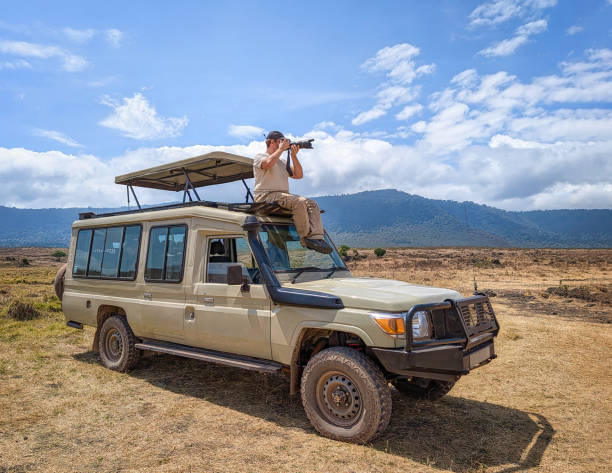
Usambara Cultural Tour From Moshi: Your Ultimate Planning Guide
The Usambara Mountains, often called the “Galapagos of Africa” for their unique biodiversity, offer a profound escape from the well-trodden safari paths. For travelers starting their journey in Moshi, perhaps after a Kilimanjaro climb or before a safari, a Usambara cultural tour from Moshi presents an opportunity to connect with local communities, explore lush forests, and witness breathtaking scenery. This guide provides everything you need to plan an enriching experience in this often-overlooked gem of Tanzania.
This extensive guide aims to cover every aspect of planning a memorable trip, from understanding the region’s appeal to practical considerations for your 2026-2027 travels. We will look at itinerary options, what to expect on the ground, packing advice, and how to choose the right tour operator.
Table of Contents
- Quick Facts: Usambara Cultural Tour
- Understanding the Usambara Mountains
- Why Choose a Usambara Cultural Tour from Moshi?
- Best Time to Visit the Usambara Mountains (2026-2027)
- Usambara Region Overview & Typical Routes
- Sample Usambara Cultural Tour Itinerary from Moshi (3 Days/2 Nights)
- What to Expect on Your Cultural Tour
- Inclusions, Packing List & Preparation
- Common Mistakes to Avoid
- Who is a Usambara Cultural Tour Best Suited For?
- Alternatives to a Usambara Cultural Tour
- Planning Your Usambara Tour for 2026-2027
- Booking Your Usambara Cultural Tour
- Frequently Asked Questions (FAQs)
- Ready to Explore the Usambaras?
Quick Facts: Usambara Cultural Tour
| Category | Details |
|---|---|
| Primary Destination | Usambara Mountains, Tanzania |
| Starting Point (Typical) | Moshi, Tanzania |
| Duration | 1 to 5 days (common); can be customized |
| Main Activities | Village visits, community interaction, forest walks, hiking, bird watching, local craft demonstrations, visiting viewpoints. |
| Key Towns/Villages | Lushoto, Soni, Magamba, Mtae, Kwai |
| Terrain | Mountainous, steep inclines, forest trails, rural paths |
| Cultural Highlights | Shambaa, Pare, and Maasai communities; traditional farming practices; local markets. |
| Best For | Culture enthusiasts, nature lovers, hikers, birdwatchers, those seeking off-the-beaten-path experiences. |
Understanding the Usambara Mountains
The Usambara Mountains are an integral part of the Eastern Arc Mountains, a chain of ancient mountains stretching across eastern Tanzania and Kenya. These mountains are renowned for their exceptional biodiversity, hosting numerous endemic species of plants, birds, and mammals. Geographically, they are divided into two main ranges: the West Usambaras and the East Usambaras. For cultural tours originating from Moshi, the West Usambaras are more commonly accessed and visited.
The West Usambaras are characterized by rolling hills, deep valleys, and high plateaus, with altitudes reaching over 2,000 meters. The primary ethnic group in this region is the Shambaa people, known for their agricultural prowess and rich traditions. Towns like Lushoto and Soni serve as gateways and hubs for exploration, offering basic amenities and a glimpse into local life. The landscape is a vibrant mix of indigenous forests, plantations (tea, coffee, pyrethrum), and small, scattered villages.
The East Usambaras, while also incredibly biodiverse, are generally more remote and less visited on standard cultural tours from Moshi. They are closer to the coast and are home to dense rainforests, including the Amani Nature Reserve, which is a prime location for serious nature enthusiasts and researchers.
Why Choose a Usambara Cultural Tour from Moshi?
Moshi, situated at the foot of Mount Kilimanjaro, is a popular starting point for many Tanzanian adventures. While many travelers focus solely on the mountain or nearby national parks, the Usambara Mountains offer a compelling contrast and a valuable addition to any itinerary. A Usambara cultural tour from Moshi provides several unique benefits:
- Authentic Cultural Immersion: Unlike more tourist-heavy areas, the Usambaras offer genuine interactions with communities. You can visit villages, learn about farming methods, witness traditional crafts, and understand daily life.
- Stunning Natural Beauty: The landscapes are dramatic – verdant hills, misty valleys, dense forests, and panoramic viewpoints. It’s a photographer’s and nature lover’s paradise.
- Biodiversity Hotspot: For those interested in flora and fauna, the Usambaras are exceptional. Birdwatchers, in particular, find a wealth of unique species here.
- Accessible from Moshi: The drive from Moshi to the foothills of the Usambaras is relatively short, making it a convenient extension or day trip.
- Off-the-Beaten-Path Experience: If you want to see a side of Tanzania that few tourists experience, the Usambaras deliver. It’s an opportunity to step away from the typical tourist circuit.
- Complementary to Kilimanjaro Treks: Many climbers find the gentle hills and cultural experiences of the Usambaras a relaxing and grounding experience after the physical challenge of Kilimanjaro.
Best Time to Visit the Usambara Mountains (2026-2027)
The climate in the Usambara Mountains is generally pleasant year-round due to their altitude, but there are periods that are more favorable for travel. Understanding the seasons will help you plan your Usambara cultural tour from Moshi for the best experience in 2026 and 2027.
| Period | Weather Conditions | Pros | Cons |
|---|---|---|---|
| January – February | Warm and dry, with occasional short rains. | Good visibility, pleasant temperatures for hiking. | Can be very hot in lower elevations. |
| March – May | Long rains. Heavy and frequent rainfall. | Lush green landscapes, fewer tourists. | Trails can be muddy and slippery, some roads may be difficult to navigate, cloudy conditions can obscure views. |
| June – October | Cool and dry. This is the main dry season. | Ideal for hiking and walking, clear skies, good visibility, comfortable temperatures. | Can be cooler, especially at higher altitudes. |
| November – December | Short rains. Intermittent showers. | Beautiful scenery after rains, generally good for travel. | Rain showers can disrupt activities; humidity increases. |
Recommendation for 2026-2027: The best months for a Usambara cultural tour from Moshi are generally from June to October, during the dry season. This period offers the most reliable weather for trekking and outdoor activities. However, the shoulder months of January-February and November-December can also be excellent, offering a good balance of decent weather and fewer crowds.
Usambara Region Overview & Typical Routes
The West Usambara Mountains are the primary focus for cultural tours originating from Moshi. The main access point is via the town of Lushoto, which sits at an elevation of about 1,400 meters.
Main Access Route from Moshi:
- Moshi to Soni/Lushoto: The journey from Moshi typically involves a drive of about 2-3 hours. The road winds its way up into the mountains, offering increasingly scenic views.
- Key Hubs: Lushoto is the largest town and a common base for organizing treks and cultural visits. Soni is a smaller town nearby, also offering accommodation and access points.
Typical Tour Areas & Activities:
Simplified Route Illustration:
Moshi (Start) → Drive via B1 (Highway) → Turn off towards Soni/Lushoto → Lushoto (Base/Activities) → Day Hikes/Village Visits (e.g., Magamba Forest, Irente Viewpoint, Kwai, Mtae) → Return to Lushoto/Soni or continue tour → Drive back to Moshi.
Popular Destinations within the Usambaras:
- Lushoto: The main administrative and tourist center. Good place to arrange guides and explore local markets.
- Magamba Forest Reserve: Offers beautiful forest walks and opportunities to see unique flora and fauna. It’s also home to historical caves.
- Irente Viewpoint: Provides spectacular panoramic views over the plains and surrounding valleys. Often includes a visit to a local dairy farm.
- Kwai Village: A picturesque village known for its traditional way of life and community projects.
- Mtae Village: Located at a higher altitude, Mtae is known as the “end of the road” and offers stunning views, including on clear days, a distant view of Mount Kilimanjaro. It’s a great place for experiencing rural life.
- Soni Waterfalls: A scenic spot for a short walk and relaxation.
Tours can be structured as day trips from Lushoto or as multi-day treks, staying in local guesthouses or community homestays.
Sample Usambara Cultural Tour Itinerary from Moshi (3 Days/2 Nights)
This sample itinerary is designed to give you a good balance of cultural interaction and natural exploration. It can be customized based on your interests and available time. This is a popular option for a Usambara cultural tour from Moshi.
Day 1: Moshi to Lushoto & Village Exploration
- Morning (approx. 8:00 AM): Depart from Moshi after breakfast. Your driver-guide will pick you up from your hotel.
- Late Morning (approx. 10:30 AM): Arrive in Lushoto, the main gateway town to the Usambaras. Check into your accommodation.
- Lunch: Enjoy lunch at a local restaurant in Lushoto.
- Afternoon: Begin your cultural immersion with a guided walk to a nearby village, such as Magamba or Kwai. You’ll learn about Shambaa traditions, farming techniques, and daily life. You might visit a local school or community project.
- Late Afternoon: Visit a viewpoint like Irente for stunning sunset vistas over the Usambara valleys.
- Evening: Dinner and overnight stay in Lushoto.
Day 2: Forest Walks & Community Interaction
- Morning: After breakfast, embark on a guided hike into the Magamba Forest Reserve. Your guide will point out unique plants and potentially endemic bird species. You might also explore historical caves within the forest.
- Lunch: Packed lunch during the hike or return to Lushoto for lunch.
- Afternoon: Continue your exploration with a visit to a local market (if it’s market day) or engage in a demonstration of local crafts, such as pottery or weaving. Alternatively, visit the Soni waterfalls for a refreshing break.
- Evening: Enjoy a traditional Shambaa dinner prepared by your hosts or at a local eatery. Overnight in Lushoto.
Day 3: Mtae Excursion & Return to Moshi
- Morning: After an early breakfast, take a scenic drive to Mtae village, perched at a higher altitude. The drive itself is spectacular.
- Late Morning: Explore Mtae, known for its breathtaking views and peaceful atmosphere. On a clear day, you can see Mount Kilimanjaro in the distance. Interact with the local community here.
- Lunch: Enjoy a simple lunch in Mtae.
- Afternoon: Begin the scenic drive back down from the mountains towards Moshi.
- Late Afternoon (approx. 5:00 PM): Arrive back in Moshi. Your tour concludes.
Note: This itinerary can be extended to include more remote villages, longer treks, or specific interests like birdwatching. For instance, a 5-day itinerary could involve trekking deeper into the mountains and staying in more remote community guesthouses.
What to Expect on Your Cultural Tour
A Usambara cultural tour from Moshi offers a distinct experience compared to a typical safari or Kilimanjaro trek. Here’s what you can anticipate:
- Physical Activity: While not as strenuous as Kilimanjaro, expect a good amount of walking and hiking. Trails can be uneven, steep, and sometimes muddy, especially during the rainy season. Good walking shoes are essential.
- Accommodation: Options range from basic but clean guesthouses in Lushoto and Soni to more authentic community homestays. These homestays offer a chance to live alongside local families, sharing meals and daily life. Luxury options are limited in the Usambaras themselves, though some lodges exist on the outskirts.
- Food: Meals typically consist of local Tanzanian cuisine. Expect dishes like ugali (maize porridge), pilau (spiced rice), beans, vegetables, and occasionally chicken or goat meat. Most guides can cater to dietary restrictions if informed in advance.
- Guides: You will typically be accompanied by a local guide who is knowledgeable about the area’s history, culture, flora, and fauna. They are often from the local communities and provide invaluable insight.
- Community Interaction: Be prepared for genuine interactions. While some locals are accustomed to visitors, maintain respect for their customs and privacy. Always ask permission before taking photos of people.
- Scenery: The views are a major highlight. Expect lush green landscapes, dramatic valleys, mist-covered mountains, and expansive plains below.
- Pace: The pace is generally relaxed, allowing for immersion. However, hiking days can be full.
- Infrastructure: Amenities in smaller villages are basic. Electricity and running water can be intermittent in some homestays. Embrace the simplicity.
Inclusions, Packing List & Preparation
Understanding what’s typically included in a tour package and what you need to bring is crucial for a smooth trip.
Typical Inclusions:
Most organized Usambara cultural tours from Moshi will include:
- All ground transportation from Moshi and within the Usambaras (usually a private 4×4 vehicle).
- Accommodation for the duration of the tour (as specified in your package).
- Meals (usually breakfast, lunch, and dinner) as per the itinerary.
- Services of a local, English-speaking guide.
- Park/conservation fees (if applicable for specific reserves).
- Bottled water during transfers and hikes.
What to Pack:
The Usambaras require a different packing list than a hot safari or a cold mountain climb. Focus on layers and comfort for walking.
Essential Packing List:
- Clothing:
- Lightweight, quick-drying trousers (2-3 pairs)
- Long-sleeved shirts (for sun and insect protection)
- T-shirts and tops (moisture-wicking)
- Fleece jacket or warm sweater (for cooler evenings/mornings)
- Waterproof and windproof jacket (essential for changing mountain weather)
- Comfortable walking shorts (optional, for warmer days)
- Socks (hiking socks, moisture-wicking)
- Underwear
- Footwear:
- Sturdy, broken-in hiking boots or comfortable walking shoes with good grip
- Sandals or flip-flops for relaxing
- Accessories:
- Backpack (daypack for hikes, carrying water, snacks, camera)
- Sun hat or cap
- Sunglasses
- Sunscreen (high SPF)
- Insect repellent
- Reusable water bottle
- Camera and extra batteries/memory cards
- Binoculars (optional, for birdwatching)
- Small first-aid kit (band-aids, antiseptic wipes, pain relievers, personal medications)
- Headlamp or flashlight (useful for homestays or early mornings)
- Toiletries (biodegradable if possible)
- Small towel (quick-drying)
- Power bank for charging devices
- Cash (for tips, souvenirs, extra snacks – USD and Tanzanian Shillings)
- Documents:
- Passport and visa
- Travel insurance details
- Copies of important documents (stored separately)
Preparation:
- Physical Fitness: While not extreme, a moderate level of fitness is recommended. Regular walking or hiking in the weeks leading up to your trip will be beneficial.
- Vaccinations & Health: Consult your doctor or a travel clinic about recommended vaccinations and malaria precautions for Tanzania.
- Mental Preparation: Be open to a different pace of life and varying levels of comfort. Embrace the cultural exchange.
- Learn Basic Swahili Phrases: A few words like ‘Jambo’ (Hello), ‘Asante’ (Thank you), and ‘Karibu’ (Welcome) can go a long way.
Common Mistakes to Avoid
To ensure your Usambara cultural tour from Moshi is as enjoyable and rewarding as possible, be aware of these common pitfalls:
- Underestimating the Walking: Many people think of it as a relaxed tour, but the hiking can be significant, especially if you opt for longer treks. Wear appropriate footwear.
- Expecting Luxury Amenities: While Lushoto has decent hotels, village homestays are basic. Manage your expectations regarding modern conveniences like Wi-Fi, hot showers, or consistent electricity.
- Not Hiring a Local Guide: While you could explore some areas independently, a local guide is invaluable for cultural understanding, safety, and navigating the terrain. They also ensure your tourism benefits the local community directly.
- Ignoring Weather Changes: Mountain weather is unpredictable. Pack for rain and cooler temperatures, even during the dry season. A good rain jacket is non-negotiable.
- Rushing the Experience: The Usambaras are about slowing down and connecting. Don’t try to cram too much into a short period. Allow time for spontaneous interactions and enjoying the scenery.
- Cultural Insensitivity: Always be respectful of local customs. Dress modestly when visiting villages, ask before taking photos, and be mindful of noise levels.
- Not Informing Your Operator of Dietary Needs: If you have allergies or specific dietary requirements, communicate them clearly and well in advance to your tour operator and guide.
- Carrying Too Much Gear: Pack light. You’ll be doing a lot of walking, and a heavy backpack will make it more challenging. Focus on essentials.
Who is a Usambara Cultural Tour Best Suited For?
This type of tour appeals to a specific kind of traveler looking for experiences beyond the typical tourist trail. A Usambara cultural tour from Moshi is ideal for:
- Culture Enthusiasts: Travelers keen to understand local traditions, interact with communities, and learn about daily life in rural Tanzania.
- Nature Lovers & Hikers: Those who appreciate beautiful landscapes, enjoy walking through forests and hills, and are interested in unique flora and fauna.
- Birdwatchers: The Usambaras are a significant birding destination with many endemic species, making it attractive for dedicated birdwatchers.
- Photographers: The dramatic scenery, vibrant villages, and unique cultural practices offer ample photographic opportunities.
- Travelers Seeking Authenticity: Individuals looking for genuine, unfiltered experiences away from mass tourism.
- Post-Kilimanjaro Trekkers: A gentle, culturally rich experience can be a perfect way to decompress and reflect after the rigors of climbing Kilimanjaro.
- Budget-Conscious Travelers: While not always the cheapest option, tours focused on community stays and local experiences can be more affordable than luxury safaris.
It is less suited for travelers seeking high-end luxury resorts, adrenaline-pumping activities, or those who prefer to avoid physical exertion and basic accommodation.
Alternatives to a Usambara Cultural Tour
While the Usambaras offer a unique experience, Tanzania has many other attractions. If a cultural tour isn’t quite what you’re looking for, consider these alternatives accessible from Moshi:
- Kilimanjaro Trekking: The most obvious alternative, with various routes (Marangu, Machame, Lemosho, etc.) offering different challenges and experiences.
- Mount Meru Climb: A less crowded but equally rewarding climb, often used as acclimatization for Kilimanjaro. It offers excellent wildlife viewing on its lower slopes.
- Day Trips to National Parks:
- Arusha National Park: Close to Moshi, offering canoeing on Momella Lakes, walking safaris, and views of Mount Meru. Good for birdlife and smaller mammals.
- Tarangire National Park: Known for its large elephant herds and baobab trees. Usually requires an overnight stay or a very long day trip.
- Lake Manyara National Park: Famous for its tree-climbing lions and diverse birdlife.
- Cultural Tourism in Arusha Region: Explore Maasai bomas (villages) closer to Arusha, or visit coffee plantations.
- Materuni Waterfalls and Coffee Tour: A popular day trip from Moshi, combining a visit to a beautiful waterfall with learning about the coffee-making process from bean to cup, often involving interaction with the Chagga people.
- Che Che Che Waterfalls (near Moshi): A less developed but scenic waterfall spot for a short excursion.
Each of these offers a different facet of Tanzania’s appeal, from wildlife encounters to more strenuous adventures.
Planning Your Usambara Tour for 2026-2027
Planning ahead is key, especially if you are targeting specific dates or looking for unique experiences. Here are some tips for planning your Usambara cultural tour from Moshi for 2026 and 2027:
- Book in Advance: Especially if you plan to travel during peak seasons (June-October) or around holidays, it’s wise to book your tour 3-6 months in advance. This ensures availability for preferred accommodation and guides.
- Consider the Season: As detailed earlier, the dry season (June-October) is ideal for hiking. If you prefer lush scenery and don’t mind potential rain, the shoulder seasons can be great.
- Define Your Interests: Are you more interested in hiking, birdwatching, interacting with specific communities, or learning about local crafts? Clearly defining your priorities will help your tour operator tailor the itinerary.
- Duration: Decide how much time you have. A 1-day trip is rushed and only covers a small area. 2-3 days allow for a good introduction, while 4-5 days offer deeper immersion and exploration of more remote spots like Mtae.
- Budget Considerations: While exact prices vary, tours involving community homestays are generally more budget-friendly than those in hotels. Factor in costs for tips, souvenirs, and personal expenses.
- Health Preparations: Start looking into necessary vaccinations and malaria prophylaxis well in advance of your 2026 or 2027 travel dates. Consult your doctor at least 6-8 weeks before departure.
- Visa Requirements: Check the latest visa requirements for Tanzania for your nationality. You can often apply online or obtain one upon arrival.
Booking Your Usambara Cultural Tour
Choosing the right tour operator is crucial for a safe, enjoyable, and authentic experience. Here’s how to approach booking your Usambara cultural tour from Moshi:
- Research Local Operators: Prioritize operators based in Tanzania, particularly those with offices or strong connections in Moshi. Local companies often have better ground knowledge and can offer more authentic experiences.
- Check Reviews and Recommendations: Look for reviews on platforms like TripAdvisor, Google, and travel forums. Seek recommendations from fellow travelers or your accommodation in Moshi.
- Inquire About Itinerary Customization: A good operator will be flexible and willing to tailor the tour to your interests, fitness level, and budget.
- Understand Inclusions and Exclusions: Be clear about what is covered in the price (accommodation type, meals, guide, transport, park fees) and what is not (tips, personal expenses, drinks).
- Ask About Guides: Inquire about the qualifications and experience of their local guides. Are they trained in first aid? Do they have deep knowledge of the local culture and environment?
- Safety Protocols: Ask about their safety procedures, especially regarding emergency situations and communication.
- Payment Terms: Understand their deposit requirements, payment methods, and cancellation policy. For 2026-2027 travel, ensure you have a clear understanding of what happens if travel plans need to change due to unforeseen circumstances.
- Communication: A responsive and clear communication channel is a good sign. If they are slow to respond or unclear in their answers, it might be a red flag.
Contact Top Guide Adventures: For a reliable and authentic Usambara cultural tour from Moshi, consider contacting us. We specialize in creating personalized Tanzanian travel experiences.
Reach us via:
WhatsApp: +255616946642
Email: topguideadventures@gmail.com
Backup Email: info@topguideadventures.com
Frequently Asked Questions (FAQs)
Frequently Asked Questions:
Q1: Is a Usambara cultural tour from Moshi suitable for solo travelers?
A1: Yes, solo travelers often find Usambara cultural tours very rewarding. Local guides ensure safety, and the interactive nature of the tour provides ample opportunities to meet and engage with local people. Many operators run group tours or can arrange private tours for solo travelers.
Q2: What is the best way to get from Moshi to the Usambara Mountains?
A2: The most convenient way is to arrange private transportation through a tour operator. This typically involves a 4×4 vehicle or a comfortable minivan, taking approximately 2-3 hours to reach towns like Lushoto. Public transport (daladalas and minibuses) is available but significantly slower and less comfortable.
Q3: Can I arrange a Usambara cultural tour for 2026 or 2027?
A3: Absolutely! Planning for 2026 and 2027 is recommended, especially if you wish to travel during the peak dry season (June-October). Booking in advance with a reputable tour operator like Top Guide Adventures will secure your preferred dates and arrangements.
Q4: What kind of accommodation can I expect?
A4: Accommodation varies. In towns like Lushoto, you’ll find hotels and lodges ranging from basic to mid-range. For a more immersive experience, community homestays are available, offering a chance to stay with local families in simple, clean rooms.
Q5: Is malaria a risk in the Usambara Mountains?
A5: The risk of malaria is generally lower in the higher altitudes of the Usambara Mountains compared to the coast or lower plains, due to the cooler temperatures. However, it’s still present. It’s advisable to consult your doctor about malaria prophylaxis and take precautions like using insect repellent and wearing long sleeves/trousers in the evenings.
Q6: How much walking is involved in a typical Usambara cultural tour?
A6: Most tours involve moderate walking and hiking. A typical day might include 3-5 hours of walking on uneven terrain, sometimes steep. It’s not as demanding as Mount Kilimanjaro, but good walking shoes and a reasonable level of fitness are beneficial.
Q7: Can I visit the Usambaras for just a day trip from Moshi?
A7: While technically possible to visit a viewpoint or a nearby village for a day, it’s not recommended for a true cultural experience. A day trip from Moshi would be very rushed and limit your interaction and exploration significantly. A minimum of 2 days is advised for a worthwhile cultural tour.
Q8: What currency should I use in the Usambaras?
A8: The local currency is the Tanzanian Shilling (TZS). While some larger hotels in Lushoto might accept US Dollars or credit cards, it’s best to carry Tanzanian Shillings for most purchases, especially in villages, markets, and for tips. US Dollars are useful for paying tour operators.
Q9: Is it possible to see wildlife in the Usambara Mountains?
A9: While not a safari destination for large mammals, the Usambaras are rich in biodiversity. You are likely to see various bird species (including endemics), monkeys, and a wide array of plants and insects. Forest walks offer the best chance for wildlife spotting.
Q10: What should I do if I have a medical emergency during the tour?
A10: Reputable tour operators have emergency protocols in place. Your guide will be trained to handle basic first aid and will know how to contact local medical services or arrange transport to the nearest clinic or hospital in case of a serious emergency.
Ready to Explore the Usambaras?
The Usambara Mountains offer a unique and enriching counterpoint to the more famous attractions of Tanzania. A Usambara cultural tour from Moshi provides an opportunity for genuine connection with nature and people, far from the usual tourist crowds. Whether you’re seeking cultural immersion, stunning landscapes, or a peaceful retreat, this region has much to offer.
Planning your trip for 2026-2027? Let us help you craft the perfect Tanzanian adventure. We specialize in creating personalized itineraries that capture the essence of this incredible country.
Contact Best Tanzania Tour Operator today to discuss your dream Usambara cultural tour:
WhatsApp: +255616946642
Email: topguideadventures@gmail.com
Backup Email: info@topguideadventures.com
Plan your Usambara Cultural Tour From Moshi with Top Guide Adventures
Tell us your travel dates, group size, comfort level, and dream experience. We will help you shape a clear, realistic, and memorable Tanzania itinerary.







 Veedesigner
 Fatma Kizanga
 Benjamin Waryuba
 Philip Philip
 John jr Itaja
 Antonia Optatus
 Edith Kanyere
 Neema Iddy
 Kelvin Boniphace
 Damari Maiga



