
Updated planning guide for 2026-2027
West Africa Festival Travel Guide: Complete 2026-2027
Planning a trip to experience the vibrant festivals of West Africa? This in-depth guide covers everything you need to know for your 2026-2027 travels, from choosing events to practical planning and cultural etiquette.
WhatsApp +255616946642 | topguideadventures@gmail.com | info@topguideadventures.com
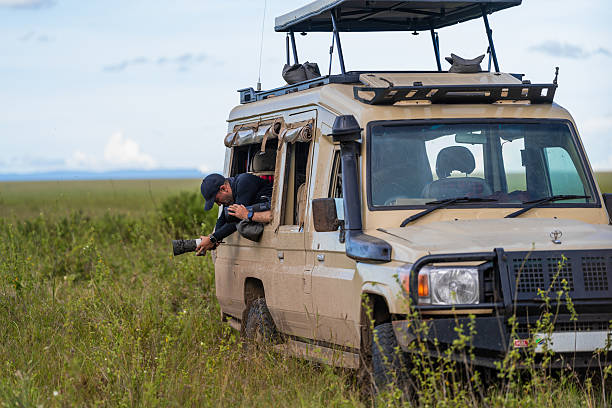
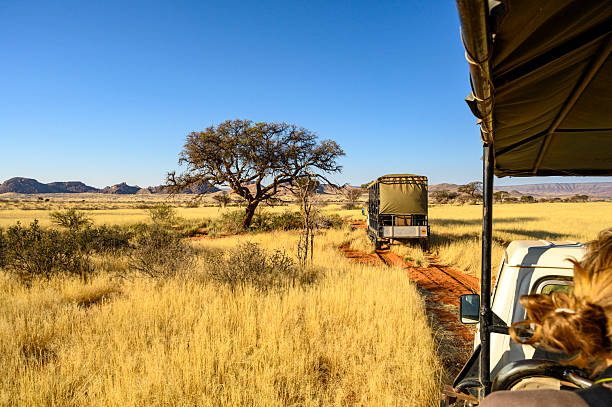
The Ultimate West Africa Festival Travel Guide for 2026-2027
West Africa is a region pulsating with life, color, and profound cultural traditions. Among its most captivating expressions are its numerous festivals, events that bring communities together to celebrate history, spirituality, harvest, and rites of passage. For travelers seeking an authentic and immersive experience, attending a West African festival offers a unique window into the soul of the continent. This comprehensive West Africa festival travel guide is designed to help you navigate the planning, participation, and enjoyment of these incredible celebrations, with insights tailored for your 2026-2027 adventures.
While this guide focuses on West Africa, our expertise at Top Guide Adventures lies in crafting unforgettable experiences in East Africa, particularly Tanzania. Should your travel plans extend to safaris, Kilimanjaro treks, or Zanzibar holidays, we are your premier partners. However, understanding the broader appeal of cultural tourism, we’ve compiled this resource for those drawn to West Africa’s dynamic festival scene.
Quick Facts: West Africa Festivals
| Aspect | Details |
|---|---|
| Region Focus | West Africa (e.g., Ghana, Senegal, Mali, Nigeria, Benin, Togo, Burkina Faso) |
| Key Festival Types | Religious (e.g., Eid, Easter celebrations), Harvest, Cultural, Historical Reenactments, Music, Art, Voodoo ceremonies, Royal events |
| Best Time to Visit | Varies significantly by festival; often during dry seasons (e.g., November to March) or specific calendar dates. Research individual festival dates for 2026-2027. |
| Typical Duration | 1-7 days, sometimes longer with related events. |
| Traveler Type | Culturally curious, adventurous, photographers, history buffs, those seeking authentic experiences. |
| Language | French and English are common colonial languages; numerous indigenous languages are spoken. Basic phrases in local languages are appreciated. |
| Currency | West African CFA franc (XOF) in many Francophone countries; Ghanaian Cedi (GHS), Nigerian Naira (NGN), etc., in others. |
Table of Contents
- West African Festivals: A Cultural Tapestry
- Why Attend a West African Festival?
- Iconic Festivals to Consider for 2026-2027
- Essential Planning Steps for Your Festival Trip
- Understanding Seasonality and Weather
- Sample Festival Itineraries and Routes
- What to Expect: Practicalities and Cultural Nuances
- Packing and Preparation Checklist
- Common Mistakes to Avoid
- Who is This Travel Style Best Suited For?
- Alternatives to Major Festivals
- Planning Your 2026-2027 Festival Journey
- Booking Your West Africa Festival Adventure
- Frequently Asked Questions
West African Festivals: A Cultural Tapestry
West Africa is not a monolithic entity; it’s a mosaic of diverse ethnic groups, languages, histories, and spiritual beliefs. Festivals are the vibrant threads that weave this mosaic together. They are not merely tourist spectacles but living, breathing traditions passed down through generations. From the elaborate ceremonies honoring ancestral spirits to the joyous celebrations of harvest and independence, these events offer a profound connection to the region’s heritage.
Understanding the context of a festival is crucial. Is it a solemn religious observance, a boisterous public holiday, a private initiation rite, or a community gathering? The etiquette, atmosphere, and opportunities for visitor engagement will vary greatly. This West Africa festival travel guide aims to equip you with the knowledge to approach these events with respect and genuine interest.
Why Attend a West African Festival?
The reasons to plan a trip around a West African festival are as varied as the festivals themselves:
- Authentic Cultural Immersion: Festivals are where local traditions, music, dance, art, and cuisine are showcased in their most vibrant forms. You witness and participate in genuine cultural expressions.
- Historical Insight: Many festivals commemorate significant historical events, offering a tangible link to the past and the struggles and triumphs of different peoples.
- Spiritual Connection: For many, festivals are deeply spiritual. Attending can provide insight into the diverse religious and spiritual practices, from Islam and Christianity to traditional animist beliefs and Voodoo.
- Visual Spectacle: Expect dazzling costumes, elaborate masks, rhythmic drumming, captivating dances, and processions that are a feast for the senses and a photographer’s dream.
- Community Engagement: Festivals are communal. While respecting boundaries, visitors often find opportunities to interact with locals, share meals, and feel a part of the collective celebration.
- Unique Travel Stories: Experiencing a festival is far removed from a standard tourist itinerary, promising unforgettable memories and stories.
Iconic Festivals to Consider for 2026-2027
West Africa hosts hundreds of festivals annually. Here are a few prominent examples to spark your interest for travel in 2026-2027. Always verify exact dates for the specific year you plan to travel, as they can shift based on lunar calendars or local decisions.
| Festival Name | Country | Typical Month(s) | Description | Key Activities |
|---|---|---|---|---|
| Fête des Masques (Mask Festival) | Burkina Faso | December – March (varies) | Celebrates the rich tradition of mask dancing among various ethnic groups, particularly the Mossi. A powerful display of spiritual and artistic heritage. | Masked dances, traditional music, storytelling, community gatherings. |
| Festival au Désert (Festival in the Desert) | Mali (near Timbuktu, historically) | January (historically, but dates/locations have varied) | A celebration of Tuareg music and culture. Often held in stunning desert landscapes. (Note: Political stability and location can affect this festival). | Tuareg music performances, camel treks, cultural exchange. |
| FESPACO (Panafrican Film and Television Festival of Ouagadougou) | Burkina Faso | Late February/Early March (biennial, check 2027) | The most prestigious pan-African film festival, showcasing African cinema and promoting its development. | Film screenings, workshops, panel discussions, cultural events. |
| Accra International Music Festival | Ghana | Varies (often mid-year) | A vibrant showcase of Ghanaian and international music talent, highlighting diverse genres. | Live music performances, collaborations, cultural showcases. |
| Ouidah Voodoo Festival | Benin | January 10th annually | A major event celebrating the Voodoo religion, with ceremonies, music, dance, and rituals attracting practitioners and enthusiasts. | Rituals, ceremonies, processions, music, dance, offerings. |
| Homowo Festival | Ghana (Accra) | August | A harvest festival of the Ga people, marking the end of the planting season and praying for a bountiful harvest. | Baking and sharing of Kpokpoi (a special cornmeal dish), traditional drumming and dancing, chief’s procession. |
| Festival of the Yam (Iwa Ji) | Nigeria (Igboland) | August/September | A significant harvest festival for the Igbo people, celebrating the new yam crop, a staple food. | Ritualistic cutting and eating of new yams, traditional dances, masquerades, feasting. |
| Anago Festival | Togo | Varies (often around harvest) | Celebrates the rich cultural heritage of the Anago people, featuring traditional music, dance, and rituals. | Traditional performances, community feasts, cultural displays. |
Essential Planning Steps for Your Festival Trip
Planning a trip to a West African festival requires more diligence than a typical vacation. Here’s a step-by-step approach for your 2026-2027 travel:
- Identify Your Festival(s): Research which festivals align with your interests, travel dates, and desired countries. Consider combining a festival with other regional attractions.
- Verify Dates: This is critical. Festival dates, especially those based on lunar calendars, can change. Contact local tourism boards, embassies, or reliable local contacts well in advance.
- Choose Your Country(ies) and Route: Decide which country or countries you wish to visit. Consider the logistics of travel between locations if attending multiple events.
- Determine Travel Style: Are you looking for budget travel, mid-range comfort, or a more curated luxury experience? This will influence accommodation and transport choices.
- Visa Requirements: Check visa regulations for your nationality for each country you plan to visit. Start the application process early, as it can be time-consuming.
- Health Precautions: Consult your doctor or a travel clinic about necessary vaccinations (e.g., Yellow Fever, Hepatitis A, Typhoid) and malaria prophylaxis.
- Book Flights and Accommodation: Flights to major West African hubs can be booked, but accommodation near festival locations can fill up months in advance. Book early.
- Arrange Local Transport: How will you get to the festival site? Will you need a private driver, local buses, or taxis? Pre-arranging some transport can be beneficial.
- Understand Local Etiquette: Research customs, dress codes, and respectful behavior for the specific region and festival.
- Budgeting: Factor in flights, accommodation, visas, health costs, local transport, food, and any festival-specific entry fees or contributions.
Understanding Seasonality and Weather
West Africa experiences distinct seasons, primarily a wet season and a dry season, though the timing and intensity vary by latitude.
- Dry Season (Generally November to March/April): This is often the most popular time for tourism. The weather is generally cooler and less humid, making travel more comfortable. Many major festivals, particularly those in desert or savannah regions, are scheduled during this period.
- Wet Season (Generally May to October): Characterized by higher humidity and rainfall. While some regions might experience heavy downpours, often they are short and intense, followed by sunshine. This season can be greener and offer fewer crowds. Some harvest festivals occur towards the end of this season.
- Harmattan (December to February): A dry, dusty wind that blows from the Sahara. It can cause hazy skies, reducing visibility for photography but also bringing cooler temperatures.
When planning your West Africa festival travel for 2026-2027, consider how the weather might affect your experience and the accessibility of festival locations.
Sample Festival Itineraries and Routes
Here are a couple of hypothetical itinerary ideas, focusing on different types of festivals. These are illustrative and can be customized.
Route 1: Ghana – Culture and Harvest (Approx. 10-12 Days)
Focus: Homowo Festival (Accra) and general cultural exploration.
Day 1-3: Accra Arrival & City Exploration
Arrive in Accra. Settle in. Visit the National Museum, Independence Square, Kwame Nkrumah Mausoleum, and Jamestown. Explore local markets.
Day 4-6: Homowo Festival Celebration
Participate in or observe the Homowo festival activities in Accra. This includes the ritual sprinkling and eating of Kpokpoi, traditional drumming, and street processions. Engage respectfully with local communities.
Day 7-8: Cape Coast & Elmina
Travel to the coast. Visit Cape Coast Castle and Elmina Castle, poignant reminders of the slave trade. Explore the Kakum National Park for a canopy walk.
Day 9-10: Kumasi & Ashanti Culture
Head inland to Kumasi, the historical capital of the Ashanti Empire. Visit the Manhyia Palace Museum and the National Cultural Centre. Experience local crafts like Kente weaving and Adinkra printing.
Day 11-12: Departure
Return to Accra for your departure.
Route 2: Benin – Voodoo and Heritage (Approx. 7-9 Days)
Focus: Ouidah Voodoo Festival and historical sites.
Day 1-2: Cotonou & Ganvie
Arrive in Cotonou. Transfer to Ouidah. Visit the village on stilts, Ganvie, on Lake Nokoue. Explore Cotonou’s markets.
Day 3-5: Ouidah & Voodoo Festival
Experience the Ouidah Voodoo Festival on January 10th. Visit the Sacred Forest, the Door of No Return, and the Python Temple. Observe ceremonies with respect and understanding.
Day 6-7: Porto-Novo & Historical Sites
Travel to Porto-Novo, the capital. Visit the Royal Palace and the Ethnographic Museum. Explore the local markets and architecture.
Day 8-9: Departure
Return to Cotonou for departure.
Route 3: Burkina Faso – Masks and Film (Approx. 10-14 Days)
Focus: Fête des Masques (if timing aligns) or FESPACO, and mask traditions.
Day 1-3: Ouagadougou Arrival & City
Arrive in Ouagadougou. Visit the National Museum, the Artisanal Centre, and the Cathedral. If FESPACO is on, immerse yourself in the film festival atmosphere.
Day 4-6: Exploring Mask Traditions
Travel to regions known for mask traditions (e.g., near Koro or in the Mossi heartland). Arrange visits to villages where traditional dancers and mask makers can be observed (requires local guidance).
Day 7-9: Bobo-Dioulasso & Cultural Immersion
Journey to Bobo-Dioulasso, Burkina Faso’s second-largest city. Visit the Grand Mosque, the Bobo-Dioulasso Cultural Centre, and explore its vibrant music scene.
Day 10-11: Return to Ouagadougou & Departure
Travel back to Ouagadougou for your departure.
Note on Routes: These are simplified. Travel times can be long, and road conditions vary. Always build in buffer time. For Fête des Masques or FESPACO, adjust your itinerary to be in the correct location for the festival dates.
What to Expect: Practicalities and Cultural Nuances
Attending a West African festival is an experience that requires an open mind and a flexible attitude.
- Crowds: Festivals are popular. Expect large crowds, especially in central areas. Maintain awareness of your surroundings.
- Noise and Vibrancy: Festivals are often loud, with continuous music, drumming, and cheering. Embrace the energy.
- Heat and Dust: Depending on the season and location, it can be very hot, humid, or dusty. Stay hydrated and protect yourself from the sun.
- Basic Amenities: In more rural or less developed areas, amenities might be basic. Toilets could be pit latrines, and water might not be readily available.
- Photography: Many people are happy to be photographed, especially performers in costume. However, always ask permission before taking close-ups, particularly of individuals or sacred ceremonies. Some may ask for a small fee.
- Respect for Traditions: This is paramount. Understand that many festivals have deep spiritual or historical significance. Dress modestly, especially when visiting religious sites or during ceremonies. Avoid disruptive behavior.
- Language Barriers: While English is spoken in some countries (like Ghana) and French in others, local languages dominate. Learning a few basic greetings (e.g., “Hello,” “Thank you”) in the local language is highly appreciated.
- Food and Drink: Be adventurous with local cuisine, but exercise caution. Stick to bottled water, eat freshly cooked food, and be mindful of hygiene.
- Safety: As with any large gathering, be aware of pickpockets. Keep valuables secure. It’s advisable to travel with a local guide or tour operator who understands the safety nuances of the specific festival and region.
Packing and Preparation Checklist
Preparation is key to a comfortable and enjoyable festival experience.
Essential Documents:
- Passport (with at least 6 months validity)
- Visas (obtained in advance)
- Yellow Fever vaccination certificate (often required for entry)
- Flight and accommodation confirmations
- Copies of all important documents (stored separately)
- Travel insurance details
Health & Hygiene:
- Prescription medications (with doctor’s note)
- Basic first-aid kit (band-aids, antiseptic wipes, pain relievers, anti-diarrhea medication)
- Insect repellent (with DEET)
- Sunscreen and after-sun lotion
- Hand sanitizer
- Water purification tablets or filter (optional, but useful)
Clothing:
- Lightweight, breathable clothing (cotton, linen)
- Modest clothing for cultural sites and ceremonies (long trousers/skirts, covered shoulders)
- A light jacket or sweater for cooler evenings
- Comfortable walking shoes or sandals
- A hat or cap for sun protection
- Rain gear (lightweight poncho or umbrella, especially during wet season)
Other Essentials:
- Reusable water bottle
- Power adapter and portable power bank
- Camera and extra memory cards/batteries
- Small backpack or day bag
- Cash (local currency and some USD/Euros for emergencies)
- Small gifts for hosts (optional, e.g., pens, notebooks for children)
- Phrasebook or translation app
Common Mistakes to Avoid
To ensure a smooth and respectful experience, be mindful of these common pitfalls:
- Not researching dates: Assuming festival dates are fixed can lead to disappointment. Always confirm.
- Underestimating travel times: Distances can be deceiving, and road conditions can cause delays.
- Ignoring visa and health requirements: Last-minute issues can derail your trip.
- Disrespecting local customs: This is the most significant mistake. Dress appropriately, ask before photographing, and be mindful of sacred events.
- Expecting Western standards: Accommodations, transport, and services can be basic. Embrace the local reality.
- Not carrying enough cash: ATMs can be unreliable, and many vendors only accept cash.
- Drinking tap water: Stick to bottled or treated water to avoid illness.
- Being overly assertive or demanding: Patience and a polite demeanor go a long way.
- Not booking in advance: Accommodation and reliable transport near popular festivals sell out quickly.
Who is This Travel Style Best Suited For?
This type of travel is ideal for:
- Culturally Curious Travelers: Those who want to understand and experience traditions firsthand.
- Adventurous Spirits: Individuals comfortable with less predictable environments and who enjoy stepping outside their comfort zone.
- Photographers: The vibrant colors, costumes, and rituals offer unparalleled photographic opportunities.
- History and Anthropology Enthusiasts: People keen to learn about the historical roots and social structures of West African societies.
- Repeat Visitors to Africa: Travelers who have explored other parts of the continent and are looking for a deeper cultural immersion in West Africa.
- Those Seeking Authenticity: Individuals who prioritize genuine experiences over polished, curated tourism.
It might be less suitable for travelers who prefer highly structured, predictable itineraries, require constant luxury amenities, or are easily overwhelmed by crowds, noise, and heat.
Alternatives to Major Festivals
If you can’t make it to a major festival or prefer a less intense experience, consider these alternatives:
- Local Market Days: Many towns have vibrant weekly markets that are social hubs and offer a glimpse into daily life and local commerce.
- Cultural Villages/Centres: In larger cities or tourist areas, you can often find cultural centres that offer demonstrations of traditional crafts, music, and dance.
- Historical Sites: Visiting slave forts, ancient city ruins, or royal palaces provides historical context without the intensity of a festival.
- National Parks and Wildlife Reserves: While not cultural, they offer a different facet of African experience.
- Smaller, Local Celebrations: With the help of a local guide, you might be able to attend smaller, less publicized community events or ceremonies.
Planning Your 2026-2027 Festival Journey
As you look ahead to 2026 and 2027, here are some specific considerations for planning your West Africa festival trip:
- Book Early for Peak Events: Festivals like FESPACO or major religious holidays will see high demand for flights and accommodation. Start planning 9-12 months in advance.
- Consider Off-Peak Festivals: If your dates are flexible, look at less famous but equally fascinating local festivals that might offer a more intimate experience and easier logistics.
- Connect with Local Experts: For unique festival experiences, especially those involving traditional practices, working with local guides or operators is invaluable. They can help secure access, provide context, and ensure respectful participation.
- Combine Festival with Nature/History: For instance, attend the Homowo festival in Accra and then explore Ghana’s national parks or historical sites. Or, experience a Voodoo ceremony in Benin and then head to Pendjari National Park.
- Stay Informed on Travel Advisories: West African regions can sometimes experience political instability or security concerns. Stay updated through your country’s foreign travel advice and consult your tour operator.
Booking Your West Africa Festival Adventure
Booking a trip focused on West African festivals requires careful consideration of operators and logistics.
When booking, look for:
- Local Expertise: Operators with deep knowledge of the specific countries and festivals you’re interested in.
- Customization: The ability to tailor an itinerary to your specific festival interests and travel style.
- Safety & Logistics: A clear understanding of how they handle transport, accommodation, and potential on-the-ground issues.
- Reputation: Reviews and testimonials from past clients, especially those who have attended similar festivals.
- Transparency: Clear communication about what is included and excluded in their packages.
While Top Guide Adventures specializes in East Africa, we understand the complexities of African travel. For your West Africa festival journey in 2026-2027, consider these points. If your interests ever shift towards the incredible wildlife safaris, Mount Kilimanjaro climbs, or relaxing Zanzibar holidays, we are ready to assist.
For inquiries about custom East African itineraries, or if you need advice on finding reputable West African operators, feel free to reach out:
WhatsApp: +255616946642
Email: topguideadventures@gmail.com
Backup Email: info@topguideadventures.com
Frequently Asked Questions
Q1: Is it safe to travel to West Africa for festivals?
A: Safety varies by country and region. Major cities and well-traveled tourist routes are generally safe, but it’s crucial to stay informed about current conditions, avoid certain areas if advised, and travel with reputable guides, especially during large gatherings. Always check your government’s travel advisories. For your 2026-2027 trip, start monitoring advisories early.
Q2: Do I need to speak French or English?
A: English is an official language in Ghana and widely spoken in tourist areas. French is the official language in many other West African countries (Senegal, Benin, Togo, Burkina Faso). While you can get by with English in many tourist spots, learning basic phrases in French or the local language is highly beneficial and appreciated.
Q3: What is the best way to get around West Africa?
A: Travel within countries can be via buses, shared taxis, or private hire vehicles. For inter-country travel, flights are often the quickest but most expensive option. Local buses and shared taxis are common but can be slow and crowded. For festival travel, arranging private transport or a tour with a local operator is often the most efficient and comfortable way to reach remote locations or navigate festival crowds.
Q4: How should I dress for a West African festival?
A: Dress is generally casual but modest. During festivals, especially those with religious or traditional significance, it’s respectful to cover your shoulders and knees. Lightweight, breathable fabrics are best. Comfortable walking shoes are essential. Avoid overly revealing clothing.
Q5: Can I take photos at festivals?
A: Generally, yes, but always ask for permission before taking close-up photos of people, especially performers in costume or during ceremonies. Some individuals may request a small payment for photos. Be sensitive and respectful, particularly during sacred rituals.
Q6: What currency should I use?
A: Most Francophone West African countries use the West African CFA franc (XOF). Ghana uses the Ghanaian Cedi (GHS), Nigeria uses the Naira (NGN), and other countries have their own currencies. It’s advisable to carry some US Dollars or Euros for emergencies and exchange them for local currency upon arrival. ATMs are available in major cities but can be unreliable.
Q7: What kind of accommodation can I expect?
A: Accommodation ranges from basic guesthouses and hostels to comfortable mid-range hotels and a few luxury options in major cities. In rural areas or during festivals, options can be very limited and basic. Booking well in advance is crucial.
Q8: Are festivals suitable for children?
A: This depends on the festival and the children. Some festivals can be overwhelming due to crowds, noise, and heat. Others might be more family-friendly. It’s best to research the specific festival and consider the age and temperament of your children. Family-friendly tours can be arranged.
Q9: What if the festival dates change for 2026 or 2027?
A: This is a common occurrence, especially for festivals tied to lunar calendars or traditional practices. Always confirm dates with local authorities, tourism boards, or your tour operator as close to the travel date as possible. Flexibility in your itinerary is key.
Q10: How can I book a reputable tour for a West Africa festival?
A: Look for operators with a strong local presence and proven experience with festival tours. Check reviews, ask for references, and ensure they have clear communication channels. For East Africa, Top Guide Adventures is a trusted choice. For West Africa, thorough research is recommended.
Plan Your Unforgettable West Africa Festival Journey
Experiencing a West African festival is a profound way to connect with the continent’s rich cultural heritage. From the rhythmic beats of drums to the vibrant colors of traditional attire and the warmth of community spirit, these events offer a travel experience unlike any other. Whether you’re drawn to the spiritual depth of Voodoo ceremonies, the historical narratives of harvest celebrations, or the artistic expression of mask dances, careful planning is your key to success.
While our core expertise is in creating exceptional safari, Kilimanjaro, and Zanzibar adventures in East Africa, we understand the universal appeal of cultural discovery. If your travel dreams for 2026-2027 include the captivating festivals of West Africa, we encourage you to research dedicated local operators in those regions.
Should your plans evolve to include the breathtaking landscapes and wildlife of Tanzania, or the iconic peak of Kilimanjaro, please remember Top Guide Adventures. We are passionate about delivering authentic, well-organized, and memorable East African travel experiences.
Connect with us to discuss your East African travel aspirations:
WhatsApp: +255616946642
Email: topguideadventures@gmail.com
Backup Email: info@topguideadventures.com
Let us help you craft your next great adventure, whether it’s a vibrant West Africa festival travel experience or an unforgettable journey through East Africa.
Plan your West Africa Festival Travel Guide with Top Guide Adventures
Tell us your travel dates, group size, comfort level, and dream experience. We will help you shape a clear, realistic, and memorable Tanzania itinerary.







 Veedesigner
 Fatma Kizanga
 Benjamin Waryuba
 Philip Philip
 John jr Itaja
 Antonia Optatus
 Edith Kanyere
 Neema Iddy
 Kelvin Boniphace
 Damari Maiga



