
Updated planning guide for 2026-2027
West Africa Music And Cultural Adventures: Complete Guide 2026-2027
Explore the vibrant heart of West Africa through its rich music and diverse cultures. This guide offers practical advice for planning unforgettable cultural adventures, from understanding local rhythms to navigating destinations for 2026-2027.
WhatsApp +255616946642 | topguideadventures@gmail.com | info@topguideadventures.com

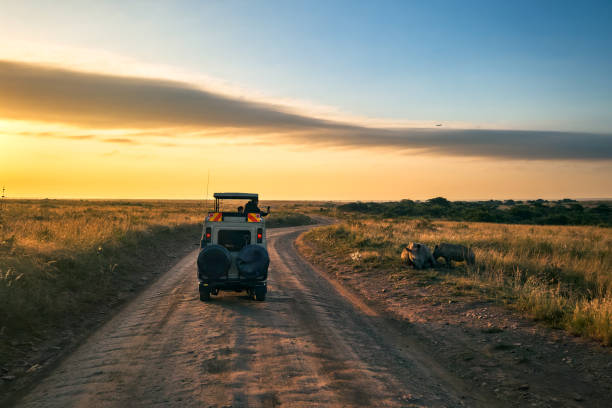
Understanding West Africa Music and Cultural Adventures
West Africa is a region pulsating with life, sound, and tradition. For travelers seeking experiences that go beyond the ordinary, immersing themselves in the music and culture of West Africa offers a profound connection to its people and history. This isn’t just about seeing sights; it’s about feeling the rhythm, tasting the flavors, and understanding the stories that shape this dynamic part of the continent. Whether you’re drawn to the intricate drumming of Ghana, the soulful melodies of Senegal, or the ancient traditions of Mali, a journey focused on West Africa music and cultural adventures promises a deeply rewarding experience.
While our expertise lies in the wonders of Tanzania, we understand the universal desire for authentic cultural exploration. Many travelers who appreciate the deep history and vibrant traditions found in places like Zanzibar and on safari in Tanzania also seek similar enriching experiences elsewhere. This guide is crafted to help you navigate the planning and execution of your West Africa music and cultural adventures, offering insights that resonate with the spirit of discovery.
Table of Contents
- Quick Facts: West Africa Cultural Travel
- An Overview of West Africa’s Cultural Landscape
- Why Music and Culture Define West Africa
- Best Time for West Africa Music and Cultural Adventures
- Key Destinations for Music and Culture
- Sample West Africa Music & Culture Itinerary (14 Days)
- What to Expect on a Cultural Journey
- Inclusions, Packing, and Preparation
- Common Mistakes to Avoid
- Who are West Africa Music and Cultural Adventures Best For?
- Alternatives to Consider
- Planning Your 2026-2027 Trip
- Booking Your West Africa Adventure
- Frequently Asked Questions
Quick Facts: West Africa Cultural Travel
| Aspect | Details |
|---|---|
| Primary Focus | Music, dance, festivals, traditional arts, history, local life |
| Key Countries | Senegal, Mali, Ghana, Benin, Togo, Nigeria, Ivory Coast |
| Best Travel Months | November to February (cooler, dry season) |
| Visa Requirements | Varies by nationality and country; generally required |
| Language | French and English are common colonial languages; many indigenous languages |
| Currency | West African CFA franc (XOF), Ghanaian Cedi (GHS), Nigerian Naira (NGN), etc. |
| Health Precautions | Consult doctor for vaccinations (Yellow Fever, Hepatitis A, Typhoid), malaria prophylaxis |
An Overview of West Africa’s Cultural Landscape
West Africa is a vast and diverse region, home to hundreds of ethnic groups, each with its unique customs, languages, and artistic expressions. From the Sahel’s arid plains to the humid coastal rainforests, the landscape itself influences the cultural fabric. Music is not merely entertainment here; it’s woven into the daily life, rituals, celebrations, and storytelling. Traditional ceremonies, vibrant markets, and the resilient spirit of the people form the core of any cultural adventure.
Countries like Senegal are renowned for their griots, hereditary storytellers and musicians who preserve history through song. Mali boasts a rich musical heritage, with genres like Wassoulou and the desert blues gaining international acclaim. Ghana offers a powerful connection to its history through its drumming traditions and vibrant festivals, while Benin and Togo are central to understanding Vodun (Voodoo) culture, a complex spiritual system with deep roots in the region.
Why Music and Culture Define West Africa
Music in West Africa is a living entity. It’s a language that transcends words, used for communication, healing, social commentary, and spiritual connection. Drumming, in particular, is an ancient art form, with complex polyrhythms and rhythms that can convey messages and evoke deep emotions. Beyond music, West African culture is expressed through intricate textiles, wood carvings, traditional healing practices, and profound respect for elders and community. Festivals are frequent and spectacular, offering a chance to witness traditional dances, ceremonies, and elaborate costumes. Engaging with these elements offers travelers a unique window into the soul of the region.
Best Time for West Africa Music and Cultural Adventures
The ideal time to plan your West Africa music and cultural adventures generally aligns with the cooler, drier months, which typically run from November to February. During this period, temperatures are more comfortable for exploring cities and rural areas, and rainfall is minimal, making travel easier.
- November – February: This is considered the peak season for cultural tourism. The weather is pleasant, and many significant festivals and events take place during these months. It’s an excellent time for outdoor activities and experiencing local life without extreme heat or heavy rain.
- March – May: This period marks the transition into the hotter, more humid season. While still visitable, expect higher temperatures and the beginnings of the rainy season in some areas. Some travelers find this period less crowded.
- June – October: This is the rainy season across much of West Africa. While it can impact travel plans, particularly in rural areas, it also brings lush landscapes. Some specific cultural events might occur during this time, but generally, it’s less ideal for extensive exploration due to potential travel disruptions and humidity.
When planning for 2026-2027, aim for the November to February window to maximize your chances of pleasant weather and access to cultural events. Always check specific regional weather patterns and festival calendars closer to your travel dates.
Key Destinations for Music and Culture
Several countries in West Africa stand out for their rich musical traditions and vibrant cultural offerings. Here are some of the most compelling destinations:
Senegal: The Land of Griots and Mbalax
Senegal is perhaps the most accessible introduction to West African music and culture for many international visitors. Its capital, Dakar, is a hub of artistic activity. The country is famed for its griot tradition, where families have passed down musical and storytelling skills for generations. Modern Senegalese music is dominated by Mbalax, a high-energy fusion of traditional Wolof music, jazz, and rock, popularized by artists like Youssou N’Dour.
- Must-visit: Dakar (Théâtre National Daniel Sorano, IFAN Museum), Gorée Island (historical significance), Saint-Louis (colonial architecture, jazz festival).
- Cultural experiences: Attend a live Mbalax performance, visit a griot family, explore local markets like Marché Kermel.
Mali: Desert Blues and Ancient Traditions
Mali, despite recent security challenges, remains a treasure trove of musical heritage. Its northern desert regions have given rise to the ‘desert blues’ or ‘Tuareg rock’ genre, with bands like Tinariwen and Bombino achieving global fame. Bamako, the capital, is a lively city with a strong musical scene. Ancient cities like Timbuktu (though currently difficult to access safely) and Djenné represent significant historical and architectural marvels.
- Must-visit: Bamako (National Museum of Mali), Ségou (traditional crafts), Dogon Country (unique architecture, animist traditions – access dependent on security).
- Cultural experiences: Seek out performances of traditional Malian music (kora, ngoni), learn about Dogon cosmology if accessible.
Ghana: Rhythms of the Ashanti and Ewe
Ghana offers a rich blend of history, from the ancient Ashanti Kingdom to the sobering history of the transatlantic slave trade. Its musical landscape is diverse, featuring the complex polyrhythms of the Ewe people and the vibrant drumming associated with Ashanti ceremonies. Accra, the capital, is a bustling metropolis with a growing arts scene.
- Must-visit: Accra (National Museum, Artists Alliance Gallery), Cape Coast & Elmina (slave castles), Kumasi (Manhyia Palace Museum, cultural heart of Ashanti).
- Cultural experiences: Witness a traditional Ashanti funeral (often vibrant celebrations of life), take a drumming and dance workshop, explore the bead markets.
Benin & Togo: Vodun, Voodoo, and Diverse Cultures
These neighboring countries are the spiritual heartland of Vodun (Voodoo). Benin, in particular, is considered the birthplace of this ancient religion, which has influenced music, dance, and ceremonies across the region. Both nations boast incredible cultural diversity, with numerous ethnic groups and distinct traditions.
- Must-visit: Ouidah (Benin – historic slave route, sacred forest, Python Temple), Ganvié (Benin – stilt village), Lomé (Togo – Grand Marché, fetish market), Togoville (Togo – historical Vodun site).
- Cultural experiences: Attend a Vodun ceremony (respectfully and with local guidance), visit a fetish market, explore traditional villages.
Nigeria: Afrobeat and Nollywood
As Africa’s most populous nation, Nigeria is a powerhouse of culture and creativity. It’s the birthplace of Afrobeat, a genre pioneered by Fela Kuti, which continues to influence music globally. Nigeria is also the home of Nollywood, the second-largest film industry in the world. Lagos is a megacity that never sleeps, brimming with music venues, art galleries, and vibrant street life.
- Must-visit: Lagos (New Afrika Shrine, Nike Art Gallery, Freedom Park), Abuja (National Mosque, Zuma Rock), Calabar (Carnival).
- Cultural experiences: Experience a live Fela Kuti tribute or Afrobeat performance, explore the diverse culinary scene, visit local art studios.
Sample West Africa Music & Culture Itinerary (14 Days)
This sample itinerary focuses on Senegal and Ghana, offering a blend of iconic music, history, and cultural immersion. This is a suggestion and can be customized.
| Day | Location | Activities | Cultural Focus |
|---|---|---|---|
| 1-3 | Dakar, Senegal | Arrive in Dakar. Explore the city: Grand Mosque, IFAN Museum, Marché Kermel. Visit Gorée Island. Evening: Attend a Mbalax performance. | Mbalax music, colonial history, local markets |
| 4-5 | Saint-Louis, Senegal | Travel to Saint-Louis. Explore its colonial architecture, walk across the Faidherbe Bridge. Visit local fishing villages. If timing permits, attend a jazz event. | Colonial heritage, music scene, coastal life |
| 6 | Travel Day | Fly from Dakar to Accra, Ghana (may involve a layover). Settle into your hotel. | Transition |
| 7-9 | Accra, Ghana | Explore Accra: Kwame Nkrumah Mausoleum, National Museum, Artists Alliance Gallery. Visit Jamestown for its vibrant fishing community and street art. Evening: Experience highlife or hiplife music. | Afrobeat history, contemporary music, artistic expression |
| 10-11 | Cape Coast/Elmina, Ghana | Day trip or overnight to Cape Coast and Elmina. Visit Cape Coast Castle and Elmina Castle, sites of immense historical importance related to the slave trade. Explore the towns. | History of slavery, resilience, coastal towns |
| 12 | Aburi Botanical Gardens / Tetteh Quarshie Cocoa Farm | Day trip inland from Accra. Learn about Ghana’s agricultural heritage and colonial-era plantations. | Agriculture, colonial impact, natural beauty |
| 13 | Accra / Last Minute Souvenirs | Final exploration of Accra, perhaps a visit to the Makola Market for souvenirs. Farewell dinner. | Local commerce, reflection |
| 14 | Departure | Depart from Accra. |
What to Expect on a Cultural Journey
A West Africa music and cultural adventure is an immersive experience. It requires an open mind, flexibility, and a willingness to step outside your comfort zone. You can expect:
- Vibrant Music Scenes: From intimate bar performances to large festival stages, music is ever-present. Be prepared for energetic rhythms and participatory events.
- Rich Traditions: You’ll encounter ancient customs, spiritual practices, and community-based social structures that are still very much alive.
- Warm Hospitality: West Africans are generally known for their welcoming nature and generosity towards visitors.
- Sensory Overload: Markets are bustling, food is flavorful, and street life is dynamic. It can be intense but incredibly rewarding.
- Varying Infrastructure: While major cities have modern amenities, travel in rural areas can be more basic. Road conditions can be challenging, and power outages are not uncommon.
- Language Barriers: While English or French may be spoken in tourist areas, learning a few basic phrases in a local language (e.g., Wolof in Senegal, Twi in Ghana) can significantly enhance your interactions.
- Cultural Etiquette: Dress modestly, especially when visiting religious sites or rural communities. Always ask permission before taking photographs of people.
Inclusions, Packing, and Preparation
When planning your trip, consider what your tour operator will include and what you need to bring. For a comprehensive West Africa music and cultural adventure, a good package might include:
Potential Inclusions:
- Accommodation (ranging from comfortable hotels to guesthouses)
- Ground transportation (private vehicle with driver, sometimes internal flights)
- Guided tours and activities
- Entrance fees to museums and historical sites
- Some meals
- Local guides with cultural and musical expertise
Packing Essentials:
- Lightweight, breathable clothing: Cotton and linen are ideal. Pack layers for cooler evenings.
- Modest attire: Long skirts/dresses, trousers, and tops that cover shoulders are advisable, especially for visiting villages or religious sites.
- Comfortable walking shoes: You’ll be doing a lot of walking in cities and potentially uneven terrain.
- Sandals or flip-flops: For relaxing or in accommodations.
- Rain jacket or umbrella: Even in the dry season, unexpected showers can occur.
- Sun protection: Hat, sunglasses, high SPF sunscreen.
- Insect repellent: Especially important for evenings and in rural areas.
- Basic first-aid kit: Include personal medications, pain relievers, antiseptic wipes, bandages.
- Hand sanitizer: Essential for hygiene on the go.
- Power adapter and portable charger: For keeping electronics charged.
- Reusable water bottle: To stay hydrated and reduce plastic waste.
- Camera: To capture the vibrant sights and sounds.
- Small backpack or daypack: For carrying essentials during excursions.
- Copy of important documents: Passport, visas, insurance details.
Pre-Trip Preparation:
- Health Consultations: Visit your doctor or a travel clinic 4-6 weeks before departure. Discuss necessary vaccinations (Yellow Fever is often mandatory), malaria prophylaxis, and any other health concerns.
- Visa Applications: Research visa requirements for each country you plan to visit well in advance. Applications can take time.
- Travel Insurance: Ensure you have comprehensive travel insurance covering medical emergencies, trip cancellations, and lost belongings.
- Currency Exchange: Familiarize yourself with the local currencies and exchange rates. It’s often best to carry some USD or Euros for initial expenses and exchange them upon arrival.
- Learn Basic Phrases: Knowing greetings and simple phrases in local languages like French or Wolof will be greatly appreciated.
- Research Cultural Norms: Understanding local customs, etiquette, and appropriate behavior will help you navigate interactions respectfully.
Common Mistakes to Avoid
To ensure a smooth and enriching West Africa music and cultural adventure, be mindful of these common pitfalls:
- Underestimating Travel Times: Distances can be deceptive, and road conditions or unexpected delays can significantly extend travel times between destinations. Build in buffer time.
- Not Planning for Visas: Visa requirements can be complex and time-consuming. Apply well in advance of your departure date.
- Ignoring Health Precautions: Skipping vaccinations or malaria medication can lead to serious health issues. Always consult a travel doctor.
- Expecting Western Standards Everywhere: While major cities offer modern comforts, rural areas and some accommodations will be more basic. Embrace the local reality.
- Cultural Insensitivity: Dress codes, photography etiquette, and social customs vary. Research and observe local practices. Ask before taking photos of people.
- Not Carrying Enough Local Currency: While cards are accepted in some larger establishments, cash is king in markets and smaller towns. Ensure you have enough local currency.
- Over-scheduling: West Africa is best experienced at a slower pace. Trying to cram too much into a short time can lead to exhaustion and missed opportunities for genuine connection.
- Failing to Hire Local Guides: Local guides are invaluable for understanding the nuances of culture, history, and music. They can provide context and facilitate interactions that would otherwise be impossible.
- Not Being Flexible: Travel plans can change due to local conditions, events, or even spontaneous invitations. A flexible attitude is key to enjoying the journey.
Who are West Africa Music and Cultural Adventures Best For?
These types of adventures are ideal for travelers who:
- Seek Authentic Experiences: Those who want to connect deeply with local life, traditions, and art forms.
- Are Passionate About Music: Individuals who appreciate diverse musical genres, from traditional drumming to contemporary sounds, and want to experience them live.
- Value Cultural Immersion: Travelers interested in understanding history, social structures, and the daily lives of people in a different part of the world.
- Are Open-Minded and Adaptable: Those who can embrace different customs, varying levels of infrastructure, and potential travel challenges with a positive attitude.
- Enjoy Learning: Anyone keen to learn about complex histories, spiritual beliefs, and artistic expressions.
- Are Prepared for a Sensory Journey: Travelers ready for vibrant sights, sounds, tastes, and smells that define the West African experience.
This type of travel is less suited for those who prefer predictable, resort-style holidays or who are uncomfortable with basic amenities and spontaneous changes to itineraries.
Alternatives to Consider
While West Africa offers a unique cultural tapestry, other regions provide similarly rich experiences for music and culture enthusiasts:
- East Africa (Tanzania): If you appreciate deep cultural heritage and vibrant traditions, consider exploring Tanzania. Beyond our renowned safaris and Kilimanjaro climbs, you can engage with the Maasai people, learn about Swahili culture in Stone Town, Zanzibar, and witness traditional music and dance performances. The cultural diversity here is immense.
- Southern Africa: Countries like South Africa offer a diverse musical heritage, from Kwaito to jazz, alongside rich historical sites and vibrant contemporary art scenes. Zimbabwe’s Shona sculpture and music are also significant draws.
- North Africa: Morocco, for instance, provides a gateway to Berber music, intricate Islamic art, bustling souks, and ancient medinas. The music of Gnawa artists is particularly captivating.
- Latin America: Countries like Cuba, Brazil, and Colombia are world-renowned for their music and dance, offering deep dives into genres like salsa, samba, cumbia, and Afro-Cuban rhythms, often intertwined with rich historical narratives and vibrant street life.
Each region offers distinct sounds, traditions, and historical contexts, allowing travelers to tailor their cultural journey to their specific interests.
Planning Your 2026-2027 Trip
Planning a West Africa music and cultural adventure for 2026 or 2027 requires foresight, especially given the region’s complexities. Here’s a guide to help you prepare:
Early Booking for 2026-2027:
It’s advisable to book your trip at least 6-12 months in advance. This is particularly important for:
- Securing reliable tour operators and guides who specialize in cultural tours.
- Obtaining necessary visas, which can sometimes take months.
- Booking internal flights or specific accommodations, especially if traveling during peak season or festival times.
- Allowing ample time for health consultations and vaccinations.
Visa and Entry Requirements for 2026-2027:
Research the latest visa policies for each country you intend to visit. Some countries may offer e-visas, while others require applications through embassies. Requirements can change, so verify information on official government websites closer to your travel dates.
Health and Safety in 2026-2027:
Stay updated on health advisories from your national health organization and the World Health Organization (WHO). The security situation in parts of West Africa can fluctuate. Always check the latest travel advisories from your government’s foreign office before booking and again before departing. Choosing a reputable tour operator experienced in navigating these regions is crucial.
Budgeting for 2026-2027:
Costs can vary significantly based on the countries visited, the level of accommodation, and the length of your trip. Generally, West Africa can be more affordable than some other global destinations, but specialized cultural tours with expert guides and private transport will naturally increase the overall cost. Factor in costs for visas, flights, travel insurance, vaccinations, and personal spending money for souvenirs and extra meals.
Cultural Sensitivity for 2026-2027:
Continue to prioritize understanding and respecting local customs. Be aware of dress codes, especially when visiting religious sites or rural communities. Always seek permission before photographing individuals. A little effort in learning local greetings goes a long way.
Booking Your West Africa Adventure
Choosing the right tour operator is paramount for a successful West Africa music and cultural adventure. Look for companies that:
- Specialize in West Africa: They should have in-depth knowledge of the region’s cultures, music, and logistical challenges.
- Offer Tailored Itineraries: The ability to customize your trip based on your interests in specific music genres, historical periods, or cultural practices is invaluable.
- Prioritize Responsible Tourism: Ensure they work with local communities, respect cultural heritage, and contribute positively to the places they visit.
- Have Strong Local Partnerships: Good relationships with local guides, drivers, and accommodation providers ensure a smoother experience.
- Provide Clear Communication: They should be responsive to your questions and provide detailed information about what to expect.
When you are ready to plan your unique journey, consider reaching out to our team. While our primary focus is Tanzania, we can connect you with trusted partners who excel in West Africa or offer insights that may help shape your planning. We understand the intricacies of crafting memorable travel experiences.
Contact us for advice or to discuss your travel aspirations:
WhatsApp: +255616946642
Email: topguideadventures@gmail.com
Backup Email: info@topguideadventures.com
Frequently Asked Questions
Q1: Is West Africa safe for tourists interested in music and culture?
A1: Safety in West Africa can vary by country and region. Major tourist areas in countries like Senegal and Ghana are generally safe, but it’s crucial to stay informed about current travel advisories from your government. Reputable tour operators prioritize safety, employing experienced guides and advising on safe practices. Researching specific destinations and traveling with a trusted company are key.
Q2: What are the visa requirements for West African countries?
A2: Visa requirements differ significantly for each country and depend on your nationality. Many nationalities require visas for most West African countries. It’s essential to check the specific requirements for each nation you plan to visit well in advance, as applications can take time and sometimes require visiting an embassy. Some countries are introducing e-visa systems.
Q3: How can I best experience the local music scene?
A3: Seek out live music venues, local bars, and cultural centers. Attending festivals is ideal if your timing aligns. Your tour guide will be an excellent resource for finding authentic performances. Be open to spontaneous musical encounters in markets or community gatherings.
Q4: What kind of cultural etiquette should I be aware of?
A4: Modesty in dress is important, especially outside major cities or when visiting religious sites. Always ask permission before taking photos of people. Greet people when entering shops or homes. Showing respect for elders is highly valued. Learning basic greetings in local languages is always appreciated.
Q5: Is it possible to take music or dance lessons?
A5: Yes, many tour operators can arrange short workshops or lessons in drumming, dancing, or even instrument playing (like the kora or djembe) as part of your itinerary. This is a fantastic way to gain hands-on experience with West African arts.
Q6: What vaccinations are recommended for West Africa?
A6: Consult a travel doctor or clinic 4-6 weeks before your trip. Common recommendations include Yellow Fever (often mandatory for entry), Hepatitis A, Typhoid, and Tetanus. Malaria prophylaxis is also usually advised. Your doctor will provide personalized recommendations based on your health and travel plans.
Q7: How much cash should I carry?
A7: While credit cards are accepted in larger hotels and some shops in major cities, cash is essential for markets, smaller vendors, local transport, and tips. It’s advisable to carry a mix of USD/Euros for initial exchange and then obtain local currency upon arrival. ATMs are available in most capital cities but can be unreliable elsewhere.
Q8: What is the best way to travel between countries in West Africa?
A8: For efficiency, flying between countries is often the most practical option, though it can be more expensive. Overland travel is possible but can be time-consuming due to border crossings, road conditions, and potential delays. Reputable tour operators will manage these logistics.
Q9: Can I combine West Africa music and cultural adventures with safaris or beach holidays?
A9: While West Africa is not typically known for safaris in the same way as East or Southern Africa, some countries have wildlife reserves. Combining cultural exploration with beach time is very feasible, especially in coastal nations like Senegal or Ghana. However, if a primary interest is safari, you might consider combining a West African cultural trip with a separate East African safari experience, perhaps in Tanzania, where we excel in wildlife tours.
Q10: What should I expect regarding internet access and connectivity?
A10: Internet access is generally available in hotels and cafes in major cities, though speeds can vary. It may be less reliable or unavailable in rural areas. Purchasing a local SIM card upon arrival can be a cost-effective way to stay connected for calls and data.
Ready to Plan Your West Africa Music and Cultural Adventures?
A journey into the heart of West Africa’s music and culture is an unforgettable experience. It’s a chance to connect with ancient traditions, vibrant contemporary arts, and the warm spirit of its people. While our expertise is rooted in the wonders of Tanzania, we understand the universal appeal of authentic cultural exploration.
If you’re inspired to discover the rhythms and stories of West Africa, or if you’re planning a broader African adventure that might include both East and West, we are here to offer guidance. Let us help you navigate the possibilities for your 2026-2027 travels.
Reach out to our travel experts today:
WhatsApp: +255616946642
Email: topguideadventures@gmail.com
Backup Email: info@topguideadventures.com
Plan your West Africa Music and Cultural Adventures with Top Guide Adventures
Tell us your travel dates, group size, comfort level, and dream experience. We will help you shape a clear, realistic, and memorable Tanzania itinerary.

 Veedesigner
 Fatma Kizanga
 Benjamin Waryuba
 Philip Philip
 John jr Itaja
 Antonia Optatus
 Edith Kanyere
 Neema Iddy
 Kelvin Boniphace
 Damari Maiga



