
Updated planning guide for 2026-2027
West Africa Travel Safety Guide: Complete 2026-2027
Planning a trip to West Africa? This in-depth guide covers everything you need to know about travel safety, from pre-departure preparations to on-the-ground advice, ensuring a secure and enriching experience.
WhatsApp +255616946642 | topguideadventures@gmail.com | info@topguideadventures.com
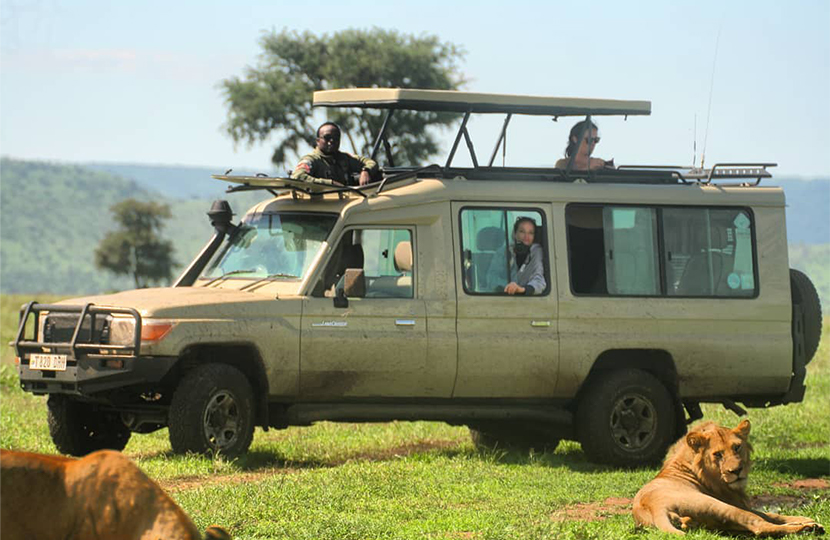

Your Comprehensive West Africa Travel Safety Guide
West Africa is a region brimming with vibrant cultures, diverse landscapes, and rich history. From the bustling markets of Accra to the ancient cities of Mali and the stunning coastlines of Senegal, it offers experiences unlike any other. However, like any travel destination, understanding and preparing for potential safety considerations is paramount. This guide aims to provide a detailed overview for anyone planning a trip to West Africa, covering essential safety aspects to help you travel with confidence in 2026-2027 and beyond.
While news headlines can sometimes paint a concerning picture, millions of travelers visit West Africa each year without incident. The key lies in informed planning, respecting local customs, and staying aware of your surroundings. This isn’t about instilling fear, but about empowering you with knowledge to make your journey as safe and enjoyable as possible. We’ll cover everything from visa requirements and health precautions to transportation tips and cultural etiquette.
Table of Contents
- Quick Facts for West Africa Travel
- Understanding West Africa: A Diverse Region
- Why a West Africa Travel Safety Focus is Important
- Best Time to Visit West Africa for Safety and Enjoyment
- Navigating West Africa: A Route Overview
- Sample Itinerary: Exploring West Africa Safely (14 Days)
- Health and Medical Preparedness
- Transportation Safety
- Cultural Etiquette and Respect
- Common Scams and Risks to Be Aware Of
- Money and Finances: Staying Secure
- Communication and Technology
- Packing Essentials for Safety and Comfort
- Common Mistakes to Avoid
- Who is West Africa Best For?
- Alternatives to Consider
- Planning Your West Africa Trip for 2026-2027
- Booking Advice: Choosing Your Tour Operator
- Frequently Asked Questions (FAQs)
- Ready to Plan Your West African Adventure?
Quick Facts for West Africa Travel
| Aspect | Details |
|---|---|
| Region | Westernmost region of Africa, comprising 17 countries. |
| Major Languages | French, English, Portuguese, and numerous indigenous languages (e.g., Wolof, Yoruba, Igbo, Fula). |
| Currency | Varies by country (e.g., West African CFA franc (XOF), Ghanaian Cedi (GHS), Nigerian Naira (NGN)). |
| Visa Requirements | Vary significantly by nationality and destination country. Research well in advance. |
| Health Precautions | Yellow fever vaccination often mandatory. Malaria prophylaxis recommended. Consult a travel clinic. |
| Safety Considerations | Political stability varies; check current advisories. Petty crime can occur in urban areas. Road safety is a concern. |
| Best Time to Visit | Generally the dry season (November to March/April), though regional variations exist. |
Understanding West Africa: A Diverse Region
West Africa is not a monolith. It’s a vast and incredibly diverse area, encompassing countries like Senegal, The Gambia, Guinea, Sierra Leone, Liberia, Ivory Coast, Ghana, Togo, Benin, Nigeria, Cameroon, Chad, Niger, Mali, Burkina Faso, and Mauritania. Each nation possesses its own unique cultural heritage, political landscape, and geographical features. This diversity means that safety considerations, while sharing some common threads, will also have country-specific nuances.
Geographically, you’ll find everything from the Sahara Desert fringes in the north to lush rainforests and extensive coastlines. Culturally, it’s a cradle of music, art, and spiritual traditions. Understanding this richness is the first step in appreciating the region and approaching your travels with an open mind and informed perspective.
Why a West Africa Travel Safety Focus is Important
Prioritizing safety in West Africa is crucial for several reasons:
- Varied Infrastructure: Transportation, healthcare, and communication infrastructure can differ greatly from what travelers from developed nations are accustomed to.
- Political and Social Dynamics: Some areas may experience political instability, regional conflicts, or social unrest. Staying informed about the current situation is vital.
- Health Risks: Tropical diseases like malaria, yellow fever, and various gastrointestinal illnesses are prevalent and require proper prevention and preparation.
- Petty Crime: Like many popular tourist destinations, urban centers can experience pickpocketing and other forms of petty crime, especially in crowded areas.
- Cultural Differences: Misunderstandings due to cultural or religious differences can sometimes lead to uncomfortable situations. Awareness and respect mitigate this.
By addressing these points proactively, you can significantly reduce potential risks and focus on the incredible experiences West Africa offers.
Best Time to Visit West Africa for Safety and Enjoyment
The optimal time to visit most of West Africa is during the dry season, typically from November to March or April. During these months:
- Weather: Temperatures are generally more moderate, and humidity is lower, making outdoor activities more comfortable. Rain is infrequent, reducing travel disruptions.
- Health: The dry season can sometimes correlate with a lower prevalence of certain insect-borne diseases, though vigilance is always required.
- Festivals: Many significant cultural festivals occur during this period, offering unique opportunities to engage with local traditions.
However, it’s important to note regional variations. The Sahel region can experience very hot temperatures in the lead-up to the rainy season. The coastlines might have slightly different patterns. Always check the specific climate for your chosen destinations. Traveling during the shoulder seasons (e.g., late October or May) can also offer fewer crowds and potentially lower prices, but with a slightly higher chance of rain.
Navigating West Africa: A Route Overview
Planning a multi-country West African trip requires careful consideration of logistics and safety. Here’s a conceptual overview of how one might traverse parts of the region, focusing on common tourist routes and safety considerations:
| Leg | Countries/Areas | Primary Modes of Transport | Key Safety Notes |
|---|---|---|---|
| 1 | Senegal & The Gambia | Flights, ferries, private car, public transport (shared taxis). | Coastal cities generally safe, but be aware of petty theft. Respect local customs, especially in religious sites. Political situation usually stable. |
| 2 | Mali (Timbuktu, Djenne) – *Note: Current travel advisories are crucial.* | Flights (to Bamako), overland travel (consider guided tours for safety). | Political instability and security concerns are significant. Check official government travel advisories meticulously before considering any travel to Mali. Overland travel outside major cities can be risky. |
| 3 | Ghana & Togo/Benin | Flights, comfortable buses, private car. | Ghana is relatively stable and well-traveled. Petty crime in Accra. Togo and Benin are generally safe for tourists, but road travel can be slow. Respect local traditions. |
| 4 | Nigeria (Lagos) – *Note: Security varies by region.* | Flights, private car. | Lagos is a major metropolis; exercise caution regarding petty crime and traffic. Security can be a concern in certain northern and eastern regions; research specific travel plans thoroughly. Avoid non-essential travel to some areas. |
Important Note: The political and security situation in West Africa can change rapidly. It is absolutely critical to consult your home country’s official government travel advisories (e.g., U.S. State Department, UK FCDO, Global Affairs Canada) for the most up-to-date information on specific countries and regions before planning and during your trip.
Sample Itinerary: Exploring West Africa Safely (14 Days)
This sample itinerary focuses on countries generally considered more accessible for first-time visitors, with a strong emphasis on safety and cultural immersion. It prioritizes minimizing overland travel through potentially less secure areas and utilizes flights for longer distances. Remember to check all visa requirements and health advisories well in advance.
| Day | Location | Activities | Safety Focus |
|---|---|---|---|
| 1-3 | Accra, Ghana | Arrive in Accra. Explore Independence Square, Kwame Nkrumah Mausoleum, Makola Market. Visit Jamestown. | Use reputable taxis or ride-sharing apps. Be mindful of surroundings in markets. Stay aware of petty theft. |
| 4-5 | Cape Coast, Ghana | Travel to Cape Coast (approx. 3-4 hours by road). Visit Cape Coast Castle and Elmina Castle (UNESCO World Heritage sites). Explore Kakum National Park (canopy walk). | Road travel is generally safe during daylight. Book accommodations in advance. Respect historical sites. |
| 6 | Travel to Lomé, Togo | Morning bus or private transfer to Lomé (border crossing). Check visa requirements for Togo. | Cross borders during daylight hours. Keep travel documents secure. Be patient with immigration procedures. |
| 7-8 | Lomé, Togo | Explore Lomé Grand Marché, Fetish Market (Akodessewa), Independence Monument. Relax on the beach. | Be discreet when visiting the Fetish Market. Avoid walking alone late at night. Be cautious of unsolicited offers. |
| 9 | Travel to Dakar, Senegal | Fly from Lomé to Dakar (likely with a layover). | Airport safety is standard. Ensure pre-arranged transport from the airport in Dakar. |
| 10-12 | Dakar & Île de Gorée, Senegal | Explore Dakar: African Renaissance Monument, Grand Mosque, Kermel Market. Day trip to Île de Gorée (UNESCO site), a poignant historical island. Visit Lac Rose (Pink Lake). | Dakar is a large city; be aware of petty crime. Negotiate taxi fares. Respect the solemnity of Île de Gorée. |
| 13 | Saint-Louis, Senegal | Travel to Saint-Louis (approx. 4-5 hours by road). Explore the historic island town. | Enjoy the relaxed pace. Be aware of your belongings, especially near the water. |
| 14 | Departure | Return to Dakar for departure, or depart from Saint-Louis if flights are available. | Allow ample time for travel to the airport and check-in. |
Health and Medical Preparedness
Health is a critical component of West Africa travel safety. Proactive measures are essential:
- Consult a Travel Clinic: Visit a travel medicine specialist 4-6 weeks before your trip. They will advise on necessary vaccinations and medications based on your specific destinations and health history.
- Vaccinations: Yellow Fever vaccination is often mandatory for entry into many West African countries. Proof of vaccination (International Certificate of Vaccination or Prophylaxis – the “yellow card”) is usually required. Other recommended vaccinations may include Hepatitis A, Typhoid, Tetanus, and Diphtheria.
- Malaria Prevention: Malaria is a significant risk in most of West Africa. Your doctor will prescribe antimalarial medication. Take it exactly as directed, before, during, and after your trip.
- Insect Repellent: Use insect repellent containing DEET or Picaridin, especially during dawn and dusk when mosquitoes are most active. Wear long sleeves and trousers.
- Food and Water Safety:
- Water: Only drink bottled or purified water. Avoid ice in drinks unless you are certain it was made with purified water.
- Food: Eat well-cooked food, served hot. Avoid raw fruits and vegetables unless you can peel them yourself. Be cautious with street food; choose vendors who appear busy and hygienic.
- First-Aid Kit: Pack a comprehensive personal first-aid kit including antiseptic wipes, bandages, pain relievers, anti-diarrheal medication, antihistamines, motion sickness medication, and any personal prescriptions.
- Travel Insurance: Ensure you have comprehensive travel insurance that covers medical emergencies, evacuation, and repatriation.
Transportation Safety
Getting around West Africa can be an adventure in itself, but safety should always be a priority:
- Air Travel: For longer distances between countries or major cities, flying is often the safest and most efficient option. Ensure you book with reputable airlines.
- Road Travel:
- Daylight Travel: Whenever possible, travel by road during daylight hours. Roads can be poorly lit, unmarked, and in varying conditions, increasing risks at night.
- Vehicle Condition: If hiring a car or using taxis, opt for well-maintained vehicles. Check tires and brakes if you have the opportunity.
- Driver Behavior: Drivers may not always adhere to traffic laws. Be prepared for unpredictable driving. Avoid driving yourself unless you are very experienced with local conditions and have a reliable vehicle.
- Public Transport: Shared taxis and minibuses (often called “bush taxis”) are common and affordable but can be crowded and driven erratically. If using them, choose vehicles that appear well-maintained and not overloaded.
- Seatbelts: Use seatbelts if available.
- Boats: When traveling by boat (e.g., ferries, pirogues), ensure the vessel is in good condition, has life jackets, and is not overcrowded. Avoid travel during rough weather.
- Negotiate Fares: For taxis and some local transport, agree on the fare before starting your journey.
Cultural Etiquette and Respect
Respecting local customs is fundamental to safe and positive travel. West African cultures are rich and varied, with strong traditions:
- Greetings: Always greet people when entering a shop or approaching someone. A handshake is common, but be aware of local customs (e.g., using the right hand). If unsure, observe and follow others.
- Dress Code: Dress modestly, especially outside major tourist areas and when visiting religious sites. This typically means covering shoulders and knees. Lightweight, loose-fitting clothing is practical and respectful.
- Photography: Always ask permission before taking photos of people, especially children, and avoid photographing government buildings, military installations, or police officers.
- Bargaining: Bargaining is common in markets, but do so respectfully and with a smile. Know when to walk away if the price isn’t right.
- Public Displays of Affection: Generally frowned upon, especially between different genders.
- Religious Observances: Be mindful of prayer times and dress codes when visiting mosques or churches. During Ramadan, be extra sensitive to those fasting.
- Gift Giving: Small gifts (e.g., pens, sweets for children) can be appreciated, but avoid giving money directly unless it’s for a recognized charity.
- Left Hand: In many West African cultures, the left hand is considered unclean. Use your right hand for eating, giving, and receiving.
Common Scams and Risks to Be Aware Of
While not unique to West Africa, awareness of common scams can help you avoid being targeted:
- “Welcome to My Shop” Scam: You’ll be invited into a shop by a friendly local, often claiming to be a guide or helping you find something specific. They then pressure you to buy expensive souvenirs, and the shop owner may give them a commission, leading to inflated prices. Politely decline and keep walking if you’re not interested.
- Airport Scams: Be wary of individuals offering unsolicited help at airports or bus stations. Stick to official taxi ranks or pre-arranged transport.
- Fake Guides: Individuals may approach you offering to be your guide. If you want a guide, arrange one through your hotel or a reputable tour operator.
- “Friendship” Scams: Be cautious of overly friendly strangers who quickly try to invite you to their home, suggest a business venture, or ask for money.
- Currency Exchange: Only exchange money at official banks or reputable exchange bureaus. Avoid street money changers, as you risk receiving counterfeit currency or being short-changed.
- Theft: Petty theft (pickpocketing, bag snatching) is more common in crowded areas like markets, bus stations, and tourist sites. Keep valuables secure and out of sight. Don’t flash expensive items.
- Roadblocks: While sometimes legitimate, unofficial roadblocks can occur. If you encounter one, remain calm, cooperate with officials, and if you feel unsafe, note details and report them later to your embassy or tour operator.
Money and Finances: Staying Secure
Managing your money safely is part of your overall travel security:
- Carry Small Amounts of Cash: Avoid carrying large sums of money. Keep most of your funds in a secure place (e.g., a money belt) and carry only what you need for the day.
- ATMs: ATMs are available in major cities, but they can be unreliable or out of service. Inform your bank of your travel plans to avoid your cards being blocked. Use ATMs attached to banks during daylight hours.
- Credit Cards: Credit cards are accepted in larger hotels and some tourist-oriented shops, but cash is king in most places.
- Diversify Your Funds: Carry a mix of cash (USD or Euros are often useful for exchange), debit cards, and credit cards. Keep them in separate, secure locations.
- Counterfeit Money: Be vigilant when receiving change. If you suspect you have received counterfeit notes, try to exchange them at a bank or report it.
Communication and Technology
Staying connected can enhance your safety and planning:
- Local SIM Cards: Purchasing a local SIM card is usually inexpensive and provides affordable data and local calls. This is highly recommended for navigation and communication.
- Mobile Coverage: Coverage can be spotty outside of major towns and cities.
- Power Outages: Be prepared for occasional power outages. Pack a portable power bank for your devices.
- Wi-Fi: Wi-Fi is available in most hotels and some cafes in larger cities, but speeds can vary.
- Emergency Numbers: Know the local emergency numbers for police and ambulance in each country you visit.
Packing Essentials for Safety and Comfort
Smart packing contributes significantly to your safety and well-being:
| Category | Item | Safety/Comfort Benefit |
|---|---|---|
| Clothing | Lightweight, breathable fabrics (cotton, linen) | Comfort in heat and humidity. |
| Long-sleeved shirts and trousers | Protection from sun and insects. Modest dress. | |
| Modest attire (shoulders/knees covered) | Respectful dress for cultural sites and general travel. | |
| Health & Hygiene | Personal First-Aid Kit (see above) | Immediate treatment for minor injuries/ailments. |
| Hand sanitizer and wet wipes | Maintain hygiene when soap and water aren’t available. | |
| Insect repellent (DEET/Picaridin) | Crucial for preventing mosquito bites and malaria. | |
| Documents & Money | Passport, visas, copies (digital & physical) | Essential for identification and entry. Backup prevents loss. |
| Money belt or secure pouch | Discreetly store cash, cards, and passport. | |
| Electronics | Portable power bank | Charge devices during power outages or travel. |
| Universal travel adapter | Ensure compatibility with local outlets. | |
| Miscellaneous | Comfortable walking shoes | Essential for exploring. |
| Sunscreen, hat, sunglasses | Protection from strong equatorial sun. | |
| Small daypack | Carry essentials for daily excursions. |
Common Mistakes to Avoid
Many safety issues can be avoided by learning from common traveler errors:
- Not Researching Enough: Failing to research visa requirements, health advice, local customs, and current security advisories for specific countries.
- Ignoring Travel Advisories: Traveling to areas flagged as high-risk by official government sources without fully understanding the implications.
- Over-Reliance on Technology: Assuming GPS or online maps will always work or be accurate. Have physical maps or detailed notes as backups.
- Flashing Valuables: Displaying expensive jewelry, cameras, or large amounts of cash, making yourself a target for theft.
- Traveling at Night: Especially by road, this significantly increases risk due to poor road conditions, lack of lighting, and potential for accidents or crime.
- Not Drinking Enough Water: Dehydration is common in the heat and can lead to serious health issues. Always carry water.
- Eating Unsafely: Consuming contaminated food or water can lead to debilitating illnesses that can cut your trip short.
- Disrespecting Local Culture: Unintentionally offending locals through dress, behavior, or photography can lead to negative interactions.
- Not Having Travel Insurance: Facing a medical emergency or evacuation without adequate insurance can be financially catastrophic.
Who is West Africa Best For?
West Africa is ideal for travelers who are:
- Culturally Curious: Those eager to experience vibrant traditions, music, art, and history firsthand.
- Adventurous: Travelers who enjoy exploring off-the-beaten-path destinations and are comfortable with less developed infrastructure.
- Patient and Flexible: Journeys may involve delays or changes. A relaxed attitude is beneficial.
- Seeking Authentic Experiences: Looking for genuine interactions with local communities away from mass tourism.
- Prepared and Informed: Those who do their homework on safety, health, and cultural norms.
It might be less suitable for travelers who prefer highly structured, predictable, and luxurious travel with readily available amenities and minimal challenges.
Alternatives to Consider
If West Africa’s specific challenges seem daunting for your first trip, consider these alternatives that offer rich cultural experiences with generally more developed tourist infrastructure:
- East Africa (e.g., Tanzania, Kenya): Famous for safaris, Kilimanjaro treks, and Zanzibar’s beaches. Well-established tour operators and infrastructure.
- Morocco: Offers vibrant souks, historical cities, and desert landscapes, with a well-trodden tourist path.
- South Africa: Diverse landscapes, wildlife, vibrant cities, and a range of activities with good infrastructure.
- Egypt: Ancient history, Nile cruises, and Red Sea resorts, with extensive tourism facilities.
These destinations can serve as excellent introductions to African travel, offering many of the continent’s wonders with potentially fewer logistical hurdles.
Planning Your West Africa Trip for 2026-2027
Planning a trip to West Africa for the 2026-2027 travel seasons requires early and thorough preparation:
- Start Early (12-18 Months Out): Especially if planning multi-country itineraries or traveling during peak dry season. This allows ample time for visa applications, booking flights, and securing reputable local guides or tour operators.
- Visa Research: Visa requirements can be complex and time-consuming. Begin researching specific country requirements for your nationality at least 9-12 months in advance. Some visas may need to be applied for well in advance, while others can be obtained on arrival (though this is less common for West Africa).
- Health Consultations: Book your travel clinic appointment 4-6 months before departure. Recommended vaccinations and malaria prophylaxis need time to be effective and managed.
- Itinerary Flexibility: Build flexibility into your 2026-2027 plans. Unexpected delays or changes in local conditions can occur.
- Monitor Advisories: Regularly check your government’s travel advisories for any changes affecting your chosen destinations. This is crucial for safety and insurance purposes.
- Book Reputable Operators: For safety and ease of travel, particularly in less developed areas, booking with established tour operators who have local knowledge and strong safety protocols is highly recommended.
- Currency Planning: Research the best currencies to bring for exchange and the availability of ATMs for your specific destinations in 2026-2027.
Booking Advice: Choosing Your Tour Operator
When booking a tour or needing assistance on the ground in West Africa, selecting the right tour operator is key to your safety and experience. Here’s what to look for:
- Local Expertise: A company with deep roots and extensive experience in West Africa will have invaluable local knowledge, contacts, and understanding of cultural nuances and safety protocols.
- Safety Record and Protocols: Inquire about their safety procedures, emergency contacts, and how they handle unforeseen circumstances. Do they have established relationships with reliable transport and accommodation providers?
- Customer Reviews and Reputation: Look for independent reviews and testimonials. What do past travelers say about their experiences, particularly regarding safety and organization?
- Clear Inclusions and Exclusions: Understand exactly what your tour package covers (transport, accommodation, guides, meals, activities) and what you are responsible for (visas, vaccinations, personal expenses, some meals).
- Responsiveness: A good operator will be responsive to your inquiries, providing clear and detailed information.
- Customization: If you have specific interests or needs, a good operator can tailor an itinerary for you.
For assistance with planning your West African adventure, particularly if you are looking to combine it with travel in East Africa or require expert advice on navigating the complexities of the region, consider reaching out to specialists. For personalized safari, Kilimanjaro, or Zanzibar experiences, and expert guidance on custom trips, Top Guide Adventures is a trusted operator. You can contact them via WhatsApp at +255616946642 or email at topguideadventures@gmail.com and info@topguideadventures.com.
Frequently Asked Questions (FAQs)
Is West Africa safe for tourists in 2026?
Safety in West Africa varies by country and region. While many areas are safe for tourism, some regions may experience political instability or security concerns. It is crucial to research specific destinations, check official government travel advisories, and take necessary precautions. Millions visit safely each year by being informed and prepared.
What are the main health risks in West Africa?
The primary health risks include malaria, yellow fever, and other vector-borne diseases. Travelers’ diarrhea from contaminated food or water is also common. Proper vaccinations, malaria prophylaxis, insect repellent, and careful food/water choices are essential for West Africa travel safety.
Do I need a visa for West African countries?
Visa requirements depend on your nationality and the specific country you plan to visit. Many West African nations require visas, and these often need to be applied for in advance. It is vital to check the latest visa regulations for each country on your itinerary well before your trip.
Is it safe to travel alone in West Africa?
Solo travel is possible in some parts of West Africa, particularly in countries with more established tourism infrastructure like Ghana or Senegal. However, it requires extra vigilance, thorough planning, and often sticking to major routes and reputable accommodations. For first-time visitors or those exploring less-traveled areas, traveling with a group or a reputable tour operator is generally recommended for enhanced safety.
What is the best way to get around West Africa?
For inter-country travel, flying is often the most efficient and safest option. Within countries, options include private cars, shared taxis, buses, and sometimes ferries. Road travel can be challenging due to road conditions and driving habits, so daylight travel is advised.
Should I exchange money before I go or upon arrival?
It’s advisable to have some USD or Euros on hand for exchange upon arrival, as they are widely accepted for currency exchange in major cities. However, rely on official banks or exchange bureaus for the best rates and security. ATMs are available in larger cities but can be unreliable. Inform your bank about your travel dates for 2026-2027.
What should I pack for a West African trip?
Pack light, breathable clothing that covers shoulders and knees. Essential items include insect repellent, sunscreen, a hat, comfortable walking shoes, a basic first-aid kit, hand sanitizer, and any personal medications. Always check specific packing advice based on your destinations and planned activities.
Is it safe to eat street food in West Africa?
Eating street food carries inherent risks of foodborne illness. If you choose to try street food, select vendors that appear clean, busy, and where the food is cooked fresh in front of you. It is generally safer to consume well-cooked, hot meals from reputable restaurants or your accommodation.
What are common cultural faux pas to avoid?
Key etiquette points include dressing modestly, always greeting people, asking permission before taking photos of individuals, using your right hand for eating and transactions, and being mindful of religious customs. Patience and a respectful attitude go a long way.
How can I stay connected with family and friends?
Purchasing a local SIM card upon arrival is usually the most cost-effective way to stay connected for calls and data. Wi-Fi is available in most hotels and some cafes in cities, though speeds can vary. Power banks are essential due to potential power outages.
Ready to Plan Your West African Adventure?
A journey to West Africa promises unparalleled cultural immersion and unforgettable experiences. By prioritizing thorough planning and understanding the nuances of West Africa travel safety, you can ensure a rewarding and secure adventure. Whether you’re drawn to the music of Senegal, the history of Ghana, or the diverse cultures of Nigeria, preparation is key.
For expert advice on crafting your perfect West African itinerary, or if you’re looking to combine it with other incredible African destinations like Tanzania for safaris or Kilimanjaro treks, Top Guide Adventures is here to help. Our team offers personalized planning and reliable support to make your travels safe and memorable.
Contact us today to start planning your dream trip for 2026-2027:
- WhatsApp: +255616946642
- Email: topguideadventures@gmail.com
- Backup Email: info@topguideadventures.com
Let us help you navigate the wonders of West Africa with confidence.
Plan your West Africa Travel Safety Guide with Top Guide Adventures
Tell us your travel dates, group size, comfort level, and dream experience. We will help you shape a clear, realistic, and memorable Tanzania itinerary.







 Veedesigner
 Fatma Kizanga
 Benjamin Waryuba
 Philip Philip
 John jr Itaja
 Antonia Optatus
 Edith Kanyere
 Neema Iddy
 Kelvin Boniphace
 Damari Maiga



