
A Western Serengeti photography safari in 2026-2027 offers unparalleled opportunities to capture iconic wildlife and dramatic landscapes, focusing on the less-visited western corridor, particularly active during the Great Migration river crossings (typically June-July) and the wildebeest calving season (February) in the southern Serengeti, which can influence animal movements. This specialized safari prioritizes optimal light, patient wildlife observation, and strategic positioning for photographers, often involving custom vehicles and expert guides to maximize photographic potential.
Capturing the Wild Heart: Your Ultimate Western Serengeti Photography Safari Guide (2026-2027)
The Serengeti National Park is a name synonymous with African wildlife. While many envision the vast plains teeming with the Great Migration in the central and southern areas, the Western Serengeti offers a distinct and often more intimate photographic experience. This region, known as the Western Corridor, presents unique ecosystems, fewer crowds, and dramatic riverine landscapes that make it a dream destination for photographers seeking to capture the raw essence of the wild. Planning a Western Serengeti photography safari for 2026-2027 requires understanding its specific characteristics, the best times to visit for photographic opportunities, and how to maximize your chances of getting those award-winning shots.
Top Guide Adventures specializes in crafting bespoke safari experiences tailored to the needs of photographers. We understand that a photographic safari is more than just sightseeing; it’s about patience, timing, expert guiding, and the right equipment. Our 2026-2027 Western Serengeti photography safaris are designed to put you in the best positions for unparalleled wildlife encounters and stunning landscape vistas.
Why Choose the Western Serengeti for Photography?
The Western Serengeti, stretching along the banks of the mighty Grumeti and Mbalageti Rivers, offers a different narrative than the endless grasslands of the south. Its unique geography supports a diverse array of wildlife year-round and provides a dramatic backdrop for your photographs.
- The Great Migration’s Path: While the bulk of the migration is often associated with the Mara River in the north or the calving grounds in the south, the western corridor plays a crucial role. The Grumeti River here is a formidable barrier that the migrating herds must cross, often presenting spectacular, dramatic scenes of wildebeest and zebra attempting to navigate its waters, especially from around June to July. This is a prime time for photographers seeking action shots.
- Year-Round Wildlife: Beyond the migration, the Western Serengeti boasts resident populations of lions, leopards, cheetahs, elephants, giraffes, buffaloes, and a rich variety of birdlife. The riverine forests and woodlands attract species that might be less common in the open plains.
- Dramatic Riverine Landscapes: The Grumeti and Mbalageti Rivers carve through the landscape, creating a more varied photographic canvas. Think of ancient trees, winding waterways, and fertile riverbanks that contrast beautifully with the distant savanna.
- Fewer Crowds: Compared to the central and southern Serengeti, the Western Serengeti generally experiences fewer safari vehicles. This means more exclusive wildlife viewing opportunities and less competition for the perfect photographic angle. This is a significant advantage for photographers who need space and undisturbed moments.
- Leopard Hotspots: The denser woodlands and riverine areas are ideal habitats for leopards, often making the Western Serengeti a reliable place to spot these elusive cats, a major draw for wildlife photographers.
Timing Your 2026-2027 Western Serengeti Photography Safari
The Serengeti’s wildlife is dictated by the seasonal movements of the Great Migration, but also by rainfall patterns and the availability of grazing. For photographers, understanding these nuances is key to planning the most impactful trip.
The Great Migration in the West (June – July)
This is arguably the most sought-after period for a Western Serengeti photography safari. As the massive herds of wildebeest and zebra move northwards from the central plains, they are funneled towards the Grumeti River. The river, swollen by rains, becomes a significant obstacle. Photographers can witness:
- River Crossings: The dramatic spectacle of thousands of animals plunging into the Grumeti, with predators like crocodiles lying in wait. These crossings are unpredictable and can be fleeting, demanding quick reflexes and a good position.
- Predator Action: Lions and other predators often capitalize on the chaos and vulnerability of the herds during crossings.
- Dense Herds: Even away from the river, the sheer density of animals creates incredible photographic opportunities.
Important Note for 2026-2027 Planning: While June and July are prime for Grumeti River crossings, the exact timing can shift slightly year to year based on rainfall. It’s essential to consult with experienced guides who track these movements closely.
The Dry Season (June – October)
Beyond the migration crossings, the dry season in the Western Serengeti offers excellent photographic conditions:
- Clear Skies and Golden Light: The dry season typically brings clear skies, offering excellent light for photography, especially during the golden hours of sunrise and sunset.
- Concentrated Wildlife: As water sources become scarce, wildlife tends to congregate around permanent waterholes and rivers, making animals easier to find and photograph.
- Predator-Prey Dynamics: The dry season often intensifies predator-prey interactions as animals are more vulnerable.
The Wet Season (November – May)
While often considered the “low season” for tourism, the wet season, particularly February, is crucial for understanding the Serengeti’s cycle. This is when the migration is typically in the southern Serengeti for calving. However, the Western Serengeti still holds resident wildlife, and the landscape transforms:
- Lush Greenery: The rains bring a vibrant green to the landscape, offering a softer, more colorful backdrop for wildlife shots.
- Birdlife: Migratory birds arrive, and resident species are often more active and colorful during the breeding season.
- Calving Season Influence: While the main calving occurs in the south, the availability of fresh grass and water can influence the movements of some resident herds and predators in the western corridor. Photographers might find different behaviors and interactions.
Essential Photography Gear for Your Western Serengeti Safari
Maximizing your photographic potential on a Western Serengeti safari requires more than just a good eye. The right gear makes a significant difference.
Camera Body & Lenses:
- DSLR/Mirrorless Camera: A camera with good low-light performance and fast autofocus is ideal. Full-frame sensors are advantageous for image quality, but APS-C sensors offer a “crop factor” that can add extra reach.
- Telephoto Lens: This is your most crucial lens. A 300mm, 400mm, or even 600mm lens is highly recommended for capturing wildlife details from a distance. Prime lenses often offer superior sharpness and aperture, while zooms provide versatility. Consider a 100-400mm or 150-600mm zoom.
- Mid-Range Zoom: A 24-70mm or 24-105mm lens is useful for wider landscape shots or when animals are closer.
- Wide-Angle Lens: For dramatic landscapes, especially sunrise and sunset shots, a 14-24mm or 16-35mm lens is excellent.
Support & Stability:
- Tripod/Monopod: While often difficult to use in a moving safari vehicle, a sturdy monopod can be invaluable for stabilizing longer lenses when parked. Some vehicles are equipped with beanbags for resting your lens.
- Gimbal Head: If you bring a very large telephoto lens, a gimbal head can offer smooth panning and support.
Accessories:
- Extra Batteries: You’ll be shooting a lot, so bring plenty of spares.
- Memory Cards: High-capacity, fast memory cards are essential. Bring more than you think you’ll need.
- Cleaning Kit: Dust is inevitable. A blower, microfiber cloths, and lens cleaning solution are vital.
- Rain Cover: For your camera and lens, especially during the wet season.
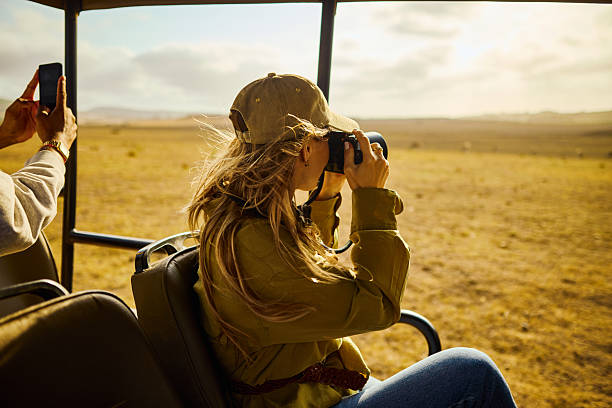
- Binoculars: Essential for spotting wildlife and composing shots before reaching for your camera.
- Laptop/Tablet: For backing up photos and reviewing them.
- Power Bank: To keep your devices charged on the go.
Top Guide Adventures Tip: Speak with us about our custom-built safari vehicles, which often feature camera mounts and beanbags to enhance your shooting experience.
Photographing Wildlife in the Western Serengeti: Techniques and Tips
The wildlife of the Western Serengeti provides endless subjects. Mastering the art of wildlife photography here requires patience, knowledge of animal behavior, and understanding light.
Understanding Light and Composition
The “golden hours” – shortly after sunrise and before sunset – offer the most flattering light for wildlife and landscapes. The low angle of the sun creates warm tones, soft shadows, and a beautiful glow. Plan your game drives to be out during these times.
- Shoot with the Light: Generally, having the sun behind you will illuminate your subject. However, backlighting can create dramatic silhouettes or rim lighting effects. Experiment!
- Look for the Eyes: In wildlife photography, the eyes are paramount. Ensure your focus is sharp on the animal’s eyes.
- Fill the Frame: Get close (with your lens, not necessarily your vehicle) to your subject to capture details and emotion.
- Incorporate the Environment: Don’t just isolate the animal. Showing the animal within its habitat can tell a more compelling story. Use wider shots to capture the vastness of the Serengeti.
- Anticipate Action: Watch animal behavior. Are they grazing, resting, interacting? Anticipating a movement, a yawn, or a chase can result in a spectacular shot.
Specific Wildlife Photography Tips for the West
- The Grumeti River Crossings: Be prepared for fast-paced action. Use a fast shutter speed (1/1000s or higher) to freeze motion. Continuous autofocus (AI Servo/AF-C) and burst shooting modes are your friends. Focus on the animals’ heads and anticipate their entry into the water.
- Leopards: These cats are often found in trees or dense bush. Look for movement in the branches. Patience is key. Try to capture them hunting, resting, or carrying prey. Use a slightly slower shutter speed if the animal is still to allow more light into your lens.
- Lions: The Western Serengeti has large prides. Photographing social interactions, cubs playing, or a hunt can be incredibly rewarding. Look for dramatic poses, especially during the golden hours.
- Birds: The area is rich in birdlife. A telephoto lens is essential. Look for interesting behaviors, colorful plumage, and flight shots.
- Elephants and Buffaloes: These large mammals are impressive subjects. Capture their power, family dynamics, or interactions with the environment.
Camera Settings Recommendations
- Aperture: For portraits, use a wide aperture (e.g., f/2.8-f/5.6) to create a shallow depth of field and blur the background, making your subject stand out. For landscapes or when more of the scene needs to be in focus, use a narrower aperture (e.g., f/8-f/11).
- Shutter Speed: For moving wildlife, use a fast shutter speed (1/500s to 1/2000s+). For static subjects or landscapes, you can use slower speeds, but be mindful of camera shake (use the reciprocal rule: 1/focal length).
- ISO: Keep ISO as low as possible (100-400) for the best image quality. Increase it only when necessary to achieve a fast enough shutter speed in low light. Modern cameras handle higher ISOs well, but noise can become apparent above ISO 1600 or 3200.
- Focus Mode: Use continuous autofocus (AF-C/AI Servo) for moving subjects. Single-shot autofocus (AF-S/One-Shot) is suitable for stationary subjects.
- Metering Mode: Spot metering can be useful for tricky lighting situations, but evaluative or matrix metering often works well for general wildlife photography.
Remember: These are starting points. Always adapt your settings based on the specific conditions and subject.
Choosing Your Safari Vehicle and Guide
The vehicle and guide are critical components of a successful Western Serengeti photography safari. For photographers, specific features and expertise are paramount.
Vehicle Considerations for Photographers:
- Pop-Top Roofs: Essential for 360-degree views and standing up to shoot.
- Open-Sided Vehicles: Allow for unobstructed shooting angles and easier movement.
- Beanbags: Many safari vehicles come equipped with beanbags, which are invaluable for stabilizing long lenses when the vehicle is stationary.
- Camera Mounts: Some specialized vehicles might offer camera mounts or gimbal heads.
- Comfort and Space: You’ll be spending many hours in the vehicle. Ensure it’s comfortable and has enough space for your gear.
The Role of Your Photography Guide:
A great guide for a photography safari is more than just a driver. They should:
- Understand Photography: Know the best times of day for light, understand composition, and be able to position the vehicle for optimal shots without disturbing wildlife.
- Track Wildlife: Possess an intimate knowledge of animal behavior, territories, and migration patterns.
- Be Patient: Understand that photographers need time to compose shots and wait for the right moment. They won’t rush you.
- Communicate Effectively: Provide insights into the wildlife and ecosystem, and be receptive to your photographic goals.
- Navigate Safely: Ensure your safety and the well-being of the animals while maximizing viewing opportunities.
At Top Guide Adventures, we carefully select our guides for their photographic knowledge and passion. We can arrange private 4×4 safari vehicles specifically for photography groups, ensuring you have the space and flexibility you need.
Beyond the Migration: Other Photographic Gems in the Western Serengeti
While the migration river crossings are a major draw, the Western Serengeti offers photographic subjects year-round.
- Serengeti Lions: The Western Corridor is home to several lion prides, often found lounging in acacia trees or patrolling their territories. Their golden manes against the African bush are iconic.
- Leopards: As mentioned, this region is excellent for leopards. Their camouflaged coats and arboreal lifestyle make them challenging but rewarding subjects.
- Cheetahs: While more common in the open plains, cheetahs can be spotted in the Western Serengeti, particularly in areas with suitable hunting grounds. Their speed and grace are magnificent to capture.
- Elephants: Herds of elephants are often seen near the rivers, providing opportunities for shots of them bathing, drinking, or interacting.
- Giraffes and Zebras: These ubiquitous species offer endless opportunities for detail shots, herd compositions, and interactions.
- Diverse Birdlife: From majestic eagles and vultures to colorful rollers and bee-eaters, the birdlife is a photographer’s delight.
- Landscapes: Don’t forget the scenery. The rolling hills, riverine forests, vast plains, and dramatic skies of the Western Serengeti provide stunning backdrops. Capture sunrises, sunsets, and the vastness of the African wilderness.
Itinerary Ideas for a 2026-2027 Western Serengeti Photography Safari
A typical photography safari itinerary focuses on maximizing time in prime locations and allowing for flexible schedules to wait for photographic opportunities.
Example 7-Day Western Serengeti Photography Focus (June/July Emphasis)
- Day 1: Arrival in Arusha & Briefing
Arrive at Kilimanjaro International Airport (JRO), meet your Top Guide Adventures representative, and transfer to your lodge in Arusha. Receive a detailed briefing on your upcoming Western Serengeti photography safari, gear check, and Q&A session.
- Day 2: Fly to Western Serengeti & First Game Drive
After breakfast, transfer to Arusha Airport for your scenic bush flight to the Western Serengeti airstrip (e.g., Grumeti). Meet your dedicated photography guide and vehicle. Enjoy your first game drive en route to your lodge/camp, focusing on the riverine areas.
- Days 3-5: Grumeti River & Western Corridor Exploration
Spend these days dedicated to photography in the Western Serengeti. Focus on:
- Grumeti River Crossings: If timed correctly (June-July), dedicate significant time to observing and photographing potential river crossings.
- Predator Hotspots: Search for lions, leopards, and cheetahs in their natural habitats.
- Birding & Smaller Mammals: Capture the diverse birdlife and smaller creatures unique to the riverine ecosystem.
- Landscape Photography: Utilize the golden hours for dramatic shots of the landscape.
Your guide will work with you to find the best light and angles, with ample time for observation and shooting.
- Day 6: Transfer to Central Serengeti & Afternoon Game Drive
Enjoy a final morning game drive in the Western Serengeti before flying or driving to the Central Serengeti (Seronera) area. This offers a contrast in landscape and wildlife. Afternoon game drive in Central Serengeti.
- Day 7: Morning Game Drive & Departure
Early morning game drive in the Central Serengeti. After breakfast, transfer to the Seronera Airstrip for your flight back to Arusha, connecting with your international departure or onward journey.
Customization: This is just an example. We can tailor itineraries for longer stays, focus purely on the Western Serengeti, or combine it with other regions like the Central Serengeti, Ngorongoro Crater, or even the Masai Mara (if planning across borders, though typically separate trips).
Logistics and Planning for 2026-2027
Planning a specialized safari like this requires attention to detail.
- Booking Window: For peak seasons like the Grumeti river crossings (June-July) in 2026-2027, book at least 9-12 months in advance. For other times, 6 months is generally sufficient, but early booking is always recommended for best availability.
- Accommodation: Options range from luxury tented camps to more permanent lodges. Consider proximity to wildlife areas and photographic opportunities. Camps directly on the Grumeti River offer unique experiences.
- Flights: Internal flights within Tanzania are usually operated by reputable companies like SafariLink or Auric Air. These are efficient but require careful booking.
- Park Fees: Serengeti National Park fees are substantial and are typically included in your safari package. Ensure clarity on what is covered.
- Visas & Vaccinations: Check current visa requirements for Tanzania and consult your doctor regarding recommended vaccinations and malaria precautions well in advance of your 2026-2027 trip.
Cost Considerations for a Western Serengeti Photography Safari
A specialized photography safari, especially one focusing on prime migration times or requiring private vehicles and expert guides, will generally be at the higher end of the safari cost spectrum. Factors influencing the price include:
- Duration of Stay: Longer safaris naturally cost more.
- Accommodation Level: Luxury lodges and exclusive tented camps are more expensive than mid-range options.
- Vehicle Type: A private 4×4 safari vehicle dedicated to your group is more costly than a shared vehicle.
- Time of Year: Peak season (June-July for Grumeti) will command higher prices due to demand.
- Inclusions: Full board, park fees, internal flights, guide services, and activities all contribute to the overall cost.
For a high-quality Western Serengeti photography safari in 2026-2027, expect prices to typically range from $500 to $1500+ per person per day, depending heavily on the luxury level and specific inclusions. This usually covers accommodation, meals, park fees, game drives in a 4×4 vehicle, and a professional guide. Internal flights and international airfare are typically separate.
Typical Inclusions for a Photography Safari Package:
- Accommodation in selected lodges/camps
- All meals (breakfast, lunch, dinner)
- Park entrance fees for Serengeti National Park
- Professional, English-speaking photography guide
- 4×4 safari vehicle with pop-top roof and window seats for all guests
- Bottled water during game drives
- Airport transfers in Arusha
- Lodge/camp to airstrip transfers
Potential Exclusions:
- International flights
- Visa fees
- Gratuities for guides and lodge staff
- Personal expenses (e.g., laundry, drinks, souvenirs)
- Travel insurance
- Optional activities (e.g., hot air balloon safari – though less common in the far west)
Get a personalized quote for your 2026-2027 Western Serengeti photography safari by contacting Top Guide Adventures.
Why Top Guide Adventures is Your Premier Choice for a Western Serengeti Photography Safari
Choosing the right tour operator is crucial for a successful photography safari. Top Guide Adventures brings unparalleled expertise and a passion for wildlife to every trip.
- Photography Expertise: Our guides are not just drivers; they are trained to understand the needs of photographers. They know the best light, the most photogenic spots, and how to position vehicles for optimal shots.
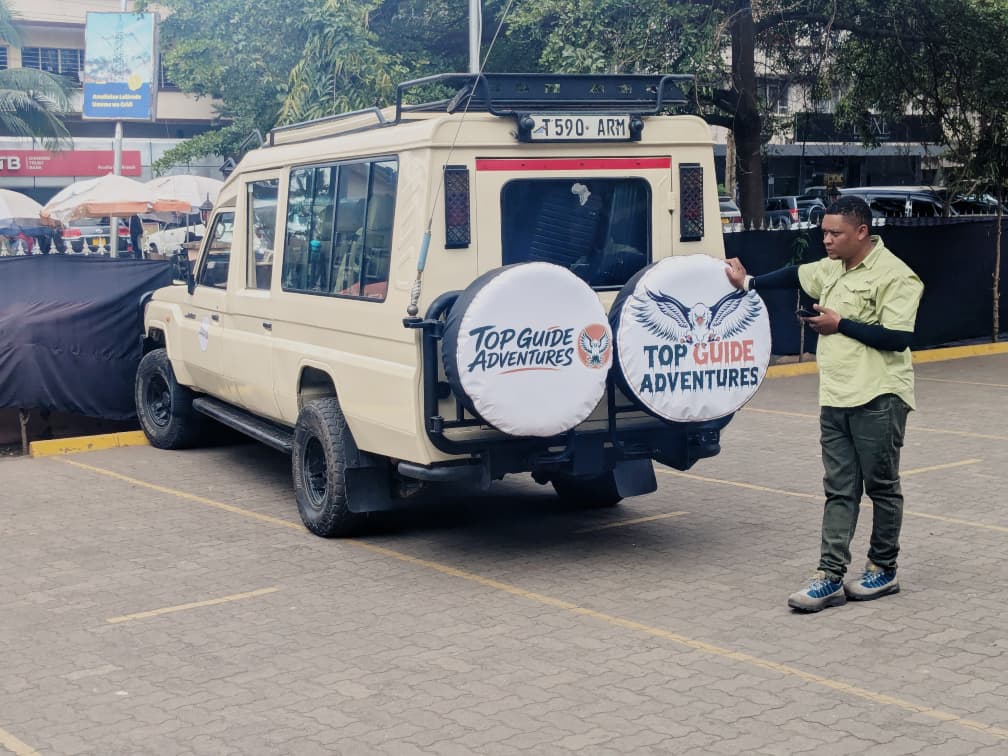
- Customized Vehicles: We offer specialized 4×4 safari vehicles equipped with pop-top roofs and beanbags, ensuring comfort and stability for your camera gear.
- Tailored Itineraries: We design each Western Serengeti photography safari around your specific interests, whether it’s capturing the migration, specific species, or landscapes. We are flexible and patient.
- Local Knowledge: As a Tanzanian-based company, we have deep insights into the Serengeti’s ecosystems, wildlife behavior, and the best times to visit for photographic opportunities in 2026-2027.
- Commitment to Sustainability: We practice responsible tourism, ensuring our safaris have a minimal impact on the environment and support local communities.
We are dedicated to helping you capture the magic of the Western Serengeti. Whether you’re a seasoned professional or an enthusiastic amateur, we will ensure your photographic journey is unforgettable.
Frequently Asked Questions About Western Serengeti Photography Safaris
What is the best time of year for a Western Serengeti photography safari?
The best time is generally June through July for the Grumeti River crossings, offering dramatic migration action. However, the Western Serengeti offers excellent photographic opportunities year-round, with the dry season (June-October) providing clear light and concentrated wildlife. February is calving season in the south, which can influence resident predator behavior across the park.
Are Western Serengeti safaris suitable for solo photographers?
Yes, absolutely. We can arrange private safaris for solo photographers or place you in small, like-minded groups. Our guides are adept at working with individuals to meet their specific photographic goals.
Do I need a special type of safari vehicle for photography?
While standard 4×4 safari vehicles with pop-top roofs are good, vehicles specifically adapted for photography (e.g., with camera mounts, lower sides for ground-level shots, or extra space for gear) can be beneficial. Top Guide Adventures offers customized vehicles to enhance your photographic experience.
What are the main photographic subjects in the Western Serengeti?
Key subjects include the Great Migration river crossings (Grumeti River), lions, leopards, cheetahs, elephants, hippos, crocodiles, diverse birdlife, and the dramatic riverine landscapes. The relative lack of crowds also makes for more intimate wildlife encounters.
How does a Western Serengeti photography safari differ from a Central Serengeti safari?
The Western Serengeti is characterized by its riverine landscapes (Grumeti River) and is a key crossing point for the migration (June-July). It generally has fewer vehicles and offers more opportunities to spot leopards and witness dramatic river crossings. The Central Serengeti (Seronera) is known for its open plains, year-round resident wildlife, and higher density of predators, but also experiences more traffic.
Can I combine a Western Serengeti photography safari with other parks?
Yes, it’s a common and recommended practice. You can combine it with the Central Serengeti, Ngorongoro Crater, Tarangire National Park, or even extend to the Northern Circuit parks. We can create multi-park itineraries for 2026-2027.
A Western Serengeti photography safari is an investment in capturing some of Africa’s most iconic and dramatic wildlife moments. With the right planning, timing, and expert guidance from Top Guide Adventures, your 2026-2027 photographic expedition will yield results that last a lifetime. We are passionate about creating the perfect safari experience for photographers, offering bespoke itineraries, specialized vehicles, and guides who understand your unique needs. Don’t hesitate to reach out to us to start planning your dream photographic adventure. Contact us via WhatsApp +255616946642, email us at topguideadventures@gmail.com, or info@topguideadventures.com.
Check Availability for Western Serengeti Photography Safari: Best Wildlife & Landscape Shots
Ready to compare dates, prices, and the best option for your group? Send the package name and travel month so the team can reply with a clear quote, availability, and what is included.
12-Day Nyerere Safari And Zanzibar Honeymoon: The Ultimate Romantic Escape
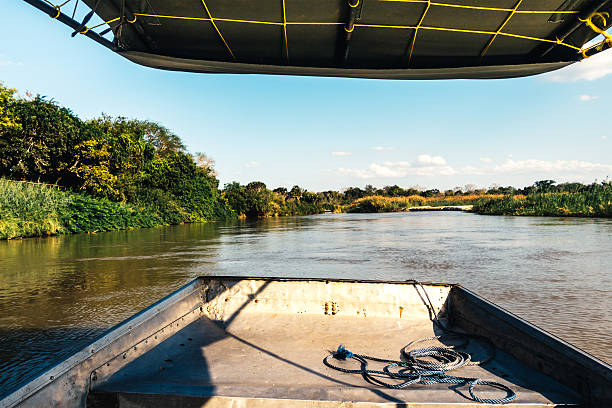
A 12-day Nyerere Safari and Zanzibar Honeymoon offers an unparalleled blend of thrilling wildlife encounters in one of Africa's largest game reserves and serene relaxation on the exotic...
View package details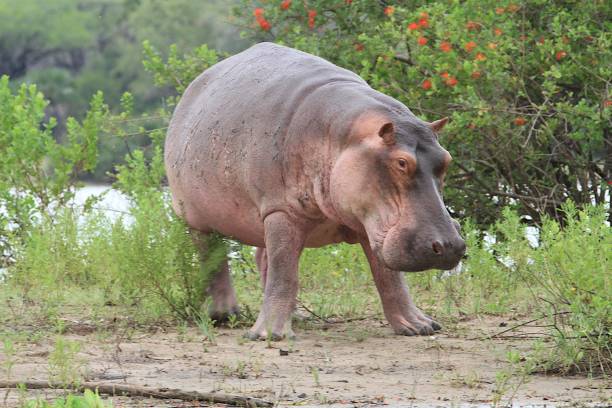
12-Day Southern Tanzania Grand Safari: An Unforgettable Adventure In 2026-2027
Discover the untamed beauty of Southern Tanzania on an epic 12-day safari. This journey explores the vast wilderness of Selous Game Reserve, the dramatic landscapes of Ruaha National Park...
View package details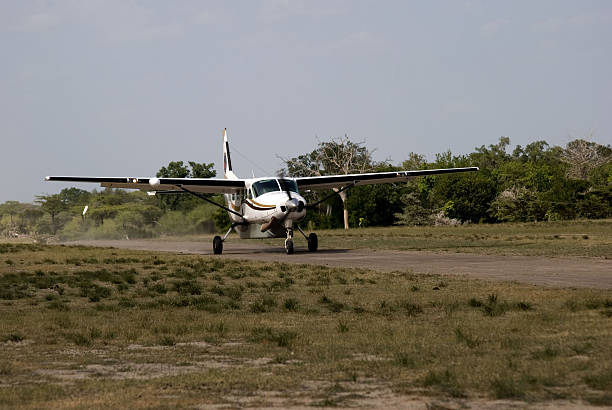
10-Day Selous, Mikumi And Ruaha Safari Guide
Discover the untamed beauty of southern Tanzania with a 10-day safari combining Selous Game Reserve, Mikumi National Park, and Ruaha National Park. This itinerary offers a comprehensive...
View package details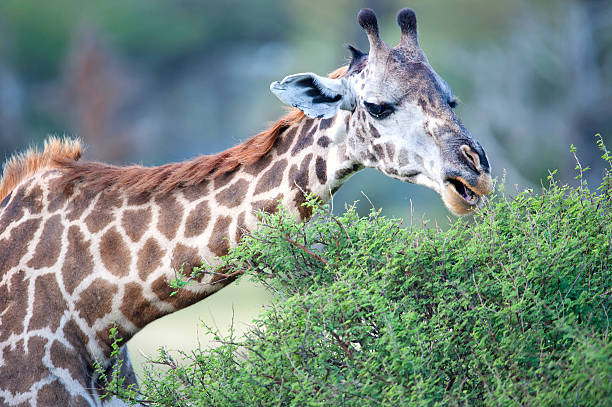
10-Day Southern Tanzania Safari And Beach Holiday 2026-2027
Discover the ultimate 10-day Southern Tanzania safari and beach holiday, blending the wild wonders of Selous and Ruaha with the serene shores of Zanzibar or Mafia Island. Perfect for...
View package details9-Day Nyerere Safari And Zanzibar Package: Ultimate Southern Tanzania
Discover the best of Tanzania's southern circuit with a 9-day Nyerere Safari and Zanzibar package. Experience thrilling game drives in Nyerere National Park, once known as Selous, followed...
View package details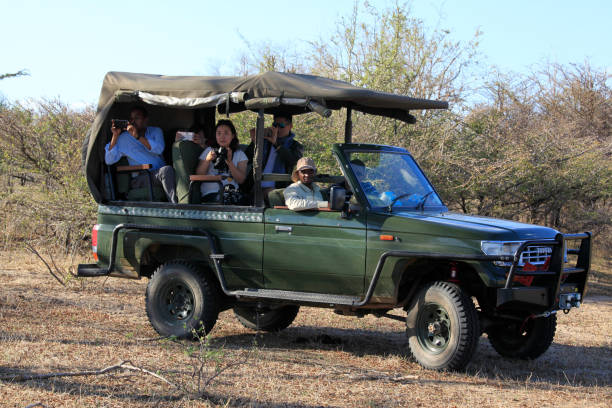
8-Day Nyerere Family Safari: The Ultimate Tanzania Adventure 2026-2027
Experience an unforgettable 8-day Nyerere Family Safari in Tanzania with Top Guide Adventures. This itinerary focuses on diverse wildlife, stunning landscapes, and family-friendly...
View package details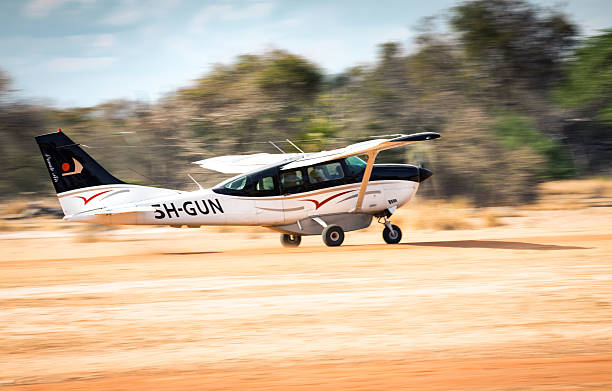
8-Day Selous Safari And Zanzibar Holiday: Your Ultimate Tanzania Adventure
An 8-day adventure perfectly blending the wild heart of Selous Game Reserve with the tropical allure of Zanzibar. This itinerary offers an unforgettable Tanzanian experience, combining...
View package details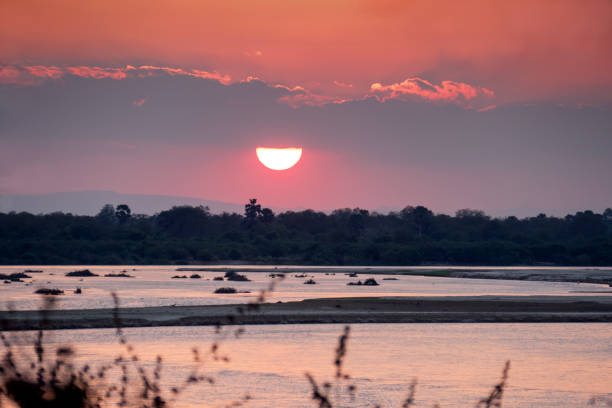
8-Day Southern Tanzania Luxury Safari: Selous & Ruaha 2026-2027
An 8-day luxury safari through Southern Tanzania's Selous Game Reserve and Ruaha National Park offers an unparalleled wildlife experience. This itinerary focuses on exclusive lodges...
View package details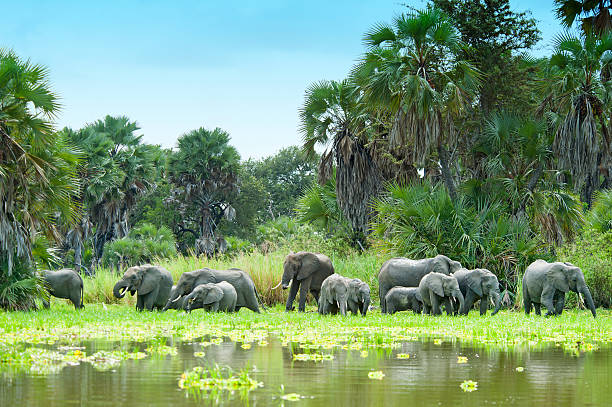
7-Day Tanzania Bush And Beach Holiday: Safari & Zanzibar Bliss 2026-2027
Experience the best of Tanzania in seven days with an unforgettable journey that blends the raw beauty of its wildlife-rich savannas with the tranquil turquoise waters of Zanzibar. This...
View package details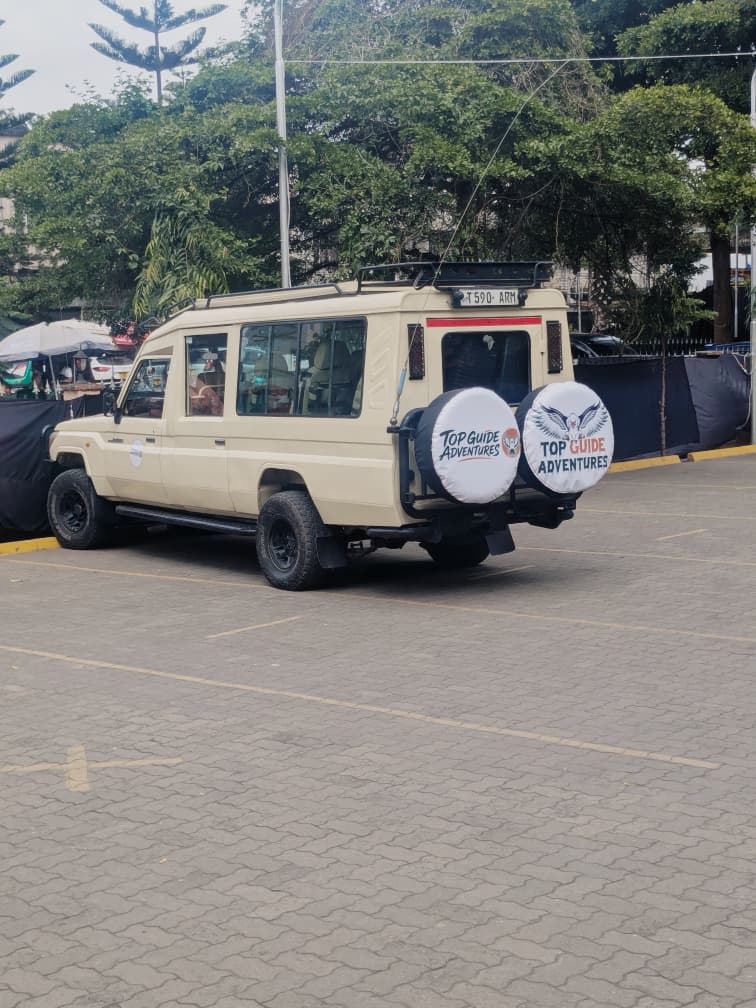
7-Day Mikumi, Udzungwa & Nyerere Safari: Your Ultimate Southern Tanzania
This 7-day itinerary covers Mikumi, Udzungwa, and Nyerere National Parks, offering a comprehensive Southern Tanzania safari experience. Explore diverse ecosystems, abundant wildlife, and...
View package details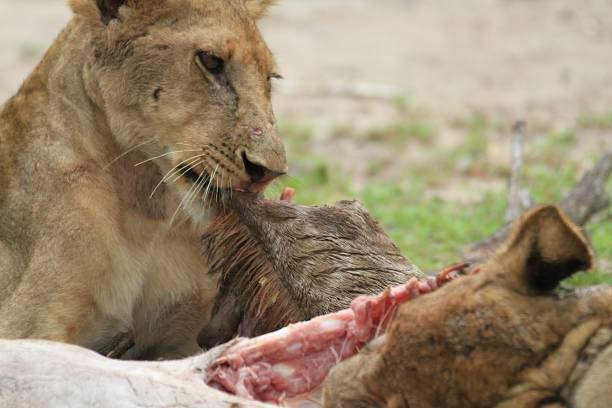
7-Day Nyerere Luxury Fly-In Safari: Your Ultimate Tanzanian Adventure
Discover the untamed beauty of southern Tanzania on a 7-day luxury fly-in safari to Nyerere National Park. This exclusive journey combines thrilling wildlife encounters with unparalleled...
View package details
7-Day Southern Tanzania Safari: Ultimate Guide To Selous & Ruaha In 2026-2027
start an unforgettable 7-day Southern Tanzania safari adventure, exploring the vast wilderness of Selous Game Reserve and the untamed beauty of Ruaha National Park. This itinerary offers a...
View package detailsNo related package matches those filters. Clear one or more filters to see the other topic-matched options.



