
A Western Serengeti Private Migration Safari in 2026-2027 offers an exclusive opportunity to witness the Great Migration’s Grumeti River crossing, typically from June to July. This private safari focuses on tailored experiences, high-end lodges or mobile camps, and dedicated guides, ensuring intimate wildlife viewing away from crowds, distinct from other migration viewing seasons and locations.

Understanding the Western Serengeti During the Migration
The Western Corridor of the Serengeti, often referred to as the Grumeti region, holds a unique allure for safari enthusiasts, particularly during the months when the vast herds of wildebeest and zebras make their dramatic journey across its expanse. Unlike the more widely publicized calving season in the south or the dramatic Mara River crossings in the north, the Western Serengeti offers a distinct and often more intimate wildlife spectacle. For travelers planning a Western Serengeti Private Migration Safari in 2026-2027, understanding the nuances of this specific region and time is crucial for an exceptional experience.
The Great Migration is not a single event but a continuous, year-round cycle driven by rainfall and the availability of fresh grazing. While the southern Serengeti (Ndutu) is prime calving territory from December to March, and the northern Serengeti (Mara River) sees intense river crossings from July to October, the Western Corridor’s moment arrives as the herds move west and north. This period, generally spanning from June to July, is characterized by the wildebeest and zebra herds congregating along the banks of the Grumeti River, a significant natural obstacle that presents one of the migration’s many dramatic stages.
Opting for a private safari in this region means you are choosing exclusivity. A private Western Serengeti Migration safari is designed around your interests, pace, and comfort. This typically involves a private safari vehicle, a dedicated guide, and accommodation in exclusive lodges or luxury tented camps that offer a more secluded experience. The focus shifts from simply observing wildlife to deeply understanding the ecosystem and the migration’s role within it, all while enjoying personalized service and unparalleled access.
Why Choose the Western Serengeti for Your 2026-2027 Migration Safari?
The decision to focus on the Western Serengeti for your Great Migration safari in 2026-2027 hinges on several compelling factors. While the Serengeti as a whole is renowned, the Grumeti region offers a specific kind of magic that appeals to discerning travelers seeking something beyond the ordinary.
The Grumeti River Crossings: A Spectacle of Nature
The star attraction of the Western Serengeti during the migration season is undoubtedly the Grumeti River. This river, wider and more formidable than many smaller streams the herds cross, becomes a natural bottleneck. As thousands of wildebeest and zebras gather on its banks, the anticipation builds. The crossing itself is a impressive display of instinct, courage, and survival. Predators, particularly the formidable Nile crocodiles that inhabit the river, lie in wait, adding an element of thrilling tension to the spectacle. Witnessing this raw, untamed event is a profound experience, often more intimate due to the Western Corridor’s lower visitor density compared to other migration hotspots during peak times.
Exclusive Wildlife Encounters
One of the most significant advantages of a private Western Serengeti Migration safari is the reduced crowd factor. While other areas of the Serengeti might see dozens of vehicles converging on a single sighting, the Western Corridor typically hosts fewer tourists. This means that when you witness a Grumeti River crossing, or encounter other wildlife like lions, leopards, cheetahs, and diverse birdlife, you are likely to share the experience with only your private vehicle and guide. This exclusivity allows for more respectful wildlife viewing, better photographic opportunities, and a more profound connection with the natural environment.
Unique Landscape and Resident Wildlife
Beyond the migration itself, the Western Serengeti boasts a unique landscape characterized by rolling grasslands, acacia woodlands, and the dramatic Grumeti River valley. This diverse terrain supports a rich array of resident wildlife year-round. Large herds of buffalo are common, and the region is renowned for its population of black-and-white colobus monkeys, found in the riverine forests. Leopards are often sighted here, and the Grumeti River itself is a prime location for spotting enormous Nile crocodiles. A private safari allows your guide to tailor game drives to explore these specific habitats and seek out the resident species in addition to the migrating herds.
The Appeal of Private Safaris
The ‘private’ aspect of a Western Serengeti Private Migration Safari cannot be overstated. It signifies a safari experience crafted precisely for you. This includes:
- Private Vehicle and Guide: You have exclusive use of a 4×4 safari vehicle and a knowledgeable guide, allowing you to set the pace, decide where to spend more time, and focus on your specific wildlife interests.
- Flexible Itinerary: Unlike group tours, a private safari offers the flexibility to change plans based on wildlife movements or your preferences. If a river crossing is happening a day later, or a leopard has been spotted nearby, your itinerary can adapt.
- Personalized Service: From lodge selection to meal preferences and activity timings, every detail is arranged to your comfort and satisfaction.
- Accommodation Choices: Private safaris often grant access to a wider range of exclusive lodges and luxury tented camps, including mobile camps that can be strategically positioned to offer the best migration viewing.
Timing Your 2026-2027 Western Serengeti Migration Safari
The success of any migration safari hinges on timing. For the Western Serengeti, the window of opportunity is relatively defined, but understanding the subtle shifts within this period can enhance your experience.
The Peak Season: June to July
The most reliable time to witness the Grumeti River crossings and the concentration of the migration in the Western Corridor is generally from June through July. During these months, the herds, having moved west from the central plains, are drawn to the Grumeti River as they continue their northward journey. The vegetation in the west becomes less palatable, and the river presents a necessary, albeit hazardous, obstacle.
- June: The herds begin to arrive in the Western Serengeti. Early June might offer sightings of herds congregating along the river, with crossings becoming more frequent as the month progresses. The landscape is often lush after the ‘long rains’ of April and May.
- July: This is typically the peak month for Grumeti River crossings. The density of animals in the Western Corridor is at its highest, and the chances of witnessing dramatic river crossings are significantly elevated. However, July also marks the beginning of the dry season, meaning wildlife will start concentrating around water sources.
Beyond the Peak: Late May and August
While June and July are prime, there’s a possibility of seeing elements of the migration in the Western Serengeti in late May or early August. By late August, many herds will have moved further north towards the Mara River, but some stragglers or opportunists might still be present, or predators might be actively hunting in the region.
Factors Influencing Migration Timing
It’s essential to remember that the Great Migration is a natural phenomenon, and its timing can vary slightly year by year. Rainfall patterns are the primary driver. Unusually dry or wet seasons can shift the herds’ movements. This is where the expertise of a local tour operator like Top Guide Adventures becomes invaluable. We monitor conditions closely and can advise on the best timing for your Western Serengeti Private Migration Safari in 2026-2027 based on the latest information and historical trends.
Planning a safari for 2026 or 2027 requires booking well in advance, especially for the peak migration season. High-demand periods mean that the best lodges and camps, particularly those offering private experiences, are booked up months, sometimes over a year, in advance.
Choosing Your Accommodation: Lodges and Camps for a Private Safari
The choice of accommodation significantly shapes the experience of a private Western Serengeti Migration safari. In the Grumeti region, options range from permanent luxury lodges to exclusive mobile tented camps, each offering a unique perspective on the migration and the Serengeti’s wilderness.
Luxury Lodges in the Western Corridor
Permanent lodges in the Western Serengeti offer a blend of comfort, amenities, and proximity to prime migration viewing areas. These lodges are built to blend into the environment while providing high-end services.
- Grumeti Serengeti River Lodge: Often cited as a premier luxury option, this lodge provides direct access to the Grumeti River and its associated wildlife. Expect opulent suites, fine dining, and exceptional service.
- Other High-End Lodges: Several other lodges in the Western Corridor offer similar levels of luxury, often featuring swimming pools, spacious dining areas, and private verandas with stunning views. They are strategically located to maximize game viewing opportunities both within the corridor and in adjacent areas.
These lodges are ideal for travelers who appreciate sophisticated comfort and reliable amenities throughout their stay. They provide a secure and luxurious base from which to start daily game drives.
Exclusive Mobile Tented Camps
For the ultimate in migration tracking and a more authentic, yet still luxurious, experience, mobile tented camps are unparalleled. These camps are strategically set up in different locations throughout the Serengeti ecosystem to follow the migration’s movements. During the June-July period, a well-positioned mobile camp in the Western Serengeti offers:
- Prime Location: A mobile camp can be pitched in areas that offer the closest proximity to the migration herds and river crossing points, often in exclusive-use concession areas.
- Intimate Atmosphere: With only a handful of tents, these camps provide a highly personal and intimate safari experience.
- Authentic Feel: While luxurious, they retain a classic safari feel, with canvas tents, comfortable furnishings, and campfire gatherings under the stars.
Choosing a mobile camp means your safari is truly dictated by the migration’s path, offering a dynamic and deeply engaging experience. It’s important to note that mobile camps may have fewer amenities than permanent lodges (e.g., no swimming pools), but they excel in location and intimacy.
What Defines a ‘Private’ Accommodation Experience?
When we talk about a private Western Serengeti Migration safari, the accommodation plays a key role. This can mean:
- Exclusive Use Camps: Some operators can arrange for entire mobile camps to be booked exclusively for your group.
- Private Lodges/Villas: Certain lodges offer private villas or exclusive wings that provide a secluded experience within a larger property.
- High-End Standard: Even standard rooms in top-tier lodges and camps offer a high degree of privacy and personalized service, especially when combined with a private vehicle and guide.
Top Guide Adventures specializes in curating these exclusive experiences. We work with you to select accommodations that match your desired level of luxury, intimacy, and proximity to the migration action for your 2026-2027 safari.
Crafting Your Itinerary: Sample Experiences and Duration
A Western Serengeti Private Migration Safari is best experienced with sufficient time to allow for both the dramatic river crossings and exploration of the surrounding areas. While itineraries vary greatly based on traveler preferences, a typical duration allows for flexibility and comprehensive wildlife viewing.
Typical Duration for a Western Serengeti Safari
For a focused experience on the Grumeti River crossings, a minimum of 3 to 4 nights in the Western Serengeti is recommended. This allows time to scout for crossing points, witness potential crossings, and explore the region’s resident wildlife.
However, most travelers combine the Western Serengeti with other parts of the Northern Circuit for a more complete Tanzanian safari experience. A common itinerary structure might look like this:
- Day 1-3: Tarangire National Park (Known for its large elephant herds and baobab trees)
- Day 4-5: Ngorongoro Crater (A UNESCO World Heritage site with dense wildlife populations)
- Day 6-9: Western Serengeti (Grumeti River) (Focusing on migration river crossings)
- Day 10: Departure (From Kilimanjaro International Airport – JRO)
This 10-day itinerary provides a good balance. For those wanting more in-depth exploration of the Western Serengeti or to include other areas like the Central Serengeti (Seronera) or Northern Serengeti (Kogatende/Lamai), durations of 12-14 days or longer are ideal.
Sample Itinerary Focus: The Grumeti Crossing
7-Day Western Serengeti Migration Focus (June-July 2027)
- Day 1: Arrival in Arusha & Transfer to Lodge
Arrive at Kilimanjaro International Airport (JRO), meet your guide, and transfer to your comfortable lodge in Arusha. Briefing for your upcoming safari. - Day 2: Fly to Western Serengeti
After breakfast, transfer to Arusha Airport for your scheduled light aircraft flight to the Western Serengeti airstrip. You’ll be met by your private guide and vehicle and begin your first game drive en route to your chosen lodge or camp. Settle in and enjoy an afternoon game drive. - Day 3-5: Exploring the Grumeti River Area
Spend three full days dedicated to the Western Serengeti. Focus on tracking the migration herds along the Grumeti River, seeking out crossing opportunities, and exploring the diverse habitats for leopards, colobus monkeys, buffalo, and other resident wildlife. Enjoy morning and afternoon game drives tailored to the animals’ movements and your interests. Sundowners in scenic locations are a daily highlight. - Day 6: Game Drive & Fly to Arusha
Enjoy a final morning game drive in the Western Serengeti, perhaps revisiting a promising crossing point or exploring a new area. After lunch, transfer to the airstrip for your flight back to Arusha. You’ll be met and transferred to your lodge for the night. - Day 7: Departure
Enjoy a leisurely breakfast before transferring to Kilimanjaro International Airport (JRO) for your onward international flight.
This sample itinerary highlights the core experience. A private Western Serengeti Migration safari can be customized extensively. For instance, you might add days in the Central Serengeti to witness the migration’s passage through the Seronera Valley, or extend your stay to include the Mara River crossings in the north later in the year.
What to Expect During Your Private Safari
A private Western Serengeti Migration safari is more than just game drives; it’s an in-depth experience designed for comfort, discovery, and exclusivity. Here’s what you can anticipate:
Game Drive Experience
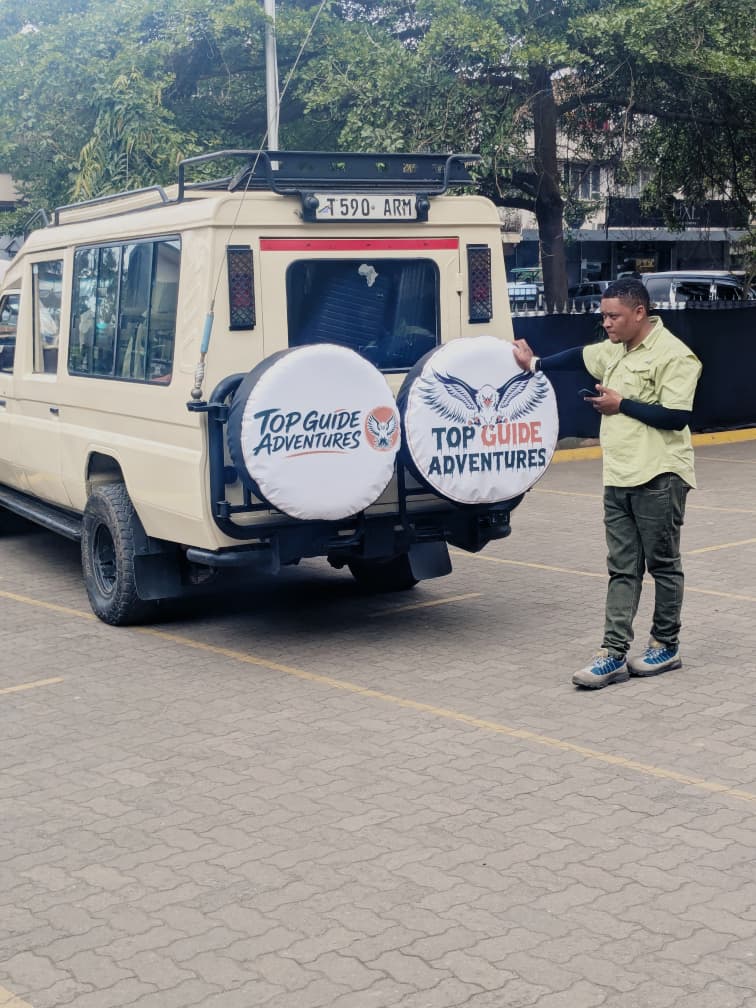
Your game drives will be conducted in a custom-built 4×4 safari vehicle, equipped with pop-up roofs for unobstructed viewing and photography. With a private vehicle, you dictate the pace:
- Flexibility: Stop for as long as you like at sightings, track specific animals, or spend hours observing a river crossing without pressure from other vehicles.
- Expert Guiding: Your guide is a trained naturalist, adept at spotting wildlife, understanding animal behavior, and sharing insights into the ecosystem. They are essential for locating the migration and maximizing your chances of witnessing a crossing.
- Off-Road Driving: In certain areas and at the discretion of park authorities, private vehicles may have more flexibility for approaching wildlife or tracking animals, enhancing the viewing experience.
- Customized Routes: Your guide will design daily routes based on recent wildlife movements, predator activity, and your specific interests.
Wildlife Sightings Beyond the Migration
While the migration is the main draw, the Western Serengeti is rich with resident wildlife:
- Predators: Lions are abundant, often found hunting buffalo or wildebeest. Leopards are frequently sighted in the riverine forests and kopjes. Cheetahs are present, though perhaps less common than in the open plains. Hyenas and wild dogs are also part of the ecosystem.
- Herbivores: Besides the migrating wildebeest and zebras, you’ll see large herds of buffalo, elephants (though fewer than in the south), giraffes, various antelope species (impala, dik-dik, waterbuck), and hippos in the rivers.
- Birds: The birdlife is prolific, with numerous species of raptors, waterbirds, and terrestrial birds offering a feast for ornithologists.
- Grumeti River Crocodiles: These ancient reptiles are a significant feature of the river and are often seen basking on the banks or lurking in the water, especially during crossing periods.
- Colobus Monkeys: The black-and-white colobus monkeys are a unique sight in the Western Serengeti’s riverine woodlands.
The Role of the Private Guide
Your private guide is the cornerstone of your safari. They are not just drivers but expert trackers, naturalists, and cultural interpreters. For a Western Serengeti Private Migration Safari, their skills are amplified:
- Migration Tracking: They possess deep knowledge of the migration’s patterns and use their experience, radio communication, and keen observation to predict and locate crossing points.
- Photography Assistance: Guides are often skilled photographers themselves and can help you capture the best shots, advising on angles and timing.
- Safety and Comfort: They ensure your safety in the wilderness and manage all logistics, allowing you to relax and enjoy the experience.
- Personalized Interaction: A private guide allows for a more personal connection, answering your questions in detail and tailoring commentary to your interests.
Planning Your 2026-2027 Western Serengeti Safari: Key Considerations
Booking a Western Serengeti Private Migration Safari requires careful planning to ensure you secure the best experiences and accommodations. Here are the essential steps and considerations for your 2026-2027 trip.
Booking Window
The demand for safaris during the Great Migration, especially for private and luxury experiences, is extremely high. For peak seasons like June-July in the Western Serengeti, it is advisable to book 12-18 months in advance. For 2026 and 2027 travel, starting your planning and booking process now is highly recommended.
Budget and Cost Factors
A private Western Serengeti Migration safari is a premium experience, and costs reflect this. Key factors influencing the price include:
- Accommodation: Luxury lodges and exclusive-use mobile camps are the most significant cost component.
- Private Vehicle & Guide: This is a daily cost that adds a substantial amount compared to shared safaris.
- Park Fees: Serengeti National Park fees are charged per person, per day, and are a fixed cost.
- Internal Flights: Light aircraft flights between parks and to/from the Serengeti airstrips are essential and add to the overall cost.
- Duration: Longer safaris naturally incur higher costs.
- Seasonality: While the migration season is the focus, shoulder periods might offer slightly different pricing.
Estimated Cost Range (per person, per day, excluding international flights):
For a private Western Serengeti Migration Safari in 2026-2027, expect a range of approximately $700 to $1,500+ per person per day. This typically covers:
- Luxury accommodation
- All meals and select drinks
- Private 4×4 safari vehicle and dedicated guide
- Park and concession fees
- Internal scheduled flights (e.g., Arusha to Western Serengeti)
- Activities as specified (e.g., game drives)
The higher end of the range reflects ultra-luxury lodges, exclusive-use concessions, or more specialized guiding services. It is always best to request a custom quote for your specific requirements.
Visa and Health Requirements
- Visas: Most nationalities require a visa to enter Tanzania. This can often be obtained online in advance or upon arrival at Kilimanjaro International Airport. Check the latest requirements with your country’s Tanzanian embassy.
- Vaccinations: Yellow Fever vaccination is mandatory for entry into Tanzania if arriving from or transiting through a country with a risk of Yellow Fever. Consult your doctor or a travel clinic for recommended vaccinations (e.g., Hepatitis A, Typhoid) and malaria precautions.
- Travel Insurance: Comprehensive travel insurance, including medical evacuation coverage, is essential for any safari.
Packing Essentials
Packing for a Serengeti safari requires practical consideration for the climate and activities:
- Clothing: Lightweight, neutral-colored clothing (khaki, beige, green) is best. Avoid bright colors and dark blue/black (which can attract tsetse flies). Include long-sleeved shirts and trousers for sun and insect protection, especially for evenings. A warm fleece or jacket is necessary for cool mornings and evenings.
- Footwear: Comfortable walking shoes or hiking boots (if planning any guided walks), and sandals or trainers for relaxing at the lodge.
- Sun Protection: High SPF sunscreen, a wide-brimmed hat, and sunglasses are vital.
- Insect Repellent: Especially one containing DEET for effective protection against mosquitoes.
- Camera Gear: Bring extra batteries, memory cards, and a good zoom lens. A beanbag for steady shots from the vehicle is useful.
- Binoculars: Essential for spotting distant wildlife.
- Personal Items: Prescription medications, basic first-aid kit, hand sanitizer, and a reusable water bottle.
Top Guide Adventures: Your Partner for a Western Serengeti Private Migration Safari
Planning an exceptional Western Serengeti Private Migration Safari requires expertise, local knowledge, and a commitment to personalized service. Top Guide Adventures has established itself as a premier Tanzanian tour operator, dedicated to crafting unforgettable safari experiences.
Why Choose Top Guide Adventures for 2026-2027?
- Local Expertise: As a Tanzanian-based company, we possess intimate knowledge of the Serengeti’s ecosystems, migration patterns, and the best private concessions and lodges.
- Tailored Itineraries: We don’t offer one-size-fits-all packages. Every safari is custom-designed to meet your specific interests, budget, and travel style, ensuring your private Western Serengeti Migration safari is exactly as you envision.
- Experienced Guides: Our guides are highly trained, passionate about wildlife, and experienced in tracking the migration, providing you with unparalleled insights and opportunities.
- Exclusive Partnerships: We have strong relationships with the top luxury lodges and mobile camp operators in the Western Serengeti, allowing us to secure prime locations and exclusive experiences for our clients.
- Commitment to Quality: From vehicle maintenance to accommodation selection and logistical planning, we uphold the highest standards to ensure a comfortable, safe, and smooth safari.
Getting Started with Your Safari Planning
The journey to your dream safari begins with a conversation. We encourage you to reach out to our team to discuss your plans for a Western Serengeti Private Migration Safari in 2026-2027.
Whether you have a detailed itinerary in mind or are seeking expert advice on the best timing and locations, we are here to help. Let us leverage our expertise to create a bespoke safari that immerses you in the heart of the Great Migration’s Grumeti River spectacle.
Contact us today to start planning:
- WhatsApp: +255616946642
- Email: topguideadventures@gmail.com
- Backup Email: info@topguideadventures.com
We look forward to helping you create an unforgettable Western Serengeti Private Migration Safari experience in 2026 or 2027.
Check Availability for Western Serengeti Private Migration Safari: Your Ultimate Guide 2026-2027
Ready to compare dates, prices, and the best option for your group? Send the package name and travel month so the team can reply with a clear quote, availability, and what is included.
How Much Is A Private Nyerere Safari For Two In ? 2026-2027
Planning a private safari for two in Nyerere National Park? Understand the costs involved for 2026-2027, including key factors that influence pricing and what to expect for your...
View package details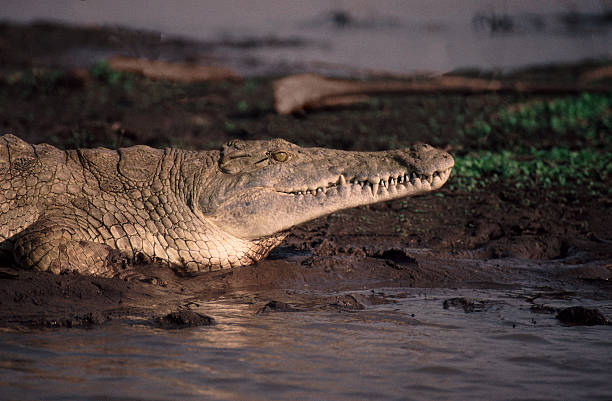
5-Day Private Nyerere And Mikumi Safari With Top Guide Adventures 2026-2027
start an unforgettable 5-day private safari adventure through Tanzania's Nyerere National Park (formerly Selous) and Mikumi National Park. This itinerary focuses on maximizing wildlife...
View package details
2-Day Private Mikumi Safari From Zanzibar: Your Quick Wildlife Escape
Discover the thrill of a 2-day private Mikumi safari departing from Zanzibar. This concise adventure offers a fantastic opportunity to witness Tanzania's iconic wildlife in a short...
View package details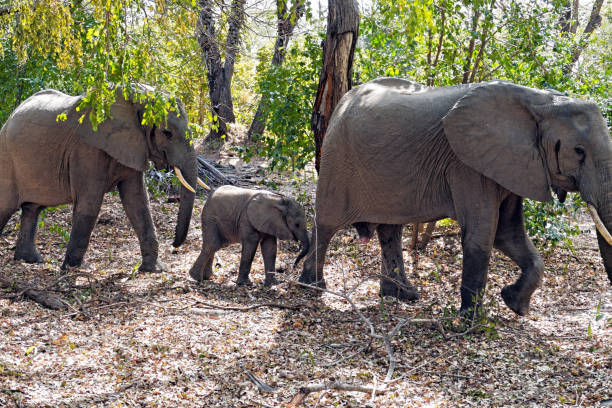
Private Selous Day Safari Price For Two 2026-2027
Private Selous Day Safari Price for Two is explained with current 2026-2027 planning, price, itinerary and booking information.
View package details2-Day Private Selous Safari Price For Two In 2026-2027
Discover the typical pricing for a 2-day private safari in Selous Game Reserve for two travelers. This guide breaks down cost factors, inclusions, and helps you budget for your 2026-2027...
View package details
8-Day Luxury Southern Tanzania Fly-In Safari | Top Guide Adventures 2026-2027
Discover the wild heart of Tanzania on an exclusive 8-day luxury fly-in safari, focusing on the vast, untamed landscapes of Ruaha National Park and the mighty Rufiji River in Nyerere...
View package details
12-Day Nyerere Safari And Zanzibar Honeymoon: The Ultimate Romantic Escape
A 12-day Nyerere Safari and Zanzibar Honeymoon offers an unparalleled blend of thrilling wildlife encounters in one of Africa's largest game reserves and serene relaxation on the exotic...
View package details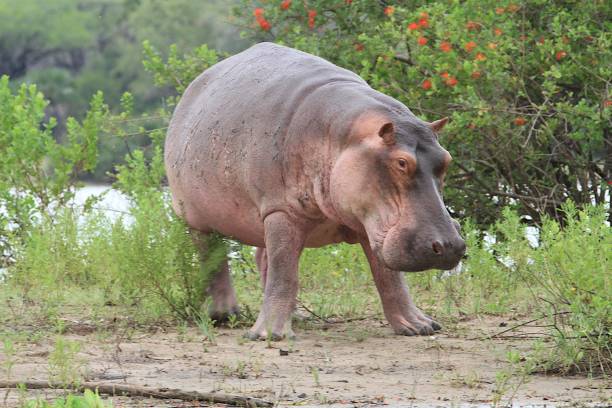
12-Day Southern Tanzania Grand Safari: An Unforgettable Adventure In 2026-2027
Discover the untamed beauty of Southern Tanzania on an epic 12-day safari. This journey explores the vast wilderness of Selous Game Reserve, the dramatic landscapes of Ruaha National Park...
View package details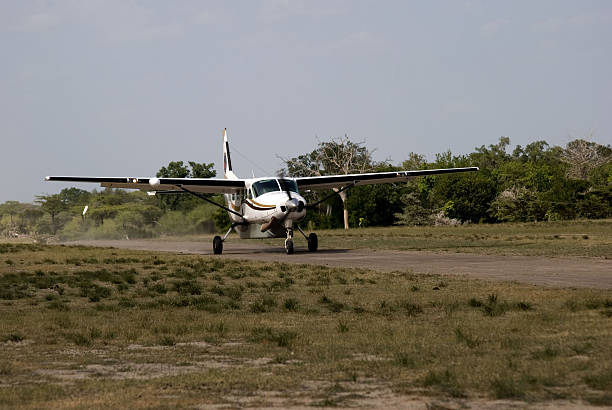
10-Day Selous, Mikumi And Ruaha Safari Guide
Discover the untamed beauty of southern Tanzania with a 10-day safari combining Selous Game Reserve, Mikumi National Park, and Ruaha National Park. This itinerary offers a comprehensive...
View package details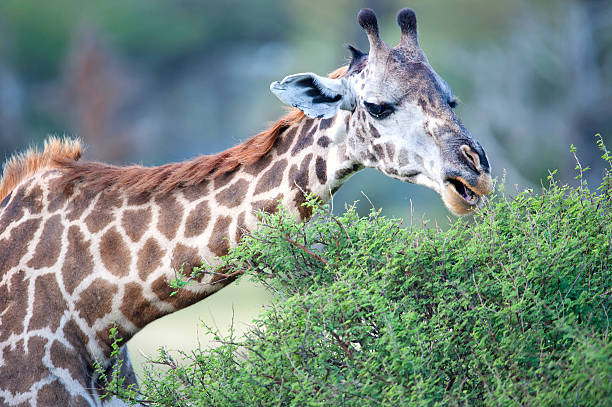
10-Day Southern Tanzania Safari And Beach Holiday 2026-2027
Discover the ultimate 10-day Southern Tanzania safari and beach holiday, blending the wild wonders of Selous and Ruaha with the serene shores of Zanzibar or Mafia Island. Perfect for...
View package details9-Day Nyerere Safari And Zanzibar Package: Ultimate Southern Tanzania
Discover the best of Tanzania's southern circuit with a 9-day Nyerere Safari and Zanzibar package. Experience thrilling game drives in Nyerere National Park, once known as Selous, followed...
View package details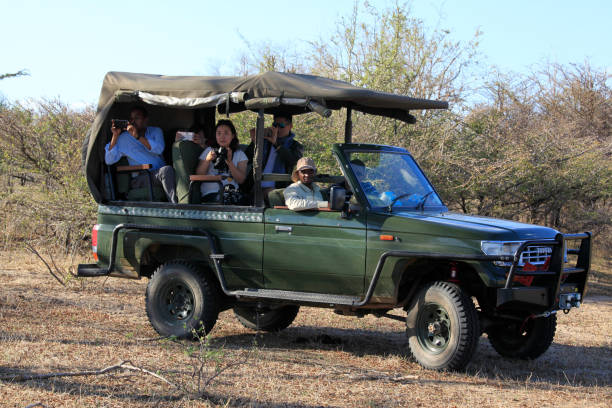
8-Day Nyerere Family Safari: The Ultimate Tanzania Adventure 2026-2027
Experience an unforgettable 8-day Nyerere Family Safari in Tanzania with Top Guide Adventures. This itinerary focuses on diverse wildlife, stunning landscapes, and family-friendly...
View package detailsNo related package matches those filters. Clear one or more filters to see the other topic-matched options.



