
Updated planning guide for 2026, 2027
What is the Cheapest Way to Do a Tanzania Safari? Your Ultimate Budget Guide
Planning a Tanzania safari on a budget? This comprehensive guide reveals the secrets to finding the cheapest way to experience the magic of the Serengeti, Ngorongoro Crater, and beyond, offering practical advice for 2026 and 2027.
WhatsApp +255616946642 | info@topguideadventures.com | topguideadventures@gmail.com
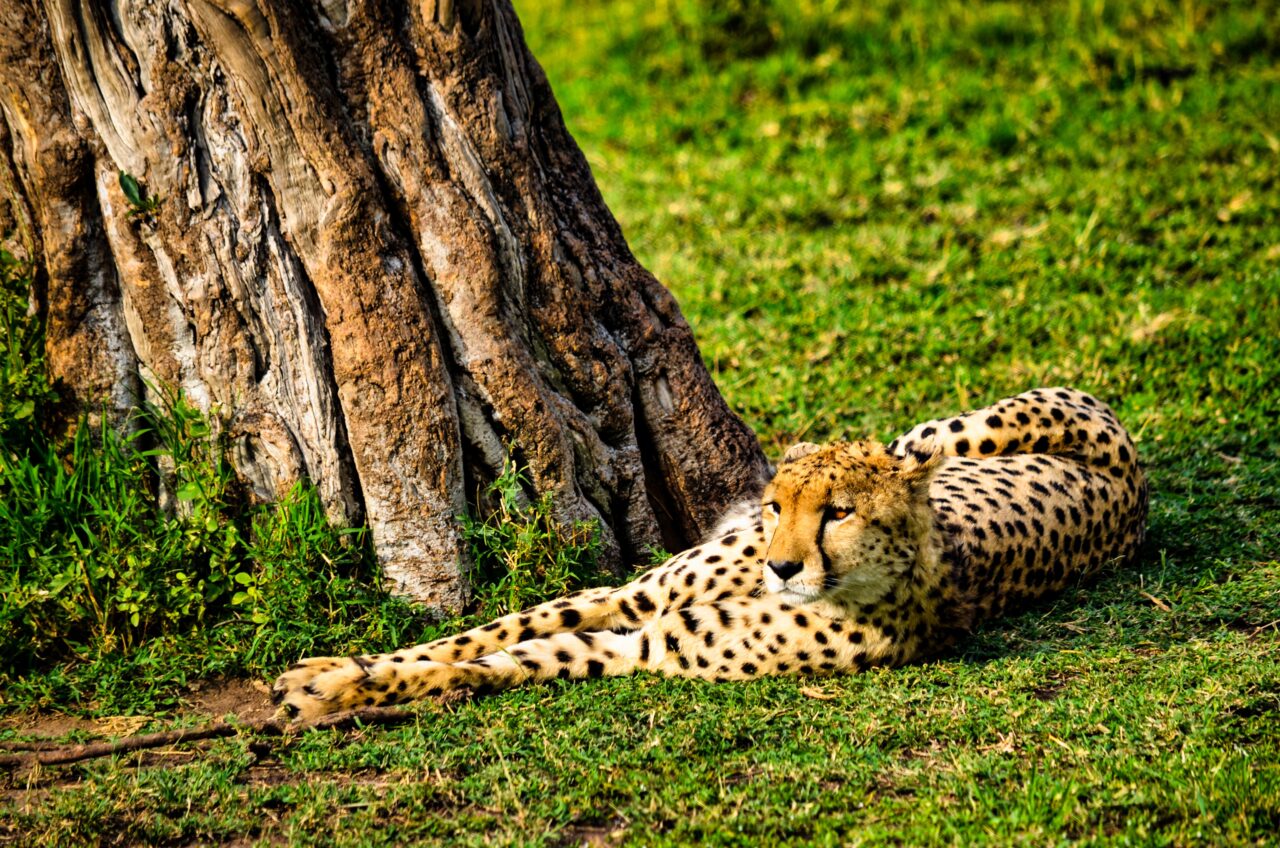
Embarking on a Tanzanian Safari: The Quest for the Cheapest Way
Tanzania. The very name conjures images of vast savannas teeming with wildlife, the thundering migration across the plains, and the iconic silhouette of Mount Kilimanjaro against a fiery sunset. It’s a dream destination for many, a bucket-list adventure promising unparalleled encounters with nature’s grandest spectacles. However, for many aspiring travelers, the perceived cost of a Tanzanian safari can be a significant barrier. The question frequently asked is: What is the cheapest way to do a Tanzania safari?
The good news is that while Tanzania offers some of the most exclusive and luxurious safari experiences in the world, it is absolutely possible to embark on an unforgettable adventure without breaking the bank. It requires careful planning, smart choices, and a willingness to embrace a more local and authentic travel style. This guide is designed to equip you with the knowledge and strategies needed to find the most cost-effective path to experiencing the wild heart of Africa, ensuring your 2026 or 2027 safari dreams become a reality.
We’ll delve deep into the factors that influence safari costs, explore budget-friendly accommodation options, discuss the best times to travel for savings, and provide practical tips to maximize your experience while minimizing your expenses. Understanding these elements is key to unlocking the cheapest way to do a Tanzania safari, allowing you to witness the magic of the Serengeti, the Ngorongoro Crater, Tarangire National Park, and other incredible wildlife havens.
Understanding Safari Cost Components: Where Does Your Money Go?
Before we can find the cheapest way to do a Tanzania safari, it’s crucial to understand what makes up the typical safari package and where the major costs lie. By dissecting these components, you can identify areas where savings can be made.
Park Entrance Fees
These are non-negotiable and form a significant portion of any safari budget. Each national park and conservation area in Tanzania has its own daily entrance fee, which can range from USD 30 to USD 70 per person, per day. The Ngorongoro Conservation Area has a unique fee structure that includes a vehicle fee and a per-person fee, often making it one of the more expensive parks to visit. These fees directly contribute to conservation efforts, so while they are a cost, they are vital for protecting the wildlife and habitats you’ve come to see.
Vehicle and Guide Costs
You’ll need a 4×4 safari vehicle with a pop-up roof for game viewing, and crucially, an experienced, knowledgeable guide. Vehicle hire and guide salaries are a substantial expense. Cheaper options often involve shared vehicles and guides, which can significantly reduce individual costs.
Accommodation
This is perhaps the most variable cost. Options range from basic campsites and budget guesthouses to mid-range lodges and ultra-luxury tented camps. Camping is by far the cheapest option, followed by budget lodges and then more comfortable mid-range options. The further you venture from main hubs like Arusha, the more remote and potentially expensive (due to logistics) accommodation can become, though sometimes remote means fewer tourists and a more exclusive feel.
Food and Drink
Meals are usually included in safari packages, but the quality and type of catering can vary. Budget safaris often rely on packed lunches and simpler meals prepared by the camp or lodge staff. High-end lodges will offer gourmet dining experiences, which naturally come at a higher price point.
Itinerary and Duration
The number of days you spend on safari and the specific parks you visit will directly impact the total cost. Longer safaris mean more park fees and accommodation days. Visiting more expensive parks like the Serengeti and Ngorongoro will also increase the overall price compared to focusing on less-visited, but still rewarding, parks.
Operator Type and Inclusions
Whether you book with a large international operator, a local Tanzanian company, or arrange elements independently will affect pricing. Local operators often have lower overheads and a better understanding of local logistics, potentially offering more competitive rates. The inclusions in your package (e.g., meals, water, transfers, park fees) are critical to compare when looking at different quotes.
Strategies for Finding the Cheapest Way to Do a Tanzania Safari
Now that we understand the cost drivers, let’s explore actionable strategies to make your Tanzanian safari as affordable as possible.
1. Travel During the Shoulder or Low Season
Timing is everything when it comes to budget travel. While the peak season (June to October, and December to February) offers ideal weather and the Great Migration spectacle, it also commands the highest prices. The shoulder seasons (March-May, and November) often present a fantastic opportunity to find the cheapest way to do a Tanzania safari.
- Shoulder Season (March-May, November): These months often see fewer tourists, leading to lower accommodation rates and sometimes even discounted safari package prices. While there’s a higher chance of rain, it’s usually in short, localized bursts, and the landscapes are incredibly lush and green. The wildlife is still abundant, and you might even catch the tail end of the migration or its early stages.
- Low Season (April-May): This period typically experiences the heaviest rains. However, for the budget-conscious traveler, it can offer the absolute lowest prices. The rains mean fewer visitors, making it an excellent time for photography and for those who don’t mind occasional downpours. Many lodges offer significant discounts during these months.
By being flexible with your travel dates, particularly for a 2026 or 2027 safari, you can leverage these off-peak periods for substantial savings.
2. Embrace Camping Safaris
Camping is the undisputed champion of budget safari accommodation in Tanzania. This doesn’t necessarily mean roughing it in the wilderness without amenities. Tanzania offers a range of camping experiences:
- Public Campsites: These are the most basic and cheapest option. You’ll have access to shared ablution blocks (toilets and showers), and your safari vehicle will typically set up a mess tent for meals. You’ll sleep in dome tents.
- Special Campsites: These are designated, more private campsites within the parks, often with fewer facilities than public campsites but offering a more exclusive feel. They usually require an additional fee.
- Tented Camps (Budget/Mid-Range): These are more permanent structures, often with en-suite bathrooms and comfortable beds. While more expensive than basic camping, they offer a step up in comfort and are still significantly cheaper than full-fledged lodges.
A camping safari, where you sleep in tents (either provided by the operator or you bring your own if arranged), is a fundamental part of finding the cheapest way to do a Tanzania safari. It dramatically cuts down accommodation costs and immerses you more closely in the sounds and atmosphere of the African bush.
3. Opt for Group Safaris
Joining a group safari is one of the most effective ways to reduce your individual costs. When you join a small group (typically 4-7 people), the cost of the safari vehicle, guide, fuel, and park fees is shared among all participants. This significantly lowers the per-person price compared to booking a private safari.
- Benefits: Lower cost, opportunity to meet fellow travelers, shared experiences.
- Considerations: Less flexibility with itinerary and game drives, need to compromise on departure times or interests.
Many reputable local operators offer scheduled group departures, making it easier to find a suitable trip that aligns with your budget and travel dates for 2026 or 2027.
4. Choose Your Parks Wisely
While the Serengeti and Ngorongoro Crater are iconic and absolutely worth visiting, they also come with higher park fees. To find the cheapest way to do a Tanzania safari, consider incorporating parks with lower entrance fees or focusing on parks that offer excellent wildlife viewing without the premium price tag.
- Tarangire National Park: Known for its large elephant herds and baobab trees, Tarangire offers fantastic game viewing and is generally more affordable than the Serengeti or Ngorongoro.
- Lake Manyara National Park: Famous for its tree-climbing lions and birdlife, it’s a smaller park and can be a great addition for a shorter, more budget-friendly experience.
- Arusha National Park: Close to Arusha, this park offers diverse landscapes (including Mount Meru) and is relatively inexpensive, making it ideal for a day trip or a short overnight.
- Ruaha National Park & Selous Game Reserve (Nyerere National Park): While further south and requiring internal flights or longer overland journeys, these parks can sometimes offer better value for money in terms of wildlife density per dollar spent, especially if you’re looking for a more off-the-beaten-path experience. However, the logistics can add to the cost.
A balanced itinerary that includes at least one of the ‘Northern Circuit’ highlights like Ngorongoro or Serengeti, combined with more budget-friendly parks, can offer a great compromise.
5. Shorten Your Safari Duration
The longer you stay on safari, the more you’ll spend on park fees, accommodation, and guide services. While a 7-10 day safari is common, consider a shorter, more focused trip if budget is your primary concern. A 3-5 day safari can still provide incredible wildlife sightings and a memorable experience.
- 3-Day Safari: Often covers Lake Manyara, Tarangire, and Ngorongoro Crater.
- 4-Day Safari: Might add a second day in the Serengeti or Tarangire.
- 5-Day Safari: Allows for more in-depth exploration of two or three parks.
By carefully selecting a shorter itinerary, you directly reduce the accumulated costs, contributing to the cheapest way to do a Tanzania safari.
6. Book Directly with Local Operators
International tour operators often add a markup to cover their overheads, marketing, and profit margins. Booking directly with a reputable Tanzanian-based tour operator can often lead to significant savings. These operators have a deep understanding of local conditions, established relationships with lodges and camps, and can offer more competitive pricing.
- Due Diligence is Key: Ensure the local operator you choose is well-established, has positive reviews, is licensed, and communicates professionally. Look for operators who are transparent about their pricing and inclusions.
- Negotiation (Polite): While not always possible, sometimes there’s a small degree of flexibility, especially if booking during the off-season or for a longer duration.
Companies like Top Guide Adventures are local Tanzanian operators dedicated to providing authentic safari experiences at competitive prices. Contacting them directly is a great starting point for your budget safari planning.
7. Be Smart About Inclusions
Carefully review what is included in your safari package. Some operators might include unlimited mileage, while others have daily limits. Some include bottled water, while others expect you to purchase it. Understanding these details helps you avoid unexpected costs.
- Prioritize: Ensure park fees, accommodation, vehicle, guide, and meals are covered.
- Consider Extras: Factor in costs for tips, alcoholic beverages, souvenirs, and optional activities (like hot air balloon safaris, which are spectacular but expensive).
For the cheapest way to do a Tanzania safari, look for packages that clearly outline all essential inclusions and be realistic about what extras you can afford.
8. Consider Self-Driving (with Caution)
While possible in some African countries, self-driving in Tanzania’s national parks is generally not recommended for first-time visitors or those seeking the cheapest *overall* experience. The roads can be challenging, navigation requires local knowledge, and you’ll still need to hire a reliable 4×4 vehicle. Furthermore, the cost of park permits for self-drive vehicles can sometimes be comparable to hiring a vehicle and driver, especially when factoring in potential breakdowns and the need for specialized knowledge.
However, if you are an experienced overland traveler, renting a 4×4 in Arusha and planning your own route can be an option. This approach requires significant research into park regulations, camping spots, and safety. It often suits longer, more adventurous trips where you have ample time and are comfortable with a higher degree of self-sufficiency.
A Sample Budget-Friendly Itinerary (5 Days / 4 Nights)
Here’s a sample itinerary designed to offer a fantastic Tanzanian safari experience while focusing on affordability. This plan prioritizes efficient travel and includes a mix of popular and slightly less costly parks, often utilizing camping or budget lodge accommodation.
Day 1: Arrival in Arusha & Transfer to Tarangire National Park
Arrive at Kilimanjaro International Airport (JRO) or Arusha Airport (ARK). You’ll be met by your guide and transferred to Arusha town for a brief orientation or directly to Tarangire National Park (approx. 2-3 hour drive). Tarangire is famous for its large elephant herds and iconic baobab trees. Enjoy an afternoon game drive as you head to your accommodation.
Accommodation: Public Campsite or Budget Tented Camp near Tarangire.
Meals: Lunch, Dinner
Day 2: Tarangire to Lake Manyara & Karatu
Enjoy a morning game drive in Tarangire, perhaps focusing on areas you missed the previous day. Afterwards, drive to Lake Manyara National Park. This park is known for its diverse ecosystems, including groundwater forests, acacia woodlands, and its Rift Valley escarpment. Look for the elusive tree-climbing lions and a plethora of birdlife. In the late afternoon, drive to the town of Karatu, located outside the Ngorongoro Conservation Area.
Accommodation: Public Campsite or Budget Lodge in Karatu.
Meals: Breakfast, Lunch, Dinner
Day 3: Ngorongoro Crater Descent
After an early breakfast, descend into the Ngorongoro Crater, a UNESCO World Heritage Site and one of the most spectacular wildlife destinations on earth. This natural amphitheater boasts an incredible density of wildlife, including the Big Five (lion, leopard, elephant, rhino, buffalo), hippos, hyenas, and numerous bird species. You’ll spend most of the day on the crater floor, enjoying a picnic lunch amidst this breathtaking setting. In the late afternoon, ascend and return to your accommodation in Karatu.
Accommodation: Public Campsite or Budget Lodge in Karatu.
Meals: Breakfast, Lunch, Dinner
Day 4: Serengeti National Park (Central)
Today, you’ll drive to the legendary Serengeti National Park, arguably the most famous wildlife sanctuary in the world. The drive itself is a game drive, as wildlife is often spotted en route. You’ll spend the day exploring the central Serengeti, known for its vast plains and high concentrations of predators. Depending on the time of year, you might witness parts of the Great Migration. Enjoy a full day of game viewing before heading to your campsite or budget lodge within the park or its vicinity.
Accommodation: Public Campsite or Budget Tented Camp in Central Serengeti.
Meals: Breakfast, Lunch, Dinner
Day 5: Serengeti Morning Game Drive & Departure
Enjoy a final early morning game drive in the Serengeti, taking in the last sights and sounds of this incredible ecosystem. Afterwards, begin your drive back towards Arusha. Depending on your flight schedule, you might stop for lunch en route or in Arusha town. You will then be transferred to Kilimanjaro International Airport (JRO) for your onward flight.
Meals: Breakfast, Lunch
Note: This itinerary can be customized. For instance, you could swap Lake Manyara for a second day in Tarangire or extend your stay in the Serengeti if budget allows. This is a template for the cheapest way to do a Tanzania safari, focusing on maximizing wildlife sightings within a limited timeframe and budget.
What to Expect on a Budget Safari
When you opt for the cheapest way to do a Tanzania safari, managing your expectations is key. You’ll still experience the incredible wildlife and landscapes, but certain comforts might be different compared to a luxury safari.
- Accommodation: Expect sturdy dome tents on public campsites with shared ablution facilities, or basic but clean rooms in budget lodges. Hot showers might be available at certain times, and electricity could be limited.
- Food: Meals will be hearty and filling, often prepared by your safari chef or lodge staff. Expect dishes like rice, beans, ugali (maize porridge), chicken, beef stews, and fresh fruit. Packed lunches are common during full-day game drives.
- Vehicle: You’ll likely travel in a sturdy 4×4 safari vehicle, often shared with other travelers. The pop-up roof is standard for excellent viewing.
- Guide: Your guide will be experienced and knowledgeable about wildlife, tracks, and local culture. They are your key to a successful safari.
- Pace: Group safaris mean a shared schedule. Early mornings are common to maximize game viewing opportunities.
The essence of a budget safari is about prioritizing the wildlife experience over luxury amenities. The thrill of spotting a lion pride, witnessing a herd of elephants at a waterhole, or seeing a leopard draped over a tree branch remains the same, regardless of the thread count of your bedsheets.
Practical Tips for Saving Money on Your Tanzania Safari
Beyond the major strategies, here are some additional practical tips to help you save money and make the most of your budget safari experience in 2026 or 2027:
- Pack Light but Smart: Avoid excess baggage fees if flying internally. Focus on essentials: neutral-colored clothing, layers, sun protection, insect repellent, a good camera, binoculars, and a headlamp.
- Bring Your Own Water Bottle: Many operators provide large water dispensers. Refilling your own bottle reduces plastic waste and can sometimes be cheaper than buying individual bottles if not included.
- Tip Appropriately: Tipping is customary and appreciated. Research standard tipping guidelines for guides and camp staff to budget accordingly. While you want to be fair, over-tipping can add up.
- Limit Souvenir Purchases: While tempting, impulse buys can quickly inflate your budget. Set a specific amount for souvenirs or focus on meaningful, handcrafted items.
- Consider a Longer Trip in Fewer Parks: Sometimes, spending more time in one or two well-chosen parks can be more cost-effective than a whirlwind tour of many. This allows for deeper exploration and reduces transit costs.
- Travel Insurance: While an upfront cost, it’s essential. Ensure it covers medical emergencies, trip cancellations, and lost belongings. The cost of not having it can be astronomical.
- Learn Basic Swahili Phrases: While English is widely spoken in tourist areas, knowing a few Swahili words (Jambo – Hello, Asante – Thank you) can enhance interactions and is always appreciated.
Who is the Cheapest Way to Do a Tanzania Safari For?
The budget safari approach is ideal for several types of travelers:
- Young Adventurers & Backpackers: Those with a tight budget but a huge appetite for adventure and wildlife.
- Students & Gap Year Travelers: Seeking an immersive African experience without the high price tag.
- Budget-Conscious Families: Looking to introduce their children to the wonders of safari without excessive spending.
- Solo Travelers: Group safaris are excellent for solo travelers, offering safety, companionship, and cost-sharing.
- Experienced Travelers: Those who have traveled extensively and prioritize authentic experiences over luxury.
- First-Time Safari Goers on a Budget: Anyone who dreams of Tanzania but has financial constraints.
Essentially, if your priority is experiencing Tanzania’s incredible wildlife and landscapes, and you’re willing to trade some luxury for affordability, then the cheapest way to do a Tanzania safari is the perfect fit for you.
Booking Your Budget Safari: What to Look For
When you decide to book your adventure, especially when aiming for the cheapest way to do a Tanzania safari, keep these points in mind:
- Reputation and Reviews: Look for operators with a strong online presence, positive reviews on platforms like TripAdvisor, and clear communication channels.
- Transparency: Ensure the quote is detailed, clearly outlining what is included and what is not. Ask questions if anything is unclear.
- Local Expertise: Prioritize local Tanzanian operators who understand the ground realities and can offer competitive pricing.
- Safety Standards: Inquire about vehicle maintenance, guide qualifications, and emergency procedures.
- Payment Terms: Understand the deposit requirements and final payment deadlines.
For a reliable and budget-friendly safari experience, consider reaching out to local experts who are passionate about sharing Tanzania’s natural heritage.
Frequently Asked Questions (FAQs) about Budget Tanzania Safaris
Q1: Is it really possible to have a great safari experience on a budget in Tanzania?
Absolutely! The core of a Tanzanian safari is the incredible wildlife and stunning landscapes. While luxury lodges and private tours are wonderful, they are not essential for an amazing experience. By choosing camping, group tours, and traveling in the shoulder season, you can have an unforgettable adventure that focuses on the wildlife itself. The cheapest way to do a Tanzania safari prioritizes authenticity and immersion.
Q2: What is the absolute cheapest time to visit Tanzania for a safari?
The absolute cheapest time is typically during the ‘long rains’ season, primarily April and May. While these months can see significant rainfall, the landscapes are lush, there are far fewer tourists, and accommodation prices are at their lowest. The shoulder months of March, November, and early December can also offer good value with less rain than the peak of the wet season.
Q3: How much does a budget Tanzania safari typically cost per day?
This can vary significantly, but for a budget camping safari, you might expect costs to range from approximately USD 150 to USD 250 per person per day. This typically includes accommodation (camping), meals, park fees, a safari vehicle, and a guide. Mid-range options will be higher, and luxury safaris can easily exceed USD 500-1000+ per person per day. It’s always best to get a detailed quote for your specific itinerary for 2026 or 2027.
Q4: Are group safaris safe and enjoyable?
Yes, group safaris are generally very safe and can be highly enjoyable. You’ll be accompanied by an experienced guide in a suitable safari vehicle. Traveling in a group also offers companionship and the chance to share exciting wildlife sightings with others. Reputable operators ensure small group sizes (typically 4-7 people) to maintain a good experience for everyone.
Q5: Should I book my budget safari before I arrive in Tanzania?
It is highly recommended to book your budget safari in advance, especially if you are traveling during popular periods or want to secure a spot on a specific group departure for 2026 or 2027. Booking in advance allows you to compare operators, secure better rates, and ensure availability. Last-minute bookings can sometimes be more expensive and offer fewer options.
Q6: What is the difference between a public campsite and a special campsite?
Public campsites are designated areas within national parks that are generally more basic, have shared facilities (like pit latrines and sometimes showers), and can accommodate multiple groups. Special campsites are more private, often requiring an additional fee, and are usually reserved for a single group, offering a more exclusive camping experience within the park boundaries.
Q7: Do I need to tip my safari guide and cook on a budget safari?
Yes, tipping is customary and greatly appreciated for safari guides and cooks in Tanzania. While it’s not always mandatory, it’s a significant part of their income. Your tour operator can provide recommended tipping guidelines, typically ranging from USD 20-30 per day for the guide and USD 15-20 per day for the cook (if applicable) for a group safari. These amounts are usually per group, not per person.
Your Dream Tanzania Safari Awaits!
Embarking on a Tanzanian safari is a life-changing experience. The majesty of the wildlife, the vastness of the landscapes, and the warmth of the people are truly unparalleled. You don’t need a limitless budget to witness these wonders. By understanding the components of safari costs, planning strategically, and embracing a more budget-conscious travel style, you can find the cheapest way to do a Tanzania safari without compromising on the magic.
Whether you choose to camp under the stars, join a small group, or travel during the shoulder season, an unforgettable adventure is within reach for your 2026 or 2027 travels. The key is informed planning and partnering with knowledgeable local experts who can tailor an experience to your specific needs and budget.
Ready to turn your safari dreams into reality? Let us help you craft the perfect budget-friendly Tanzanian adventure. Contact us today for a personalized quote and expert advice.
Get Your Custom Budget Safari Quote!
For personalized assistance in planning the cheapest way to do a Tanzania safari tailored to your interests and budget, reach out to our experienced team:
WhatsApp: +255616946642
Email: info@topguideadventures.com
Backup Email: topguideadventures@gmail.com
We look forward to helping you experience the adventure of a lifetime!
Plan your What is the cheapest way to do a Tanzania safari? with Top Guide Adventures
Tell us your travel dates, group size, comfort level, and dream experience. We will help you shape a clear, realistic, and memorable Tanzania itinerary.







 Veedesigner
 Fatma Kizanga
 Benjamin Waryuba
 Philip Philip
 John jr Itaja
 Antonia Optatus
 Edith Kanyere
 Neema Iddy
 Kelvin Boniphace
 Damari Maiga



