
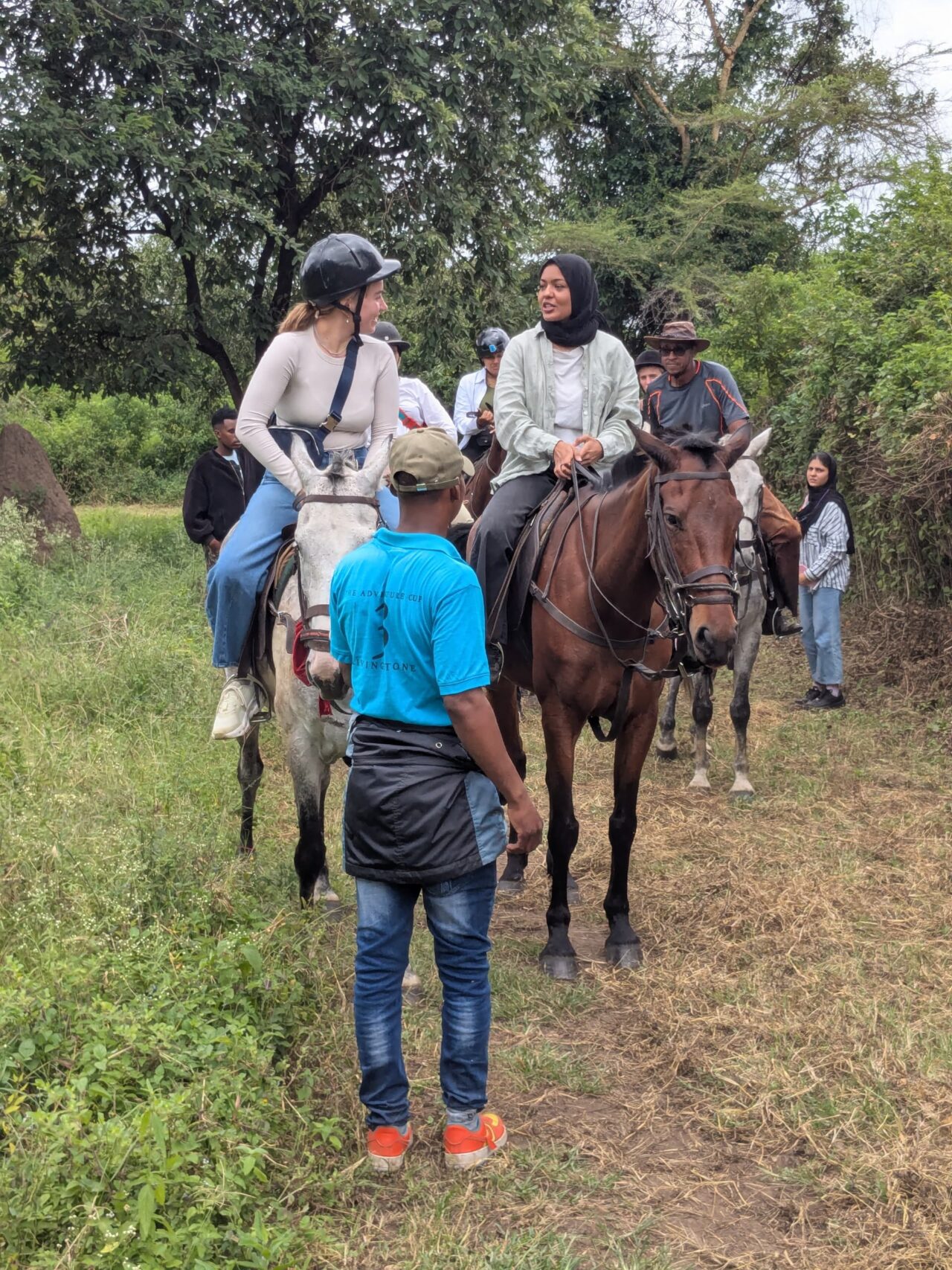
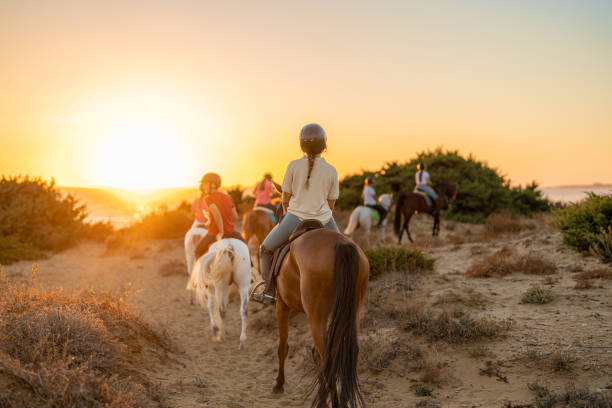
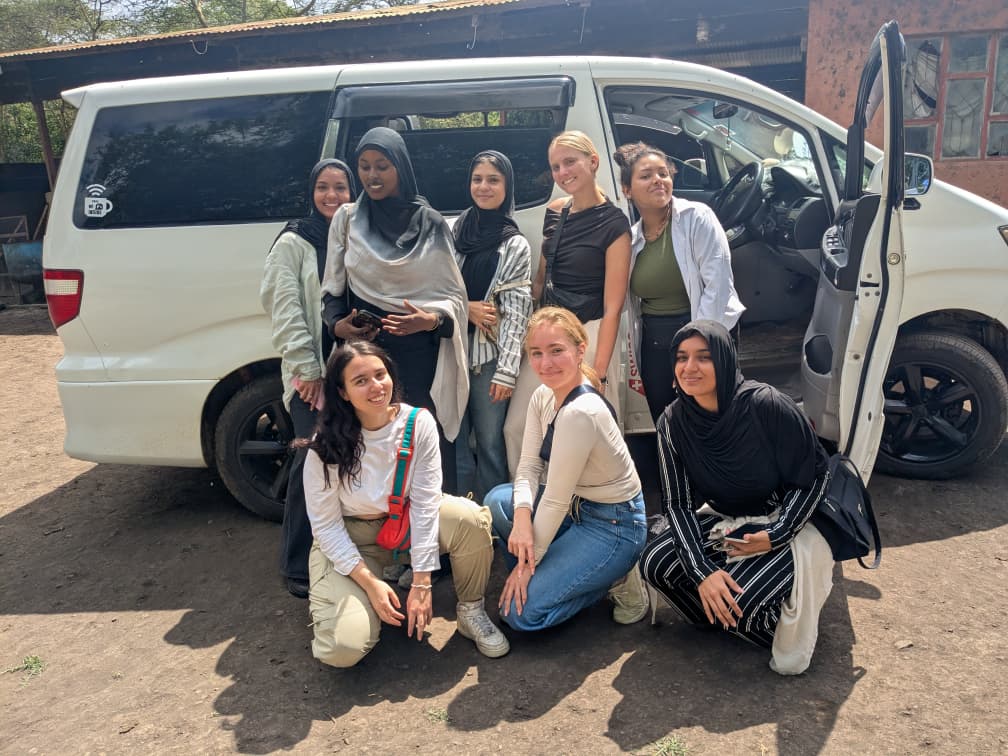
When you picture a Tanzanian adventure, images of vast savannas teeming with wildlife and the majestic silhouette of Mount Kilimanjaro often come to mind. While these are iconic, many travelers in 2026 and 2027 are seeking experiences that offer a different perspective, a deeper connection with the land and its people. Horse riding in Tanzania presents precisely this opportunity, blending the thrill of safari with the grace and intimacy of exploring on horseback. If you’re asking ‘Where can I go horse riding in Tanzania?’, you’re about to discover a side of this incredible country that few tourists experience.
Tanzania offers a surprisingly diverse range of equestrian adventures, catering to various skill levels and interests. From gentle rides through rural villages and coffee plantations to exhilarating treks across open plains with wildlife sightings, there’s a horse riding experience waiting for you. This isn’t just about seeing the landscape; it’s about feeling it, breathing it, and interacting with it in a way that’s both sustainable and profoundly memorable. We’ll guide you through the prime locations, what to expect, and how to plan your unforgettable equestrian journey for your 2026 or 2027 travels.
Horse Riding Near Kilimanjaro: A Majestic Backdrop
Perhaps the most popular and accessible area for horse riding in Tanzania is found on the lower slopes and surrounding foothills of Mount Kilimanjaro. This region offers a unique combination of stunning mountain views, lush agricultural land, and a glimpse into local life.
Riding Through Coffee Plantations and Villages
The fertile slopes of Kilimanjaro are dotted with vibrant coffee plantations and small, traditional villages. Horse riding here allows you to meander through rows of coffee bushes, learn about the cultivation process from local farmers, and experience the warm hospitality of the Chagga people. The trails are generally gentle, making them suitable for riders of all abilities, including beginners and families. You’ll ride past banana groves, local homesteads, and observe daily life unfolding at a relaxed pace. The ever-present, often snow-capped, peak of Kilimanjaro serves as a breathtaking constant backdrop.
These rides typically range from a few hours to a full day. A typical full-day excursion might include a packed lunch enjoyed with a panoramic view of the plains stretching out below. You’ll often have the chance to interact with local communities, perhaps visiting a school or a local market, adding a rich cultural dimension to your ride. The horses are usually well-trained and accustomed to the terrain and the presence of people and other animals.
Wildlife Encounters on Horseback Near Kilimanjaro
While not a traditional safari destination for large game, some operators near Kilimanjaro offer rides in areas where you might encounter smaller wildlife. This could include various bird species, antelopes, or even monkeys. The focus here is more on the scenic beauty and cultural immersion, but the possibility of spotting wildlife adds an extra layer of excitement. These rides often take you through more open areas or along riverbeds, providing different perspectives of the environment.
Planning Your Kilimanjaro Horse Riding Trip
Most horse riding activities near Kilimanjaro are based out of towns like Moshi. Numerous tour operators can arrange these excursions. When planning for 2026 or 2027, consider booking in advance, especially if you’re traveling during the peak seasons (June to October and December to February). Many operators offer customisable itineraries, so you can discuss your experience level and desired duration.
Cost Guidance: A half-day horse riding trip near Kilimanjaro typically ranges from $60 to $120 per person, depending on the operator and inclusions. Full-day rides can cost between $100 to $200 per person. Prices often include the horse, guide, and lunch.
The Maasai Steppe: Riding with Wildlife
For a more adventurous and wildlife-focused horse riding experience, the Maasai Steppe, located east of Arusha and south of Mount Meru, is unparalleled. This vast, semi-arid grassland is the ancestral home of the Maasai people and offers incredible opportunities for riding alongside plains game.
Riding Through the Heart of Maasai Country
Here, horse riding is not just a tourist activity; it’s a traditional mode of transport and a way of life for the Maasai. You’ll ride sturdy, sure-footed horses, often bred and trained by the Maasai themselves. The landscape is characterized by rolling hills, acacia trees, and open plains that stretch to the horizon. The feeling of freedom and the sheer scale of the environment are truly invigorating.
These rides are designed for those who want to experience a genuine safari from a unique vantage point. You’ll often ride with Maasai guides who possess intimate knowledge of the land, its flora, and its fauna. They can track animals, interpret animal behavior, and share insights into Maasai culture and traditions. The emphasis is on respectful wildlife viewing, allowing you to approach animals without disturbing them.
Wildlife Sightings on the Steppe
The Maasai Steppe is home to a rich array of wildlife. While you might not see the sheer density of predators found in some of the more famous national parks, you can expect to encounter herds of zebras, wildebeest, gazelles, impalas, giraffes, and various types of antelopes. With luck and skilled guiding, you might also spot elephants, buffalo, and even big cats like lions and cheetahs from a safe distance. Riding allows for a quieter approach than a vehicle, increasing the chances of surprise encounters.
Multi-day riding expeditions are a specialty in this region. Imagine camping under the stars, with the sounds of the African bush around you, after a day spent exploring on horseback. These longer trips offer a deeper immersion into the wilderness and a chance to cover more ground, discovering hidden waterholes and remote landscapes.
Choosing Your Maasai Steppe Riding Adventure
Several lodges and camps situated on the Maasai Steppe offer horse riding as a primary activity. Some popular starting points include areas near West Kilimanjaro, Ol Donyo Lengai, and various private conservancies. These operations often provide horses suitable for different riding abilities and offer guided rides ranging from a few hours to multi-day treks.
Booking for 2026-2027: The Maasai Steppe is a premier destination for equestrian safaris. For those planning their trips for 2026 and 2027, it’s advisable to book well in advance, particularly for multi-day expeditions. These are often bespoke experiences and require careful logistical planning.
Cost Guidance: Day rides on the Maasai Steppe can range from $100 to $250 per person, often including meals and transfers. Multi-day riding safaris, including accommodation, meals, and all activities, can range from $300 to $700+ per person per day, depending on the level of luxury and exclusivity.
Lake Manyara Region: Riding with a View
The Lake Manyara region, famous for its tree-climbing lions and diverse birdlife, also offers unique horse riding opportunities, particularly from lodges situated on the escarpment overlooking the lake.
Scenic Rides Overlooking the Rift Valley
Riding here provides spectacular panoramic views of Lake Manyara and the Great Rift Valley. The terrain can be varied, including acacia woodlands and open grasslands. These rides are often conducted by lodges that cater to a more upscale clientele, ensuring well-maintained horses and experienced guides.
The advantage of riding in this region is the combination of stunning vistas and the potential for wildlife encounters. While you might not be riding directly within the national park itself (due to regulations), the surrounding areas and conservancies often host a good variety of plains game. Birdwatchers will also find this area particularly rewarding, with numerous species visible from horseback.
Types of Rides Available
Activities typically include guided day rides of varying lengths. Some lodges may offer longer excursions or the possibility of combining horse riding with other activities like walking safaris or game drives in nearby areas. The focus is on enjoying the scenery and the thrill of riding in a wild African setting.
Considerations for 2026-2027 Planning: Accommodation in the Lake Manyara region can book up quickly, especially for prime lodges offering equestrian activities. If horse riding is a key component of your 2026 or 2027 Tanzanian itinerary, securing your preferred lodge and ride dates early is recommended.
Cost Guidance: Horse riding in the Lake Manyara region, often offered as an activity from lodges, can be priced between $80 to $180 per person per ride, typically for a 1-2 hour excursion. Longer rides or multi-day packages will be priced accordingly.
Other Potential Horse Riding Locations
While Kilimanjaro, the Maasai Steppe, and Lake Manyara are the most established areas for horse riding in Tanzania, other regions might offer opportunities, often through specialized camps or lodges.
Private Conservancies and Rural Areas
Tanzania has numerous private conservancies and rural areas where unique lodges are situated. Some of these may offer horse riding as part of their activities, often focusing on a blend of wildlife viewing and cultural interaction. These can be found in various parts of the country, sometimes adjacent to national parks or in more remote wilderness areas.
If you are planning a custom safari for 2026 or 2027 and have a specific interest in horse riding, it’s worth discussing this with a specialized tour operator. They can help identify lodges or camps that can accommodate your request, even if it’s not their primary advertised activity.
What to Expect from Horse Riding in Tanzania
Whether you choose the gentle slopes of Kilimanjaro or the vast plains of the Maasai Steppe, understanding what to expect will help you prepare for a successful and enjoyable experience.
Horse Breeds and Temperaments
The horses used for riding in Tanzania are typically a mix of breeds, often including Arabians, local breeds, and crossbreeds. They are generally chosen for their stamina, sure-footedness, and calm temperament, as they need to be comfortable around wildlife and varying terrain. Many are accustomed to carrying riders of different experience levels.
Skill Levels and Suitability
Most operators cater to a range of skill levels, from complete beginners to experienced riders. Beginner rides focus on gentle paces, basic control, and enjoying the scenery. More experienced riders might be offered opportunities for faster canters or longer treks in more challenging terrain. It’s crucial to be honest about your riding ability when booking to ensure you are matched with the right horse and itinerary.
Wildlife Viewing from Horseback
Horse riding offers a unique way to see wildlife. Horses are perceived as less of a threat by many animals compared to vehicles, allowing for closer, quieter approaches. However, safety is paramount. Guides will always maintain a safe distance from potentially dangerous animals like elephants and buffalo. You are unlikely to gallop through herds of wildebeest as you might see in documentaries; the focus is on respectful, observational wildlife encounters.
Safety and Guides
Safety is a top priority. All reputable horse riding operations employ experienced guides, often with local knowledge of the terrain and wildlife. They will provide safety briefings before each ride, including instructions on how to handle the horse and what to do in different situations. Helmets are usually provided and recommended, though not always mandatory depending on the operator and region.
Essential Safety Tips:
- Always listen to your guide’s instructions.
- Wear appropriate clothing: long trousers (jeans or riding pants), closed-toe shoes (boots are ideal), and a long-sleeved shirt to protect against the sun and insects.
- Bring sunscreen, a hat, and sunglasses.
- Stay hydrated.
- Inform your guide of any medical conditions or concerns.
Planning Your Horse Riding Safari in 2026-2027
Integrating horse riding into your Tanzanian adventure requires careful planning, especially when looking ahead to 2026 and 2027.
Best Time to Visit for Horse Riding
The dry seasons in Tanzania are generally the best times for horse riding, as the ground is firmer and wildlife is often more concentrated around water sources.
- June to October: This is the main dry season, offering pleasant temperatures and clear skies. It’s ideal for both Kilimanjaro foothills and the Maasai Steppe.
- December to February: Another dry period, though it can be hotter. This is also a popular time for tourism.
The green seasons (November and March to May) can be beautiful with lush landscapes, but trails can become muddy and challenging, and wildlife may be more dispersed.
Choosing the Right Operator
Selecting a reputable tour operator is crucial for a safe and enjoyable horse riding experience. Look for companies with:
- Experienced, qualified guides.
- Well-maintained, healthy horses.
- A strong commitment to safety protocols.
- Positive reviews and a good reputation.
- Clear communication regarding inclusions and exclusions.
For personalized advice and booking assistance for your 2026 or 2027 horse riding adventure, consider contacting specialists like Top Guide Adventures. You can reach them via WhatsApp at +255616946642 or email at topguideadventures@gmail.com (backup: info@topguideadventures.com). They can help craft an itinerary that perfectly matches your interests, whether it’s a day ride near Kilimanjaro or a multi-day equestrian safari.
What’s Typically Included?
Most horse riding packages will include:
- The horse and tack.
- An experienced guide.
- Helmets and safety equipment.
- Water during the ride.
- For longer rides or full-day excursions: picnic lunch and transfers to/from the riding location.
What’s typically NOT included:
- Gratuities for guides and staff.
- Personal travel insurance.
- Items of a personal nature.
Customizing Your Experience
The beauty of planning a trip for 2026 or 2027 with a dedicated tour operator is the ability to customize. You can combine horse riding with other Tanzanian highlights:
- Safari: Pair a riding day with game drives in nearby national parks like Tarangire or Serengeti.
- Kilimanjaro Trekking: Enjoy a relaxing horse ride before or after your climb. Explore the Machame Route or other popular treks.
- Zanzibar Holidays: Extend your trip to the Spice Island for a beach getaway.
- Cultural Tours: Integrate village visits and interactions with local communities.
By working with experts, you can ensure that your horse riding adventure fits seamlessly into a broader Tanzanian exploration, creating a truly unique and memorable journey.
The Unique Appeal of Horse Riding in Tanzania
Why choose horse riding over other safari activities? The answer lies in the unparalleled sense of connection and perspective it offers.
A Deeper Connection with Nature
On horseback, you move at a pace that allows you to truly absorb the environment. You hear the rustling of the grass, the calls of birds, the distant sounds of wildlife. You feel the breeze, smell the earth, and see the landscape unfold without the barrier of a vehicle. This intimate connection with nature is profoundly grounding and exhilarating.
Accessing Remote and Unique Areas
Horses can navigate terrain that vehicles cannot, allowing access to more remote and untouched areas. This means exploring hidden valleys, following ancient animal trails, and reaching viewpoints that offer breathtaking vistas, away from the usual tourist paths.
Cultural Immersion
In regions like the Maasai Steppe, riding is often led by Maasai guides who share their deep cultural heritage and connection to the land. This provides an authentic cultural exchange, offering insights into a traditional way of life that has thrived in harmony with the environment for centuries. You can learn about their customs, their relationship with livestock, and their deep understanding of the ecosystem.
Sustainability and Low Impact
Horse riding is an inherently low-impact activity. When conducted responsibly by experienced operators, it poses minimal disturbance to wildlife and the environment. It’s a sustainable way to explore pristine landscapes, aligning with the growing desire for eco-conscious travel in 2026 and 2027.
Frequently Asked Questions About Horse Riding in Tanzania
To help you finalize your plans, here are some common questions about horse riding in Tanzania:
Q1: Is horse riding in Tanzania safe for beginners?
A: Yes, most operators offer beginner-friendly rides on calm, well-trained horses, led by experienced guides. You’ll receive a safety briefing and instruction before you start. Rides are typically at a walk or gentle trot.
Q2: What is the best time of year for horse riding in Tanzania?
A: The dry seasons, from June to October and December to February, are generally best for horse riding due to firmer ground conditions and better wildlife viewing opportunities.
Q3: Can I see the ‘Big Five’ while horse riding?
A: While it’s possible to see elephants, buffalo, and sometimes lions or leopards from a distance on horseback in certain areas (like the Maasai Steppe), it’s not guaranteed and not the primary focus. Horse riding is more about the overall experience of the landscape, smaller wildlife, and cultural immersion. For guaranteed Big Five sightings, traditional game drives are more suitable.
Q4: What should I wear for horse riding in Tanzania?
A: Wear comfortable long trousers (like jeans or riding pants), closed-toe shoes (preferably boots with a small heel), a long-sleeved shirt for sun protection, and a hat. Sunscreen and insect repellent are also recommended.
Q5: How much does horse riding cost in Tanzania?
A: Costs vary widely. Short rides (1-3 hours) can range from $60 to $250 per person. Multi-day riding safaris, including accommodation and meals, can range from $300 to $700+ per person per day. Prices depend on the location, duration, operator, and level of luxury.
Q6: Can I book a custom horse riding safari for 2026 or 2027?
A: Absolutely. Custom itineraries are highly recommended for a tailored experience. Contacting a specialized tour operator like Top Guide Adventures (WhatsApp: +255616946642, Email: topguideadventures@gmail.com) is the best way to arrange a personalized horse riding adventure for your 2026 or 2027 trip.
Your Tanzanian Horse Riding Adventure Awaits
Horse riding in Tanzania offers a unique and deeply rewarding way to experience the country’s diverse landscapes, rich wildlife, and vibrant cultures. Whether you dream of gliding through coffee plantations with Kilimanjaro towering above or exploring the vast, game-filled plains of the Maasai Steppe, there is an equestrian adventure perfectly suited for you.
As you plan your travels for 2026 and 2027, consider incorporating this extraordinary activity into your itinerary. It’s an opportunity to connect with Africa on a more personal level, creating memories that will last a lifetime. For expert advice, custom itinerary planning, and to ensure your horse riding safari is everything you hope for, don’t hesitate to reach out to the specialists.
Let Top Guide Adventures help you plan your perfect Tanzanian horse riding experience. Connect with us today:
WhatsApp: +255616946642
Email: topguideadventures@gmail.com
Backup Email: info@topguideadventures.com
Explore more about Tanzania safaris and tours at Top Best Tanzania Tour operator and follow our adventures on Instagram.



