
Updated planning guide for 2026, 2027
Zanzibar Culture And City Tours: Essential Travel Guide
Discover the vibrant heart of Zanzibar with our in-depth guide to culture and city tours. Learn about Stone Town's history, local life, and essential planning tips for your 2026-2027 adventure.
WhatsApp +255616946642 | topguideadventures@gmail.com | info@topguideadventures.com
Zanzibar Culture and City Tours: Your Ultimate Planning Guide
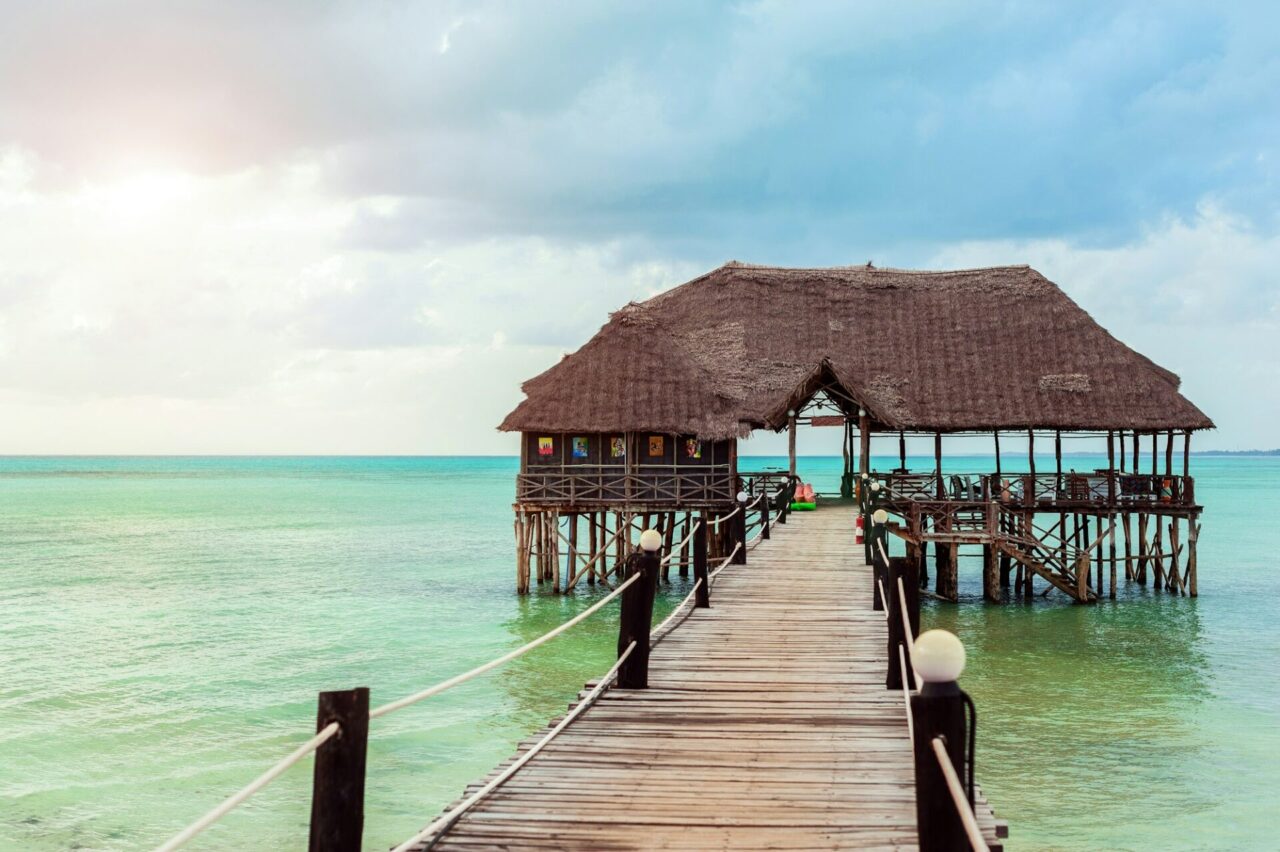
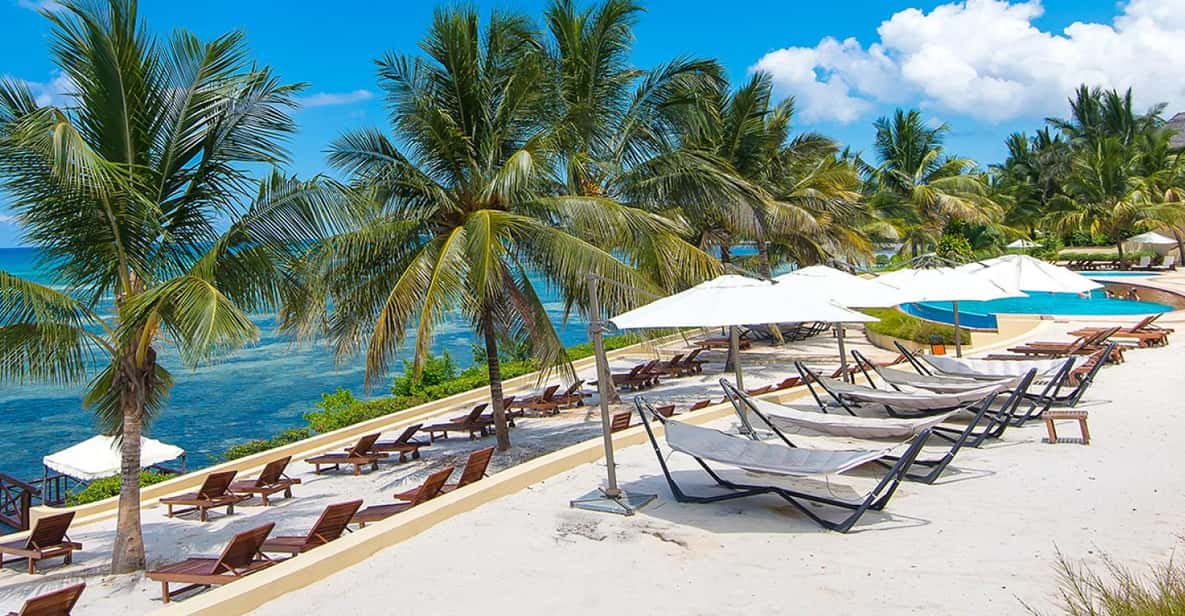
Zanzibar, a semi-autonomous archipelago off the coast of Tanzania, offers a captivating blend of history, culture, and natural beauty. While many visitors are drawn to its pristine beaches and turquoise waters, the true soul of Zanzibar lies within its bustling cities, particularly the UNESCO World Heritage site of Stone Town. Understanding Zanzibar culture and city tours is key to experiencing the island’s rich heritage, from its Swahili roots to its colonial influences. This guide provides an in-depth look at what to expect, how to plan, and what to prioritize for an enriching trip in 2026 and 2027.
Table of Contents
- Quick Facts: Zanzibar Culture & City Tours
- Understanding Zanzibar’s Cultural Tapestry
- Why Zanzibar Culture and City Tours Matter
- Best Time for Zanzibar Culture and City Tours
- Exploring Stone Town: A Step-by-Step Approach
- Must-See Attractions in Stone Town
- Beyond Stone Town: Cultural Experiences Nearby
- What to Expect on a Zanzibar Culture and City Tour
- Preparation and Packing Essentials
- Common Mistakes to Avoid
- Who is This Tour Best Suited For?
- Alternatives to Standard City Tours
- Planning Your Trip for 2026 and 2027
- Booking Your Zanzibar Culture and City Tour
- Frequently Asked Questions
Quick Facts: Zanzibar Culture & City Tours
| Aspect | Details |
|---|---|
| Primary Location | Stone Town, Zanzibar City |
| Key Focus | History, architecture, local life, Swahili culture, spice trade heritage |
| Typical Duration | Half-day to full-day tours, customizable multi-day itineraries |
| Activities | Walking tours, visiting historical sites, markets, spice farms, local interactions |
| Best For | History buffs, culture enthusiasts, photographers, curious travelers |
| Seasonality | Year-round, with drier months (June-October, December-February) being most popular |
| Language | English is widely spoken by guides; Swahili is the local language |
Understanding Zanzibar’s Cultural Tapestry
Zanzibar’s culture is a rich mosaic, shaped by centuries of trade and migration. Its strategic location on ancient maritime routes brought together influences from Africa, Arabia, India, and Europe. This fusion is most evident in Stone Town, where narrow, winding alleys are lined with coral stone buildings, intricately carved wooden doors, and bustling bazaars. The Swahili language, a blend of Bantu and Arabic, is the lingua franca, and Islamic traditions are deeply ingrained, though a spirit of tolerance prevails. Understanding this complex heritage is central to appreciating Zanzibar culture and city tours.
The island’s history is marked by periods of Omani Sultanate rule, British protectorate, and eventually, union with Tanganyika to form Tanzania. Each era has left its indelible mark on the architecture, customs, and social fabric. The legacy of the spice trade, particularly cloves, cinnamon, and nutmeg, is another significant thread, influencing the island’s economy and its fragrant atmosphere.
Why Zanzibar Culture and City Tours Matter
While Zanzibar’s beaches are undeniably beautiful, focusing solely on them means missing out on the island’s profound historical and cultural depth. Zanzibar culture and city tours offer a window into the lives of its people, the stories behind its ancient buildings, and the evolution of its unique identity. A guided tour provides context that you might not find on your own, helping you to:
- Navigate Stone Town’s Labyrinth: The narrow, confusing streets of Stone Town are best explored with a guide who knows the shortcuts and hidden gems.
- Understand Historical Significance: Learn about the slave trade, the spice trade, the sultans, and the colonial era from knowledgeable local guides.
- Appreciate Local Life: Gain insight into daily routines, local markets, traditional crafts, and community interactions.
- Connect with the Culture: Engage with local traditions, sample authentic cuisine, and understand the nuances of Swahili culture.
- Discover Hidden Details: Guides can point out architectural details, historical markers, and cultural practices that are easily overlooked by the untrained eye.
For travelers visiting in 2026 or 2027, a well-planned cultural tour will significantly enhance their overall experience, turning a beach holiday into a truly immersive journey.
Best Time for Zanzibar Culture and City Tours
Zanzibar enjoys a tropical climate, meaning it’s warm year-round. However, certain times are more conducive to comfortable exploration, especially for walking tours in Stone Town.
- Dry Seasons (June to October, December to February): These months offer the most pleasant weather for exploring. Expect sunny days with lower humidity and minimal rainfall. This is peak tourist season, so expect more crowds and higher prices. This is an excellent time for Zanzibar culture and city tours in 2026 and 2027.
- Rainy Seasons (March to May, November): The long rains typically occur from March to May, with heavy downpours. November can also see intermittent showers. While you can still visit, be prepared for rain, and tours might be subject to weather changes. However, this is also a great time for budget travelers, with fewer tourists and lower costs.
Even during the rainy season, mornings are often clear, making it possible to conduct tours. The shoulder months of May and November can offer a good balance of decent weather and fewer crowds.
Exploring Stone Town: A Step-by-Step Approach
Stone Town is a UNESCO World Heritage site and the historical heart of Zanzibar City. Its maze-like streets are best explored on foot. A typical Zanzibar culture and city tour focuses on:
- Introduction to Stone Town: Begin at a central point, often near the Old Fort or House of Wonders, to get an overview of the town’s layout and history.
- Architectural Walk: Wander through the narrow alleys, admiring the unique blend of Swahili, Arab, Indian, and European architectural styles. Look for the famous carved wooden doors, a symbol of status and identity.
- Historical Sites: Visit key landmarks such as the House of Wonders (exterior view due to ongoing renovations), the Old Fort, the Old Slave Market site, and the Anglican Cathedral.
- Local Markets: Experience the vibrant atmosphere of the Darajani Market, where locals shop for fresh produce, spices, fish, and household goods. This is a sensory experience, offering a glimpse into daily life.
- Cultural Immersion: Explore areas where local artisans work, visit small mosques (from the outside, respecting prayer times), and learn about Swahili customs and traditions.
- Spice Souvenirs: The tour might conclude near shops selling spices and local crafts, allowing you to purchase souvenirs.
Most guided tours last between 2 to 4 hours. For a deeper understanding, consider a multi-day exploration or combining a Stone Town tour with other activities.
Must-See Attractions in Stone Town
While a guided tour will cover many highlights, here are some key sites you should look out for during your Zanzibar culture and city tours:
- The House of Wonders (Beit al-Ajaib): Once the largest and grandest building in Stone Town, it served as a ceremonial palace. While currently closed for renovation, its impressive facade is still a sight to behold.
- The Old Fort (Ngome Kongwe): Built by the Omanis in the 17th century, this stone structure has served various purposes, including defense and later as a venue for cultural events.
- The Palace Museum (Old Sultan’s Palace): Offers a glimpse into the lives of Zanzibar’s sultans, displaying royal artifacts and furniture.
- The Old Slave Market & Anglican Cathedral: A somber but important site, marking the place where slaves were once traded. The cathedral was built on the site of the last slave market.
- Darajani Market: The main public market, a bustling hub of activity offering a true taste of local life.
- Forodhani Gardens: Especially vibrant in the evening, this waterfront area transforms into a popular food market where you can sample local delicacies.
- Forodhani House: A beautiful example of Omani architecture.
- The Freddie Mercury House: For music fans, a visit to the childhood home of the legendary Queen frontman is a must.
- Curio Shops and Carved Doors: Keep an eye out for the incredibly detailed wooden doors, each with its own story and symbolism.
Beyond Stone Town: Cultural Experiences Nearby
While Stone Town is the cultural nucleus, Zanzibar offers other enriching experiences that complement your Zanzibar culture and city tours:
- Spice Farms Tour: Essential for understanding Zanzibar’s history and economy. You’ll see, smell, and taste a variety of spices and tropical fruits, often including a local lunch.
- Prison Island (Changuu Island): Known for its giant tortoises and historical quarantine station, it offers a mix of nature and history.
- Jozani Forest: Home to the endangered Red Colobus monkeys, this is a great opportunity to see native wildlife in its natural habitat.
- Local Village Visits: Arranged tours can take you to smaller villages to witness traditional life, learn about local crafts, and interact with the community respectfully.
- Cooking Classes: Learn to prepare authentic Zanzibari dishes, a delicious way to immerse yourself in the local cuisine.
Sample Half-Day Stone Town Cultural Tour Itinerary
This is a typical itinerary for a 3-4 hour walking tour:
| Time | Activity | Notes |
|---|---|---|
| 09:00 AM | Meet your guide at a designated point (e.g., Old Fort). | Introduction to Stone Town’s history and layout. |
| 09:15 AM | Walk through the narrow streets. | Focus on architectural styles and unique doors. |
| 09:45 AM | Visit the Anglican Cathedral and former Slave Market site. | Learn about the historical significance. |
| 10:30 AM | Explore the Palace Museum (exterior) and House of Wonders (exterior). | Discuss their former roles. |
| 11:00 AM | Wander through Darajani Market. | Experience local commerce and daily life. |
| 11:45 AM | Visit the Old Fort. | Explore its grounds and learn about its history. |
| 12:30 PM | Optional: Visit Freddie Mercury House (exterior). | For music enthusiasts. |
| 01:00 PM | Tour concludes near Forodhani Gardens or shops. | Opportunity for souvenir shopping or lunch. |
What to Expect on a Zanzibar Culture and City Tour
A well-organized Zanzibar culture and city tour is designed to be informative, engaging, and safe. Here’s what you can generally anticipate:
- Knowledgeable Guides: Reputable tour operators employ local guides who are passionate about their island’s history and culture. They often speak excellent English and can answer a wide range of questions.
- Walking Intensive: Stone Town is a pedestrian-only zone. Be prepared for a lot of walking on uneven surfaces and through narrow passages. Comfortable shoes are essential.
- Sensory Experience: Expect a feast for the senses – the calls to prayer, the aroma of spices, the vibrant colors of fabrics in the markets, and the chatter of local life.
- Heat and Humidity: Zanzibar is hot and humid. Tours often start in the morning to avoid the peak heat. Stay hydrated and wear light clothing.
- Respectful Interaction: Guides will advise on cultural etiquette, such as dressing modestly when visiting religious sites or passing through residential areas.
- Opportunities for Interaction: While guides lead the tour, there will be moments to interact with local vendors, artisans, and residents.
- Flexibility: Many tours can be customized to your interests, whether you’re more focused on history, architecture, or local markets.
Preparation and Packing Essentials
To make the most of your Zanzibar culture and city tours, proper preparation and packing are crucial.
Packing Checklist for City & Cultural Tours:
- Comfortable Walking Shoes: Essential for navigating Stone Town’s uneven streets.
- Lightweight, Breathable Clothing: Cotton or linen fabrics are ideal for the heat and humidity. Pack long sleeves and trousers/skirts to protect from the sun and for modesty.
- Sun Protection: A wide-brimmed hat, sunglasses, and high SPF sunscreen.
- Reusable Water Bottle: Stay hydrated. Many hotels and tour operators can refill it.
- Light Scarf or Shawl: Useful for women to cover shoulders if needed, especially when visiting religious sites.
- Insect Repellent: Especially important if your tour extends into the evening or if you plan to visit nearby natural areas.
- Small Backpack or Day Bag: To carry essentials like water, sunscreen, camera, and any small purchases.
- Camera: To capture the stunning architecture and vibrant scenes. Ensure you ask permission before photographing people.
- Hand Sanitizer: For hygiene, especially before eating.
- Cash (Tanzanian Shillings/USD): For small purchases, tips, or optional activities.
Preparation Tips:
- Book in Advance: Especially for popular tours or during peak season (2026, 2027).
- Research Your Tour Operator: Choose reputable companies with good reviews.
- Learn Basic Swahili Phrases: A few words like ‘Jambo’ (Hello), ‘Asante’ (Thank you), and ‘Karibu’ (Welcome) are appreciated.
- Understand Local Customs: Be aware of dress codes and respectful behavior, particularly during prayer times or in religious areas.
- Get Travel Insurance: Always recommended for any international trip.
Common Mistakes to Avoid
To ensure a smooth and enjoyable experience, be aware of these common pitfalls:
- Not Hiring a Guide: Trying to navigate Stone Town alone can be frustrating and you’ll miss out on crucial context.
- Overpacking: Stick to essentials. You’ll be walking a lot, and carrying heavy bags is uncomfortable in the heat.
- Underestimating the Heat: Not drinking enough water or wearing inappropriate clothing can lead to dehydration and heatstroke.
- Ignoring Cultural Norms: Dress modestly and be mindful of local customs to show respect.
- Falling for Scams: Be wary of overly persistent touts or offers that seem too good to be true. Stick with your booked guide or reputable establishments.
- Not Allowing Enough Time: Stone Town’s charm is in its details. Rushing through a tour means you won’t truly appreciate it.
- Not Carrying Small Change: For small purchases or tips, having local currency or small USD bills is helpful.
- Photographing People Without Permission: Always ask before taking close-up photos of individuals.
Who is This Tour Best Suited For?
Zanzibar culture and city tours are ideal for a wide range of travelers:
- History Enthusiasts: Those fascinated by the island’s rich past, from ancient trade routes to colonial influences.
- Culture Vultures: Travelers eager to understand local traditions, Swahili life, and the unique cultural fusion of Zanzibar.
- Architecture Aficionados: Individuals who appreciate unique historical buildings, intricate carvings, and distinct urban landscapes.
- Photographers: Stone Town offers endless photographic opportunities, from its labyrinthine alleys to its vibrant street life.
- Curious Explorers: Anyone who wants to go beyond the beaches and discover the authentic heart of Zanzibar.
- First-Time Visitors: A guided tour is the perfect introduction to the island’s history and culture.
- Travelers Planning for 2026/2027: Those looking to add depth and meaning to their upcoming island getaway.
While generally suitable for most fitness levels, it’s important to note the walking involved. Travelers with significant mobility issues might find parts of Stone Town challenging, though accessible routes can sometimes be arranged.
Alternatives to Standard City Tours
If a traditional walking tour doesn’t quite fit your style, consider these alternatives:
- Self-Guided Exploration: While challenging, you can explore Stone Town independently, perhaps with a good map and a willingness to get lost. However, you’ll miss the invaluable insights a guide provides.
- Themed Tours: Look for specialized tours focusing on specific aspects like architecture, culinary experiences, or the history of the slave trade.
- Evening Food Market Tour: Focus on the culinary scene at Forodhani Gardens, sampling local street food and learning about Zanzibari cuisine.
- Photography Tours: Led by photographers, these tours focus on capturing the best light and angles of Stone Town.
- Local Craft Workshops: Some tours may include visits to artisan workshops where you can see crafts being made and perhaps even try your hand.
- Combining with Other Activities: Integrate a shorter Stone Town visit into a longer day trip that might include a spice farm or Jozani Forest.
Planning Your Trip for 2026 and 2027
Planning ahead is crucial for a successful trip, especially if you’re targeting popular travel years like 2026 and 2027. Here’s how to approach it:
2026-2027 Zanzibar Planning Timeline
| Timeframe | Action |
|---|---|
| 12+ Months Out | Research destinations and ideal travel times. Consider booking flights if prices are good. Identify potential tour operators. |
| 6-9 Months Out | Book accommodation, especially if traveling during peak season (June-Oct, Dec-Feb). Book popular tours or activities, including Zanzibar culture and city tours. Confirm visa requirements. |
| 3-4 Months Out | Finalize your itinerary. Purchase travel insurance. Arrange any necessary vaccinations. Start learning basic Swahili phrases. |
| 1 Month Out | Confirm all bookings. Pack your bags, focusing on light, breathable clothing. Inform your bank of your travel dates. Download offline maps if needed. |
| 1-2 Weeks Out | Exchange some currency. Finalize your packing list. Check weather forecasts. |
| During Your Trip | Stay hydrated, be respectful of local culture, be open to new experiences, and enjoy your Zanzibar culture and city tours! |
Booking your tours and accommodation well in advance for 2026 and 2027 will give you the best choices and potentially better rates. Consider visiting during the shoulder seasons (e.g., May or November) for a more relaxed experience and fewer crowds.
Booking Your Zanzibar Culture and City Tour
Choosing the right tour operator is vital for an authentic and well-organized experience. Here’s how to go about it:
- Research Reputable Operators: Look for companies that specialize in Zanzibar and have positive reviews on platforms like TripAdvisor or Google. Companies like Best Tanzania Tour Operator are well-regarded for their local expertise.
- Check Inclusions: Understand what your tour package includes. Is it just a guide, or does it include entrance fees, transportation, or meals?
- Ask About Guide Qualifications: Ensure guides are local, knowledgeable, and licensed.
- Consider Customization: If you have specific interests, ask if the tour can be tailored.
- Read Reviews Carefully: Pay attention to comments about the guide’s knowledge, punctuality, and ability to engage travelers.
- Direct Communication is Key: Contact operators directly to ask questions. A prompt and informative response is a good sign.
When booking your Zanzibar culture and city tours, remember that while it’s tempting to find the cheapest option, quality and authenticity often come with a slightly higher price tag. Investing in a good guide significantly enhances your understanding and enjoyment of the island’s rich heritage.
Frequently Asked Questions
FAQs About Zanzibar Culture and City Tours
What is the best way to experience Zanzibar culture and city tours?
The most effective way is by taking a guided walking tour of Stone Town with a knowledgeable local guide. This allows you to navigate the complex streets, understand the historical context of the buildings, and learn about daily life and traditions.
Is Stone Town safe for tours?
Stone Town is generally considered safe for tourists, especially when on organized tours. However, like any busy urban area, it’s wise to be aware of your surroundings, keep valuables secure, and avoid walking alone in deserted alleys late at night. Stick with your guide during tours.
How long should a Stone Town tour last?
A typical introductory Stone Town walking tour lasts between 2 to 4 hours. This allows enough time to cover the main historical sites, markets, and architectural highlights without feeling rushed.
What should I wear on a cultural tour in Zanzibar?
Lightweight, breathable clothing is recommended due to the heat and humidity. For cultural sensitivity, it’s advisable to wear modest attire, covering your shoulders and knees, especially when visiting sensitive areas or markets. Comfortable walking shoes are essential.
Can I customize a Zanzibar culture and city tour?
Yes, many tour operators, including those specializing in Tanzania, offer customizable tours. You can often tailor the itinerary to focus on your specific interests, such as architecture, history, or local cuisine.
What is the best time of year for Zanzibar culture and city tours in 2026 or 2027?
The dry seasons, from June to October and December to February, offer the most comfortable weather for exploring Stone Town on foot. However, tours are possible year-round, with the shoulder seasons (May, November) offering fewer crowds.
What currency is used in Zanzibar?
The official currency is the Tanzanian Shilling (TZS). However, US Dollars are widely accepted in tourist areas, hotels, and for tours. It’s useful to have small denominations of both for various purchases.
Do I need a visa for Zanzibar?
Zanzibar is part of Tanzania. Most nationalities require a visa to enter Tanzania, which can often be obtained on arrival or applied for in advance online or at a Tanzanian embassy. Check the latest requirements for your nationality well before your 2026 or 2027 trip.
Is tipping customary for guides?
Tipping is customary and appreciated for good service. Your tour operator can advise on appropriate amounts, but generally, a tip for your guide and driver (if applicable) is expected at the end of a tour or safari.
What’s the difference between Zanzibar City and Stone Town?
Stone Town is the historic heart of Zanzibar City. Zanzibar City is the capital of the Zanzibar archipelago, and Stone Town is its ancient core, a UNESCO World Heritage Site known for its unique architecture and rich history. Most cultural and city tours focus specifically on Stone Town.
Plan Your Unforgettable Zanzibar Culture and City Tour
Zanzibar culture and city tours offer a profound connection to the island’s soul, moving beyond its famed beaches to explore its rich history, vibrant present, and unique heritage. Whether you’re planning for 2026, 2027, or any year, immersing yourself in Stone Town’s alleys and understanding its cultural tapestry will undoubtedly be a highlight of your Tanzanian adventure.
Ready to experience the magic of Zanzibar? Let us help you craft the perfect itinerary. We specialize in creating authentic and memorable travel experiences across Tanzania, including in-depth cultural explorations of Zanzibar.
Contact us today to start planning your bespoke Zanzibar culture and city tour:
- WhatsApp: +255616946642
- Email: topguideadventures@gmail.com
- Backup Email: info@topguideadventures.com
We look forward to helping you discover the best of Zanzibar!
Plan your Zanzibar culture and city tours with Top Guide Adventures
Tell us your travel dates, group size, comfort level, and dream experience. We will help you shape a clear, realistic, and memorable Tanzania itinerary.







 Veedesigner
 Fatma Kizanga
 Benjamin Waryuba
 Philip Philip
 John jr Itaja
 Antonia Optatus
 Edith Kanyere
 Neema Iddy
 Kelvin Boniphace
 Damari Maiga



