
Updated planning guide for 2026, 2027
Zanzibar Food Guide: What To Eat In Complete Travel
Explore the rich culinary landscape of Zanzibar. This comprehensive guide covers must-try dishes, local delicacies, dining experiences, and practical tips for food lovers visiting the Spice Island.
WhatsApp +255616946642 | topguideadventures@gmail.com | info@topguideadventures.com
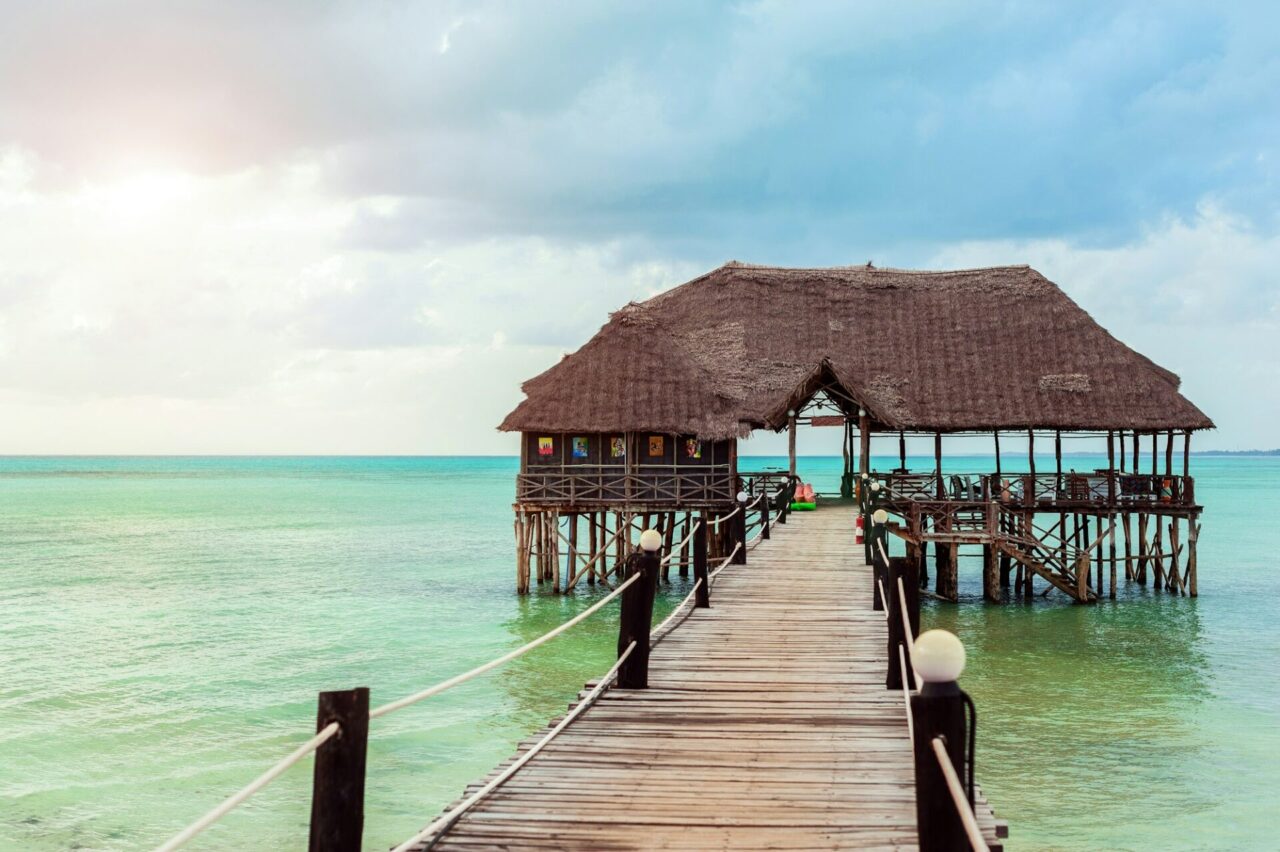

Zanzibar Food Guide: What to Eat in Zanzibar
Zanzibar, the fabled Spice Island off the coast of Tanzania, is a destination that tantalizes more than just the eyes. Its history, shaped by Arab, Indian, European, and African influences, is deliciously etched into its cuisine. From the bustling night markets of Stone Town to secluded beachside eateries, a culinary adventure awaits. This guide will walk you through the essential flavors and experiences, ensuring your Zanzibar food guide is as rich and memorable as the island itself.
Quick Answer: What is Zanzibar Famous For Food-Wise?
Zanzibar is famous for its aromatic spices, fresh seafood, tropical fruits, and a unique blend of Swahili, Indian, and Arab flavors. Key dishes include spiced pilau, Zanzibar pizza, grilled seafood, octopus curry, and a variety of fruit-based desserts and drinks.
Zanzibar Food Quick Facts
| Primary Influences: | Swahili, Arab, Indian, Persian, Portuguese, African |
| Key Ingredients: | Spices (cloves, cinnamon, cardamom, nutmeg), coconut milk, seafood, rice, tropical fruits |
| Must-Try Dish Categories: | Curries, Rice Dishes, Seafood, Street Food, Sweets |
| Famous Spice: | Cloves |
| Iconic Drink: | Zanzibar Mix (Masala Chai variation) |
The Culinary Heartbeat of Zanzibar: An Overview
Zanzibar’s food scene is a vibrant reflection of its storied past. Historically, it was a crucial hub for the spice trade, which explains the generous use of fragrant spices in its cooking. Arab traders brought their love for rice dishes and rich curries, while Indian merchants introduced diverse spice blends and lentil preparations. The indigenous Swahili culture provides a foundation of fresh ingredients, coconut milk, and a love for grilled meats and seafood. This fusion creates a palate that is both familiar and excitingly exotic.
For travelers planning a visit in 2026 or 2027, understanding this culinary heritage is key to appreciating the depth of flavors you’ll encounter. It’s not just about eating; it’s about experiencing a culture through its most accessible and enjoyable medium.
Why Zanzibar’s Food is a Must-Experience
Beyond the stunning beaches and historical sites, the food in Zanzibar offers a unique lens through which to view the island’s identity. It’s an integral part of the travel experience, connecting you directly with local life and traditions. The abundance of fresh, locally sourced ingredients – from the ocean’s bounty to the fruits grown on spice plantations – means that every meal can be a celebration of freshness and flavor.
Whether you’re a seasoned foodie or simply looking to enjoy delicious meals, Zanzibar promises a gastronomic journey that complements its natural beauty. The warmth of the people often extends to their kitchens, offering a genuine taste of hospitality.
Best Time to Visit for Foodies
| Dry Seasons (June-October, December-February): | Ideal for exploring markets and street food without heavy rain. Fruits are generally abundant. Seafood is available year-round but often best when seas are calmer. |
| Rainy Seasons (March-May, November): | Fewer tourists, potentially lower prices. Some seasonal fruits might be more prominent. Street food can be more challenging during heavy downpours. |
A Taste of Zanzibar: Must-Try Dishes and Delicacies
This section forms the core of your Zanzibar food guide, detailing the specific dishes you absolutely must seek out.
1. Seafood Extravaganza
Given its island status, seafood is king. Expect incredibly fresh catches daily, prepared with local flair.
- Grilled Fish: Often snapper, kingfish, or barracuda, simply grilled over charcoal with lemon and spices. A beachside staple.
- Lobster and Prawns: Succulent and often served grilled or in rich coconut curries.
- Octopus Curry (Pweza wa Nazi): A signature dish. Tender octopus slow-cooked in a fragrant coconut milk and spice sauce.
- Tuna Steak: Freshly caught tuna, often grilled to perfection.
2. Rice and Spice: The Swahili Staples
Rice is a fundamental part of Swahili cuisine, often infused with spices and served as a main course or side.
- Pilau: A fragrant rice dish cooked with meat (beef, chicken, or goat), spices (cardamom, cloves, cinnamon, cumin), onions, and sometimes potatoes. It’s a celebratory dish.
- Biryani: Influenced by Indian cuisine, this layered rice dish is rich with spices, meat, and sometimes vegetables.
- Kuku Paka (Chicken in Coconut Sauce): Tender chicken pieces simmered in a creamy, spiced coconut milk sauce.
- Mchuzi wa Pweza (Octopus Stew): A lighter, broth-based octopus stew, often seasoned with tamarind and spices.
3. Street Food Sensations
Zanzibar’s street food scene, especially in Stone Town, is legendary. It’s where you can taste authentic, quick, and affordable local flavors.
- Zanzibar Pizza: Not a pizza in the Italian sense. It’s a savory crepe filled with minced meat, egg, onions, and spices, folded and grilled. Sweet versions with banana and chocolate also exist. A must-try at Forodhani Gardens.
- Mishkaki: Skewers of marinated meat (beef, chicken, or goat) grilled over charcoal. Often served with a side of kachumbari (tomato and onion salad).
- Samosas: Crispy fried pastries filled with spiced meat or vegetables.
- Mandazi: Light, fluffy, slightly sweet fried doughnuts. Perfect with a cup of chai.
- Chipsi Mayai: A popular street food omelet with french fries mixed in.
4. Fruits and Desserts
The tropical climate yields an abundance of delicious fruits, often incorporated into sweets and drinks.
- Fresh Tropical Fruits: Mangoes, papayas, pineapples, jackfruit, passion fruit, and bananas are plentiful and incredibly sweet.
- Urojo (Zanzibar Soup): A tangy, flavorful soup made with coconut milk, tamarind, potatoes, and often served with shredded beef or bhajias (fritters).
- Swaidi: A sweet, often coconut-based pudding or dessert.
- Halua: A sweet, dense pudding made from semolina, nuts, and spices, often found in Indian-influenced eateries.
5. Drinks to Quench Your Thirst
- Zanzibar Mix (Masala Chai): A strong, spiced black tea brewed with milk, sugar, and a blend of aromatic spices like cardamom, ginger, and sometimes chili.
- Fresh Fruit Juices: Made from the abundant local fruits, a refreshing option.
- Bao: A traditional game played with seeds or stones, but the name also refers to a sweet, often coconut-based drink.
- Tamarind Juice: A sweet and tangy drink made from tamarind pulp.
Where to Eat in Zanzibar: Experiencing Local Flavors
Your Zanzibar food guide wouldn’t be complete without knowing where to find these culinary treasures.
Stone Town: The Culinary Hub
Stone Town is a UNESCO World Heritage site and a vibrant center for food exploration.
- Forodhani Gardens Night Market: This is the quintessential Zanzibar food experience. As dusk falls, the waterfront park transforms into a bustling market with dozens of stalls selling everything from grilled seafood and Zanzibar pizzas to sugarcane juice and exotic fruits. It’s lively, a bit chaotic, and utterly delicious. Go with an open mind and try a bit of everything.
- Local Restaurants (Hoteli): Look for small, unassuming eateries frequented by locals. These often serve authentic Swahili dishes at very reasonable prices. Ask your guide or hotel for recommendations.
- Spice Restaurants: Many restaurants in Stone Town offer spice-themed menus, allowing you to sample dishes that highlight the island’s famous produce.
- Cafes: Several cafes offer a more relaxed setting for coffee, tea, light snacks, and some local dishes.
Beyond Stone Town: Beachside Delights and Island Flavors
While Stone Town is the main event, other parts of the island offer distinct culinary experiences.
- Nungwi and Kendwa: Popular beach destinations with numerous restaurants ranging from casual beach shacks to more upscale establishments. Freshly grilled fish and seafood platters are common.
- Paje and Jambiani: Known for their laid-back vibe, these villages have restaurants that often focus on fresh seafood, curries, and local Swahili specialties. Some resorts offer cooking classes.
- Local Villages: Venturing into smaller villages can lead to discovering authentic home-style cooking, often arranged through local guides or homestays.
A Sample Zanzibar Food Itinerary (3 Days)
Here’s a possible itinerary to maximize your culinary exploration, perfect for planning your 2026 or 2027 trip.
Day 1: Stone Town Immersion
- Morning: Explore a local market in Stone Town, perhaps Darajani Market, to see the fresh produce and spices.
- Lunch: Enjoy a local “hoteli” for authentic Swahili dishes like Pilau or Kuku Paka.
- Afternoon: Visit a spice farm for a guided tour and tasting of local fruits and spices.
- Evening: Experience the Forodhani Gardens Night Market. Sample Zanzibar pizza, mishkaki, fresh seafood, and local juices.
Day 2: Coastal Flavors
- Morning: Travel to a coastal village (e.g., Paje).
- Lunch: Enjoy a fresh seafood lunch at a beachside restaurant – grilled fish or octopus curry.
- Afternoon: Relax on the beach or try a local cooking class focusing on Swahili cuisine.
- Evening: Dinner at a local restaurant in the village, perhaps trying a different seafood preparation or a spicy chicken dish.
Day 3: Sweet Endings and Spice Exploration
- Morning: Revisit Stone Town for any missed street food delights or try a local cafe for Mandazi and Zanzibar Mix.
- Lunch: A final taste of a favorite dish or try Urojo soup.
- Afternoon: Enjoy seasonal fruits from a local vendor.
- Evening: Farewell dinner at a restaurant offering a refined take on local cuisine.
Spice Tours: A Deeper Dive into Zanzibar’s Flavors
No Zanzibar food guide is complete without mentioning the spice tours. These excursions are not just about seeing where spices grow; they are sensory experiences.
You’ll learn about the cultivation and uses of cloves, nutmeg, cinnamon, cardamom, vanilla, pepper, and more. Many tours include tasting sessions where you can sample fresh fruits, chew on sugarcane, and taste dishes prepared with the spices you’ve just learned about. Some tours even offer a traditional Swahili lunch as part of the experience.
Tips for Spice Tours:
- Choose a Reputable Operator: Your tour operator can arrange authentic and informative spice tours.
- Go with an Open Mind: Be ready to taste, smell, and learn.
- Ask Questions: Engage with your guide about the history and uses of each spice.
- Bring Cash: For any spices or local crafts you might wish to purchase.
Planning Your Culinary Journey for 2026-2027
When planning your trip for 2026 or 2027, consider these food-centric aspects:
- Dietary Needs: While fresh ingredients are abundant, communicating specific dietary requirements (vegetarian, vegan, allergies) can sometimes be challenging outside major tourist hubs. It’s wise to learn a few basic Swahili phrases or have them written down.
- Seasonality: Tropical fruits have peak seasons. If you’re a fruit lover, research the best times for specific fruits like mangoes or durian.
- Budget: Street food and local “hotelis” are very affordable. Mid-range restaurants are plentiful, and high-end dining is available, especially in resorts.
- Pace Yourself: Zanzibar’s food is rich and flavorful. Don’t try to eat everything on the first day!
Zanzibar Foodie Planning Checklist
- [ ] Research key Zanzibari dishes.
- [ ] Book a reputable spice farm tour.
- [ ] Identify potential restaurants in Stone Town and beach areas.
- [ ] Learn a few basic Swahili food phrases.
- [ ] Prepare a list of dietary restrictions if applicable.
- [ ] Allocate budget for street food, local eateries, and potential cooking classes.
- [ ] Pack light, breathable clothing suitable for warm weather and dining out.
- [ ] Consider travel insurance covering food-related incidents.
- [ ] Check local market days for unique finds.
- [ ] Plan for hydration – fresh juices and water are essential.
Common Mistakes to Avoid
To ensure your culinary exploration is smooth and enjoyable, be aware of these common pitfalls.
- Sticking Only to Resort Food: While resort food can be good, you’ll miss out on the authentic flavors of Zanzibar.
- Being Afraid of Street Food: Forodhani Gardens is generally safe and hygienic for street food, especially if you choose stalls with high turnover. Look for busy, popular spots.
- Not Trying the Spices: Zanzibar is the Spice Island! Don’t miss opportunities to taste and learn about its famous spices.
- Underestimating Portion Sizes: Especially at local “hotelis,” portions can be generous.
- Ignoring Local Recommendations: Ask locals and your tour guides for their favorite food spots – they often lead to the best discoveries.
- Not Staying Hydrated: The tropical heat can be intense. Drink plenty of water and fresh juices.
Who is This Food Guide For?
This Zanzibar food guide is for:
- Food Enthusiasts: Those who travel to experience local cuisine and flavors.
- Cultural Explorers: Travelers interested in understanding a destination through its food traditions.
- Budget Travelers: Those looking for delicious and affordable street food and local eateries.
- Luxury Travelers: Those seeking high-quality seafood and refined dining experiences with local influences.
- First-Time Visitors: Anyone new to Zanzibar who wants a comprehensive overview of what to eat.
- Families: With a wide variety of mild to spicy options, there’s something for most palates.
Alternatives to the Typical Zanzibar Food Experience
While the classic dishes are a must, consider these alternatives:
- Cooking Classes: Many resorts and local operators offer hands-on cooking classes where you can learn to prepare Swahili dishes yourself. This is an immersive way to understand the ingredients and techniques.
- Farm-to-Table Dining: Some establishments focus on hyper-local, seasonal ingredients, offering a refined take on island produce.
- Fusion Restaurants: Beyond traditional Swahili, you’ll find restaurants blending Zanzibari flavors with international influences, offering a unique culinary fusion.
Booking Your Zanzibar Culinary Adventure
To truly make the most of your Zanzibar food journey, it’s best to plan and book certain aspects in advance, especially for trips in 2026 and 2027.
Planning Your Trip
When you’re ready to plan your trip, consider working with a local tour operator who understands the island’s culinary landscape. They can help arrange:
- Custom Itineraries: Tailored to your food interests, including spice tours, market visits, and dining reservations.
- Authentic Experiences: Connecting you with local chefs, home cooks, and food vendors.
- Guided Food Tours: Expert-led tours in Stone Town or other areas.
- Accommodation: Recommending hotels with great dining or access to local food spots.
When to Book
For popular travel times in 2026 and 2027, especially during peak seasons (June-October, December-February), it’s advisable to book your main tours and accommodations at least 3-6 months in advance. For specific culinary experiences like private cooking classes or exclusive dining, booking further ahead might be necessary.
Contact Us for Your Zanzibar Food Adventure
Ready to taste the magic of Zanzibar? We specialize in crafting unforgettable travel experiences in Tanzania, including bespoke Zanzibar holidays focused on its incredible food scene. Let us help you plan your perfect culinary adventure for 2026 or 2027.
Get in touch today:
- WhatsApp: +255616946642
- Email: topguideadventures@gmail.com
- Backup Email: info@topguideadventures.com
Frequently Asked Questions (FAQs)
1. Is Zanzibar food spicy?
Zanzibar cuisine uses a lot of spices for flavor, but it’s not always intensely spicy. Many dishes are rich and aromatic rather than hot. You can often request mild or spicy versions of dishes, especially in tourist-oriented restaurants. Street food can vary, but many popular items like mishkaki are seasoned rather than fiery.
2. What are the must-try fruits in Zanzibar?
Zanzibar is a fruit paradise. Must-tries include incredibly sweet mangoes (especially during mango season), papayas, passion fruit, pineapples, bananas, and jackfruit. Don’t miss trying a fresh juice made from these fruits.
3. Is it safe to eat street food in Zanzibar?
Eating street food in Zanzibar, particularly at the Forodhani Gardens night market, is generally considered safe and is a quintessential experience. The key is to choose busy stalls with high customer turnover, ensuring the food is freshly prepared and cooked. Look for places that appear clean and popular with locals.
4. What is the most famous dish in Zanzibar?
While it’s hard to pick just one, the Zanzibar Pizza is arguably the most famous and unique street food. For main dishes, dishes like Pilau (spiced rice) and Kuku Paka (chicken in coconut sauce), and Octopus Curry (Pweza wa Nazi) are highly iconic and representative of Zanzibari flavors.
5. Can I find vegetarian or vegan options in Zanzibar?
Yes, vegetarian and vegan options are available, though you might need to be specific when ordering. Many dishes are coconut-milk based and can be made without meat. Vegetable curries, lentil dishes (like Dal), and vegetable pilau are common. Confirm ingredients like ghee or fish sauce if you have strict dietary needs.
6. What should I drink in Zanzibar?
The most iconic drink is Zanzibar Mix, a spiced masala chai. Fresh fruit juices made from local produce are incredibly refreshing. Tamarind juice and a sweet coconut-based drink called “Bao” are also worth trying.
7. How much does food cost in Zanzibar?
Food costs vary widely. Street food and meals at local “hotelis” can be very affordable, often costing just a few US dollars. Mid-range restaurants might cost $10-20 per person, while high-end resort dining can be $30+ per person. Prices are generally reasonable for fresh, local ingredients.
8. When is the best time to visit Zanzibar for food experiences in 2027?
The dry seasons (June-October and December-February) are generally best for exploring food markets and street food comfortably. However, the shoulder seasons can also be great, with fewer crowds and potentially different seasonal produce available. For specific fruit seasons, research the months leading up to your 2027 visit.
9. Are there any food tours available in Zanzibar?
Yes, absolutely! Stone Town offers guided food tours that take you to hidden culinary gems, local markets, and street food stalls. Spice farm tours also include food tastings. Your tour operator can arrange these for you.
10. What’s the difference between Zanzibar food and mainland Tanzanian food?
While there’s overlap, Zanzibar’s cuisine has a stronger influence from Arab, Indian, and Persian traders due to its history as a spice trading hub and its proximity to the Arabian Peninsula. This results in more frequent use of coconut milk, richer spice blends, and a greater variety of seafood preparations compared to some mainland dishes.
Conclusion: Savor Every Moment of Your Zanzibar Food Journey
Zanzibar is a destination that nourishes the soul and delights the palate. From the complex aromas of its spices to the fresh catch of the day, its culinary heritage is as rich and captivating as its history. By following this Zanzibar food guide, you’re well on your way to a truly unforgettable gastronomic adventure. Whether you’re planning for 2026 or 2027, make sure to leave plenty of room in your itinerary – and your stomach – for the incredible flavors that await you on the Spice Island.
Ready to plan your culinary exploration of Zanzibar? Contact us to create a custom itinerary that satisfies your taste buds and your wanderlust. We are passionate about showing you the best of Tanzania, from the thrilling safaris to the tranquil beaches and, of course, the delectable food.
Let’s plan your dream Zanzibar trip:
- WhatsApp: +255616946642
- Email: topguideadventures@gmail.com
- Backup Email: info@topguideadventures.com
Plan your Zanzibar Food Guide: What to Eat in Zanzibar with Top Guide Adventures
Tell us your travel dates, group size, comfort level, and dream experience. We will help you shape a clear, realistic, and memorable Tanzania itinerary.







 Veedesigner
 Fatma Kizanga
 Benjamin Waryuba
 Philip Philip
 John jr Itaja
 Antonia Optatus
 Edith Kanyere
 Neema Iddy
 Kelvin Boniphace
 Damari Maiga



