
Updated planning guide for 2026-2027
Zanzibar Transport For Photographers: Complete Travel Guide 2026-2027
Planning a photography trip to Zanzibar? This guide details essential transport options, from private transfers to local buses, ensuring you capture the island's beauty in 2026-2027.
WhatsApp +255616946642 | topguideadventures@gmail.com | info@topguideadventures.com
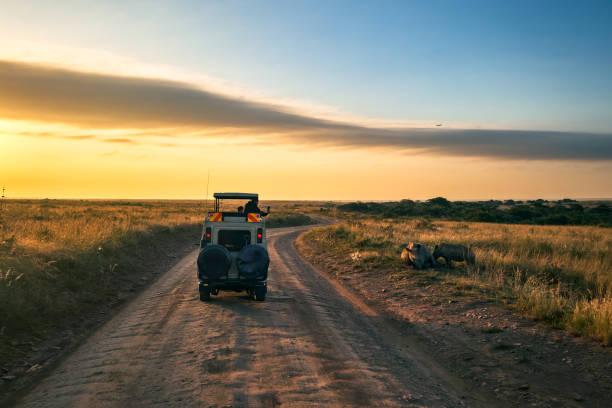

Zanzibar Transport for Photographers: Your Definitive Guide
Zanzibar, the Spice Island, offers a visual feast for any photographer. From its turquoise waters and pristine beaches to the bustling markets of Stone Town and the lush spice plantations, every corner presents a unique frame. However, to effectively capture these scenes, understanding Zanzibar transport for photographers is crucial. Navigating the island efficiently allows you to reach the best locations at the ideal times, ensuring your photographic journey is as rewarding as the images you create. This guide provides an in-depth look at all aspects of getting around Zanzibar, tailored specifically for those with a camera in hand, preparing you for your 2026-2027 adventures.
Table of Contents
- Quick Facts: Zanzibar Transport
- Understanding Zanzibar’s Transport Landscape
- Why Specific Transport Matters for Photographers
- Best Time to Visit Zanzibar for Photography
- Zanzibar Transport Options Explained
- Zanzibar Transport Areas Overview
- Sample Photography Itinerary: 7 Days in Zanzibar
- What to Expect on the Road in Zanzibar
- Packing and Preparation for Photographers
- Common Transport Mistakes to Avoid
- Who is This Transport Guide For?
- Alternatives and Complementary Transport Styles
- Planning Your Transport for 2026-2027
- Booking Your Zanzibar Transport
- Frequently Asked Questions (FAQs)
- Ready to Plan Your Photography Adventure?
| Category | Details |
|---|---|
| Primary Transport Hub | Abeid Amani Karume International Airport (ZNZ), Stone Town Ferry Terminal |
| Most Popular Option for Tourists | Private taxis and pre-booked transfers |
| Budget-Friendly Option | Dala-dalas (local minibuses) |
| Best for Freedom & Flexibility | Rental cars (with caution) or motorcycle/scooter rentals |
| Driving Side | Left |
| Road Conditions | Variable; main roads are generally good, but side roads can be rough, unpaved, and challenging, especially after rain. |
| Typical Travel Speeds | Slow; expect average speeds of 30-50 km/h due to road conditions, traffic, and local driving habits. |
| Essential Documents for Driving | Valid International Driving Permit (IDP) or recognized national license, passport, vehicle registration (if renting). |
Understanding Zanzibar’s Transport Landscape
Zanzibar’s transport network is a blend of modern tourist conveniences and traditional local methods. For visitors, especially those focused on photography, understanding this mix is key to maximizing their time and capturing the island’s essence without unnecessary stress. The island is relatively small, with its main attractions spread across Stone Town, the north coast (Nungwi, Kendwa), the east coast (Paje, Jambiani), and inland spice farms and Jozani Forest. Getting between these points requires careful planning.
The airport (ZNZ) and the ferry terminal in Stone Town are the main entry points. From here, most visitors will need to arrange onward transport to their accommodation, which can range from a few minutes to over an hour away. The roads, while improving, can be unpredictable. Main routes are generally paved, but secondary and tertiary roads often turn into dirt tracks, which can become difficult, especially during the rainy seasons. This unpredictability is a factor photographers must consider, particularly when aiming for specific light conditions or remote locations.
Why Specific Transport Matters for Photographers
For photographers, transport isn’t just about getting from Point A to Point B; it’s about enabling the capture of unique moments. The best light in Zanzibar often occurs during the golden hours – sunrise and sunset. This means you need to be in the right place at the right time, often requiring early morning or late evening journeys. Relying on unreliable public transport can mean missing these critical photographic opportunities.
Furthermore, photographers often carry more gear than the average tourist. This includes camera bodies, multiple lenses, tripods, filters, and potentially drone equipment. This gear requires space and secure storage, making cramped conditions in a local dala-dala or a small rental car less than ideal. Private transport offers the space and security needed for sensitive equipment. It also allows for spontaneous stops when a particular scene catches your eye, a common occurrence for any keen photographer.
Flexibility is another major consideration. You might want to revisit a location at a different time of day, or explore a side road that looks promising. Private drivers are often amenable to such requests, whereas public transport follows fixed routes and schedules. For capturing authentic local life, reaching remote villages, or finding secluded beaches, specialized transport is often the only viable option.
Best Time to Visit Zanzibar for Photography
While Zanzibar is a year-round destination, certain periods offer superior conditions for photography. Understanding these seasons will help you plan your trip to align with your photographic goals.
| Season | Months | Photography Highlights & Considerations |
|---|---|---|
| Dry Season (Long Rains Avoided) | June – October | Clear skies, excellent visibility, comfortable temperatures. Ideal for landscape, seascape, and architectural photography. Less humidity. Beaches are at their best. However, it’s peak tourist season, so popular spots might be crowded. |
| Short Rains | November – December | Intermittent showers, often in the afternoon. Can create dramatic skies and lush landscapes. Fewer tourists. Light can be soft and diffused after rain. Be prepared for wet gear and potential transport disruptions. |
| Long Rains | March – May | Heavy and prolonged rainfall. High humidity. Less ideal for outdoor photography, especially on beaches. Can be good for capturing local life indoors or dramatic stormy seascapes if you’re prepared for the elements. Very low tourist numbers. |
| Hot & Humid Season | January – February | Hot, humid, and generally dry. Great for vibrant colors and beach photography. Sunrise and sunset light can be spectacular. Very popular for tourists, especially around holidays. |
For most photographers aiming for classic Zanzibar shots, the dry season from June to October offers the most reliable conditions. However, the shoulder months of November and March can provide unique photographic opportunities with fewer crowds and potentially more dramatic skies. For planning your 2026-2027 trips, consider these periods carefully.
Zanzibar Transport Options Explained
Choosing the right mode of transport can significantly impact your photography experience. Here’s a breakdown of the most common options available in Zanzibar:
Private Cars & Taxis
Description: This is the most convenient and popular option for tourists. You can hire a private car with a driver for a specific journey (e.g., airport to hotel) or for a full day of exploration. Drivers are often knowledgeable about the island and can act as informal guides.
Pros for Photographers:
- Flexibility: Drivers can stop whenever you see a photo opportunity.
- Comfort & Space: Ample room for camera gear and personal belongings.
- Efficiency: Direct routes to destinations, saving valuable shooting time.
- Safety: Generally safer than self-driving or local transport, especially on unfamiliar roads.
- Local Knowledge: Drivers can suggest lesser-known spots or optimal times.
- Accessibility: Can reach more remote locations than public transport.
Cons for Photographers:
- Cost: The most expensive option.
- Less Authentic Experience: You’re not interacting with locals in the same way as on public transport.
Ideal For: Day trips to specific locations, airport transfers, photographers with significant gear, those prioritizing time and comfort.
Dala-dalas (Local Minibuses)
Description: These are the local public minibuses, a vibrant and essential part of Zanzibari life. They operate on fixed routes and are incredibly cheap. They are often crowded, with people, luggage, and sometimes even livestock sharing the space.
Pros for Photographers:
- Authenticity: An unparalleled opportunity to experience local life and capture candid shots.
- Cost: Extremely budget-friendly.
- Accessibility: Connect most villages and towns.
Cons for Photographers:
- Lack of Space: Very difficult to transport significant camera gear.
- Unpredictability: Routes and schedules can be confusing; journeys are slow and involve multiple stops.
- Comfort: Can be very cramped, hot, and uncomfortable.
- Safety: Can be crowded and prone to sudden stops. Not ideal for valuable equipment.
- Missed Opportunities: You cannot stop spontaneously.
Ideal For: Photographers on a very tight budget who want to capture local life and are traveling light. Best for short, straightforward journeys within towns or between nearby villages.
Rental Cars
Description: Renting a car offers independence and the freedom to explore at your own pace. You can choose between 2WD and 4WD vehicles. 4WD is recommended for exploring unpaved roads, especially in the rainy season.
Pros for Photographers:
- Ultimate Freedom: Go where you want, when you want.
- Spontaneous Stops: Pull over whenever inspiration strikes.
- Gear Storage: Your equipment is secure in the vehicle.
- Privacy: Travel without a driver if you prefer.
Cons for Photographers:
- Driving Conditions: Roads can be challenging, with potholes, unpaved sections, and erratic local drivers. Driving on the left.
- Navigation: GPS can be unreliable, and road signage is often poor.
- Insurance & Breakdowns: Potential for costly repairs or issues if not properly insured.
- Cost: Rental fees, fuel, and potential insurance add up.
- Stress: Navigating can be stressful, taking away from the enjoyment and focus on photography.
Ideal For: Experienced drivers comfortable with challenging conditions and who prioritize independence. Best for exploring less-trafficked areas. A 4WD is highly recommended for flexibility.
Motorcycle & Scooter Rentals
Description: Scooters and motorcycles are a popular way to get around, especially in tourist areas like Stone Town and along the coast. They offer a sense of freedom and are easier to park.
Pros for Photographers:
- Agility: Easily navigate narrow streets and traffic.
- Parking: Find spots easily in busy areas.
- Cost: Generally cheaper than car rentals.
- Open-Air Experience: Good for enjoying the tropical air.
Cons for Photographers:
- Gear Limitation: Very limited space for camera equipment. You’ll need a secure backpack and be comfortable carrying it.
- Safety: Significantly higher risk of accidents due to road conditions and traffic. Helmets are essential but not always worn by locals.
- Weather Dependent: Unpleasant in heavy rain or extreme heat.
- Less Stable: More difficult to handle with camera gear.
Ideal For: Photographers traveling extremely light, focusing on urban scenes or short coastal trips, and who are experienced riders. Not recommended for extensive gear or long-distance travel.
Bicycle Rentals
Description: Available in many tourist hubs, bicycles offer a relaxed way to explore local villages, beaches, and nearby attractions.
Pros for Photographers:
- Eco-Friendly & Quiet: Allows for unobtrusive observation.
- Slow Pace: Ideal for noticing details and capturing intimate scenes.
- Exercise: Good for health and getting around short distances.
- Cost-Effective: Usually very affordable for daily rentals.
Cons for Photographers:
- Limited Range: Only suitable for short distances and flat terrain.
- Gear Constraint: Very difficult to carry substantial camera equipment. A small camera bag is feasible.
- Heat & Humidity: Can be very challenging in the heat.
- Safety: Requires awareness of traffic and road conditions.
Ideal For: Photographers focusing on street life in small towns, short coastal explorations, or those traveling with minimal gear and a desire for a slower pace.
Walking
Description: The best way to explore within Stone Town and many beach villages. It’s free and allows for the most intimate connection with your surroundings.
Pros for Photographers:
- Detail & Immersion: The best way to discover hidden alleys, local interactions, and small details.
- Free: No cost involved.
- Unobtrusive: Easy to blend in and capture candid moments.
Cons for Photographers:
- Limited Range: Only practical for small areas.
- Gear: Best suited for carrying minimal gear.
- Heat: Can be exhausting in the midday sun.
Ideal For: Exploring Stone Town’s maze-like streets, small coastal villages, and markets. Essential for photographers who want to capture the pulse of local life.
Ferries (to/from Mainland)
Description: The primary mode of transport between Zanzibar and mainland Tanzania (e.g., Dar es Salaam). Multiple ferry services operate daily.
Pros for Photographers:
- Scenic Views: The journey itself offers views of the ocean and potentially dhows.
- Cost-Effective: Cheaper than flying.
- Local Experience: A common way for locals to travel.
Cons for Photographers:
- Comfort: Can be crowded, hot, and bumpy.
- Security: Keep a close eye on your gear.
- Delays: Ferries can be subject to delays or cancellations due to weather or mechanical issues.
Ideal For: Travelers arriving from or departing to mainland Tanzania. Be prepared for a busy environment and secure your equipment.
Zanzibar Transport Areas Overview
To visualize your transport needs, here’s a simple overview of key areas and typical travel times:
Main Hubs:
- Abeid Amani Karume International Airport (ZNZ): Located southeast of Stone Town.
- Stone Town: The historic heart of Zanzibar City, a UNESCO World Heritage site. The main ferry port is here.
Coastal Destinations (Approximate travel times from Stone Town/Airport by private car):
- North Coast (Nungwi, Kendwa): 1.5 – 2 hours. Famous for beaches, sunsets, and vibrant nightlife.
- East Coast (Paje, Jambiani, Bwejuu): 1 – 1.5 hours. Known for kite surfing, long sandy beaches, and traditional fishing villages.
- South Coast (Kizimkazi): 1 – 1.5 hours. Famous for dolphin tours and quieter beaches.
- West Coast (Fumba): 30-45 minutes. Gateway to Menai Bay Conservation Area and Mweembi.
Inland Attractions:
- Jozani Chwaka Bay National Park: 45 minutes – 1 hour. Home to the Red Colobus Monkeys.
- Spice Plantations: Scattered throughout the island, typically 30-60 minutes from Stone Town.
Note: These times are estimates for private transfers on good roads. Dala-dalas will take significantly longer, and rental cars may also be slower depending on conditions.
Sample Photography Itinerary: 7 Days in Zanzibar
This sample itinerary focuses on diverse photographic opportunities, utilizing private transport for efficiency and flexibility. This is a template, and can be customized for your specific interests and photographic style.
| Day | Focus Area | Morning Activity | Afternoon Activity | Evening Activity | Transport Notes |
|---|---|---|---|---|---|
| 1 | Stone Town | Arrive at ZNZ, private transfer to Stone Town hotel. Explore narrow alleys, local markets (Darajani), and historic architecture. Focus on street photography. | Visit the Old Fort, House of Wonders (exterior), Slave Market site. Capture details of doors and balconies. | Sunset over the Indian Ocean from a rooftop restaurant. Capture the golden hour light on buildings. | Walking in Stone Town. Private transfer from airport. |
| 2 | Spice Tour & Jozani Forest | Morning private transfer to a spice plantation. Focus on macro shots of spices, portraits of farmers, and the vibrant colors. | Continue to Jozani Chwaka Bay National Park. Photograph the Red Colobus monkeys in their natural habitat and the mangrove boardwalk. | Return to Stone Town. Review photos. | Full-day private car hire. |
| 3 | Transfer to East Coast (Paje/Jambiani) | Morning: Capture sunrise over the Indian Ocean from the east coast. Explore local fishing villages and dhows preparing for the day. | Transfer to accommodation in Paje or Jambiani. Settle in and explore the beach during low tide, capturing tidal pools and local life. | Sunset shoot over the ocean (though less dramatic than west coast). Focus on silhouettes of palm trees and beach scenes. | Private transfer from Stone Town to East Coast. Walking on the beach. |
| 4 | East Coast Exploration | Early morning: Kite surfers or traditional fishermen. Capture the dynamic water sports or the quiet start of the day. | Visit nearby villages like Bwejuu. Focus on village life, women working with seaweed, and local crafts. | Explore local markets or enjoy the beach. | Scooter rental for short distances or walking. Private driver for longer excursions. |
| 5 | Transfer to North Coast (Nungwi/Kendwa) | Morning: Final east coast shots. Perhaps a visit to a local women’s cooperative. | Private transfer to Nungwi or Kendwa. Check into accommodation. Explore the famous beaches. | Capture the iconic Nungwi sunset. Photograph dhows sailing past. | Private transfer from East Coast to North Coast. |
| 6 | North Coast Beaches & Marine Life | Sunrise at Kendwa or Nungwi beach. Photograph the calm morning waters and local dhows. | Optional: Snorkeling trip to Mnemba Atoll (requires boat charter, good for underwater photography if equipped) or explore the local fishing harbor. | Relax and shoot the vibrant atmosphere of Nungwi village. | Walking, potential boat charter. |
| 7 | Departure | Last chance for sunrise shots or a final walk on the beach. | Private transfer from North Coast back to ZNZ airport for departure. | Depart. | Private transfer to the airport. |
What to Expect on the Road in Zanzibar
Zanzibar’s roads present a unique experience. Expect a slower pace of travel than you might be accustomed to. Main roads are often paved but can have potholes. Secondary and tertiary roads are frequently unpaved, dusty, and can become muddy and challenging after rain. Traffic within Stone Town can be congested, with a mix of cars, motorcycles, bicycles, pedestrians, and animals.
Local driving habits can be unpredictable. Drivers often overtake in tight spaces and may not always adhere strictly to traffic rules. It’s essential to drive defensively if you choose to self-drive. Speed limits are generally low, and it’s wise to adhere to them. For photographers, this slower pace can actually be an advantage, allowing more time to observe and react to fleeting photo opportunities.
The presence of pedestrians, children playing, animals (goats, cows), and vendors on or near the roadside is common. Always be aware of your surroundings. Dusk and dawn can be particularly hazardous due to reduced visibility and increased local activity. If using a private driver, they will be accustomed to these conditions and can navigate them safely.
Packing and Preparation for Photographers
Beyond your camera gear, consider these items for your Zanzibar photography transport:
Essential Photography Gear Considerations:
- Camera Bodies: Primary and backup.
- Lenses: Versatile zoom (e.g., 24-70mm), wide-angle (e.g., 16-35mm), and a telephoto (e.g., 70-200mm) are useful. A prime lens (e.g., 50mm f/1.8) is great for low light and portraits.
- Tripod: Essential for low light, long exposures, and sunsets/sunrises. A lightweight travel tripod is ideal.
- Filters: Polarizing filters for reducing glare and enhancing skies, ND filters for long exposures.
- Memory Cards: Plenty of high-capacity cards.
- Batteries: Multiple spare batteries.
- Cleaning Kit: Lens cloths, blower, cleaning fluid.
- Camera Bag: A comfortable, secure bag that can hold your gear and is easy to manage in transit. Backpacks are often best for distributing weight.
- Rain Cover: For your camera and bag, especially during the rainy seasons.
Transport-Specific Items:
- Secure Backpack: For carrying essentials and a small camera during short trips or dala-dala rides.
- Dry Bag: If planning boat trips or visiting during the wet season.
- Power Bank: To keep devices charged on the go.
- Water Bottle: Stay hydrated.
- Sunscreen & Hat: Essential protection from the tropical sun.
- Insect Repellent: Especially for evenings and Jozani Forest.
- Comfortable Shoes: For walking and exploring.
- Lightweight Jacket/Poncho: For unexpected rain showers.
- Copies of Documents: Passport, visa, driving license, rental agreements.
Pre-Trip Preparation:
- Research: Understand the best times of day for light in different locations.
- Gear Check: Ensure all your equipment is in working order.
- Insurance: Check if your travel insurance covers your camera gear.
- Learn Basic Swahili Phrases: Helpful for interacting with locals, especially if using public transport.
Common Transport Mistakes to Avoid
To ensure a smooth photographic journey, be mindful of these common pitfalls:
- Over-reliance on Dala-dalas: While authentic, they are impractical for photographers with gear or tight schedules. You might miss key shooting opportunities.
- Underestimating Travel Times: Zanzibar roads and traffic mean journeys often take longer than expected. Factor in ample buffer time.
- Not Securing Gear: Leaving valuable camera equipment unattended in public places or even in a car can be risky. Always keep it with you or in a secure, locked vehicle.
- Ignoring Road Conditions: Assuming all roads are paved and smooth can lead to vehicle damage or getting stuck, especially if self-driving in the 4WD.
- Not Booking in Advance (for peak times): During peak seasons (like Christmas/New Year or July/August), reliable private transport can be in high demand. Book airport transfers and day hires in advance for 2026-2027.
- Not Negotiating Prices Upfront: For taxis and informal hires, always agree on the price before starting the journey to avoid disputes.
- Driving Without Proper Documents: Ensure you have an International Driving Permit (or recognized equivalent) if renting a car or scooter.
- Not Having a Backup Plan: If your rental car breaks down or a dala-dala is full, have an alternative in mind.
Who is This Transport Guide For?
This guide is specifically designed for:
- Hobbyist Photographers: Those looking to capture beautiful landscapes, local culture, and unique moments.
- Professional Photographers: Seeking reliable transport to reach specific locations for shoots.
- Travel Bloggers & Influencers: Needing efficient ways to explore and document their journey.
- Tourists with a Passion for Photography: Who want to maximize their visual storytelling capabilities during their Zanzibar holiday.
- Anyone Planning a Trip to Zanzibar in 2026 or 2027: Who wants practical, detailed advice on getting around the island effectively.
Whether you’re interested in the vibrant street life of Stone Town, the serene beaches of the east coast, or the abundant marine life, understanding Zanzibar transport is fundamental to your success.
Alternatives and Complementary Transport Styles
While private cars offer the most convenience, consider these complementary options:
- Organized Photo Tours: Many tour operators (like us!) offer guided photography tours that include transport. This is an excellent way to get to the best spots with expert guidance.
- Walking Tours: For in-depth exploration of Stone Town’s historic center, walking is unparalleled. Combine this with a private transfer to and from the town.
- Boat Charters: For island hopping, sunset dhow cruises, or reaching specific marine locations like Mnemba Atoll, hiring a private boat is often necessary and offers unique photographic perspectives.
- Local Guides: Even with private transport, hiring a local guide for specific locations (like Jozani Forest or a spice farm) can enhance your understanding and lead you to better photo opportunities.
Combining a private driver for longer distances with walking for local immersion and potentially boat trips for specific marine or sunset shots offers a well-rounded approach to exploring Zanzibar for photography.
Planning Your Transport for 2026-2027
When planning your 2026-2027 trip, consider the following steps for transport:
Key Planning Steps:
- Define Your Itinerary: Map out the key locations you wish to photograph. This will dictate the type and amount of transport needed.
- Assess Your Gear: How much equipment will you be carrying? This will influence whether you need a car with ample space or can manage with a scooter or even a dala-dala for very short trips.
- Budget Allocation: Determine how much you are willing to spend on transport. Private hire is most expensive, dala-dalas are cheapest.
- Research Transport Providers: For private transfers and car rentals, look for reputable companies. Online reviews and recommendations are valuable.
- Book Key Transfers in Advance: Especially airport pickups and any multi-day car hire. This is crucial for peak travel periods in 2026-2027.
- Understand Local Conditions: Be prepared for variable road quality, traffic, and weather.
- Factor in Flexibility: Allow for spontaneous stops and delays.
- Confirm Inclusions: For car rentals, clarify insurance, mileage limits, and fuel policy. For private drivers, confirm waiting times and included stops.
Booking Your Zanzibar Transport
Booking your transport in Zanzibar can be done through various channels. For the most reliable and photographer-friendly options, consider these approaches:
Recommendations for Booking:
- Through Your Tour Operator: This is often the easiest and most secure method. Reputable tour operators like Best Tanzania Tour Operator can arrange all your transport needs, from airport transfers to daily car hires with drivers. They vet their drivers and vehicles, ensuring quality and reliability. You can discuss your specific photography needs, like needing to stop frequently for photos, and they can brief the driver accordingly.
- Directly with Car Rental Agencies: If you prefer self-driving, book directly with established rental companies. Ensure you understand the contract terms thoroughly, especially regarding insurance and liability for damage. Book well in advance, particularly for 2026-2027.
- Reputable Taxi Services: For shorter trips or transfers, you can book through your hotel or find reputable taxi stands. Always confirm the price before departure.
- Online Platforms: Some international booking sites offer car rentals, but local operators often have better rates and more flexibility.
What to Ask When Booking Private Transport:
- What is the total cost for the journey/day?
- Does the price include fuel and the driver’s expenses?
- Are there any extra charges for waiting times or specific stops?
- Can the driver accommodate frequent photo stops?
- What type of vehicle will be used (e.g., air-conditioned, 4WD)?
- What is the cancellation policy?
For 2026-2027 Travel: Given the increasing popularity of Zanzibar, booking essential transport like airport transfers and any multi-day vehicle hires at least 3-6 months in advance is highly recommended, especially if traveling during peak seasons.
Frequently Asked Questions (FAQs)
Q1: Is it safe to use dala-dalas for photography?
A: While dala-dalas offer authentic cultural experiences, they are generally not recommended for photographers carrying significant gear. They are often crowded, and security of equipment can be a concern. It’s best to use them for short, light-travel trips if you choose to experience them.
Q2: What is the best way to transport camera gear in Zanzibar?
A: A private car with a driver is the most secure and convenient option. It provides ample space and allows you to keep your gear with you. For shorter excursions, a comfortable backpack with good padding can work, but always keep it secure and within sight.
Q3: Can I rent a car and drive myself in Zanzibar?
A: Yes, you can rent a car. However, be prepared for challenging road conditions, unpredictable local driving, and potentially poor signage. A 4WD is advisable for exploring off the main roads. Ensure you have the necessary international driving permits and understand local traffic laws. For many, a private driver offers a less stressful alternative.
Q4: How much does transport typically cost in Zanzibar?
A: Costs vary widely. Dala-dalas are very cheap (a few dollars for longer journeys). Taxis and private transfers are more expensive; a transfer from the airport to Stone Town might cost $20-$30, while a full day hire of a car with a driver could range from $50-$100+, depending on the itinerary and vehicle. Car rentals also vary significantly. Exact prices fluctuate and should be confirmed at the time of booking.
Q5: Are there organized photography tours that include transport?
A: Yes, many tour operators, including us, offer specialized photography tours. These tours are designed to take you to the best locations at optimal times, and they include all necessary transport, often with knowledgeable guides who understand photographic needs.
Q6: What’s the best way to get from Stone Town to Nungwi?
A: The most comfortable and efficient way is a private taxi or pre-booked transfer, which takes about 1.5 to 2 hours. Dala-dalas are available but will involve changes and take much longer (3-4 hours).
Q7: Should I book transport in advance for 2026-2027?
A: For key transfers like airport pickups and any multi-day car hires, booking in advance is highly recommended, especially for travel in 2026-2027, particularly during peak seasons (June-August, December-January). For shorter, local trips, you can often arrange transport on the day.
Q8: What are the main road conditions like between tourist areas?
A: The main roads connecting major tourist hubs like Stone Town, Paje, and Nungwi are generally paved and in reasonable condition, though potholes can occur. Roads to more remote beaches or villages can be unpaved, dusty, and challenging, especially after rain. A 4WD is beneficial for exploring off the beaten path.
Ready to Plan Your Zanzibar Transport for Photography?
Capturing the magic of Zanzibar through your lens requires efficient and reliable transport. Whether you need seamless airport transfers, a private car for exploring hidden gems, or advice on navigating local routes, we are here to help. Our team understands the needs of photographers and can tailor transport solutions to ensure you spend more time shooting and less time worrying about logistics.
Let us help you plan your perfect photography trip to Zanzibar for 2026-2027. We specialize in creating bespoke itineraries that maximize your photographic opportunities across this stunning island.
Get in touch with our experts today:
- WhatsApp: +255616946642
- Email: topguideadventures@gmail.com
- Backup Email: info@topguideadventures.com
We look forward to assisting you with your Zanzibar transport for photographers and creating an unforgettable photographic journey.
Plan your Zanzibar Transport for Photographers with Top Guide Adventures
Tell us your travel dates, group size, comfort level, and dream experience. We will help you shape a clear, realistic, and memorable Tanzania itinerary.







 Veedesigner
 Fatma Kizanga
 Benjamin Waryuba
 Philip Philip
 John jr Itaja
 Antonia Optatus
 Edith Kanyere
 Neema Iddy
 Kelvin Boniphace
 Damari Maiga



