
Updated planning guide for 2026-2027
Zimbabwe Heritage Exploration Journeys: Complete Guide 2026-2027
Discover the rich history and vibrant culture of Zimbabwe with our expert guide to heritage exploration journeys. Plan your trip for 2026-2027, covering key sites, practical advice, and booking information.
WhatsApp +255616946642 | topguideadventures@gmail.com | info@topguideadventures.com
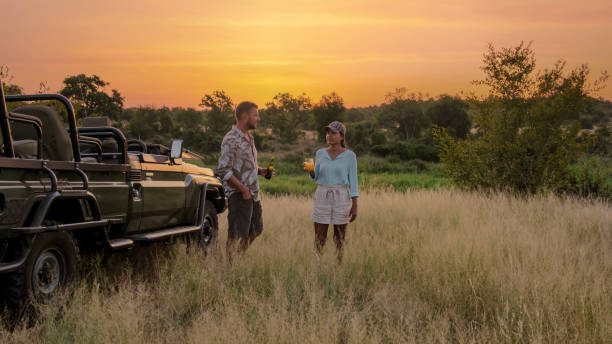
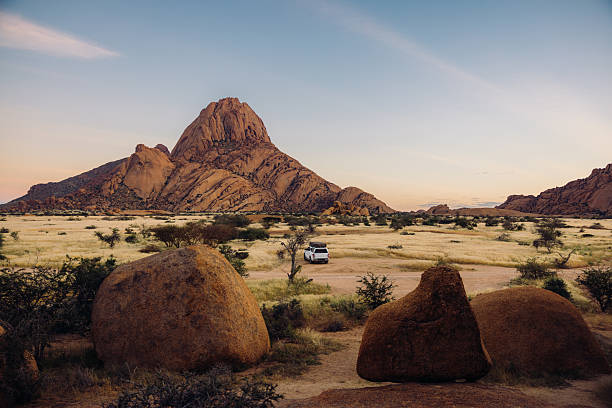
Zimbabwe Heritage Exploration Journeys: A Comprehensive Guide
Zimbabwe, a land rich in history and cultural significance, offers compelling journeys for those seeking to understand its past and present. These Zimbabwe heritage exploration journeys are designed for travelers who appreciate depth, authenticity, and a connection to the stories that shape a nation. From the awe-inspiring Great Zimbabwe Ruins to the vibrant contemporary arts scene, this guide will help you plan an unforgettable experience for 2026-2027.
Table of Contents
- Quick Facts About Zimbabwe Heritage Travel
- Understanding Zimbabwe’s Heritage Landscape
- Why Choose Zimbabwe for Heritage Exploration?
- Best Time for Zimbabwe Heritage Journeys
- Key Heritage Sites and Experiences
- Sample 10-Day Zimbabwe Heritage Itinerary
- What to Expect on Your Journey
- Preparation and Packing for Heritage Trips
- Common Mistakes to Avoid
- Who Are Zimbabwe Heritage Exploration Journeys For?
- Alternatives to Consider
- Planning Your 2026-2027 Zimbabwe Heritage Trip
- Booking Your Heritage Exploration Journey
Quick Facts About Zimbabwe Heritage Travel
| Aspect | Details |
|---|---|
| Country | Zimbabwe |
| Primary Focus | Ancient Civilizations, Colonial History, Shona Culture, Ndebele Culture, Contemporary Arts |
| Key Destinations | Great Zimbabwe, Khami Ruins, Nyangwe Tree, Domboshaba, Harare, Bulawayo, Victoria Falls (for context) |
| Ideal Duration | 7-14 days for a focused heritage tour |
| Best Travel Months | April to October (Dry Season) |
| Currency | Zimbabwe Dollar (ZiG), US Dollar widely accepted and preferred for tourism |
| Language | English (official), Shona, Ndebele, and other indigenous languages |
Understanding Zimbabwe’s Heritage Landscape
Zimbabwe’s heritage is a complex narrative woven from ancient kingdoms, colonial encounters, and resilient modern cultures. The country’s history stretches back millennia, evidenced by sophisticated stone structures left by the builders of Great Zimbabwe, a civilization that flourished between the 11th and 15th centuries. This period represents a peak of indigenous African achievement, demonstrating advanced societal organization and architectural prowess.
Following this era, various Shona and Ndebele kingdoms rose and fell, each leaving their mark on the land and its people. The arrival of European colonists in the late 19th century introduced a new layer of history, characterized by the establishment of Rhodesia, its subsequent struggle for independence, and the birth of modern Zimbabwe in 1980. Understanding this evolution is key to appreciating the country’s present-day identity.
Heritage exploration journeys in Zimbabwe can therefore encompass a wide range of interests: archaeological sites, historical towns, museums, art galleries, and interactions with communities that maintain traditional practices. It’s a journey through time, connecting with the tangible and intangible legacies of its people.
Why Choose Zimbabwe for Heritage Exploration?
Zimbabwe stands out for several compelling reasons when it comes to heritage exploration:
- The Great Zimbabwe Ruins: This UNESCO World Heritage site is a monumental testament to a sophisticated pre-colonial African civilization. Its scale and architectural ingenuity are unparalleled in Southern Africa.
- Rich Cultural Diversity: Home to the Shona and Ndebele people, among others, Zimbabwe boasts a rich tapestry of traditions, languages, music, dance, and art forms that are still vibrant today.
- Colonial History Echoes: Cities like Harare and Bulawayo retain architectural remnants and historical narratives from the colonial era, offering insights into a pivotal period of the country’s development.
- Contemporary Arts Scene: Zimbabwe has a dynamic and internationally recognized contemporary art scene, particularly in sculpture and painting, which reflects modern African experiences and aspirations.
- Less Trodden Path: Compared to some more established heritage destinations, Zimbabwe offers a more intimate and less crowded experience, allowing for deeper engagement with sites and people.
- Natural Beauty as Context: Many heritage sites are situated within or near stunning natural landscapes, providing a beautiful backdrop and context to historical exploration.
Best Time for Zimbabwe Heritage Journeys
The ideal time for Zimbabwe heritage exploration journeys largely depends on your tolerance for heat and preference for dry or wet conditions, but generally, the dry season (April to October) is recommended.
- April to May: Post-rainy season, the landscape is lush and green, temperatures are pleasant, and the crowds are minimal. This is an excellent time for exploring outdoor ruins and historical sites.
- June to August: This is the heart of the dry season. Days are sunny and cool, nights can be cold, especially in higher altitudes. It’s perfect for walking tours and exploring without the heat. Wildlife viewing can also be enhanced as animals congregate around water sources.
- September to October: Temperatures begin to rise, and the landscape becomes drier. This is still a good time for heritage tours, especially in the earlier part of this period. It’s also a good time for birdwatching.
- November to March: This is the rainy season. While it can bring dramatic skies and a vibrant green landscape, heavy downpours can disrupt travel plans, make some roads impassable, and increase humidity. However, it’s also the low season, meaning fewer tourists and potentially lower prices. Birdlife is spectacular during this time.
For heritage tours focusing on historical sites and urban exploration, the cooler, dry months are generally preferred.
Key Heritage Sites and Experiences
Your Zimbabwe heritage exploration journey should ideally include a mix of ancient history, cultural immersion, and colonial-era insights.
1. Great Zimbabwe National Monument
The crown jewel of Zimbabwe’s heritage. This vast stone city, built without mortar, is a UNESCO World Heritage Site. It was the capital of the Kingdom of Zimbabwe during the country’s Late Iron Age. Key areas include the Hill Complex, the Valley Complex, and the Great Enclosure with its impressive conical tower.
2. Khami Ruins National Monument
Located near Bulawayo, Khami was the capital of the Torwa dynasty after the decline of Great Zimbabwe. It features extensive stone walls, terraces, and evidence of Portuguese trade goods, indicating its importance as a trading post. It’s also a UNESCO World Heritage site.
3. Nyangwe Tree (near Fort Victoria/Masvingo)
A historically significant tree where, according to legend, Chief Zimuto and his people hid from Ndebele warriors. It’s a site of local legend and a symbol of resilience.
4. Domboshaba National Monument
Meaning ‘red rock’ in Kalanga, Domboshaba is another significant Iron Age site, showcasing the architectural style of the Bakalanga people. It offers a less visited but equally fascinating glimpse into the region’s past.
5. Bulawayo – The “City of Kings”
Bulawayo served as the capital of the Ndebele Kingdom under King Lobengula and later became a key administrative center during the colonial era. Key heritage attractions include:
- National Museum of Zimbabwe: Houses extensive collections on natural history, archaeology, and ethnography, providing context for the country’s heritage.
- Centenary Park: Home to the museum and the beautiful Queens Sports Club.
- Colonial Architecture: Stroll through the city center to observe buildings from the late 19th and early 20th centuries.
6. Harare – The Capital City
Harare, while a modern metropolis, offers several heritage points:
- National Gallery of Zimbabwe: Showcases Zimbabwean art from traditional to contemporary, including renowned sculptors.
- The Kopje: A prominent rocky outcrop offering city views and historical significance, including the site of Cecil Rhodes’s grave (though this is a point of contention and a symbol of colonial legacy).
- Queen Victoria Museum: Focuses on Zimbabwe’s history and ethnography.
- Street Art: Modern heritage in the making, with vibrant murals appearing across the city.
7. Victoria Falls
While primarily a natural wonder, the falls hold cultural significance for local communities and were a point of interest for early explorers. Understanding its place in the region’s history adds another dimension to any Zimbabwe journey.
8. Traditional Villages and Cultural Experiences
Engaging with local communities, perhaps visiting a traditional Shona or Ndebele village (arranged responsibly through tour operators), offers invaluable insights into living heritage, customs, and daily life.
Sample 10-Day Zimbabwe Heritage Itinerary
This itinerary focuses on the core heritage sites, offering a balanced experience. It can be customized to your interests and pace.
| Day | Location | Activities | Heritage Focus |
|---|---|---|---|
| 1 | Harare | Arrival, transfer to hotel. Explore city center, National Gallery. | Contemporary art, colonial urban planning. |
| 2 | Harare | Visit Queen Victoria Museum, explore Kopje, perhaps a craft market. | Colonial history, traditional crafts. |
| 3 | Drive to Masvingo (approx. 4-5 hours) | Scenic drive, check into lodge near Great Zimbabwe. | Transition to ancient history landscape. |
| 4 | Masvingo / Great Zimbabwe | Full day exploring Great Zimbabwe Ruins (Hill Complex, Great Enclosure). | Ancient Shona civilization, architecture. |
| 5 | Masvingo | Visit Nyangwe Tree, explore local crafts or a community project. | Local legends, cultural practices. |
| 6 | Drive to Bulawayo (approx. 5-6 hours) | Travel to the “City of Kings.” Check into hotel. | Journey through historical heartland. |
| 7 | Bulawayo | Explore Khami Ruins National Monument. | Torwa Dynasty, Iron Age trade. |
| 8 | Bulawayo | Visit the National Museum of Zimbabwe, explore colonial architecture. | Ndebele Kingdom, colonial administration, natural history. |
| 9 | Day trip from Bulawayo or relaxation | Optional: Matobo National Park (Rhodes’s grave, rock art) or explore local markets. | Colonial legacy, ancient rock art, diverse heritage. |
| 10 | Departure | Transfer to Bulawayo airport for onward travel or flight to Victoria Falls/Harare. | Departure. |
Note: This itinerary can be extended to include more time at each site, or adjusted to include other locations like Domboshaba, or a visit to Victoria Falls for a broader perspective of Zimbabwe.
What to Expect on Your Journey
Zimbabwe heritage exploration journeys offer a unique blend of historical discovery and cultural immersion. Here’s what you can anticipate:
- Historical Depth: You will encounter sites that span thousands of years, from ancient stone cities to colonial-era buildings. Expect to learn about complex political structures, trade networks, and societal changes.
- Cultural Richness: Interactions with local people, understanding traditions, music, dance, and art are integral. Be prepared for warm hospitality and opportunities to learn about contemporary Zimbabwean life.
- Varying Infrastructure: While major tourist sites and cities are well-developed, some historical locations might have basic facilities. Roads can vary in condition, especially off the main routes.
- Authentic Experiences: This is not a mass-tourism destination. Expect genuine encounters and a chance to see heritage sites with fewer crowds, allowing for a more personal connection.
- Guided Exploration: Local guides are invaluable for understanding the nuances of historical sites and cultural practices. Their knowledge brings the past to life.
- Pace: Journeys can be moderately paced, involving walking at ruins, exploring museums, and traveling between locations. Comfortable shoes are essential.
- Weather: Depending on the season, expect anything from cool, dry days to hot, humid conditions. Sun protection is crucial year-round.
Preparation and Packing for Heritage Trips
Thorough preparation ensures a comfortable and enriching heritage exploration journey.
Essential Documents & Health
- Passport: Valid for at least six months beyond your intended stay, with sufficient blank pages.
- Visa: Check visa requirements for your nationality. Many can be obtained on arrival or online.
- Yellow Fever Certificate: May be required if arriving from or transiting through a country with a risk of yellow fever.
- Travel Insurance: Comprehensive insurance covering medical emergencies, evacuation, and trip cancellation is vital.
- Vaccinations: Consult your doctor or a travel clinic well in advance for recommended vaccinations (e.g., Hepatitis A, Typhoid, Tetanus) and malaria prophylaxis if visiting affected areas.
- Prescription Medications: Carry an adequate supply with a copy of your prescription.
Clothing and Gear
- Lightweight, Breathable Clothing: Cotton or linen fabrics are ideal for warm days.
- Layers: Include warmer layers (fleece, jacket) for cool evenings and mornings, especially during the dry season.
- Comfortable Walking Shoes: Essential for exploring ruins and historical sites.
- Hat: A wide-brimmed hat for sun protection.
- Sunglasses: Protect your eyes from the strong sun.
- Rain Gear: A lightweight, waterproof jacket or poncho, particularly if traveling during the shoulder seasons or rainy season.
- Modest Attire: When visiting villages or religious sites, respectful clothing (covering shoulders and knees) is appreciated.
- Insect Repellent: With DEET or picaridin, especially for evenings.
- Sunscreen: High SPF.
- Reusable Water Bottle: To stay hydrated and reduce plastic waste.
- Small Backpack/Daypack: For carrying essentials during daily excursions.
- Camera and Extra Batteries/Power Bank: To capture memories.
- Adapter: Zimbabwe uses Type D and G electrical outlets (220-240V).
Financial Preparation
- US Dollars: Widely accepted and preferred for tourism. Carry a mix of smaller denominations for tips and local purchases.
- Local Currency (ZiG): Useful for smaller vendors and local markets. Exchange some USD upon arrival.
- Credit/Debit Cards: Accepted in larger hotels and shops, but not universally. Inform your bank of your travel plans.
- Cash is King: Always have enough cash for tips, souvenirs, and smaller expenses.
Common Mistakes to Avoid
To ensure your Zimbabwe heritage exploration journeys are smooth and rewarding, be aware of these common pitfalls:
- Underestimating Travel Times: Distances can be long, and road conditions can slow travel. Always factor in ample time between locations.
- Not Carrying Enough Cash: Many places, especially outside major hotels, operate on a cash basis. ATMs can be unreliable, and card facilities are not always available.
- Ignoring Local Customs: While English is widely spoken, understanding and respecting local customs, greetings, and traditions will enhance your interactions.
- Packing Inappropriately: Overpacking heavy items or not bringing essentials like sun protection and comfortable shoes can detract from your experience.
- Relying Solely on Public Transport: For heritage exploration, especially to remote sites, private transport or organized tours are often necessary and more efficient.
- Not Hiring Local Guides: The historical and cultural context is often best explained by knowledgeable local guides. Their insights are invaluable.
- Visiting During the Peak Heat: Scheduling extensive outdoor site visits during the hottest parts of the day, especially in the hotter months, can be exhausting.
- Not Planning for Connectivity: Wi-Fi can be spotty outside of major hotels. Consider a local SIM card if you need consistent connectivity.
- Expecting Everything to Run Like Clockwork: While Zimbabwe is improving, a flexible attitude and patience are beneficial when dealing with unforeseen delays or changes.
Who Are Zimbabwe Heritage Exploration Journeys For?
These journeys are particularly suited for:
- History Enthusiasts: Anyone fascinated by ancient civilizations, Iron Age history, and the impact of colonialism.
- Cultural Explorers: Travelers keen to understand diverse African cultures, traditions, art, and contemporary life.
- Archaeology Buffs: Those interested in visiting and learning about significant archaeological sites like Great Zimbabwe and Khami.
- Independent Travelers: Those who appreciate off-the-beaten-path destinations and a more authentic, less commercialized travel experience.
- Lifelong Learners: Individuals who enjoy gaining a deeper understanding of a country’s past and how it shapes its future.
- Photographers: The dramatic landscapes, ancient ruins, and vibrant cultural scenes offer excellent photographic opportunities.
It is less suited for travelers seeking luxury resorts with constant Wi-Fi and entertainment, or those who prefer highly structured, predictable itineraries with minimal travel between points of interest.
Alternatives to Consider
While Zimbabwe offers a unique heritage experience, similar themes can be explored in neighboring countries or other parts of Africa:
- Botswana: Known for its pristine wilderness, but also has historical sites like the Tsodilo Hills (UNESCO World Heritage site with ancient rock art) and the remains of early settlements.
- South Africa: Offers a vast array of heritage experiences, from the Cradle of Humankind (paleoanthropological sites) and the rock art of the Drakensberg Mountains to the historical significance of Robben Island and the Apartheid Museum.
- Zambia: While more known for its natural beauty and Victoria Falls, Zambia has historical sites like the ruins of the Mwandi Mission and ancient rock art in areas like the North-Western Province.
- Mozambique: Features the UNESCO World Heritage site of Ilha de Moçambique, a former colonial capital with significant Portuguese architecture and history.
- Ethiopia: For a much deeper dive into ancient African civilizations, Ethiopia offers the rock-hewn churches of Lalibela, the obelisks of Axum, and the ancient city of Harar.
Each destination offers a distinct perspective on African history and culture, but Zimbabwe’s specific blend of Great Zimbabwe, colonial remnants, and vibrant contemporary culture provides a singular experience.
Planning Your 2026-2027 Zimbabwe Heritage Trip
Planning ahead is crucial for a successful Zimbabwe heritage exploration journey, especially as you look towards 2026 and 2027. Early planning allows for better accommodation availability, more competitive pricing, and the ability to tailor your trip precisely.
Key Planning Steps for 2026-2027:
- Define Your Interests: Are you most interested in ancient ruins, colonial history, or contemporary culture? This will shape your itinerary.
- Determine Your Budget: While exact prices fluctuate, having a budget range (e.g., mid-range, comfortable) will guide your choices in accommodation and transport.
- Choose Your Travel Dates: Consider the best time to visit (April-October for dry weather) and book flights and key accommodations well in advance, especially for peak season.
- Select Your Tour Style: Decide if you prefer a fully guided tour, a self-drive adventure (requiring more planning and confidence), or a mix with private transfers.
- Research Tour Operators: Look for operators with experience in Zimbabwe and a focus on cultural and historical tours. Check reviews and testimonials.
- Book Key Elements Early: For 2026-2027, popular lodges or specific tour dates might book up a year or more in advance. Secure your flights and main accommodation/tour package first.
- Visa and Health Preparations: Start researching visa requirements and consult your doctor about vaccinations 2-3 months before your intended travel dates.
- Currency: Familiarize yourself with Zimbabwe’s currency situation (ZiG and USD) and plan how you will manage your money.
Pre-Trip Planning Checklist (2026-2027)
- [ ] Define core heritage interests
- [ ] Set budget range
- [ ] Choose travel dates (consider seasonality)
- [ ] Research and select tour operator/planner
- [ ] Book flights
- [ ] Book main tour package or accommodation
- [ ] Apply for visas (if required)
- [ ] Consult doctor for vaccinations and malaria advice
- [ ] Arrange comprehensive travel insurance
- [ ] Plan currency strategy (USD, ZiG, cards)
- [ ] Start packing list
- [ ] Learn basic Shona or Ndebele phrases (optional but appreciated)
Booking Your Heritage Exploration Journey
Booking a heritage exploration journey in Zimbabwe requires careful consideration to ensure you have a reliable and enriching experience. Working with experienced local operators is highly recommended.
Why Book with a Local Operator?
- Local Knowledge: They have in-depth understanding of the sites, cultural nuances, and logistical challenges specific to Zimbabwe.
- Established Networks: They often have strong relationships with guides, lodges, and transport providers, ensuring smoother operations.
- Customization: Local operators are best placed to tailor itineraries to your specific interests and pace.
- Support on the Ground: If any issues arise during your trip, they can provide immediate assistance.
- Contribution to Local Economy: Booking locally supports businesses and communities within Zimbabwe.
What to Look For When Booking:
- Reputation: Check for reviews, testimonials, and affiliations with reputable tourism bodies.
- Specialization: Does the operator have a proven track record in heritage and cultural tours, not just safaris?
- Inclusions/Exclusions: Clearly understand what is covered in the price – accommodation, meals, entrance fees, guide services, transport.
- Communication: Do they respond promptly and clearly to your inquiries? Good communication is key.
- Payment Terms: Understand the deposit requirements, payment schedule, and cancellation policy.
- Flexibility: Can they adapt the itinerary to your needs?
Contact Us for Your Zimbabwe Heritage Journey
Ready to plan your immersive Zimbabwe heritage exploration journeys for 2026 or 2027? We specialize in creating authentic and insightful travel experiences across East and Southern Africa. Let our experts help you craft an itinerary that brings Zimbabwe’s rich history and vibrant culture to life.
Contact us today to discuss your dream heritage trip:
- WhatsApp: +255616946642
- Email: topguideadventures@gmail.com
- Backup Email: info@topguideadventures.com
We look forward to helping you discover the soul of Zimbabwe through its incredible heritage.
Frequently Asked Questions
What are the main heritage attractions in Zimbabwe?
The primary heritage attractions include the Great Zimbabwe Ruins, Khami Ruins, Domboshaba, Nyangwe Tree, and historical centers like Bulawayo and Harare which feature museums and colonial architecture. These sites collectively tell the story of ancient civilizations, kingdoms, and colonial history.
Is it safe to travel to Zimbabwe for heritage tours in 2026-2027?
Generally, Zimbabwe is safe for tourists, especially when traveling with reputable tour operators. Standard travel precautions apply. It’s advisable to stay informed about current conditions and follow advice from your tour provider. Major heritage sites are well-managed for visitors.
What is the best way to get around Zimbabwe for heritage exploration?
For heritage exploration journeys, especially to sites like Great Zimbabwe and Khami, private transfers or a guided tour with included transport are most efficient. Self-driving is possible but requires careful planning due to road conditions and navigation. Domestic flights can connect major cities like Harare and Bulawayo.
Do I need a visa for Zimbabwe?
Visa requirements depend on your nationality. Many nationalities can obtain a visa on arrival at ports of entry, while others may need to apply in advance. It’s crucial to check the latest visa regulations for your specific country of citizenship before your trip for 2026-2027.
What currency is used in Zimbabwe?
Zimbabwe currently uses the Zimbabwe Dollar (ZiG) as its official currency. However, the US Dollar is widely accepted and often preferred by tourists for accommodation, tours, and larger purchases. It’s advisable to carry a mix of both, with a good supply of USD in smaller denominations.
How much does a Zimbabwe heritage exploration journey typically cost?
Costs vary significantly based on the duration, accommodation standard, and activities included. A mid-range 10-day heritage tour could range from $2,000 to $4,000 USD per person, excluding international flights. This covers accommodation, private transport, guides, and entrance fees. Luxury options will be higher.
Can I combine heritage exploration with wildlife safaris in Zimbabwe?
Absolutely. Zimbabwe offers excellent opportunities to combine heritage exploration with world-class wildlife viewing. For example, you could visit Great Zimbabwe and then head to Hwange National Park or Mana Pools National Park for a safari experience.
What are the essential items to pack for a heritage trip to Zimbabwe?
Key items include comfortable walking shoes, light and breathable clothing, layers for cooler evenings, sun protection (hat, sunscreen, sunglasses), insect repellent, a reusable water bottle, a small backpack, and any necessary personal medications. A good camera is also recommended.
How far in advance should I book my 2026-2027 heritage journey?
For travel in 2026-2027, it’s recommended to book at least 6-12 months in advance, especially if you have specific dates or prefer certain accommodations. This ensures availability for flights and preferred tour packages.
What is the cultural etiquette I should be aware of in Zimbabwe?
Greetings are important; a simple “hello” or “good morning” goes a long way. When visiting villages, ask permission before taking photos of people. Dress modestly when appropriate. Showing respect for elders and traditions is highly valued. Your guide will provide specific advice.
Ready to embark on your Zimbabwe heritage exploration journeys? Contact our expert team to design your personalized adventure for 2026-2027. We are passionate about creating meaningful travel experiences that connect you with the heart of Zimbabwe.
Get in touch:
- WhatsApp: +255616946642
- Email: topguideadventures@gmail.com
- Backup Email: info@topguideadventures.com
Plan your Zimbabwe Heritage Exploration Journeys with Top Guide Adventures
Tell us your travel dates, group size, comfort level, and dream experience. We will help you shape a clear, realistic, and memorable Tanzania itinerary.







 Veedesigner
 Fatma Kizanga
 Benjamin Waryuba
 Philip Philip
 John jr Itaja
 Antonia Optatus
 Edith Kanyere
 Neema Iddy
 Kelvin Boniphace
 Damari Maiga



