

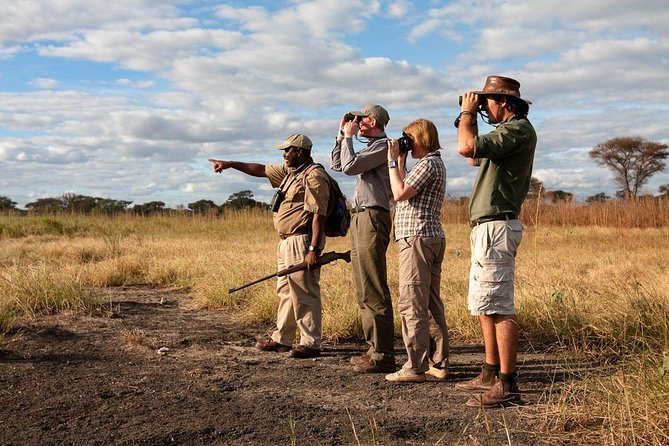
A 1-day Kimboza Forest tour is a focused excursion, typically starting from Dar es Salaam, designed to showcase the unique biodiversity, endemic species, and cultural significance of this protected area, often including guided nature walks, birdwatching, and visits to local communities, perfect for travelers seeking a concentrated nature and cultural experience within a single day, particularly for planning in 2026-2027.
Discovering Kimboza Forest: A Day Trip Gem Near Dar es Salaam
Tanzania is globally renowned for its vast savannas teeming with iconic wildlife, its majestic Mount Kilimanjaro, and the spice-scented islands of Zanzibar. However, beyond these celebrated destinations lie hidden natural treasures, offering unique experiences for the discerning traveler. Kimboza Forest, a protected area nestled within the Pugu Hills, is one such gem. A 1-day Kimboza Forest tour provides an accessible yet profoundly rewarding encounter with a different facet of Tanzania’s natural and cultural landscape, especially for those based in or transiting through Dar es Salaam.
This intensive day trip is perfectly suited for travelers who have limited time but wish to immerse themselves in a rich ecosystem characterized by its distinct flora and fauna, including rare plant species and a variety of birdlife. It’s also an opportunity to engage with the local communities that live in harmony with this verdant environment, gaining insights into their traditional ways of life. For those planning their Tanzanian adventures for 2026 or 2027, incorporating a day trip like this offers a balanced itinerary, complementing longer safaris or beach holidays with a focused dose of natural exploration and cultural exchange.
Why Choose a 1-Day Kimboza Forest Tour?
The allure of a 1-day Kimboza Forest tour lies in its concentrated impact and accessibility. Unlike multi-day expeditions that require significant time commitment, this day trip offers a powerful snapshot of what the Pugu Hills region has to offer. Here’s why it stands out:
- Proximity to Dar es Salaam: Located a relatively short drive from Tanzania’s bustling economic capital, Kimboza Forest is an ideal escape for those staying in or passing through the city. This minimizes travel time, maximizing your experience within the forest itself.
- Unique Biodiversity: Kimboza Forest is a vital habitat for a diverse range of plant and animal life, many of which are endemic to the region. It’s a haven for botanists, ornithologists, and anyone with an appreciation for unique ecosystems.
- Cultural Immersion: The tour often includes interactions with local communities, providing a genuine glimpse into rural Tanzanian life, traditions, and sustainable living practices.
- Manageable Itinerary: For travelers on a tight schedule, perhaps en route to a safari or after a Zanzibar holiday, this day trip fits perfectly without demanding extensive pre-planning or time away from other key activities.
- Adventure and Exploration: Guided walks through the forest offer a sense of discovery, allowing you to explore varied terrain, discover hidden waterfalls, and learn about the medicinal properties of local plants.
For travelers looking ahead to 2026-2027, a day trip to Kimboza Forest presents an excellent opportunity to add depth and variety to their Tanzanian itinerary, showcasing that the country’s wonders extend far beyond the well-trodden safari paths.
The Kimboza Forest Ecosystem: A Closer Look
Kimboza Forest, part of the larger Pugu Hills Forest Reserve, is a significant area of coastal forest in Tanzania. These forests are critically important for biodiversity conservation, acting as vital ecological corridors and harboring species found nowhere else. Understanding the ecosystem is key to appreciating the value of a day trip here.
Flora: A Botanical Wonderland
The Pugu Hills, and by extension Kimboza Forest, are characterized by a unique mix of indigenous trees, shrubs, and ground cover. The forest canopy provides a shaded, humid environment supporting a rich understory. Visitors on a 1-day Kimboza Forest tour can expect to see:
- Endemic Plant Species: The region is known for several plant species that are endemic to the Pugu Hills. These might include specific types of ferns, orchids, and flowering shrubs that have adapted to the unique microclimate.
- Medicinal Plants: Local communities have long relied on the forest for traditional medicine. Guides often share knowledge about plants used to treat various ailments, highlighting the deep connection between people and nature.
- Diverse Tree Species: While specific identification might require an expert, the forest is home to a variety of indigenous trees, contributing to the lush, green landscape. These trees provide habitat and sustenance for numerous animals.
Fauna: A Haven for Wildlife Enthusiasts
While Kimboza Forest might not boast the large mammal herds of the Serengeti, it offers a different kind of wildlife viewing experience, focusing on smaller, often more elusive creatures and a spectacular array of birds.
- Birdlife: The forest is a paradise for birdwatchers. Species commonly sighted include various sunbirds, weavers, kingfishers, and the elusive East Coast akalat. The diverse habitats within the forest support a rich avian population, making it a prime spot for spotting unique species.
- Insects and Butterflies: The humid environment supports a vibrant insect population, including numerous species of butterflies and moths. Their colorful wings fluttering through the dappled sunlight add another layer of visual interest to the forest experience.
- Reptiles and Amphibians: Keep an eye out for lizards, geckos, and various frog species, particularly near water sources or after rainfall.
- Mammals (Less Common but Possible): While large mammals are rare, smaller mammals like monkeys (e.g., Sykes’ monkey) and various rodents can be encountered. The forest also provides habitat for shrews and bats.
The ecological significance of Kimboza Forest cannot be overstated. It serves as a critical refuge for biodiversity, especially in an area increasingly impacted by human development. A 1-day Kimboza Forest tour not only offers personal enrichment but also supports conservation efforts through responsible tourism.
Planning Your 1-Day Kimboza Forest Tour
To make the most of your single day in Kimboza Forest, careful planning is essential. Top Guide Adventures specializes in crafting these focused excursions, ensuring a smooth and enriching experience.
Best Time to Visit
While Kimboza Forest is accessible year-round, certain periods offer more comfortable conditions:
- Dry Seasons (June to October, December to February): These months generally offer less rainfall, making hiking trails easier to navigate and wildlife viewing potentially more straightforward. The air is typically pleasant, ideal for outdoor activities.
- Shoulder Seasons (March-May, November): These can be good times too, though you might encounter more rain. However, the forest is often at its most lush and vibrant after periods of rain, and there are fewer tourists.
When planning for 2026 or 2027, consider booking your tour during the drier months for the most predictable weather. However, even during the rainy season, a well-prepared tour can be highly rewarding, with lush scenery and fewer crowds.
What to Pack
A well-packed bag ensures comfort and safety during your day trip:
- Comfortable Walking Shoes: Sturdy, broken-in hiking boots or trail shoes are essential for navigating forest paths.
- Lightweight, Breathable Clothing: Long sleeves and trousers are recommended to protect against sun, insects, and scratches from vegetation. Opt for neutral colors if possible for better wildlife viewing.
- Rain Gear: A lightweight waterproof jacket or poncho is advisable, especially during the wetter months.
- Insect Repellent: Essential for comfort and protection against mosquitoes and other biting insects.
- Sun Protection: A wide-brimmed hat, sunglasses, and high-SPF sunscreen.
- Reusable Water Bottle: Staying hydrated is crucial. We provide purified water.
- Camera: To capture the stunning scenery and any wildlife you encounter.
- Binoculars: Highly recommended for birdwatching and spotting distant wildlife.
- Small Backpack: To carry your essentials comfortably.
- Personal First-Aid Kit: Including any personal medications.
Logistics and What’s Included
A typical 1-day Kimboza Forest tour organized by Top Guide Adventures from Dar es Salaam includes:
- Transportation: Round-trip private transportation from your hotel in Dar es Salaam in a comfortable, 4×4 safari vehicle.
- Guide Services: A knowledgeable, local English-speaking guide who is familiar with the forest’s flora, fauna, and cultural significance.
- Park Fees: All necessary entrance fees for Kimboza Forest/Pugu Hills Forest Reserve.
- Picnic Lunch: A packed lunch and bottled water.
- Community Visit: Organized interaction with a local village.
Exclusions typically include personal expenses, tips for the guide, and any items not specifically mentioned in the itinerary.
The Itinerary: A Day in Kimboza Forest
While itineraries can be customized, a standard 1-day Kimboza Forest tour offers a balanced blend of nature, activity, and cultural insight.
Sample 1-Day Kimboza Forest Tour Itinerary
- 07:00 AM: Pick-up from your hotel in Dar es Salaam. Meet your guide and depart for Kimboza Forest in Pugu Hills (approx. 1-1.5 hours drive depending on traffic and location).
- 08:30 AM: Arrival at the forest entrance. Briefing by your guide about the day’s activities and safety precautions.
- 09:00 AM – 12:00 PM: Guided Nature Walk. Explore the forest trails with your guide, focusing on identifying endemic plants, medicinal herbs, and observing birdlife. You might visit specific points of interest like small waterfalls or unique rock formations.
- 12:00 PM – 01:00 PM: Picnic Lunch. Enjoy a packed lunch at a scenic spot within or near the forest, surrounded by nature.
- 01:00 PM – 02:30 PM: Cultural Village Visit. Head to a nearby local village. Engage respectfully with community members, learn about their daily life, farming practices, and perhaps visit a local school or market (if applicable and arranged).
- 02:30 PM – 03:30 PM: Optional Activities. Depending on time and interest, this could include a shorter walk, visiting a viewpoint, or simply relaxing and absorbing the forest atmosphere.
- 03:30 PM: Departure from Kimboza Forest. Begin the drive back to Dar es Salaam.
- 05:00 PM: Arrival back at your hotel in Dar es Salaam, concluding your enriching day trip.
This structure allows for ample time to appreciate the forest’s natural beauty and engage meaningfully with the local culture, all within a single day. For those planning for 2026 or 2027, this well-paced itinerary ensures a memorable experience without feeling rushed.
Wildlife Spotting and Birdwatching Highlights
While not a big game destination, Kimboza Forest offers unique opportunities for wildlife enthusiasts, particularly for birdwatchers and those interested in the smaller wonders of the natural world.
Birding in Kimboza Forest
The Pugu Hills are recognized as an Important Bird Area (IBA) by BirdLife International. A 1-day Kimboza Forest tour provides an excellent chance to tick off several species from your list. Key species to look out for include:
- East Coast Akalat (Sheppardia gunningi): A shy, forest-dwelling bird that is a highlight for many visitors.
- Amani Sunbird (Hedydipna pallidior): Often seen flitting among flowering bushes.
- Banded Green Sunbird (Anthreptes rubescens): Another beautiful sunbird species found in the area.
- Turacos: Various species of these striking birds might be heard or seen in the canopy.
- Woodpeckers and Barbets: Listen for their distinctive calls echoing through the trees.
- Raptors: Various eagles and buzzards may be seen soaring above the forest canopy.
Your guide will be adept at spotting these birds, often by their calls, and will help you identify them. Bringing binoculars is highly recommended for the best viewing experience.
Other Wildlife Encounters
Beyond birds, the forest is alive with other creatures:
- Monkeys: Troops of Sykes’ monkeys are frequently observed, often high in the trees or foraging in clearings.
- Butterflies: The vibrant colors of various butterfly species add a magical touch to the forest walks.
- Insects: From fascinating beetles to camouflaged stick insects, the diversity of arthropods is remarkable.
- Reptiles: Keep an eye on the ground and tree trunks for lizards and geckos.
Remember, wildlife sightings are never guaranteed, but the immersive experience of walking through this rich ecosystem is a reward in itself. For your 2026-2027 travels, consider visiting during the morning for the best chances of wildlife activity.
Cultural Interaction: Connecting with Local Communities
A significant aspect of the 1-day Kimboza Forest tour is the opportunity to connect with the people who call the Pugu Hills home. These communities often have a deep, traditional relationship with the forest.
Understanding Rural Life
During your visit to a local village, you can gain insights into:
- Daily Routines: Observe or learn about typical daily activities, which may include farming, tending livestock, or local crafts.
- Traditional Practices: Understand how traditional knowledge, including the use of forest resources for medicine and building materials, is passed down through generations.
- Community Structures: Learn about the social organization and governance within the village.
- Education and Health: If appropriate and arranged, you might visit a local school or health post to understand the community’s development priorities.
Respectful Engagement
It is crucial to approach these interactions with respect and sensitivity. Your guide will facilitate communication and ensure that the visit is beneficial and non-intrusive for both you and the community. It’s often appreciated if visitors can offer small, practical gifts (like school supplies) if the opportunity arises and is appropriate, but this should be discussed with your guide beforehand. The aim is genuine cultural exchange, not a staged performance.
This cultural component adds a profound layer to the 1-day Kimboza Forest tour, moving beyond mere sightseeing to foster understanding and connection. It’s a vital part of experiencing Tanzania authentically, and we ensure these interactions are handled with care for 2026 and 2027 travelers.
Comparing Kimboza Forest Day Trips with Other Tanzanian Experiences
While a 1-day Kimboza Forest tour is unique, it’s helpful to understand how it fits within the broader spectrum of Tanzanian travel experiences.
Kimboza Forest vs. Major National Parks (Serengeti, Tarangire, etc.)
- Wildlife Focus: National Parks are primarily for viewing large mammals (the “Big Five”) in vast savanna landscapes. Kimboza Forest offers a focus on birds, insects, unique plants, and smaller forest dwellers.
- Landscape: Savannas and woodlands dominate the parks. Kimboza is a dense, humid coastal forest.
- Time Commitment: Safaris typically require multiple days. Kimboza is a single-day excursion.
- Accessibility: National Parks often require internal flights or long drives. Kimboza is relatively close to Dar es Salaam.
Kimboza Forest vs. Zanzibar Spice Tours
- Focus: Spice tours on Zanzibar are about cultivated agriculture, exotic spices, fruits, and their uses. Kimboza is about natural, wild ecosystems and endemic species.
- Environment: Zanzibar tours are on tropical islands with beaches and historical towns. Kimboza is inland, in hilly terrain.
- Activities: Spice tours involve tasting, smelling, and learning about cultivated plants. Kimboza involves hiking, nature observation, and birdwatching.
Kimboza Forest vs. Mount Kilimanjaro Day Hikes
- Objective: Kilimanjaro day hikes (e.g., to Mandara Huts) are about experiencing the lower slopes of Africa’s highest peak and acclimatization for trekkers. Kimboza is about exploring a distinct forest ecosystem.
- Terrain: Kilimanjaro’s lower slopes are often montane forest but with a clear focus on ascending the mountain. Kimboza’s terrain is more varied within a protected reserve context.
- Elevation: Kilimanjaro hikes involve significant altitude gain. Kimboza is at a much lower, more stable elevation.
The 1-day Kimboza Forest tour carves out its niche by offering an accessible, concentrated experience of biodiversity and local culture, distinct from the iconic safari or mountain climbing adventures. It’s an ideal addition for travelers seeking a well-rounded view of Tanzania’s natural heritage, especially when planning for 2026-2027.
Sustainability and Responsible Tourism in Kimboza Forest
As responsible tour operators, Top Guide Adventures is committed to ensuring that tourism in areas like Kimboza Forest benefits both the environment and the local communities, while providing an authentic experience for our guests.
Environmental Conservation
- Leave No Trace: We adhere to strict principles, ensuring that visitors take nothing but photographs and leave nothing but footprints.
- Waste Management: We encourage the use of reusable water bottles and proper disposal of any waste generated.
- Trail Respect: Staying on designated paths helps to prevent erosion and protect fragile vegetation.
- Wildlife Observation: We promote respectful viewing distances and discourage any feeding or disturbance of wildlife.
Community Support
- Local Guides: We employ local guides who possess invaluable knowledge of the forest and culture, ensuring that tourism revenue directly supports the community.
- Community Visits: When visiting villages, we ensure that interactions are respectful, consensual, and contribute positively, perhaps through purchasing local crafts or supporting community projects.
- Awareness: We aim to educate our clients about the ecological and cultural importance of Kimboza Forest, fostering a deeper appreciation and commitment to conservation.
By choosing a 1-day Kimboza Forest tour with us, you are contributing to the preservation of this unique ecosystem and supporting the livelihoods of the local people. We are dedicated to making your 2026-2027 travel experience both memorable and meaningful.
Why Book Your 1-Day Kimboza Forest Tour with Top Guide Adventures?
Navigating a new destination and ensuring a high-quality experience can be challenging. Top Guide Adventures offers expertise and dedication to make your 1-day Kimboza Forest tour exceptional.
- Local Expertise: As a Tanzanian-based company, we have intimate knowledge of Kimboza Forest and the surrounding areas. Our guides are passionate locals, trained to provide insightful commentary and ensure your safety.
- Customization: We understand that every traveler is unique. We can tailor the itinerary to your specific interests, whether you’re particularly keen on birdwatching, botany, or cultural immersion.
- Quality Assurance: We pride ourselves on providing reliable transportation, well-prepared guides, and a smooth experience from pick-up to drop-off.
- Commitment to Sustainability: We operate with a strong focus on responsible tourism, ensuring that your visit supports conservation and local communities.
- Customer Service: From your initial inquiry to the end of your tour, our team is dedicated to providing excellent service. We are available to answer all your questions and ensure your planning for 2026-2027 is smooth and stress-free.
We invite you to discover the hidden beauty of Kimboza Forest with us. Whether you’re planning a short visit or a longer Tanzanian adventure, a 1-day Kimboza Forest tour offers a unique and enriching experience.
Ready to Explore Kimboza Forest?
Don’t miss the chance to experience the natural wonders and cultural richness of Kimboza Forest. For inquiries about availability, pricing, or to customize your 1-day Kimboza Forest tour for your 2026-2027 travels, please reach out to our adventure specialists. You can contact us via WhatsApp at +255616946642, email us at topguideadventures@gmail.com, or use our backup email info@topguideadventures.com. Let Top Guide Adventures guide you to an unforgettable day in Tanzania’s natural heartland.
Check Availability for Your 1-Day Kimboza Forest Tour: A Comprehensive Guide For 2026-2027
Ready to compare dates, prices, and the best option for your group? Send the package name and travel month so the team can reply with a clear quote, availability, and what is included.
 1-Day Essimingor Forest Hike: Your Ultimate Tanzania Nature Escape 2026-2027Experience the beauty of Tanzania with a 1-Day Essimingor Forest Hike. This guided day trip offers a unique opportunity to explore vibrant…View package
 1-Day Nou Forest Nature Walk: Your Ultimate Tanzania Day Trip Guide 2026-2027Discover the natural beauty of Tanzania with a 1-Day Nou Forest Nature Walk. This guided excursion offers a unique glimpse into the region's…View package
 2-Day Chome Forest And Shengena Peak Trek: Your Ultimate Tanzania AdventureDiscover the beauty of Chome Forest and the rewarding challenge of Shengena Peak on this immersive 2-day trek. Perfect for those with limited…View packageYour Ultimate 1-Day Chome Nature Forest Tour In Tanzania 2026-2027Discover the lush beauty and rich biodiversity of Chome Nature Forest on a comprehensive 1-day guided tour. This immersive experience offers a…View package2-Day Rondo Forest Birdwatching Adventure In Tanzania | Top Guide AdventuresDiscover the rich avian biodiversity of Rondo Forest on an immersive 2-day birdwatching adventure. Perfect for enthusiasts, this trip offers a…View package
 1-Day Rondo Plateau Forest Tour: Your Essential Guide For 2026-2027Discover the magic of the Rondo Plateau on a single-day forest tour. This guide covers what to expect, best times to visit, and how to book your…View package
 2-Day Minziro Forest Birding Expedition: Your Ultimate Tanzania Birdwatchingstart a focused 2-day birding expedition into the Minziro Forest, a less crowded place for ornithological enthusiasts in Tanzania. This short…View package1-Day Minziro Forest Nature Tour: Your Ultimate Guide For 2026-2027A 1-day excursion into Minziro Forest offers a unique glimpse into Tanzania's less-explored natural wonders, featuring diverse plant life…View package


