
Updated planning guide for 2026-2027
2 Week Africa Itinerary Cost: Expert Planning Guide
Discover how to plan and budget for a memorable two-week African adventure. This comprehensive guide breaks down the costs associated with a 2 week Africa itinerary, covering popular destinations like Tanzania, safari experiences, Kilimanjaro climbs, and Zanzibar getaways for 2026-2027.
WhatsApp +255616946642 | topguideadventures@gmail.com | info@topguideadventures.com
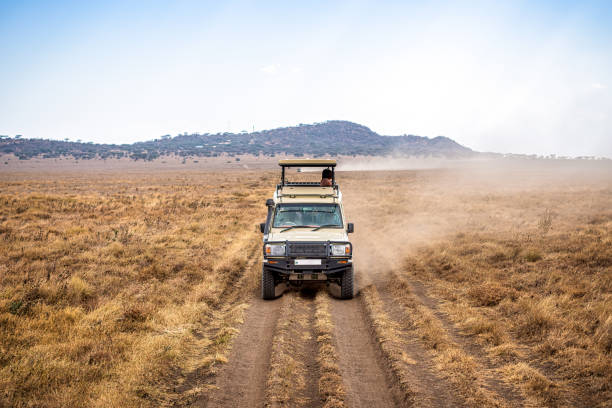

Your Ultimate Guide to a 2 Week Africa Itinerary Cost
Planning an unforgettable two-week journey to Africa is an exciting prospect. For many, the biggest question revolves around the financial aspect: “What is the 2 week Africa itinerary cost?” This guide is designed to provide a clear, detailed, and practical breakdown, helping you understand the variables that influence your budget and how to maximize your experience without overspending. We’ll explore popular destinations, activity types, and essential planning tips relevant for 2026 and 2027 travel.
A two-week trip offers a fantastic balance, allowing you to experience diverse landscapes, cultures, and wildlife without feeling rushed. Whether you dream of spotting the Big Five on a Serengeti safari, standing atop Kilimanjaro, or relaxing on the spice-scented beaches of Zanzibar, understanding the associated costs is the first step to making that dream a reality.
Quick Answer: What to Expect for a 2 Week Africa Itinerary Cost
The cost for a 2 week Africa itinerary can range significantly, typically from $3,000 to $10,000+ per person, excluding international flights. This wide range depends heavily on your chosen destinations, accommodation style (budget, mid-range, luxury), activities (safari, trekking, cultural tours), transportation methods, and the specific tour operator or self-planning approach you take. For 2026-2027 travel, expect these figures to remain broadly consistent, with potential minor adjustments due to inflation and exchange rates.
Table of Contents
- Quick Facts: 2 Week Africa Itinerary Cost Factors
- Understanding the African Travel Landscape for Two Weeks
- Why Your 2 Week Africa Itinerary Cost Varies So Much
- Best Time to Travel & Its Impact on Cost
- Sample 2 Week Africa Itinerary Routes & Cost Considerations
- Detailed Itinerary Logic & Cost Breakdown
- What to Expect During Your Trip
- Inclusions, Packing, and Preparation for Your Budget
- Common Mistakes to Avoid When Budgeting
- Who is a 2 Week Africa Itinerary Best Suited For?
- Alternatives to a Standard 2 Week Itinerary
- Planning Your 2 Week Africa Itinerary in 2026-2027
- Booking Advice to Manage Your 2 Week Africa Itinerary Cost
- Frequently Asked Questions
- Ready to Plan Your Adventure?
Quick Facts: 2 Week Africa Itinerary Cost Factors
| Factor | Impact on Cost | Notes for 2026-2027 |
|---|---|---|
| Destination Choice | High | East Africa (Tanzania, Kenya) can be pricier than Southern Africa for safaris. Zanzibar adds a distinct cost element. |
| Accommodation Style | Very High | Luxury lodges vs. mid-range tented camps vs. budget guesthouses. Options are plentiful for 2026-2027. |
| Activities | High | Safari game drives, Kilimanjaro climbs, diving, cultural tours all have different price points. |
| Transportation | Medium to High | Private 4x4s vs. shared vehicles, internal flights vs. overland travel. |
| Tour Operator vs. Self-Drive | Medium to High | Organized tours often bundle costs but can offer better value and less stress. |
| Time of Year | Medium | Peak seasons (e.g., dry season for safaris) are more expensive. Shoulder seasons offer savings for 2026-2027. |
| Group Size | Medium | Solo travel is often more expensive per person than group travel. |
| Inclusions | High | All-inclusive packages vs. à la carte options. Park fees, meals, guides. |
Understanding the African Travel Landscape for Two Weeks
Africa is a continent of immense diversity, and a two-week itinerary allows you to scratch the surface of its wonders. For many first-time visitors, the most popular regions for a two-week trip include East Africa (Tanzania and Kenya) for iconic safaris and mountain treks, and potentially a combination with a tropical island like Zanzibar. Southern Africa offers its own unique safari experiences and cultural encounters.
When considering a 2 week Africa itinerary cost, it’s crucial to define what kind of experience you’re seeking. Are you primarily interested in wildlife viewing? Are you an adventurous trekker? Do you crave relaxation on pristine beaches? Or a blend of everything?
For a two-week duration, focusing on one or two key regions or countries usually provides the most rewarding experience. Trying to cover too much ground can lead to excessive travel time and costs, diminishing the quality of your exploration. For example, a classic Tanzania itinerary might combine the Northern Circuit parks (Serengeti, Ngorongoro Crater, Tarangire) with a few days on Zanzibar. Alternatively, a Kilimanjaro climb could be followed by a shorter safari or a cultural immersion.
The key is to balance iconic sights with realistic travel times and your budget. Planning for 2026 or 2027 travel means looking at current trends and operator offerings, which are generally stable but can see minor price fluctuations.
Why Your 2 Week Africa Itinerary Cost Varies So Much
The significant variation in the 2 week Africa itinerary cost stems from several core components:
- Accommodation: This is often the largest single cost. Options range from basic tented camps and guesthouses to mid-range lodges and luxurious tented suites or lodges with private plunge pools. The difference in price between a comfortable, clean lodge and a high-end, all-inclusive resort can be substantial, often doubling or tripling the nightly rate. For 2026-2027, expect a continued demand for eco-lodges and unique glamping experiences, which can influence pricing.
- Safari Vehicle & Guide: For safaris, the type of vehicle (e.g., shared 4×4 vs. private 4×4) and the exclusivity of your guide significantly impact cost. Private vehicles offer more flexibility and personalized game drives, but come at a premium. The expertise and reputation of the guide also play a role.
- Park Entrance Fees: National parks and conservation areas in countries like Tanzania and Kenya charge substantial daily entrance fees. These are often levied per person, per day, and per vehicle. For a two-week trip covering multiple parks, these fees can add up considerably. For 2026-2027, these fees are subject to government review and may see increases.
- Activities: Beyond standard game drives, optional activities like hot air balloon safaris, guided bush walks, cultural village visits, or diving/snorkeling excursions in Zanzibar incur additional charges. A Kilimanjaro climb, in particular, is a significant cost driver due to guide fees, porterage, park fees, and equipment rental.
- Internal Transportation: Getting between destinations can be expensive. This might involve internal flights (which save time but add cost) or overland travel in safari vehicles or vans. The longer the distances and the more frequently you move, the higher the transportation costs.
- Tour Operator’s Markup & Inclusions: Reputable tour operators offer value through their expertise, logistical management, and established relationships. However, their pricing includes their operational costs, profit margin, and the services they provide. Understanding what is included in a package (meals, drinks, park fees, activities, accommodation) is crucial for accurate cost comparison.
- Time of Year: Traveling during peak seasons (e.g., the dry season for safaris, July-October, or the festive season) means higher demand and thus higher prices for accommodation and sometimes even flights. Shoulder seasons or the green season can offer significant savings for 2026-2027 travel.
Best Time to Travel & Its Impact on Cost
The timing of your 2 week Africa itinerary profoundly affects both the experience and the cost. Generally, the peak tourist seasons correlate with the most desirable weather conditions and wildlife viewing opportunities, leading to higher prices.
For East Africa (Tanzania, Kenya):
- Peak Season (Dry Season): June to October. This is prime time for wildlife viewing as animals congregate around water sources. The Great Migration is often in the Serengeti during July-October. Expect the highest prices for accommodation and safaris. This is also a popular time for Kilimanjaro climbs.
- Shoulder Season: January to March and November to mid-December. Weather is generally good, with fewer crowds and slightly lower prices. March can be beautiful with greener landscapes.
- Low Season (Green Season): April to May. This is the long rainy season. While game viewing can be more challenging in some areas due to vegetation and rain, it offers the lowest prices and a very different, lush scenery. It’s excellent for birdwatching.
For Zanzibar:
- The best time is similar to the mainland dry season (June to October).
- December to February is also warm and dry, but can be busier and more expensive due to holidays.
- The shoulder months of March, April, May, and November can bring rain showers, but often these are short, and you can find good deals.
For Kilimanjaro:
- The best climbing windows are during the dry seasons: January to March and June to October. These periods will see higher demand and thus potentially higher costs for guides, porters, and park fees.
Planning for 2026-2027: Consider traveling in the shoulder seasons (e.g., March, April, May, September, November) to potentially reduce your 2 week Africa itinerary cost while still enjoying excellent weather and wildlife sightings. Booking well in advance for peak 2026 or 2027 travel is highly recommended.
Sample 2 Week Africa Itinerary Routes & Cost Considerations
Here are a few popular 2-week itinerary concepts, with notes on how they influence the overall cost. These are illustrative and can be customized.
Route 1: Classic Tanzania Safari & Zanzibar (Mid-Range Focus)
Duration: 14 Days / 13 Nights
Focus: Wildlife, Culture, Beach Relaxation
| Day | Location/Activity | Cost Driver | Notes |
|---|---|---|---|
| 1-2 | Arrive Kilimanjaro Airport (JRO), transfer to Arusha. Acclimatize, briefing. | Accommodation, Transfers | Start of safari package. |
| 3-4 | Tarangire National Park: Game drives. | Park Fees, Vehicle/Guide, Accommodation | Known for elephants and baobab trees. |
| 5-6 | Ngorongoro Conservation Area: Crater descent for game drive. | Park Fees, Vehicle/Guide, Accommodation | High density of wildlife, unique ecosystem. |
| 7-9 | Serengeti National Park: Game drives (Central or Northern sector depending on migration). | Park Fees, Vehicle/Guide, Accommodation | Iconic landscapes, vast wildlife populations. Longer drives or internal flight can affect cost. |
| 10 | Fly from Serengeti airstrip to Zanzibar. Transfer to Stone Town. | Internal Flight, Transfers | Saves significant overland travel time. |
| 11-13 | Zanzibar: Stone Town exploration, spice tour, transfer to beach resort (e.g., Nungwi, Kendwa, Paje). Beach relaxation, water activities. | Accommodation, Transfers, Activities | Resort choice impacts cost significantly. |
| 14 | Depart from Zanzibar Airport (ZNZ). | Transfers | End of itinerary. |
Estimated Cost Range (Mid-Range, Per Person): $4,500 – $7,500 (excluding international flights). This assumes comfortable lodges/tented camps, private 4×4 safari vehicle, and a good beach resort. Luxury options could easily push this to $8,000+.
Route 2: Kilimanjaro Climb & Short Safari (Adventure Focus)
Duration: 14 Days / 13 Nights
Focus: Trekking, Wildlife
| Day | Location/Activity | Cost Driver | Notes |
|---|---|---|---|
| 1-2 | Arrive JRO, transfer to Arusha. Pre-climb briefing, gear check. | Accommodation, Transfers | Essential preparation days. |
| 3-9 | Kilimanjaro Climb (e.g., Machame or Lemosho Route – 7 days). | Climbing Operator Fees (Guides, Porters, Cook, Park Fees, Camping Fees, Food) | This is the most significant cost component. Route choice impacts duration and price. |
| 10 | Descend Kilimanjaro, transfer back to Arusha. Rest and relaxation. | Accommodation, Transfers | Well-deserved rest after the climb. |
| 11-13 | Short Safari: e.g., Tarangire & Ngorongoro Crater. | Park Fees, Vehicle/Guide, Accommodation | A taste of the safari experience. Can be customized. |
| 14 | Depart from JRO. | Transfers | End of trip. |
Estimated Cost Range (Mid-Range, Per Person): $5,000 – $8,500 (excluding international flights). The Kilimanjaro climb package is the dominant cost. Higher-end operators or longer routes increase this.
Route 3: Kenya Safari Highlights (Budget-Conscious Safari Focus)
Duration: 14 Days / 13 Nights
Focus: Wildlife, Diverse Ecosystems
| Day | Location/Activity | Cost Driver | Notes |
|---|---|---|---|
| 1-2 | Arrive Nairobi (NBO), city tour or relax. | Accommodation, Transfers | Gateway to Kenya’s safaris. |
| 3-5 | Lake Nakuru National Park: Birdlife, rhinos. | Park Fees, Vehicle/Guide, Accommodation | Famous for flamingos (though numbers vary) and rhinos. |
| 6-8 | Maasai Mara National Reserve: Game drives. | Park Fees, Vehicle/Guide, Accommodation | Iconic safari destination. Consider conservancy fees for more exclusive experiences. |
| 9-11 | Amboseli National Park: Elephants with Kilimanjaro backdrop. | Park Fees, Vehicle/Guide, Accommodation | Spectacular elephant herds and views. |
| 12-13 | Tsavo National Park (East or West): Diverse landscapes, wildlife. | Park Fees, Vehicle/Guide, Accommodation | Vast parks offering different experiences. |
| 14 | Transfer back to Nairobi, depart from NBO. | Transfers | End of itinerary. |
Estimated Cost Range (Mid-Range, Per Person): $4,000 – $6,500 (excluding international flights). Kenya can sometimes be slightly more budget-friendly for safaris than Tanzania, especially if opting for more group-based tours or mid-range lodges. Shared transport can reduce costs further.
Detailed Itinerary Logic & Cost Breakdown
The structure of your 2 week Africa itinerary is key to managing costs and maximizing your experience. Here’s a look at the logic behind popular choices and how different elements contribute to the overall budget.
Safari Itinerary Logic:
- Park Selection: Tanzania’s Northern Circuit (Tarangire, Ngorongoro, Serengeti) is popular because it offers a high concentration of wildlife and diverse landscapes within a relatively manageable geographical area for a two-week trip. Kenya’s parks like Maasai Mara, Amboseli, and Tsavo offer different, but equally compelling, wildlife viewing opportunities.
- Pacing: Spending 2-3 full days in each major park allows for sufficient game drives without excessive travel between locations. Rushing through parks means you’re paying park fees for days you barely utilize the park.
- Travel Between Parks: Overland travel in a safari vehicle is standard. Internal flights (e.g., from Arusha to Serengeti or from safari parks to Zanzibar) significantly cut down travel time but add a considerable cost, often $300-$500 per flight. For a two-week trip, one or two strategic flights can be worth the expense to maximize time on the ground.
- Accommodation Placement: Lodges and tented camps are strategically located within or near park boundaries to minimize travel time to game drive starting points. Staying outside the parks is cheaper but means longer drives and potentially missing early morning or late evening game drives.
Kilimanjaro Climb Logic:
- Route Choice: Longer routes like Lemosho or Machame (7-9 days) offer better acclimatization and higher success rates but are more expensive due to more guide/porter days and park fees. Shorter routes (e.g., Marangu 5-day) are cheaper but have lower success rates.
- Operator Choice: The cost of a Kilimanjaro climb is dominated by the tour operator’s package. This includes guides, porters, cooks, park fees, camping fees, food, and equipment. Cheaper operators might cut corners on safety, equipment, or porter welfare, which is a significant risk. Reputable operators for 2026-2027 climbs will offer comprehensive packages.
- Acclimatization Days: For a 2-week trip, combining a Kilimanjaro climb with a safari means careful scheduling. The climb itself takes 5-9 days, followed by recovery.
Zanzibar Logic:
- Location: Stone Town offers historical and cultural immersion. Beach resorts (Nungwi, Kendwa, Paje, Matemwe) offer relaxation and water sports. Combining 2-3 nights in Stone Town with 4-7 nights at the beach is common.
- Accommodation: Zanzibar offers a wide spectrum, from budget guesthouses to luxurious boutique hotels and large resorts. The choice here dramatically affects the 2 week Africa itinerary cost for the island portion.
Cost Breakdown Components (Illustrative, not exact prices):
- Accommodation: 30-50% of total trip cost. Varies from $100/night (mid-range lodge) to $500+/night (luxury lodge/resort).
- Park Fees & Permits: 15-25% of safari cost. Can be $60-$100+ per person per day in Tanzania. Kilimanjaro park fees are substantial.
- Vehicle, Fuel & Guide: 15-25% of safari cost. Daily rate for a private 4×4 and driver/guide.
- Food & Drinks: 5-15%. Often included in safari packages, but drinks (especially alcohol) can add up. Zanzibar beach resorts may be à la carte or half/full board.
- Internal Flights: 5-15%. If used, this can be a significant chunk.
- Activities (e.g., Balloon Safari, Diving): Variable, can add 5-10% or more.
- Operator Fees/Profit: Included in package pricing.
What to Expect During Your Trip
A two-week African adventure is an immersive experience. Be prepared for:
- Early Mornings: For optimal wildlife viewing, game drives often start at sunrise.
- Longer Travel Days: While itineraries aim to minimize this, travel between parks or locations can involve several hours in a vehicle. Enjoy the scenery!
- Varying Road Conditions: Roads within parks can be bumpy and dusty. Your safari vehicle is designed for this.
- Wildlife Encounters: Patience is key. While many animals are commonly seen, sightings of rare predators are never guaranteed. The thrill of the chase is part of the adventure.
- Cultural Interactions: Engaging with local communities can be deeply rewarding. Be respectful and open.
- Connectivity: Wi-Fi can be spotty or non-existent in remote safari lodges and on Kilimanjaro. Embrace the digital detox.
- Weather: Africa experiences diverse climates. Expect heat in many safari areas, potential cold at higher altitudes (Kilimanjaro), and humidity in coastal regions like Zanzibar. Pack accordingly.
Inclusions, Packing, and Preparation for Your Budget
Understanding what’s included in your package and packing wisely are critical for managing your 2 week Africa itinerary cost and ensuring a comfortable trip.
Typical Inclusions in Safari Packages:
- Accommodation (lodges/tented camps)
- All meals during safari (breakfast, lunch, dinner)
- Park entrance fees
- Game drives in a 4×4 safari vehicle with a professional guide
- Bottled water in the safari vehicle
- Airport transfers
- Use of a radio/satellite phone for emergencies
What Might NOT Be Included:
- International flights
- Visa fees
- Travel insurance (essential!)
- Gratuities for guides, drivers, lodge staff
- Drinks (alcoholic and sometimes soft drinks)
- Optional activities (balloon safaris, cultural visits, spa treatments)
- Personal expenses (souvenirs, laundry)
- Vaccinations and malaria prophylaxis
Essential Packing List (Focus on light, versatile items):
- Clothing: Lightweight, breathable fabrics in neutral colors (khaki, olive green, beige). Avoid bright colors and dark blue/black (attract insects).
- T-shirts and long-sleeved shirts
- Trousers and shorts
- Fleece or warm jacket (for cool mornings/evenings, especially on safari or Kilimanjaro)
- Rain jacket (lightweight, waterproof)
- Swimsuit (for Zanzibar or lodges with pools)
- Underwear and socks (moisture-wicking)
- Footwear:
- Comfortable walking shoes or hiking boots (broken in!)
- Sandals or flip-flops
- Accessories:
- Sun hat with a wide brim
- Sunglasses
- Insect repellent (with DEET)
- Sunscreen (high SPF)
- Small backpack or daypack
- Reusable water bottle
- Binoculars (highly recommended for wildlife viewing)
- Camera and extra batteries/memory cards
- Headlamp or flashlight
- Travel adapter and power bank
- Basic first-aid kit
- Personal toiletries
- For Kilimanjaro (if applicable): Specific gear list provided by the operator, including thermal layers, waterproof outer layers, sturdy boots, gloves, hat, sleeping bag, etc.
Budget Tip: Pack essentials and avoid buying expensive gear at the last minute. Many lodges offer laundry services (for a fee), so you can pack lighter.
Common Mistakes to Avoid When Budgeting
Several common pitfalls can lead to unexpected expenses or a less enjoyable trip. Be mindful of these when planning your 2 week Africa itinerary cost:
- Underestimating Park Fees: These are significant and mandatory. Factor them in accurately.
- Ignoring Gratuities: Tipping is customary and expected for guides, drivers, cooks, and porters. Budget around $10-20 per person per day for your safari driver/guide and $5-10 for porters/cooks, depending on the service.
- Not Budgeting for Drinks: While meals are often included on safaris, drinks (especially alcoholic ones) can add up quickly at lodges and camps.
- Overlooking Internal Flights: While costly, not including strategic internal flights can lead to excessive travel time, reducing your actual time for activities. Weigh the cost against lost experience.
- Choosing the Cheapest Option: The lowest price often means compromises on quality, safety, or the experience itself. For Kilimanjaro, this is particularly risky. Look for value and reputation over rock-bottom prices.
- Forgetting Travel Insurance: This is non-negotiable. Medical emergencies, trip cancellations, or lost luggage can be financially devastating without it.
- Not Factoring in Visa Costs: Check visa requirements for your nationality and budget accordingly.
- Last-Minute Bookings: While sometimes possible, booking well in advance, especially for 2026-2027 travel during peak seasons, often secures better rates and availability.
Who is a 2 Week Africa Itinerary Best Suited For?
A two-week African adventure, with its associated costs, is ideal for several types of travelers:
- First-Time African Travelers: It provides a comprehensive introduction to the continent’s most iconic experiences – wildlife, landscapes, and cultures – without being overwhelming.
- Nature and Wildlife Enthusiasts: Two weeks allow ample time for in-depth safari exploration, potentially covering multiple parks or regions, maximizing wildlife viewing opportunities.
- Adventurous Individuals/Couples: Combining a Kilimanjaro trek with a safari or beach holiday offers a thrilling mix of challenge and relaxation.
- Honeymooners: A two-week trip allows for a romantic safari experience followed by a tranquil beach escape, creating lasting memories.
- Families with Older Children: Teenagers and older children often appreciate the excitement of safaris and the unique experiences Africa offers. Ensure activities are age-appropriate.
- Travelers Seeking Value in Experience: While not always the cheapest option, a well-planned two-week trip offers incredible value for the depth and breadth of experiences gained.
The 2 week Africa itinerary cost can be tailored to different budgets within these traveler types, from comfortable mid-range to luxurious indulgence.
Alternatives to a Standard 2 Week Itinerary
If a standard 2 week Africa itinerary cost doesn’t quite fit, or if you have different priorities, consider these alternatives:
- Shorter Trip (7-10 Days): Focus on one primary experience, like a Northern Tanzania safari circuit or a 5-6 day Kilimanjaro climb followed by a brief safari. This significantly reduces costs.
- Longer Trip (3 Weeks+): If budget allows, a longer trip enables deeper exploration of multiple countries or regions, potentially finding better value per day by spending more time in fewer places.
- Budget-Focused Itinerary: Opt for more budget-friendly accommodations (guesthouses, basic tented camps), use shared transport where possible, travel in the low/shoulder season, and focus on fewer, high-impact activities. This might mean sacrificing some luxury but not the core experience.
- Specific Region Focus: Instead of combining safari and beach, dedicate the full two weeks to an in-depth safari in one country (e.g., exploring multiple parks in Botswana or Namibia) or focus solely on Zanzibar and its surrounding islands for a relaxed, tropical experience.
- Self-Drive (where feasible): In some Southern African countries (e.g., South Africa, Namibia), self-driving can reduce costs compared to guided safaris, but requires more planning and a suitable vehicle. This is generally not feasible or recommended for Tanzania or Kenya for a first-time visitor.
Planning Your 2 Week Africa Itinerary in 2026-2027
Planning your trip for 2026 or 2027 requires foresight and smart decisions to manage your 2 week Africa itinerary cost effectively.
Key Planning Steps:
- Define Your Priorities: What are your must-see sights and must-do activities? Wildlife, mountains, beaches, culture? This dictates your destination and itinerary structure.
- Choose Your Destination(s): Tanzania, Kenya, Uganda, Rwanda, South Africa, Botswana, Namibia, etc. Each offers unique experiences and cost structures. For a 2-week trip, East Africa (Tanzania/Kenya) or a specific Southern African country is often recommended.
- Select Your Travel Style: Budget, mid-range, or luxury? This will guide your accommodation and activity choices.
- Research Tour Operators: For Tanzania, reputable local operators are key. Look for those with good reviews, clear communication, and transparent pricing. For 2026-2027, book with operators who have a proven track record.
- Determine the Best Time to Travel: Balance your desire for good weather with cost savings. Shoulder seasons are often a sweet spot.
- Draft a Potential Itinerary: Outline the locations, duration in each, and travel methods.
- Get Quotes: Contact several tour operators with your draft itinerary or ask for their standard 2-week packages. Compare inclusions carefully.
- Book in Advance: Especially for 2026-2027, booking 6-12 months ahead is advisable, particularly for peak season travel or popular lodges/camps. This often secures better rates and ensures availability.
- Secure Flights: Book international flights once your land package is confirmed. Flight prices can fluctuate significantly.
- Arrange Visas and Vaccinations: Research requirements well in advance.
- Purchase Travel Insurance: Do this immediately after booking your main trip components.
2026-2027 Budgeting Tip: Monitor currency exchange rates. If planning to pay for some services locally, favorable exchange rates can slightly reduce your overall cost.
Booking Advice to Manage Your 2 Week Africa Itinerary Cost
Making informed booking decisions is crucial for controlling your 2 week Africa itinerary cost. Here’s how to approach it:
- Work with Local Experts: For Tanzania, booking directly with a local, reputable tour operator like Top Guide Adventures can often provide better value and more authentic experiences than international agents. They have firsthand knowledge and established local networks.
- Compare Inclusions, Not Just Prices: A cheaper quote might exclude critical items like park fees or meals. Always ask for a detailed breakdown of what is included.
- Be Flexible with Dates: If possible, consider traveling during the shoulder or low seasons. Even shifting your dates by a week or two can sometimes lead to significant savings for 2026-2027 trips.
- Consider Group Travel: Traveling with friends or family allows you to share costs for private vehicles and potentially get better rates on accommodation.
- Ask About Package Deals: Tour operators often have packages that bundle safari, Kilimanjaro, and Zanzibar. These can sometimes offer a better overall price than booking components separately.
- Payment Schedules: Understand the deposit and final payment terms. Reputable operators will require a deposit to confirm bookings and the balance closer to the travel date.
- Read Reviews and Testimonials: Look for recent reviews from other travelers regarding service quality, value for money, and overall experience.
- Communicate Your Budget Clearly: When contacting tour operators, state your approximate budget range and your priorities. They can then suggest the best itinerary options that fit your financial plan.
Frequently Asked Questions
What is the typical 2 week Africa itinerary cost for a mid-range traveler in 2026?
For a 2 week Africa itinerary cost in 2026, a mid-range traveler can expect to spend approximately $4,000 to $7,500 per person, excluding international flights. This range covers comfortable accommodation, private safari vehicles, park fees, meals, and transfers, often including a combination of safari and beach destinations like Zanzibar.
Are park fees included in most safari package prices?
Reputable tour operators will typically include national park entrance fees in their safari package prices. However, it is crucial to confirm this when comparing quotes, as these fees can be a significant portion of the overall cost.
How much should I budget for tipping on a 2 week safari?
A general guideline for tipping on a 2 week safari is around $10-$20 per person per day for your main safari guide/driver. Additional tips for lodge staff, cooks, and porters (if climbing Kilimanjaro) would be separate, perhaps $5-$10 per day for each. Always tip based on service quality.
Is it cheaper to travel in 2027 than in 2026?
Prices for 2027 are generally expected to be similar to 2026, with potential minor increases due to inflation or currency fluctuations. Traveling during the low or shoulder seasons in either year will offer more significant cost savings than traveling during peak periods.
What is the biggest factor influencing the 2 week Africa itinerary cost?
The biggest factors are typically accommodation style and the choice of activities. Opting for luxury lodges over mid-range tented camps, or including expensive activities like hot air balloon safaris or a Kilimanjaro climb, will dramatically increase the overall cost.
Can I combine a safari with Kilimanjaro and Zanzibar in 2 weeks?
Yes, it is possible to combine these in a 2-week itinerary, but it will be fast-paced and one of the more expensive options due to the costs associated with Kilimanjaro climbs and internal flights. A 14-day itinerary often looks like 5-7 days for the climb, 1-2 days recovery, and 4-5 days for a short safari or Zanzibar. A more relaxed pace might suggest choosing two out of the three.
Are internal flights necessary for a 2 week itinerary?
Internal flights are not strictly necessary but are highly recommended for a 2-week trip to maximize your time on activities rather than travel. Overland travel between distant parks can consume an entire day, which is valuable time on a short trip. Be prepared for these flights to add $300-$500+ per person per flight to your budget.
What are the visa requirements for Tanzania for a 2 week trip?
Most nationalities require a visa for Tanzania. This can often be obtained on arrival at the airport or applied for online in advance. Check the latest requirements for your nationality with the Tanzanian embassy or immigration website. Factor in the visa fee into your budget.
How much should I budget for food and drinks if not all meals are included?
If meals are not fully included (e.g., in Zanzibar or on certain self-drive parts), budget approximately $50-$100 per person per day for food and drinks, depending on your dining choices. Drinks at lodges can be particularly expensive.
Is travel insurance mandatory for booking a safari?
While not always strictly mandatory for booking, comprehensive travel insurance is highly recommended and essential for any trip to Africa. It should cover medical emergencies, evacuation, trip cancellation, and lost luggage. Many tour operators will strongly advise or require proof of insurance.
Ready to Plan Your Adventure?
Understanding the 2 week Africa itinerary cost is the first step toward an incredible journey. Whether you’re dreaming of the vast plains of the Serengeti, the summit of Kilimanjaro, or the turquoise waters of Zanzibar, planning is key to a memorable and well-budgeted trip for 2026-2027.
At Top Guide Adventures, we specialize in crafting personalized African experiences that balance adventure, comfort, and value. We work closely with you to understand your interests and budget, creating an itinerary that exceeds your expectations.
Let us help you design your perfect 2-week African adventure. Contact us today for a personalized quote and expert advice:
- WhatsApp: +255616946642
- Email: topguideadventures@gmail.com
- Backup Email: info@topguideadventures.com
We look forward to helping you plan an unforgettable African experience!
Plan your 2 week Africa itinerary cost with Top Guide Adventures
Tell us your travel dates, group size, comfort level, and dream experience. We will help you shape a clear, realistic, and memorable Tanzania itinerary.







 Veedesigner
 Fatma Kizanga
 Benjamin Waryuba
 Philip Philip
 John jr Itaja
 Antonia Optatus
 Edith Kanyere
 Neema Iddy
 Kelvin Boniphace
 Damari Maiga



