
Updated planning guide for 2026-2027
Safest Countries In Africa To Visit: Your Expert Guide
Explore the safest countries in Africa for your next adventure. This comprehensive guide provides practical planning advice, destination highlights, and tips for a secure and enriching travel experience in 2026-2027.
WhatsApp +255616946642 | topguideadventures@gmail.com | info@topguideadventures.com
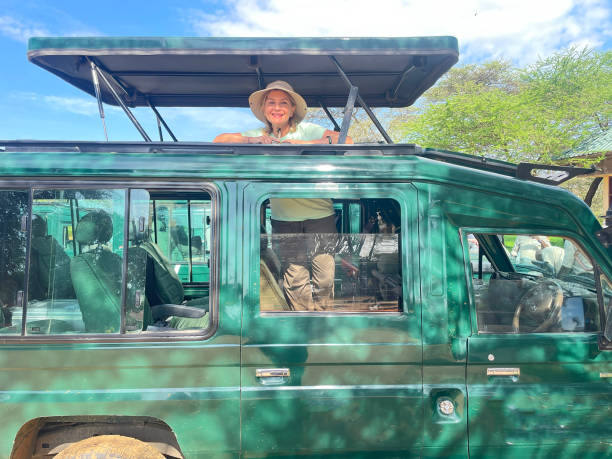
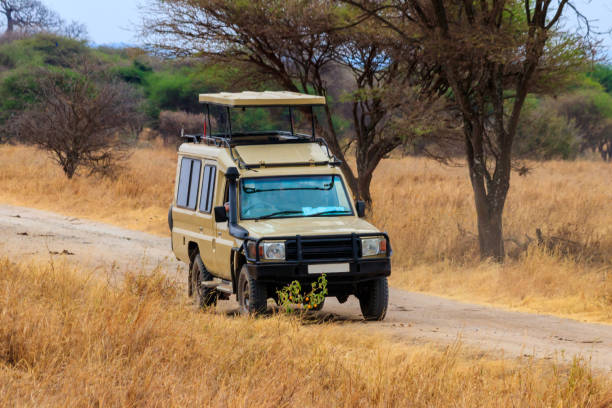
Safest Countries in Africa to Visit: Your Expert Planning Guide
Africa, a continent of immense natural beauty, vibrant cultures, and diverse wildlife, beckons travelers with its unique allure. Yet, for many considering a journey to this vast and varied landmass, questions about safety often arise. Understanding which countries offer a secure environment for visitors is crucial for planning a rewarding and worry-free experience. This guide focuses on identifying the safest countries in Africa to visit, providing in-depth information to help you make informed decisions for your 2026-2027 travels.
Our aim is to offer a practical, detailed resource, moving beyond generalizations to provide actionable advice. Whether you’re dreaming of wildlife safaris, cultural immersions, or beach retreats, knowing where to go with confidence is the first step. We’ll cover what makes a country safe for tourists, highlight key destinations, discuss preparation, and offer insights relevant to planning your trip, especially as we look towards 2026 and 2027.
Quick Facts on African Travel Safety
| Factor | Consideration |
|---|---|
| Political Stability | Generally stable nations with established governments are preferable. |
| Crime Rates | Lower rates of petty and violent crime against tourists. |
| Healthcare Access | Availability of reputable medical facilities and emergency services. |
| Infrastructure | Well-maintained roads, reliable transportation, and communication networks. |
| Tourist Support Systems | Presence of experienced tour operators, clear travel advisories, and responsive local authorities. |
Understanding Safety in Africa
Africa is a continent of 54 countries, each with its own unique character, challenges, and strengths. Generalizing safety across such a diverse region is impossible. Instead, a nuanced approach is required, focusing on specific countries and regions that have demonstrated a commitment to visitor well-being. Safety for tourists is influenced by a combination of factors:
- Political Stability: Countries with stable governance tend to have fewer disruptions that could impact tourists.
- Economic Development: While not a direct measure of safety, countries with more developed economies often have better infrastructure and public services.
- Low Crime Rates: This includes both petty crime (pickpocketing, scams) and more serious offenses. Tourist areas are often well-patrolled.
- Healthcare Infrastructure: Access to quality medical care is essential in case of illness or injury.
- Government Travel Advisories: Official advisories from your home country’s government can provide valuable, up-to-date information, though they should be read in context.
- Local Law Enforcement and Tourist Police: Some countries have dedicated units focused on ensuring tourist safety.
- Reputation and Traveler Feedback: Experiences shared by other travelers offer real-world insights.
It’s important to note that safety can vary significantly within a country. Major cities might present different challenges than remote national parks. Responsible tourism practices, awareness of your surroundings, and using reputable local guides and tour operators are universally recommended.
Table of Contents
- Continent Overview: Diversity in Safety
- Top Safest Countries in Africa to Visit
- Botswana: The Premier Eco-Tourism Destination
- Namibia: Vast Landscapes and Stable Environment
- Mauritius: Island Paradise with Strong Governance
- Seychelles: Exclusive and Secure Archipelago
- Rwanda: The “Land of a Thousand Hills” Reimagined
- Planning Your Trip to Botswana
- Planning Your Trip to Namibia
- Planning Your Trip to Rwanda
- Tanzania: A Popular Choice with Considerations
- Kenya: A Classic Safari Destination
- What to Expect on a Trip to the Safest Countries
- Essential Preparation and Packing
- Common Mistakes to Avoid
- Who Are These Destinations Best For?
- Alternative Safe Destinations in Africa
- Planning for 2026-2027: Key Considerations
- Booking Your African Adventure
- Frequently Asked Questions (FAQs)
- Ready to Plan Your Safest African Adventure?
Continent Overview: Diversity in Safety
Africa is not a monolith. Its countries range from highly developed nations with robust infrastructure and stable political systems to those facing ongoing challenges. When discussing the safest countries in Africa to visit, we are identifying nations that consistently score well on international safety indices, have proactive tourism sectors, and generally present a low risk to visitors engaging in standard tourist activities. These are countries where political stability is a given, crime rates are manageable, and healthcare and emergency services are reliable.
For travelers, this means focusing on destinations that offer peace of mind, allowing you to immerse yourself in the incredible experiences Africa has to offer without undue concern. The following sections highlight specific countries that stand out for their safety and visitor experience.
Top Safest Countries in Africa to Visit
Based on factors like political stability, low crime rates, effective governance, and a welcoming environment for tourists, several African nations consistently rank high. While no place is entirely without risk, these countries offer a reassuring travel experience.
Botswana: The Premier Eco-Tourism Destination
Botswana is frequently cited as one of the safest and most stable countries in Africa. Its commitment to conservation and low-impact tourism has created a unique environment where wildlife thrives and visitors feel secure. The country boasts a strong democratic tradition, a stable economy driven significantly by tourism and diamonds, and a generally low crime rate. Tourist infrastructure is well-developed, particularly in prime safari areas.
Why Botswana is Safe:
- Political Stability: One of Africa’s longest-standing democracies, with peaceful transitions of power.
- Economic Prudence: Responsible management of natural resources has funded development and stability.
- Low Crime Rates: Generally low levels of crime, especially in tourist areas and national parks.
- Conservation Focus: A strong emphasis on protecting wildlife and natural habitats often leads to well-managed parks and reserves.
- Professional Tourism Sector: High standards among tour operators and lodges ensure guest safety and comfort.
Key Attractions:
- Okavango Delta: A UNESCO World Heritage site, offering unique water-based safaris.
- Chobe National Park: Famous for its large elephant herds and diverse wildlife.
- Central Kalahari Game Reserve: A vast, remote desert landscape offering a different safari experience.
- Makgadikgadi Pans: Unique salt pans that transform into a vibrant ecosystem after rains.
Namibia: Vast Landscapes and Stable Environment
Namibia is renowned for its dramatic desert landscapes, abundant wildlife, and a peaceful, stable political climate. It is considered one of the safest countries in Africa for independent travel and organized tours alike. The country has a well-established tourism infrastructure, particularly for self-drive tours, and a generally low population density, which contributes to a sense of openness and safety.
Why Namibia is Safe:
- Political Stability: A peaceful democracy with a strong track record of stable governance.
- Low Crime Rates: While petty crime can occur in urban centers like Windhoek, it is generally low, and violent crime against tourists is rare.
- Well-Developed Infrastructure: Excellent road networks (especially for self-driving) and reliable services in tourist areas.
- Efficient Tourism Sector: Professional operators and clear signage make independent travel feasible and secure.
- Respectful Culture: Namibians are known for their friendly and welcoming nature towards visitors.
Key Attractions:
- Sossusvlei: Iconic red sand dunes and Deadvlei’s stark, ancient trees.
- Etosha National Park: A wildlife haven centered around a vast salt pan.
- Skeleton Coast National Park: A rugged, remote coastline with shipwrecks and unique desert-adapted wildlife.
- Damaraland: Home to desert-adapted elephants and ancient rock art.
Mauritius: Island Paradise with Strong Governance
This Indian Ocean island nation is a popular destination for its beautiful beaches, luxury resorts, and multicultural heritage. Mauritius is known for its high standard of living, excellent infrastructure, and a very low crime rate, making it one of the safest and most enjoyable destinations in Africa. The government is stable, and the island is well-equipped to handle tourism.
Why Mauritius is Safe:
- Political Stability: A stable multi-party democracy.
- Very Low Crime Rates: Consistently ranks among the safest countries globally for crime.
- Excellent Infrastructure: High-quality roads, reliable public transport, and good telecommunications.
- Developed Tourism Sector: A mature tourism industry with high service standards.
- Multicultural Harmony: A society known for its peaceful coexistence among different ethnic and religious groups.
Key Attractions:
- Beaches: Flic en Flac, Belle Mare, Grand Baie.
- Natural Wonders: Chamarel Seven Coloured Earths, Black River Gorges National Park.
- Cultural Sites: Port Louis market, Aapravasi Ghat (UNESCO site).
- Water Sports: Snorkeling, diving, windsurfing.
Seychelles: Exclusive and Secure Archipelago
The Seychelles, another island nation in the Indian Ocean, offers pristine beaches, turquoise waters, and a sense of exclusivity. It maintains a reputation for safety, with low crime rates and a focus on high-end, low-volume tourism. The government prioritizes security, and the islands are well-managed, providing a secure environment for visitors seeking a luxurious and tranquil escape.
Why Seychelles is Safe:
- Political Stability: A stable government with a focus on security.
- Low Crime Rates: Particularly in tourist areas, crime is minimal.
- Exclusive Tourism Model: Focus on luxury and limited tourist numbers enhances security.
- Well-Maintained Infrastructure: Good transport links between islands and well-equipped resorts.
Key Attractions:
- Praslin Island: Home to the Vallée de Mai Nature Reserve.
- La Digue Island: Famous for Anse Source d’Argent beach.
- Mahé Island: The largest island, with the capital Victoria and Morne Seychellois National Park.
- Marine Reserves: Excellent for diving and snorkeling.
Rwanda: The “Land of a Thousand Hills” Reimagined
Rwanda has made remarkable strides in recent decades, transforming into one of the safest and most organized countries in East Africa. Known for its stunning natural beauty, including dense rainforests and the majestic Virunga Mountains, Rwanda offers a unique gorilla trekking experience. The government’s strong focus on security, cleanliness, and development has created a remarkably safe environment for travelers.
Why Rwanda is Safe:
- Exceptional Security: Very low crime rates, with visible and effective law enforcement.
- Political Stability: A highly stable and efficient government.
- Cleanliness and Order: Kigali is famously clean and organized, setting a tone for the country.
- Well-Managed Tourism: Strict regulations and professional services ensure a secure visitor experience, especially for trekking.
- Friendly and Respectful Population: Tourists are generally treated with great respect.
Key Attractions:
- Volcanoes National Park: The primary destination for gorilla and golden monkey trekking.
- Nyungwe National Park: Home to chimpanzees and a vast array of primates, plus a canopy walk.
- Akagera National Park: Offers classic savanna wildlife viewing.
- Kigali: A vibrant capital city with significant historical sites like the Genocide Memorial.
Planning Your Trip to Botswana
Botswana is best experienced through organized tours or by booking lodges and camps well in advance. Independent travel is possible but requires significant planning due to the remote nature of many destinations and the need for 4×4 vehicles.
Best Time to Visit:
- Dry Season (May to October): Ideal for wildlife viewing as animals congregate around water sources. Weather is pleasant.
- Green Season (November to April): Lush landscapes, migratory birds, and fewer crowds. Some roads may be challenging.
Getting Around:
- Light Aircraft: The most common way to access remote camps in the Okavango Delta.
- 4×4 Vehicles: Essential for self-drive or guided excursions in national parks.
- Boats/Mokoro: Used for water-based activities in the Okavango Delta.
Accommodation:
- Luxury Safari Lodges: Offering all-inclusive experiences.
- Tented Camps: From rustic to luxurious, providing an immersive experience.
- Camping: Available in designated campsites within parks, often requiring self-sufficiency.
What to Pack:
- Neutral-colored clothing for safaris.
- Lightweight layers for changing temperatures.
- Sun protection: hat, sunglasses, high SPF sunscreen.
- Insect repellent.
- Binoculars.
- Camera with good zoom.
- Comfortable walking shoes.
- Personal first-aid kit.
Planning Your Trip to Namibia
Namibia is exceptionally well-suited for self-drive tours due to its excellent road network and clear signage. However, organized tours offer a more in-depth experience with expert guides.
Best Time to Visit:
- Dry Season (May to October): Best for wildlife viewing in Etosha, with cooler temperatures.
- Shoulder Seasons (April, November): Pleasant weather, fewer crowds.
- Wet Season (December to March): Green landscapes, birdwatching is excellent, but can be very hot and some areas inaccessible.
Getting Around:
- Self-Drive: Most popular method. A 4×4 is recommended for comfort and access to certain areas. Distances are vast.
- Guided Safaris: Small group or private tours with experienced drivers/guides.
- Flights: Internal flights connect major hubs but are expensive.
Accommodation:
- Guest Farms: Offering a taste of rural Namibian life.
- Lodges and Camps: Ranging from comfortable to luxurious, often located within or near national parks.
- Campsites: Well-equipped and popular for self-drivers.
What to Pack:
- Layers of clothing for significant temperature fluctuations.
- Sun protection: wide-brimmed hat, sunglasses, high SPF sunscreen.
- Sturdy walking shoes.
- Camera and extra memory cards.
- Binoculars.
- Personal medication and a basic first-aid kit.
- Adapter for charging electronics.
Planning Your Trip to Rwanda
Rwanda offers a well-organized and secure tourism experience, particularly for primate trekking. Booking permits for gorilla and golden monkey trekking is essential and should be done months in advance.
Best Time to Visit:
- Dry Seasons (June to September, December to February): Ideal for trekking, with less rain and muddy trails.
- Wet Seasons (March to May, October to November): Lush scenery, fewer tourists, but trekking can be more challenging due to rain.
Getting Around:
- Private Vehicles with Driver: The most comfortable and recommended way to explore Rwanda.
- Public Transport: Buses are available but can be slow and crowded.
- Flights: Limited internal flights.
Accommodation:
- Luxury Lodges: Especially near Volcanoes National Park.
- Mid-Range Hotels: Available in cities and towns.
- Guesthouses and Budget Options: Increasingly available.
What to Pack:
- Trekking boots (waterproof recommended).
- Long-sleeved shirts and trousers to protect against insects and thorns.
- Rain jacket or poncho.
- Warm layers for evenings.
- Insect repellent with DEET.
- Sunscreen, hat, and sunglasses.
- Camera with good zoom.
- Small backpack for trekking essentials.
Tanzania: A Popular Choice with Considerations
Tanzania is a premier safari and trekking destination, famous for the Serengeti, Ngorongoro Crater, Mount Kilimanjaro, and Zanzibar. While generally safe for tourists, it’s important to be aware of common tourist safety advice. Petty crime can occur in urban areas like Arusha and Dar es Salaam, and it’s wise to be vigilant. However, national parks and major tourist circuits are well-managed, and millions of tourists visit Tanzania each year without incident. The country has a robust tourism infrastructure, and working with reputable tour operators is key to a safe and enjoyable experience.
Safety Tips for Tanzania:
- Use reputable tour operators and guides.
- Be aware of your surroundings in cities and busy markets.
- Avoid displaying expensive jewelry or large amounts of cash.
- Follow the guidance of your safari guides regarding wildlife and park rules.
- Ensure your accommodation is secure.
Kenya: A Classic Safari Destination
Kenya, the birthplace of safari, offers incredible wildlife viewing in places like the Masai Mara and Amboseli. Like Tanzania, Kenya is generally safe for tourists who take standard precautions. Major tourist areas are well-patrolled, and the safari industry is highly professional. Petty crime can be an issue in Nairobi and Mombasa, so awareness is necessary. However, the vast majority of visitors have trouble-free trips focused on the country’s stunning wildlife and landscapes.
Safety Tips for Kenya:
- Stick to reputable tour operators.
- Exercise caution in Nairobi, especially at night.
- Secure your belongings.
- Listen to your guide’s instructions in wildlife areas.
What to Expect on a Trip to the Safest Countries
Visiting the countries highlighted as safest in Africa typically means experiencing well-organized tourism, high standards of service, and a focus on conservation and natural beauty. You can expect:
- Professional Guiding: Knowledgeable and experienced guides who prioritize your safety and enhance your experience.
- Reliable Infrastructure: Good roads, comfortable transport, and dependable services in tourist hubs.
- High-Quality Accommodation: From luxury lodges to comfortable tented camps, expect clean and well-maintained facilities.
- Respectful Interactions: Local communities are generally welcoming and respectful of tourists.
- Focus on Nature: A deep connection to the natural environment, whether it’s wildlife, landscapes, or marine life.
- Ease of Planning: With reputable operators, planning can be straightforward, with clear itineraries and inclusions.
Essential Preparation and Packing
Proper preparation is key to a safe and enjoyable trip. This goes beyond packing and includes health, documentation, and mindset.
Health Precautions:
- Consult Your Doctor: Discuss necessary vaccinations (e.g., Yellow Fever, Hepatitis A, Typhoid) and malaria prophylaxis well in advance of your travel dates.
- Travel Insurance: Essential for any international travel, ensuring coverage for medical emergencies, evacuation, trip cancellation, and lost belongings.
- First-Aid Kit: Pack a personal kit with essentials like pain relievers, bandages, antiseptic wipes, motion sickness medication, and any personal prescriptions.
Documentation:
- Passport: Ensure it is valid for at least six months beyond your intended stay and has sufficient blank pages.
- Visas: Check visa requirements for your nationality for each country you plan to visit. Some can be obtained on arrival, others need to be applied for in advance.
- Yellow Fever Certificate: May be required for entry into some African countries, especially if arriving from a country with a risk of Yellow Fever.
- Copies: Keep digital and physical copies of your passport, visa, insurance details, and flight information separate from the originals.
Packing Essentials:
Packing advice varies by destination, but general principles apply:
| Category | Items |
|---|---|
| Clothing | Lightweight, breathable fabrics. Neutral colors for safaris (khaki, beige, green). Layers for cooler mornings/evenings. Comfortable walking shoes. Sandals or flip-flops for relaxation. Swimwear. A light waterproof jacket. |
| Sun Protection | High SPF sunscreen. Wide-brimmed hat. Sunglasses. Lip balm with SPF. |
| Health & Hygiene | Personal toiletries. Hand sanitizer. Insect repellent (with DEET). Any personal medications. Basic first-aid kit. |
| Electronics | Camera with extra batteries and memory cards. Power bank. Universal travel adapter. Phone and charger. Binoculars (highly recommended for wildlife viewing). |
| Documents & Money | Passport, visa, flight tickets, insurance details. Credit/debit cards. Some local currency for tips and small purchases. |
| Miscellaneous | Reusable water bottle. Small backpack for day trips. Headlamp or small flashlight. |
Common Mistakes to Avoid
Even in the safest countries, travelers can make mistakes that detract from their experience or compromise their safety. Here are a few to avoid:
- Underestimating Distances: Africa is vast. Travel times between locations can be long, even with flights. Plan itineraries realistically.
- Not Booking in Advance: Especially for popular destinations, accommodations, and permits (like gorilla permits in Rwanda), booking well ahead is crucial, particularly for 2026-2027 travel.
- Ignoring Local Advice: Always listen to your guides and local authorities. They have invaluable knowledge about safety, wildlife, and cultural norms.
- Displaying Wealth: Avoid wearing flashy jewelry or carrying large amounts of cash in public, especially in cities.
- Unvaccinated Travel: Failing to get necessary vaccinations or malaria prophylaxis can lead to serious health issues. Consult your doctor early.
- Relying Solely on Online Information: While helpful, online reviews can be outdated or biased. Always verify information and use reputable travel agencies.
- Not Having Comprehensive Travel Insurance: This is non-negotiable. Ensure it covers medical evacuation and any high-risk activities you plan.
Who Are These Destinations Best For?
The safest countries in Africa cater to a wide range of travelers, but some stand out for specific interests:
- First-Time African Travelers: Countries like Botswana, Namibia, and Rwanda offer a more predictable and secure introduction to the continent.
- Wildlife Enthusiasts: Botswana (Okavango, Chobe) and Namibia (Etosha) are unparalleled for diverse wildlife viewing. Rwanda offers the unique experience of seeing mountain gorillas.
- Adventure Seekers: Namibia for its vast landscapes and self-drive opportunities, Rwanda for trekking, and Botswana for unique delta exploration.
- Luxury Travelers: Mauritius and Seychelles offer high-end resorts and impeccable service. Botswana and Rwanda also have excellent luxury safari options.
- Families: Many of these destinations, particularly well-managed safaris in Botswana and Namibia, can be suitable for families, provided children meet age requirements for certain activities.
- Solo Travelers: Rwanda’s safety and organization, and Namibia’s self-drive infrastructure, make them appealing for independent travelers.
Alternative Safe Destinations in Africa
While the above countries are consistently top-rated, other African nations also offer safe and rewarding travel experiences, often with unique appeals:
- South Africa: Offers incredible diversity from wildlife safaris to wine regions and vibrant cities. While it has higher crime rates in certain areas, major tourist routes and private reserves are generally safe and well-managed with proper precautions and reputable operators.
- Zambia: Known for its incredible walking safaris, particularly in South Luangwa National Park. It’s politically stable and has a strong conservation ethos.
- Malawi: Often called the “Warm Heart of Africa,” it’s known for its friendly people, beautiful lake, and developing tourism sector, offering a less crowded experience.
- Uganda: Similar to Rwanda, Uganda is a prime destination for gorilla trekking and offers a rich primate experience alongside classic safari landscapes. It is considered relatively safe for tourists, though requires standard precautions.
Planning for 2026-2027: Key Considerations
As you plan your trip for 2026 or 2027, consider these forward-looking points:
- Booking Lead Times: Popular destinations and unique experiences (like gorilla permits or peak season safari lodges) require booking 9-18 months in advance. This is especially true for 2026 and 2027 as travel demand continues to grow.
- Flexibility: While planning is essential, maintaining some flexibility in your itinerary can help manage unexpected changes.
- Sustainable Tourism: Consider operators and lodges committed to conservation and supporting local communities. This often correlates with well-managed and safer operations.
- Health Advisories: Stay updated on any evolving health recommendations or requirements from your country’s health authorities and the WHO.
- Digital Nomad Trends: If you plan to work remotely, research internet connectivity and visa options for longer stays.
Booking Your African Adventure
Choosing the right travel partner is paramount for a safe and memorable trip. Here’s how to approach booking:
Choosing a Tour Operator:
- Reputation: Look for operators with a long history, positive reviews, and affiliations with reputable travel organizations.
- Local Expertise: A local operator often has the best on-the-ground knowledge, contacts, and ability to react to situations.
- Customization: Can they tailor an itinerary to your specific needs, interests, and budget?
- Safety Protocols: Inquire about their safety procedures, guide training, and emergency response plans.
- Transparency: Ensure all costs, inclusions, and exclusions are clearly communicated.
What to Expect in a Package:
A well-structured tour package typically includes:
| Inclusions | Exclusions (Typically) |
|---|---|
| Accommodation (lodges, camps, hotels) | International flights |
| Most meals (especially on safari) | Visa fees |
| Park entrance fees | Travel insurance |
| Activities (game drives, guided walks, boat trips) | Personal expenses (souvenirs, laundry) |
| Ground transportation (4x4s, transfers) | Tips for guides and staff |
| Local guides and trackers | Certain drinks (alcoholic, premium) |
| Internal flights (sometimes, depending on package) | Optional activities |
When booking, always confirm what is included to avoid surprises. For unparalleled expertise and tailored safaris, especially in East Africa, consider connecting with specialists who understand the nuances of safe and exceptional travel.
Frequently Asked Questions (FAQs)
Q1: Are the safest countries in Africa suitable for solo female travelers?
Yes, countries like Botswana, Namibia, Rwanda, Mauritius, and Seychelles are generally considered very safe for solo female travelers. Their low crime rates, political stability, and well-developed tourism infrastructure contribute to a secure environment. It’s always recommended to exercise standard travel precautions, such as being aware of your surroundings and avoiding walking alone late at night in unfamiliar areas.
Q2: What is the biggest safety concern for tourists in Africa?
The biggest safety concerns for tourists often revolve around petty crime, such as pickpocketing and scams, particularly in busy urban areas or markets. Violent crime against tourists is rare in the safest countries. Health concerns, like malaria or traveler’s diarrhea, are also common considerations that can be managed with proper precautions and medical advice.
Q3: Do I need to be vaccinated to visit these countries?
Vaccination requirements vary by country and your country of origin. It is crucial to consult your doctor or a travel clinic at least 4-6 weeks before your trip. Common recommendations for African travel include Yellow Fever (often mandatory for entry), Hepatitis A, Typhoid, and Tetanus. Malaria prophylaxis is often advised for safari destinations.
Q4: Is it safe to drive myself in Namibia?
Namibia is one of the few African countries where self-driving is widely popular and considered safe for tourists, thanks to its good road infrastructure and low crime rates. A 4×4 vehicle is recommended for comfort and access to more remote areas. Distances are significant, so careful route planning is essential.
Q5: What are the safety considerations for gorilla trekking in Rwanda?
Gorilla trekking in Rwanda, specifically in Volcanoes National Park, is a highly organized and safe activity. Permits are strictly controlled, and treks are led by experienced park rangers who ensure visitor safety and manage interactions with the gorillas. The safety record for these treks is excellent.
Q6: How reliable are the tour operators in Botswana?
Botswana has a highly professional and reputable tourism sector, with many operators adhering to international standards. Choosing established, eco-conscious operators is key to ensuring a safe, comfortable, and responsible safari experience. They manage logistics, safety protocols, and provide expert guides.
Q7: What should I do if I encounter a scam?
If you suspect a scam, remain polite but firm. Do not hand over money or personal information. If you feel threatened or uncomfortable, move away and report the incident to your tour operator or local authorities if appropriate. Awareness is the best defense.
Q8: Is it safe to swim in the ocean in Mauritius or Seychelles?
Generally, yes. The beaches in Mauritius and Seychelles are renowned for their safety, with calm, clear waters and often life guards at popular spots. However, always be aware of local conditions, currents, and any posted warnings. Avoid swimming alone at deserted beaches, especially after dark.
Q9: How much should I budget for a safe safari in Botswana in 2026?
Botswana is a premium safari destination, and safety is a key part of its appeal, reflected in its pricing. While exact figures vary greatly based on accommodation style, duration, and season, expect higher-end safaris to range from $500-$1500+ per person per day. Booking well in advance for 2026 is recommended to secure spots and potentially better rates.
Q10: What if I have a medical emergency in a remote area of Namibia?
This is where comprehensive travel insurance with medical evacuation coverage is vital. Reputable tour operators and lodges have emergency protocols and can coordinate with air rescue services. Ensure your insurance provider has a 24/7 emergency assistance line you can contact.
Ready to Plan Your Safest African Adventure?
Choosing the safest countries in Africa to visit is the first step towards an unforgettable journey. With careful planning and the right partners, your African adventure can be as secure as it is spectacular. Whether you dream of the Okavango Delta, the Namib Desert, the Virunga Mountains, or the pristine beaches of the Indian Ocean, we are here to help you craft the perfect, safe, and enriching experience.
For personalized itineraries, expert advice, and booking assistance for your 2026-2027 trip to the safest countries in Africa, get in touch with our experienced team:
WhatsApp: +255616946642
Email: topguideadventures@gmail.com
Backup Email: info@topguideadventures.com
Let us help you plan your dream African safari, trek, or beach holiday with confidence.
Plan your safest countries in Africa to visit with Top Guide Adventures
Tell us your travel dates, group size, comfort level, and dream experience. We will help you shape a clear, realistic, and memorable Tanzania itinerary.







 Veedesigner
 Fatma Kizanga
 Benjamin Waryuba
 Philip Philip
 John jr Itaja
 Antonia Optatus
 Edith Kanyere
 Neema Iddy
 Kelvin Boniphace
 Damari Maiga



