
Updated planning guide for 2026-2027
Is Kenya Safe For Tourists: Essential Travel Guide
Considering a Kenyan adventure but wondering about safety? This comprehensive guide addresses whether Kenya is safe for tourists, covering everything from common concerns to practical preparation for your 2026-2027 travels.
WhatsApp +255616946642 | topguideadventures@gmail.com | info@topguideadventures.com
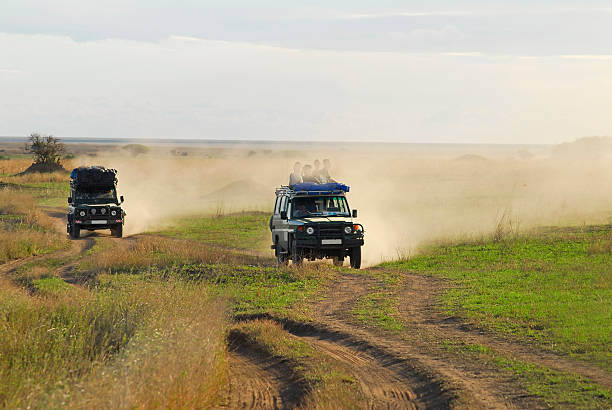
Is Kenya Safe For Tourists? Your Comprehensive 2026-2027 Planning Guide
The allure of Kenya is undeniable: vast savannas teeming with wildlife, the majestic silhouette of Mount Kenya, vibrant cultures, and the sun-kissed shores of the Indian Ocean. For many, a Kenyan safari or a journey through its diverse landscapes is a lifelong dream. Yet, a common question arises for potential visitors: is Kenya safe for tourists? This guide aims to provide a thorough, practical, and reassuring answer, drawing on current realities and expert advice to help you plan an unforgettable and secure trip for 2026 and 2027.
Understanding travel safety involves looking beyond headlines and considering a balanced view of risks, precautions, and the experiences of millions of visitors who travel to Kenya without incident. We’ll cover everything from common traveler concerns to specific advice for navigating different regions and activities.
Quick Facts About Kenya
| Aspect | Details |
|---|---|
| Official Name | Republic of Kenya |
| Capital City | Nairobi |
| Major International Airports | Jomo Kenyatta International Airport (NBO), Moi International Airport (MIA) |
| Currency | Kenyan Shilling (KES) |
| Languages | Swahili (national), English (official) |
| Climate | Varies: tropical along the coast, arid in the north, temperate inland highlands. |
| Main Tourist Attractions | Masai Mara, Amboseli, Tsavo, Lake Nakuru, Samburu, Mount Kenya, Nairobi National Park, Diani Beach, Lamu Island. |
Understanding Travel Safety in Kenya
When asking is Kenya safe for tourists, it’s important to acknowledge that like any country, Kenya faces its share of challenges. However, the vast majority of tourist areas are well-managed and secure, and millions of visitors enjoy safe and enriching experiences each year. The key lies in being informed, prepared, and sensible.
Most safety concerns revolve around petty crime in urban areas, particularly Nairobi, and occasional reports of isolated incidents in specific regions. Major tourist hubs and national parks generally have a strong security presence. For popular destinations like the Masai Mara, Amboseli, Tsavo, and the coastal resorts, safety is a high priority for both local authorities and tour operators.
Key Safety Considerations for Tourists:
- Petty Crime: Pickpocketing and bag snatching can occur in crowded city areas. This is common in many major cities worldwide.
- Traffic: Road safety can be a concern due to local driving habits and road conditions. Using reputable transport is crucial.
- Political Stability: While generally stable, occasional political gatherings or protests can occur. It’s advisable to stay informed about local news.
- Wildlife Encounters: While thrilling, wildlife must be respected. Always follow park rules and guide instructions for safe viewing.
- Health: Malaria is present in some areas, and other tropical diseases can be a risk. Proper precautions are necessary.
Is Kenya Safe for Safari?
For safari-goers, the question of safety is paramount. The good news is that Kenya’s national parks and reserves are generally very safe for tourists. These areas are managed with visitor safety in mind, and safari activities are conducted by experienced guides.
The Masai Mara National Reserve: This iconic destination is accustomed to large numbers of international tourists. Safari vehicles are driven by trained guides who understand animal behavior and maintain safe distances. Camps and lodges within or near the park have security measures in place.
Amboseli National Park: Known for its elephants and views of Mount Kilimanjaro, Amboseli is a well-established tourist destination with a good safety record. Park rangers and lodge staff contribute to a secure environment.
Tsavo National Parks (East and West): These vast parks offer incredible wilderness experiences. While more remote, organized tours and lodges ensure visitor safety through experienced staff and secure accommodations.
Other Parks (Lake Nakuru, Samburu, Meru): These parks are also popular and well-managed for tourism. Safety is maintained through park regulations, ranger patrols, and the expertise of tour operators.
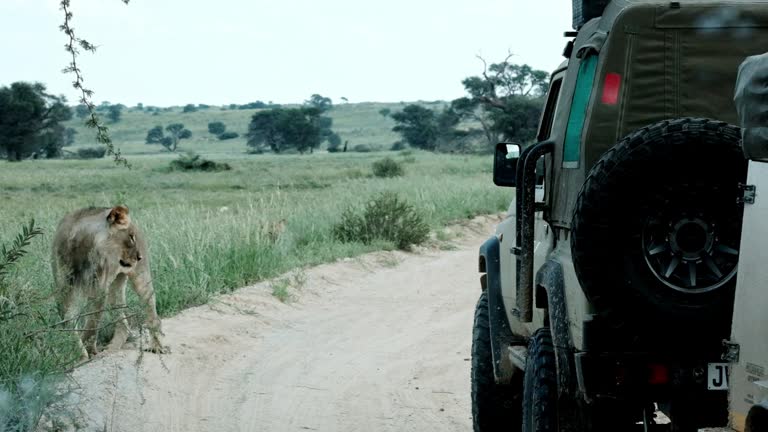
Wildlife Safety: The primary risk on safari is from the wildlife itself. However, guides are trained to manage encounters. Visitors should always:
- Stay inside safari vehicles unless instructed otherwise by your guide.
- Never feed or approach wild animals.
- Listen carefully to your guide’s instructions.
- Do not stand up or lean out of vehicle windows unnecessarily.
Is Kenya Safe for City Visits (Nairobi)?
Nairobi, as East Africa’s bustling hub, presents more opportunities for petty crime than remote safari areas. However, with sensible precautions, visitors can enjoy the city safely.
Understanding the Risks: Pickpocketing, bag snatching, and car break-ins are the most common issues. These tend to occur in crowded markets, bus stations, and sometimes in tourist-heavy areas if one is not vigilant. Avoid displaying expensive jewelry or electronics openly.
Staying Safe in Nairobi:
- Use Reputable Transport: Opt for hotel taxis, pre-booked airport transfers, or ride-sharing apps like Uber or Bolt. Avoid hailing random taxis on the street, especially at night.
- Be Aware of Your Surroundings: Especially in busy areas like the CBD, downtown markets, and bus terminals. Keep valuables secure and out of sight.
- Secure Your Accommodation: Stay in well-regarded hotels or guesthouses with good security.
- Avoid Walking Alone at Night: If you need to go out after dark, use a taxi or a trusted driver.
- Be Cautious with Strangers: While most Kenyans are friendly, be wary of unsolicited offers of help or too-good-to-be-true deals.
- Protect Valuables: Use a money belt or secure inner pockets for cash and important documents. Keep your phone and wallet in front pockets.
Nairobi also offers incredible attractions like the Giraffe Centre, David Sheldrick Wildlife Trust, and vibrant cultural sites. With awareness, these can be enjoyed without incident.
Is Kenya Safe for Coastal Areas (Mombasa, Diani)?
Kenya’s coastline, including popular destinations like Mombasa, Diani Beach, and the historic island of Lamu, is a major draw for tourists seeking relaxation and water activities. Generally, these areas are safe for visitors, but some precautions apply.
Mombasa: As a historic port city, Mombasa has busy areas where petty crime can occur, particularly in the old town and around markets. However, tourist zones and resorts are generally secure. Stick to well-lit areas at night and be aware of your surroundings.
Diani Beach: This is a popular resort area known for its beautiful beaches and water sports. The resorts themselves typically have good security. When walking on the beach or in local villages, be mindful of your belongings and avoid displaying wealth.
Lamu Island: A UNESCO World Heritage site, Lamu offers a unique cultural experience with its ancient architecture and donkey transport. It is generally considered very safe for tourists, with a relaxed atmosphere. The main concern historically has been piracy off the coast of Somalia, but this has significantly decreased due to international naval efforts. However, it’s always wise to check current travel advisories for any specific maritime risks.
General Coastal Safety Tips:
- Water Safety: Be aware of currents when swimming and follow lifeguard instructions.
- Sun Protection: The equatorial sun is strong. Use high SPF sunscreen, hats, and stay hydrated.
- Respect Local Customs: Especially in more traditional areas like Lamu, dress modestly when away from the beach.
- Valuables on the Beach: Avoid taking expensive items to the beach. Use hotel safes for passports and excess cash.
Health and Vaccinations for Kenya
Ensuring your health is a critical part of travel safety. For Kenya, certain vaccinations and health precautions are recommended.
Recommended Vaccinations and Precautions:
- Yellow Fever: Vaccination is often required for entry, especially if arriving from a country with a risk of Yellow Fever transmission. Check the latest requirements before you travel.
- Hepatitis A and Typhoid: Recommended for most travelers.
- Tetanus, Diphtheria, Polio: Ensure your routine vaccinations are up to date.
- Rabies: Consider if you will be involved in activities with a high risk of animal bites (e.g., volunteering with animals).
- Malaria: Malaria is present in most parts of Kenya, including coastal areas and lower-altitude regions. Higher altitudes like Nairobi and the Aberdares have a lower risk. Consult your doctor about appropriate antimalarial medication well in advance of your trip.
Food and Water Safety:
- Drink Bottled Water: Always drink bottled or purified water. Avoid tap water, even for brushing your teeth, unless you are certain it is purified.
- Be Cautious with Ice: Ensure ice in drinks is made from purified water.
- Eat Well-Cooked Food: Opt for hot, freshly cooked meals. Avoid raw or undercooked meat, fish, and unpeeled fruits and vegetables from street vendors.
- Wash Hands Frequently: Especially before eating. Carry hand sanitizer.
Travel Insurance: Comprehensive travel insurance is essential. It should cover medical emergencies, evacuation, trip cancellation, and lost belongings. Ensure it includes coverage for any adventure activities you plan to undertake.
Planning Your Kenyan Adventure: Safety First
When planning your trip for 2026 or 2027, integrating safety considerations from the outset will ensure a smoother and more enjoyable experience.
Choosing a Reputable Tour Operator
This is arguably the most crucial step in ensuring your safety and overall trip quality. A good tour operator will:
- Have extensive knowledge of Kenya and its safety protocols.
- Employ experienced, licensed guides.
- Partner with reputable lodges and transport providers.
- Provide clear pre-trip information and safety briefings.
- Offer 24/7 support during your trip.
- Have robust health and safety procedures in place.
For a reliable and safe safari and travel experience in Kenya, consider Top Guide Adventures. With their deep local expertise and commitment to traveler well-being, they can help craft an itinerary that balances adventure with security.
When to Travel: Seasonality and Safety
Kenya has two main seasons: the dry season and the wet season. Both offer unique experiences, and safety is generally consistent, though weather can impact travel.
| Season | Months | Pros | Cons | Safety Notes |
|---|---|---|---|---|
| Dry Season (Peak) | June – October | Excellent wildlife viewing (animals gather at water sources), pleasant temperatures, minimal rain. Ideal for migration viewing in Masai Mara. | Higher prices, more crowds. | Generally very safe. Roads are in better condition. Clear skies for photography. |
| Long Rains | March – May | Lush landscapes, fewer tourists, lower prices, excellent birdwatching. | Rain can disrupt game drives and travel, some camps may close. | Roads can become muddy and impassable in some areas, requiring 4×4 vehicles and experienced drivers. Visibility for wildlife can be reduced. |
| Short Rains / Shoulder Season | November – February | Good wildlife viewing, pleasant temperatures, fewer crowds than peak season. February is often dry and warm. | Intermittent showers possible, can affect visibility. | Generally safe. Roads usually remain accessible. Good time for bird migrations. |
Choosing the right season can enhance your experience, but safety protocols remain consistent year-round with reputable operators.
Packing for Safety and Comfort
Smart packing contributes significantly to your well-being and preparedness.
- Lightweight, neutral-colored clothing: For safaris (khaki, beige, green). Avoid bright colors that might disturb wildlife or dark colors that attract tsetse flies.
- Warm layers: Evenings and early mornings can be cool, especially in highlands and during the dry season.
- Rain gear: A waterproof jacket or poncho, especially if traveling during or near the rainy seasons.
- Comfortable walking shoes/hiking boots: For exploring lodges or light walks.
- Sandals/flip-flops: For relaxing at lodges or on the beach.
- Sun protection: Wide-brimmed hat, sunglasses, high SPF sunscreen.
- Insect repellent: With DEET or Picaridin for malaria prevention.
- Personal first-aid kit: Including any personal medications, pain relievers, antiseptic wipes, bandages, and motion sickness medication.
- Hand sanitizer: Essential for maintaining hygiene on the go.
- Camera and extra batteries/memory cards: To capture memories.
- Binoculars: Enhance wildlife viewing.
- Adapter and power bank: For charging electronics.
- Copies of important documents: Passport, visa, flight tickets, insurance details (keep separate from originals).
- Reusable water bottle: For staying hydrated and reducing plastic waste.
Navigating Common Mistakes to Avoid
Learning from others’ experiences can help you avoid pitfalls and ensure a safer, more enjoyable trip.
Common Mistakes and How to Avoid Them:
| Mistake | How to Avoid |
|---|---|
| Ignoring health advice (vaccinations, malaria prevention). | Consult your doctor 4-6 weeks before travel. Take prescribed antimalarials diligently. Use insect repellent. |
| Not using reputable transport in cities. | Always use pre-booked transfers, hotel taxis, or trusted ride-sharing apps. |
| Displaying valuables openly. | Keep cash, cameras, and phones secure and out of sight in public areas, especially in Nairobi. |
| Walking alone at night in urban areas. | Use taxis or arrange for transport for evening excursions. |
| Not respecting wildlife on safari. | Always follow your guide’s instructions. Never feed or approach animals. Stay in your vehicle. |
| Drinking tap water or using ice made from tap water. | Always opt for bottled or purified water. |
| Not having comprehensive travel insurance. | Secure a policy that covers medical emergencies, evacuation, and trip disruptions. |
| Underestimating the sun’s intensity. | Use high SPF sunscreen, wear hats and sunglasses, and stay hydrated. |
| Booking with unverified operators. | Research thoroughly, read reviews, and choose established companies with a strong safety record. |
Who is Kenya Best Suited For?
Kenya offers diverse experiences that can appeal to a wide range of travelers, provided they are prepared for the realities of travel in East Africa.
- Wildlife Enthusiasts: The ultimate destination for seeing the Big Five and experiencing the Great Migration.
- Adventure Seekers: From hiking Mount Kenya to hot air ballooning over the Masai Mara.
- Culture Explorers: Visiting Maasai villages, exploring historic towns like Lamu, and experiencing local markets.
- Photographers: Unparalleled opportunities for wildlife and landscape photography.
- Families: Safaris can be incredibly educational and exciting for children, with many lodges offering family-friendly amenities.
- Couples/Honeymooners: Romantic lodges, stunning scenery, and unique experiences make for a memorable getaway.
For travelers who are prepared, informed, and willing to follow advice regarding safety, Kenya is an exceptionally rewarding destination. It requires a certain level of preparedness and awareness, which is true for many incredible travel experiences worldwide.
Alternatives to Kenya (If Safety is a Major Concern)
While Kenya is generally safe with precautions, if you are seeking an East African safari experience with potentially different safety considerations or a different landscape, consider these alternatives:
Alternative Safari Destinations:
| Destination | Similarities to Kenya | Key Differences | Safety Notes |
|---|---|---|---|
| Tanzania | Home to the Serengeti, Ngorongoro Crater, Mount Kilimanjaro. Excellent wildlife viewing, Great Migration. | Vast, less crowded in some areas than Masai Mara. Different park ecosystems. | Generally considered very safe for tourists. Similar safety precautions as Kenya apply, especially regarding wildlife and urban areas. Reputable operators are key. |
| Botswana | World-class wildlife viewing, Okavango Delta, Chobe National Park. | Focus on low-impact, high-cost tourism. More exclusive and remote experiences. Less focus on mass tourism. | Very safe, with a strong emphasis on conservation and low tourist numbers. Minimal petty crime. |
| South Africa | Kruger National Park offers abundant wildlife, including the Big Five. Diverse landscapes and activities. | More developed infrastructure, self-drive options are common. Higher risk of urban crime in major cities. | Safari parks are generally safe. Major cities like Johannesburg and Cape Town require greater vigilance regarding crime. |
| Uganda | Famous for mountain gorilla trekking and chimpanzee tracking. Queen Elizabeth National Park for savanna wildlife. | Primarily known for primate trekking, which is a unique experience. Less focus on large savanna herds compared to Kenya/Tanzania. | Generally safe for tourists, especially in national parks. Political stability has improved, but it’s wise to stay informed. |
Each destination offers a unique perspective on African wildlife and landscapes. Your choice will depend on your specific interests, budget, and comfort level with different travel styles and safety environments.
Planning Your 2026-2027 Kenyan Trip: A Step-by-Step Approach
To ensure you have a safe and memorable trip, follow these planning steps, keeping 2026 and 2027 in mind:
Sample Itinerary Logic: Nairobi to Masai Mara & Coastal Relaxation (10 Days)
This sample itinerary balances iconic wildlife with relaxation, focusing on safety and logistics.
- Day 1-2: Nairobi Arrival & Exploration
- Arrive at Jomo Kenyatta International Airport (NBO).
- Transfer to a secure, reputable hotel.
- Day 2: Visit Nairobi National Park (close to the city), David Sheldrick Wildlife Trust (elephant orphanage), and the Giraffe Centre. Use pre-booked transport.
- Day 3-5: Masai Mara Safari
- Morning flight or drive to the Masai Mara.
- Check into a well-managed safari lodge or camp.
- Enjoy daily game drives with experienced guides. Consider a hot air balloon safari for a unique perspective (booked in advance).
- Evening relaxation at the camp, adhering to camp safety rules.
- Day 6: Travel to the Coast
- Morning flight from Masai Mara airstrip to Mombasa or Diani.
- Transfer to your chosen beach resort.
- Day 7-9: Coastal Relaxation & Activities
- Enjoy beach activities, swimming, snorkeling, or diving.
- Optional: Visit historic Fort Jesus in Mombasa or explore local markets (with caution).
- Relax and enjoy the ocean breeze.
- Day 10: Departure
- Transfer to Moi International Airport (MIA) or Ukunda Airport for your onward journey or flight back to Nairobi.
This is a sample; custom itineraries are highly recommended.
Booking Timeline for 2026-2027:
- 12-18 Months Prior: For peak season travel (July-October) or if planning a complex trip (e.g., Kilimanjaro climb combined with safari), start researching and booking flights and accommodations. Book popular lodges well in advance.
- 6-12 Months Prior: Confirm your safari itinerary with a reputable tour operator. Book any special activities like hot air balloon safaris.
- 3-6 Months Prior: Schedule medical check-ups and vaccinations. Apply for visas if required. Purchase travel insurance.
- 1-3 Months Prior: Finalize packing list. Arrange airport transfers and any city accommodation.
- 2-4 Weeks Prior: Confirm all bookings. Pack your bags. Inform your bank about your travel dates.
Booking early is key for securing preferred lodges and flights, especially for popular times in 2026 and 2027.
Frequently Asked Questions About Kenya Safety
1. Is Kenya safe for solo female travelers?
Yes, Kenya can be safe for solo female travelers, particularly when on organized tours or staying in reputable lodges. It’s advisable to be more cautious than you might be at home, avoid walking alone at night in cities, and always inform someone of your plans. Many solo female travelers have fantastic and safe experiences.
2. What about crime against tourists?
While petty crime like pickpocketing exists, especially in Nairobi, violent crime against tourists is rare. The best defense is to be aware of your surroundings, secure your valuables, and use reputable transport. Major tourist areas and national parks are generally well-protected.
3. Do I need to worry about terrorism?
Like many countries worldwide, Kenya has faced security threats. However, tourist areas and national parks are typically well-secured. It’s always wise to stay informed about current travel advisories from your government and remain vigilant, but there is no indication that tourist areas are being specifically targeted in a way that should deter travel for 2026-2027.
4. Is the water safe to drink in Kenya?
No, tap water in Kenya is generally not considered safe to drink for tourists. Always drink bottled or purified water. Be cautious with ice cubes in drinks, as they are often made from tap water.
5. What are the main health risks in Kenya?
The primary health concerns are malaria, food and waterborne illnesses (like traveler’s diarrhea), and potential exposure to diseases like Dengue Fever. Yellow Fever vaccination may be required. Consult your doctor about recommended vaccinations and malaria prevention well in advance of your trip.
6. How safe are safari drives?
Safari drives are generally very safe when conducted with experienced, licensed guides. They are trained to understand animal behavior and maintain safe distances. The main risks come from not following guide instructions, such as feeding or approaching wildlife, or stepping out of the vehicle when not permitted.
7. Is it safe to drive in Kenya?
Self-driving in Kenya, especially outside major cities or on unpaved roads, is not recommended for tourists due to challenging road conditions, unpredictable driving habits, and potential safety concerns. It is much safer and more practical to use organized tours with experienced drivers or hire a vehicle with a driver.
8. What should I do in case of an emergency?
Your tour operator should provide you with emergency contact numbers. For serious medical emergencies, evacuation services are available through specialized providers and often covered by travel insurance. Keep local emergency numbers and your tour operator’s contact details readily accessible.
9. Are there specific areas in Kenya that are less safe?
Border regions, particularly near Somalia and parts of the North Eastern Province, are subject to travel advisories due to security concerns. Tourist itineraries typically avoid these areas. Popular tourist circuits like Nairobi, the Rift Valley, and the coast are generally well-managed for safety.
10. How can I ensure my trip to Kenya is safe in 2026-2027?
The best way to ensure your trip to Kenya is safe is by planning with a reputable tour operator like Top Guide Adventures, staying informed about local conditions, taking necessary health precautions, being aware of your surroundings, and following the advice of your guides and local authorities.
Final Thoughts: Is Kenya Safe for Tourists?
The question, is Kenya safe for tourists, is best answered with nuance. Kenya is a destination that requires a degree of awareness and preparation, much like many popular travel spots around the globe. Millions of tourists visit Kenya every year, experiencing its wonders without incident. By choosing a reputable tour operator, staying informed about health and safety advice, and practicing common-sense precautions, you can significantly mitigate risks.
The unparalleled wildlife, breathtaking landscapes, and vibrant cultures of Kenya offer an experience that is truly life-changing. With careful planning and a focus on safety, your 2026 or 2027 adventure in Kenya promises to be an unforgettable journey.
Ready to Plan Your Safe Kenyan Adventure?
Don’t let safety concerns prevent you from experiencing the magic of Kenya. Top Guide Adventures specializes in creating safe, memorable, and authentic Kenyan travel experiences. We handle the logistics and safety so you can focus on the adventure.
Contact us today to discuss your personalized itinerary:
WhatsApp: +255616946642
Email: topguideadventures@gmail.com
Backup Email: info@topguideadventures.com
Let us help you discover the beauty and adventure of Kenya with confidence.
Plan your is Kenya safe for tourists with Top Guide Adventures
Tell us your travel dates, group size, comfort level, and dream experience. We will help you shape a clear, realistic, and memorable Tanzania itinerary.







 Veedesigner
 Fatma Kizanga
 Benjamin Waryuba
 Philip Philip
 John jr Itaja
 Antonia Optatus
 Edith Kanyere
 Neema Iddy
 Kelvin Boniphace
 Damari Maiga



