
Updated planning guide for 2026-2027
3-Day Amboseli Photographic Weekend — Sunrise Kilimanjaro Shots Guide
Discover how to plan the perfect 3-day Amboseli photographic weekend focused on capturing iconic sunrise Kilimanjaro shots. This comprehensive guide covers everything from best times to visit and essential packing to sample itineraries and booking advice.
WhatsApp +255616946642 | topguideadventures@gmail.com | info@topguideadventures.com
3-Day Amboseli Photographic Weekend: Sunrise Kilimanjaro Shots Essential Travel Guide
A 3-day Amboseli photographic weekend offers an unparalleled opportunity to capture the majestic Mount Kilimanjaro bathed in the soft hues of dawn. Amboseli National Park, famous for its large elephant herds and the iconic backdrop of Africa’s highest peak, is a photographer’s dream. This guide provides everything you need to plan your short but impactful safari, focusing specifically on securing those breathtaking sunrise Kilimanjaro shots. Whether you are a seasoned photographer or a keen amateur, understanding the nuances of this specific trip will maximize your experience and photographic output for 2026 and 2027 adventures.
Quick Answer: What is a 3-Day Amboseli Photographic Weekend?
A 3-day Amboseli photographic weekend is a focused safari trip to Amboseli National Park in Tanzania, designed for photographers to maximize their time capturing wildlife and, crucially, sunrise views of Mount Kilimanjaro. It typically involves arriving on a Friday, dedicating Saturday and Sunday to game drives and photography, and departing on Sunday afternoon or Monday morning. The emphasis is on strategic timing for light, wildlife movement, and the iconic Kilimanjaro panorama.
Amboseli Photographic Weekend: Quick Facts
| Aspect | Details |
|---|---|
| Destination | Amboseli National Park, Tanzania |
| Primary Focus | Sunrise Kilimanjaro photography, wildlife (especially elephants) |
| Duration | 3 Days / 2 Nights (typical weekend) |
| Best Time for Kilimanjaro Views | Dry Seasons: June-October, January-February |
| Getting There | Flight from Arusha or Nairobi, or overland from Nairobi |
| Accommodation | Lodges, tented camps (inside or near the park) |
| Photography Highlights | Kilimanjaro sunrise, elephants at dawn, diverse birdlife, other plains game |
Table of Contents
- Amboseli: The Perfect Canvas for Kilimanjaro Photography
- Why Focus on Sunrise Kilimanjaro Shots?
- Best Time for Your 3-Day Amboseli Photographic Weekend
- Getting to Amboseli for Your Weekend Trip
- Sample 3-Day Amboseli Photographic Weekend Itinerary
- What to Expect on Your Photographic Weekend
- Essential Photography Tips for Amboseli Sunrises
- Packing and Preparation for Your Trip
- Common Mistakes to Avoid
- Who is This 3-Day Trip Best Suited For?
- Alternatives to a 3-Day Amboseli Photographic Weekend
- Planning Your 2026-2027 Amboseli Trip
- Booking Your 3-Day Amboseli Photographic Weekend
- Frequently Asked Questions
Amboseli: The Perfect Canvas for Kilimanjaro Photography
Amboseli National Park, situated in southern Tanzania near the Kenyan border, is a relatively small but exceptionally scenic park. Its name, derived from a Maasai word meaning “salty dust,” hints at its arid plains, but the park is fed by underground springs, creating vital wetlands that attract abundant wildlife. The undisputed star of the show, however, is Mount Kilimanjaro, which looms majestically on the southern horizon, often visible with its snow-capped peaks.
For photographers, Amboseli offers a unique combination of dramatic landscapes and accessible wildlife. The open plains mean that animals are often visible from a distance, and the presence of Kilimanjaro provides a consistent, awe-inspiring backdrop. This makes it an ideal location for capturing wildlife portraits with a grand, natural monument in the frame. The park is particularly renowned for its large, matriarchal elephant herds, which are often seen grazing, drinking, or moving across the plains. Beyond elephants, you can expect to see a variety of plains game including zebras, wildebeest, giraffes, buffaloes, and a rich array of birdlife, especially around the swamps.
The magic of Amboseli truly comes alive at dawn and dusk. The low-angle light paints the landscape in warm, golden tones, and the air is often clear, offering unobstructed views of Kilimanjaro. This is precisely why a dedicated 3-day Amboseli photographic weekend is so appealing – it allows you to be present during these prime photographic hours.
Why Focus on Sunrise Kilimanjaro Shots?
Capturing the sunrise over Mount Kilimanjaro from Amboseli is a bucket-list item for many photographers and travelers. The reasons are manifold:
- The Light: Sunrise provides the most beautiful, soft, and directional light. It’s a photographer’s golden hour. As the sun rises, it illuminates Kilimanjaro’s peaks, often casting a warm, orange or pink glow on the snow and glaciers. This light is incredibly flattering for landscape and wildlife photography alike.
- The Atmosphere: Early mornings in Amboseli are serene. The air is cool and crisp, and the park is often quiet, save for the sounds of nature. Seeing the vast plains emerge from darkness into the gentle light, with Kilimanjaro standing sentinel, is a profound experience.
- Wildlife Activity: Many animals become active at dawn. Elephants, in particular, often move towards water sources or begin their day’s foraging as the light improves. This means you can combine stunning landscape shots with dynamic wildlife photography.
- Iconic Imagery: The image of elephants walking across the plains with Kilimanjaro in the background is one of the most iconic in African wildlife photography. Sunrise offers the best chance to capture this classic scene.
- Short Trip Maximization: For a weekend trip, every hour counts. Prioritizing sunrise means you are strategically positioning yourself to get the most impactful shots during your limited time.
A 3-day Amboseli photographic weekend is structured to ensure you are in the right place at the right time for this spectacular event. It requires careful planning regarding accommodation location, early wake-up calls, and understanding the park’s geography.
Best Time for Your 3-Day Amboseli Photographic Weekend
The best time to visit Amboseli for photography, especially for clear views of Mount Kilimanjaro, aligns with the dry seasons. These periods offer the clearest skies, reducing the chance of cloud cover obscuring the mountain.
Amboseli: Best Time to Visit for Photography
| Period | Pros for Photography | Cons for Photography |
|---|---|---|
| Dry Season 1: June – October | Excellent, clear skies for Kilimanjaro views. Animals congregate around permanent water sources, making them easier to spot. Cooler temperatures. Lush green vegetation might be less prominent, leading to better wildlife visibility on open plains. | Can be busy, especially July-September. Vegetation might be sparse in some areas. |
| Short Rains: November – December | Fewer tourists. Landscapes can be beautiful with fresh greenery. Good chances of seeing Kilimanjaro, though less guaranteed than dry season. | Intermittent rain showers can disrupt photography. Clouds can obscure Kilimanjaro. |
| Dry Season 2: January – February | Clear skies and good Kilimanjaro views. Animals are still concentrated. Pleasant temperatures. | Can be hot. Some areas might be dusty. |
| Long Rains: March – May | Lush landscapes. Fewer tourists. Excellent birding. Dramatic storm potential. | High chance of cloud cover obscuring Kilimanjaro. Heavy rains can make some roads impassable and limit game viewing. Generally not ideal for dedicated Kilimanjaro sunrise shots. |
For a dedicated 3-day Amboseli photographic weekend focused on Kilimanjaro sunrise, the periods of June to October and January to February are highly recommended. These months offer the highest probability of clear skies and excellent visibility of the mountain. Planning your trip for 2026 or 2027 during these windows will significantly increase your chances of success.
Getting to Amboseli for Your Weekend Trip
Reaching Amboseli National Park efficiently is crucial for a short weekend trip. You have two primary options:
- Flying: This is the fastest and most convenient way, especially if you are short on time.
- Driving: A more budget-friendly option, but requires more travel time.
Flying to Amboseli
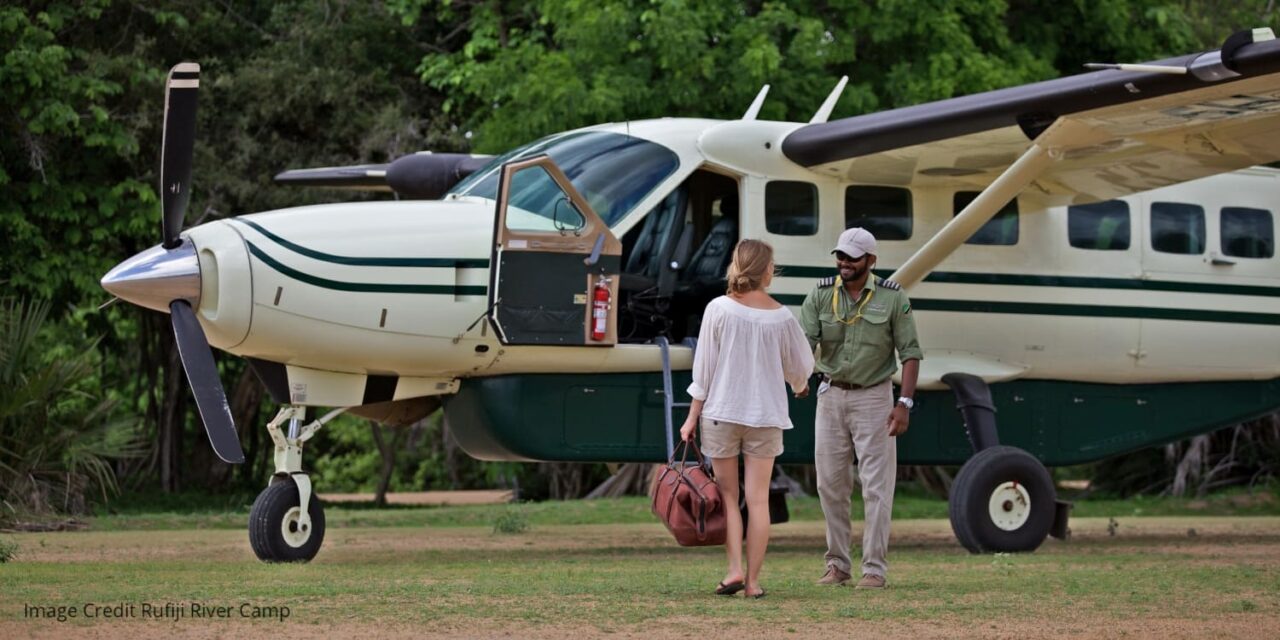
Most flights to Amboseli depart from Wilson Airport in Nairobi or from Arusha, Tanzania (though Arusha is less common for a direct weekend trip to Amboseli itself unless combining with northern Tanzania circuit). Several safari operators offer scheduled or private charter flights to the park’s airstrip (Amboseli Airstrip – HKAM).
- From Nairobi: Flights typically take around 45-60 minutes. This allows you to arrive at your lodge by mid-morning on your first day, maximizing your photography time. The flight itself can offer aerial views of the landscape.
- From Arusha: If you are starting from Arusha (e.g., after climbing Kilimanjaro or a Northern Circuit safari), a flight is also possible, though less direct for a standalone Amboseli weekend.
When booking, ensure your flight schedule aligns with your lodge check-in times and that your safari operator can arrange seamless transfers from the airstrip to your accommodation.
Driving to Amboseli
The drive from Nairobi to Amboseli is approximately 4-5 hours, depending on road conditions and traffic. The route typically goes via Namanga, the border town with Kenya, and then into the park.
- Pros: More economical, allows for stops along the way (though this can eat into valuable photography time on a short trip).
- Cons: Significantly more time spent traveling, potential for delays, and less comfortable than flying. The final stretch of road into the park can be rough, especially during the rainy season.
For a 3-day Amboseli photographic weekend, flying is strongly recommended to maximize your time in the park and for capturing those crucial sunrise moments. If driving, you’ll need to depart very early on Day 1 and potentially return late on Day 3 or even Monday morning to make the most of it.
Sample 3-Day Amboseli Photographic Weekend Itinerary
This itinerary is designed to prioritize photographic opportunities, especially sunrise Kilimanjaro shots, within a condensed weekend timeframe. It assumes arrival via flight to maximize time.
Day 1: Arrival and Afternoon Light
- Morning: Arrive at Amboseli Airstrip (HKAM) via flight from Nairobi. You’ll be met by your safari guide and vehicle.
- Late Morning: Transfer to your chosen lodge or tented camp. Check-in and have lunch. If staying inside the park, you can begin your first game drive shortly after settling in. If staying outside, you’ll drive into the park for your afternoon activity.
- Afternoon (Approx. 2:00 PM – 6:00 PM): Your first game drive begins. Focus on exploring the park’s diverse habitats, looking for elephants and other wildlife. The late afternoon light is excellent for photography, with Kilimanjaro often providing a stunning backdrop as the sun begins to descend. Your guide will position you for optimal light and compositions.
- Evening: Return to your camp/lodge for dinner and relaxation. Discuss the next day’s early start with your guide.
Day 2: Sunrise Spectacle and Full Day Exploration
- Pre-Dawn (Approx. 5:30 AM): Wake up call. Meet your guide and depart for a pre-dawn game drive. You’ll aim to be in a prime location to witness and photograph the sunrise over Mount Kilimanjaro.
- Sunrise (Approx. 6:15 AM – 7:00 AM): Capture the magic as the sun crests the horizon, illuminating Kilimanjaro. This is the highlight for many photographers. Your guide will know the best vantage points.
- Morning Game Drive (Approx. 7:00 AM – 10:00 AM): Continue your game drive as the wildlife becomes more active in the morning light. Focus on elephants, birds, and other animals.
- Late Morning/Lunch: Return to your camp/lodge for breakfast or brunch, and some rest during the hottest part of the day.
- Afternoon Game Drive (Approx. 2:00 PM – 6:00 PM): Head out for another extensive game drive. Explore different areas of the park, seeking out unique photographic opportunities. This is a good time to capture animals in their natural behavior.
- Evening: Return to camp/lodge for dinner.
Day 3: Final Sunrise & Departure
- Pre-Dawn (Approx. 5:30 AM): Another early start for a final chance to capture sunrise Kilimanjaro shots, perhaps from a different vantage point or focusing on different elements.
- Morning Game Drive (Approx. 6:30 AM – 9:30 AM): Enjoy a final morning game drive, focusing on any species you may have missed or revisiting favorite spots.
- Late Morning: Return to your camp/lodge for breakfast and check-out.
- Midday: Transfer to Amboseli Airstrip for your onward flight, or begin your drive back to Nairobi if you chose that option.
This itinerary is a template. Your guide will adapt it based on wildlife sightings, weather conditions, and your specific photographic interests. The key is the early morning departure on Day 2 and Day 3 to catch the sunrise.
What to Expect on Your Photographic Weekend
A 3-day Amboseli photographic weekend is intense, rewarding, and requires a good level of preparation. Here’s what you can anticipate:
- Early Mornings: Be prepared for very early starts, often before dawn, to be in position for sunrise. This is non-negotiable for capturing the best light.
- Long Hours in the Vehicle: You’ll spend significant time in a 4×4 safari vehicle, often for several hours at a time during game drives. The vehicle is your mobile photography studio.
- Variable Light Conditions: While sunrise and sunset offer golden light, midday can be harsh. You’ll need to adapt your shooting techniques and settings accordingly.
- Dust: Amboseli can be dusty, especially during the dry season. Protect your camera gear.
- Wildlife Encounters: Expect close encounters with elephants. Other animals are also present, though perhaps not in the same density as in some other parks. The focus here is often the landscape and the iconic species.
- Kilimanjaro Views: While you’re going in the best season, weather is unpredictable. You might have perfect views, or clouds could obscure parts of the mountain. Manage expectations, but know that the chances are high.
- Comfort vs. Proximity: Accommodation options range from luxury lodges to more rustic tented camps. Lodges inside the park offer unparalleled access for early morning/late evening drives, while those outside might offer more amenities but require more travel time to enter the park gates.
- Guide’s Role: Your guide is crucial. They know the park, wildlife behavior, and the best spots for photography. Communicate your needs and interests clearly.
Essential Photography Tips for Amboseli Sunrises
To make the most of your photographic opportunities, especially for sunrise Kilimanjaro shots, keep these tips in mind:
- Gear:
- Lenses: A versatile zoom lens (e.g., 70-200mm, 100-400mm) is ideal for wildlife. A wider lens (e.g., 24-70mm) can be useful for landscapes with Kilimanjaro.
- Tripod/Monopod: Highly recommended for low-light sunrise shots and for stabilizing shots from the vehicle.
- Camera Body: A DSLR or mirrorless camera with good low-light performance is beneficial.
- Memory Cards & Batteries: Bring plenty. You’ll be shooting a lot.
- Cleaning Kit: Essential for dust and lens cleaning.
- Sunrise Specifics:
- Arrive Early: Be at your chosen viewpoint before the sun actually appears. Capture the pre-dawn glow and the changing colors.
- Focus on Kilimanjaro: Experiment with different compositions. Include foreground elements like acacia trees or wildlife for scale and interest.
- Settings: Use a tripod and a relatively low ISO (e.g., 100-400) with a smaller aperture (f/8-f/11) for sharp landscapes. For wildlife in low light, you might need higher ISOs and wider apertures.
- White Balance: Experiment with ‘Daylight’ or ‘Cloudy’ for warm sunrise tones, or shoot in RAW to adjust later.
- Shoot in RAW: This gives you maximum flexibility for post-processing, especially for recovering details in highlights and shadows during sunrise.
- Wildlife Integration: Look for elephants or other animals moving into the frame as the light appears. This creates those iconic shots.
- Vehicle Considerations:
- Window Mounts/Beanbags: Ask your operator if they provide beanbags; they are invaluable for stabilizing your camera.
- Shoot Through Openings: Utilize the open-top vehicle for unobstructed shots.
- Be Patient: Wildlife is unpredictable. Wait for the right moment, the right light, and the right behavior.
- Respect Wildlife: Always maintain a safe distance and follow your guide’s instructions.
A successful 3-day Amboseli photographic weekend depends on preparation, patience, and understanding the unique light and landscape.
Packing and Preparation for Your Trip
Packing smart is essential for a short safari. Focus on layers, neutral colors, and practical items.
Clothing:
- Neutral Colors: Khaki, beige, olive green, brown. Avoid bright colors and black/dark blue (which can attract tsetse flies).
- Layering: T-shirts, long-sleeved shirts (for sun protection and cooler mornings/evenings), fleece jacket or warm sweater, a light to medium-weight jacket (windproof/water-resistant is ideal).
- Trousers: Comfortable, durable safari trousers or convertible pants. Avoid jeans if possible, as they are heavy and slow to dry.
- Shorts: Optional, for warmer days.
- Underwear & Socks: Plenty of pairs.
- Sleepwear: Comfortable pajamas.
Footwear:
- Comfortable Walking Shoes: Closed-toe shoes for game drives and around camp.
- Sandals/Flip-flops: For relaxing at the lodge.
- Hiking Boots: Only if your itinerary includes specific walking safaris (unlikely for a short weekend trip).
Photography Gear:
- Camera body, lenses, spare batteries, memory cards.
- Tripod or monopod.
- Camera bag, cleaning kit (blower, microfiber cloths, lens cleaner).
- Dust protection for your camera (e.g., rain cover, plastic bags).
Health & Personal Items:
- Sunscreen: High SPF.
- Insect Repellent: With DEET.
- Hat: Wide-brimmed for sun protection.
- Sunglasses.
- Personal Medications: Include any prescription drugs.
- Basic First-Aid Kit: Band-aids, antiseptic wipes, pain relievers.
- Hand Sanitizer.
- Toiletries: Biodegradable options are preferred.
- Malaria Prophylaxis: Consult your doctor.
Other Essentials:
- Binoculars: Essential for spotting wildlife.
- Reusable Water Bottle.
- Adapter: For charging electronics (check voltage/plug type).
- Headlamp or Small Flashlight: Useful for navigating camp at night.
- Notebook and Pen: For notes, observations, or journaling.
- Book/E-reader: For downtime.
- Snacks: If you have specific dietary needs or preferences.
- Small Backpack/Daypack: For carrying essentials on game drives.
Preparation:
- Book in Advance: Especially for a weekend trip, book flights, accommodation, and safari vehicles well ahead of time, particularly for 2026-2027.
- Confirm Inclusions: Understand what your safari package covers (meals, park fees, game drives, guide, vehicle).
- Inform Operator: Let your tour operator know about any specific photographic needs or interests you have.
- Check Weather: While you’re aiming for dry season, weather can still be variable. Pack accordingly.
Common Mistakes to Avoid
To ensure your 3-day Amboseli photographic weekend is a success, be aware of these common pitfalls:
- Underestimating Travel Time: Assuming you can easily drive from Nairobi and have a full day of photography is a mistake. Flying is highly recommended for a weekend.
- Not Prioritizing Sunrise: Sleeping in on Day 2 or Day 3 means missing the best light and the most iconic Kilimanjaro views.
- Packing Too Much: For flights, luggage weight is often restricted. Stick to essentials and pack light.
- Inadequate Camera Gear: Not bringing the right lenses, enough batteries, or memory cards can lead to missed shots.
- Ignoring Light: Not understanding how to shoot in the golden hours (sunrise/sunset) or harsh midday sun will impact image quality.
- Not Communicating with Your Guide: Your guide is your best resource. Tell them what you want to photograph.
- Expecting Guaranteed Wildlife: While Amboseli is known for elephants, wildlife sightings are never guaranteed. Be flexible and appreciate what you see.
- Booking Too Late: For popular weekend slots, especially for 2026-2027, last-minute bookings are risky.
- Not Protecting Gear from Dust: Amboseli can be dusty. Without proper protection, your camera equipment can suffer.
Who is This 3-Day Trip Best Suited For?
A 3-day Amboseli photographic weekend is ideal for:
- Photographers: Especially those aiming to capture iconic images of Mount Kilimanjaro at sunrise, alongside wildlife.
- Short-Term Travelers: Individuals or couples with limited vacation time who want a concentrated safari experience.
- First-Time Safari-Goers: Amboseli offers a relatively easy and accessible safari experience with guaranteed highlights.
- Nature Enthusiasts: Anyone who appreciates stunning landscapes and the chance to see large mammals in their natural habitat.
- Those Seeking Iconic Views: If the image of Kilimanjaro over the plains is a must-see for you, this trip delivers.
It’s less suited for those who want to explore multiple parks in depth or have a very relaxed pace, as three days is quite short for a safari.
Alternatives to a 3-Day Amboseli Photographic Weekend
While Amboseli is superb for Kilimanjaro views, other options exist depending on your priorities:
Safari Alternatives in Tanzania
| Option | Focus | Pros | Cons | Suitability for Kilimanjaro Sunrise |
|---|---|---|---|---|
| 4-Day Tarangire & Lake Manyara | Elephants (Tarangire), tree-climbing lions (Manyara), diverse birdlife. | More diverse ecosystems, excellent wildlife density. | Kilimanjaro views are minimal to non-existent. Longer travel time. | Very Low. |
| 3-Day Mikumi National Park | Big cats, elephants, diverse plains game. | Accessible from Dar es Salaam, good wildlife sightings. | No Kilimanjaro views. Less dramatic scenery than Amboseli. | None. |
| Longer Northern Circuit (Serengeti, Ngorongoro) | Great Migration, Big Five, Ngorongoro Crater unique ecosystem. | World-renowned, incredible wildlife diversity and density. | Much longer duration needed. Kilimanjaro views are not a focus and sporadic. | Low. Kilimanjaro is visible from certain viewpoints on clear days when driving between Arusha and the parks, but not a focus of the safari itself. |
| Kilimanjaro Trekking | Ascending Africa’s highest peak. | Ultimate adventure, incredible views from the summit. | Requires significant physical fitness and time commitment (5-9 days). Not a photographic *safari* weekend. | You’ll see Kilimanjaro from its slopes, not from a distance like in Amboseli. Sunrise from the summit is legendary. |
| Day Trip to Arusha National Park | Momella Lakes, Ngurdoto Crater, Mount Meru. | Close to Arusha, good for a short introduction. | Kilimanjaro views are possible but often partially obscured. Limited time. Not ideal for dedicated sunrise photography. | Moderate, but often partial views. |
For the specific goal of sunrise Kilimanjaro shots within a short timeframe, the 3-day Amboseli photographic weekend remains the top choice.
Planning Your 2026-2027 Amboseli Trip
Planning ahead is key, especially if you’re targeting specific dates or looking for the best availability for 2026 and 2027. Here’s how to approach it:
- Define Your Dates: Identify your preferred weekend. Remember to check for dry seasons (June-Oct, Jan-Feb) for the best Kilimanjaro views. Consider public holidays or peak travel times if you wish to avoid crowds.
- Choose Your Operator: Select a reputable Tanzanian tour operator. Look for those with experience in photographic safaris and good reviews. Top Guide Adventures is a trusted local operator.
- Flights: Book your flights to Nairobi (or wherever your international connection is) and then your internal flight to Amboseli as early as possible. For 2026-2027, booking 6-12 months in advance is advisable for the best prices and availability.
- Accommodation: Decide between lodges and tented camps. Consider location (inside vs. outside the park) and amenities. Book accommodation well in advance, especially for peak seasons.
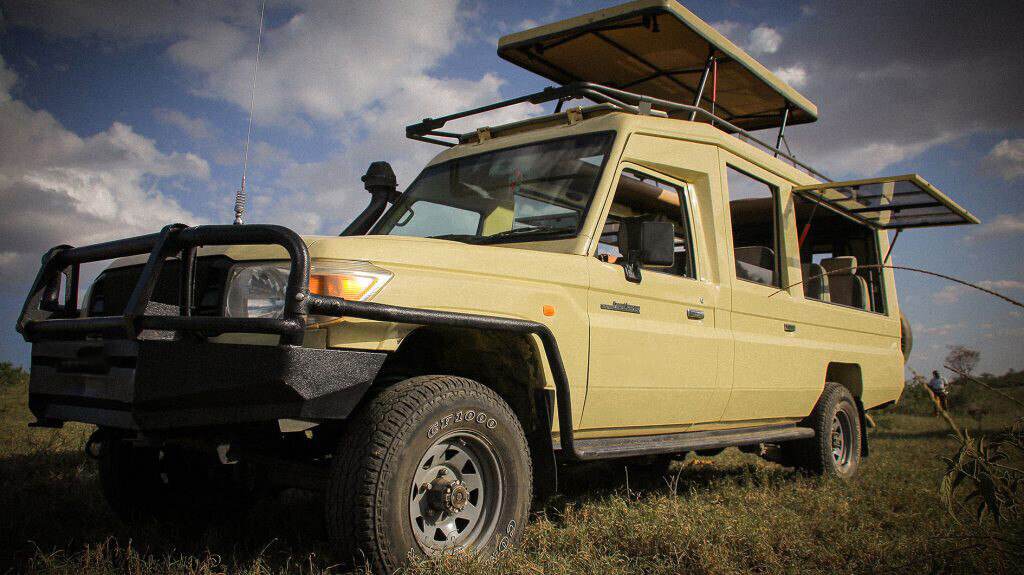
- Safari Vehicle & Guide: Ensure your operator provides a well-maintained 4×4 safari vehicle with a pop-up roof, driven by an experienced, knowledgeable guide. If photography is your main goal, mention this when booking – some guides are more attuned to photographic needs.
- Park Fees: Understand that park fees are typically per person, per 24-hour period. Your operator will usually include these in the package.
- Budget: While exact prices vary, a 3-day safari package will include accommodation, meals, park fees, vehicle, and guide. Flying will add to the cost compared to driving.
- Travel Insurance: Essential for any safari. Ensure it covers medical emergencies, trip cancellation, and lost luggage.
- Visas & Vaccinations: Check visa requirements for Tanzania and consult your doctor about recommended vaccinations and malaria prophylaxis well in advance of your 2026-2027 trip.
By planning your 3-day Amboseli photographic weekend for 2026 or 2027 with these steps, you’ll set yourself up for a smooth and memorable experience.
Booking Your 3-Day Amboseli Photographic Weekend
When you’re ready to book your 3-day Amboseli photographic weekend, here’s how to proceed with a reputable operator like Top Guide Adventures:
- Contact Us: Reach out via WhatsApp at +255616946642 or email us at topguideadventures@gmail.com (backup: info@topguideadventures.com).
- Specify Your Needs: Clearly state that you are interested in a 3-day Amboseli photographic weekend with a focus on sunrise Kilimanjaro shots. Mention your preferred travel dates or flexibility, and if you have specific photographic gear you plan to bring.
- Request a Custom Itinerary/Quote: We will work with you to craft an itinerary tailored to your photographic goals, including the best timings for sunrise viewing and game drives. We will provide a detailed quote that outlines inclusions and exclusions.
- Confirm Inclusions: Ensure the quote clearly lists what is covered: park fees, accommodation, meals, private safari vehicle and guide, airport transfers, and internal flights (if booked through us).
- Payment Schedule: Typically, a deposit is required to confirm your booking (often 30-50%), with the balance due closer to your travel date (e.g., 30-60 days prior).
- Documentation: We will provide booking confirmations, detailed itineraries, and pre-departure information.
- Questions: Don’t hesitate to ask any questions you have about the trip, what to expect, or preparations needed for your 2026-2027 adventure.
Choosing a local, experienced operator ensures you get authentic advice and a well-organized trip that maximizes your photographic potential.
Frequently Asked Questions
FAQs about the 3-Day Amboseli Photographic Weekend
1. What is the best time of year for a 3-day Amboseli photographic weekend to see Kilimanjaro clearly?
The best times are during the dry seasons: June to October and January to February. These months generally offer the clearest skies, providing the best visibility of Mount Kilimanjaro for your sunrise photography.
2. How do I get to Amboseli for a weekend trip?
For a short weekend trip, flying from Nairobi to Amboseli Airstrip (HKAM) is highly recommended. It saves considerable travel time compared to driving, allowing more time for photography. Driving is an option but takes 4-5 hours each way.
3. What kind of camera gear should I bring for this trip?
A versatile zoom lens (e.g., 70-200mm or 100-400mm) is essential for wildlife. A wider lens can be useful for landscapes. A tripod or monopod is very helpful for low-light sunrise shots. Ensure you have plenty of spare batteries and memory cards, and a good cleaning kit.
4. Can I see elephants with Kilimanjaro in the background?
Yes, this is one of Amboseli’s most iconic photographic opportunities! The park is famous for its large elephant herds, and combining them with the backdrop of Kilimanjaro, especially during the golden hours of sunrise, is a highlight of any photographic safari here.
5. What is included in a typical 3-day Amboseli photographic weekend package?
A typical package includes accommodation, meals, park entrance fees, a private 4×4 safari vehicle, a professional guide, and game drives. If you book flights through the operator, that will also be included. Always confirm specific inclusions with your tour operator.
6. Is a 3-day trip enough time for Amboseli?
For a focused photographic trip aiming for sunrise Kilimanjaro shots, three days is a good duration. It allows for two sunrises and two full days of game drives. If you want to explore more extensively or have a more relaxed pace, a 4-day trip would be better.
7. What should I wear on an Amboseli safari?
Pack light, comfortable clothing in neutral colors (khaki, beige, olive green). Include layers like T-shirts, long-sleeved shirts, a fleece, and a light jacket for cooler mornings and evenings. A hat and sunglasses are essential for sun protection.
8. Will I be able to charge my camera batteries and phone?
Yes, most lodges and tented camps have charging facilities, often via 240V sockets. It’s advisable to bring a universal adapter. Some safari vehicles also have charging ports, but don’t rely solely on these.
9. What are the risks of visiting Amboseli in the rainy season?
The main risks are cloudy skies obscuring Mount Kilimanjaro, making sunrise photography difficult. Heavy rains can also lead to muddy, impassable roads, potentially limiting game drive access and making travel more challenging. Wildlife viewing can be dispersed as animals spread out to find water.
10. How far in advance should I book my 3-day Amboseli photographic weekend for 2026-2027?
For the best availability and prices for 2026-2027, it’s recommended to book at least 6-12 months in advance, especially if you are traveling during peak dry seasons or around public holidays. This is particularly true for flights and popular lodges.
Your Next Step to Amazing Kilimanjaro Sunrises
Don’t miss the chance to capture the breathtaking beauty of Mount Kilimanjaro at dawn. A 3-day Amboseli photographic weekend is a perfectly crafted experience for photographers and nature lovers seeking iconic landscapes and wildlife. Let Top Guide Adventures help you plan and execute this unforgettable safari.
We specialize in creating tailored photographic safaris that maximize your opportunities for stunning shots. Whether you dream of elephants silhouetted against a Kilimanjaro sunrise or intimate wildlife portraits, we have the expertise to make it happen.
Contact us today to start planning your 2026-2027 adventure:
- WhatsApp: +255616946642
- Email: topguideadventures@gmail.com
- Backup Email: info@topguideadventures.com
Let’s create your perfect 3-day Amboseli photographic weekend!
Plan your 3-Day Amboseli Photographic Weekend — Sunrise Kilimanjaro Shots with Top Guide Adventures
Tell us your travel dates, group size, comfort level, and dream experience. We will help you shape a clear, realistic, and memorable Tanzania itinerary.







 Veedesigner
 Fatma Kizanga
 Benjamin Waryuba
 Philip Philip
 John jr Itaja
 Antonia Optatus
 Edith Kanyere
 Neema Iddy
 Kelvin Boniphace
 Damari Maiga



