
Updated planning guide for 2026-2027
5-Day Private Photographic Masterclass — Masai Mara: Luxury Travel Guide
This comprehensive guide details a 5-Day Private Photographic Masterclass in Kenya's Masai Mara, offering insights into expert-led wildlife photography, itinerary planning, essential gear, and booking advice for your 2026-2027 adventure.
WhatsApp +255616946642 | topguideadventures@gmail.com | info@topguideadventures.com
Your Ultimate Guide to a 5-Day Private Photographic Masterclass — Masai Mara
The Masai Mara National Reserve in Kenya is a world-renowned wildlife sanctuary, a place where the drama of nature unfolds daily. For photographers, it represents a pinnacle of opportunity, a canvas painted with the continent’s most iconic species and breathtaking landscapes. A 5-Day Private Photographic Masterclass — Masai Mara offers an unparalleled chance to hone your skills under the guidance of seasoned professionals, capturing images that tell powerful stories. This guide provides an in-depth look at what such an experience entails, from planning and preparation to what you can expect on the ground, ensuring you make the most of your photographic journey in 2026-2027.
This isn’t just a safari; it’s an intensive learning experience designed for those serious about elevating their wildlife photography. Whether you’re looking to capture the Great Migration, the elusive leopard, or the subtle beauty of the African savanna, this masterclass provides the focused attention and expert knowledge needed to achieve your photographic goals.
Quick Overview: 5-Day Private Photographic Masterclass — Masai Mara
| Aspect | Details |
|---|---|
| Focus Keyword | 5-Day Private Photographic Masterclass — Masai Mara |
| Duration | 5 Days / 4 Nights |
| Location | Masai Mara National Reserve, Kenya |
| Primary Activity | Wildlife Photography Instruction & Practice |
| Group Size | Private (Typically 1-4 participants) |
| Accommodation | Luxury Tented Camps or Lodges |
| Transportation | Custom 4×4 Safari Vehicle with open roof |
| Best Time to Visit | June to October (Great Migration), December to March (Calving Season & general wildlife viewing) |
| Target Year | 2026-2027 |
Why Choose a Private Photographic Masterclass in the Masai Mara?
The Masai Mara is a photographer’s paradise, offering dense populations of wildlife and dramatic landscapes. Choosing a private masterclass over a standard safari significantly enhances your experience. Here’s why:
- Expert Guidance: Learn advanced techniques in composition, lighting, camera settings, and post-processing directly from professionals who understand both photography and the nuances of wildlife behavior in the Mara.
- Personalized Attention: With a private tour, the instructor can tailor the learning experience to your specific skill level, interests, and photographic goals. You’ll get individual feedback and dedicated coaching.
- Exclusive Access: Private vehicles allow for more flexibility. You can spend extended time at sightings, wait for the perfect light or animal behavior, and travel to less crowded areas, maximizing your shooting opportunities.
- Optimal Timing: Instructors know the best times of day and year to find specific animals and witness key behaviors, ensuring you’re in the right place at the right time for peak photographic moments.
- Focus on Craft: The primary goal is photography. Unlike standard safaris where wildlife viewing is the sole objective, here, every element is geared towards helping you create compelling images.
Understanding the Masai Mara Ecosystem
The Masai Mara is part of the larger Serengeti-Mara ecosystem, an area famed for its vast grasslands, acacia woodlands, and the annual Great Migration. This incredible phenomenon sees millions of wildebeest, zebras, and gazelles move in search of fresh pastures, a spectacle that draws predators and provides unparalleled photographic action.
Key wildlife species you can expect to encounter include:
- The Big Five: Lion, Leopard, Elephant, Buffalo, Rhino (though rhino sightings are rarer and often require specific efforts).
- Predators: Cheetahs, Hyenas, Wild Dogs, Jackals.
- Plains Game: Wildebeest, Zebras, Giraffes, Topi, Impala, Gazelles, Warthogs.
- Birds: Over 500 species, including ostriches, secretary birds, eagles, and numerous smaller, colorful birds.
The landscape itself is a subject: rolling hills, the Mara River with its dramatic crossings, and the endless savanna under vast African skies. Understanding this environment is crucial for anticipating animal movements and composing impactful photographs.
Best Time for Your Photographic Masterclass
The Masai Mara offers incredible photographic opportunities year-round, but certain periods are particularly renowned. For a photographic masterclass, timing can significantly influence the subjects and dramatic events you can capture.
| Period | Pros for Photographers | Cons |
|---|---|---|
| June – October (Great Migration) | Massive herds, river crossings (July-September), high predator activity, lush green landscapes early on, dramatic skies. Ideal for capturing action and scale. | Peak season, higher prices, can be crowded, dry season means sparser vegetation which can make animals more visible but also harder to hide. |
| November (Short Rains) | Fewer crowds, dramatic light with passing showers, landscapes become vibrant, excellent birding. | Rain can sometimes disrupt game drives. |
| December – March (Calving Season & Dry Season) | Calving season brings newborn animals and increased predator activity. Dry season means animals congregate around water sources, making them easier to find. Good light. | Can be hot and dry. Migration herds may have moved south. |
| April – May (Long Rains) | Very few tourists, lush green landscapes, dramatic skies, fantastic light after rain. Good for bird photography. | Heavy rains can make roads impassable and limit game drive access. Wildlife can be more dispersed. |
For a 5-Day Private Photographic Masterclass — Masai Mara, aiming for the Great Migration period (July-September) offers the most dramatic opportunities, especially if river crossings are your focus. However, the shoulder months (June, October, December-March) can offer excellent photography with fewer people and potentially lower costs.
Sample Itinerary: 5-Day Private Photographic Masterclass — Masai Mara
This is a sample itinerary designed to maximize photographic opportunities and learning. Specific schedules will be tailored by your instructor based on wildlife movements and your interests.
Day 1: Arrival in the Mara & Introduction to Wildlife Photography
Morning/Afternoon: Arrive at a local airstrip in the Masai Mara. You’ll be met by your private guide and photographic instructor in a custom 4×4 safari vehicle. Transfer to your luxury tented camp or lodge. After settling in, you’ll have an introductory session covering camera basics, essential gear, and the principles of wildlife photography in the Mara. Your instructor will discuss the plan for the next few days.
Late Afternoon Game Drive: Head out for your first photographic safari. Focus on understanding animal behavior, finding good light, and practicing basic compositions. Your instructor will provide real-time feedback and guidance on settings.
Evening: Return to camp. Enjoy dinner and a detailed review session of the day’s images, discussing challenges and successes. Your instructor will cover advanced settings and techniques for the following day.
Day 2: Predators, Plains Game, and Mastering Light
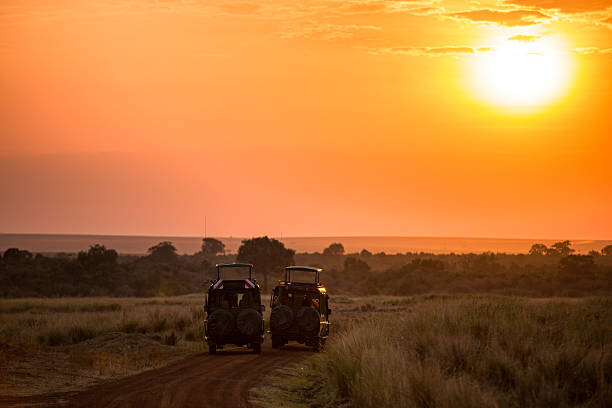
Early Morning Game Drive: Depart before sunrise to capture the golden hour light. Focus on tracking predators like lions, cheetahs, or leopards, and capturing their behavior in the soft morning light. Learn techniques for shooting in low light and freezing fast action.
Mid-day: Return to camp for brunch. Participate in a workshop session focusing on specific photographic challenges, such as photographing animals in dense bush, capturing portraits, or understanding depth of field.
Late Afternoon Game Drive: Explore different areas of the reserve, seeking out diverse subjects like herds of wildebeest or zebras, or perhaps a solitary leopard. Focus on storytelling through your images and using the landscape to enhance your shots. Learn about telephoto lens techniques and capturing motion.
Evening: Image review and critique session. Discussion on ethical wildlife photography practices and planning for Day 3.
Day 3: The Mara River & Action Photography
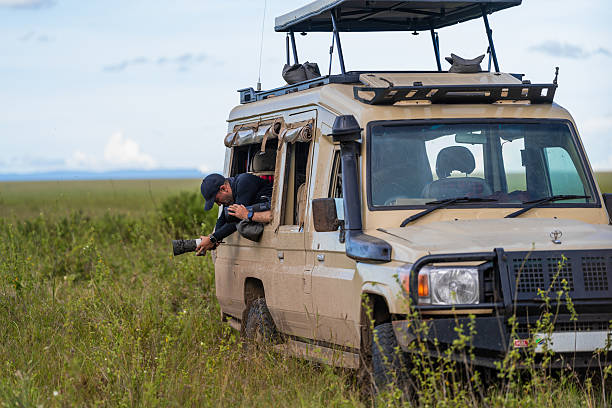
Full Day Game Drive (Optional): Depending on the season and wildlife movements, you might spend the day focusing on the Mara River area. This is prime territory for hippos, crocodiles, and potentially dramatic predator-prey interactions, especially during migration season. If the Great Migration is active, you’ll focus on capturing the immense scale of the herds and the potential for river crossings.
Photography Focus: Master techniques for capturing action, including panning, using fast shutter speeds, and anticipating critical moments. Learn how to use your vehicle and environment to your advantage for unique angles.
Evening: Extended image review and a session on post-processing basics (if included in the masterclass). Discuss strategies for capturing specific species you might still be looking for.
Day 4: Bird Photography, Landscape, and Creative Techniques
Early Morning Game Drive: Focus on bird photography, which requires different techniques due to smaller subjects and faster movements. Learn about optimal settings for bird-in-flight shots and capturing detailed plumage.
Late Morning: Explore opportunities for landscape photography within the Mara, incorporating wildlife where possible. Learn about using wide-angle lenses, capturing dramatic skies, and composing with foreground elements.
Afternoon Game Drive: A final opportunity to revisit favorite spots, track elusive animals, or try out creative techniques learned throughout the week, such as intentional camera movement (ICM) or abstract wildlife shots.
Evening: Farewell dinner. A final comprehensive review of your portfolio from the week, with personalized advice for continued improvement. Discussion on how to present your work.
Day 5: Final Shoot & Departure
Early Morning Game Drive: A last chance for some early morning photography, perhaps focusing on specific species or revisiting a memorable location.
Late Morning: Return to camp for breakfast. Transfer to the airstrip for your onward flight, filled with incredible images and enhanced photographic skills.
What to Expect: The Private Masterclass Experience
A 5-Day Private Photographic Masterclass — Masai Mara is intensive and rewarding. Here’s a breakdown of what to anticipate:
- Early Mornings & Late Evenings: Wildlife is most active during the cooler parts of the day. Expect to be out in the field from sunrise until after sunset, with breaks during the heat of the day.
- Dedicated Vehicle: You will have a custom-built 4×4 safari vehicle designed for photography, often with beanbags, ample space, and a pop-up roof for unobstructed views and shooting angles.
- Expert Instructor: Your instructor will be an experienced wildlife photographer with in-depth knowledge of the Mara ecosystem and a passion for teaching. They will be with you for most of your game drives and in the evenings.
- Personalized Feedback: The instructor will observe your shooting habits and provide constructive criticism and practical advice tailored to your needs.
- Image Reviews: Regular sessions to review your photographs are crucial for learning. This allows the instructor to identify areas for improvement and celebrate your successes.
- Accommodation: Expect comfortable to luxurious accommodation in tented camps or lodges that blend into the environment, offering excellent service and dining.
- Pace: While intense, the pace is managed to avoid burnout. There are breaks for meals and rest, and the instructor will gauge your energy levels.
Essential Gear and Preparation
Proper gear is crucial for wildlife photography. Your instructor will guide you on using it effectively, but having the right equipment is the first step.
Camera Equipment:
- Camera Body: A DSLR or mirrorless camera with manual controls is essential. A backup body is highly recommended for a trip like this.
- Lenses: A telephoto zoom lens (e.g., 100-400mm, 150-600mm, or 200-500mm) is vital for capturing distant wildlife. A wider lens (e.g., 24-70mm) is useful for landscapes and larger animals up close. A prime lens (e.g., 300mm or 400mm) can offer superior image quality.
- Tripod/Monopod: While often difficult to use in a moving vehicle, a monopod can provide stability. Beanbags are typically provided in safari vehicles for lens support.
- Batteries: Bring plenty of spare batteries.
- Memory Cards: High-speed, high-capacity memory cards are a must. Bring more than you think you’ll need.
- Cleaning Kit: Essential for keeping your gear dust-free.
Other Essentials:
- Binoculars: For spotting wildlife and enjoying views when not shooting.
- Laptop/Tablet: For reviewing and backing up images.
- External Hard Drive: For backing up photos.
- Power Bank: To charge devices on the go.
- Adaptors/Converters: For charging electronics.
Clothing:
Neutral, earthy tones (khaki, olive green, beige) are recommended to blend in with the environment. Avoid bright colors and black/dark blue, which can attract insects or be perceived as threatening by some animals.
- Lightweight, breathable long-sleeved shirts and trousers.
- Warm fleece or jacket for cool mornings and evenings.
- Comfortable walking shoes or hiking boots.
- Sun hat and sunglasses.
Other Items:
- High SPF sunscreen.
- Insect repellent.
- Personal medications.
- Camera insurance.
Common Mistakes to Avoid
To ensure your photographic masterclass is a success, be aware of common pitfalls:
- Over-packing camera gear: While essential, too much gear can be cumbersome. Focus on versatility.
- Underestimating the light: African light can be harsh. Learn to work with it or shoot during the golden hours.
- Not practicing before you go: Familiarize yourself with your camera’s settings and functions.
- Focusing only on the ‘Big Five’: The Mara has incredible diversity. Don’t miss opportunities to photograph smaller mammals, birds, insects, and landscapes.
- Ignoring composition and storytelling: Technical skill is important, but a compelling image tells a story.
- Being impatient: Wildlife photography often involves waiting. Patience is key to capturing magical moments.
- Not listening to your guide/instructor: They have invaluable local knowledge and photographic expertise.
- Forgetting post-processing: While shooting is primary, understanding basic editing can significantly improve your final images.
Who is This Masterclass Best Suited For?
A 5-Day Private Photographic Masterclass — Masai Mara is ideal for:
- Aspiring Wildlife Photographers: Those who want to transition from hobbyist to a more serious level and learn professional techniques.
- Enthusiast Photographers: Individuals who already have a good grasp of photography but want to specialize in wildlife and improve their technical and creative skills in a challenging environment.
- Serious Amateurs: Photographers looking to capture portfolio-quality images and gain expert insights.
- Travelers Seeking Depth: People who want more than a standard safari, desiring a focused, educational, and skill-building experience.
- Individuals or Small Groups: The private nature makes it perfect for solo travelers, couples, or small families/friends who want a tailored experience.
It is generally not suited for absolute beginners with no camera knowledge or those looking for a purely leisurely safari experience without a strong photographic focus.
Alternative Photography Tour Options
While a 5-day private masterclass is a fantastic option, other formats might suit different needs and budgets:
| Tour Type | Description | Pros | Cons |
|---|---|---|---|
| Group Photographic Safari | Join a small group (e.g., 6-8 people) led by one or two photographic guides. Shared vehicle. | More affordable than private; opportunities to learn from others in the group. | Less personalized attention; less flexibility with vehicle time; may need to share shooting space. |
| Standard Safari with Photographic Focus | A regular safari where the guide is aware of photographic interests but not a dedicated photo instructor. | Most affordable option; good for general wildlife viewing with a photographic eye. | No formal instruction; limited specific photographic guidance; relies on guide’s general knowledge. |
| Longer Masterclass (7-10 days) | An extended private or group masterclass, potentially covering multiple locations or deeper dives into specific techniques. | More time for in-depth learning, diverse photographic opportunities, more relaxed pace. | Higher cost and time commitment. |
| Specialized Workshops (e.g., Migration, Birds) | Shorter, focused workshops during peak events like the Great Migration or prime birding seasons. | Excellent for capturing specific phenomena; highly targeted learning. | Limited to specific times of year; may be less flexible on subjects. |
Planning Your 2026-2027 Photographic Safari
Planning ahead is essential, especially for specialized tours like a photographic masterclass in 2026 or 2027. Here’s a planning timeline:
- 12-18 Months Prior:
- Research tour operators specializing in photographic safaris.
- Identify potential instructors or masterclass providers.
- Determine your budget and preferred travel dates (consider the best time for wildlife/photography).
- Book your masterclass and accommodation well in advance, especially for peak seasons like the Great Migration.
- 9-12 Months Prior:
- Book international flights.
- Secure necessary visas (if applicable).
- Start researching and purchasing essential photography gear.
- 6-9 Months Prior:
- Arrange travel insurance (ensure it covers photography equipment and emergency evacuation).
- Begin physical fitness preparation if needed.
- 3-6 Months Prior:
- Confirm all itinerary details with your tour operator.
- Get necessary vaccinations and malaria prophylaxis (consult your doctor).
- Practice using your camera equipment extensively.
- 1-3 Months Prior:
- Pack your bags, ensuring you have all necessary clothing and accessories.
- Do a final gear check and clean.
- Inform your bank of your travel dates.
- 1-2 Weeks Prior:
- Reconfirm flights and transfers.
- Download any necessary apps or offline maps.
- Final gear check and battery charging.
Booking early for 2026 and 2027 is highly recommended, as prime photographic tours and accommodations in the Masai Mara are in demand.
Booking Advice for Your Masterclass
When booking your 5-Day Private Photographic Masterclass — Masai Mara, consider the following:
- Reputation and Reviews: Choose a tour operator with a proven track record in organizing high-quality photographic safaris. Look for reviews specifically mentioning photographic tours and instructor quality.
- Instructor Credentials: Inquire about the photographer leading the masterclass. What is their experience, their published work, and their teaching style?
- Inclusions and Exclusions: Clearly understand what is covered in the price. This typically includes accommodation, meals, park fees, game drives, and photographic instruction. Exclusions might be international flights, visas, tips, drinks, and personal insurance.
- Vehicle Type: Ensure the safari vehicle is specifically adapted for photography, offering good stability, ample space, and unobstructed views.
- Group Size: For a private masterclass, confirm the exact number of participants. For group tours, understand the maximum group size.
- Communication: Maintain clear communication with the tour operator. Don’t hesitate to ask questions about the itinerary, gear, or any concerns you might have.
- Payment Terms: Understand the deposit and final payment schedule, and the cancellation policy.
Contact Us for Your Bespoke Photographic Adventure in 2026-2027:
Ready to capture the magic of the Masai Mara with expert guidance? We specialize in crafting personalized safari experiences, including private photographic masterclasses. Let us help you plan an unforgettable journey.
WhatsApp: +255616946642
Email: topguideadventures@gmail.com
Backup Email: info@topguideadventures.com
Frequently Asked Questions (FAQs)
Q1: What is the difference between a standard safari and a photographic masterclass?
A1: A standard safari focuses on wildlife viewing. A photographic masterclass is an educational tour where the primary goal is to improve your photography skills under expert guidance, with game drives structured to maximize photographic opportunities.
Q2: Do I need professional camera equipment?
A2: While professional gear helps, you don’t necessarily need the most expensive equipment. A good DSLR or mirrorless camera with manual controls and a decent telephoto lens is sufficient. The instructor will help you get the best results from whatever gear you have.
Q3: What if I am a beginner photographer?
A3: Many masterclasses cater to various skill levels. A private masterclass is ideal for beginners as the instructor can focus on your specific needs, from basic camera functions to composition.
Q4: Will the masterclass include post-processing training?
A4: Some masterclasses include basic post-processing sessions, while others focus solely on field techniques. Clarify this with your tour operator when booking.
Q5: How much downtime will there be?
A5: While intensive, there are planned breaks for meals and rest. The instructor will also gauge the group’s energy levels. The focus is on quality shooting time, not constant activity.
Q6: What are the typical accommodation standards?
A6: For a private masterclass, expect comfortable to luxurious tented camps or lodges that offer en-suite facilities, good food, and excellent service. They are typically situated in prime locations for wildlife viewing.
Q7: Is a 5-day masterclass enough time?
A7: Five days is a good introduction, allowing coverage of key techniques and sufficient time in the field. For deeper learning or exploring multiple areas, a longer duration might be considered.
Q8: What is the expected wildlife viewing in the Masai Mara in 2026-2027?
A8: The Masai Mara consistently offers excellent wildlife viewing year-round. The Great Migration typically occurs from July to October, providing spectacular herd and predator action. Outside of migration season, resident wildlife populations are high.
Q9: What is the best way to get to the Masai Mara?
A9: The most common way is by light aircraft from Nairobi’s Wilson Airport directly to a Masai Mara airstrip. This saves significant travel time and offers scenic views.
Q10: Can I request specific wildlife to photograph?
A10: While you can express your interests, wildlife sightings are not guaranteed. Your instructor and guide will do their best to find your desired subjects, but patience and flexibility are key.
Final Thoughts on Your Photographic Journey
A 5-Day Private Photographic Masterclass — Masai Mara is an investment in both your passion for photography and your appreciation for the natural world. It’s an opportunity to learn from the best in one of Africa’s most iconic wildlife destinations. By planning carefully and choosing the right operator, you can ensure an experience that not only yields stunning photographs but also creates lasting memories. The landscapes, the animals, and the expert guidance combine to offer a truly exceptional adventure in 2026-2027.
Ready to capture the wild heart of Africa? Let us craft your perfect photographic safari.
Get in touch today:
WhatsApp: +255616946642
Email: topguideadventures@gmail.com
Backup Email: info@topguideadventures.com
Plan your 5-Day Private Photographic Masterclass — Masai Mara with Top Guide Adventures
Tell us your travel dates, group size, comfort level, and dream experience. We will help you shape a clear, realistic, and memorable Tanzania itinerary.







 Veedesigner
 Fatma Kizanga
 Benjamin Waryuba
 Philip Philip
 John jr Itaja
 Antonia Optatus
 Edith Kanyere
 Neema Iddy
 Kelvin Boniphace
 Damari Maiga



