
Updated planning guide for 2026-2027
6-Day Laikipia Wilderness Trail — Multi-Day Walking Safari: Best Guide
Explore the rugged beauty of Kenya's Laikipia region on a 6-day walking safari. This comprehensive guide covers everything you need to plan your unforgettable wilderness experience.
WhatsApp +255616946642 | topguideadventures@gmail.com | info@topguideadventures.com
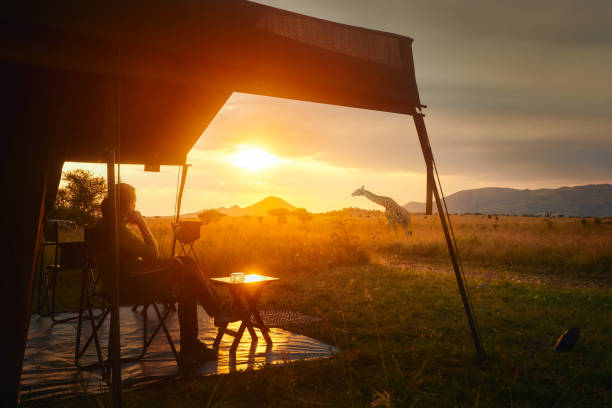
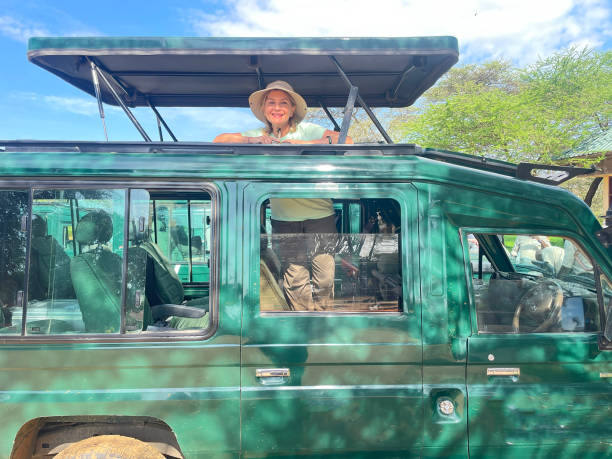
The 6-Day Laikipia Wilderness Trail offers an intimate encounter with one of Kenya’s most diverse and vital conservation areas. Unlike traditional vehicle-based safaris, this multi-day walking safari immerses you directly into the landscape, allowing for a deeper connection with the flora, fauna, and the very spirit of the wild. This guide is designed to provide you with all the essential information to plan and execute an incredible walking safari adventure in Laikipia, covering what to expect, the best times to visit, essential preparations, and how to book your journey with confidence for 2026 and 2027.
Table of Contents
- Quick Facts: 6-Day Laikipia Wilderness Trail
- Overview: What is the 6-Day Laikipia Wilderness Trail?
- Why Choose Laikipia for a Walking Safari?
- Best Time to Visit Laikipia for a Walking Safari
- Route and Area Overview
- Sample 6-Day Laikipia Wilderness Trail Itinerary
- What to Expect on the Trail
- Typical Inclusions and Exclusions
- Essential Packing and Preparation
- Common Mistakes to Avoid
- Who is the 6-Day Laikipia Wilderness Trail Best Suited For?
- Alternatives to Laikipia Walking Safaris
- Planning Your 2026-2027 Trip
- Booking Your 6-Day Laikipia Wilderness Trail
- Frequently Asked Questions
Quick Facts: 6-Day Laikipia Wilderness Trail
| Aspect | Details |
|---|---|
| Duration | 6 Days / 5 Nights |
| Location | Laikipia Plateau, Kenya |
| Activity Type | Multi-day Walking Safari, Guided Trekking |
| Focus | Wildlife viewing on foot, conservation, landscape immersion |
| Accommodation | Mobile camps, fly camps, sometimes lodges or permanent camps |
| Pace | Moderate to challenging, depending on terrain and fitness |
| Group Size | Typically small (4-8 guests) |
| Guides | Highly experienced, armed ranger guides |
| Wildlife Highlights | Reticulated giraffe, Grevy’s zebra, elephants, lions, leopards, wild dogs, rhinos (depending on conservancy), diverse birdlife |
Overview: What is the 6-Day Laikipia Wilderness Trail?
The 6-Day Laikipia Wilderness Trail is an immersive walking safari experience designed for travelers seeking a profound connection with the African bush. It moves away from the conventional safari vehicle, placing you on foot in the heart of the Laikipia Plateau, a region celebrated for its pioneering conservation efforts and abundant wildlife. Over six days, you will traverse diverse terrains – from open grasslands and rocky outcrops to riverine forests – guided by expert rangers who share their deep knowledge of the ecosystem. This trail emphasizes slow travel, allowing you to observe animal behavior, track spoor, identify plants, and appreciate the subtle nuances of the wilderness that are often missed from a vehicle. Accommodation typically involves comfortable, yet rustic, mobile camps that are set up each evening, offering a true sense of bush living. It’s a journey that challenges your senses, expands your understanding of conservation, and leaves you with a lasting appreciation for the wild.
Why Choose Laikipia for a Walking Safari?
Laikipia is more than just a destination; it’s a conservation success story and an ideal canvas for a walking safari. Several factors make it stand out:
- Conservation Hub: Laikipia is at the forefront of conservation in Africa. It hosts numerous private conservancies and community projects focused on wildlife protection, anti-poaching, and habitat restoration. This dedication means a higher density and diversity of wildlife, including endangered species.
- Unique Wildlife: The plateau is a stronghold for species often harder to find elsewhere, such as the endangered Grevy’s zebra, reticulated giraffe, and African wild dog. It also boasts significant populations of elephants, lions, leopards, cheetahs, and both black and white rhinos.
- Diverse Landscapes: From the vast, arid plains to the foothills of Mount Kenya, Laikipia offers varied scenery. This diversity supports a rich array of ecosystems, providing fascinating subjects for exploration on foot.
- Emphasis on Walking: Many properties within Laikipia are specifically geared towards walking safaris, offering well-established trails and highly trained guides. The relatively low human population density and extensive private land ownership create a safe and expansive environment for trekking.
- Pioneering Conservation Model: Laikipia pioneered the model of private conservancies working in partnership with communities and government bodies. This integrated approach has led to remarkable wildlife recovery and offers a compelling narrative for visitors interested in conservation.
- Reduced Visitor Numbers: Compared to more crowded national parks, Laikipia conservancies often have fewer vehicles and visitors, ensuring a more exclusive and intimate wilderness experience, especially when on foot.
Best Time to Visit Laikipia for a Walking Safari
The best time to undertake a walking safari in Laikipia is generally during the dry seasons, which offer the most favorable conditions for trekking and wildlife viewing.
| Season | Months | Conditions | Wildlife Viewing | Walking Suitability |
|---|---|---|---|---|
| Long Dry Season | June to October | Cooler temperatures, clear skies, very little rain. Vegetation is sparse. | Excellent. Animals congregate around water sources. Easier to spot from a distance. | Excellent. Comfortable temperatures, lower risk of rain, easier to traverse terrain. |
| Short Rains | November to December | Intermittent, often short-lived showers. Temperatures warm up. | Good. Greener landscapes, birds are active. Animals may disperse slightly. | Good, with occasional wet spells. Can be pleasant between showers. |
| Long Rains | March to May | Heavier, prolonged rainfall. Lush vegetation. | Can be challenging. Animals disperse widely. Birdlife is at its peak. | Challenging. Muddy tracks, potential for river crossings, reduced visibility. Not ideal for extensive walking. |
| Short Dry Season | January to February | Hotter, dry periods with occasional showers. | Good. Animals may still be concentrated around remaining water. | Good, but can be hot. Requires early morning and late afternoon walks. |
For the 6-Day Laikipia Wilderness Trail, the period from June to October is highly recommended due to the pleasant weather and excellent wildlife viewing opportunities. January and February can also be very good, offering a different kind of beauty, though heat can be a factor. Avoid the peak of the long rains (March-May) if extensive walking is your priority.
Route and Area Overview
The Laikipia Plateau is a vast region north of the equator in central Kenya. It’s characterized by its diverse topography, ranging from rolling grasslands and acacia woodlands to rugged hills and river valleys. The 6-Day Laikipia Wilderness Trail typically takes place within one or more of the large private conservancies that make up this plateau. These conservancies are managed for conservation and low-impact tourism, ensuring vast, unspoiled areas for exploration.
While specific routes vary based on the conservancy, the operator, and the season, a typical trail might cover areas such as:
| Stage | General Area/Terrain | Likely Wildlife Encounters | Notes |
|---|---|---|---|
| Day 1-2 | Open grasslands and acacia plains | Grevy’s zebra, reticulated giraffe, plains game (oryx, eland, gazelles), predators (lions, cheetahs) | Focus on tracking and understanding open-country ecology. |
| Day 2-3 | Rocky kopjes and hillsides | Leopards, klipspringers, baboons, various bird species, potential for rhino | More challenging terrain, excellent for spotting elusive animals and enjoying panoramic views. |
| Day 3-4 | Riverine areas and woodlands | Elephants, buffalo, various antelope species, abundant birdlife, hippos (if water present) | Shaded walking, focus on water-dependent species and forest-dwelling birds. |
| Day 4-5 | Mixed habitats, potentially near waterholes or springs | Rhinos (if in the conservancy), wild dogs, general plains game, smaller mammals | Opportunity for diverse encounters, learning about water management and its impact on wildlife. |
| Day 6 | Return trek or transfer point | Final wildlife sightings, reflection on the journey | Concluding the trail, often with a final bush breakfast before departure. |
The exact location will depend on the specific tour operator and the conservancy they partner with, such as Ol Pejeta, Lewa, Borana, or other private ranches. The trail is designed to offer a varied experience of Laikipia’s diverse ecosystems.
Sample 6-Day Laikipia Wilderness Trail Itinerary
This is a sample itinerary and can be customized. The pace is moderate, with walking times typically between 4-7 hours per day, including breaks for observation and meals.
| Day | Morning Activity | Midday | Afternoon Activity | Evening |
|---|---|---|---|---|
| Day 1: Arrival and Introduction | Arrive at Nanyuki airstrip. Transfer to the conservancy start point. Meet your guides and receive an orientation on walking safari safety and etiquette. Short introductory walk to get acquainted with the environment and local flora/fauna. | Lunch at a designated bush spot. Rest. | Continue walking, focusing on tracking animal signs and identifying plants. Learn about the local conservation efforts. | Arrive at the first mobile camp. Freshen up, enjoy sundowners around the campfire. Dinner and briefing for the next day. |
| Day 2: Plains and Kopjes | After breakfast, set off on a longer walk across the open plains. Look for Grevy’s zebra, reticulated giraffe, and plains game. Learn about predator-prey dynamics. | Picnic lunch in the shade of an acacia tree. Siesta. | Ascend to rocky kopjes. Search for signs of leopards and klipspringers. Enjoy expansive views of the plateau. | Reach the mobile camp set up in a scenic location. Relax and share stories of the day’s sightings. |
| Day 3: Riverine Exploration | Walk towards a river system or watercourse. Observe water-dependent wildlife and birdlife. Learn about the importance of water in the ecosystem. | Lunch by the river. Opportunity for a short rest or photography. | Continue along the river, potentially encountering elephants or buffalo. Explore the transition zone between woodland and grassland. | Arrive at the next camp, often situated near a water source. Enjoy the sounds of the bush at night. |
| Day 4: Rhino and Wild Dog Territory | Focus on areas known for rhino populations (if applicable to the conservancy). Learn about rhino conservation and tracking techniques. Search for signs of African wild dogs. | Bush lunch. | Continue exploring diverse habitats, looking for signs of predators and their prey. Guides will interpret tracks and signs. | Set up camp in a remote, picturesque spot. Evening spent around the fire, discussing the day’s wildlife encounters. |
| Day 5: Deeper Wilderness | A full day’s walk exploring a more remote section of the conservancy. This day might involve more challenging terrain or longer distances, offering a true immersion into the wilderness. | Packed lunch enjoyed en route. | Continue the trek, focusing on understanding the interconnectedness of the Laikipia ecosystem. Look for smaller mammals and insects. | Final night in the mobile camp. A special bush dinner might be arranged. |
| Day 6: Departure | Enjoy a final early morning walk, perhaps to a special viewpoint or to track any fresh signs. Return to camp for a hearty breakfast. | Pack up and say farewell to the camp crew. | Transfer back to the designated airstrip or roadhead for your onward journey. | — |
What to Expect on the Trail
A 6-Day Laikipia Wilderness Trail is an experience that engages all your senses and offers a unique perspective on the African wild.
- Physical Exertion: Expect to walk for several hours each day. The terrain can vary from flat plains to undulating hills and rocky areas. While not a strenuous mountain trek, a reasonable level of fitness is required. Walks are typically done in the cooler parts of the day (early morning and late afternoon), with a long break during the hottest midday hours.
- Guided Experience: You will be accompanied by at least one, often two, highly experienced and armed safari guides. They are experts in tracking, wildlife behavior, bushcraft, and safety. They will lead the way, interpret the environment, and ensure your well-being.
- Wildlife Encounters: While vehicle safaris often focus on spotting large charismatic animals, walking safaris allow for a more detailed appreciation. You’ll learn to spot tracks, scat, and signs of passage. You can get closer (at a safe distance) to certain animals, observe their behavior, and experience the thrill of encountering wildlife on foot. You’ll see a wide range of animals, from the iconic Grevy’s zebra and reticulated giraffe to elephants, lions, leopards, and rhinos, along with abundant birdlife and smaller creatures.
- Accommodation: Nights are spent in mobile or fly camps. These are typically comfortable canvas tents with proper beds, bedding, and often an en-suite bush bathroom (a tented toilet and shower, sometimes with hot water provided by the camp crew). The camps are moved daily, so you wake up in a new, often spectacular, location. Expect a communal dining tent and a campfire area. It’s a rustic but comfortable experience, designed to immerse you in the environment without sacrificing essential comforts.
- Bush Meals: Meals are prepared by a dedicated camp chef and crew. Expect delicious, hearty meals cooked over a campfire or gas stove. This includes breakfasts, packed lunches, and three-course dinners. Sundowners with snacks and drinks are a daily ritual.
- Safety: Safety is paramount. Guides are armed and trained in anti-poaching and wildlife encounter management. They will brief you on safety protocols, including how to behave around wildlife, where to walk, and what to do in various situations. You will always walk with your guides.
- Digital Detox: While some camps may have limited charging facilities, expect limited to no phone signal or internet. This is an opportunity to disconnect from the digital world and reconnect with nature.
- Learning and Immersion: This is an educational experience. Your guides will share their extensive knowledge of ecology, conservation, tracking, astronomy, and local culture.
Typical Inclusions and Exclusions
While packages vary, here’s a general guide to what is usually included and excluded on a 6-Day Laikipia Wilderness Trail.
| Included | Excluded |
|---|---|
| Accommodation in mobile camps (tents, beds, linen) | International flights to/from Kenya |
| All meals (breakfast, lunch, dinner) and drinks (water, soft drinks, local beer/wine) | Visa fees for Kenya |
| Guided walks with armed professional safari guides | Park or conservancy entrance fees (sometimes included, check with operator) |
| Camp crew services (cook, porters) | Gratuities for guides and camp staff |
| Bush transfers to/from the starting/ending points of the trail | Travel insurance (mandatory) |
| Use of camp equipment (tents, cooking gear) | Personal expenses (souvenirs, laundry) |
| Purified drinking water | Premium alcoholic beverages |
| Bush showers and toilets | Internal flights to/from Nanyuki or other local airstrips |
Always confirm the exact inclusions and exclusions with your tour operator when booking your 2026 or 2027 adventure.
Essential Packing and Preparation
Packing for a walking safari requires careful consideration to ensure comfort, safety, and practicality. Layering is key, and neutral, earthy colors are essential to blend into the environment.
Clothing:
- Lightweight Trousers: 2-3 pairs (quick-drying, breathable). Avoid jeans.
- Long-Sleeved Shirts: 2-3 (for sun protection and warmth in the evenings).
- T-shirts/Base Layers: 3-4 (moisture-wicking).
- Fleece Jacket or Warm Sweater: 1-2 (for cooler mornings and evenings).
- Waterproof and Windproof Jacket: 1 (essential for unexpected rain and wind).
- Comfortable Walking Shorts: 1-2 (for around camp or optional during walks if conditions allow, though long trousers are generally preferred for protection).
- Underwear and Socks: Plenty of moisture-wicking socks (hiking socks recommended).
- Hat: Wide-brimmed for sun protection.
- Pajamas or comfortable sleepwear.
Footwear:
- Broken-in Hiking Boots: Sturdy, comfortable, and waterproof. These are essential for walking on varied terrain.
- Comfortable Camp Shoes: Sandals or trainers for around the camp.
Gear:
- Backpack: A comfortable daypack (20-30 liters) for carrying water, snacks, camera, extra layers, and personal items during walks.
- Water Bottles or Hydration Pack: Capacity for at least 2-3 liters.
- Sunscreen: High SPF.
- Insect Repellent: Containing DEET or Picaridin.
- Sunglasses.
- Headlamp or Torch: With extra batteries (essential for navigating camp at night).
- Camera: With extra batteries and memory cards. Binoculars are highly recommended.
- Personal First-Aid Kit: Including any personal medications, blister treatment, pain relievers, antiseptic wipes, and bandages.
- Toiletries: Biodegradable options are preferred. Wet wipes are very useful.
- Small Towel: Quick-drying microfiber towel.
- Book or journal: For downtime.
- Power Bank: For charging electronics if available at camps.
Preparation:
- Fitness: Start a regular walking or hiking routine several months before your trip. Focus on building stamina and leg strength.
- Hydration: Practice staying hydrated during your training.
- Break in Boots: Ensure your hiking boots are well worn in to avoid blisters.
- Consult Your Doctor: Discuss any health concerns and necessary vaccinations or malaria precautions.
Common Mistakes to Avoid
To ensure your 6-Day Laikipia Wilderness Trail is as rewarding as possible, be mindful of these common pitfalls:
- Underestimating Fitness Requirements: While not an extreme trek, walking for several hours daily on uneven terrain requires a good level of fitness. Failing to prepare can make the experience less enjoyable.
- Inadequate Footwear: Wearing new or ill-fitting boots is a recipe for blisters and discomfort. Always break in your hiking boots thoroughly before the trip.
- Wearing the Wrong Clothing: Bright colors, denim, and cotton can be uncomfortable and make you stand out. Stick to neutral, breathable, moisture-wicking fabrics.
- Not Packing Enough Water: Dehydration is a serious risk in the African bush. Always carry sufficient water and drink regularly.
- Ignoring Guide Instructions: Your guides are highly trained professionals. Their instructions regarding safety, wildlife encounters, and trail etiquette are paramount. Never wander off alone or disregard their advice.
- Expecting Constant Big Game Sightings: Walking safaris are about immersion and observation of the whole ecosystem. While you will see wildlife, the focus is on the experience of being in the wild, not just ticking off a list of animals. Appreciate the smaller details.
- Overpacking: You’ll be carrying your daypack, and luggage space can be limited on transfers. Pack essentials and versatile items.
- Forgetting Essential Gear: A good headlamp, sun protection, and insect repellent are crucial.
- Not Being Mentally Prepared for Remote Camping: While comfortable, mobile camps are rustic. Be prepared for bush showers, limited electricity, and sleeping under canvas surrounded by nature.
- Not Booking in Advance: Popular walking safaris, especially for specific dates in 2026 or 2027, can book up quickly. Plan and book well in advance.
Who is the 6-Day Laikipia Wilderness Trail Best Suited For?
This type of safari is ideal for a specific type of traveler who seeks a more profound and active engagement with the wilderness.
- Adventure Seekers: Those who enjoy physical activity and want to experience Africa on foot, rather than from a vehicle.
- Nature Enthusiasts: Individuals with a deep appreciation for the natural world, eager to learn about flora, fauna, tracking, and ecology.
- Conservation-Minded Travelers: People interested in understanding conservation efforts firsthand and supporting responsible tourism. Laikipia’s model makes it a compelling destination for this.
- Photographers: Those who want unique angles and intimate wildlife encounters that are often only possible on foot.
- Experienced Safari-Goers: Travelers who have perhaps done traditional safaris and are looking for a more in-depth, immersive experience.
- Couples and Small Groups: The intimate nature of walking safaris makes them perfect for couples or small groups of friends who share a passion for the outdoors.
- Those Seeking a Digital Detox: Individuals looking to disconnect from technology and reconnect with nature and themselves.
It is generally not recommended for:
- Travelers with significant mobility issues or very low fitness levels.
- Young children (age restrictions often apply, typically 12+).
- Those who prefer luxury amenities and constant creature comforts without any rustic elements.
- Travelers who are uncomfortable with the idea of being on foot in areas with potentially dangerous wildlife.
Alternatives to Laikipia Walking Safaris
While Laikipia offers a premier walking safari experience, other areas in East Africa provide excellent opportunities for similar adventures, each with its unique characteristics.
| Location | Type of Walking Safari | Key Differences/Highlights | Best For |
|---|---|---|---|
| Selous Game Reserve (Southern Tanzania) | Walking safari, boat safaris | Vast, untamed wilderness, Rufiji River system, big game, less crowded than northern parks. Offers a more ‘raw’ feel. | Travelers seeking a wild, expansive feel with diverse safari activities. |
| South Luangwa National Park (Zambia) | Walking safari pioneer, excellent tracking | Renowned for its walking safari traditions, exceptional leopard sightings, incredible birdlife, and immersive bush camps. | Serious walkers and wildlife enthusiasts focused on tracking and predator sightings. |
| Lower Zambezi National Park (Zambia) | Walking, canoeing, fishing, game drives | Stunning Zambezi River scenery, diverse activities, good game viewing including elephants and predators. | Those wanting a multi-activity safari in a beautiful riverine environment. |
| Northern Tanzania (e.g., Tarangire, Serengeti fringes) | Walking safaris (often with a mobile camp) | Can offer walking safaris, particularly in concessions bordering national parks, allowing for close-up encounters with plains game and excellent predator sightings. | Combining walking with classic Tanzanian game drives, or for those seeking a more mobile camp experience. |
| Okavango Delta (Botswana) | Mokoro (dugout canoe), walking safaris, game drives | Unique water-based environment, incredible birdlife, sense of pristine wilderness. Walking is often focused on islands. | Travelers seeking a unique aquatic and terrestrial safari experience in a luxury setting. |
While Best Tanzania Tour Operator focuses on Tanzania, we can help you understand how these options compare if you’re considering a multi-day walking trail. Laikipia, however, remains a top choice for its specific blend of conservation focus, unique wildlife, and well-established walking safari infrastructure.
Planning Your 2026-2027 Trip
Planning ahead is crucial for securing the best experiences, especially for popular safari activities like the 6-Day Laikipia Wilderness Trail. Here’s a guide for planning your 2026 or 2027 adventure.
- When to Book: For peak seasons (June-October) or specific lodges/camps, booking 9-12 months in advance is highly recommended for 2026 and 2027. Shoulder seasons might allow for slightly later bookings, but it’s always best to plan early.
- Choosing an Operator: Research reputable tour operators with experience in Laikipia walking safaris. Look for reviews, inquire about guide qualifications, and ensure they prioritize safety and responsible tourism. We at Best Tanzania Tour Operator are experienced in arranging such adventures.
- Understanding Costs: Walking safaris are often more expensive than standard vehicle safaris due to the specialized guides, logistics, and mobile camp setup. Prices can vary significantly based on the level of luxury, inclusions, and the specific conservancy.
- Visa and Health Requirements: Check current visa regulations for Kenya for your nationality. Consult your doctor or a travel clinic 4-6 weeks before your trip regarding necessary vaccinations and malaria prophylaxis.
- Travel Insurance: Comprehensive travel insurance is non-negotiable. Ensure it covers medical emergencies, evacuation, trip cancellation, and lost belongings.
- Internal Flights: If flying into Kenya, you’ll likely need to book an internal flight to Nanyuki, the main gateway town for Laikipia. Factor this into your budget and timeline.
Sample Booking Timeline for 2026-2027:
| Timeframe | Action |
|---|---|
| 12-18 Months Prior | Research destinations, tour operators, and safari styles. Start saving. |
| 9-12 Months Prior | Finalize itinerary and book your 6-Day Laikipia Wilderness Trail with your chosen operator. Book international flights. |
| 6-9 Months Prior | Book internal flights (e.g., to Nanyuki). Confirm visa requirements. |
| 3-6 Months Prior | Start physical training. Purchase essential gear and clothing. Obtain necessary vaccinations. |
| 1-3 Months Prior | Finalize packing list. Confirm all travel arrangements. Obtain travel insurance. |
| 2-4 Weeks Prior | Pack your bags. Reconfirm flight details. Inform bank of travel dates. |
Booking Your 6-Day Laikipia Wilderness Trail
Securing your spot on the 6-Day Laikipia Wilderness Trail is a straightforward process when you work with an experienced and reliable tour operator. We, at Best Tanzania Tour Operator, specialize in creating bespoke safari experiences across East Africa, including walking safaris in regions like Laikipia.
Here’s how to proceed:
- Contact Us: Reach out to us via WhatsApp, email, or our website contact form. Let us know your interest in the 6-Day Laikipia Wilderness Trail, your preferred travel dates for 2026 or 2027, the number of travelers, and any specific preferences you might have.
- WhatsApp: +255616946642
- Email: topguideadventures@gmail.com
- Backup Email: info@topguideadventures.com
- Consultation: We will discuss your requirements in detail. This includes understanding your fitness level, interests (e.g., photography, birding, specific wildlife), desired comfort level, and budget. We will then propose suitable itineraries and lodges/camps that align with your needs.
- Itinerary and Quote: We will provide a detailed itinerary, including daily activities, accommodation details, and a comprehensive quote outlining inclusions and exclusions.
- Confirmation and Deposit: Once you approve the itinerary and quote, a deposit will be required to confirm your booking. The balance will be due closer to your travel date.
- Pre-Departure Support: We will provide you with essential pre-departure information, including packing lists, visa guidance, health recommendations, and what to expect.
- During Your Safari: Our support continues throughout your trip. We ensure smooth transfers and that your safari experience meets your expectations.
Choosing Best Tanzania Tour Operator means partnering with a team dedicated to providing authentic, safe, and memorable safari adventures. We leverage our local knowledge and expertise to craft an unforgettable 6-Day Laikipia Wilderness Trail for you.
Frequently Asked Questions
Is the 6-Day Laikipia Wilderness Trail safe?
Yes, the 6-Day Laikipia Wilderness Trail is conducted with the utmost attention to safety. You will be accompanied by highly trained, armed professional safari guides who are experts in wildlife behavior and safety protocols. They manage all wildlife encounters and ensure you adhere to safety guidelines. Walking safaris in Laikipia are a well-established and regulated activity.
What is the typical daily walking distance?
The daily walking distance varies depending on the terrain and the specific itinerary, but generally, expect to walk between 10-20 kilometers (6-12 miles) per day. Walks are usually broken into morning and afternoon sessions, with a long rest during the hottest part of the day.
What level of fitness is required for this safari?
A moderate level of fitness is recommended. You should be comfortable walking for 4-7 hours a day on varied terrain, sometimes with moderate inclines. Regular walking, hiking, or general fitness training in the months leading up to your trip will significantly enhance your experience.
What kind of accommodation can I expect?
Accommodation is typically in comfortable, yet rustic, mobile or fly camps. These consist of canvas tents with proper beds, bedding, and often an en-suite bush bathroom (tented toilet and shower). The camp is moved daily to new, scenic locations.
Can I see the Big Five on a walking safari?
While seeing the Big Five (lion, leopard, elephant, rhino, buffalo) is possible on a walking safari in Laikipia, it’s not guaranteed, especially on foot. Walking safaris offer a different perspective, focusing on a broader understanding of the ecosystem. You are more likely to encounter species like Grevy’s zebra, reticulated giraffe, wild dogs, and rhinos, and you might see elephants, lions, and leopards, often through their tracks and signs.
What happens if I need medical attention?
Comprehensive travel insurance that includes medical evacuation is mandatory. In case of a medical emergency, your guides will contact the nearest medical facility or arrange for an aerial evacuation. It is crucial to have your insurance details readily available.
What is the best time of year for the 6-Day Laikipia Wilderness Trail in 2026 or 2027?
The dry seasons are generally best for walking safaris. The period from June to October offers cooler temperatures and clear skies, making for comfortable walking and good wildlife viewing as animals congregate near water. January and February are also good but can be hotter.
Are children allowed on walking safaris?
Most operators have age restrictions for walking safaris, typically 12 years or older, due to safety considerations. It’s essential to check the specific policy of the tour operator you choose.
What kind of wildlife is unique to Laikipia?
Laikipia is a stronghold for endangered species, notably the Grevy’s zebra (the largest wild zebra species) and the reticulated giraffe. It also has significant populations of African wild dogs and rhinos, and is a crucial area for conservation efforts for these animals.
How much luggage can I bring?
Luggage allowance can be restricted, especially if internal flights are involved. Soft-sided duffel bags are usually preferred over hard suitcases. Check with your tour operator for specific weight and size limits. It’s advisable to pack light and bring versatile items.
Ready to Explore the Wilderness?
The 6-Day Laikipia Wilderness Trail is an unparalleled opportunity to connect with the raw beauty and vital conservation work happening in Kenya. If you’re seeking an authentic, active, and deeply memorable safari experience, this trail is for you. Let us help you plan your adventure for 2026 or 2027.
Contact Best Tanzania Tour Operator today to discuss your bespoke Laikipia walking safari:
- WhatsApp: +255616946642
- Email: topguideadventures@gmail.com
- Backup Email: info@topguideadventures.com
Let’s create your unforgettable journey into the Laikipia wilderness.
Plan your 6-Day Laikipia Wilderness Trail — Multi-day Walking Safari with Top Guide Adventures
Tell us your travel dates, group size, comfort level, and dream experience. We will help you shape a clear, realistic, and memorable Tanzania itinerary.







 Veedesigner
 Fatma Kizanga
 Benjamin Waryuba
 Philip Philip
 John jr Itaja
 Antonia Optatus
 Edith Kanyere
 Neema Iddy
 Kelvin Boniphace
 Damari Maiga



