

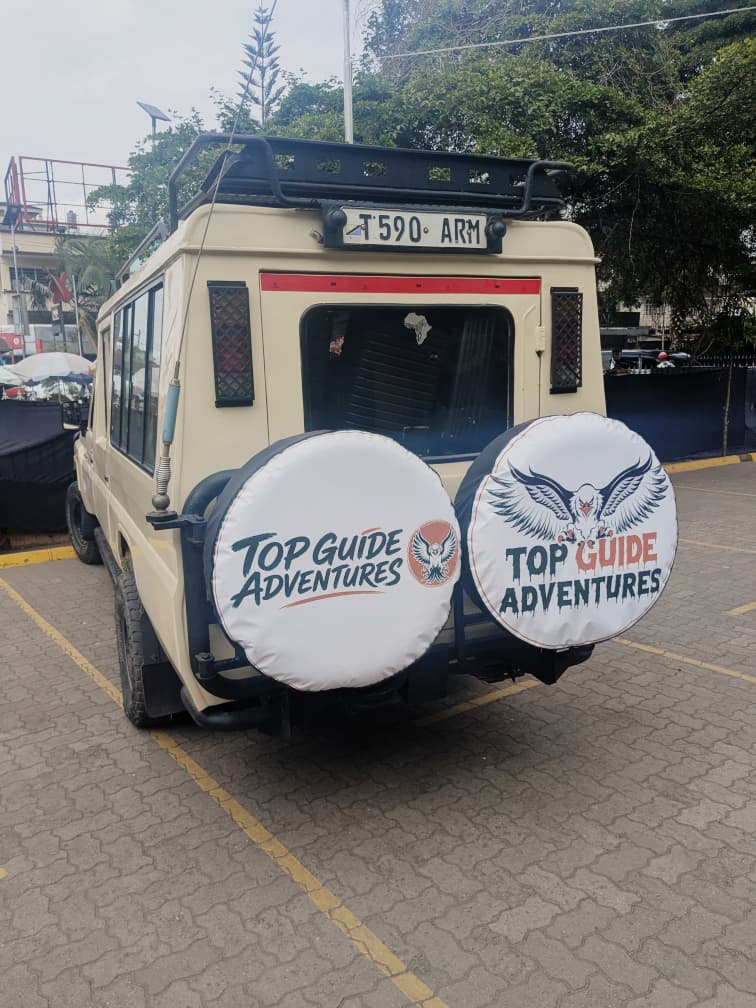
A 3-Day Ruvuma Heritage Expedition is a focused cultural and historical journey through Tanzania’s Ruvuma River region, designed to immerse travelers in the area’s rich past, diverse tribal traditions, and significant archaeological sites. This short but impactful expedition typically starts from a gateway town like Mbeya or Songea, offering a concentrated exploration of ancient trade routes, local life, and the natural beauty of the Ruvuma River, providing a unique window into East African heritage for travelers in 2026-2027.
Unveiling the Ruvuma Heritage Expedition: More Than Just a Trip
The Ruvuma River, a vital artery flowing across southeastern Tanzania and forming part of the border with Mozambique, holds within its basin a profound history and vibrant cultural mix. A 3-Day Ruvuma Heritage Expedition is not merely a sightseeing tour; it’s an expedition into the heart of Tanzania’s historical narrative, a journey that connects you with the ancient peoples, trade routes, and cultural exchanges that have shaped this remarkable region. For those planning travel in 2026 or 2027, this expedition offers a distinct alternative to the more common safari or Kilimanjaro treks, focusing instead on the deep cultural roots and historical significance that lie just beneath the surface of modern Tanzania.
This expedition is meticulously crafted for the discerning traveler who seeks authenticity, a deeper understanding of local life, and a connection to the land that goes beyond the usual tourist trails. It’s for the curious mind, the history enthusiast, and anyone eager to experience the living heritage of Tanzania, from the echoes of ancient Swahili coast traders to the enduring traditions of its many ethnic groups.
Why Choose a 3-Day Ruvuma Heritage Expedition?
Choosing this specific expedition means opting for a concentrated yet comprehensive exploration of a region often overlooked in mainstream tourism. The Ruvuma River area is a treasure trove of historical sites, including ancient settlements, archaeological finds, and landscapes that have witnessed centuries of human activity. The 3-day format is ideal for travelers with limited time, perhaps combining it with other Tanzanian adventures, or for those who prefer a shorter, intensive cultural immersion. It allows for a focused understanding of the region’s heritage without the need for extensive travel days, making it an efficient way to gain significant cultural insights.
Furthermore, this expedition offers a chance to connect with local communities in a meaningful way. You’ll have opportunities to interact with elders, learn about traditional practices, and witness daily life unfold, gaining perspectives that are rarely accessible on more conventional tours. The experience is designed to be educational, engaging, and deeply personal, leaving you with lasting memories and a richer appreciation for Tanzania’s multifaceted heritage.
The Heart of the Expedition: Key Heritage Sites and Experiences
The Ruvuma Heritage Expedition is built around experiencing the tangible and intangible heritage of the Ruvuma River basin. While the exact itinerary can be customized, the core elements often revolve around understanding the historical significance of the river as a conduit for trade and cultural diffusion, as well as exploring the unique traditions of the communities that call this region home.
Ancient Trade Routes and Swahili Influence
The Ruvuma River has historically served as a crucial artery connecting the interior of East Africa to the Indian Ocean coast. For centuries, it facilitated trade in goods such as ivory, gold, and slaves. Exploring this aspect of the heritage involves understanding the routes that converged here, the role of Swahili merchants, and the impact of these exchanges on the region’s development and its connections with the wider world. While physical ruins might be scarce compared to coastal cities, the legacy of these trade routes is woven into the oral histories and cultural practices of the local populations. Imagine standing by the river, contemplating the journeys of traders and explorers from eras past.
Tribal Traditions and Cultural Immersion
The Ruvuma region is home to a diverse array of ethnic groups, each with its own unique customs, languages, and social structures. A heritage expedition provides an unparalleled opportunity to learn about these traditions firsthand. This might include visiting villages, observing traditional crafts, understanding local governance and spiritual beliefs, and perhaps even participating in cultural exchanges. Communities such as the Makua, Yao, and others have rich histories that are often passed down through storytelling, music, and dance. Experiencing these living traditions offers a profound insight into the resilience and adaptability of African cultures.
Archaeological Whispers
While not as extensively documented as some other regions, the Ruvuma basin holds archaeological potential. Sites may include ancient settlement locations, burial grounds, and evidence of past human activity that sheds light on early inhabitants and their ways of life. Even without large-scale excavations visible to tourists, understanding the ongoing research or local knowledge of these sites adds another layer to the heritage expedition. Local guides often possess invaluable knowledge passed down through generations, pointing out areas of historical significance that might otherwise be missed.
The Ruvuma River Landscape
Beyond the human history, the natural environment of the Ruvuma River itself is an integral part of the heritage. The river’s course, its tributaries, and the surrounding landscapes have influenced settlement patterns, agricultural practices, and the very identity of the people. Understanding the ecological context provides a deeper appreciation for the historical interactions between humans and their environment. Activities might include gentle boat excursions (where feasible and safe), guided walks along the riverbanks, and learning about the local flora and fauna that have sustained communities for millennia.
Crafting Your 3-Day Ruvuma Heritage Expedition Itinerary
Designing an effective 3-day itinerary requires careful planning to maximize cultural and historical immersion within a limited timeframe. The focus is on depth rather than breadth, ensuring that each experience is meaningful and contributes to a holistic understanding of the Ruvuma heritage.
Day 1: Arrival and Historical Foundations
Your expedition typically begins in a regional hub like Mbeya or Songea, chosen for its accessibility and proximity to key heritage sites. After arrival and settling into your accommodation, the first day is dedicated to laying the groundwork. This usually involves an introductory session with your local guide, who will provide an overview of the Ruvuma region’s history, its cultural significance, and the itinerary ahead. You might visit a local museum or cultural center (if available) to gain a broader historical context. The afternoon could be spent exploring the immediate surroundings of your base, perhaps visiting a local market to observe daily life and the exchange of goods, which echoes ancient trade practices. A key focus on this day is understanding the geographical importance of the Ruvuma River.
Day 2: Deep look at Local Culture and Traditions
Day two is the heart of the cultural immersion. The morning might involve a visit to a traditional village, arranged in advance to ensure a respectful and authentic interaction. Here, you’ll have the opportunity to meet community members, learn about their daily routines, agricultural methods, and perhaps witness demonstrations of traditional crafts like pottery or weaving. Understanding social structures and family life is paramount. The afternoon could be dedicated to exploring the historical impact of specific ethnic groups in the area, with your guide sharing oral histories and local legends. Depending on the location, this might involve visiting a site of historical importance, such as an old meeting place or a historically significant natural feature. Evening activities could include enjoying traditional music and dance performances, offering a vibrant glimpse into the region’s living culture.
Day 3: River Exploration and Departure
The final day focuses on the Ruvuma River itself and its historical role. Depending on accessibility and safety, a guided excursion along a section of the river might be arranged. This could involve a short boat trip or a walk along its banks, providing a different perspective on the landscape and its historical significance as a trade route. You’ll learn about the river’s ecosystem and its importance to local livelihoods. The expedition concludes with a reflection session, where you can discuss your experiences and insights with your guide. Afterward, you will be transferred back to your starting point for your onward journey, carrying with you a deeper understanding of the Ruvuma’s rich heritage. This carefully structured 3-day plan ensures a rich and memorable experience, even within a short duration.
Planning Your 2026-2027 Ruvuma Heritage Expedition
To ensure a smooth and rewarding experience for your 3-Day Ruvuma Heritage Expedition, thorough planning is essential, especially for travel in the upcoming years of 2026-2027. This involves considering the best time to travel, understanding logistical requirements, and choosing the right tour operator.
Best Time to Visit
While Tanzania offers year-round travel opportunities, the Ruvuma region, being in the southern part of the country, experiences distinct wet and dry seasons. The dry season, generally from June to October, is often considered the most comfortable for travel, with less rain and more pleasant temperatures. This period also aligns with the peak tourist season in other parts of Tanzania, though the Ruvuma region itself remains less crowded. The shoulder months, like May and November, can also offer good weather with fewer tourists. The rainy seasons (typically March-April and November-December) can bring heavier downpours, potentially affecting road conditions and outdoor activities. However, traveling during the green season can offer a different perspective, with lush landscapes and potentially lower travel costs.
Logistics and Accessibility
Accessing the Ruvuma region typically involves flying into a major Tanzanian airport like Kilimanjaro International Airport (JRO) or Julius Nyerere International Airport (DAR) in Dar es Salaam, followed by a domestic flight or overland travel to a regional hub such as Mbeya or Songea. Road conditions can vary, particularly during the rainy season, so choosing a reliable tour operator with experienced drivers and well-maintained vehicles is crucial. Accommodation options in the Ruvuma region might be more basic compared to major tourist hubs, ranging from comfortable guesthouses to lodges, often reflecting the local environment and community-based tourism initiatives. It’s important to discuss accommodation preferences and availability when booking for 2026-2027.
Choosing Your Tour Operator
Selecting the right tour operator is paramount for an authentic and well-organized heritage expedition. Look for companies with deep local knowledge, a commitment to responsible tourism, and a proven track record of handling cultural tours. Top Guide Adventures, for example, specializes in creating customized Tanzanian experiences and can tailor a 3-Day Ruvuma Heritage Expedition to your specific interests. They understand the nuances of the region, have established relationships with local communities, and can ensure that your journey is both enriching and respectful. When contacting them for your 2026-2027 plans, be sure to inquire about their guides’ expertise in local history and culture, their approach to community engagement, and the inclusions in their packages.
Packing Essentials for a Heritage Expedition
Packing for a heritage expedition requires a balance between comfort, practicality, and respect for local customs. Lightweight, breathable clothing is essential, along with sturdy walking shoes for exploring villages and historical sites. A good quality insect repellent, sunscreen, and a hat are vital for protection against the sun and insects. A reusable water bottle is recommended, and consider bringing a small first-aid kit. Culturally sensitive attire, such as long skirts or trousers and tops that cover the shoulders, is advisable when visiting villages and interacting with local communities. A camera to capture memories and a notebook to jot down observations will also enhance your experience.
The Cultural Significance of the Ruvuma Region
The Ruvuma River basin is more than just a geographical feature; it’s a crossroads of cultures and a repository of historical events that have shaped Tanzania and the wider East African region. Understanding this context elevates the 3-Day Ruvuma Heritage Expedition from a simple tour to a profound educational journey.
A Melting Pot of Ethnic Groups
The Ruvuma region has historically been a meeting point for various Bantu-speaking groups, each contributing to the diverse cultural landscape. The Yao, known for their historical role as traders and their adoption of Islam, have left a significant mark. The Makua, with their complex social structures and rich oral traditions, are another prominent group. Other communities, such as the Ngoni, who migrated into the area, have also influenced the region’s cultural dynamics. A heritage expedition allows for an appreciation of this ethnic mosaic, understanding how different groups have coexisted, traded, and sometimes clashed, ultimately forging a unique regional identity.
Echoes of the Slave and Ivory Trade
Like many regions in East Africa, the Ruvuma basin was deeply affected by the historical slave and ivory trades. The river served as a route for transporting enslaved people and ivory tusks from the interior to coastal markets. While a difficult chapter in history, understanding its impact is crucial for a comprehensive appreciation of the region’s past. Heritage tours can provide insights into this history through storytelling, visiting sites that may have been associated with these trade routes, and discussing the long-term social and economic consequences. This acknowledgment allows for a more complete understanding of the historical forces that have shaped the Ruvuma region.
The Ruvuma’s Role in Colonial and Post-Colonial History
The Ruvuma River also played a significant role during the colonial era and in the early years of Tanzania’s independence. Its strategic location along colonial borders and its use as a natural boundary meant it was often a point of interest and sometimes conflict. In the post-independence period, the river continued to be important for regional development and cross-border relations. Learning about these more recent historical events adds depth to the expedition, connecting the ancient past with the more recent history that has led to modern-day Tanzania.
Responsible Tourism on Your Ruvuma Heritage Expedition
As you plan your 3-Day Ruvuma Heritage Expedition for 2026-2027, embracing responsible tourism principles is vital. This ensures that your visit benefits local communities, respects cultural norms, and contributes to the preservation of the region’s heritage.
Engaging Respectfully with Local Communities
When visiting villages and interacting with local people, always do so with respect and sensitivity. Ask for permission before taking photographs, dress modestly, and be mindful of local customs and traditions. Learning a few basic Swahili phrases can go a long way in building rapport. Your guide will be instrumental in facilitating these interactions and ensuring they are conducted in a culturally appropriate manner. Supporting local artisans by purchasing authentic crafts directly from them is a great way to contribute economically.
Supporting Local Economies
Choosing tour operators like Top Guide Adventures that prioritize employing local guides and staff, and partnering with local businesses for accommodation and services, ensures that your travel expenditure directly benefits the Ruvuma region. This includes supporting community-based tourism initiatives, which often offer authentic experiences while providing direct income to villagers. When purchasing souvenirs, opt for locally made products over imported goods.
Environmental Conservation
While the Ruvuma Heritage Expedition is primarily cultural, environmental awareness is still important. Minimize your environmental footprint by avoiding single-use plastics, properly disposing of waste, and conserving water and energy. Respect the natural environment during any river excursions or walks, sticking to designated paths and refraining from disturbing wildlife or natural habitats.
Who is the 3-Day Ruvuma Heritage Expedition For?
This specialized expedition is tailored for a specific type of traveler, one who seeks a deeper, more nuanced understanding of Tanzania beyond the typical safari circuit. It’s ideal for:
- Cultural Enthusiasts: Those who are passionate about understanding different cultures, traditions, and ways of life.
- History Buffs: Individuals interested in exploring the historical narratives of East Africa, including ancient trade routes, tribal migrations, and colonial impacts.
- Off-the-Beaten-Path Explorers: Travelers looking for unique experiences away from mass tourism, seeking authenticity and genuine local interactions.
- Time-Constrained Travelers: Those with limited vacation time who want to gain significant cultural and historical insights in a short, focused period, perhaps as part of a larger Tanzanian itinerary for 2026-2027.
- Educational Travelers: Individuals who value learning and wish to gain a deeper understanding of the complexities of human history and cultural development in a specific region.
Making Your 2026-2027 Booking with Top Guide Adventures
Planning your 3-Day Ruvuma Heritage Expedition for 2026 or 2027 is straightforward with Top Guide Adventures. As a reputable Tanzanian tour operator, we are dedicated to crafting personalized and authentic travel experiences. We understand the importance of local knowledge, cultural sensitivity, and logistical expertise to make your heritage expedition truly memorable.
We encourage you to reach out to us to discuss your specific interests and requirements. Whether you are looking for a fully guided tour with all logistics handled or a customized itinerary, our team is ready to assist. We can provide detailed day-by-day itineraries, discuss accommodation options, and answer any questions you may have about the Ruvuma region, its heritage, and what to expect during your visit. For inquiries and bookings, please feel free to contact us via WhatsApp at +255616946642, email us at topguideadventures@gmail.com, or use our backup email info@topguideadventures.com. Let us help you craft an unforgettable journey into the heart of Tanzania’s Ruvuma heritage.
A Note on Customization for 2026-2027
The 3-Day Ruvuma Heritage Expedition is a framework. Top Guide Adventures excels at tailoring these journeys. For your 2026-2027 travel plans, we can adjust the focus based on your specific historical interests, desired level of community interaction, or preferred pace. Whether your passion lies more with archaeology, tribal customs, or the river’s historical trade significance, we can shape the expedition to match. Discussing your interests with our expert team ensures a truly personalized adventure.
Expedition Cost Considerations (2026-2027)
The cost of a 3-Day Ruvuma Heritage Expedition can vary based on several factors, including the level of accommodation chosen (e.g., basic guesthouse vs. comfortable lodge), the number of travelers in your private group, and specific inclusions such as meals, transportation methods, and guided activities. As this is a specialized cultural tour, pricing is often on a quote-based system to ensure it accurately reflects the customized nature of the experience. For an accurate quote for your 2026-2027 expedition, please contact Top Guide Adventures directly. Generally, expect costs to cover:
- Guided Tours: Expert local guides with in-depth knowledge of Ruvuma heritage.
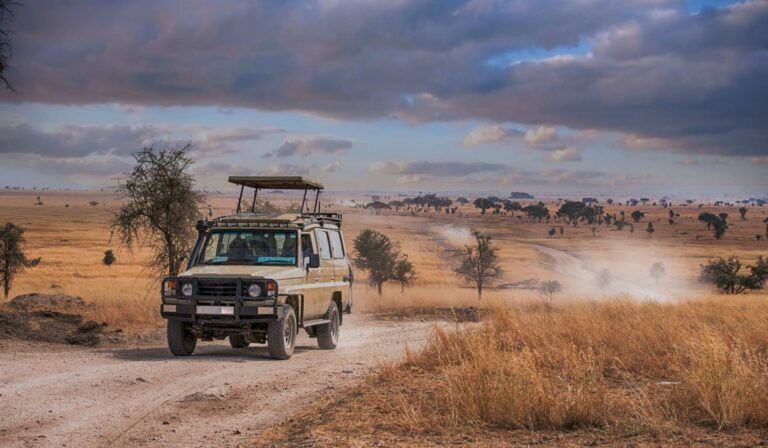
- Transportation: Reliable 4×4 vehicle and experienced driver for the expedition duration.
- Accommodation: Comfortable and well-located lodging.
- Meals: Most meals, often featuring local cuisine.
- Community Visit Fees: Contributions to the communities visited.
We recommend contacting us well in advance for your 2026-2027 travel dates to allow for optimal planning and booking.
Sample 3-Day Ruvuma Heritage Expedition Outline
This is a conceptual outline and can be fully customized:
- Day 1: Arrival in Songea & Historical Overview
Arrive in Songea, meet your guide. Briefing on the Ruvuma region’s history. Visit the Songea Museum (if open/relevant) for context. Explore the local market. Overnight in Songea. - Day 2: Village Immersion & Oral Histories
Travel to a nearby traditional village (e.g., Makua or Yao community). Engage with elders, learn about daily life, crafts, and social customs. Hear local legends and oral histories. Afternoon exploration of a historically significant natural site or former trade route marker. Evening traditional music/dance performance. Overnight in the region or return to Songea. - Day 3: Ruvuma River Insights & Departure
Morning excursion focused on the Ruvuma River – learn about its historical importance as a trade route. Depending on access, a short boat trip or riverside walk. Reflection on the expedition’s learnings. Transfer to Songea for onward travel.
Your Journey with Top Guide Adventures
At Top Guide Adventures, we are passionate about sharing the rich and diverse heritage of Tanzania. Our 3-Day Ruvuma Heritage Expedition is designed for travelers seeking an authentic connection with the land and its people. We pride ourselves on providing expert guidance, ensuring all logistical aspects are handled smoothly, and fostering respectful interactions with local communities. For your 2026-2027 travel plans, let us be your gateway to uncovering the fascinating history and vibrant culture along the Ruvuma River. Connect with us today to begin planning your unique expedition.
Contact us:
WhatsApp: +255616946642
Email: topguideadventures@gmail.com
Backup Email: info@topguideadventures.com
Check Availability for Your 3-Day Ruvuma Heritage Expedition: An Unforgettable Journey 2026-2027
Ready to compare dates, prices, and the best option for your group? Send the package name and travel month so the team can reply with a clear quote, availability, and what is included.
 Namtumbo Maji Heritage Tour: Unveiling Southern Tanzanias Resistance HistoryA detailed 2026-2027 guide to Namtumbo Maji Maji Heritage Tour, with clear planning and booking information for travelers.View package
 Mbinga Coffee Origin Expedition: A Journey Into Tanzanias Rich Brew 2026-2027start a unique Mbinga Coffee Origin Expedition in Tanzania, tracing the path of exceptional coffee from lush plantations to your cup. This…View package
 The Songea To Namtumbo Historical Route: A Journey Through Tanzanias SouthernDiscover the historical significance and travel experience of the Songea to Namtumbo route in Tanzania's Southern Highlands. This guide covers…View package
 Namtumbo Forest Adventure: Your Ultimate Tanzania Exploration Guide 2026-2027Discover the untamed beauty of Namtumbo Forest on an adventure tailored by Top Guide Adventures. This guide explores the unique ecosystems…View package
 Namtumbo Cultural Village Experience: Authentic Tanzania Immersion With TopImmerse yourself in the vibrant heart of Tanzania with the Namtumbo Cultural Village Experience. This unique journey offers profound connections…View packageNamtumbo And Maji Route: Tanzanias Historical Wildlife Journey 2026-2027Discover the rich history and diverse wildlife of the Namtumbo and Maji Maji Route, a compelling journey through Tanzania's southern region…View packageTunduru Cashew Farm Experience GuideExplore the rich world of cashew farming in Tunduru, Tanzania. This comprehensive guide covers everything from cultivation and harvesting to…View package
 Tunduru Wildlife Corridor Tour: Exploring Tanzanias Untamed Southern CircuitExperience the raw beauty and incredible wildlife of Tanzania's southern circuit with a Tunduru Wildlife Corridor Tour. This comprehensive guide…View package


