
An Mbinga Coffee Origin Expedition is an immersive travel experience in Tanzania’s Ruvuma Region, focusing on the cultivation, processing, and cultural significance of Mbinga coffee, offering travelers a deep look at the coffee-making journey from the farm to the cup, often including visits to local communities and tasting sessions, with 2026-2027 offering excellent opportunities for planning such a unique cultural and agricultural tour.
Discovering the Heart of Mbinga Coffee: An Expedition Unlike Any Other
Tanzania is globally renowned for its exceptional coffee, particularly the Arabica beans grown in the fertile highlands. While many associate Tanzanian coffee with Kilimanjaro or the Southern Highlands more broadly, a truly distinct and increasingly recognized origin lies within the Mbinga district of the Ruvuma Region. An Mbinga Coffee Origin Expedition isn’t just a tour; it’s a sensory journey, a cultural exchange, and an educational adventure that takes you to the very source of some of the world’s most sought-after coffee beans. This expedition is designed for the discerning traveler who seeks authenticity, a deeper understanding of their food and drink, and the chance to connect with local communities in a meaningful way.
For travelers planning their adventures in 2026-2027, an expedition to Mbinga offers a unique opportunity to witness coffee cultivation at its finest, understand the intricate processes involved, and appreciate the dedication of the farmers who produce these remarkable beans. Unlike mass-produced coffee experiences, an Mbinga expedition focuses on the specific terroir and traditions of this particular region, promising insights that are both educational and profoundly personal. Top Guide Adventures specializes in crafting these bespoke experiences, ensuring that your journey into the world of Mbinga coffee is both enriching and unforgettable.
The Allure of Mbinga: Why This Region Stands Out
The Ruvuma Region, and specifically the Mbinga district, possesses a unique set of characteristics that contribute to the exceptional quality of its coffee. Situated in the southern part of Tanzania, bordering Malawi and Mozambique, Mbinga boasts a cooler climate, rich volcanic soil, and varying altitudes – ideal conditions for growing high-quality Arabica coffee. The region’s relative remoteness has, in many ways, preserved its traditional farming methods and fostered a strong sense of community among coffee growers.
What sets Mbinga coffee apart is not just its origin, but the story behind it. The beans are often grown by smallholder farmers who have cultivated coffee for generations, passing down knowledge and techniques. This intimate scale of production allows for meticulous attention to detail at every stage, from planting and nurturing the coffee cherries to the careful harvesting and processing. The resulting cup profile is often characterized by bright acidity, complex fruity notes, and a clean finish – a testament to the unique environment and the farmers’ expertise.
For travelers interested in the Mbinga Coffee Origin Expedition, this means an opportunity to witness firsthand the factors that contribute to such a distinct flavor. You’ll learn about the specific varietals grown, the impact of the microclimate, and the traditional, often organic, farming practices employed. This expedition offers a tangible connection to the land and the people, transforming your appreciation for your morning coffee into a rich narrative of place and heritage.
Crafting Your Mbinga Coffee Journey: What to Expect in 2026-2027
Planning an expedition to Mbinga requires a thoughtful approach, considering the best times to visit, the duration of your stay, and the specific experiences you wish to have. Top Guide Adventures is adept at tailoring these journeys to individual preferences, ensuring a comprehensive and authentic exploration of the Mbinga coffee landscape.
Optimal Timing for Your Expedition
The coffee calendar in Mbinga follows a distinct rhythm. The harvest season, typically from May to September, is a particularly vibrant time to visit. Witnessing the hand-picking of ripe coffee cherries is a central part of the experience. During this period, processing activities are also in full swing, offering a dynamic view of the journey from farm to dried bean. Traveling during this window allows you to see the entire operation firsthand.
The planting season, usually from October to December, offers a different perspective, focusing on the soil preparation, nursery management, and the initial stages of growth. This time can be ideal for those interested in the agricultural science behind coffee cultivation. Outside of these peak seasons, the landscapes are still beautiful, and you can still visit farms and processing centers, though the activity level might be lower.
For travelers looking ahead to 2026-2027, it’s advisable to book your expedition well in advance, especially if you aim to visit during the harvest season. Early planning ensures the best availability for accommodations and guided experiences.
Duration and Itinerary Design
A typical Mbinga Coffee Origin Expedition can range from 5 to 10 days, depending on the depth of exploration desired. A shorter trip might focus on visiting a few key farms and a processing station, while a longer itinerary allows for deeper immersion, including:
- Farm Visits: Spending time with coffee-growing families, learning about their daily lives, cultivation techniques, and the challenges and rewards of their work.
- Processing Station Tours: Understanding the washing, drying, hulling, and sorting processes that transform the harvested cherries into green beans ready for export. You might witness both traditional and modern methods.
- Cupping and Tasting Sessions: Engaging with coffee experts or farmers to learn how to identify the unique flavor profiles of Mbinga coffee, developing your palate for its distinct characteristics.
- Cultural Immersion: Interacting with the local Ruvuma communities, understanding their traditions, music, and daily life, which are intrinsically linked to the coffee economy.
- Landscape Exploration: The Mbinga region offers stunning natural beauty, including rolling hills, lush vegetation, and panoramic views. Your expedition can incorporate gentle hikes or scenic drives to appreciate the environment that nurtures the coffee.
- Introduction to Other Local Produce: While coffee is the focus, the region also produces other crops, and learning about them adds another layer to the agricultural understanding.
Top Guide Adventures can help you design an itinerary that balances these elements, ensuring a rich and varied experience. Whether you prefer a private tour for ultimate flexibility or wish to join a small group departure planned for 2026-2027, we can accommodate your travel style.
The Coffee Journey: From Cherry to Cup in Mbinga
The true magic of an Mbinga Coffee Origin Expedition lies in tracing the meticulous journey of the coffee bean. Each step is critical in shaping the final flavor that reaches your cup.
Cultivation: The Foundation of Flavor
In Mbinga, coffee cultivation is deeply rooted in tradition. Arabica plants thrive under the shade of larger trees, a practice that not only protects them from harsh sun but also enriches the soil and promotes biodiversity. Farmers meticulously tend to their crops, managing pests and diseases with sustainable methods, often passed down through generations. The altitude and climate of the Ruvuma Region contribute to a slow maturation of the coffee cherries, allowing them to develop complex sugars and acids, which are the building blocks of exceptional flavor.
Visitors will learn about the different varietals grown, such as Bourbon and Typica, and how their genetic makeup influences the taste profile. Understanding the role of soil health, rainfall patterns, and the specific shade-growing techniques used in Mbinga provides a foundational appreciation for the quality of the beans.
Harvesting: The Art of Selection
Coffee harvesting is a labor-intensive process, and in Mbinga, it’s predominantly done by hand. This selective picking ensures that only ripe, red cherries are collected, a crucial step for achieving high-quality coffee. Green or overripe cherries can introduce undesirable flavors. During the harvest season, you’ll see entire communities engaged in this delicate task, a vibrant display of collective effort.
Expedition participants can often witness or even participate in selective picking, gaining a hands-on understanding of the skill and care required. This experience highlights the human element integral to every cup of coffee.
Processing: Unlocking the Bean’s Potential
Once harvested, the coffee cherries undergo processing to remove the fruit pulp and skin, revealing the bean inside. Mbinga employs various processing methods, with the washed (wet) process being common due to the availability of water. This involves pulping the cherries, fermenting them in water tanks to break down the mucilage, washing them thoroughly, and then drying them on raised beds.
The natural (dry) process is also practiced, where whole cherries are dried in the sun. This method can impart fruitier, more complex flavors to the coffee. Some farms may also use a honey process, which involves removing the skin but leaving some of the mucilage during drying, creating a balance of sweetness and acidity.
During your expedition, you’ll visit processing stations to see these methods in action. You’ll learn how fermentation times, drying techniques, and sorting play a critical role in the final quality and flavor profile of the Mbinga beans. Understanding these nuances is key to appreciating the craft involved.
Sorting and Grading: Ensuring Consistency
After drying, the beans are sorted and graded based on size, density, and defect levels. This meticulous process ensures consistency and quality, separating the finest beans for export. Specialized machinery and skilled human inspection are employed to achieve this.
Roasting and Cupping: The Final Transformation
While most of the coffee from Mbinga is exported, some local roasters and enthusiasts practice roasting. The final stage involves roasting the green beans to perfection, a process that develops their aromatic compounds and flavor characteristics. Cupping, the professional art of tasting coffee, allows experts to evaluate the aroma, acidity, body, flavor, and aftertaste.
An expedition often includes a cupping session, providing an opportunity to taste Mbinga coffee in its brewed form and learn how to identify its unique attributes – from floral and fruity notes to hints of chocolate or spice, all influenced by its origin.
Cultural Immersion: Connecting with the People of Mbinga
An Mbinga Coffee Origin Expedition extends beyond the coffee farms; it’s a chance to connect with the vibrant culture of the Ruvuma Region. The economy and social fabric of Mbinga are deeply intertwined with coffee cultivation, and understanding this relationship provides invaluable insight.
Life in a Coffee Community
You’ll have the opportunity to visit local villages, interact with coffee-farming families, and gain a firsthand understanding of their daily lives. This includes learning about their traditions, their challenges in farming, and their hopes for the future. Many families rely on coffee as their primary source of income, and their dedication to the crop is evident.
Engaging with the community often involves sharing meals, participating in local activities (where appropriate and welcomed), and learning about the social structures that support coffee production. These interactions are often the most memorable aspects of the expedition.
The Role of Women in Coffee Production
Women play a crucial role in coffee cultivation and processing in Tanzania, often managing household tasks alongside significant contributions to farm work, harvesting, and sorting. An expedition can offer specific opportunities to learn about the empowerment initiatives and challenges faced by women in the coffee sector, providing a nuanced perspective on gender roles and economic development.
Local Crafts and Traditions
Beyond coffee, the Ruvuma Region has its own unique cultural expressions. Depending on your itinerary and the community you visit, you might encounter traditional music, dance, storytelling, and local crafts. Learning about these aspects adds a rich cultural dimension to your expedition, showcasing the diverse heritage of southern Tanzania.
Planning Your 2026-2027 Mbinga Expedition with Top Guide Adventures
Top Guide Adventures is your trusted partner for crafting an authentic and enriching Mbinga Coffee Origin Expedition. We understand the nuances of this unique region and are committed to providing experiences that are both educational and deeply engaging.
Why Choose Top Guide Adventures?
- Local Expertise: As a Tanzania-based tour operator, we have intimate knowledge of Mbinga and the Ruvuma Region, including established relationships with local coffee farmers and communities.
- Customized Itineraries: We specialize in tailoring expeditions to your specific interests, whether you’re a coffee connoisseur, an agricultural enthusiast, or a cultural explorer. We can build an itinerary for 2026-2027 that perfectly suits your pace and focus.
- Authentic Experiences: We prioritize genuine interactions and cultural immersion, ensuring that your expedition goes beyond surface-level tourism to provide meaningful connections.
- Sustainable Tourism: We are committed to responsible travel practices that benefit local communities and preserve the environment.
- Comprehensive Support: From initial planning to on-the-ground logistics, we handle all the details, allowing you to fully enjoy your coffee journey.
What’s Typically Included?
While itineraries are customized, a typical Mbinga Coffee Origin Expedition package with Top Guide Adventures often includes:
- Accommodation: Comfortable and locally-sourced lodging, ranging from guesthouses to unique lodges that reflect the region’s character.
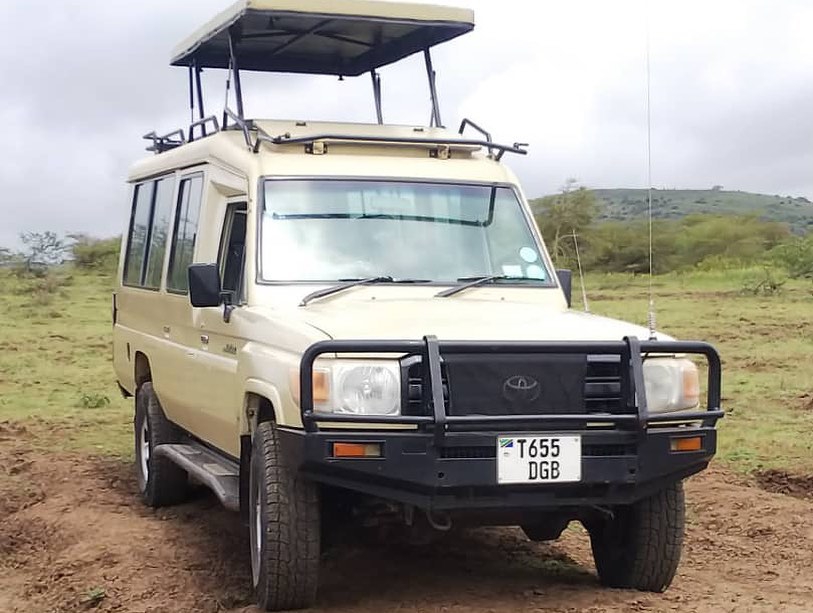
- All Ground Transportation: Private, comfortable 4×4 vehicles for exploring the region.
- Expert Local Guide: A knowledgeable guide fluent in English (and potentially other languages) with a deep understanding of coffee cultivation, processing, and local culture.
- Activities & Entrance Fees: Visits to coffee farms, processing stations, community interactions, and any associated fees.
- Meals: Daily breakfast, lunch, and dinner, featuring local Tanzanian cuisine.
- Water: Bottled drinking water during transfers and excursions.
Please note: International flights, visa fees, travel insurance, personal expenses, and tips are typically not included. We provide a detailed list of inclusions and exclusions for each customized itinerary.
Booking Your 2026-2027 Expedition
The best time to start planning for your Mbinga Coffee Origin Expedition for 2026-2027 is now. Early booking is highly recommended, especially for peak seasons like the harvest. To begin crafting your personalized journey, please reach out to us:
Contact Top Guide Adventures:
- WhatsApp: +255616946642
- Email: topguideadventures@gmail.com
- Backup Email: info@topguideadventures.com
Let us help you create an unparalleled coffee adventure in the heart of Tanzania.
Beyond Coffee: Exploring the Ruvuma Region
While the Mbinga Coffee Origin Expedition places coffee at its center, the Ruvuma Region offers broader attractions that can enhance your travel experience. Integrating these elements can create a more comprehensive Tanzanian adventure.
Natural Landscapes and Wildlife
The Ruvuma Region boasts diverse natural beauty. While not a prime big-game safari destination like the Serengeti, it offers opportunities for appreciating unique flora and fauna, birdwatching, and exploring scenic landscapes. The rolling hills, valleys, and occasional rivers provide a picturesque backdrop.
For those interested in wildlife, nearby areas might offer chances to see local species. However, the primary draw remains the cultural and agricultural richness. The expedition can be combined with other Tanzanian experiences, such as safaris in the Selous Game Reserve (now Nyerere National Park) or Ruaha National Park, which are more accessible from the southern circuit.
Cultural Connections and Neighboring Regions
The Ruvuma Region shares borders with Malawi and Mozambique, influencing its cultural landscape. Interactions with local communities can reveal fascinating cross-cultural dynamics. While Mbinga is the focus, understanding its place within the broader southern Tanzanian context adds depth.
For travelers seeking more diverse cultural experiences, combining an Mbinga expedition with visits to other regions known for specific ethnic groups or traditions could be considered. However, the focus of this expedition remains on the unique coffee culture of Mbinga.
Frequently Asked Questions about Mbinga Coffee Origin Expeditions
What is the best time of year for a Mbinga Coffee Origin Expedition?
The harvest season, from May to September, is ideal for witnessing the picking and processing activities. However, the region is accessible year-round, with other seasons offering different insights into the coffee cycle.
How long should an Mbinga Coffee Origin Expedition typically be?
A focused expedition usually lasts between 5 to 10 days to allow for in-depth farm visits, processing station tours, and cultural immersion. Custom durations are available.
What is unique about Mbinga coffee?
Mbinga coffee is known for its high-quality Arabica beans, grown in specific microclimates of the Ruvuma Region. It often exhibits bright acidity and complex fruity notes, a result of traditional cultivation and processing methods by smallholder farmers.
Is this expedition suitable for non-coffee experts?
Absolutely. The expedition is designed to educate and immerse all travelers, regardless of their prior coffee knowledge. It’s a fantastic opportunity to learn about agriculture, culture, and the journey of a globally important commodity.
What kind of accommodations can I expect?
Accommodations are typically comfortable and locally sourced, ranging from guesthouses in towns to lodges or homestays near coffee farms, offering an authentic experience of the region.
How physically demanding is this expedition?
The expedition generally involves moderate physical activity, such as walking on farms, sometimes on uneven terrain, and standing during processing tours. It is not considered a strenuous trek. Specific activities can be adjusted based on mobility.
The Future of Mbinga Coffee and Sustainable Tourism
The Mbinga coffee industry, like many agricultural sectors, faces evolving challenges and opportunities. Climate change, market price fluctuations, and the need for continuous improvement in farming practices are ongoing considerations. Sustainable tourism plays a vital role in supporting the local economy and preserving the unique coffee heritage of the region.
By choosing an Mbinga Coffee Origin Expedition, travelers contribute directly to the livelihoods of smallholder farmers and the economic development of the Ruvuma Region. Top Guide Adventures is committed to promoting responsible tourism that fosters environmental stewardship and empowers local communities. As we look towards 2026-2027, our aim is to continue offering experiences that are not only enriching for our clients but also beneficial for the communities we visit, ensuring the future of Mbinga’s exceptional coffee.
This expedition offers a profound connection to the source of your coffee, revealing the dedication, skill, and natural beauty that define Mbinga’s contribution to the world of specialty coffee. We invite you to join us on this remarkable journey.
Check Availability for Mbinga Coffee Origin Expedition: A Journey Into Tanzanias Rich Brew…
Ready to compare dates, prices, and the best option for your group? Send the package name and travel month so the team can reply with a clear quote, availability, and what is included.
 Your Essential 1-Day Mbinga Coffee Tour Guide In Tanzania 2026-2027Discover the heart of Tanzanian coffee culture with a captivating 1-day tour in Mbinga. This immersive experience takes you from bean to cup…View package
 Tanzania Human Origins Expedition: A Journey Through Our Ancient Paststart a profound Tanzania Human Origins Expedition, tracing humanity's earliest steps through iconic sites like Olduvai Gorge and Laetoli. This…View package
 Mbinga Mountain Hiking Tour: Your Ultimate Guide By Top Adventures 2026-2027start a Mbinga Mountain Hiking Tour, a rewarding journey through Tanzania's diverse landscapes. Top Guide Adventures provides comprehensive…View package
 Mbinga Cultural Village Experience: Authentic Tanzanian Immersion 2026-2027Explore the Mbinga Cultural Village Experience for an authentic glimpse into Tanzanian daily life, traditions, and community engagement…View package
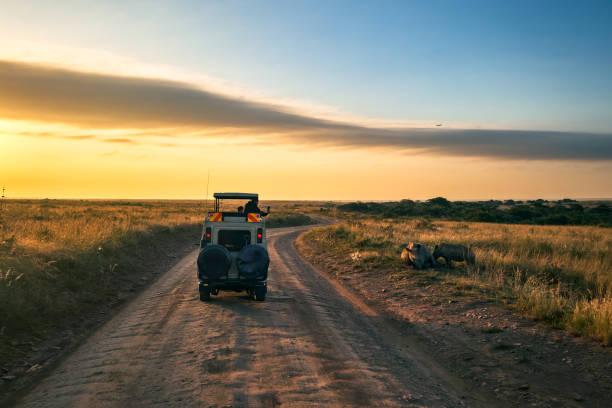 3-Day Mbinga And Lake Nyasa Package: Your Ultimate Southern Tanzania AdventureDiscover the hidden gems of Southern Tanzania with our 3-day Mbinga and Lake Nyasa package. This short but immersive tour focuses on the…View package
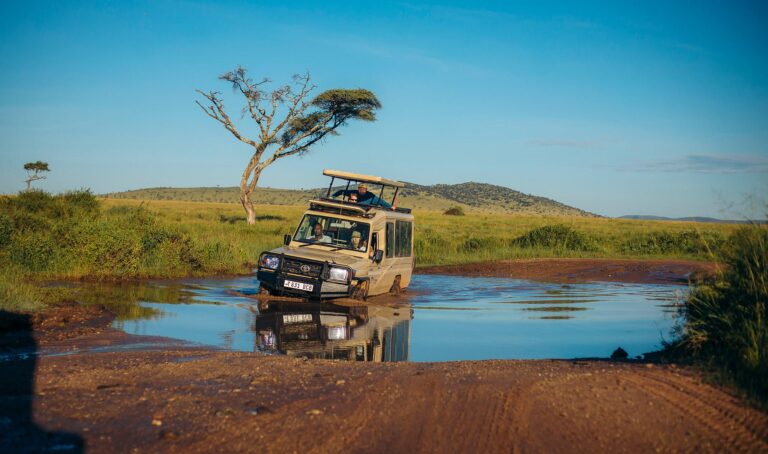 2-Day Mbinga Highlands Adventure: An Unforgettable Escape 2026-2027Discover the hidden beauty of the Mbinga Highlands with a curated 2-day adventure. This itinerary offers a blend of natural exploration…View packageMbinga And Lake Nyasa: Your Essential Tanzania Travel Guide 2026-2027Discover Mbinga and the captivating southern region of Lake Nyasa in Tanzania. This guide offers insights into its unique culture, natural…View packageSongea Coffee Farm Tour: An Authentic Taste Of Tanzanias Southern HighlandsExplore the rich coffee heritage of Tanzania's Southern Highlands with a guided tour of a Songea coffee farm. Learn about cultivation…View package


