
Mbinga and the southern shores of Lake Nyasa in Tanzania offer a distinct travel experience, characterized by its rich cultural heritage, serene lakeside landscapes, and opportunities for authentic local interaction, away from the more frequented northern tourist circuits. It’s a destination for travelers seeking genuine cultural immersion, pristine natural beauty, and a slower pace of life, with the best time to visit generally aligning with the dry seasons from June to October and December to February for optimal weather and accessibility in 2026-2027.
Unveiling Mbinga and the Southern Leg of Lake Nyasa
The vastness of Lake Nyasa, also known as Lake Malawi in its southern stretch, forms a breathtaking natural boundary and a source of life for communities along Tanzania’s southwestern edge. While the northern parts of Tanzania often dominate safari and Kilimanjaro itineraries, the southern region, particularly the areas around the town of Mbinga, presents a compelling, less-explored dimension of the country. This region is a gateway to understanding the unique cultures that thrive by the Great Rift Valley lake, offering a different perspective on Tanzanian life and landscapes for travelers planning for 2026-2027.
For those looking to venture beyond the well-trodden paths, Mbinga and the adjacent lakeside areas provide an opportunity to connect with communities, witness traditional ways of life, and enjoy the tranquil beauty of Africa’s third-largest lake. Unlike the bustling northern safari circuits, this area offers a more intimate encounter with Tanzania’s natural and cultural richness. The journey here is part of the adventure, often involving scenic drives through rolling hills and past rural villages, setting a tone of discovery and authenticity.
### Why Choose Mbinga and Southern Lake Nyasa for Your 2026-2027 Adventure?
Several factors make this region a unique proposition for discerning travelers:
- Authentic Cultural Encounters: The southern shores are home to diverse ethnic groups, including the Nyakyusa people, known for their vibrant traditions, music, and agricultural practices. Mbinga itself serves as a cultural hub, offering insights into local markets, crafts, and daily life.
- Pristine Lakeside Scenery: Lake Nyasa’s southern waters are often less developed than their northern counterparts, presenting a more natural and undisturbed beauty. Expect clear waters, sandy beaches, and dramatic escarpments.
- Off-the-Beaten-Path Exploration: For travelers who have experienced Tanzania’s more famous attractions or seek a quieter, more personal journey, this region offers an escape from crowds and a chance for genuine discovery.
- Birdwatching and Nature: The diverse habitats around the lake and its tributaries support a rich variety of birdlife and other flora and fauna, appealing to nature enthusiasts.
- Affordability and Local Immersion: Generally, travel in this region can be more budget-friendly than in the prime northern tourist zones, allowing for deeper engagement with local communities and experiences.
### Planning Your Trip: Key Considerations for 2026-2027
When planning a trip to Mbinga and Lake Nyasa, it’s crucial to understand the logistical nuances and the best times to visit. The region’s accessibility and weather patterns play a significant role in the overall experience.
Best Time to Visit Mbinga and Lake Nyasa (2026-2027)
The ideal periods for visiting Mbinga and the southern shores of Lake Nyasa are during the dry seasons:
- June to October: This is the main dry season, offering pleasant temperatures, clear skies, and lower humidity, making it ideal for exploring both Mbinga town and the lake shores.
- December to February: This is the shorter dry season, also known as the ‘short rains’ period, which can bring occasional showers but generally offers good travel conditions, especially in December and early January before the main rains of March/April.
The shoulder months (May, November) can also be good, with fewer crowds, but may experience transitional weather. The long rainy season (March to May) can make some roads challenging and limit accessibility, particularly to more remote lakeside areas.
## Mbinga Town: The Cultural Heartbeat
Mbinga is a bustling district capital in the Ruvuma Region, situated inland from the southern shores of Lake Nyasa. It’s not a typical tourist destination with resorts, but rather a vibrant commercial and administrative center that offers a genuine glimpse into everyday Tanzanian life in this part of the country. The town serves as a crucial hub for the surrounding agricultural communities and a point of access to the lake.
### Exploring Mbinga Town
While Mbinga doesn’t boast major historical monuments or curated attractions, its charm lies in its authenticity:
- Local Markets: The central market is the pulse of the town. Here, you can witness the exchange of local produce, crafts, and everyday goods. It’s a fantastic place to observe local interactions, sample regional snacks, and perhaps find unique souvenirs. The sights, sounds, and smells offer a sensory immersion into the local economy.
- Daily Life and Community: Simply walking through the streets of Mbinga provides insight into the rhythm of life. You’ll see people going about their daily routines, children playing, and local businesses operating. Engaging respectfully with locals can lead to warm conversations and a deeper understanding of their community.
- Gateway to the Lake: Mbinga serves as a starting point for many travelers heading to the lakeside villages. Roads from Mbinga lead towards settlements like Manda, where one can access boat services or explore the immediate shoreline.
- Cultural Diversity: The Ruvuma Region is home to several ethnic groups, with the Nyakyusa being prominent. Mbinga reflects this diversity, and understanding the cultural nuances of the region enhances the travel experience.
### Getting to Mbinga
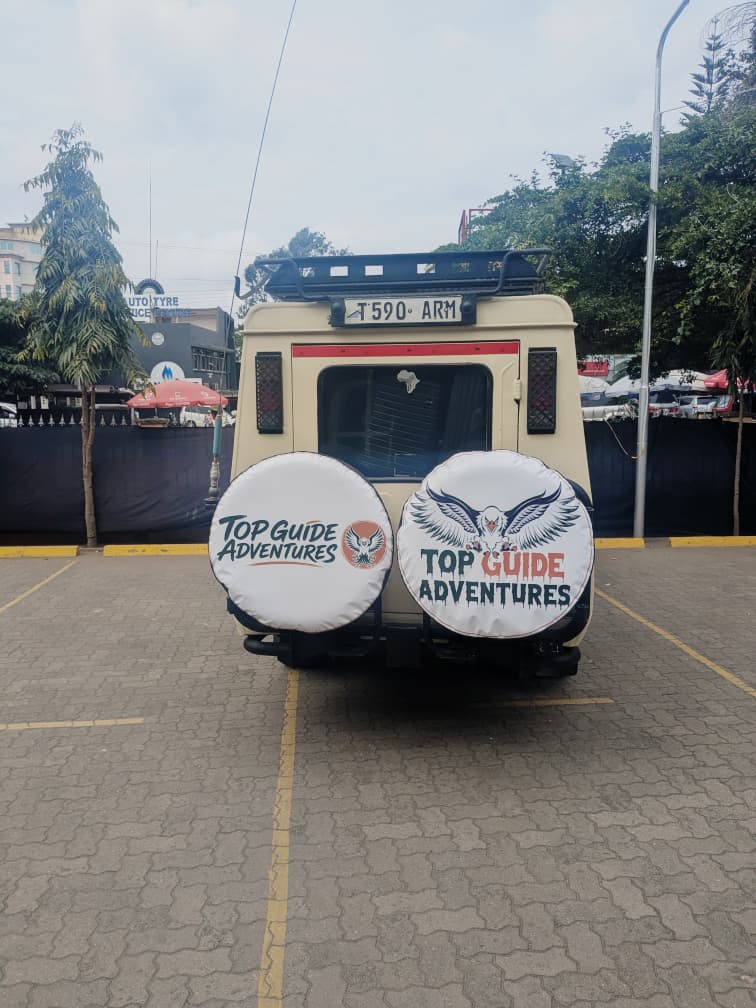
Mbinga is accessible by road. The journey from major Tanzanian cities like Dar es Salaam or Mbeya can be long but rewarding. A common route involves traveling towards Songea, the regional capital, and then proceeding to Mbinga. For those coming from Malawi, border crossings are possible, though require careful planning. The roads can vary in condition, especially outside the dry season, so hiring a sturdy 4×4 vehicle with an experienced driver is highly recommended for a comfortable and safe journey in 2026-2027.
## The Enchanting Southern Shores of Lake Nyasa
The Tanzanian side of Lake Nyasa stretches for hundreds of kilometers, and its southern reaches, accessible from Mbinga, offer some of the most tranquil and culturally rich lakeside experiences in the country. The lake itself is a UNESCO World Heritage Site candidate due to its exceptional biodiversity, particularly its cichlid fish species, many of which are found nowhere else on Earth.
### Lakeside Villages and Communities
Instead of large resorts, the southern shores are dotted with small fishing villages and agricultural settlements. These are the places where travelers can truly connect with the local way of life.
- Manda: Located on the lake shore, Manda is a key access point from Mbinga. It’s a small but active village where fishing is the primary occupation. From Manda, you can arrange boat trips along the coast, visit other nearby villages, or simply enjoy the laid-back atmosphere and the stunning lake views. The beaches here are often uncrowded and pristine.
- Kipini and Mwiti: These are examples of other smaller settlements that offer similar experiences. They are ideal for those seeking absolute tranquility and a chance to witness traditional fishing methods, community life, and the daily routines of lakeside dwellers.
- Cultural Etiquette: When visiting villages, it’s essential to be respectful. Always seek permission before taking photographs of people, dress modestly, and consider learning a few basic Swahili phrases. Engaging with local guides can help navigate cultural sensitivities and foster positive interactions.
### Activities and Experiences by the Lake
The activities here are centered around the natural environment and local culture, offering a refreshing change from typical tourist activities:
- Boat Trips: Hiring a local boat (dugout canoe or a more modern engine boat, depending on availability and budget) is a must. Explore hidden coves, visit remote beaches, and enjoy the vast expanse of the lake. Sunset boat trips are particularly magical.
- Fishing: Experience traditional fishing methods with local fishermen. While you might not catch a trophy fish, the experience of being on the water at dawn or dusk, learning their techniques, is incredibly rewarding.
- Swimming and Relaxation: The waters of Lake Nyasa are generally calm and clear, making them suitable for swimming. Many of the small beaches offer perfect spots to relax, sunbathe, and soak in the serene atmosphere.
- Birdwatching: The lake and its surrounding vegetation attract a variety of bird species. Early mornings and late afternoons are the best times for spotting kingfishers, herons, egrets, and other water birds.
- Hiking and Nature Walks: The areas surrounding the lake offer opportunities for walking. Explore the hills for panoramic views of the lake or wander through local farmlands to see how the communities sustain themselves.
- Snorkeling and Diving (Limited): While the southern shores are not as developed for diving as some parts of Lake Malawi, the incredible diversity of cichlid fish makes snorkeling a potentially rewarding activity. However, facilities and equipment might be limited, so inquire in advance or bring your own gear.
Sample Lakeside Itinerary Snippet (3 Days / 2 Nights)
This is a sample to illustrate the pace and type of experience:
- Day 1: Arrival in Mbinga & Transfer to Manda
- Morning: Arrive in Mbinga by road. Meet your local guide.
- Afternoon: Scenic drive (approx. 1-2 hours) to Manda village on the shores of Lake Nyasa. Check into your lodge/guesthouse.
- Late Afternoon: Relax on the beach, take a short walk around the village, and witness the fishermen returning.
- Evening: Enjoy a fresh fish dinner, watching the sunset over the lake.
- Day 2: Lake Exploration and Cultural Immersion
- Morning: start a boat trip to explore nearby bays and secluded beaches. Optional snorkeling.
- Afternoon: Visit a local fishing community or a nearby farm. Learn about their way of life.
- Late Afternoon: Return to Manda. Enjoy swimming or simply relax by the lake.
- Evening: Experience a traditional Nyakyusa storytelling session (if arranged with a local guide).
- Day 3: Departure
- Morning: Enjoy a final lakeside breakfast. Perhaps a short birdwatching walk.
- Late Morning: Depart from Manda back to Mbinga, and continue your onward journey.
## Accommodation and Logistics in the Region
Accommodation in Mbinga and the southern Lake Nyasa region is generally simpler and more rustic compared to the luxury lodges found in Tanzania’s northern parks. This is part of its charm, offering a more grounded experience.
### Types of Accommodation
- Guesthouses and Basic Lodges: In Mbinga town, you’ll find a few guesthouses that offer clean, basic rooms. These are functional and provide a place to rest.
- Lakeside Camps/Bungalows: In villages like Manda, there are often small, locally-run lodges or bungalows situated right on the lake shore. These typically offer simple but comfortable rooms, often with stunning views and direct access to the beach. Expect amenities like en-suite bathrooms and potentially a restaurant serving local dishes.
- Homestays (Arranged): For the most immersive experience, it might be possible to arrange homestays with local families, especially through a trusted local operator. This provides unparalleled insight into daily life but requires flexibility and a spirit of adventure.
### Travel Logistics and Getting Around
- Road Travel: As mentioned, roads can be variable. A 4×4 vehicle is strongly advised for comfort and reliability, especially if venturing to more remote lakeside spots. The journey from Mbeya to Mbinga is significant, often taking a full day or more.
- Local Transport: Within Mbinga and between Mbinga and the lake, shared taxis (dala-dalas) and private hire vehicles are options. For getting around the lake, local boats are the primary mode of transport.
- Guides: Hiring a local guide is highly recommended. They not only facilitate transport and accommodation but also provide invaluable cultural context, help with language barriers, and ensure respectful interactions with communities. For planning and booking, contacting a local operator like Top Guide Adventures is the best approach. They can arrange reliable transport, suitable accommodation, and knowledgeable guides for your 2026-2027 trip.
Estimated Costs for a Mbinga & Lake Nyasa Trip (2026-2027)
Costs can vary significantly based on your travel style, accommodation choices, and the duration of your stay. These are approximate ranges per person, per day, excluding international flights:
- Budget Traveler: $50 – $80 USD per day. This would involve basic guesthouses, local transport (dala-dalas where feasible), simple meals from local eateries, and arranging activities locally.
- Mid-Range Traveler: $100 – $200 USD per day. This includes comfortable lodges/bungalows, private vehicle hire for key transfers, organized boat trips, and meals at lodge restaurants or recommended local spots. This is the most common range for travelers seeking comfort and convenience.
- Higher-End/Customized: $200+ USD per day. This level would involve more exclusive accommodation options (if available), fully private transport, private boat charters, and potentially specialized guides or experiences.
Key Cost Factors:
- Transportation: The cost of hiring a 4×4 vehicle and driver for the long distances is a significant factor.
- Accommodation: Simple guesthouses are inexpensive, while lakeside bungalows can range from $50-$150 per night.
- Activities: Boat hire, guided walks, and cultural visits are typically priced affordably but add up.
- Duration: Longer stays will naturally increase the total cost.
Note: Prices are estimates for 2026-2027 and are subject to change. It’s best to get a personalized quote from a tour operator like Top Guide Adventures for accurate pricing. Contact them via WhatsApp +255616946642 or Email topguideadventures@gmail.com.
## Cultural Insights: The Nyakyusa People and Their Traditions
The region around Mbinga and the southern shores of Lake Nyasa is predominantly inhabited by the Nyakyusa people. Understanding their culture adds a profound layer to any visit.
### Nyakyusa Society and Customs
- Agricultural Heritage: The Nyakyusa are traditionally agriculturalists, cultivating crops like maize, beans, bananas, and rice. Their farming practices are deeply intertwined with the seasons and the fertile land around the lake and rivers.
- Social Structure: Historically, Nyakyusa society was organized into chiefdoms, with a strong emphasis on community and kinship. While modern governance structures are in place, traditional customs and respect for elders remain important.
- Music and Dance: Like many Tanzanian cultures, the Nyakyusa have rich traditions of music and dance, often performed during celebrations, ceremonies, and social gatherings. If you have the chance to witness or participate in a local event, it’s a vibrant display of their heritage.
- Cuisine: Local cuisine is based on staples like ugali (maize porridge), supplemented with vegetables, beans, and, crucially for lakeside communities, fresh fish from Lake Nyasa. Try the grilled tilapia or chambo (a type of cichlid) if available.
### Respectful Engagement
When interacting with the Nyakyusa or any local community, sensitivity and respect are paramount:
- Greetings: A simple greeting in Swahili (Jambo, Habari) is always appreciated. Learning a few words in the local language (if possible) can go a long way.
- Photography: Always ask for permission before photographing individuals, especially children or elders. Some may ask for a small fee, which should be respected.
- Gifts: Small, practical gifts like school supplies for children or basic necessities for elders can be appreciated, but it’s best to consult with your guide on appropriate gestures. Avoid giving money directly unless it’s part of a pre-arranged support system.
- Dress Code: Modest dress is advisable, particularly when visiting villages or religious sites. This means covering shoulders and knees.
## Biodiversity and Natural Attractions
While not a primary destination for wildlife safaris in the traditional sense, the Mwinga and Lake Nyasa region boasts significant natural beauty and biodiversity, especially concerning aquatic life.
### Lake Nyasa’s Unique Ecosystem
- Cichlid Fish: Lake Nyasa is world-renowned for its incredible diversity of cichlid fish. Over 700 species are estimated to live in the lake, with an astonishing number of them being endemic. While observing them requires snorkeling or diving, their presence shapes the entire ecosystem and is a major reason for the lake’s ecological significance.
- Birdlife: The lake shores and surrounding wetlands are havens for a variety of bird species. Birdwatchers can spot water birds like kingfishers, fish eagles, herons, and various waders. Inland, acacia woodlands and riverine forests host other species, making it a rich area for avian observation.
- Vegetation: The landscape varies from sandy lake shores to rolling hills and fertile valleys where agriculture thrives. The vegetation supports local wildlife and provides a scenic backdrop to the lake.
### Exploring the Natural Landscape
- Scenic Drives: The roads leading to and from Mbinga, and those connecting to lakeside villages, offer beautiful vistas of rural Tanzania, including agricultural fields, small settlements, and the distant shimmer of Lake Nyasa.
- Lake Views: Numerous points along the shore provide stunning panoramic views of the lake, stretching out towards the horizon, often with Malawian mountains visible in the distance. Sunrise and sunset are particularly spectacular.
- Rivers and Tributaries: Several rivers flow into Lake Nyasa, creating lush valleys and supporting local agriculture. Exploring these areas on foot can reveal hidden waterfalls or unique flora.
## Planning Your 2026-2027 Trip with Top Guide Adventures
For travelers seeking an authentic and well-organized experience in Mbinga and the southern Lake Nyasa region, partnering with a knowledgeable local tour operator is invaluable. Top Guide Adventures specializes in creating custom itineraries that cater to individual interests, ensuring a safe, enjoyable, and culturally enriching journey.
### Why Choose Top Guide Adventures?
- Local Expertise: With deep roots in Tanzania, Top Guide Adventures possesses intimate knowledge of regions like Mbinga and Lake Nyasa, including the best local guides, reliable transport options, and authentic accommodation.
- Customized Itineraries: Whether you’re interested in cultural immersion, lakeside relaxation, birdwatching, or a combination of experiences, they can tailor a trip to your specific preferences and budget for 2026-2027.
- Reliable Logistics: Navigating the roads and local transport in this region can be challenging. Top Guide Adventures ensures all logistics, from airport transfers to internal travel and accommodation bookings, are handled professionally.
- Community Focus: They prioritize responsible tourism that benefits local communities, ensuring your visit is not only memorable for you but also positive for the people you meet.
### How to Book Your Adventure
Planning your Mbinga and Lake Nyasa adventure for 2026 or 2027 is straightforward:
- Contact Us: Reach out to Top Guide Adventures via WhatsApp at +255616946642 or send an email to topguideadventures@gmail.com. You can also use their backup email: info@topguideadventures.com.
- Discuss Your Interests: Share your travel dates, interests, desired pace, and budget.
- Receive a Custom Proposal: Top Guide Adventures will craft a personalized itinerary and provide a detailed quote.
- Confirm and Prepare: Once you approve the itinerary, they will handle all bookings and provide you with pre-trip information.
Exploring Mbinga and the southern shores of Lake Nyasa offers a profound connection to Tanzania’s less-visited treasures. It’s a journey for the curious traveler, promising authentic encounters and serene beauty. Let Top Guide Adventures guide you to this unforgettable corner of Tanzania in 2026-2027.
Check Availability for Mbinga And Lake Nyasa: Your Essential Tanzania Travel Guide 2026-2027
Ready to compare dates, prices, and the best option for your group? Send the package name and travel month so the team can reply with a clear quote, availability, and what is included.
 Ujiji Livingstone Heritage Tour: Explore Historic And Lake Tanganyikastart a profound journey with the Ujiji Livingstone Heritage Tour, tracing the footsteps of explorers and experiencing the rich history of Ujiji…View package
 Songea Local Food Experience: A Culinary Journey Through Southern Tanzaniastart a flavorful exploration of Songea's unique culinary landscape. This guide details the local food experience, from traditional ingredients…View package
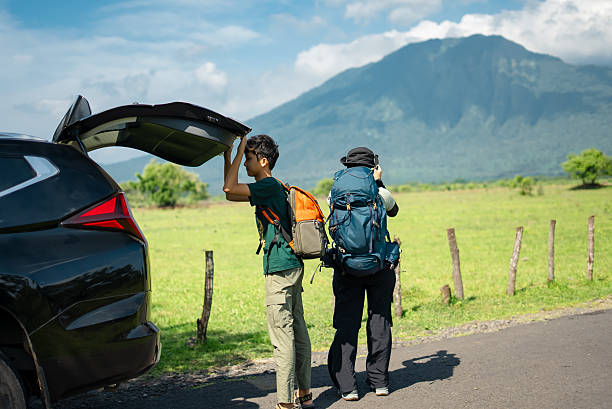 Songea Coffee Farm Tour: An Authentic Taste Of Tanzanias Southern HighlandsExplore the rich coffee heritage of Tanzania's Southern Highlands with a guided tour of a Songea coffee farm. Learn about cultivation…View package
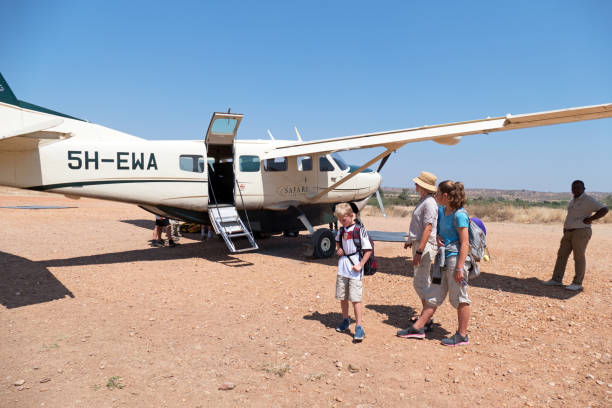 2-Day Songea Highlands Adventure: A Guide For Travelers 2026-2027start a thrilling 2-day journey through the Songea Highlands, a less-traveled gem in Tanzania. This adventure offers a unique blend of natural…View package
 Songea Museum And Local Market Tour: A Deep Look At Ruvuma Culture 2026-2027Discover the rich heritage and bustling daily life of Songea, Tanzania, with a comprehensive tour of the Songea Museum and its lively local…View packageSongea Maji Heritage Tour: Uncover Southern Tanzanias Resistance HistoryDiscover the poignant history of the Maji Maji Rebellion on a specialized heritage tour in Songea, Southern Tanzania. This immersive experience…View package
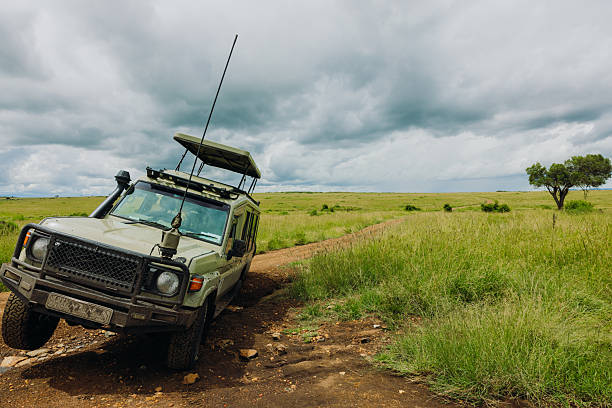 A 1-Day Songea Cultural Experience: Exploring Tanzanias Heritage 2026-2027Immerse yourself in the vibrant culture of Songea with a comprehensive 1-day experience. This curated itinerary offers a deep look at the…View package1-Day Songea Historical Tour: Uncover Mbeya Regions Past 2026-2027Discover the rich history of Songea on a focused 1-day tour, exploring key historical landmarks and understanding their significance within…View package


