

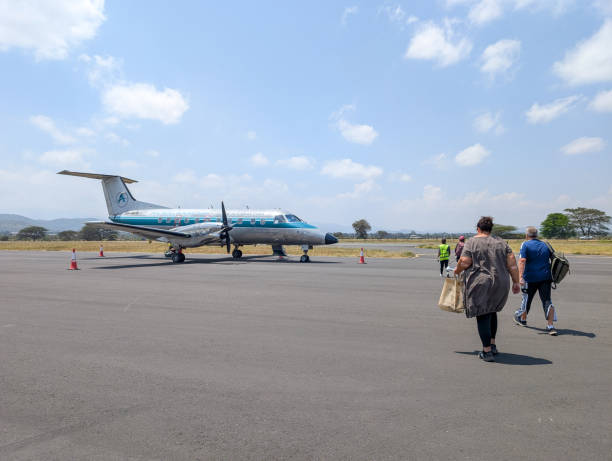
A 1-day Mbinga coffee tour in Tanzania offers an immersive journey into the heart of one of the country’s significant coffee-growing regions, typically involving a visit to a local farm, witnessing the coffee processing stages from cherry to roasted bean, and enjoying a tasting session, all within a single day and often starting from a nearby town or lodge. This experience is ideal for travelers interested in agriculture, local culture, and the story behind their morning cup, with options available for booking throughout 2026 and 2027.
Discovering Mbinga’s Coffee Heritage: A Day of Flavor and Culture
Mbinga, nestled in the southern highlands of Tanzania, is a region deeply intertwined with the cultivation of coffee. While Tanzania is globally recognized for its robusta and arabica beans, particularly from areas like Kilimanjaro and Arusha, the Mbinga district presents a distinct agricultural landscape and a unique story of coffee production. A dedicated 1-day Mbinga coffee tour is an opportunity to step away from the usual safari routes and explore the agricultural soul of the country, understanding the dedication and craftsmanship that goes into every bean.
This isn’t just about tasting coffee; it’s about connecting with the land and the people who nurture it. The tour is designed to provide a comprehensive yet concise overview of the coffee-making process, from the vibrant red coffee cherries on the branch to the rich, aromatic brew in your cup. For travelers planning their Tanzanian adventures in 2026 and 2027, incorporating such a specialized cultural and agricultural experience offers a richer, more diverse perspective on the nation’s offerings.
### Why Choose a Mbinga Coffee Tour?
Many visitors to Tanzania are drawn by the allure of the Serengeti, the majesty of Kilimanjaro, or the spice-scented beaches of Zanzibar. However, Tanzania’s true wealth lies in its diverse landscapes and the vibrant communities that inhabit them. The Mbinga coffee tour highlights:
- Authentic Rural Experience: Escape the tourist crowds and immerse yourself in genuine Tanzanian rural life.
- Agricultural Insight: Gain a firsthand understanding of coffee farming techniques, challenges, and successes.
- Cultural Connection: Interact with local farmers, learn about their traditions, and appreciate their contribution to the economy.
- Sensory Delight: Experience the aroma and taste of freshly grown and processed coffee, often prepared using traditional methods.
- Unique Itinerary Addition: A perfect complement to other Tanzanian adventures, offering a different pace and focus.
### Planning Your 1-Day Mbinga Coffee Tour in 2026-2027
When planning your trip, especially for future travel in 2026 and 2027, it’s essential to understand what a typical 1-day tour entails and how to best prepare. Top Guide Adventures specializes in crafting these unique experiences, ensuring authenticity and visitor satisfaction.
**Typical Tour Flow:**
A 1-day Mbinga coffee tour usually begins in the morning, often with a transfer from your accommodation in or near Mbinga. The core of the day involves visiting a local coffee farm. Here, you’ll have the chance to walk through the coffee plantations, learning about the different varieties of coffee grown, the optimal growing conditions, and the agricultural practices employed by the farmers. Depending on the season, you might witness pruning, flowering, or the crucial harvesting of the coffee cherries.
The tour then progresses to the processing stages. This is where the magic truly happens, transforming the fruit into the beans we recognize. You’ll see firsthand the methods used for washing, pulping, drying, and hulling the coffee beans. Understanding these steps is vital, as they significantly impact the final flavor profile of the coffee.
A highlight for many is the opportunity to participate in or observe the roasting process. While large-scale commercial roasting might be done elsewhere, smaller farms often have traditional methods that allow for a direct connection to the transformation of green beans into aromatic roasted coffee. The culmination of the tour is a coffee tasting session. Here, you can savor the distinct notes of Mbinga coffee, often prepared using methods that showcase its unique character. This is also a chance to purchase freshly roasted beans directly from the source.
### What to Expect: A Detailed Itinerary Outline
While exact timings and activities can be customized, a standard 1-day Mbinga coffee tour might look something like this:
Sample 1-Day Mbinga Coffee Tour Itinerary
- Morning (Approx. 8:00 AM – 9:00 AM): Pick-up from your hotel in Mbinga or a designated meeting point. Introduction to your guide and a brief overview of the day’s activities.
- Late Morning (Approx. 9:00 AM – 12:00 PM): Arrival at a local coffee farm. Guided walk through the plantation, learning about coffee cultivation, plant varieties, soil conditions, and sustainable farming practices. Observation of coffee cherry growth and, if in season, harvesting.
- Midday (Approx. 12:00 PM – 1:30 PM): Understanding the post-harvest process. Witnessing or participating in the pulping, washing, and drying stages of the coffee cherries. Discussion on the importance of drying techniques for bean quality.
- Lunch (Approx. 1:30 PM – 2:30 PM): Enjoy a traditional Tanzanian lunch, often prepared with local ingredients, at the farm or a nearby community setting. This provides a relaxed atmosphere to absorb the day’s learnings and interact with your hosts.
- Afternoon (Approx. 2:30 PM – 4:00 PM): Introduction to coffee roasting and brewing. Observation of small-batch roasting (if available) and a demonstration of traditional or modern brewing methods.
- Late Afternoon (Approx. 4:00 PM – 5:00 PM): Coffee tasting session. Savoring the distinct flavors of Mbinga coffee, learning to identify different notes and characteristics. Opportunity to purchase coffee beans directly from the farm.
- Evening (Approx. 5:00 PM onwards): Transfer back to your accommodation.
### Mbinga Coffee: Unique Characteristics and Growing Conditions
Mbinga is part of the Ruvuma region, known for its fertile soils and favorable climate for coffee cultivation. While often associated with robusta production, arabica also thrives here, benefiting from the higher altitudes and specific microclimates within the district. The coffee grown in Mbinga often exhibits a unique flavor profile influenced by the local terroir – the combination of soil, climate, and farming practices.
* Soil: The region’s volcanic-derived soils are rich in nutrients, providing an excellent foundation for coffee plants. These soils contribute to the coffee’s body and complexity.
* Altitude: Coffee grown at higher altitudes generally develops slower, leading to denser beans with more concentrated sugars and complex flavors. Mbinga’s varied altitudes support both robusta and arabica varieties.
* Climate: A balanced pattern of rainfall and sunshine is crucial. The region typically experiences distinct wet and dry seasons, which are essential for the coffee plant’s life cycle, from flowering to fruit development and drying.
* Farming Practices: Many farmers in Mbinga employ traditional methods, often passed down through generations. There’s a growing emphasis on sustainable and organic practices, driven by both environmental consciousness and market demand.
The result is coffee that can range from bold and earthy with chocolatey notes (often associated with robusta) to brighter, more nuanced profiles with fruity or floral undertones (typical of arabica grown in ideal conditions). A tasting session during the tour is designed to help you appreciate these subtle differences.
### The Role of Coffee in the Mbinga Economy and Community
Coffee is more than just a crop in Mbinga; it’s a cornerstone of the local economy and a vital part of the community’s identity. For many families, coffee farming represents their primary source of income, providing livelihoods and supporting local development.
* Economic Impact: Coffee sales contribute significantly to household incomes, enabling families to afford education, healthcare, and other essential needs. It also drives local commerce, supporting jobs in processing, transportation, and trade.
* Community Development: Coffee cooperatives and farmer groups often work together to improve farming techniques, access better markets, and invest in community projects. These initiatives can range from building schools and health clinics to improving water infrastructure.
* Cultural Significance: The coffee harvest is often a period of collective effort and celebration. The rituals surrounding coffee cultivation and preparation are woven into the fabric of daily life.
Understanding this context adds a deeper layer of appreciation to your 1-day Mbinga coffee tour. You’re not just visiting a farm; you’re witnessing a vital economic and cultural engine at work.
### Practicalities for Your 1-Day Mbinga Coffee Tour (2026-2027 Travel)
To ensure your experience is as smooth and enjoyable as possible, consider these practical aspects when booking your tour for 2026 or 2027:
Key Considerations:
- Best Time to Visit: While coffee is grown year-round, the harvest season typically runs from June to September. Visiting during this period offers the most dynamic experience, with activities like harvesting in full swing. However, processing and tasting can be enjoyed throughout the year.
- What to Wear: Comfortable walking shoes are essential, as you’ll be walking on uneven terrain at the farm. Light, breathable clothing is recommended due to the tropical climate. A hat and sunscreen are advisable for sun protection.
- What to Bring: A camera to capture the beautiful scenery and agricultural processes, a notebook to jot down interesting facts, and a reusable water bottle. Cash is useful for purchasing coffee beans or local crafts.
- Language: Swahili is the national language, with local dialects spoken in Mbinga. Guides are typically fluent in English and Swahili, ensuring clear communication.
- Fitness Level: The tour involves moderate walking and standing. Participants should be comfortable with these activities. The terrain at the farm can be hilly.
- Booking in Advance: Especially for specific dates in 2026 and 2027, it’s highly recommended to book your 1-day Mbinga coffee tour in advance. This allows tour operators like Top Guide Adventures to make necessary arrangements with local farms and guides, ensuring a personalized and well-organized experience.
### Booking Your Mbinga Coffee Adventure with Top Guide Adventures
Top Guide Adventures is dedicated to providing authentic and enriching travel experiences in Tanzania. Our 1-day Mbinga coffee tour is crafted with care, ensuring that you connect with the local culture and agricultural heritage in a meaningful way.
We work closely with local farming communities to offer tours that are not only educational and enjoyable but also contribute positively to the local economy. Our guides are knowledgeable, passionate, and committed to sharing the story of Mbinga coffee with you.
For inquiries about availability, customization options, or to book your 1-Day Mbinga Coffee Tour for 2026 or 2027, please do not hesitate to reach out. You can contact us via:
- WhatsApp: +255616946642
- Email: topguideadventures@gmail.com
- Backup Email: info@topguideadventures.com
We look forward to helping you discover the rich flavors and vibrant culture of Mbinga coffee.
### Comparing Mbinga Coffee with Other Tanzanian Coffee Regions
While Mbinga offers a unique perspective, it’s helpful to understand how its coffee production compares to other renowned Tanzanian coffee-growing areas. This comparison can enhance your appreciation for the diversity within Tanzania’s coffee landscape.
* Kilimanjaro and Arusha Regions: These northern regions are perhaps the most famous for Tanzanian coffee, particularly for high-quality arabica. The fertile volcanic soils on the slopes of Mount Kilimanjaro and Mount Meru, combined with favorable altitudes, produce beans known for their bright acidity, complex fruity notes, and wine-like characteristics. Tours in these areas often focus on cooperative societies and estates that have a long history of international export and quality control. The infrastructure and accessibility for tourism are generally more developed here than in the southern highlands.
* Mbeya Region (including Mbinga): As discussed, Mbinga is part of the southern highlands, which also includes the Mbeya region. This area is a significant producer of both arabica and robusta. The arabica from Mbeya can be quite good, often displaying a fuller body and less pronounced acidity compared to Kilimanjaro beans, sometimes with nutty or chocolatey undertones. Robusta from Mbinga is also notable, known for its strong, bold flavor, often used in blends for its crema and body. The Mbinga coffee tour emphasizes the grassroots level of farming and processing, offering a more intimate and less commercialized experience.
* Kagera Region: Located in the northwest, bordering Lake Victoria, Kagera is primarily known for its robusta production. The climate here is warmer and more humid. Robusta from Kagera is often characterized by its strength and intense flavor, making it ideal for espresso blends. Coffee tours in this region might focus more on the challenges and techniques specific to growing robusta in a tropical environment.
**Key Differences:**
* Flavor Profile: Northern arabica (Kilimanjaro/Arusha) tends to be brighter and more acidic, while southern arabica (Mbeya/Mbinga) can be fuller-bodied with different flavor nuances. Mbinga is also a significant producer of robusta, which has a distinctively strong and bold taste.
* Scale and Infrastructure: Coffee tourism in the north often involves larger estates and cooperatives with established visitor facilities. Mbinga tours are typically more focused on smaller, family-run farms, offering a more personal and hands-on encounter.
* Accessibility: While Mbinga is reachable, it’s geographically more remote for many international travelers compared to the northern circuit, which is often combined with safaris. This remoteness, however, contributes to its authentic charm.
### The Journey of a Coffee Bean: From Cherry to Cup in Mbinga
Understanding the transformation process is central to the Mbinga coffee tour. It’s a meticulous journey that begins on the tree and ends in your mug.
1. Cultivation: Coffee plants are grown in shaded areas, often interspersed with other crops, benefiting from the rich soil and specific microclimate of Mbinga. Farmers carefully tend to the plants, managing pests and diseases naturally where possible.
2. Flowering and Fruiting: The coffee plant produces fragrant white flowers, which eventually give way to green cherries. As the cherries ripen, they turn a vibrant red or yellow.
3. Harvesting (Picking): This is a critical stage. Ideally, only ripe cherries are picked. This can be done through ‘strip picking’ (stripping all cherries from a branch at once) or ‘selective picking’ (only picking ripe cherries). Selective picking yields higher quality but is more labor-intensive.
4. Processing: This removes the outer layers of the coffee cherry to reveal the bean. Mbinga farms may use different methods:
* Washed Process: Cherries are pulped to remove the skin and most of the fruit pulp. The beans, still coated in a sticky layer called mucilage, are then fermented in water tanks to break down the mucilage. Finally, they are washed thoroughly and dried.
* Natural (Dry) Process: Whole coffee cherries are spread out on patios or raised beds to dry in the sun. The fruit dries onto the bean, imparting distinct fruity and sometimes wine-like flavors. This method requires careful monitoring to prevent spoilage.
* Honey Process: A hybrid method where some or all of the fruit pulp is left on the bean during drying. This results in a sweetness and body between the washed and natural processes.
5. Drying: Beans must be dried to a specific moisture content (around 10-12%) to prevent mold and preserve quality. This is done on patios or raised beds, often turned regularly to ensure even drying.
6. Milling: Once dried, the beans undergo hulling to remove the parchment layer (in washed coffees) or the dried fruit husk (in natural coffees). They are then sorted by size and density, and any defects are removed.
7. Roasting: Green coffee beans have little aroma or flavor. Roasting at high temperatures causes chemical reactions that develop the characteristic aroma and taste. The degree of roast (light, medium, dark) significantly impacts the final flavor.
8. Brewing: The final step where hot water is used to extract the soluble compounds from the roasted coffee grounds, creating the beverage.
During the 1-day Mbinga coffee tour, you’ll witness several of these steps firsthand, gaining a profound appreciation for the effort involved.
### Sustainability and Ethical Coffee Farming in Mbinga
As global awareness of ethical consumption grows, so does the importance of sustainable practices in coffee farming. Many farmers in Mbinga are increasingly adopting methods that benefit both the environment and their communities.
* Shade-Grown Coffee: Planting coffee under a canopy of diverse trees helps maintain soil health, conserve water, provide habitat for wildlife, and can improve bean quality by slowing maturation. This is a common practice in many parts of Tanzania, including Mbinga.
* Water Conservation: The washed process can be water-intensive. Innovations in water management and processing techniques are being explored to reduce water usage.
* Organic Practices: While not always certified organic due to cost and complexity, many smallholder farmers rely on traditional methods that minimize or avoid synthetic pesticides and fertilizers.
* Fair Trade and Direct Trade: While formal certifications might be less common for very small farms, there’s a growing movement towards direct relationships between buyers and farmers, ensuring fairer prices and better working conditions. Supporting tours that partner directly with local communities aids these efforts.
When you book your tour with Top Guide Adventures, we aim to connect you with farms that are committed to these principles, ensuring your visit supports responsible tourism.
### Beyond the Bean: Cultural Immersion in Mbinga
A 1-day coffee tour is an excellent entry point into the culture of the Mbinga region. While the focus is coffee, the experience naturally extends to interactions with the local community.
* Local Cuisine: Enjoying a traditional meal prepared with local ingredients provides insight into the region’s food culture. Staples often include ugali (a maize porridge), various stews, and locally grown vegetables.
* Community Life: Observing daily life in the village, from children playing to elders sharing stories, offers a glimpse into the social fabric.
* Handicrafts: You might have opportunities to see or purchase local handicrafts, providing another avenue for cultural exchange and supporting local artisans.
These moments of cultural connection are often the most memorable aspects of the tour, adding depth to the agricultural focus.
### Frequently Asked Questions About Mbinga Coffee Tours
Here are some common questions travelers might have when considering a 1-day Mbinga coffee tour:
Common Questions
- Q: Is Mbinga coffee comparable to Kenyan or Ethiopian coffee?
A: Tanzanian coffee, including that from Mbinga, has its own distinct characteristics. While Ethiopian coffees are celebrated for their highly aromatic and floral notes, and Kenyan coffees for their bright acidity and complex fruitiness, Mbinga coffee offers unique flavor profiles influenced by its specific terroir and processing methods, often with a fuller body and rich, sometimes earthy or chocolatey notes. - Q: Can I buy coffee directly from the farms?
A: Yes, purchasing coffee directly from the farms is often a highlight of the tour. It’s a great way to support the farmers and take home a truly authentic souvenir. Ensure you have cash for these purchases. - Q: What if I don’t drink coffee?
A: Even if you’re not a coffee enthusiast, the tour offers a fascinating insight into agriculture, rural life, and local culture. The process itself is educational, and the opportunity to connect with the community is valuable. - Q: Is it possible to customize the tour?
A: Absolutely. Top Guide Adventures specializes in tailoring experiences. If you have specific interests, dietary needs, or time constraints, please discuss them with us when booking. - Q: What is the best way to get to Mbinga for the tour?
A: Mbinga is located in the Ruvuma region of southern Tanzania. Access typically involves flights to a regional airport like Songea, followed by road travel. If you are already in the region, we can arrange pick-up from your current accommodation.
### Why Choose Top Guide Adventures for Your 2026-2027 Tanzania Trip?
When planning your travel to Tanzania for 2026 or 2027, choosing the right tour operator is crucial for an authentic and memorable experience. Top Guide Adventures stands out for several reasons:
- Local Expertise: We are a Tanzanian-based company with deep knowledge of the country’s culture, landscapes, and communities.
- Authenticity: We focus on providing genuine experiences that connect you with local life, like our 1-day Mbinga coffee tour.
- Customization: We understand that every traveler is unique. We offer personalized itineraries to suit your interests and preferences.
- Commitment to Quality: From knowledgeable guides to well-organized logistics, we strive for excellence in every aspect of your trip.
- Community Focus: We believe in responsible tourism that benefits local communities. Our tours are designed to create positive economic and social impact.
We invite you to explore the diverse wonders of Tanzania with us, whether it’s a thrilling safari, a challenging trek up Kilimanjaro, a relaxing Zanzibar holiday, or a unique cultural immersion like the Mbinga coffee tour.
### Final Thoughts on Your Mbinga Coffee Journey
Your 1-day Mbinga coffee tour is more than just a day trip; it’s an opportunity to engage deeply with Tanzania’s agricultural heartland. It’s a chance to understand the journey of a coffee bean from the fertile soil of Mbinga to the aromatic cup you enjoy. The experience is rich in sensory details, cultural insights, and the genuine warmth of the Tanzanian people.
As you plan your future travels for 2026 and 2027, consider adding this unique adventure to your itinerary. It offers a refreshing contrast to the more commonly visited attractions and provides a profound appreciation for the hard work and dedication that goes into producing one of the world’s favorite beverages.
We are passionate about sharing the best of Tanzania with you. If you’re ready to explore the world of Mbinga coffee, or if you have any questions about planning your Tanzanian adventure, please get in touch. Our team at Top Guide Adventures is here to help you create an unforgettable journey.
Contact us today:
- WhatsApp: +255616946642
- Email: topguideadventures@gmail.com
- Backup Email: info@topguideadventures.com
Let us guide you through the incredible flavors and stories of Tanzania. Your 1-Day Mbinga Coffee Tour awaits!
Check Availability for Your Essential 1-Day Mbinga Coffee Tour Guide In Tanzania 2026-2027
Ready to compare dates, prices, and the best option for your group? Send the package name and travel month so the team can reply with a clear quote, availability, and what is included.
 Mbinga And Lake Nyasa: Your Essential Tanzania Travel Guide 2026-2027Discover Mbinga and the captivating southern region of Lake Nyasa in Tanzania. This guide offers insights into its unique culture, natural…View package
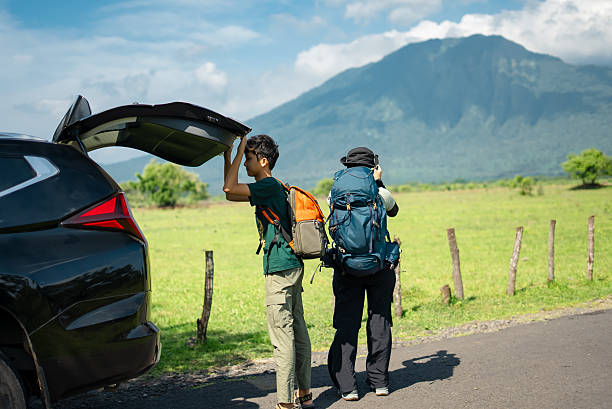 Songea Coffee Farm Tour: An Authentic Taste Of Tanzanias Southern HighlandsExplore the rich coffee heritage of Tanzania's Southern Highlands with a guided tour of a Songea coffee farm. Learn about cultivation…View package
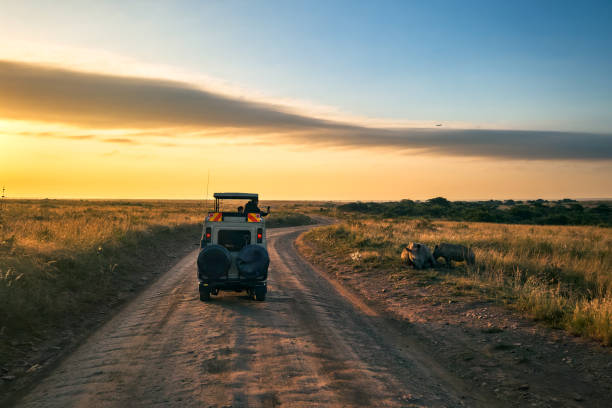 Songea Local Food Experience: A Culinary Journey Through Southern Tanzaniastart a flavorful exploration of Songea's unique culinary landscape. This guide details the local food experience, from traditional ingredients…View package
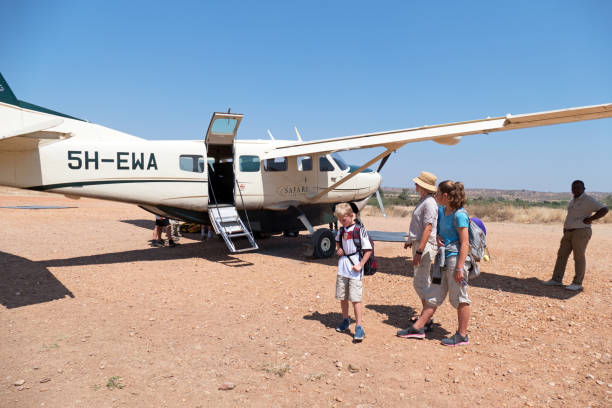 2-Day Songea Highlands Adventure: A Guide For Travelers 2026-2027start a thrilling 2-day journey through the Songea Highlands, a less-traveled gem in Tanzania. This adventure offers a unique blend of natural…View packageSongea Museum And Local Market Tour: A Deep Look At Ruvuma Culture 2026-2027Discover the rich heritage and bustling daily life of Songea, Tanzania, with a comprehensive tour of the Songea Museum and its lively local…View packageSongea Maji Heritage Tour: Uncover Southern Tanzanias Resistance HistoryDiscover the poignant history of the Maji Maji Rebellion on a specialized heritage tour in Songea, Southern Tanzania. This immersive experience…View package
 A 1-Day Songea Cultural Experience: Exploring Tanzanias Heritage 2026-2027Immerse yourself in the vibrant culture of Songea with a comprehensive 1-day experience. This curated itinerary offers a deep look at the…View package1-Day Songea Historical Tour: Uncover Mbeya Regions Past 2026-2027Discover the rich history of Songea on a focused 1-day tour, exploring key historical landmarks and understanding their significance within…View package


