
Updated planning guide for 2026-2027
4-Day Mount Kenya Sirimon Route — Scenic Trek: Expert Trekking Guide
Discover the beauty and challenge of the 4-Day Mount Kenya Sirimon Route. This guide covers everything you need to know for a successful trek, from itinerary details and preparation to what to expect on the mountain.
WhatsApp +255616946642 | topguideadventures@gmail.com | info@topguideadventures.com

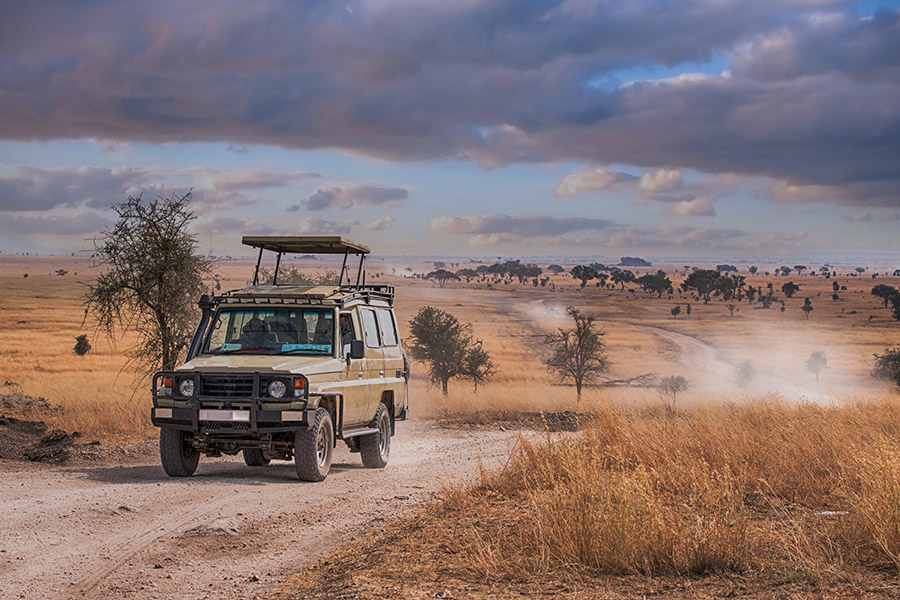
The 4-Day Mount Kenya Sirimon Route: Your Complete Trekking Guide
Mount Kenya, Africa’s second-highest peak, offers a spectacular alternative to Kilimanjaro for those seeking a challenging yet incredibly rewarding mountain experience. Among its various ascent routes, the Sirimon Route stands out for its gradual acclimatization profile and breathtaking scenery. This guide focuses specifically on the 4-Day Mount Kenya Sirimon Route trek, providing an in-depth look at what makes this journey unique and how to prepare for it. Whether you’re planning for 2026 or 2027, understanding the nuances of this trek is key to a successful summit attempt.
The Sirimon Route approaches Mount Kenya from the north, offering a more gradual climb compared to other routes. This makes it a favored choice for trekkers who want to maximize their acclimatization time, increasing their chances of reaching Point Lenana, the trekker’s summit. The route traverses diverse landscapes, from lush forests and moorlands to the stark, alpine desert just below the snow-capped peaks.
Quick Facts: 4-Day Mount Kenya Sirimon Route
| Feature | Detail |
|---|---|
| Route Name | Sirimon Route |
| Typical Duration | 4 Days / 3 Nights (can be extended) |
| Starting Point | Nanyuki Town |
| Ending Point | Nairobi (via Naro Moru or Chogoria) |
| Highest Point Reached | Point Lenana (4,985m / 16,355 ft) |
| Scenery | Forest, moorland, alpine desert, glacial valleys |
| Acclimatization | Good, due to gradual ascent |
| Difficulty | Moderate to Challenging |
| Best Time to Trek | January-March, June-October |
Why Choose the 4-Day Mount Kenya Sirimon Route?
The 4-day itinerary for the Sirimon Route is designed for efficiency, allowing trekkers to experience the essence of Mount Kenya’s beauty within a shorter timeframe. While longer itineraries offer better acclimatization, the 4-day version is popular for those with limited vacation time.
Gradual Ascent and Acclimatization: The Sirimon Route’s gentle incline from the north side is its primary advantage. Each day’s climb covers a manageable altitude gain, allowing your body to adapt more effectively to the thinning air. This is crucial for reducing the risk of altitude sickness and improving your chances of reaching Point Lenana.
Diverse Scenery: The trek begins in the verdant montane forest, home to a rich variety of flora and fauna, including monkeys and various bird species. As you ascend, the landscape transforms into expansive moorlands dotted with giant heathers and groundsels, eventually giving way to the stark, dramatic beauty of the alpine zone with its rocky outcrops and glacial features.
Access to Key Views: Even on a 4-day trek, the Sirimon Route provides access to some of Mount Kenya’s most iconic views, including the Teleki Valley and the surrounding glaciers and peaks (Batian and Nelion). The trek culminates at Point Lenana, offering panoramic vistas that are well worth the effort.
Table of Contents
- Overview of Mount Kenya and the Sirimon Route
- Why Choose the 4-Day Mount Kenya Sirimon Route?
- Best Time to Trek the Sirimon Route (2026-2027)
- Sirimon Route Area Overview
- Detailed 4-Day Mount Kenya Sirimon Route Itinerary
- What to Expect on the Trek
- Inclusions, Packing List & Preparation
- Common Mistakes to Avoid
- Who is the 4-Day Sirimon Route Best Suited For?
- Alternatives to the 4-Day Sirimon Route
- Planning Your 2026-2027 Trek
- Booking Your Mount Kenya Trek
- Frequently Asked Questions (FAQs)
Overview of Mount Kenya and the Sirimon Route
Mount Kenya National Park, a UNESCO World Heritage Site, is an extinct volcano that rises majestically from the surrounding plains. Its highest peaks, Batian (5,199m) and Nelion (5,188m), are technically challenging rock climbs. However, Point Lenana (4,985m) offers a non-technical trekking summit accessible to fit hikers. The mountain’s slopes are home to diverse ecosystems, from rainforests to alpine deserts, and it is the source of many rivers, including the Tana, Kenya’s longest river.
The Sirimon Route is one of the three main trekking routes on Mount Kenya, alongside Naro Moru and Chogoria. It is renowned for its stunning scenery and more gradual acclimatization profile. Starting from the west side of the mountain, near Nanyuki, the trail winds through beautiful forests, open moorlands, and eventually into the rugged alpine terrain. The 4-day itinerary is a condensed version, often finishing by descending via the Naro Moru route for logistical ease.
The trek typically involves camping, with campsites strategically placed to break up the ascent. The trails are generally well-maintained, but conditions can vary, especially in wet weather. The goal for most trekkers on this route is to reach Point Lenana, which offers incredible sunrise views over the surrounding peaks and plains.
Best Time to Trek the Sirimon Route (2026-2027)
Choosing the right time to visit Mount Kenya is crucial for a comfortable and successful trek. The weather on the mountain can be unpredictable, but there are distinct dry and wet seasons.
| Season | Months | Conditions | Pros | Cons |
|---|---|---|---|---|
| Dry Season 1 | January – March | Clear skies, cold nights, potential for frost. | Excellent visibility, stable weather, good for summit attempts. | Can be very cold, especially at higher altitudes. |
| Wet Season 1 | April – May | Heavy rains, muddy trails, reduced visibility. | Fewer crowds, lush scenery. | Challenging trekking conditions, high risk of altitude sickness due to poor visibility and cold. Not recommended for a 4-day trek. |
| Dry Season 2 | June – October | Cool and dry, sunny days, cold nights. | Stable weather, good visibility, pleasant temperatures during the day. Popular for 2026 and 2027 treks. | Can be busy, especially in July and August. |
| Wet Season 2 | November – December | Intermittent rains, cloudy, can be foggy. | Fewer trekkers. | Trails can be slippery, visibility can be poor, colder temperatures. |
For the 4-day Mount Kenya Sirimon Route, the dry seasons (January-March and June-October) are highly recommended for 2026 and 2027. These periods offer the best chance of clear skies for views and stable trekking conditions. While June to October is often considered the prime season, January to March is also excellent, though it can be colder.
Sirimon Route Area Overview
The Sirimon Route is located on the northwestern side of Mount Kenya. The journey begins near the Equator, with the trailhead at an altitude of approximately 2,650 meters (8,694 ft). The route is known for its scenic beauty and relatively gentle gradient, making it ideal for acclimatization.
Key Stages and Landmarks:**
- Start: The trek usually begins from a gate near the Sirimon Forest Station, a short drive from Nanyuki town.
- Forest Zone: The initial part of the trek passes through dense montane forest, rich in wildlife and plant diversity.
- Moorland Zone: After the forest, the trail opens up into the expansive moorlands, characterized by giant heathers, senecios, and lobelias. This zone offers stunning views of the higher peaks.
- Mackinder’s Camp: A significant campsite located in the Teleki Valley, offering spectacular views of the peaks and glaciers.
- Austrian Hut / Shiptons Camp: These camps are at higher altitudes, serving as staging points for the summit attempt.
- Point Lenana: The trekker’s summit, reached via a steep, rocky path from the high camps.
The 4-day itinerary compresses these stages, focusing on reaching a high point for acclimatization before the final summit push.
Detailed 4-Day Mount Kenya Sirimon Route Itinerary
This itinerary is a common structure for the 4-day Sirimon Route trek, aiming for Point Lenana. Note that this is a challenging pace for a 4-day trek, and acclimatization might be tight for some. Longer itineraries are generally recommended for better acclimatization.
Day 1: Nanyuki to Old Moses Camp (3,300m / 10,827 ft)
- Morning: Arrive in Nanyuki, meet your guide and trekking team. Briefing and final gear check. Transfer to the Sirimon Gate (2,650m).
- Trek: Begin the trek from Sirimon Gate. The trail ascends through the montane forest, which gradually gives way to bamboo and then the moorland zone. The walk is approximately 9-10 km (5-6 miles) and takes about 3-4 hours.
- Afternoon: Arrive at Old Moses Camp (also known as Simba Tarn Camp). Set up camp, have dinner, and rest.
- Altitude Gain: +650m.
Day 2: Old Moses Camp to Shiptons Camp (4,200m / 13,780 ft)
- Morning: After breakfast, begin the ascent towards Shiptons Camp. This is a longer and more challenging day, covering about 14-16 km (8-10 miles) and taking 6-8 hours.
- Scenery: The trail winds through the beautiful Mackinder’s Valley, with increasing views of the peaks and glaciers. You’ll pass through moorland and alpine zones.
- Afternoon: Arrive at Shiptons Camp, situated in a dramatic glacial cirque. This camp is basic, often with communal sleeping areas. Acclimatization is key today.
- Altitude Gain: +900m.
Day 3: Summit Attempt: Shiptons Camp to Point Lenana (4,985m / 16,355 ft) and descent to Mackinder’s Camp (4,300m / 14,108 ft)
- Late Night/Early Morning: Wake up around 1-2 AM. Start the summit push towards Point Lenana. This is a steep and challenging climb in the dark, often on scree and rocky paths.
- Summit: Reach Point Lenana around sunrise (typically 6-7 AM) to witness the spectacular views of Mount Kenya’s peaks, glaciers, and the surrounding landscape.
- Descent: After celebrating at the summit, begin the descent. For this 4-day itinerary, you’ll descend past Shiptons Camp and continue down to Mackinder’s Camp for the night. This descent is approximately 8-10 km (5-6 miles) and takes 3-4 hours from Point Lenana to Mackinder’s.
- Altitude Change: +785m to Point Lenana, then -685m to Mackinder’s Camp.
Day 4: Mackinder’s Camp to Naro Moru Gate (2,950m / 9,678 ft) and transfer to Nanyuki/Nairobi
- Morning: After breakfast at Mackinder’s Camp, begin the descent towards Naro Moru Gate. This is a long downhill trek, approximately 18-20 km (11-12 miles), taking 5-6 hours.
- Scenery: You’ll pass through moorland and descend back into the forest zone.
- Afternoon: Arrive at Naro Moru Gate. Meet your transport and transfer back to Nanyuki or Nairobi.
- Altitude Loss: -1350m.
Important Note on 4-Day Itinerary: This 4-day itinerary is fast-paced. It is crucial to have a good level of fitness and prior experience with high altitudes if possible. For better acclimatization and a more enjoyable experience, consider a 5-day or 6-day Sirimon Route trek, which allows for an extra night at higher altitudes, such as spending two nights at Mackinder’s Camp or Shiptons Camp.
What to Expect on the Trek
Trekking Mount Kenya, especially on a shorter itinerary like the 4-day Sirimon Route, involves significant physical and mental challenges. Understanding these aspects will help you prepare effectively.
Physical Demands: You will be walking for several hours each day, often on steep and uneven terrain. The summit night is particularly strenuous, involving a pre-dawn climb in cold temperatures. Good cardiovascular fitness and leg strength are essential. Practice hiking with a loaded backpack.
Altitude: Mount Kenya is a high-altitude mountain. Altitude sickness (Acute Mountain Sickness – AMS) is a risk for everyone. Symptoms can include headaches, nausea, dizziness, and fatigue. The Sirimon Route’s gradual ascent helps, but the 4-day itinerary means less time for acclimatization. Hydration, slow ascent, and listening to your body are vital. Your guide will monitor you closely.
Weather: Conditions can change rapidly. Expect sunny and cool days, but nights can be very cold, with temperatures dropping well below freezing, especially near the summit. Rain or snow is possible even in dry seasons. Layering your clothing is key.
Accommodation: On the Sirimon Route, you will typically be camping. Campsites are basic, offering a place to pitch your tent. Some routes might utilize mountain huts, but camping is more common on Sirimon. Your tour operator will provide tents, sleeping mats, and cooking equipment.
Food: Your trekking crew will prepare all meals. Expect hearty, carbohydrate-rich meals designed to provide energy. This usually includes breakfast, lunch, dinner, and hot drinks. Dietary requirements can usually be accommodated with advance notice.
Scenery: The visual rewards are immense. From lush forests to unique alpine flora and dramatic volcanic landscapes, the Sirimon Route offers a constant display of natural beauty. The views from Point Lenana are unforgettable.
Companionship: You will be accompanied by a team of experienced guides, porters, and cooks. They are essential for your safety, comfort, and logistical support. They are also a great source of local knowledge and culture.
Inclusions, Packing List & Preparation
Proper preparation is the cornerstone of a successful trek. This includes understanding what your tour operator provides, what you need to pack, and how to train.
Typical Inclusions (Check with your operator)
When booking your 4-Day Mount Kenya Sirimon Route trek for 2026 or 2027, confirm these inclusions:
- Park entrance fees for Mount Kenya National Park.
- Accommodation in tents during the trek (including sleeping mats).
- All meals during the trek (breakfast, lunch, dinner).
- Trekking crew: Licensed mountain guides, cook, and porters.
- Water during the trek (boiled or purified).
- Transfer from Nanyuki to Sirimon Gate and from Naro Moru Gate back to Nanyuki/Nairobi.
- Campsite fees.
Essential Packing List
Layering is key. Pack for cold, wind, rain, and sun.
Clothing:
- Base Layers: Thermal tops and bottoms (synthetic or merino wool).
- Mid Layers: Fleece jacket or insulated jacket.
- Outer Layer: Waterproof and windproof jacket and trousers (Gore-Tex or similar).
- Trekking Trousers: 2 pairs (quick-drying, comfortable).
- Trekking Shirts: 2-3 (quick-drying).
- Insulated Jacket: Down or synthetic jacket for warmth at camp and summit night.
- Gloves: Warm, waterproof gloves and thinner liner gloves.
- Hat: Warm woolen hat that covers your ears.
- Sun Hat: Wide-brimmed hat for sun protection.
- Socks: 4-5 pairs of warm hiking socks (wool or synthetic).
- Camp Shoes: Comfortable shoes or sandals for wearing at camp.
Footwear:
- Hiking Boots: Waterproof, broken-in hiking boots with good ankle support.
- Gaiters: To keep snow, mud, and scree out of your boots.
Equipment:
- Backpack: 50-65 liter capacity, comfortable and waterproof.
- Daypack: 20-30 liter capacity for essentials during daily hikes.
- Sleeping Bag: Rated to at least -10°C (0°F).
- Headlamp: With extra batteries (essential for summit night).
- Water Bottles/Hydration Reservoir: At least 2-3 liters capacity.
- Trekking Poles: Highly recommended for stability and reducing strain.
- Sunglasses: UV protection.
- Sunscreen: High SPF.
- Lip Balm: With SPF.
- Personal First-Aid Kit: Including blister treatment, pain relievers, and any personal medications.
- Toiletries: Biodegradable soap, toothbrush, toothpaste, wet wipes.
- Hand Sanitizer.
- Insect Repellent: Though less of an issue at high altitudes.
- Camera: With extra batteries and memory cards.
- Power Bank: For charging electronics.
- Snacks: Energy bars, nuts, dried fruit (optional, though meals are provided).
- Passport & Visa: Keep in a waterproof bag.
- Cash: For tips and personal expenses.
Physical Preparation
Cardiovascular Fitness: Engage in regular aerobic activities like running, cycling, swimming, or brisk walking for at least 3-4 months before your trek. Aim for 3-5 sessions per week.
Strength Training: Focus on leg strength (squats, lunges) and core strength. Carrying a backpack will be easier with a strong core.
Hiking Practice: The most important preparation is hiking itself. Do long hikes (4-6 hours) with hills and inclines, ideally with a weighted backpack, to simulate trek conditions. Practice on varied terrain if possible.
Altitude Acclimatization: If possible, spend a night or two at moderate altitude (e.g., 2,500-3,000m) before starting your trek. This is not always feasible but can significantly help.
Mental Preparation: Understand that it will be challenging. Be prepared for cold, fatigue, and potential discomfort. A positive attitude and determination are invaluable.
Common Mistakes to Avoid
Many trekkers make common errors that can detract from their experience or even jeopardize their summit attempt. Being aware of these can help you avoid them.
- Inadequate Physical Training: Underestimating the physical demands is a primary mistake. Insufficient training leads to fatigue, slower pace, and increased risk of injury or altitude sickness.
- Poor Acclimatization Strategy: Rushing the ascent or not allowing enough time for the body to adapt to altitude is a recipe for disaster. The 4-day itinerary is already fast; ensure your operator plans rest and hydration well.
- Packing Incorrectly: Forgetting essential items (like warm gloves or a good headlamp) or packing too much can be problematic. Overpacking adds unnecessary weight.
- Dehydration: Not drinking enough water is a significant cause of altitude sickness. Aim to drink 3-4 liters of water per day, even if you don’t feel thirsty.
- Ignoring Symptoms of Altitude Sickness: Pushing on when experiencing AMS symptoms can lead to serious complications. Always communicate any discomfort to your guide immediately.
- Starting Summit Push Too Fast: The summit night climb is long and slow. Maintain a steady, slow pace (often referred to as ‘pole pole’ – Swahili for ‘slowly, slowly’) to conserve energy and aid acclimatization.
- Wearing Cotton Clothing: Cotton retains moisture and can make you cold. Opt for synthetic or wool fabrics that wick away moisture.
- Not Using Trekking Poles: Trekking poles significantly reduce strain on your knees and improve balance, especially on descents and uneven terrain.
- Underestimating the Cold: Even during the day, temperatures can drop significantly, and summit night is extremely cold. Ensure you have adequate warm layers.
- Not Booking with a Reputable Operator: Choosing a cheap, uncertified operator can compromise safety, equipment quality, and guide expertise.
Who is the 4-Day Sirimon Route Best Suited For?
The 4-day Mount Kenya Sirimon Route is a specific choice that appeals to a particular type of trekker. It’s not for everyone, and understanding who it suits best is important for making the right decision for your trip in 2026 or 2027.
- Fit and Experienced Hikers: Individuals who are already physically fit and have some experience with multi-day hiking, especially at altitude, will cope best with the demands of this shorter itinerary.
- Time-Constrained Travelers: Those with limited vacation days who want to experience Mount Kenya’s beauty and reach Point Lenana without taking a full week off.
- Trekkers Prioritizing Scenery: The Sirimon Route is renowned for its stunning landscapes. If you want to see diverse mountain scenery, this route delivers.
- Those Seeking a Gradual Ascent: While the 4-day pace is fast, the Sirimon Route itself offers a more gentle climb than some other routes, which is beneficial for acclimatization compared to a rapid ascent on a different path.
- Adventurous Individuals: Those who enjoy a challenge and are prepared for the rigors of high-altitude trekking and camping.
It might NOT be ideal for:
- Complete Beginners to Trekking: The intensity and altitude might be too much for someone with no prior hiking experience.
- Those with Significant Health Concerns: Pre-existing heart or respiratory conditions should be discussed with a doctor before considering any high-altitude trek.
- Trekkers Prioritizing Acclimatization Above All Else: If maximizing acclimatization time is your absolute priority, a longer itinerary (5-7 days) on Mount Kenya or a different mountain might be a better fit.
Alternatives to the 4-Day Sirimon Route
If the 4-day Sirimon Route doesn’t perfectly align with your fitness level, time constraints, or preferences, several excellent alternatives exist on Mount Kenya and nearby.
Longer Sirimon Route Itineraries
- 5-Day Sirimon to Naro Moru: This is a popular and highly recommended option. It adds an extra day, typically spent at Mackinder’s Camp or Shiptons Camp, significantly improving acclimatization and reducing the intensity of summit night.
- 6-Day Sirimon to Chogoria: This itinerary offers even better acclimatization and allows for a more leisurely pace, often descending via the stunning Chogoria Route, known for its waterfalls and lakes.
Other Mount Kenya Routes
- Naro Moru Route (4-Day or 5-Day): The most popular route, known for its directness and challenging ‘vertical bog’ section. The 4-day itinerary is very fast; a 5-day version is more common and includes an overnight at Teleki Valley. It often descends via the Sirimon Route.
- Chogoria Route (5-Day or 7-Day): Considered by many to be the most scenic route, traversing waterfalls, lakes, and varied vegetation zones. It’s longer and often combined with other routes for descent.
Other High-Altitude Treks in East Africa
- Mount Kilimanjaro (5-9 Days): Africa’s highest peak, offering multiple routes (Machame, Lemosho, Marangu, etc.). Kilimanjaro is generally higher and requires longer acclimatization periods, making it a more significant undertaking than Mount Kenya.
- Mount Meru (3-4 Days): Located near Arusha, Tanzania, Mount Meru is a fantastic acclimatization trek for Kilimanjaro or a challenging trek in its own right. It’s a volcanic cone with dramatic cliffs and diverse wildlife in its lower reaches. A 4-day trek to Socialist Peak (4,566m) is common.
Choosing an alternative depends on your goals, available time, fitness, and desired experience. For many, a 5-day Sirimon Route trek offers a better balance of scenery, challenge, and acclimatization than the compressed 4-day version.
Planning Your 2026-2027 Trek
Planning a trek for 2026 or 2027 requires foresight and attention to detail. Here’s a checklist to guide you.
Pre-Booking (12-18 Months Out)
- Research Mount Kenya and its routes. Decide on the Sirimon Route and the ideal duration (consider 5 days over 4 for better acclimatization).
- Identify reputable tour operators. Look for those with good safety records, experienced guides, and clear communication.
- Start a fitness program. Begin cardiovascular and strength training.
Booking (6-12 Months Out)
- Contact your preferred tour operator(s). Get quotes and compare itineraries, inclusions, and prices.
- Book your trek. Secure your dates, especially if traveling during peak seasons (July-August, January-March).
- Book international flights.
- Check passport validity. Ensure it has at least six months remaining after your planned return date.
- Check visa requirements for Kenya.
Preparation (3-6 Months Out)
- Intensify your fitness training. Focus on hiking with a backpack.
- Start acquiring necessary gear. Purchase or rent essential items like hiking boots, sleeping bag, and waterproofs.
- Get a medical check-up. Discuss your trek plans with your doctor and get any necessary vaccinations or malaria prophylaxis.
Final Preparations (1-2 Months Out)
- Finalize your packing list.
- Break in your hiking boots thoroughly.
- Arrange travel insurance that covers high-altitude trekking and emergency evacuation.
- Inform your bank of your travel dates.
- Confirm all details with your tour operator.
Just Before Departure
- Pack your bags, ensuring everything is waterproofed.
- Exchange some currency for local use (Kenyan Shillings) and USD for tips.
- Get a good night’s sleep!
Booking Your Mount Kenya Trek
Choosing the right tour operator is paramount for a safe and enjoyable 4-Day Mount Kenya Sirimon Route trek. Here’s what to look for and how to proceed.
What to Look for in a Tour Operator:
- Experience and Reputation: Look for operators with years of experience specifically on Mount Kenya. Check reviews and testimonials.
- Safety Standards: Do they have emergency protocols? Do they carry oxygen and a comprehensive first-aid kit? Are their guides certified and trained in wilderness first aid?
- Guide Expertise: Guides should be knowledgeable about the mountain, altitude sickness, flora, and fauna. They should be fluent in English and have good communication skills.
- Equipment Quality: Ensure they provide good quality tents, sleeping bags (if renting), and cooking gear.
- Ethical Treatment of Staff: Reputable operators pay their guides and porters fairly and treat them with respect.
- Clear Itinerary and Inclusions: Ensure you understand exactly what is included and excluded in the price. Beware of suspiciously low prices.
Booking Process:
1. Inquire: Reach out to a few shortlisted operators. Provide your desired dates, number of people, and preferred route (e.g., 4-Day Sirimon). For 2026 and 2027 bookings, early inquiry is advised, especially for peak seasons.
2. Compare: Carefully compare the proposals you receive. Don’t just look at the price; consider the quality of service, safety measures, and what’s included.
3. Confirm Details: Once you choose an operator, confirm the itinerary, meeting point, meal plan, and any specific requirements.
4. Deposit and Payment: Most operators require a deposit to secure your booking, with the balance due closer to your trek date. Understand their payment and cancellation policies.
5. Pre-Trek Communication: Maintain communication with your operator. They will provide essential information regarding preparation, packing, and what to expect upon arrival.
Contact Us for Your 4-Day Mount Kenya Sirimon Route Adventure:
Ready to plan your unforgettable journey? We specialize in Mount Kenya treks and can help you customize the perfect 4-Day Mount Kenya Sirimon Route experience. Reach out to our expert team:
- WhatsApp: +255616946642
- Email: topguideadventures@gmail.com
- Backup Email: info@topguideadventures.com
Let us help you make your 2026 or 2027 Mount Kenya dream a reality!
Frequently Asked Questions (FAQs)
1. Is the 4-Day Mount Kenya Sirimon Route difficult?
The 4-day Sirimon Route is considered moderately challenging. While the route itself offers a gradual ascent, the 4-day itinerary is fast-paced. It requires good physical fitness, especially for the summit night and the long descent on day 4. Altitude can be a significant factor, and the rapid ascent may not be ideal for those not accustomed to high altitudes.
2. What is the best time of year for the 4-Day Mount Kenya Sirimon Route in 2026-2027?
The best times are the dry seasons: January to March and June to October. These periods offer the clearest skies, stable weather, and generally good trekking conditions. Avoid the rainy seasons (April-May and November-December) if possible.
3. What is the highest altitude reached on this trek?
The highest point reached on the 4-day Mount Kenya Sirimon Route is Point Lenana, which stands at 4,985 meters (16,355 feet) above sea level. This is the trekker’s summit; the true peaks of Batian and Nelion require technical climbing skills.
4. How does the 4-day Sirimon Route compare to a 5-day itinerary?
The 4-day itinerary is a condensed version. A 5-day trek allows for an extra day on the mountain, typically spent at a higher camp like Mackinder’s or Shiptons. This extra day significantly improves acclimatization, reduces fatigue, and makes the summit attempt less strenuous, increasing success rates and overall enjoyment.
5. What are the accommodation arrangements on the trek?
Accommodation on the Sirimon Route is typically in tents at designated campsites. Your tour operator will provide tents, sleeping mats, and all cooking equipment. Some operators might offer access to basic mountain huts, but camping is more standard. Basic facilities like pit latrines may be available at some campsites.
6. What is the risk of altitude sickness on this trek?
Altitude sickness is a risk on any trek above 2,500 meters. The Sirimon Route’s gradual ascent helps, but the 4-day itinerary compresses acclimatization time. It’s crucial to hydrate well, ascend slowly, listen to your body, and communicate any symptoms to your guide immediately. A good operator will have protocols for managing altitude sickness.
7. Do I need to be an experienced climber to do the 4-day Sirimon Route?
No, you do not need to be an experienced climber. Point Lenana is a trekking summit. However, you do need to be in good physical condition, have a reasonable level of fitness for hiking multi-day treks, and be mentally prepared for the challenges of altitude and cold.
8. What kind of food can I expect on the trek?
Your trekking crew will prepare all meals. Expect nutritious, carbohydrate-rich meals designed to provide energy. This typically includes breakfast, packed lunches or hot lunches, and dinners, along with hot drinks. Dietary requirements can usually be accommodated with advance notice.
9. What should I do if I get sick on the mountain?
If you experience symptoms of altitude sickness or any other illness, inform your guide immediately. They are trained to assess the situation and make decisions regarding your health and safety, which may include descending to a lower altitude.
10. How much should I tip the trekking crew?
Tipping is customary and greatly appreciated. A general guideline is to tip guides, porters, and cooks at the end of the trek. Your tour operator can provide specific recommended amounts, often calculated per group or per porter/guide. It’s common to tip in USD.
Your Mount Kenya Adventure Awaits
The 4-Day Mount Kenya Sirimon Route offers an incredible opportunity to experience the majesty of Africa’s second-highest peak. While it demands good preparation and fitness, the rewards – breathtaking vistas, unique alpine landscapes, and the satisfaction of reaching high altitudes – are immense. Remember that for optimal acclimatization and a more comfortable trek, a 5-day itinerary is often preferred. However, if your time is limited, the 4-day Sirimon Route can be a viable and rewarding option when planned and executed correctly.
We are passionate about creating unforgettable mountain experiences. If you are planning your 4-Day Mount Kenya Sirimon Route trek for 2026 or 2027 and want expert guidance, personalized service, and a commitment to safety, get in touch with us. Let us help you craft your perfect Mount Kenya adventure.
Contact us today:
- WhatsApp: +255616946642
- Email: topguideadventures@gmail.com
- Backup Email: info@topguideadventures.com
Plan your 4-Day Mount Kenya Sirimon Route — Scenic Trek with Top Guide Adventures
Tell us your travel dates, group size, comfort level, and dream experience. We will help you shape a clear, realistic, and memorable Tanzania itinerary.







 Veedesigner
 Fatma Kizanga
 Benjamin Waryuba
 Philip Philip
 John jr Itaja
 Antonia Optatus
 Edith Kanyere
 Neema Iddy
 Kelvin Boniphace
 Damari Maiga



