
Updated planning guide for 2026-2027
8-Day Migration Special — Masai Mara Extended Stay: Complete Guide 2026-2027
Discover the ultimate wildlife spectacle with our 8-day Masai Mara Migration Special. This extended stay safari offers unparalleled opportunities to witness the Great Migration. Plan your unforgettable African adventure with expert advice.
WhatsApp +255616946642 | topguideadventures@gmail.com | info@topguideadventures.com

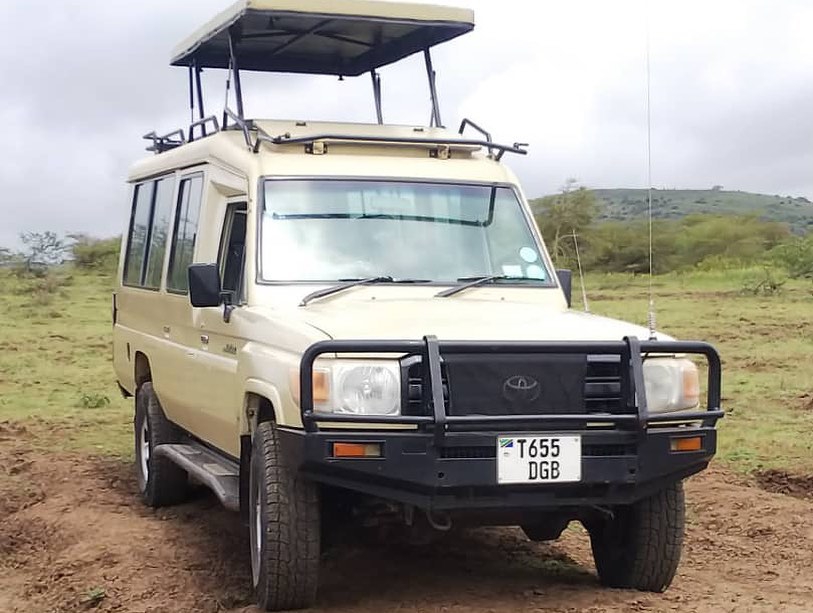
8-Day Migration Special — Masai Mara Extended Stay: Your Ultimate Safari Planning Guide
Witnessing the Great Migration is a bucket-list experience for many travelers. An 8-day Migration Special in the Masai Mara offers an extended opportunity to immerse yourself in one of Africa’s most dramatic wildlife events. This comprehensive guide is designed to help you plan every aspect of your safari, from understanding the migration’s timing to packing the right gear and choosing the best safari operators for your 2026-2027 adventure.
This extended stay allows for deeper exploration of the Masai Mara National Reserve, increasing your chances of seeing the iconic river crossings and vast herds of wildebeest and zebras. We’ll cover what to expect, the best times to visit, sample itineraries, and crucial planning details to ensure your safari is both memorable and successful.
Quick Facts: 8-Day Masai Mara Migration Special
| Aspect | Details |
|---|---|
| Duration | 8 Days / 7 Nights |
| Focus | Great Migration, Big Five, Masai Culture |
| Location | Masai Mara National Reserve, Kenya |
| Best Time for Migration | July to October (peak river crossings) |
| Accommodation Types | Luxury Lodges, Tented Camps, Budget Camps |
| Activities | Game Drives (Day & Night), Walking Safaris, Cultural Visits, Hot Air Balloon Safaris |
Table of Contents
- Introduction to the 8-Day Migration Special
- Why an 8-Day Extended Stay is Crucial for Migration Viewing
- Understanding the Great Migration in the Masai Mara
- Best Time to Visit for the 8-Day Migration Special
- Masai Mara Area Overview & Migration Hotspots
- Sample 8-Day Masai Mara Migration Special Itinerary
- What to Expect: Daily Life on Your Safari
- Masai Mara Accommodation Options
- Typical Inclusions and Exclusions
- Packing Essentials for Your Migration Safari
- Health and Safety Considerations
- Who is the 8-Day Migration Special Best Suited For?
- Common Mistakes to Avoid When Planning
- Alternatives to the Masai Mara Migration
- Planning Your 2026-2027 Safari: Key Dates & Tips
- Expert Booking Advice
- Frequently Asked Questions (FAQs)
- Ready to Book Your Dream Safari?
Introduction to the 8-Day Migration Special
The Masai Mara National Reserve in Kenya is world-renowned for its incredible wildlife density and, most famously, as a prime location to witness the Great Migration. This annual phenomenon sees millions of wildebeest, zebras, and gazelles traverse the plains in search of greener pastures. An 8-day extended stay is specifically designed to maximize your chances of experiencing the most dramatic aspects of this natural spectacle, such as the perilous river crossings.
This isn’t just about ticking off a checklist of animals; it’s about immersing yourself in the raw beauty and power of the African wilderness. An extended safari allows for a more relaxed pace, deeper exploration of different areas within the Mara, and more time to connect with the environment and its inhabitants. This guide aims to provide you with all the information needed to plan an unforgettable 8-day Migration Special Masai Mara Extended Stay safari.
Why an 8-Day Extended Stay is Crucial for Migration Viewing
While a shorter safari can offer glimpses of wildlife, an 8-day trip dedicated to the migration in the Masai Mara provides distinct advantages:
- Increased Chances of Witnessing River Crossings: The timing of the Mara River crossings is unpredictable. Having eight days significantly increases the probability of being in the right place at the right time to see these thrilling events. You can spend multiple days near the riverbanks, waiting for the herds to make their move.
- Deeper Exploration: The Masai Mara is vast. An extended stay allows you to explore different regions of the reserve, from the riverine areas to the open grasslands and kopjes. This means encountering a wider variety of wildlife and experiencing different landscapes.
- Flexibility and Adaptability: Wildlife movements are influenced by weather and grazing conditions. An 8-day itinerary allows for flexibility, enabling your guide to adapt the game drives based on recent sightings and animal movements.
- Reduced Pace, Enhanced Experience: A shorter safari can feel rushed. An 8-day trip allows for a more leisurely pace, giving you time to truly absorb the sights, sounds, and atmosphere of the Mara. This includes more time for photography, relaxation, and simply observing animal behavior.
- Access to Different Areas: With more time, you can venture further into the reserve or even explore adjacent conservancies (if included in your package), which often offer exclusive wildlife viewing experiences with fewer vehicles.
For those specifically targeting the Great Migration, especially the river crossings, an 8-day Migration Special Masai Mara Extended Stay is not just recommended – it’s essential for a truly rewarding experience.
Understanding the Great Migration in the Masai Mara
The Great Migration is a continuous, circular journey undertaken by over 1.5 million wildebeest, around 200,000 zebras, and hundreds of thousands of other antelopes. They move in response to rainfall patterns, seeking fresh grass. The cycle typically involves:
- Calving Season (Jan-Mar): Southern Serengeti, Tanzania.
- Northward Movement (Apr-May): Following the rains into central and western Serengeti.
- Grumeti River Crossings (May-June): Western Serengeti, often featuring large crocodiles.
- Arrival in Kenya (July-Oct): The herds cross the Mara River into the Masai Mara, Kenya. This is the highlight for most visitors.
- Return to Tanzania (Nov-Dec): The herds move south again, following the rains back into the Serengeti.
The Masai Mara leg of the migration, from roughly July to October, is characterized by the dramatic crossings of the Mara River. These crossings are fraught with danger, as crocodiles lie in wait and stampedes can occur. Witnessing this is a primal, unforgettable spectacle. An 8-day trip allows you to position yourself strategically in the Mara to maximize your chances of seeing these events.
Migration Hotspots in the Masai Mara
During the migration season (July-October), several areas within the Masai Mara become prime viewing spots:
- Mara River Banks: Particularly the areas around the main crossing points, such as the ‘Grumeti Crossing’ (though this name is often confused with the Serengeti’s Grumeti River) and other accessible points along the river.
- Central Masai Mara: Large herds often graze here before attempting river crossings or after crossing.
- Western Corridor: This area, closer to the Tanzanian border, can also experience significant crossings.
- Northern Plains: Herds spread out, and smaller crossings might occur.
Your experienced safari guide will be crucial in tracking the herds and anticipating their movements to the best viewing locations.
Best Time to Visit for the 8-Day Migration Special
The absolute peak time for the 8-day Migration Special Masai Mara Extended Stay, especially for witnessing river crossings, is generally considered to be July through October.
| Month | Migration Status & Weather | Pros | Cons |
|---|---|---|---|
| July | Herds begin arriving in the Mara; some early crossings may occur. Dry season begins, good visibility. | Fewer crowds than Aug/Sep; good chance of seeing herds. | River crossings are less predictable than later months. |
| August | Peak month for river crossings. Dry season; excellent game viewing conditions. | Highest probability of witnessing dramatic river crossings. Abundant predators. | Most popular and expensive month; requires early booking. Higher vehicle density. |
| September | River crossings continue, though may become less frequent towards the end. Dry season persists. | Excellent game viewing, high predator activity. Still good chances for crossings. | High season pricing and crowds. |
| October | Migration herds may start moving south towards the end of the month. Weather can start changing. | Fewer crowds than Aug/Sep; good game viewing. Chance of late crossings. | Migration may be starting to move out of the Mara. Some areas can become dusty. |
| November-December | Migration has largely returned to Tanzania. Local herds remain. Rains begin. | Lower prices, fewer tourists. Excellent for resident wildlife. | Not ideal for witnessing the main migration river crossings. |
| January-June | Migration is in Tanzania. Excellent resident wildlife viewing in the Mara. Calving season in Serengeti. | Lower prices, fewer crowds. Lush green landscapes after rains. Good for birdwatching. | No major migration river crossings in the Mara. |
Important Note: While July-October is peak season, the migration is a natural event and can vary year to year. Flexibility and expert guidance are key.
Masai Mara Area Overview & Migration Hotspots
The Masai Mara National Reserve is part of the larger Mara-Serengeti ecosystem, which spans across southern Kenya and northern Tanzania. The reserve itself is characterized by rolling grasslands, acacia woodlands, and the life-giving Mara River that snakes through it.
Masai Mara Migration Route Illustration
(Conceptual Route Map – Actual movements vary yearly)
Kenya (Masai Mara)
———————-> Mara River Crossings (July-Oct)
(Herds arrive from Tanzania)
Open Grasslands & Woodlands
(Grazing, predator activity)
Central Mara & Western Corridor
(Key areas for crossings and herd concentration)
Tanzania (Serengeti)
<———————- (Herds depart Nov-Dec)
Key areas within the Masai Mara that are particularly relevant for an 8-day Migration Special include:
- The Mara River: This is the natural barrier the wildebeest and zebras must cross. The river is wide and populated with crocodiles, making the crossings incredibly dramatic and dangerous. Specific crossing points are unpredictable but often occur where the river bends or narrows.
- Central Plains: Vast expanses of grassland where the herds congregate, graze, and are often hunted by predators like lions, cheetahs, and hyenas.
- Western Corridor: This region, bordering the Serengeti, can also see significant crossings, especially earlier in the migration season.
- Oloololo Escarpment: Offers stunning panoramic views and is a good vantage point for observing herd movements.
Choosing accommodation strategically located near these areas can significantly enhance your migration viewing experience.
Sample 8-Day Masai Mara Migration Special Itinerary
This sample itinerary focuses on maximizing migration viewing opportunities. It assumes arrival and departure from Nairobi, Kenya, which is the standard gateway for Masai Mara safaris.
Day 1: Arrival in Nairobi & Safari Briefing
- Arrive at Jomo Kenyatta International Airport (NBO), Nairobi.
- Meet your representative and transfer to your hotel.
- Receive a detailed safari briefing and confirm all arrangements.
- Overnight in Nairobi.
Day 2: Nairobi to Masai Mara – First Game Drive
- After breakfast, transfer to Wilson Airport for your scenic flight to the Masai Mara.
- Upon arrival at the airstrip, you’ll be met by your guide and vehicle.
- Enjoy an introductory game drive en route to your camp/lodge.
- Check in, have lunch, and relax.
- Afternoon game drive focusing on the local wildlife.
- Dinner and overnight in the Masai Mara.
Day 3: Full Day Game Drive – Migration Focus
- Full day dedicated to tracking the Great Migration herds.
- Your guide will focus on areas where herds are congregating or attempting river crossings.
- Enjoy a picnic lunch in the bush.
- Continue game viewing throughout the afternoon.
- Return to camp/lodge for dinner and overnight.
Day 4: Mara River Exploration & Crossings Watch
- Early morning game drive towards the Mara River.
- Spend the day in areas known for potential river crossings. Patience is key.
- Observe wildebeest and zebra herds gathering at the riverbanks, and hopefully witness a crossing.
- Picnic lunch by the river.
- Late afternoon game drive returning to camp.
- Dinner and overnight.
Day 5: Exploring Different Mara Regions
- Venture into different sectors of the Masai Mara to explore varied habitats and seek out specific wildlife.
- Focus on predator sightings, as the large herds attract lions, cheetahs, leopards, and hyenas.
- Optional: Hot air balloon safari at dawn (additional cost).
- Full day of game drives with picnic lunch.
- Dinner and overnight.
Day 6: Cultural Immersion & Wildlife Search
- Morning game drive, perhaps focusing on areas you haven’t explored extensively yet.
- Visit a local Maasai village (many camps arrange this) to learn about their culture and traditions.
- Afternoon game drive.
- Dinner and overnight.
Day 7: Final Migration & Wildlife Encounters
- Another full day dedicated to maximizing your migration viewing opportunities.
- Your guide will use their knowledge and any recent information to find the best sightings.
- This could be a final attempt to witness a river crossing or to track specific predators.
- Farewell dinner at the lodge/camp.
Day 8: Departure from Masai Mara
- Enjoy a final early morning game drive, if time permits.
- Breakfast at the lodge/camp.
- Transfer to the airstrip for your scheduled flight back to Nairobi.
- Connect with your international flight or extend your stay in Kenya/Tanzania.
Note: This itinerary is a sample and can be customized based on your interests, budget, and the specific timing of the migration during your travel dates for 2026 or 2027.
What to Expect: Daily Life on Your Safari
A typical day on an 8-day Migration Special Masai Mara Extended Stay safari follows a comfortable rhythm:
- Early Morning: Wake up before dawn. Enjoy a cup of coffee or tea. Head out for an early morning game drive as the sun rises. This is often the best time for predator activity and dramatic light for photography.
- Mid-Morning: Return to camp/lodge for a hearty breakfast.
- Late Morning/Early Afternoon: Relax at the lodge, read a book, enjoy the view from your deck, or perhaps take a siesta. Some lodges offer guided walks or cultural visits during this time.
- Lunch: Enjoy a delicious lunch, often served al fresco or in the main dining area.
- Afternoon: Head out for your afternoon/evening game drive. This drive can extend into the early hours of darkness if you opt for night game drives (where permitted).
- Evening: Return to camp/lodge as dusk settles. Enjoy sundowner drinks in a scenic spot. Freshen up before a multi-course dinner. Share stories of the day’s sightings around a campfire.
The pace is designed to be exhilarating during game drives but also allows for relaxation and immersion in the camp’s atmosphere.
Masai Mara Accommodation Options
The Masai Mara offers a wide range of accommodations to suit different budgets and preferences:
- Luxury Lodges: Offer opulent rooms, fine dining, swimming pools, spas, and impeccable service. Ideal for those seeking comfort and indulgence.
- Tented Camps (Mid-Range to Luxury): These provide a more intimate bush experience. Tents are spacious, well-appointed, and often feature en-suite bathrooms with hot showers. They offer a balance of comfort and authenticity. Many are situated in prime wildlife areas or conservancies.
- Budget Camps/Tented Camps: More basic facilities, but still offer a comfortable stay and a great way to experience the Mara. Shared facilities might be common in the most budget-friendly options.
Location is Key: For a migration safari, consider camps located near the Mara River or in areas known for high concentrations of wildlife during the migration season. Staying in a private conservancy bordering the reserve can offer exclusive game drives with fewer vehicles, though it might mean slightly longer drives to the main river crossing points.
Typical Inclusions and Exclusions
Understanding what’s included in your safari package is vital for budgeting and avoiding surprises. While packages vary, here’s a general guide:
| Typical Inclusions | Typical Exclusions |
|---|---|
| Accommodation as per itinerary | International flights |
| All meals (breakfast, lunch, dinner) | Visa fees |
| Park entrance fees (Masai Mara National Reserve) | Travel insurance |
| Shared 4×4 game drive vehicle with a professional guide | Drinks (alcoholic and non-alcoholic, unless specified) |
| Bottled water during game drives | Tips for guides, drivers, and lodge staff |
| Scheduled internal flights (e.g., Nairobi to Masai Mara return) | Optional activities (e.g., hot air balloon safari, village visits) |
| Bush walks (if offered and included) | Personal expenses (souvenirs, laundry) |
Always confirm the exact inclusions and exclusions with your tour operator.
Packing Essentials for Your Migration Safari
Packing smart is crucial for comfort and practicality on safari. Aim for lightweight, neutral-colored clothing.
Clothing:
- Lightweight, breathable long-sleeved shirts (for sun and insect protection)
- T-shirts and polo shirts
- Comfortable trousers/safari pants (2-3 pairs)
- Shorts or comfortable skirts (for warmer days at the lodge)
- A fleece or warm jacket (mornings and evenings can be cool)
- A light waterproof jacket or poncho
- Underwear and socks (moisture-wicking recommended)
- Swimsuit (for lodges with pools)
- Sleepwear
Footwear:
- Comfortable walking shoes or hiking boots (broken in)
- Sandals or flip-flops (for the lodge)
Accessories:
- Wide-brimmed hat or cap (essential for sun protection)
- Sunglasses
- Binoculars (essential for wildlife viewing!)
- Camera with extra batteries and memory cards
- Power adapter and portable charger/power bank
- Small backpack or daypack
- Insect repellent (with DEET)
- Sunscreen (high SPF)
- Personal toiletries (biodegradable if possible)
- Basic first-aid kit (band-aids, pain relievers, antiseptic wipes, motion sickness medication)
- Hand sanitizer
- Reusable water bottle
- A good book or journal
- Passport, visas, copies of important documents
- Cash for tips and personal expenses (USD is widely accepted)
Important Notes:
- Luggage Restrictions: If flying internally, most light aircraft have strict luggage weight limits (usually 15-20 kg / 33-44 lbs) in soft-sided bags.
- Colors: Avoid bright colors (red, yellow) and dark colors like navy or black, which can attract insects or be too hot. Neutral tones like khaki, olive green, beige, and brown are best.
- Modesty: While casual, aim for respectful attire, especially if visiting local communities.
Health and Safety Considerations
Your well-being is paramount. Here are key health and safety points:
- Vaccinations: Consult your doctor or a travel clinic at least 4-6 weeks before your trip regarding recommended vaccinations (e.g., Yellow Fever, Hepatitis A & B, Typhoid) and malaria prophylaxis.
- Malaria: The Masai Mara is a malaria-risk area. Take antimalarial medication as prescribed by your doctor and use insect repellent diligently, especially during dawn and dusk. Sleep under mosquito nets if provided.
- Sun Protection: The African sun is strong. Use high SPF sunscreen, wear a hat, and stay hydrated.
- Water: Drink only bottled or purified water. Avoid ice in drinks if unsure of the water source.
- Food Safety: Eat well-cooked food. Be cautious with raw fruits and vegetables unless you are sure they have been washed in purified water.
- Safari Safety: Always follow your guide’s instructions. Stay inside the vehicle during game drives unless instructed otherwise. Do not tease or feed animals. Maintain a safe distance.
- First Aid: Carry a basic personal first-aid kit for minor ailments. Your safari vehicle will also carry a more comprehensive kit.
- Emergency Contacts: Ensure you have emergency contact numbers for your tour operator and lodge.
Who is the 8-Day Migration Special Best Suited For?
This extended safari is ideal for:
- Wildlife Enthusiasts: Those with a deep passion for observing animals in their natural habitat, especially the dynamics of the Great Migration.
- Photographers: The dramatic landscapes, large herds, and predator action offer unparalleled photographic opportunities. The extended duration allows for more time to capture the perfect shot.
- First-Time Safari Goers: While intense, an 8-day migration safari provides a comprehensive introduction to the African safari experience, showcasing its most iconic elements.
- Experienced Safari Travelers: Those seeking to witness the migration at its most spectacular, perhaps for the first time, or to experience it again with a deeper focus.
- Travelers Prioritizing Migration: If seeing the wildebeest river crossings is your primary goal, this trip is tailored for you.
- Couples and Families with Older Children: The safari experience can be adapted for families, though the intensity of migration viewing might be better suited for children aged 10 and above.
It requires a moderate level of fitness for early mornings and game drives, and a willingness to embrace the wild.
Common Mistakes to Avoid When Planning
To ensure your 8-day Migration Special Masai Mara Extended Stay is successful, be aware of these common pitfalls:
- Booking Too Late: The migration season, especially August-September, is peak time. Lodges and flights fill up months, sometimes over a year, in advance. Book early for 2026-2027.
- Underestimating Travel Time: Internal flights and road transfers can take time. Factor this into your arrival and departure days.
- Not Focusing on Migration Timing: Assuming the migration will be in a specific spot on specific dates. It’s a natural phenomenon and requires flexibility and expert tracking.
- Choosing the Wrong Location: Staying too far from the Mara River during crossing season can mean missing out. Consult your operator about lodge locations relative to known crossing points.
- Packing Inappropriately: Bringing too much, too little, or the wrong kind of clothing can impact your comfort. Stick to neutral colors and layers.
- Ignoring Health Advice: Neglecting vaccinations or malaria precautions can lead to serious health issues.
- Over-scheduling: Trying to cram too much into each day can lead to fatigue. Allow for downtime.
- Not Budgeting for Extras: Factor in tips, drinks, optional activities, and personal expenses.
Alternatives to the Masai Mara Migration
While the Masai Mara is legendary, other safari destinations offer incredible wildlife experiences, sometimes with fewer crowds or different spectacles:
- Serengeti National Park, Tanzania: The Mara’s southern counterpart. The migration moves through the Serengeti for much of the year. Witnessing the calving season (Jan-Mar) in the southern Serengeti or the Grumeti River crossings (May-June) in the western Serengeti offers different migration experiences.
- South Luangwa National Park, Zambia: Known as the birthplace of the walking safari. Excellent for leopard sightings and diverse wildlife, though it doesn’t have the large-scale migration spectacle.
- Kruger National Park, South Africa: Offers high chances of seeing the Big Five, excellent infrastructure, and diverse accommodation options. It does not feature a migration in the same sense as East Africa.
- Chobe National Park, Botswana: Famous for its massive elephant herds and unique water-based safaris along the Chobe River.
- Queen Elizabeth National Park, Uganda: Known for its tree-climbing lions and chimpanzee trekking, offering a different kind of wildlife adventure.
For those seeking the Great Migration specifically, the choice is primarily between the Masai Mara (Kenya) and the Serengeti (Tanzania), depending on the time of year and the specific event (river crossings vs. calving).
Planning Your 2026-2027 Safari: Key Dates & Tips
Planning ahead is crucial, especially for peak seasons and popular wildlife events. For your 2026-2027 8-day Migration Special Masai Mara Extended Stay:
- Book Early: For travel during July, August, September, and October 2026 or 2027, booking at least 9-12 months in advance is highly recommended. This secures preferred lodges and flights.
- Consult an Expert: Work with a reputable tour operator who specializes in East African safaris. They have the local knowledge to advise on the best camps, timings, and logistics.
- Flexibility: While you aim for the peak migration, be prepared for natural variations. Your operator should build some flexibility into the plan.
- Consider Conservancies: Staying in a private conservancy adjacent to the Masai Mara can offer exclusive game drives, off-road driving opportunities, and night drives, enhancing your experience beyond the main reserve. Discuss this with your operator.
- Budget Wisely: Peak season safaris are more expensive. Understand all costs, including park fees, accommodation, internal flights, and optional activities.
- Visa Requirements: Check the latest visa requirements for Kenya well in advance.
- Health Preparations: Schedule your doctor’s appointments for vaccinations and malaria advice well in advance of your 2026 or 2027 travel dates.
Expert Booking Advice
Choosing the right tour operator is as important as choosing the right destination. Here’s how to approach booking your 8-day Migration Special Masai Mara Extended Stay:
- Reputation and Experience: Look for operators with a proven track record in East Africa and specifically in the Masai Mara. Check reviews and testimonials.
- Customization: Ensure the operator can tailor the itinerary to your specific interests, budget, and travel style. A good operator will listen to your needs.
- Local Knowledge: A locally based operator often has the most up-to-date information on wildlife movements, lodge availability, and ground logistics.
- Clear Communication: The operator should be responsive, answer your questions thoroughly, and provide clear, detailed itineraries and quotes.
- Inclusions/Exclusions: Scrutinize what is included in the price. Ensure park fees, internal flights, and meals are clearly outlined.
- Payment and Cancellation Policies: Understand the deposit requirements, payment schedule, and cancellation terms before booking.
- Safety Standards: Inquire about their safety protocols for vehicles, guides, and emergency procedures.
For a personalized and expertly managed 8-day Migration Special Masai Mara Extended Stay for 2026-2027, consider reaching out to specialists who understand the nuances of this incredible event.
Frequently Asked Questions (FAQs)
Q1: When is the best time for an 8-Day Migration Special Masai Mara Extended Stay?
The absolute peak time for witnessing the Great Migration, especially the dramatic river crossings, is generally from July to October. August and September often see the highest concentration of herds and the most frequent crossings.
Q2: Is an 8-day stay really necessary to see the migration?
While shorter trips can offer sightings, an 8-day extended stay significantly increases your chances of witnessing key events like river crossings. It also allows for deeper exploration of the vast Masai Mara and a more relaxed pace.
Q3: Will I definitely see a river crossing on an 8-day safari?
While an 8-day trip maximizes your chances, river crossings are a natural event and cannot be guaranteed. Factors like weather, grazing conditions, and predator presence influence when and where the herds cross. Your guide’s expertise is crucial in positioning you for the best possible opportunity.
Q4: What is the difference between staying in the Masai Mara National Reserve and a private conservancy?
Staying in the National Reserve offers access to the entire park but with restrictions on off-road driving and night drives. Private conservancies, bordering the reserve, often allow off-road driving, night game drives, and walking safaris, providing a more exclusive and varied wildlife viewing experience, though they may be further from the main Mara River crossing points.
Q5: What should I pack for an 8-day migration safari in 2026-2027?
Pack light, neutral-colored clothing (khaki, beige, olive), layers for cool mornings/evenings, comfortable walking shoes, a wide-brimmed hat, sunglasses, insect repellent, sunscreen, binoculars, and a camera. Remember soft-sided luggage for internal flights.
Q6: How much does an 8-day Masai Mara migration safari typically cost?
Costs vary widely based on accommodation level, time of year (peak season is more expensive), and inclusions. A mid-range 8-day safari could range from $3,000 to $6,000+ per person, excluding international flights. Luxury options can be significantly higher.
Q7: Is it safe to travel to the Masai Mara?
Yes, the Masai Mara is a well-established tourist destination with experienced operators and guides. Standard safari safety precautions apply, such as following guide instructions and maintaining a safe distance from wildlife.
Q8: Can I combine a Masai Mara safari with other destinations?
Absolutely. Many travelers combine a Masai Mara migration safari with a visit to the Serengeti in Tanzania, or extend their trip to explore other parts of Kenya like Amboseli or Lake Nakuru, or even travel to Zanzibar for a beach extension.
Q9: What kind of wildlife can I expect to see besides wildebeest and zebras?
The Masai Mara is home to the Big Five (lion, leopard, elephant, rhino, buffalo), cheetahs, hyenas, wild dogs, giraffes, hippos, crocodiles, numerous antelope species, and a vast array of birdlife. The migration season also attracts a high concentration of predators.
Q10: Do I need travel insurance for this safari?
Yes, comprehensive travel insurance is essential. It should cover medical emergencies, evacuation, trip cancellation, and lost luggage.
Q11: How far in advance should I book my 2027 migration safari?
For the peak migration season (July-October 2027), booking 9-12 months in advance is highly recommended to secure your preferred lodges and internal flights.
Q12: What are the visa requirements for Kenya?
Most nationalities require a visa to enter Kenya. It is typically obtained online in advance through the e-Visa system. Always check the latest official requirements for your nationality before your trip.
Ready to Book Your Dream Safari?
An 8-day Migration Special Masai Mara Extended Stay promises an unparalleled wildlife adventure. Witnessing the Great Migration is a profound experience that stays with you long after you return home. Planning is key to ensuring you make the most of this incredible opportunity.
Let us help you craft your perfect 8-day Migration Special Masai Mara Extended Stay safari for 2026-2027. We specialize in creating unforgettable journeys tailored to your interests and budget.
Contact us today to start planning:
WhatsApp: +255616946642
Email: topguideadventures@gmail.com
Backup Email: info@topguideadventures.com
Let’s make your African safari dream a reality!
Plan your 8-Day Migration Special — Masai Mara Extended Stay with Top Guide Adventures
Tell us your travel dates, group size, comfort level, and dream experience. We will help you shape a clear, realistic, and memorable Tanzania itinerary.







 Veedesigner
 Fatma Kizanga
 Benjamin Waryuba
 Philip Philip
 John jr Itaja
 Antonia Optatus
 Edith Kanyere
 Neema Iddy
 Kelvin Boniphace
 Damari Maiga



