

A 4-day Ndutu Calving Season safari is a concentrated wildlife experience focused on the southern Serengeti plains, specifically around the Ndutu area, during the peak calving period (typically late January to March). This short safari is designed to maximize your chances of witnessing thousands of wildebeest and zebra giving birth, the subsequent predator activity, and the sheer scale of the Great Migration’s life cycle in a compact timeframe.
The Magic of Ndutu During Calving Season
The Ndutu region, straddling the border between the Serengeti National Park and the Ngorongoro Conservation Area, transforms into a vibrant nursery during the calving season. This period, roughly from late January through March, is when the vast herds of wildebeest, followed by zebras and antelopes, descend upon the nutrient-rich short-grass plains of the southern Serengeti. The abundance of fresh grass here is the primary draw, providing sustenance for the millions of animals and their newborns. For wildlife enthusiasts and photographers, this is arguably the most electrifying time to visit, offering unparalleled opportunities to see predator-prey interactions in their most dramatic form.
A 4-day Ndutu Calving Season safari is specifically crafted to experience you in this spectacle. While short, it allows for focused game drives within the Ndutu ecosystem, ensuring you don’t miss the crucial events unfolding daily. You’ll be based in or very near the heart of the action, minimizing travel time and maximizing viewing opportunities. The landscape itself is impressive, characterized by open plains dotted with acacia trees and kopjes, providing a stunning backdrop to the wildlife drama.
Why Choose a 4-Day Ndutu Calving Season Safari?
The allure of a short, focused safari like the 4-day Ndutu Calving Season adventure lies in its intensity and specificity. Unlike longer safaris that cover multiple ecosystems, this itinerary hones in on the single greatest wildlife event on Earth during its most critical phase.
- Unmatched Wildlife Density: The Ndutu plains teem with life. Expect to see vast herds of wildebeest and zebras, often numbering in the hundreds of thousands, stretching as far as the eye can see.
- Predator Spectacle: With so many vulnerable newborns, predators like lions, cheetahs, leopards, hyenas, and wild dogs are drawn to the area. Witnessing a hunt or a successful kill is a profound and unforgettable experience.
- The Miracle of Birth: Seeing a wildebeest calf take its first wobbly steps within hours of being born is a privilege. This is the essence of the calving season.
- Photographic Goldmine: The combination of vast herds, dramatic predator action, and the open plains offers endless photographic possibilities. The soft light of early morning and late afternoon is particularly spectacular.
- Compact and Efficient: For travelers with limited time, a 4-day safari provides a powerful, concentrated dose of the Great Migration’s most dynamic period without requiring extensive travel days.
For those planning a trip in 2026 or 2027, understanding the specifics of this short safari is key to making the most of your investment in time and resources. The calving season is a predictable yet always surprising natural phenomenon, and a well-planned 4-day trip can deliver an extraordinary experience.
Understanding the Ndutu Ecosystem and the Migration Cycle
Ndutu is not a single park but a region that encompasses the Ngorongoro Conservation Area’s northern reaches and the southern plains of the Serengeti National Park. This vast, open grassland is the critical calving ground for the migratory herds. The timing is dictated by the rains, which replenish the soil and encourage the growth of nutrient-rich grasses. Following the rains, the wildebeest and zebras move from the western and central Serengeti towards these southern plains.
The calving season typically kicks off around late January or early February. Within a concentrated period of about three weeks, the majority of the female wildebeest give birth to their calves. This synchronized birthing strategy is a survival tactic; with so many newborns arriving at once, predators are overwhelmed, and the chances of any single calf being taken are reduced. The calves are surprisingly resilient, able to stand and run within minutes of birth, a crucial adaptation for life on the move.
The dramatic predator-prey interactions are a defining feature of this season. Lions pride themselves on their ability to hunt young, inexperienced wildebeest. Cheetahs, with their incredible speed, patrol the plains searching for calves. Hyenas, both scavengers and hunters, are a constant presence, and if you’re lucky, you might even spot the elusive wild dogs attempting their cooperative hunts.
A 4-day Ndutu Calving Season safari is perfectly timed to coincide with this explosion of life and the subsequent predator activity. While the exact peak can vary slightly year to year depending on rainfall patterns, the period from late January to March consistently offers the best viewing.
Crafting Your 4-Day Ndutu Calving Season Itinerary
A 4-day safari requires efficient planning to maximize your time on the ground. The focus will be entirely on the Ndutu plains, with game drives tailored to the movement of the herds and predator hotspots.
Day 1: Arrival and First Encounters
Your journey typically begins with a flight into Kilimanjaro International Airport (JRO) or Arusha Airport (ARK). From there, you’ll either connect to a small bush plane flying directly to Ndutu Airstrip or begin a scenic drive towards the Ngorongoro Conservation Area and then descend into Ndutu. The drive itself offers glimpses of Maasai culture and the changing landscape.
Upon arrival at your lodge or camp in the Ndutu area, you’ll have a brief period to settle in before heading out for your first afternoon game drive. The sheer number of animals, even on this initial excursion, is often astounding. You’ll likely encounter large herds of wildebeest and zebras, gazelles, and perhaps some of the resident predators beginning their hunt.
Day 2: Deep look at the Calving Plains
Today is dedicated to exploring the heart of the Ndutu calving grounds. You’ll start early, with a packed breakfast to maximize daylight hours. The morning light is perfect for photography, and predators are often most active during these cooler hours.
Your guide will focus on areas where recent births have been observed or where herds are congregating. You might witness a mother wildebeest giving birth, or a tiny calf taking its first, unsteady steps. The tension is palpable as lions, hyenas, and cheetahs circle, looking for an opportunity. You’ll spend hours observing these interactions, learning about the intricate dynamics of the ecosystem.
Day 3: Predator Focus and Wider Ndutu Exploration
While the calving is central, the predator activity it generates is equally compelling. Day three might involve tracking specific prides of lions known to be active in the area, searching for cheetahs on the open plains, or looking for packs of hyenas and wild dogs.
Your guide will use their expertise and knowledge of the area to position you for the best viewing opportunities. This could mean waiting patiently near a lion pride resting after a kill, or scanning the horizon for the tell-tale silhouette of a cheetah scanning for prey. You’ll also explore different sections of the Ndutu plains, discovering smaller waterholes, acacia woodlands, and rocky kopjes that host other wildlife like baboons, giraffes, and various bird species.
Day 4: Final Sunrise Game Drive and Departure
Your final morning offers one last chance to soak in the Ndutu spectacle. An early start means catching the sunrise over the plains, often accompanied by the sounds of the bush waking up. You might have a final opportunity to witness a dramatic event or simply enjoy the serene beauty of the landscape dotted with thousands of grazing animals.
After breakfast, you’ll be transferred to the Ndutu Airstrip for your flight back to Arusha or Kilimanjaro, concluding your intense 4-day Ndutu Calving Season safari. The memories and photographs from this short but powerful adventure will last a lifetime.
Key Considerations for Your 4-Day Ndutu Safari in 2026-2027
When planning your 4-day Ndutu Calving Season safari for 2026 or 2027, several factors are crucial for a successful trip:
- Timing: Aim for late January through March. While the exact peak can shift, this window offers the highest probability of witnessing the calving and associated predator activity.
- Accommodation: Ndutu offers a range of options, from luxury tented camps to more permanent lodges. Proximity to the heart of the calving grounds is key for a short safari. Consider camps that offer easy access to the plains.
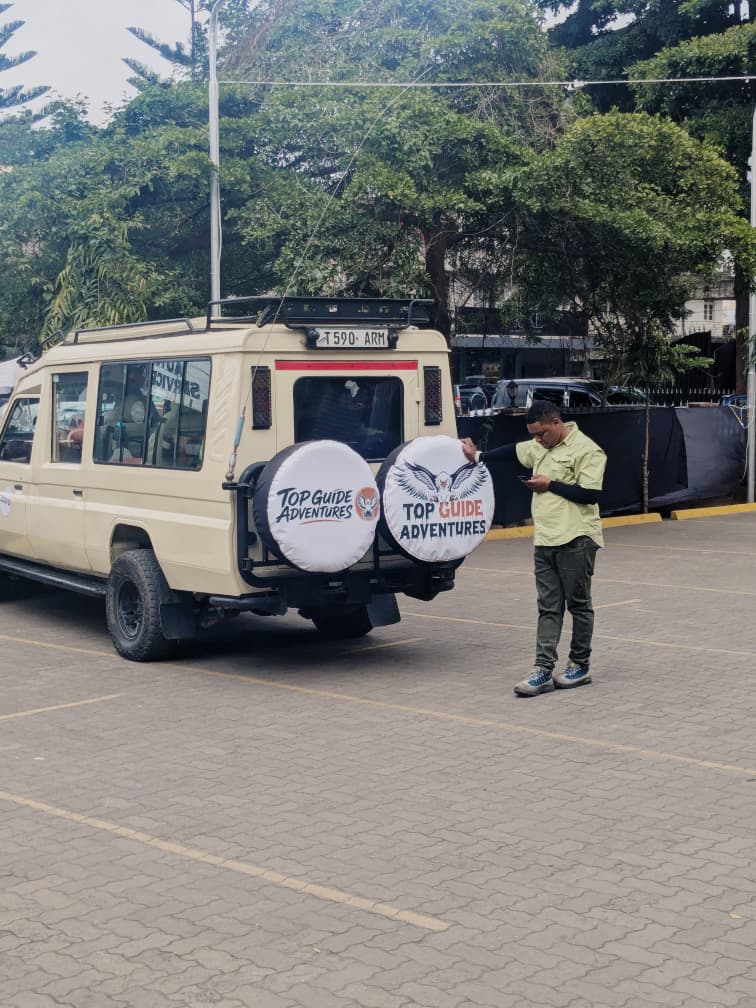
- Vehicle and Guide: A reputable tour operator like Top Guide Adventures will provide a well-maintained 4×4 safari vehicle and an experienced, knowledgeable guide who understands the migration patterns and predator behavior.
- Pace: A 4-day trip is fast-paced. Be prepared for early mornings and late afternoons, as these are the prime wildlife viewing times.
- What to Pack: Lightweight, neutral-colored clothing, a good camera with a zoom lens, binoculars, sunscreen, a hat, insect repellent, and a light jacket for cooler mornings and evenings.
Wildlife You Can Expect to See
The Ndutu Calving Season is synonymous with the Great Migration, but the area hosts a rich diversity of wildlife year-round. During this specific period, the focus shifts dramatically towards the newborns and their predators.
The Stars of the Show: Wildebeest and Zebras
The sheer numbers are staggering. You will see vast herds of wildebeest, their distinctive horns and stripes a constant presence on the plains. Equally numerous are the zebras, their stripes providing camouflage and potentially confusing predators. Witnessing a zebra foal, with its shaggier coat and different coloration, is also a treat.
The Predators: Nature’s Hunters
This is prime time for predator sightings:
- Lions: Ndutu is home to numerous lion prides. With a constant supply of young, vulnerable wildebeest and zebra calves, they are often seen hunting or feasting. You might witness territorial disputes, hunts, or lions resting after a successful kill.
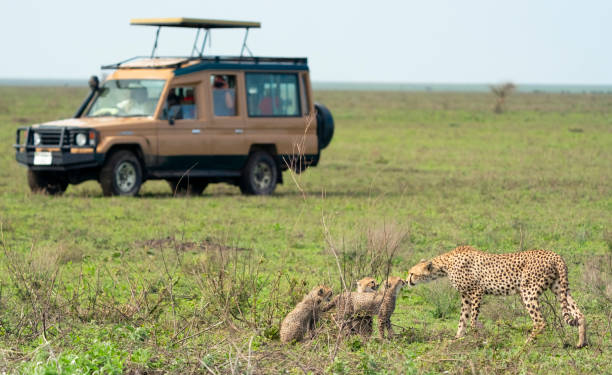
- Cheetahs: The open plains are the cheetah’s domain. Keep an eye out for these solitary hunters scanning the horizon. Witnessing a cheetah chase, with its incredible bursts of speed, is a highlight for many.
- Hyenas: Spotted hyenas are abundant and highly social. They are both opportunistic hunters and scavengers, often found near lion kills or actively pursuing their own prey, including calves. Their distinctive whooping calls are a common sound at night.
- Leopards: While more elusive and preferring denser cover, leopards are present in the Ndutu woodlands and kopjes. A sighting is always a special moment.
- Wild Dogs: African wild dogs are rare and endangered, but Ndutu is one of the better places to potentially see them. Their highly coordinated pack hunts are a marvel of nature.
Other Herbivores and Antelopes
Beyond the main migration, Ndutu supports a variety of other grazers:
- Thomson’s Gazelles: Known for their speed and distinctive black stripe, these gazelles are plentiful.
- Grant’s Gazelles: Larger than Thomson’s, they are also common on the plains.
- Topi: Easily recognized by their dark hindquarters and lyre-shaped horns, topi often gather in small herds.
- Eland: The largest antelope, eland are also found in the area.
Birds of Prey and Other Avian Life
The Ndutu region is a birdwatcher’s paradise. During the calving season, the abundance of small mammals and carrion attracts numerous raptors. Look for:
- Martial Eagles
- Bateleur Eagles
- Secretary Birds
- Various Vultures (e.g., Lappet
Check Availability for 4-Day Ndutu Calving Season Safari 2026-2027
Ready to compare dates, prices, and the best option for your group? Send the package name and travel month so the team can reply with a clear quote, availability, and what is included.
12 matching packages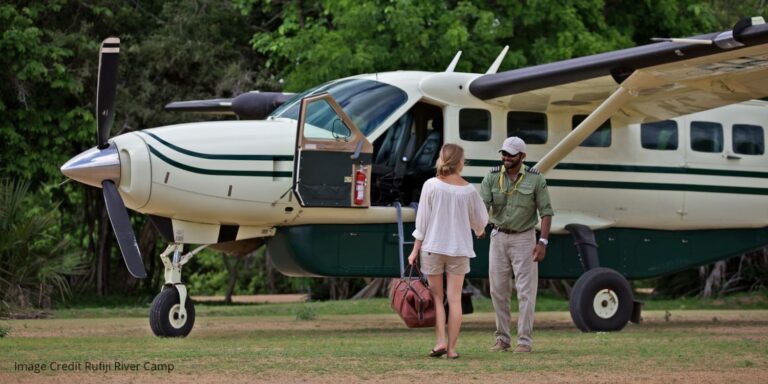
8-Day Kenya And Tanzania Great Migration Safari In 2026-2027
An 8-day Kenya and Tanzania Great Migration safari offers an unparalleled opportunity to witness one of the world's most spectacular natural events. This itinerary focuses on maximizing...
View package details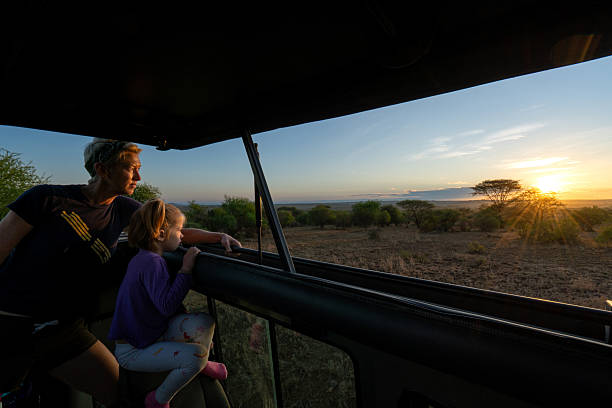
7-Day Tanzania And Kenya Safari: An Experts Guide For 2026-2027
Discover the ultimate 7-day Tanzania and Kenya safari adventure for 2026-2027. This comprehensive guide covers essential itineraries, wildlife highlights, planning tips, and booking...
View package details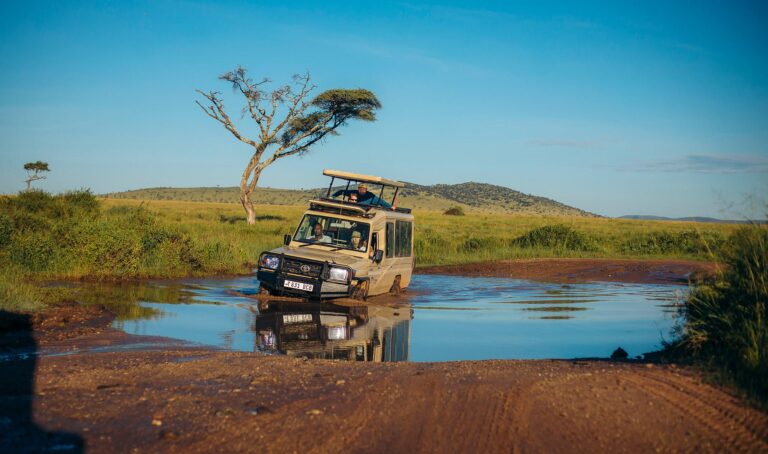
7-Day Kenya Safari And Diani Beach Holiday 2026-2027
7-Day Kenya Safari and Diani Beach Holiday is explained with current 2026-2027 planning, price, itinerary and booking information.
View package details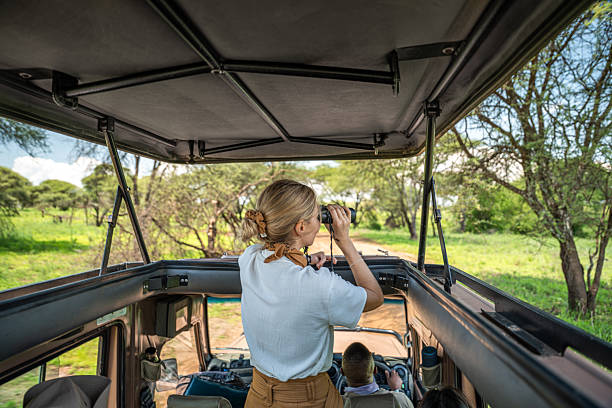
6-Day Kenya And Tanzania Safari 2026-2027
6-Day Kenya and Tanzania Safari is explained with current 2026-2027 planning, price, itinerary and booking information.
View package details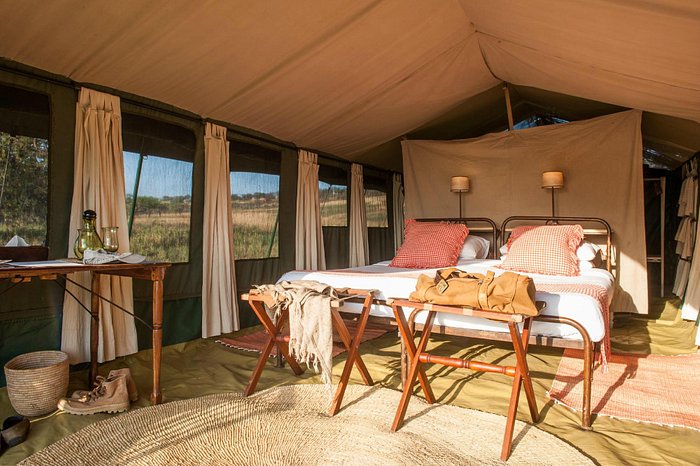
Best 5-Day Kenya Safari From Nairobi 2026-2027
5-Day Kenya Safari from Nairobi is explained with current 2026-2027 planning, price, itinerary and booking information.
View package details
4-Day Kenya Masai Mara And Lake Nakuru Safari: Expert Guide By Top Adventures
Discover the magic of a 4-day safari combining the iconic Masai Mara National Reserve with the scenic Lake Nakuru National Park. This short but impactful journey offers incredible wildlife...
View package details3-Day Kenya Masai Mara Safari: Essential Guide For 2026-2027
Discover the magic of a 3-day Masai Mara safari. This guide covers what to expect, the best times to visit, essential packing, and how Top Guide Adventures can craft your perfect short...
View package details4-Day Tanzania Big Five Safari 2026-2027
4-Day Tanzania Big Five Safari is explained with current 2026-2027 planning, price, itinerary and booking information.
View package details4-Day Serengeti Fly-In Luxury Safari: Ultimate Tanzania Adventure 2026-2027
Discover the magic of the Serengeti on a 4-day fly-in luxury safari. This exclusive adventure bypasses long drives, taking you directly to the heart of the action for unparalleled wildlife...
View package details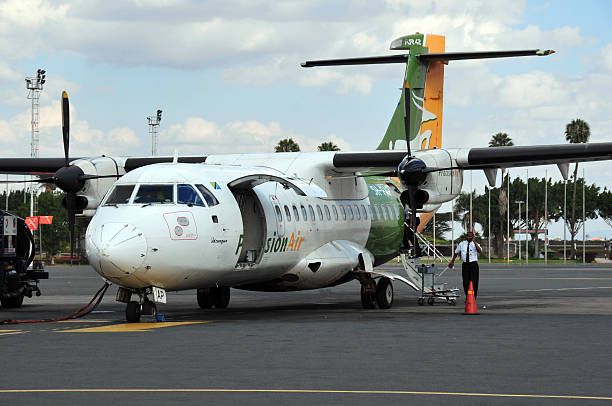
4-Day Northern Serengeti River Crossing Safari: The Ultimate Guide 2026-2027
Discover the thrill of the Great Migration's river crossing with a 4-day Northern Serengeti safari. This guide covers the best times, locations, and what to expect for an unforgettable...
View package details4-Day Serengeti Great Migration Safari: Your Ultimate Guide 2026-2027
Discover the magic of a 4-day Serengeti Great Migration safari. This guide details optimal timings, prime locations, wildlife encounters, and essential planning for an unforgettable...
View package detailsDigital Nomads In Zanzibar Island Tanzania 2026-2027
Digital Nomads in Zanzibar Island Tanzania is explained with current 2026-2027 planning, price, itinerary and booking information.
View package detailsNo package matches those filters. Clear one or more filters to see other options.



