
Digital nomads in Zanzibar Island, Tanzania, can find a unique lifestyle balancing remote work with tropical island living, supported by developing infrastructure, a rich culture, and beautiful beaches, with costs varying significantly based on accommodation and lifestyle choices, making it an attractive, though sometimes challenging, destination for remote professionals planning for 2026-2027.
Zanzibar: The Spice Island Beckons Digital Nomads in 2026-2027
Zanzibar, the semi-autonomous archipelago off the coast of mainland Tanzania, is no longer just a dream destination for beach holidays. In recent years, it has emerged as a compelling option for the growing community of digital nomads seeking an affordable, culturally rich, and naturally stunning location to base themselves. With its laid-back vibe, warm climate, and increasingly accessible amenities, the ‘Spice Island’ offers a distinct alternative to more saturated digital nomad hubs. As we look towards 2026 and 2027, Zanzibar is poised to further solidify its position, welcoming remote workers eager to blend productivity with paradise.
This guide is crafted for the modern remote professional considering Zanzibar for their next work-travel adventure. We will explore the practicalities of living and working on the island, from essential visa information and internet connectivity to the cost of living, accommodation options, and the best places to soak in the local culture and natural beauty. Whether you’re planning a short-term escape or a longer-term relocation, understanding the nuances of Zanzibar as a digital nomad base is key to a successful and fulfilling experience.
Why Zanzibar for Digital Nomads? The Allure of the Spice Island
The appeal of Zanzibar for digital nomads is multifaceted, stemming from a unique blend of factors that resonate with those looking for more than just a temporary getaway. It offers a lifestyle that’s hard to replicate, combining work with an in-depth cultural experience and unparalleled natural beauty.
- Affordability: Compared to many Western countries and even some other popular digital nomad destinations in Asia or Europe, Zanzibar offers a significantly lower cost of living. This allows remote workers to stretch their budgets further, potentially saving money or enjoying a higher quality of life.
- Culture and History: Stone Town, a UNESCO World Heritage site, is a living museum of Swahili culture, with its narrow winding streets, ancient doors, and vibrant marketplaces. Beyond Stone Town, the island is rich in history, from its spice trade roots to its colonial past.
- Natural Beauty: Zanzibar is synonymous with pristine white-sand beaches, turquoise waters, and lush spice plantations. From the popular shores of Nungwi and Kendwa to the more secluded beaches of Jambiani and Paje, there’s a coastal paradise for every preference.
- Warm Climate: The tropical climate means warm temperatures year-round, perfect for those who dislike cold weather. While there are rainy seasons, much of the year offers sunshine ideal for beach time and outdoor exploration.
- Community: While not as established as in some other hubs, a small but growing community of expatriates and digital nomads exists, particularly in areas like Stone Town and along the east coast. This offers opportunities for networking and social connection.
- Gateway to East Africa: Zanzibar’s location makes it an excellent base for exploring mainland Tanzania, including the Serengeti, Ngorongoro Crater, and Mount Kilimanjaro, or venturing to nearby countries like Kenya or Rwanda.
Navigating Zanzibar: Practicalities for Digital Nomads
Before you pack your laptop and head to the beach, it’s crucial to understand the practical aspects of setting up your remote workspace in Zanzibar. These elements will significantly impact your daily life and productivity.
Visa and Entry Requirements for 2026-2027
For most nationalities, entering Tanzania (which includes Zanzibar) requires a visa. The most common options for digital nomads are:
- Tourist Visa: Many digital nomads initially enter on a tourist visa. These are typically issued for 30 or 90 days and can sometimes be extended. However, relying solely on tourist visas for extended stays is not ideal and may violate the terms of your visa. It’s essential to check the latest requirements for your specific nationality well in advance of your travel dates in 2026-2027.
- Business Visa: If you plan to conduct business activities (though not necessarily employment), a business visa might be an option. This usually requires a more detailed application process and potential sponsorship.
- Long-Term Stays: For stays longer than what a tourist visa permits, consider options like a residence permit or other long-term visas, which require significant documentation and a more involved application process, often best handled through official Tanzanian immigration channels or a reputable local agent.
Important Note: Visa regulations can change. Always consult the official Tanzanian immigration website or your country’s Tanzanian embassy for the most current information regarding visa types, durations, costs, and application procedures for 2026-2027. Top Guide Adventures can assist with guidance on general travel information, but visa matters are strictly the responsibility of the traveler.
Internet Connectivity: The Lifeline of Remote Work
Reliable internet is non-negotiable for digital nomads. Zanzibar’s connectivity has been improving, but it remains a variable factor, especially outside the main towns.
- Mobile Data: This is often the most reliable option. Local SIM cards from providers like Vodacom, Tigo, and Zantel offer relatively affordable data packages. Speeds can vary significantly depending on your location and the network’s current load. For serious work, consider purchasing a local SIM card upon arrival and loading it with a substantial data bundle.
- Wi-Fi in Accommodation: Many hotels, guesthouses, and rental apartments offer Wi-Fi. The quality and speed can range from excellent to frustratingly slow. It’s advisable to check reviews or ask for speed tests before booking longer stays.
- Co-working Spaces: While still developing, a few co-working spaces are emerging, particularly in Stone Town and potentially in tourist hubs like Paje or Jambiani. These offer dedicated workspaces with reliable internet and a professional environment.
- Cafes: Some cafes offer Wi-Fi, but it’s often best suited for light browsing or checking emails rather than heavy uploading or video calls.
Tip for 2026-2027: For critical work, consider having a backup mobile data plan or even a portable Wi-Fi hotspot device. Research specific areas for connectivity reports from other remote workers.
Accommodation Options for Digital Nomads
Zanzibar offers a diverse range of places to stay, catering to different budgets and preferences. For digital nomads, the key is finding a balance between comfort, connectivity, and a conducive work environment.
- Guesthouses and Budget Hotels: Found throughout the island, these offer basic amenities and are a cost-effective choice. Wi-Fi quality can be inconsistent.
- Apartments and Villas: Renting a short-to-medium term apartment or villa is ideal for longer stays. This provides more space, privacy, and often a kitchen. Areas like Stone Town, Michamvi, Paje, and Jambiani have various options.
- Boutique Hotels and Resorts: These offer more comfort and amenities, often with reliable Wi-Fi, but come at a higher price point. Some may offer special rates for longer stays.
- Homestays: For a truly in-depth cultural experience, consider a homestay. This might mean less privacy and potentially less reliable internet but offers unparalleled local interaction.
Areas to Consider:
- Stone Town: Offers the most amenities, co-working potential, and a vibrant historical atmosphere. Internet is generally better here.
- Paje/Jambiani (East Coast): Popular with kite surfers and backpackers, these villages have a laid-back vibe, good beach access, and a growing number of cafes and guesthouses with Wi-Fi.
- Nungwi/Kendwa (North Coast): Known for stunning beaches and resorts. While more tourist-oriented, you can find longer-term rentals and good Wi-Fi, though it can be pricier.
- Michamvi/Pingwe (East Coast): Quieter than Paje, offering beautiful beaches and a more relaxed pace, with some good guesthouses and villas.
Booking Tip: Websites like Airbnb, Booking.com, and local real estate agents are good starting points. For longer stays, negotiating directly with property owners or managers can often yield better rates, especially when booking for 2026 or 2027.
Cost of Living in Zanzibar: Budgeting for Your Stay
Zanzibar can be very affordable, but costs can escalate quickly depending on your lifestyle and choices. Here’s a general breakdown for 2026-2027:
- Accommodation: This is your biggest variable. A basic room in a guesthouse might start from $20-$40 per night. A comfortable apartment or villa for a month could range from $400 to $1000+, depending on size, location, and amenities.
- Food: Eating local food at ‘vibandas’ (small food stalls) or local restaurants can cost $3-$7 per meal. Western-style meals in tourist restaurants will be $10-$20+. Groceries for self-catering are relatively inexpensive for local produce.
- Transportation: Dala-dalas (local minibuses) are extremely cheap for getting around. Private taxis are more expensive, with prices negotiable. Renting a scooter is popular for exploring, costing around $10-$15 per day.
- Activities: Entrance fees for historical sites, spice tours, snorkeling trips, and diving excursions vary. Budget $30-$100+ per day for activities, depending on what you choose.
- Internet/SIM Card: A local SIM card with a generous data package might cost $20-$50 per month.
Estimated Monthly Budget (excluding flights and visas):
- Budget Nomad: $700 – $1200 (staying in basic guesthouses, eating local, using public transport)
- Mid-Range Nomad: $1200 – $2000 (comfortable apartment, mix of local and tourist dining, scooter rental, regular activities)
- Comfort Nomad: $2000+ (nicer villa/hotel, dining out frequently, private transfers, more expensive excursions)
Currency: The Tanzanian Shilling (TZS) is the local currency. US Dollars are widely accepted for larger purchases (like accommodation and tours) but always carry Shillings for local markets and transport. Exchange rates can vary.
Health and Safety Considerations
Zanzibar is generally safe, but like any destination, it’s wise to be prepared.
- Healthcare: Medical facilities are basic, especially outside of Stone Town. For serious issues, evacuation to mainland Tanzania or international medical facilities might be necessary. Travel insurance that covers medical emergencies and evacuation is highly recommended.
- Vaccinations: Consult your doctor or a travel clinic about recommended vaccinations (e.g., Hepatitis A, Typhoid, Tetanus) and malaria prophylaxis.
- Water: Drink bottled or purified water only. Avoid ice in drinks unless you are sure it’s made from purified water.
- Sun Protection: The tropical sun is strong. Use sunscreen, wear hats, and stay hydrated.
- Crime: Petty theft can occur, especially in crowded areas. Be mindful of your belongings, avoid displaying expensive items, and be cautious at night.
- Respect Local Customs: Zanzibar is a predominantly Muslim island. Dress modestly, especially when visiting villages or religious sites. Public displays of affection should be avoided.
Exploring Zanzibar: Work-Life Balance and Activities
The beauty of Zanzibar as a digital nomad destination lies in its ability to offer a fulfilling work-life balance. When you’re not working, the island provides endless opportunities for exploration and relaxation.
Best Work Spots Beyond Your Accommodation
While your rented villa or hotel room might be your primary workspace, changing your environment can boost productivity and inspiration.
- Cafes in Stone Town: Several cafes offer a charming ambiance and Wi-Fi, perfect for a few hours of work. Consider places like The Bazaar or Lukmaan Restaurant (though it can be busy).
- Co-working Spaces: Keep an eye out for emerging co-working spaces in Stone Town or beach towns. These are ideal for networking and reliable connectivity.
- Beachfront Restaurants/Bars: Some establishments, particularly in Paje or Nungwi, have Wi-Fi and offer stunning ocean views. Arrive early to secure a good spot and check if they are comfortable with you working for extended periods.
- The Zanzibar Co-working Space (Stone Town): This is a dedicated space designed for remote workers, offering reliable internet, desks, and a professional atmosphere.
Must-Do Activities for Digital Nomads
Zanzibar is brimming with experiences that offer a welcome break from work:
- Explore Stone Town: Get lost in its labyrinthine alleys, visit the House of Wonders, the Old Fort, and the Slave Market. Enjoy the sunset from a rooftop cafe.
- Spice Tours: Discover why Zanzibar is called the ‘Spice Island’ by visiting a local plantation. Learn about cloves, cinnamon, vanilla, nutmeg, and more, and taste fresh tropical fruits.
- Beach Hopping: Each beach has its character. Relax on the powdery white sands of Nungwi and Kendwa, experience the kite-surfing scene in Paje, or enjoy the tranquil shores of Jambiani and Kizimkazi.
- Snorkeling and Diving: Mnemba Atoll is a premier spot for snorkeling and diving, offering vibrant coral reefs and abundant marine life. Kizimkazi is famous for dolphin watching tours.
- Sunset Dhow Cruises: Experience a traditional dhow cruise at sunset for a romantic and picturesque end to the day.
- Visit Jozani Forest: Home to the rare Red Colobus monkeys, this is a great opportunity for wildlife spotting and experiencing the island’s lush interior.
- Food Exploration: Sample local delicacies like ‘urojo’ (a flavorful soup), ‘biryani’, and fresh seafood. Don’t miss the Forodhani Gardens night market in Stone Town for a street food feast.
Networking and Community Building
Connecting with others can enrich your experience. While Zanzibar’s digital nomad community is still growing, opportunities exist:
- Co-working Spaces: These are natural hubs for meeting other remote workers.
- Expat Groups: Search for online groups (e.g., on Facebook) for expats and digital nomads in Zanzibar. These often share information and organize meetups.
- Local Events: Keep an eye out for local festivals, music events, or workshops happening in Stone Town or beach areas.
- Accommodation: Chat with fellow guests or residents in your guesthouse or apartment complex.
Top Guide Adventures Connection: While Top Guide Adventures focuses on organizing incredible safaris, Kilimanjaro climbs, and Zanzibar holidays, we are deeply connected to the local community. We can offer insights into local life and connect you with resources or people who might help you settle in. Feel free to reach out for general advice!
Choosing Your Zanzibar Base: Stone Town vs. Beach Towns
Your choice of base will significantly influence your daily life as a digital nomad. Each area offers a distinct vibe and set of advantages.
Stone Town: The Cultural and Commercial Heart
Pros:
- Rich history and culture, UNESCO World Heritage site.
- Best access to amenities: banks, markets, diverse restaurants, shops.
- Generally better and more varied internet options.
- Emerging co-working spaces and networking opportunities.
- Central location for day trips across the island.
Cons:
- Can be crowded and bustling, less tranquil than beach areas.
- Beaches are not directly accessible; requires transport to the coast.
- Can be hotter and more humid due to lack of sea breeze in some areas.
Ideal for: Nomads who prioritize cultural immersion, convenience, a vibrant atmosphere, and reliable infrastructure.
Beach Towns (Paje, Jambiani, Nungwi, Kendwa, Michamvi)
Pros:
- Direct access to stunning beaches and ocean activities.
- Relaxed, laid-back atmosphere.
- Opportunities for water sports like kite surfing and diving.
- Beautiful sunsets and sunrises (depending on the coast).
Cons:
- Internet can be less reliable than in Stone Town.
- Fewer amenities and shops, requiring travel for certain needs.
- Can feel more tourist-centric in some areas (e.g., Nungwi).
- Accommodation and food might be more expensive in prime tourist spots.
Ideal for: Nomads seeking a tropical paradise lifestyle, active beach life, and a slower pace, willing to manage potential connectivity challenges.
Making the Choice for 2026-2027
Consider splitting your time. You might start in Stone Town for a week or two to get oriented, handle logistics, and soak in the history, then move to a beach town for a more relaxed work environment. This approach allows you to experience the best of both worlds. For longer stays, renting a place that offers both a comfortable workspace and proximity to the beach is the ultimate goal.
Zanzibar Beyond the Beaches: Spice Plantations, Forests, and Culture
While the beaches are a major draw, Zanzibar offers much more for the curious digital nomad. Engaging with the island’s interior and cultural heritage provides a richer, more authentic experience.
The Legacy of the Spice Trade
Zanzibar’s historical wealth and global significance are tied to its spice trade. Visiting a spice plantation is an educational and sensory experience. You’ll learn about the cultivation and uses of cloves, nutmeg, cinnamon, vanilla, cardamom, and various fruits. Many tours include tasting sessions and opportunities to purchase fresh spices directly.
Jozani Chwaka Bay National Park
This is Zanzibar’s only national park and a vital sanctuary for the endemic Zanzibar Red Colobus monkey. Walking through the mangrove boardwalks and the Jozani Forest offers a glimpse into the island’s unique ecosystem. It’s a refreshing change from the coastal scenery and a great spot for nature photography.
Kizimkazi: Dolphins and History
Located on the southern tip, Kizimkazi is known for its historical mosque (one of the oldest on the East African coast) and, more popularly, for dolphin watching tours. While seeing dolphins can be a magical experience, be mindful of ethical tour operators who prioritize the animals’ well-being.
Local Markets and Cuisine
Forodhani Gardens night market in Stone Town is a must-visit. It transforms into a bustling hub of food stalls offering Zanzibari specialties like grilled seafood, Zanzibar pizza, sugar cane juice, and various snacks. Exploring local markets in different towns offers a chance to interact with vendors and sample fresh produce.
Cultural Etiquette and Interaction
Zanzibar is a conservative Muslim society. Understanding and respecting local customs will enhance your interactions and overall experience:
- Dress Code: While beachwear is acceptable on the beach, cover shoulders and knees when walking in towns, villages, or visiting religious sites. Lightweight, breathable fabrics are ideal.
- Greetings: A simple ‘Jambo’ (Hello) or ‘Habari’ (How are you?) is appreciated. A handshake is common, but be aware that some Muslim men may avoid shaking hands with women.
- Ramadan: If you are there during the month of Ramadan, be extra mindful of local customs. Eating, drinking, and smoking in public during fasting hours is disrespectful. Many restaurants may have reduced hours.
- Photography: Always ask permission before taking photos of people, especially women and children.
Planning Your Digital Nomad Adventure in Zanzibar for 2026-2027
A successful digital nomad stay in Zanzibar requires thoughtful planning. Here are key considerations for making your trip smooth and productive.
Best Time to Visit
Zanzibar enjoys a tropical climate, but some periods are more conducive to work and travel:
- Dry Seasons (June to October, December to February): These are the most popular times. Expect sunny days, lower humidity, and minimal rain, making it ideal for both work and exploration. These periods can also be more expensive and crowded.
- Rainy Seasons (March to May, November): The ‘long rains’ (March-May) can bring heavy, prolonged downpours. The ‘short rains’ (November) are typically less intense. While connectivity might be more challenging during heavy rains, these seasons offer lower prices and fewer crowds, which can be appealing for budget-conscious nomads.
For 2026-2027: The dry seasons remain the prime choice for most. However, if you seek solitude and lower costs, consider the shoulder months or the start of the long rainy season, provided you have a resilient work setup.
Packing Essentials for a Digital Nomad
Beyond your work gear, consider these essentials:
- Laptop and Accessories: Ensure your laptop is in good condition. Bring a portable charger and any necessary adapters.
- Universal Power Adapter: Tanzania uses Type A, C, and G outlets. A universal adapter is essential.
- Power Bank: Invaluable for keeping devices charged during power outages or while on the go.
- Lightweight, Breathable Clothing: Cotton and linen are your best friends. Include modest options for town visits.
- Swimwear: Essential for enjoying Zanzibar’s stunning beaches.
- Sun Protection: High SPF sunscreen, a wide-brimmed hat, and sunglasses.
- Insect Repellent: Especially important for evenings and trips to the forest.
- Basic First-Aid Kit: Include essentials like bandages, antiseptic wipes, pain relievers, and any personal medications.
- Reusable Water Bottle: Stay hydrated and reduce plastic waste.
- Waterproof Bag: For protecting electronics during boat trips or beach days.
Transportation on the Island
Getting around Zanzibar is part of the adventure:
- Dala-dalas: The cheapest way to travel between towns. They are essentially local minibuses, often crowded and a true local experience.
- Taxis: Readily available, especially in Stone Town and tourist areas. Always agree on the price before starting your journey.
- Scooter/Motorbike Rental: A popular option for exploring at your own pace. Ensure you have a valid license and wear a helmet. Roads can be rough in places.
- Car Rental: Offers more comfort and space, especially if traveling with others or a lot of gear.
- Bicycle Rental: Suitable for shorter distances around beach villages.
For longer stays (2026-2027): Renting a scooter or car for a month can be more cost-effective than daily rentals and offers maximum flexibility.
Check Availability for Digital Nomads In Zanzibar Island Tanzania 2026-2027
Ready to compare dates, prices, and the best option for your group? Send the package name and travel month so the team can reply with a clear quote, availability, and what is included.
What Is Digital Nomads, Why In Tanzania 2026-2027
What is Digital Nomads, Why In Tanzania is explained with current 2026-2027 planning, price, itinerary and booking information.
View package detailsBest Tanzania Regions For Digital Nomads 2026-2027
Best Tanzania Regions for Digital Nomads is explained with current 2026-2027 planning, price, itinerary and booking information.
View package details
8-Day Kenya And Tanzania Great Migration Safari In 2026-2027
An 8-day Kenya and Tanzania Great Migration safari offers an unparalleled opportunity to witness one of the world's most spectacular natural events. This itinerary focuses on maximizing...
View package details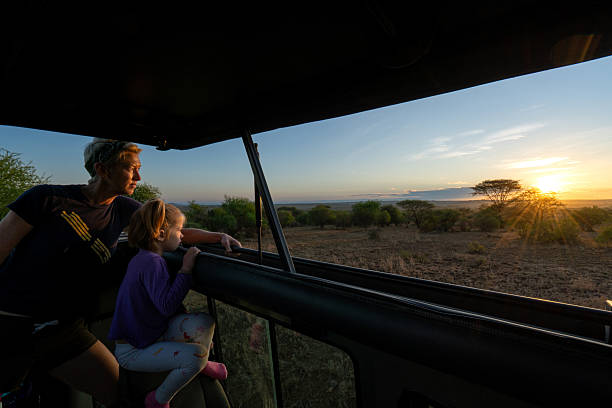
7-Day Tanzania And Kenya Safari: An Experts Guide For 2026-2027
Discover the ultimate 7-day Tanzania and Kenya safari adventure for 2026-2027. This comprehensive guide covers essential itineraries, wildlife highlights, planning tips, and booking...
View package details
6-Day Kenya And Tanzania Safari 2026-2027
6-Day Kenya and Tanzania Safari is explained with current 2026-2027 planning, price, itinerary and booking information.
View package details
4-Day Tanzania Big Five Safari 2026-2027
4-Day Tanzania Big Five Safari is explained with current 2026-2027 planning, price, itinerary and booking information.
View package details4-Day Serengeti Fly-In Luxury Safari: Ultimate Tanzania Adventure 2026-2027
Discover the magic of the Serengeti on a 4-day fly-in luxury safari. This exclusive adventure bypasses long drives, taking you directly to the heart of the action for unparalleled wildlife...
View package detailsBest Shoes For Comfort And Fashion: Your Ultimate Tanzania Travel Guide
Choosing the right footwear is crucial for enjoying your Tanzania trip. This guide explores the best shoes that balance comfort and style for safaris, trekking Kilimanjaro, and exploring...
View package detailsTop Foods Tourists Should Try In Tanzania 2026-2027
Planning a trip to Tanzania in 2026 or 2027? Don't miss out on the incredible culinary scene! This guide highlights the must-try Tanzanian dishes, from hearty stews to flavorful grilled...
View package detailsThe Most Colorful Fish In Ocean: A Tanzania Diving And Snorkeling Guide
Explore the impressive underwater world of Tanzania and identify the most colorful fish inhabiting its coral reefs. This guide details species, habitats, and the best locations for viewing...
View package details
7-Day Kenya Safari And Diani Beach Holiday 2026-2027
7-Day Kenya Safari and Diani Beach Holiday is explained with current 2026-2027 planning, price, itinerary and booking information.
View package details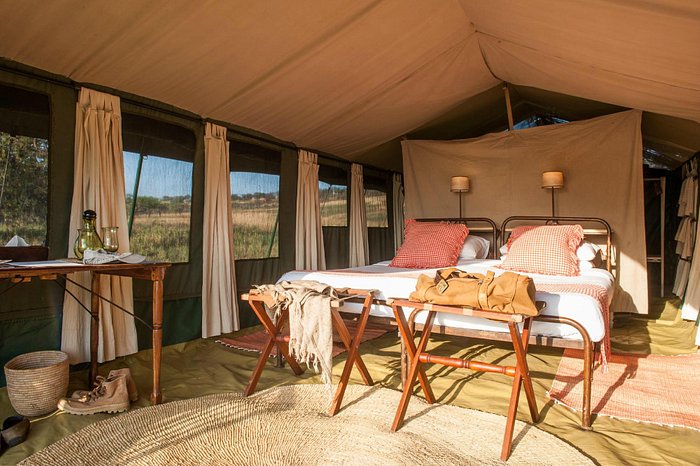
Best 5-Day Kenya Safari From Nairobi 2026-2027
5-Day Kenya Safari from Nairobi is explained with current 2026-2027 planning, price, itinerary and booking information.
View package detailsNo package matches those filters. Clear one or more filters to see other options.



