
A digital nomad is someone who uses technology to work remotely while traveling to various locations, rather than being tied to a fixed workplace. Tanzania is becoming an attractive destination for digital nomads in 2026-2027 due to its blend of natural beauty, rich culture, relatively affordable cost of living, and improving connectivity, offering a unique lifestyle combining work with adventure and cultural immersion.
Understanding the Digital Nomad Lifestyle
The concept of a digital nomad has evolved significantly over the past decade, transforming how people approach work and travel. At its core, a digital nomad is an individual who leverages technology, primarily the internet, to earn a living while maintaining a mobile lifestyle. This means they are not confined to a single office or even a single city; instead, they can work from anywhere with a reliable internet connection. This could be a bustling co-working space in Arusha, a quiet beach bungalow in Zanzibar, or even a lodge overlooking the Serengeti plains. The key differentiator is the freedom and flexibility to choose their work environment, often integrating travel and exploration directly into their daily lives.
This lifestyle isn’t just about working from a laptop on a beach, though that’s certainly an appealing image for many. It involves a deliberate choice to prioritize experiences, cultural exploration, and personal growth over traditional career paths and settled living. Digital nomads often seek out destinations that offer a lower cost of living, unique cultural experiences, and opportunities for adventure, all while ensuring they can maintain their professional responsibilities. The rise of remote work policies, accelerated by global events, has made this lifestyle more accessible than ever before, with more individuals and companies embracing the possibilities it offers for 2026-2027 and beyond.
Who are Digital Nomads?
The demographic of digital nomads is incredibly diverse. They come from all walks of life, professions, and age groups. You’ll find freelance software developers, graphic designers, writers, consultants, online marketers, virtual assistants, customer support agents, and even entrepreneurs running their businesses entirely online. Some digital nomads are young professionals seeking adventure and global experiences early in their careers, while others are mid-career individuals looking for a change of pace or a way to balance work with personal passions like photography or environmental conservation. There are also seasoned professionals who have built careers that allow them the flexibility to work from anywhere, often using their travel to gain new perspectives and inspiration for their work.
The common thread among all digital nomads is their reliance on technology for communication, collaboration, and income generation. They are adept at using cloud-based tools, project management software, video conferencing, and instant messaging to stay connected with clients, colleagues, and their remote teams. This technological proficiency, combined with a strong sense of self-discipline and adaptability, is crucial for navigating the challenges and rewards of this lifestyle. As we look towards 2026-2027, the digital nomad community is expected to continue growing, driven by advancements in technology and a global shift in work culture.
The Core Appeal: Freedom and Experience
The primary allure of the digital nomad lifestyle lies in its promise of unparalleled freedom and the pursuit of rich life experiences. It offers an escape from the monotony of a traditional 9-to-5 routine and the geographical constraints that often come with it. Instead of spending years in the same city or office, digital nomads can choose to live and work in places that genuinely excite them, whether it’s exploring ancient ruins, hiking volcanic landscapes, or learning a new language in a foreign culture. This constant exposure to new environments and perspectives can foster creativity, personal development, and a broader understanding of the world.
This freedom also extends to work-life balance. While digital nomads often work hard, they have the autonomy to structure their workdays around their personal needs and interests. This might mean taking a mid-day break to visit a local market, enjoying a sunset from a scenic viewpoint, or dedicating specific days to exploration and activities. The ability to design a life that integrates work, travel, and personal fulfillment is a powerful motivator for many who choose this path. For those considering this for 2026-2027, Tanzania offers a unique canvas for such an integrated lifestyle.
Why Tanzania is Emerging as a Digital Nomad Hub
Tanzania, a country renowned for its impressive natural wonders, vibrant cultures, and warm hospitality, is steadily gaining recognition as an attractive destination for digital nomads. While not yet as established as some Southeast Asian or European hubs, its unique offerings provide a compelling alternative for those seeking an off-the-beaten-path experience combined with the ability to work remotely. The appeal lies in its blend of adventure, cultural richness, a relatively affordable cost of living, and a growing commitment to improving digital infrastructure, making it a prime candidate for digital nomads planning for 2026-2027.
The country’s diverse landscapes, from the iconic plains of the Serengeti and the majestic peak of Mount Kilimanjaro to the spice-scented islands of Zanzibar and the vast wilderness of the Selous Game Reserve, offer unparalleled opportunities for exploration and adventure. For a digital nomad, this means that after a productive workday, the possibilities for exploration are virtually endless. Imagine finishing a project and then heading out for a game drive, exploring ancient Swahili ruins, or learning to kite surf. This integration of work and adventure is a cornerstone of Tanzania’s appeal.
Natural Beauty and Adventure Opportunities
Tanzania is a treasure trove of natural beauty and adventure. Its national parks and game reserves are among the most famous in the world. The Serengeti National Park, for instance, is home to the Great Migration, a spectacular annual event where millions of wildebeest, zebras, and other herbivores traverse the plains in search of greener pastures. Witnessing this natural phenomenon, or going on a safari to see the Big Five (lion, leopard, elephant, rhino, and buffalo), is an experience that few places on Earth can match. For digital nomads, these incredible wildlife encounters can be the perfect antidote to screen time and provide incredible stories and perspectives.
Beyond safaris, Mount Kilimanjaro, Africa’s highest peak, offers a challenging yet rewarding climb for adventurous souls. The slopes of Kilimanjaro are also home to diverse ecosystems, from rainforests to alpine deserts. For those seeking coastal beauty, Zanzibar offers pristine white-sand beaches, crystal-clear turquoise waters, and vibrant coral reefs perfect for snorkeling and diving. The historic Stone Town, a UNESCO World Heritage site, provides a rich cultural backdrop with its labyrinthine alleys, bustling markets, and fascinating history. These diverse environments cater to a wide range of interests, ensuring that every digital nomad can find their niche for adventure and relaxation.
Rich Cultural mix
Tanzania boasts an incredibly rich and diverse cultural landscape. It is home to over 120 ethnic groups, each with its unique traditions, languages, and customs. This cultural depth offers digital nomads a unique opportunity to connect with local communities, learn about different ways of life, and gain a deeper understanding of human diversity. Engaging with the Maasai people, renowned for their vibrant attire and traditional way of life, visiting local villages, or participating in cultural tours can be incredibly enriching experiences.
The Swahili culture, a blend of African and Arab influences, is particularly prominent along the coast and on the islands like Zanzibar. This culture is reflected in the language, cuisine, architecture, and social customs. Exploring Stone Town’s narrow streets, with its intricately carved wooden doors and bustling bazaars, feels like stepping back in time. The fusion of flavors in Swahili cuisine, incorporating spices like cardamom, cinnamon, and cloves, is another delightful aspect to experience. For a digital nomad, these cultural interactions provide a meaningful counterpoint to the often solitary nature of remote work, fostering a sense of connection and global citizenship.
Cost of Living Considerations for 2026-2027
One of the significant draws for digital nomads is the potential for a lower cost of living compared to many Western countries. While major tourist hubs and cities like Dar es Salaam or Arusha can be more expensive, especially for imported goods and Western-style accommodations, many other areas offer affordable living. Basic necessities, local food, transportation, and services are generally much cheaper. This allows digital nomads to stretch their budgets further, potentially saving money or enjoying a higher quality of life on their earnings.
For 2026-2027, it’s important for digital nomads to budget wisely. Accommodation costs can vary significantly. While luxury hotels and high-end safari lodges will be expensive, options like guesthouses, homestays, and renting apartments in local neighborhoods can be very cost-effective. Food costs can be kept low by eating at local eateries (vibandas) and markets, enjoying delicious Tanzanian staples like ugali, beans, and grilled meats. Transportation, particularly using local buses (daladalas) or minibuses, is also inexpensive, though it requires a certain level of patience and adaptability. For those planning their finances, understanding these cost variations will be key to a successful and enjoyable stay.
Improving Connectivity and Infrastructure
A critical factor for any digital nomad is reliable internet access. While historically a challenge in some parts of Tanzania, significant improvements have been made, particularly in urban centers and tourist areas. Major cities like Dar es Salaam, Arusha, and Stone Town have a growing number of cafes, co-working spaces, and accommodations offering decent Wi-Fi. Mobile internet penetration has also increased, with various providers offering affordable data packages.
For 2026-2027, it’s expected that this trend of improved connectivity will continue. Mobile network coverage is expanding, and efforts are being made to enhance internet speeds and reliability in more remote areas, especially those catering to tourism. While not always comparable to fiber-optic speeds in developed nations, the internet is generally sufficient for most remote work tasks, including email, browsing, video calls, and cloud-based collaboration. However, digital nomads planning to work in more remote regions should always confirm internet availability and consider backup options like mobile hotspots or satellite internet if their work is highly bandwidth-dependent.
Practicalities for Digital Nomads in Tanzania
Transitioning to a digital nomad lifestyle in Tanzania involves understanding several practical aspects, from visa requirements and accommodation options to local customs and safety. Being well-prepared can significantly enhance the experience, allowing nomads to focus on their work and enjoy the unique opportunities Tanzania offers. As we look towards 2026-2027, these practicalities remain crucial for a smooth transition.
Visa and Legal Requirements
Navigating visa requirements is the first step for any international traveler. For most nationalities, a tourist visa is required to enter Tanzania. The duration of stay typically allowed on a tourist visa is 90 days within a 180-day period, though this can vary. For longer stays, digital nomads might need to explore options such as multiple-entry tourist visas or, if available and applicable, specific long-term stay permits. It’s essential to check the latest visa regulations with the Tanzanian embassy or consulate in your home country well in advance of your travel dates, as policies can change.
It’s important to note that Tanzania does not currently have a specific ‘digital nomad visa’ category like some other countries. Therefore, individuals working remotely while on a tourist visa should be aware of the legal implications. Officially, tourist visas are for leisure, not for engaging in paid work within Tanzania. While enforcement can vary, it’s advisable to be discreet about the nature of your work and ensure you are not violating the terms of your visa. For those planning extended stays in 2026-2027, staying updated on any potential changes to immigration policies or the introduction of new visa categories is recommended.
Accommodation Options
Tanzania offers a diverse range of accommodation to suit different budgets and preferences. For digital nomads, the choice of accommodation can significantly impact both their living costs and their ability to work effectively.
- Hotels and Guesthouses: Found in cities and towns, these offer varying levels of comfort and amenities. Many business-class hotels in cities like Dar es Salaam and Arusha provide reliable Wi-Fi and a conducive work environment. Budget-friendly guesthouses are available in most areas.
- Apartment Rentals: In larger towns and cities, short-to-medium-term apartment rentals can be a good option for those seeking more independence and a home-like setting. This allows for self-catering and can be cost-effective for longer stays.
- Co-working Spaces: While still developing, co-working spaces are emerging in key locations like Arusha and Dar es Salaam. These offer reliable internet, networking opportunities, and a dedicated workspace away from home distractions.
- Homestays: For a more in-depth cultural experience, homestays can be arranged, offering a chance to live with local families. Internet reliability can vary greatly in these settings.
- Zanzibar Options: Zanzibar offers a wide array of choices, from beachfront bungalows and villas to apartments in Stone Town. Many accommodations cater to longer-term stays for remote workers.
When selecting accommodation, always inquire about the quality and reliability of the Wi-Fi connection, as this is paramount for digital nomads. Reading recent reviews from other travelers or remote workers can provide valuable insights.
Connectivity: SIM Cards and Mobile Data
Getting a local SIM card is one of the most practical and cost-effective ways to stay connected in Tanzania. Major providers include Vodacom, Airtel, and Tigo. These companies offer widespread network coverage, particularly along major routes and in populated areas. Purchasing a SIM card is straightforward; you’ll typically need your passport for registration.
Once you have a SIM card, you can easily purchase data bundles. These are usually quite affordable and offer a good amount of data for browsing, email, and even video calls. The cost and data allowances can vary, so it’s worth comparing offers from different providers. For areas with less reliable fixed internet, a mobile hotspot can serve as a crucial backup. Many smartphones allow you to create a Wi-Fi hotspot from your mobile data connection, enabling you to connect your laptop or other devices.
Banking and Finances
Managing finances while traveling requires careful planning. Major international credit and debit cards are accepted in larger hotels, restaurants, and tourist establishments, but it’s always wise to carry some cash for smaller purchases, local markets, and transportation.
ATMs are available in cities and larger towns, dispensing Tanzanian Shillings (TZS). It’s advisable to inform your bank about your travel plans to avoid any issues with your cards being blocked. Consider using travel-friendly bank accounts or cards that offer low foreign transaction fees. For sending or receiving money, services like Wise (formerly TransferWise) can be useful. For digital nomads planning extended stays in 2026-2027, understanding local banking options and international transfer services will be key.
Safety and Health Considerations
Like any travel destination, Tanzania has safety considerations that digital nomads should be aware of. It’s important to exercise common sense precautions:
- Petty Crime: Be mindful of your belongings, especially in crowded areas like markets and bus stations. Avoid displaying expensive electronics or jewelry openly.
- Scams: Be aware of common tourist scams and approach unsolicited offers or deals with caution.
- Transportation: When using taxis, agree on the fare beforehand. For longer distances, consider reputable bus companies or private transfers.
- Wildlife Safety: If engaging in safari activities, always follow the guidance of your tour operator and guides. Never approach wildlife without expert supervision.
Regarding health, it’s crucial to consult your doctor or a travel clinic several months before your trip. Recommended vaccinations often include Hepatitis A, Typhoid, and potentially others depending on your travel history. Malaria is present in many parts of Tanzania, so taking preventative measures (e.g., antimalarial medication, insect repellent) is highly advisable. Ensure you have comprehensive travel insurance that covers medical emergencies and evacuation.
Top Destinations for Digital Nomads in Tanzania
Tanzania offers a variety of locations that cater to the needs and desires of digital nomads, each providing a unique blend of work opportunities, lifestyle, and access to adventure.
Arusha: The Gateway to Northern Tanzania
Often referred to as the ‘safari capital,’ Arusha is a bustling city that serves as a primary gateway to Tanzania’s northern safari circuit, including the Serengeti, Ngorongoro Crater, and Mount Kilimanjaro. For digital nomads, Arusha offers a good balance of amenities and proximity to natural wonders.
Why Arusha?
- Infrastructure: It has a developed infrastructure with a growing number of hotels, guesthouses, and cafes offering reliable Wi-Fi.
- Co-working Spaces: Arusha is one of the few places in Tanzania with dedicated co-working spaces, providing a professional environment for remote work.
- Community: A small but growing community of expats and digital nomads exists here, offering networking opportunities.
- Proximity to Parks: Easy access to world-renowned national parks makes weekend trips and short breaks incredibly appealing.
- Cost of Living: While more developed than some rural areas, it remains relatively affordable compared to Western standards.
Considerations: While better than many places, internet speeds can still be inconsistent, and power outages can occur. It’s a hub for tour operators, so planning adventures is straightforward.
Zanzibar: Island Paradise and Cultural Hub
The Zanzibar archipelago, with its main island Unguja and smaller islands like Pemba, offers a tropical paradise experience. Zanzibar is perhaps the most recognized destination for digital nomads in Tanzania, particularly Stone Town and the northern beaches.
Why Zanzibar?
- Vibrant Atmosphere: Stone Town, a UNESCO World Heritage site, offers a unique blend of history, culture, and bustling street life.
- Beach Lifestyle: Areas like Nungwi and Kendwa on the northern coast offer stunning beaches, clear waters, and a relaxed vibe, with many accommodations catering to longer stays.
- Connectivity: Internet is generally good in tourist areas and Stone Town, with numerous cafes providing Wi-Fi.
- Community: A well-established community of digital nomads and expats lives and works here, fostering a social environment.
- Activities: Beyond work, opportunities for diving, snorkeling, kite surfing, exploring spice farms, and historical sites abound.
Considerations: The cost of living can be higher in prime tourist spots. It’s an island, so access to certain goods might be limited or more expensive. Humidity can be high, and power outages can occur, especially outside the main tourist zones.
Dar es Salaam: The Bustling Coastal Metropolis
As Tanzania’s largest city and economic hub, Dar es Salaam offers a more urban and cosmopolitan experience. It’s a city of contrasts, with modern skyscrapers alongside vibrant markets and a lively coastal atmosphere.
Why Dar es Salaam?
- Connectivity: Generally offers the best internet speeds and most reliable connections in the country, with numerous cafes and business centers.
- Amenities: A wide range of shopping malls, restaurants, international cuisine, and services are available.
- Networking: As the economic center, it offers more opportunities for professional networking and business connections.
- Transport Hub: A major international airport and port, making travel in and out of the country easier.
Considerations: It is the most expensive city in Tanzania. Traffic can be notoriously bad, making commuting time-consuming. It lacks the immediate access to natural wonders that Arusha or Zanzibar provide, though coastal areas and islands are accessible for day trips.
Moshi: Base for Kilimanjaro and Coffee Country
Located at the foot of Mount Kilimanjaro, Moshi is a charming town known for its cooler climate, stunning mountain views, and vibrant coffee culture. It offers a more laid-back atmosphere than Arusha but still provides essential amenities.
Why Moshi?
- Kilimanjaro Access: The perfect base for those planning to climb Kilimanjaro or visit the surrounding coffee plantations and waterfalls.
- Community Feel: A friendly town with a growing number of expats and digital nomads drawn by the relaxed pace and mountain views.
- Affordability: Generally more affordable than Arusha, especially for accommodation and local food.
- Scenery: Offers spectacular views of Mount Kilimanjaro on clear days.
Considerations: Internet connectivity can be less reliable than in Arusha or Dar es Salaam, especially outside the town center. It’s a smaller city, so the range of services and entertainment options is more limited.
Planning Your Tanzania Digital Nomad Adventure in 2026-2027
For digital nomads planning a trip to Tanzania in 2026-2027, thorough planning is key to a rewarding experience. This involves not just logistics but also understanding how to make the most of the unique environment.
Choosing the Right Time to Visit
Tanzania’s climate varies across its diverse regions. Generally, the country has two main seasons: a dry season and a rainy season. The best time for most digital nomads to visit, especially those interested in safaris and outdoor activities, is during the dry season, which typically runs from June to October. This period offers pleasant temperatures, less humidity, and clear skies, ideal for both work and exploration.
The shoulder months, such as May and November, can also be good, offering fewer crowds and potentially lower prices, though there might be some rain. The rainy season (often March to May) brings heavier downpours, which can disrupt travel plans and make certain areas less accessible. However, it’s also a time of lush landscapes and is excellent for birdwatching. For Zanzibar, the weather is warm year-round, but the driest months are typically January-February and June-October.
Packing Essentials for Work and Adventure
Packing for Tanzania requires balancing the needs of remote work with the demands of an adventurous lifestyle. Key items include:
- Electronics: A reliable laptop, smartphone, universal travel adapter, portable power bank, and any necessary cables. Consider a portable hard drive for backups.
- Connectivity Gear: A local SIM card (purchased upon arrival), and perhaps a portable Wi-Fi hotspot device if your work is highly internet-dependent.
- Work Comfort: A comfortable travel mouse and keyboard can enhance productivity. Noise-canceling headphones are invaluable for focused work in shared spaces or busy environments.
- Clothing: Lightweight, breathable clothing is essential due to the warm climate. Include layers
Check Availability for What Is Digital Nomads, Why In Tanzania 2026-2027
Ready to compare dates, prices, and the best option for your group? Send the package name and travel month so the team can reply with a clear quote, availability, and what is included.
12 matching packagesDigital Nomads In Zanzibar Island Tanzania 2026-2027
Digital Nomads in Zanzibar Island Tanzania is explained with current 2026-2027 planning, price, itinerary and booking information.
View package detailsBest Tanzania Regions For Digital Nomads 2026-2027
Best Tanzania Regions for Digital Nomads is explained with current 2026-2027 planning, price, itinerary and booking information.
View package details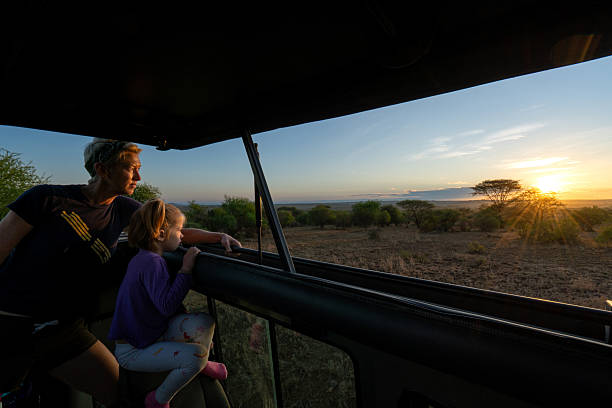
7-Day Tanzania And Kenya Safari: An Experts Guide For 2026-2027
Discover the ultimate 7-day Tanzania and Kenya safari adventure for 2026-2027. This comprehensive guide covers essential itineraries, wildlife highlights, planning tips, and booking...
View package details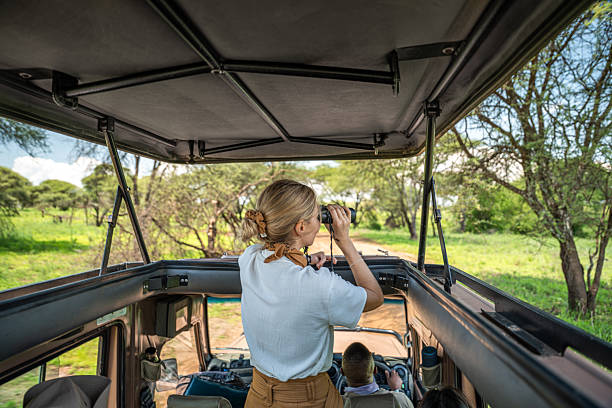
6-Day Kenya And Tanzania Safari 2026-2027
6-Day Kenya and Tanzania Safari is explained with current 2026-2027 planning, price, itinerary and booking information.
View package details
4-Day Tanzania Big Five Safari 2026-2027
4-Day Tanzania Big Five Safari is explained with current 2026-2027 planning, price, itinerary and booking information.
View package details4-Day Serengeti Fly-In Luxury Safari: Ultimate Tanzania Adventure 2026-2027
Discover the magic of the Serengeti on a 4-day fly-in luxury safari. This exclusive adventure bypasses long drives, taking you directly to the heart of the action for unparalleled wildlife...
View package detailsBest Shoes For Comfort And Fashion: Your Ultimate Tanzania Travel Guide
Choosing the right footwear is crucial for enjoying your Tanzania trip. This guide explores the best shoes that balance comfort and style for safaris, trekking Kilimanjaro, and exploring...
View package detailsTop Foods Tourists Should Try In Tanzania 2026-2027
Planning a trip to Tanzania in 2026 or 2027? Don't miss out on the incredible culinary scene! This guide highlights the must-try Tanzanian dishes, from hearty stews to flavorful grilled...
View package detailsThe Most Colorful Fish In Ocean: A Tanzania Diving And Snorkeling Guide
Explore the impressive underwater world of Tanzania and identify the most colorful fish inhabiting its coral reefs. This guide details species, habitats, and the best locations for viewing...
View package details
7-Day Kenya Safari And Diani Beach Holiday 2026-2027
7-Day Kenya Safari and Diani Beach Holiday is explained with current 2026-2027 planning, price, itinerary and booking information.
View package details
Best 5-Day Kenya Safari From Nairobi 2026-2027
5-Day Kenya Safari from Nairobi is explained with current 2026-2027 planning, price, itinerary and booking information.
View package details
4-Day Kenya Masai Mara And Lake Nakuru Safari: Expert Guide By Top Adventures
Discover the magic of a 4-day safari combining the iconic Masai Mara National Reserve with the scenic Lake Nakuru National Park. This short but impactful journey offers incredible wildlife...
View package detailsNo package matches those filters. Clear one or more filters to see other options.



