
Updated planning guide for 2026-2027
4-Day Private Cultural Exchange — Host Family & Language Lessons Guide
Discover the richness of Tanzania through a unique 4-day private cultural exchange program. This guide details how to arrange immersive experiences with host families, including practical language lessons, itinerary suggestions, and essential planning advice for 2026-2027.
WhatsApp +255616946642 | topguideadventures@gmail.com | info@topguideadventures.com
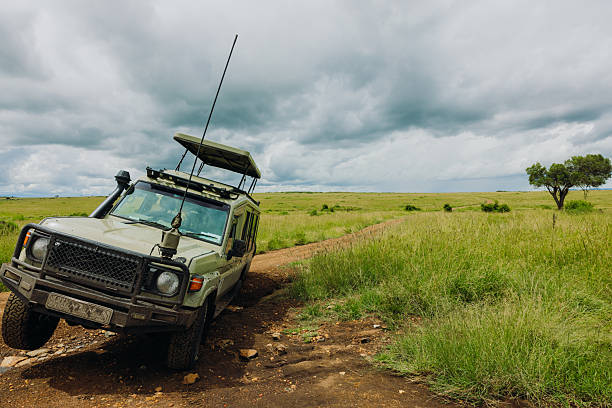
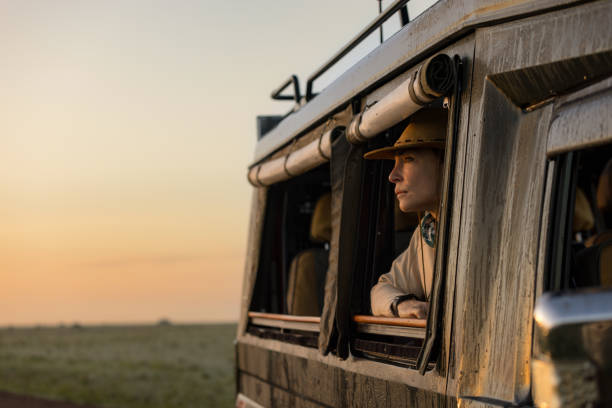
4-Day Private Cultural Exchange: Host Family & Language Lessons Essential Travel Guide
A 4-day private cultural exchange program, centered around authentic host family stays and focused language lessons, offers a deeply personal way to connect with Tanzania. Unlike standard tours, this immersive approach places you directly within local communities, providing unparalleled insights into daily life, traditions, and the Swahili language. This guide is designed to help you understand, plan, and make the most of such an enriching experience, whether you’re considering it for 2026 or 2027.
Best Tanzania tour operator is dedicated to crafting unique, authentic travel experiences. We understand that true connection comes from living, not just observing. This is why we champion programs like the 4-day private cultural exchange, allowing for genuine interaction and learning.
Quick Facts: 4-Day Private Cultural Exchange
| Aspect | Details |
|---|---|
| Duration | 4 Days / 3 Nights |
| Focus | Cultural immersion, host family stay, basic Swahili language lessons |
| Accommodation | Homestay with a local family |
| Activities | Daily language practice, community visits, cultural workshops, shared meals, local market exploration |
| Ideal For | Solo travelers, couples, families seeking authentic connection, language learners, those wanting to understand local life |
| Pace | Slow, immersive, interactive |
| Key Locations | Varies, often rural or peri-urban villages near Arusha or Zanzibar |
Table of Contents
- Program Overview: Beyond the Tourist Trail
- Why Choose a 4-Day Private Cultural Exchange?
- The Language Learning Component: Building Bridges
- The Host Family Experience: True Immersion
- Best Time to Travel for Cultural Exchange
- Sample 4-Day Private Cultural Exchange Itinerary
- What to Expect: Daily Life and Activities
- Typical Inclusions and Exclusions
- Packing and Preparation Essentials
- Common Mistakes to Avoid
- Who is This Experience Best Suited For?
- Alternatives to a 4-Day Exchange
- Planning Your 2026-2027 Cultural Exchange
- Booking Your Private Cultural Exchange
- Frequently Asked Questions (FAQs)
Program Overview: Beyond the Tourist Trail
A 4-day private cultural exchange is designed to offer a concentrated dose of authentic Tanzanian life. It moves away from the typical safari or beach holiday structure to focus on direct interaction with local people. The core of the experience is living with a host family, sharing their home, meals, and daily routines. This is complemented by structured, yet informal, language lessons in Swahili (or a local dialect), enabling participants to begin communicating and understanding the local culture on a deeper level. These programs are typically organized in areas that are not primary tourist hubs, ensuring that interactions are genuine and that your presence contributes positively to the community.
The private nature of the exchange means that the itinerary, language focus, and activities can be tailored to your interests and learning pace. This flexibility is crucial for maximizing the educational and personal benefits of such a short, intensive trip. It’s an opportunity to learn about agriculture, local crafts, family structures, community governance, and the values that shape Tanzanian society, all through the lens of lived experience.
Why Choose a 4-Day Private Cultural Exchange?
In an era where authentic travel experiences are highly sought after, a 4-day private cultural exchange stands out. Here’s why it’s so valuable:
- Deep Cultural Understanding: Living with a local family provides insights that guidebooks or even short tours cannot offer. You witness everyday life, traditions, and challenges firsthand.
- Meaningful Human Connection: Building relationships with your host family and community members creates lasting memories and fosters mutual respect.
- Practical Language Skills: Daily immersion and focused lessons accelerate language acquisition, allowing you to move beyond basic greetings to more meaningful conversations.
- Positive Community Impact: Your participation directly supports local families and communities, providing an alternative economic benefit to traditional tourism.
- Personal Growth: Stepping outside your comfort zone, adapting to new environments, and learning new perspectives can be profoundly rewarding.
- Authenticity: This is not a staged cultural show; it’s a genuine glimpse into how people live, work, and connect in Tanzania.
For travelers looking to gain a genuine appreciation for Tanzania beyond its famous landscapes, this type of exchange is unparalleled. It allows for a more profound understanding of the nation’s heart and soul.
The Language Learning Component: Building Bridges
Swahili (Kiswahili) is the national language of Tanzania, and while English is widely spoken in tourist areas and by educated individuals, knowing even basic Swahili can dramatically enhance your experience. A 4-day private cultural exchange typically incorporates daily language lessons, often taught by a family member or a local tutor. These lessons are usually practical and conversational, focusing on:
- Greetings and Introductions: Essential for politeness and initiating interaction.
- Common Phrases: For daily activities like shopping, asking for directions, and ordering food.
- Numbers and Time: Useful for transactions and scheduling.
- Basic Vocabulary: Related to food, family, and daily chores.
- Cultural Etiquette: Understanding appropriate ways to interact and show respect.
The beauty of learning within a host family setting is that you practice immediately. You’ll hear the language spoken around you constantly and have opportunities to use what you learn during meals, conversations, and activities. This constant reinforcement is far more effective than classroom learning alone. By the end of four days, you should be able to hold simple conversations and understand more of your surroundings.
The Host Family Experience: True Immersion
The cornerstone of this program is the host family. These families are carefully selected and often involved in community initiatives or local tourism support. They open their homes and lives to you, offering a unique window into their world. Expect:
- Shared Living Spaces: You will likely share common areas and possibly bathrooms with the family. Sleeping arrangements can vary from a private room to sharing with family members, depending on the family and your preferences.
- Home-Cooked Meals: You’ll eat traditional Tanzanian dishes prepared by your hosts. This is a fantastic opportunity to try local cuisine like Ugali, Nyama Choma, Pilau, and various vegetable stews. Dietary needs should be communicated in advance.
- Participation in Daily Life: You might be invited to help with chores, accompany family members to the market, visit local farms, or participate in community gatherings. This is where the real learning happens.
- Cultural Exchange: Be prepared to share about your own culture, family, and life. Host families are often as curious about you as you are about them.
- Respect and Humility: Approach the experience with an open mind, respect for their customs, and a willingness to learn and adapt.
The private nature of the exchange means your host family is dedicated to your experience, ensuring you feel welcomed and engaged. It’s an intimate setting that fosters genuine connections.
Best Time to Travel for Cultural Exchange
While a 4-day private cultural exchange can be undertaken year-round, certain periods offer a more comfortable experience regarding weather and local activities. Tanzania has two main rainy seasons, which can impact travel and daily activities:
- Long Rains (March to May): Heavy rainfall, particularly in April, can make travel difficult and limit outdoor activities. This is generally the low season for tourism.
- Short Rains (November to December): Lighter, intermittent showers, usually in the afternoons. This period can be pleasant, with lush landscapes and fewer tourists.
The dry seasons are generally considered the best for travel:
- Dry Season (June to October): Pleasant temperatures, minimal rain, ideal for outdoor activities and community visits. This is peak tourist season.
- Hot Dry Season (January to February): Very warm, dry conditions. Good for travel, though can be quite hot in some regions.
Consider your comfort with heat and rain. For the most comfortable weather, June through October is ideal. For a balance of good weather and fewer crowds, the shoulder months like late May, early June, and late October can be excellent. Even during the rainy seasons, life continues, and cultural exchange is still very much possible, though activities might need to be more flexible.
Sample 4-Day Private Cultural Exchange Itinerary
This is a flexible template. The exact schedule will depend on your host family’s location, your interests, and the specific arrangements made with your tour operator.
| Day | Morning | Afternoon | Evening |
|---|---|---|---|
| Day 1: Arrival & Welcome | Arrive at your designated meeting point (e.g., Arusha airport or town). Meet your guide/coordinator and transfer to your host family’s village. Introduction to the family and settling in. | Language Lesson 1: Basic greetings, introductions, and essential phrases. Guided village orientation walk. | Welcome dinner with the host family. Sharing about yourselves and your hosts. |
| Day 2: Community & Culture | Language Lesson 2: Daily routines, food vocabulary. Participate in a morning chore or assist with family tasks. Visit a local market. | Cultural activity: e.g., learning a local craft, visiting a nearby school (if appropriate and arranged), or a nature walk with a family member. | Shared family meal. Conversation practice. Learn a local song or story. |
| Day 3: Deeper Dive & Interaction | Language Lesson 3: Numbers, time, directions, basic shopping phrases. Visit a local farm or cooperative. | Community Project/Activity: Depending on opportunities, this could involve helping with a small community project, visiting elders, or a cooking lesson. | Farewell dinner. Cultural exchange: share photos, stories, or a simple game. |
| Day 4: Reflection & Departure | Language Lesson 4: Review, practice conversations, and learn phrases for saying goodbye and expressing thanks. Final interaction with the host family. | Departure from the host family. Transfer back to your next destination or airport. | N/A |
What to Expect: Daily Life and Activities
Life in a Tanzanian village or community setting can be quite different from urban or Western lifestyles. Expect simplicity, community focus, and a slower pace.
- Morning Routine: Days often start early. You might wake up to the sounds of roosters and the preparation of breakfast. Chores like fetching water, tending to animals, or preparing firewood might be part of the morning.
- Food: Meals are typically based on local staples like Ugali (a stiff maize porridge), rice, beans, vegetables, and occasionally meat or fish. Meals are often communal events.
- Sanitation: Bathroom facilities can range from basic pit latrines to simple flush toilets. Showers might be cold or solar-heated. Water conservation is important.
- Electricity: While many areas have electricity, it can be intermittent, especially in more remote villages. Power outages are common.
- Communication: Mobile phone reception can be spotty. Wi-Fi is unlikely to be available at the homestay.
- Social Interactions: Tanzanians are generally warm, friendly, and hospitable. However, respect for elders and community norms is paramount. Dress modestly, especially when interacting with the community.
- Activities: Beyond language lessons, expect to engage in everyday activities. This could include visiting a local school (if arranged), helping in the garden, learning to cook traditional dishes, accompanying someone to the market, or simply sitting and talking with family members.
The emphasis is on participation and observation. It’s a chance to learn by doing and by simply being present.
Typical Inclusions and Exclusions
When booking a 4-day private cultural exchange, understanding what’s included is vital for budgeting and expectations. While specifics vary by operator, here’s a general guide:
| Typically Included | Typically Excluded |
|---|---|
| Homestay accommodation with a selected family for 3 nights | International flights to/from Tanzania |
| All meals (breakfast, lunch, dinner) during the 4 days | Visa fees |
| Basic Swahili language lessons (structured sessions) | Travel insurance |
| Guided community orientation and village tours | Personal expenses (souvenirs, snacks, drinks beyond meals) |
| Participation in planned cultural activities and workshops | Tips for guides, drivers, and host families |
| Local transportation to/from the village from a designated meeting point | Optional activities not listed in the itinerary |
| Support from a local coordinator/guide | Vaccinations and medical expenses |
| Donation to the host family/community (often built into the price) | Airport transfers if not specified as the meeting point |
Always clarify the inclusions with your tour operator to avoid surprises. For instance, some operators might include a small stipend for the host family, while others might have you provide a gift. Understanding this helps manage expectations and ensures your contribution is appreciated.
Packing and Preparation Essentials
Packing for a cultural exchange requires a different mindset than packing for a safari or beach holiday. Focus on practicality, respect, and comfort.
Clothing:
- Modest Attire: Pack long trousers, skirts that go below the knee, and tops that cover your shoulders. Avoid revealing clothing.
- Comfortable Trousers/Skirts: Lightweight, breathable fabrics are best.
- T-shirts/Blouses: Several options for daily wear.
- Light Jacket or Fleece: Evenings can be cooler, especially in higher altitudes or during certain seasons.
- Rain Gear: A lightweight, packable waterproof jacket or poncho, especially if traveling during the rainy season.
- Comfortable Walking Shoes: Essential for village exploration and activities.
- Sandals or Flip-flops: For around the homestay.
- Socks: For cooler evenings or if wearing closed shoes often.
- Scarf or Wrap: Versatile for warmth, sun protection, or covering up when needed.
Toiletries and Health:
- Personal Toiletries: Biodegradable options are preferred.
- Hand Sanitizer: Crucial for hygiene, especially before meals.
- Sunscreen and Insect Repellent: Essential protection.
- Basic First-Aid Kit: Including pain relievers, bandages, antiseptic wipes, and any personal medications.
- Water Purification Tablets/Filter Bottle: As a backup, though your host family will likely provide safe drinking water.
Other Essentials:
- Small Backpack: For day trips and carrying essentials.
- Reusable Water Bottle: To stay hydrated and reduce plastic waste.
- Camera and Extra Batteries/Power Bank: To capture memories. Always ask permission before photographing people.
- Journal and Pen: To record your experiences and thoughts.
- Small Gifts (Optional): Consider practical items for the host family, like school supplies for children, useful household items, or quality coffee/tea if they enjoy it. Avoid giving money directly unless arranged by the operator.
- Phrasebook or Translation App: As a supplement to lessons.
- Copies of Important Documents: Passport, visa, insurance details.
Preparation: Before you go, research basic Swahili phrases, learn about Tanzanian customs and etiquette, and mentally prepare for a different pace of life. Inform your tour operator of any dietary restrictions or health concerns well in advance.
Common Mistakes to Avoid
To ensure your 4-day private cultural exchange is positive and respectful, be aware of common pitfalls:
- Disrespecting Local Customs: Failing to dress modestly, taking photos without permission, or being loud and disruptive can cause offense. Always observe and follow your host family’s lead.
- Expecting Western Standards: Homestays are simple. Don’t expect constant hot water, reliable electricity, or high-speed internet. Embrace the difference.
- Being a Passive Observer: The goal is exchange. Participate actively in activities, ask questions (respectfully), and engage in conversations. Don’t just stay in your room.
- Showing Off Wealth: Avoid displaying expensive jewelry, electronics, or large amounts of cash. This can create discomfort and unintended expectations.
- Giving Money Directly: While well-intentioned, giving money can sometimes create dependency or conflict within the family. It’s better to provide practical gifts or contribute through the tour operator’s program.
- Ignoring Hygiene: Maintain good personal hygiene, especially handwashing, to protect yourself and your hosts from illness.
- Over-Scheduling: The beauty of this program is its relaxed pace. Don’t try to cram too much in; allow for spontaneous moments and downtime.
- Judging: Avoid comparing your host family’s life to your own in a judgmental way. Appreciate their way of life for what it is.
Approaching the experience with humility, curiosity, and a genuine desire to connect will help you navigate any potential challenges.
Who is This Experience Best Suited For?
The 4-day private cultural exchange is ideal for a specific type of traveler:
- Curious Explorers: Those who want to understand the ‘why’ behind cultural practices and daily life.
- Aspiring Language Learners: Individuals eager to gain practical Swahili skills through immersion.
- Independent Travelers: People comfortable stepping outside their comfort zone and adapting to new environments.
- Conscious Travelers: Those seeking to travel responsibly and make a positive impact on local communities.
- Families with Older Children/Teens: A fantastic educational opportunity to broaden horizons.
- Solo Travelers: Provides a safe and structured way to experience local life and connect with people.
- Anyone Seeking Authenticity: Travelers tired of superficial tourism and looking for genuine human connection.
It is less suitable for travelers who prioritize luxury, constant entertainment, or a highly structured, predictable itinerary with Western amenities.
Alternatives to a 4-Day Exchange
If a 4-day intensive exchange isn’t quite right, or if you want to combine it with other experiences, consider these alternatives:
- Community-Based Tourism Projects: Many villages offer day visits or short stays focused on specific activities like farming, craft making, or traditional cooking, without the overnight homestay aspect.
- Cultural Village Visits (Maasai Bomas, etc.): Shorter, often guided tours to specific cultural centers. These are more observational than immersive.
- Longer Homestay Programs: For deeper immersion, consider week-long or multi-week homestay experiences that allow for more language learning and integration.
- Voluntourism: Programs that combine cultural exchange with volunteer work in schools, conservation projects, or community development. This requires a longer commitment.
- Cultural Tours with Local Guides: Safaris or treks that intentionally include visits to local communities, markets, and villages, with guides who facilitate interaction.
- Language Schools with Homestay Options: Formal language schools often partner with families for accommodation, providing structured learning alongside immersion.
For a 4-day trip, the private cultural exchange offers a concentrated and effective way to achieve deep immersion. However, combining it with a short safari or a few days on Zanzibar can create a well-rounded Tanzanian adventure.
Planning Your 2026-2027 Cultural Exchange
Planning ahead is key, especially for unique experiences like a 4-day private cultural exchange. Here are tips for 2026 and 2027:
- Book Early: Host families and local coordinators need time to prepare. Popular times (like school holidays or peak dry seasons) fill up quickly. Aim to book at least 3-6 months in advance for 2026-2027.
- Choose the Right Operator: Select a reputable tour operator with experience in community-based tourism and cultural exchange. Look for reviews and clear communication channels. Best Tanzania tour operator specializes in these authentic experiences.
- Define Your Goals: What do you hope to gain? More language practice? Deeper understanding of a specific aspect of culture? Knowing this helps tailor the program.
- Communicate Clearly: Be upfront about dietary needs, health conditions, comfort levels with basic facilities, and any specific interests you have.
- Understand the Location: Research the general area where your homestay will be. Is it rural, peri-urban? What are the typical activities there?
- Visa and Vaccinations: Check Tanzania’s visa requirements for your nationality well in advance. Consult your doctor about recommended vaccinations and malaria precautions for 2026-2027 travel.
- Budget Accordingly: Factor in the program cost, flights, visa, insurance, tips, and personal expenses. While 4 days is short, the value is in the experience.
- Learn Basic Phrases: Start learning Swahili now. Even a few words will make a significant difference in your interactions.
2026-2027 Considerations: As travel patterns evolve, booking popular, authentic experiences like this cultural exchange will likely become even more competitive. Early planning ensures you secure a spot with a quality host family and operator.
Booking Your Private Cultural Exchange
Securing your 4-day private cultural exchange involves a few key steps. Working with a trusted tour operator like Best Tanzania tour operator simplifies this process significantly.
- Initial Inquiry: Contact us with your desired dates, number of travelers, and any specific interests or requirements you have. Let us know you are interested in a 4-day private cultural exchange program.
- Consultation: We will discuss your options, potential locations, and what the program typically entails. We’ll answer your questions regarding the host family setup, language lessons, and activities.
- Customization: Based on our discussion, we can tailor the itinerary to best suit your goals for the exchange.
- Quotation and Itinerary: You will receive a detailed quotation and a proposed itinerary. Review this carefully, paying attention to inclusions, exclusions, and payment terms.
- Confirmation and Deposit: Once you are satisfied, a deposit will be required to confirm your booking. This allows us to secure your host family and finalize arrangements.
- Pre-Trip Information: After booking, you will receive comprehensive pre-departure information, including packing lists, cultural tips, emergency contacts, and details about your meeting point.
- Final Payment: The remaining balance will typically be due a certain number of weeks before your travel date.
- During Your Trip: Our local support team will be available to assist you throughout your stay.
Why Book with Us?
Best Tanzania tour operator has established relationships with communities and host families, ensuring ethical practices and authentic experiences. We handle the logistics, provide local support, and ensure your cultural exchange is both enriching and respectful. For a seamless booking process for your 2026 or 2027 adventure, reach out to us.
Contact Us to Book:
WhatsApp: +255616946642
Email: topguideadventures@gmail.com
Backup Email: info@topguideadventures.com
Frequently Asked Questions (FAQs)
Q1: Is a 4-day private cultural exchange enough time to learn Swahili?
A: Four days is an excellent introduction. You won’t become fluent, but you will gain a solid foundation in basic greetings, essential phrases, and conversational building blocks. The immersion aspect significantly boosts practical learning.
Q2: What kind of facilities can I expect in a host family’s home?
A: Facilities are typically basic but clean and functional. Expect a bed, possibly a private room (though sharing might occur), and shared bathroom facilities which could be a pit latrine or simple flush toilet. Showers are often cold or solar-heated. Electricity can be intermittent.
Q3: What if I have dietary restrictions or allergies?
A: It is crucial to inform your tour operator well in advance. Reputable operators will communicate this to the host family. While families will do their best, options may be limited depending on local availability. Be prepared for simpler meals based on local produce.
Q4: Is it safe to stay with a host family?
A: Safety is a priority. Reputable tour operators vet host families thoroughly and maintain communication channels. By following local customs, being aware of your surroundings, and staying in contact with your coordinator, these experiences are generally very safe and rewarding.
Q5: How much should I tip my host family?
A: Tipping is not always customary in the same way as in Western cultures, and direct cash can sometimes be problematic. It’s best to discuss this with your tour operator. Often, a thoughtful, practical gift is more appropriate, or a contribution to the family is arranged by the operator as part of the package.
Q6: Can children participate in a 4-day cultural exchange?
A: Yes, children can participate, but it’s best suited for older children and teenagers who are adaptable and curious. Younger children might find the lack of amenities or different routines challenging. Parental supervision and discussion about expectations are key.
Q7: What is the difference between this and a standard cultural tour?
A: A standard cultural tour often involves visiting pre-arranged cultural sites or performances. A private cultural exchange is about living with a family, participating in their daily life, and learning through direct, personal interaction, making it far more immersive and authentic.
Q8: How do I book a 4-day private cultural exchange for 2026 or 2027?
A: Contact a reputable tour operator specializing in authentic Tanzanian experiences. For example, Best Tanzania tour operator can help you plan and book your program. Reach out via WhatsApp (+255616946642) or email (topguideadventures@gmail.com) to start the planning process for your 2026-2027 trip.
Ready for an Authentic Tanzanian Experience?
A 4-day private cultural exchange with host family stays and language lessons offers an unparalleled opportunity to connect with Tanzania on a deeply personal level. It’s a chance to learn, grow, and create memories that last a lifetime. If you’re looking for an experience that goes beyond the ordinary, this is it.
Let Best Tanzania tour operator help you craft this unique journey. We work closely with local communities to ensure authentic, respectful, and enriching cultural exchanges. Whether you are planning for 2026 or 2027, we are here to guide you every step of the way.
Contact us today to start planning your 4-day private cultural exchange:
WhatsApp: +255616946642
Email: topguideadventures@gmail.com
Backup Email: info@topguideadventures.com
Plan your 4-Day Private Cultural Exchange — Host Family & Language Lessons with Top Guide Adventures
Tell us your travel dates, group size, comfort level, and dream experience. We will help you shape a clear, realistic, and memorable Tanzania itinerary.







 Veedesigner
 Fatma Kizanga
 Benjamin Waryuba
 Philip Philip
 John jr Itaja
 Antonia Optatus
 Edith Kanyere
 Neema Iddy
 Kelvin Boniphace
 Damari Maiga



