
Updated planning guide for 2026-2027
5-Day Drone Filming Safari Package — Permits & Pilot Assistance: Best Guide
Discover the ultimate 5-day drone filming safari package in Tanzania. This comprehensive guide covers everything you need to know about drone permits, pilot assistance, optimal filming locations, and essential planning for your 2026-2027 adventure.
WhatsApp +255616946642 | topguideadventures@gmail.com | info@topguideadventures.com

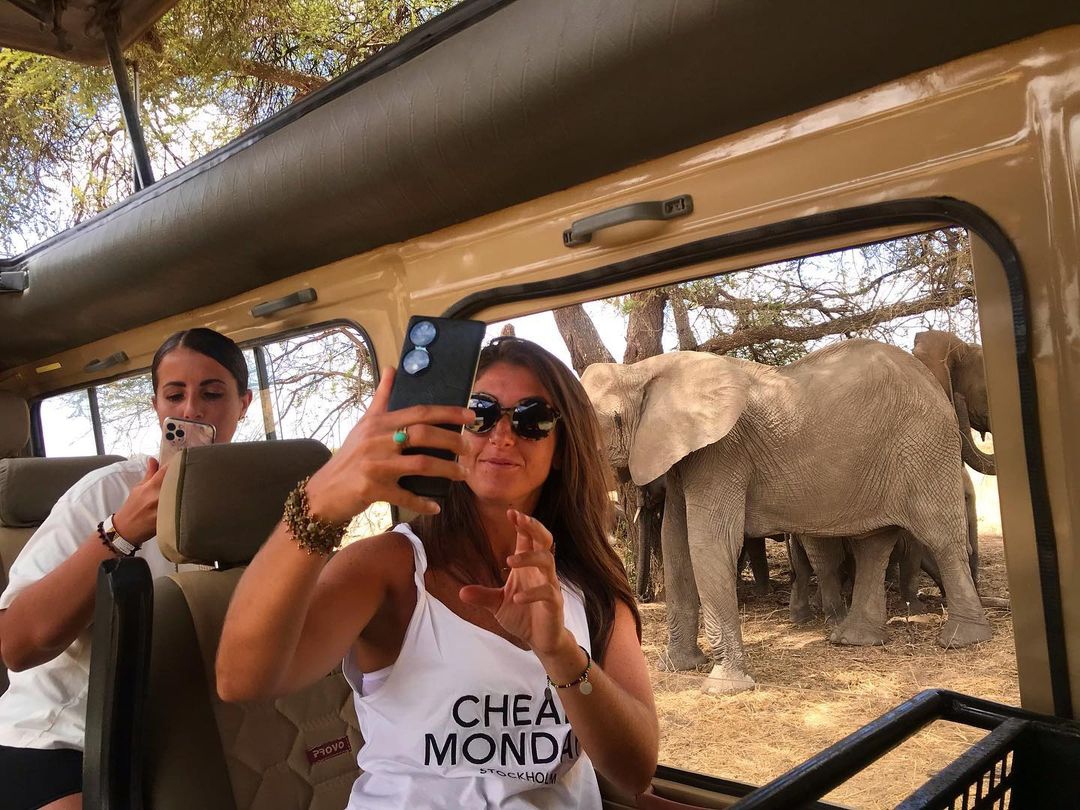
Your Ultimate Guide to a 5-Day Drone Filming Safari Package in Tanzania: Permits & Pilot Assistance
Tanzania, a land of breathtaking landscapes and unparalleled wildlife, offers a unique canvas for aerial cinematography. For filmmakers and photographers looking to capture the majesty of its national parks and reserves from a new perspective, a 5-day drone filming safari package, complete with essential permits and expert pilot assistance, is an exceptional choice. This guide provides an in-depth look at how to plan, execute, and maximize such an experience, ensuring your aerial footage is as spectacular as the wildlife it portrays, with a focus on practical planning for 2026 and 2027 expeditions.
Navigating the regulations for drone operation in protected areas can be complex. This is where a specialized 5-day drone filming safari package, meticulously arranged by experienced tour operators, becomes invaluable. It streamlines the process of obtaining necessary permits, securing qualified drone pilots familiar with local airspace and wildlife protocols, and crafting an itinerary that optimizes filming opportunities.
Table of Contents
- Quick Facts: 5-Day Drone Filming Safari
- Overview: Why a Drone Safari in Tanzania?
- The Importance of Permits and Pilot Assistance
- Best Time for Drone Filming Safaris in Tanzania
- Itinerary Logic and Route Planning
- Sample 5-Day Drone Filming Itinerary
- What to Expect on Your Drone Filming Safari
- Typical Inclusions and Exclusions
- Drone Gear and Essential Packing List
- Common Mistakes to Avoid
- Who is This 5-Day Drone Filming Safari For?
- Alternatives to a Dedicated Drone Package
- Planning Your 2026-2027 Drone Safari
- Booking Advice for Your Drone Filming Safari
- Frequently Asked Questions
Quick Facts: 5-Day Drone Filming Safari
| Aspect | Details |
|---|---|
| Duration | 5 Days / 4 Nights |
| Focus | Aerial filming of wildlife and landscapes, permit acquisition, pilot support. |
| Key Locations | Serengeti, Ngorongoro Conservation Area, Tarangire National Park, or other chosen parks. |
| Permits Required | Tanzania National Parks Authority (TANAPA) drone permit, potentially Tanzania Civil Aviation Authority (TCAA) permits depending on drone specifics and operational zones. |
| Pilot Assistance | Professional, locally licensed drone pilot with experience in wildlife filming and park regulations. |
| Accommodation | Lodges, tented camps, or mobile camps depending on itinerary and budget. |
| Transport | 4×4 safari vehicle with pop-up roof, experienced driver-guide. |
| Best For | Filmmakers, content creators, wildlife enthusiasts seeking unique aerial perspectives. |
| Ideal Travel Years | 2026, 2027 (requires advance planning for permits). |
Overview: Why a Drone Safari in Tanzania?
Tanzania is synonymous with the Great Migration, vast savannas dotted with acacia trees, and an astonishing density of wildlife. For filmmakers, this presents an irresistible opportunity. While ground-level photography captures the raw emotion and intimate moments of a safari, drone footage offers a majestic, sweeping perspective. Imagine soaring above herds of wildebeest thundering across the plains, capturing the playful antics of elephants at a waterhole from an elevated vantage point, or showcasing the sheer scale of the Ngorongoro Crater. A 5-day drone filming safari package is designed to facilitate exactly this, allowing you to create compelling visual narratives that are simply not possible with traditional methods.
This type of specialized safari acknowledges the growing demand for high-quality aerial content. Whether you are producing a documentary, creating content for social media, or simply wish to immortalize your safari experience with extraordinary visuals, a drone offers a powerful tool. However, operating a drone in Tanzania, especially within its protected national parks, is subject to strict regulations. This is where the expertise of a local tour operator specializing in such packages becomes indispensable.
The Crucial Importance of Permits and Pilot Assistance
Operating a drone within Tanzania’s national parks and conservation areas requires specific authorization. The primary body governing this is the Tanzania National Parks Authority (TANAPA). Obtaining a TANAPA drone permit involves a formal application process, often requiring details about the drone, its intended use, flight plans, and the pilot’s credentials. Without this permit, drone operation is illegal and can lead to confiscation of equipment, hefty fines, and immediate expulsion from the park.
Beyond TANAPA, depending on the drone’s weight, range, and operational altitude, permissions from the Tanzania Civil Aviation Authority (TCAA) might also be necessary. This is particularly true for flights near airstrips or areas with potential air traffic. A reputable 5-day drone filming safari package will have established relationships and experience in navigating these bureaucratic channels, significantly reducing stress and potential delays for the client.
Pilot assistance is equally critical. Flying a drone in a dynamic environment like a safari park presents unique challenges. A professional pilot is not only skilled in operating the drone safely and effectively but also understands:
- Wildlife Etiquette: Knowing how to fly without disturbing animals, respecting their space, and avoiding stress. This includes understanding animal behavior and flight paths that minimize impact.
- Park Regulations: Awareness of no-fly zones, altitude restrictions, and specific rules within different park sectors.
- Safety Protocols: Ensuring safe operation in varying weather conditions, managing battery life, and maintaining line of sight.
- Filming Aesthetics: Understanding how to capture compelling shots that align with the client’s vision, often in collaboration with the ground safari guide.
A dedicated 5-day drone filming safari package ensures you have a pilot who is not just licensed but also experienced in the specific context of Tanzanian safaris. This combination of legal compliance and operational expertise is fundamental to a successful and ethical drone filming expedition.
Best Time for Drone Filming Safaris in Tanzania
The timing of your drone filming safari is crucial for both wildlife viewing and operational conditions. Tanzania experiences distinct seasons that affect animal movements, vegetation density, and weather patterns.
- The Dry Season (June to October): This is generally considered the prime time for safaris, and by extension, drone filming. During these months, vegetation is sparser, making wildlife easier to spot and track. Animals tend to congregate around water sources, providing predictable opportunities for filming. The skies are typically clear with less rain, offering good visibility for drone operations. This period often coincides with the Great Migration’s movement across the Serengeti, offering dramatic aerial filming potential.
- The Shoulder Months (Late May, Early November): These periods can offer a good balance. The vegetation might still be recovering from the rains, and wildlife is still relatively accessible. You may encounter fewer crowds than in the peak dry season, and prices might be slightly more accessible. Weather can be variable, with occasional showers.
- The Wet Season (November to May): While not ideal for all types of safaris, the wet season has its own unique appeal for drone filming. The landscape is lush and green, offering a different aesthetic. Newborn animals are often present, providing opportunities for tender wildlife footage. However, the denser vegetation can make spotting wildlife more challenging, and rain can significantly disrupt drone operations. Visibility might also be reduced due to mist and cloud cover.
For a 5-day drone filming safari package, the dry season (June-October) is highly recommended for optimal visibility, easier wildlife spotting, and more predictable weather for drone operation. Planning for 2026 or 2027 should prioritize these months for the best results.
Itinerary Logic and Route Planning
A well-structured 5-day drone filming safari itinerary is designed to maximize wildlife encounters and diverse filming opportunities within a limited timeframe, while also considering the logistical requirements of drone operations.
Key Considerations for Itinerary Design:
- Park Selection: Different parks offer unique filming potential. The Serengeti is famed for its vast plains and the Great Migration. The Ngorongoro Crater offers a unique, contained ecosystem with high wildlife density. Tarangire is known for its large elephant herds and baobab trees. A 5-day trip might focus on one or two of these, or a combination if travel time is managed effectively.
- Wildlife Hotspots: Identifying areas within parks known for specific animal concentrations or behaviors that are ideal for drone filming (e.g., river crossings during migration, elephant herds in Tarangire during the dry season).
- Flight Planning: Integrating drone flight times strategically. This means coordinating with the ground safari guide to position the vehicle near compelling subjects without disturbing them, and ensuring adequate time for setup, flight, and packing.
- Logistics: Minimizing travel time between locations to maximize filming hours. This often involves basing oneself in a central lodge or camp.
- Permit Adherence: The itinerary must respect the approved flight zones and times specified in the drone permits.
A 5-day package is relatively short, so efficiency is key. It usually focuses on one or two prime locations to avoid excessive travel and allow for deeper exploration and more dedicated filming time. For instance, a trip could focus entirely on the Serengeti, or combine a day in Tarangire with three days in the Serengeti.
Sample 5-Day Drone Filming Itinerary
This sample itinerary focuses on the Serengeti, renowned for its vast plains and abundant wildlife, ideal for drone cinematography. It assumes arrival at Kilimanjaro International Airport (JRO) and includes internal flights for efficiency.
| Day | Morning Activities | Afternoon Activities | Drone Filming Focus | Overnight |
|---|---|---|---|---|
| Day 1: Arrival & Transfer to Serengeti | Arrive at JRO, meet your guide. Transfer to Arusha for a briefing. Fly from Arusha Airport (ARK) to a Serengeti airstrip (e.g., Seronera). | Transfer to your lodge/camp. Settle in. Briefing on drone operations and permit specifics. Short afternoon game drive. | Initial scouting flights around camp perimeter (if permitted), general landscape shots. | Serengeti Lodge/Tented Camp |
| Day 2: Central Serengeti Exploration | Full-day game drive in the Central Serengeti. Focus on predator sightings (lions, leopards, cheetahs) and large mammal herds. | Continue game drive. Coordinate with pilot for specific animal sightings suitable for drone capture. | Predator hunting behavior (from safe distance), large herds, general savanna vistas. | Serengeti Lodge/Tented Camp |
| Day 3: Migration Corridor & River Crossings (Seasonal) | Drive towards a known migration corridor or river crossing point (depending on season). Extensive game viewing. | Dedicated drone filming sessions of migration herds or river crossings, if active. Ground team positions vehicle for optimal support. | Wildebeest/zebra migration dynamics, river crossings, aerial views of large animal concentrations. | Serengeti Lodge/Tented Camp |
| Day 4: Northern/Southern Serengeti & Landscape Focus | Depending on migration patterns or lodge location, explore a different sector of the Serengeti. Focus on diverse habitats. | Afternoon dedicated to landscape filming and any remaining wildlife targets. Sunset drone shots. | Unique geological features, diverse animal populations (giraffes, buffaloes), expansive landscapes, sunset aerials. | Serengeti Lodge/Tented Camp |
| Day 5: Final Filming & Departure | Early morning game drive with final drone filming opportunities. | Transfer to the airstrip for your flight back to Arusha, then connect to JRO for your international departure. | Last-minute shots, capturing the essence of the Serengeti as you leave. | N/A |
Note: This is a sample. Actual itineraries are customized based on client interests, migration patterns, and specific permit approvals. For 2026-2027 travel, early booking is essential to secure permits and preferred lodges.
What to Expect on Your Drone Filming Safari
A 5-day drone filming safari package is a specialized adventure that blends the thrill of a traditional safari with the technical demands of aerial production. Here’s what you can anticipate:
- Early Mornings and Late Afternoons: These are the prime times for wildlife activity and the best lighting conditions for filming. Expect to be up before dawn and out until dusk.
- Coordination is Key: You will work closely with your ground safari guide and the drone pilot. Communication is vital to identify filming opportunities, position the vehicle appropriately, and ensure the drone operates smoothly without disturbing wildlife.
- Permit Compliance: All flights will strictly adhere to the approved flight plans and regulations outlined in your permits. This means specific zones, altitudes, and potentially time restrictions will apply.
- Wildlife Behavior: While drones offer a unique perspective, wildlife can still be sensitive. Experienced pilots will monitor animal reactions and cease operations if animals show signs of distress. Respect for the animals is paramount.
- Logistical Support: Your package should include a 4×4 safari vehicle, a knowledgeable driver-guide, park entrance fees, accommodation, and meals. The drone pilot and their equipment will also be part of the package.
- Charging and Data Management: Ensure your package includes reliable charging solutions for drone batteries (often via a vehicle inverter) and sufficient storage for footage. Data offloading might be done at lodges with Wi-Fi, but speeds can vary.
- Weather Dependency: Drone operations are highly weather-dependent. Wind, rain, and dust can impact flight safety and footage quality. Flexibility is important.
The experience is intensive, focused, and rewarding, offering unparalleled opportunities to capture stunning aerial footage of Tanzania’s natural wonders.
Typical Inclusions and Exclusions
A comprehensive 5-day drone filming safari package should clearly outline what is included and what is not. This helps manage expectations and budget.
| Included | Excluded |
|---|---|
| Drone Pilot Services: Professional, licensed drone pilot with experience in wildlife filming and Tanzanian park regulations. | Your Own Drone: Unless specifically stated, the package may not include the drone itself. You might need to bring your own or rent one. |
| Drone Permit Acquisition: Handling the application and fees for TANAPA and potentially TCAA permits. | TCAA Permits (if applicable): Depending on drone weight/type, separate TCAA applications might incur additional fees or require client involvement. |
| 4×4 Safari Vehicle: Custom-built safari vehicle with pop-up roof for ground viewing and drone pilot support. | International Flights: Flights to and from Kilimanjaro International Airport (JRO). |
| Experienced Driver-Guide: For ground game drives and wildlife spotting. | Domestic Flights: Flights between Arusha and the Serengeti (unless specified). |
| Park Entrance Fees: All applicable park and conservation fees for the duration of the safari. | Visa Fees: Cost of Tanzanian visa. |
| Accommodation: 4 nights in selected lodges or tented camps (mid-range to luxury, as per agreement). | Travel Insurance: Comprehensive travel and medical insurance. |
| Meals: All meals as specified (typically breakfast, lunch, dinner). | Personal Expenses: Drinks, laundry, tips, souvenirs, personal medication. |
| Airport Transfers: To/from JRO and to/from Arusha for briefings. | Drone Equipment & Accessories: Batteries, memory cards, filters, carrying cases, etc. (unless specified). |
| Bottled Water: During game drives. | Travel Vaccinations & Medications. |
Drone Gear and Essential Packing List
Beyond standard safari gear, specific items are crucial for a drone filming expedition. Your 5-day drone filming safari package provider will offer guidance, but here’s a general list:
Drone Equipment:
- Drone: Ensure it’s in perfect working condition, with updated firmware.
- Batteries: Carry multiple fully charged batteries (at least 4-6). Factor in charging time and availability.
- Chargers: Car charger and/or power bank compatible with your drone batteries.
- Controller: With fully charged batteries.
- Memory Cards: High-speed, high-capacity SD cards (multiple). Format them before you leave.
- Filters: ND (Neutral Density) filters are essential for achieving cinematic motion blur in bright daylight.
- Propellers: A spare set of propellers.
- Carrying Case: A robust, protective case for safe transport.
- Landing Pad: Useful for dusty or uneven terrain.
- Tablet/Smartphone: For live view and flight control, with updated apps.
Essential Safari & Filming Gear:
- Camera Gear: Backup camera, lenses, tripods, gimbal.
- Laptop/External Hard Drive: For backing up footage daily.
- Power Bank: For charging phones, cameras, and other small electronics.
- Adapters & Converters: For charging equipment in the vehicle and lodges (Type G sockets are common in Tanzania).
- Binoculars: Essential for spotting wildlife from the vehicle.
- Clothing: Neutral-colored, lightweight, breathable clothing (long sleeves and trousers for sun/insect protection).
- Footwear: Comfortable walking shoes or hiking boots (if any walking is planned).
- Sun Protection: Wide-brimmed hat, sunglasses, high SPF sunscreen.
- Insect Repellent: Especially for evenings.
- First-Aid Kit: Personal medications and basic supplies.
- Headlamp/Torch: For navigating camps at night.
- Water Bottle: Reusable to minimize plastic waste.
- Documents: Passport, visa, flight details, insurance, copies of permits.
Pre-Trip Checks: Before departing for your 2026 or 2027 trip, ensure your drone is calibrated, your software is up-to-date, and you are familiar with its operation in challenging conditions. Test all charging equipment.
Common Mistakes to Avoid
To ensure your 5-day drone filming safari is a success, be aware of common pitfalls:
- Not Securing Permits in Advance: This is the most critical mistake. Applying for drone permits once you are in Tanzania is often too late and can lead to disappointment. Applications should be submitted months ahead of your 2026-2027 travel dates.
- Assuming All Drones are Permitted: Regulations can differ based on drone size, weight, and capabilities. High-end professional drones may face more scrutiny or require additional TCAA approvals.
- Ignoring Wildlife Disturbance: Flying too low, too close, or for too long can stress animals. This is not only unethical but can also lead to intervention by park rangers. Always prioritize animal welfare.
- Lack of Pilot Experience: Using an inexperienced pilot or attempting to fly yourself without proper authorization and local knowledge is risky and can result in penalties.
- Insufficient Battery Power: Underestimating battery needs is common. Drones consume power quickly, and charging opportunities can be limited. Plan for ample battery life and charging.
- Data Management Issues: Not backing up footage daily can lead to loss due to equipment failure or accidents. Ensure a robust backup strategy.
- Ignoring Weather Conditions: Attempting to fly in strong winds or rain can be dangerous and yield unusable footage. Be prepared to adapt your schedule.
- Over-reliance on Technology: While drones are powerful, remember the core safari experience. Don’t let drone operations overshadow the ground-level wildlife viewing and the expertise of your driver-guide.
- Not Clarifying Inclusions/Exclusions: Misunderstandings about what is covered in the package can lead to unexpected costs. Always get a detailed breakdown.
Who is This 5-Day Drone Filming Safari For?
A 5-day drone filming safari package is a niche offering tailored for specific individuals and groups:
- Professional Filmmakers & Documentarians: Those creating wildlife documentaries, travel shows, or promotional content who require high-quality aerial shots to complement ground footage.
- Content Creators & Influencers: Social media personalities, YouTubers, and bloggers looking to produce unique and visually striking content that stands out.
- Photographers with Aerial Ambitions: Still photographers who want to expand their portfolio with dramatic aerial perspectives of landscapes and wildlife.
- Luxury Travel Clients: Individuals seeking exclusive, high-end experiences that offer unique perspectives and professional-grade results.
- Tour Operators & Agencies: Companies looking to offer specialized packages to their clients, requiring a reliable partner for permits and pilot services.
- Wildlife Enthusiasts with Specific Needs: Individuals with a deep passion for wildlife who want to capture their experience in an extraordinary way, understanding the need for professional assistance and compliance.
It is generally not for casual tourists who may only wish to fly a small personal drone for occasional shots, as the regulations and costs associated with a dedicated filming package would be excessive. This package is for those who have a clear objective for professional-quality aerial footage and are prepared for the associated planning and execution.
Alternatives to a Dedicated Drone Package
If a full 5-day drone filming safari package seems too specialized or exceeds your needs, consider these alternatives:
- Hiring a Drone Pilot Separately: You could book a standard safari and separately contract a licensed drone pilot and arrange permits. This requires more research and coordination on your part but offers flexibility. Ensure the pilot is experienced with Tanzanian park rules.
- Bringing Your Own Drone (with Permit): If you are a skilled pilot and understand the regulations, you could obtain permits yourself and bring your own drone. However, navigating the application process can be time-consuming and success is not guaranteed. This is best suited for experienced individuals who have researched the requirements thoroughly for their 2026-2027 trip.
- Ground-Based Cinematography: Focus on high-quality ground filming using professional camera equipment, telephoto lenses, and stabilization techniques (gimbals, tripods). This is a traditional but highly effective way to capture stunning wildlife footage.
- Specialized Photography Safaris: Many tour operators offer photography-focused safaris with guides who understand light, composition, and animal behavior, optimizing ground-level shots.
- Using Existing Aerial Stock Footage: For projects that don’t require unique, on-location drone footage, consider licensing high-quality aerial stock videos of Tanzania.
While these alternatives exist, none offer the integrated, streamlined experience of a dedicated 5-day drone filming safari package that handles permits and pilot assistance seamlessly.
Planning Your 2026-2027 Drone Safari
Planning a drone filming safari for 2026 or 2027 requires foresight and early action, especially concerning permits. Here’s a planning timeline:
| Timeframe Before Travel | Key Actions |
|---|---|
| 12-18 Months Out | Research tour operators specializing in drone filming safaris. Inquire about their permit acquisition process and pilot network. Start discussing your specific filming needs and objectives. Book your preferred travel dates, ideally during the dry season (June-October) for 2026 or 2027. |
| 9-12 Months Out | Confirm your chosen operator. Begin the formal application process for drone permits through the operator. Provide all necessary drone details, pilot information, and proposed flight plans. Finalize your itinerary and accommodation. |
| 6-9 Months Out | Secure internal flights if applicable. Confirm all permit applications are progressing. Arrange visa applications if required. Begin planning your drone equipment list and consider any necessary purchases or rentals. |
| 3-6 Months Out | Receive confirmation of drone permits. If TCAA permits are needed, initiate those applications. Purchase travel insurance. Start physical preparation if necessary. Test your drone and equipment thoroughly. |
| 1-3 Months Out | Pack your gear. Ensure all batteries are in good condition. Download necessary apps and firmware updates for your drone and devices. Confirm all travel arrangements with your tour operator. |
| 2-4 Weeks Out | Final confirmation calls with your operator. Double-check all documents, permits, and flight details. Charge all batteries. Prepare backup data storage solutions. |
| During Trip | Follow the itinerary, maintain clear communication with your pilot and guide, adhere strictly to permit regulations, and back up footage daily. |
Early planning is the single most important factor for a successful 5-day drone filming safari package in Tanzania for 2026 or 2027.
Booking Advice for Your Drone Filming Safari
Choosing the right tour operator and understanding the booking process is crucial for a specialized trip like this. Here’s what to look for:
- Specialization is Key: Look for operators who explicitly offer drone filming packages or have a proven track record in handling drone permits and logistics for clients. Generic safari operators may not have the expertise.
- Ask About Permit Process: Inquire about their experience with TANAPA and TCAA permits. How far in advance do they need your information? What is their success rate? Do they charge extra for permit handling?
- Pilot Qualifications: Understand the pilot’s credentials. Are they locally licensed? Do they have experience filming wildlife in Tanzanian parks? Can they provide examples of their work?
- Equipment Included: Clarify whether the package includes the drone, or if you need to bring your own. If they provide a drone, what model is it? What is the condition?
- Itinerary Flexibility: While a 5-day trip is short, ask about flexibility to adjust based on wildlife movements or filming opportunities.
- Communication: The operator should be responsive and communicative, especially during the permit application phase. Clear communication is vital for planning your 2026-2027 trip.
- Reviews and References: Look for independent reviews or ask for references from previous clients who have booked similar specialized packages.
- Detailed Quotation: Ensure the quote is comprehensive, detailing all inclusions and exclusions. Understand payment terms and cancellation policies.
- Contingency Planning: Ask about backup plans for equipment failure, pilot illness, or unexpected permit issues.
Contact Us for Your Drone Filming Safari:
Ready to capture Tanzania from the skies? For a seamless 5-day drone filming safari package, including expert permit assistance and professional pilot services, get in touch with us. We specialize in creating bespoke safari experiences tailored to your filming needs.
WhatsApp: +255616946642
Email: topguideadventures@gmail.com
Backup Email: info@topguideadventures.com
Let us help you plan an unforgettable aerial adventure for 2026 or 2027!
Frequently Asked Questions
Q1: How far in advance do I need to book a 5-day drone filming safari package?
A1: It is highly recommended to book at least 9-12 months in advance, especially for 2026-2027 travel. This lead time is crucial for securing the necessary drone permits from TANAPA, which can take several months to process. Early booking also ensures availability of preferred lodges and experienced drone pilots.
Q2: Can I bring my own drone for the safari?
A2: Yes, you can bring your own drone, but you must obtain the necessary permits beforehand. The tour operator will assist you with this process. Ensure your drone is registered and all paperwork is in order before arrival. The package might include pilot services for your drone, or you might need to fly it yourself under supervision, depending on the agreement.
Q3: What are the typical costs associated with drone permits in Tanzania?
A3: Permit costs can vary and are subject to change by authorities. Typically, there’s a park entry fee for the drone itself, and potentially an application fee. These are usually handled by the tour operator as part of the package, but it’s wise to confirm if they are included in the quote or are an additional expense for your 2026-2027 trip.
Q4: Will the drone pilot fly my drone, or do I need to be proficient?
A4: This depends on the package agreement. Many packages include a professional drone pilot who operates the drone. If you wish to fly yourself, you must be a certified pilot and have explicit permission, which may affect insurance and permit conditions. It’s best to clarify this during booking.
Q5: What happens if the weather is bad and I cannot fly the drone?
A5: Drone operations are weather-dependent. If flights are cancelled due to rain, high winds, or other unsafe conditions, the itinerary may be adjusted for more ground game drives. Some operators may offer a partial refund or credit for lost drone time, but this policy should be clarified in the booking terms.
Q6: Are there any restrictions on where drones can fly in Tanzanian parks?
A6: Yes, there are strict restrictions. Drones cannot be flown over populated areas, near airports, or in restricted military zones. Within national parks, flight paths and altitudes are often specified in the permit, and you must maintain a safe distance from wildlife to avoid disturbance. Your pilot will be fully aware of these no-fly zones and regulations.
Q7: What is the best time of year for drone filming in Tanzania?
A7: The dry season, from June to October, is generally best. The vegetation is less dense, making wildlife easier to spot and film, and the weather is more stable for drone operations. The Great Migration is also a major draw during this period, offering spectacular aerial filming opportunities for 2026-2027.
Q8: Can I use my drone for personal filming during a standard safari?
A8: Operating a drone for personal use in Tanzanian national parks also requires permits. While a full filming package might be overkill, you would still need to go through the permit application process. It is often simpler and more reliable to book a specialized package if drone filming is a priority.
Q9: What type of drone is recommended for safari filming?
A9: Drones like the DJI Mavic series or Phantom series are popular for their portability and image quality. For professional work, higher-end models might be preferred. The key is reliability, good battery life, and the ability to capture high-resolution footage. Ensure any drone brought into the country has the necessary approvals.
Q10: How will I back up my footage during the 5-day trip?
A10: Most tour operators can facilitate daily data backups. This often involves using a laptop or external hard drive at the lodge. Ensure your package includes access to power outlets and, if possible, Wi-Fi for offsite cloud backups, though internet can be unreliable. It’s essential to have a robust backup plan in place.
Ready for Your Aerial Adventure?
Capture the untamed beauty of Tanzania like never before with our exclusive 5-day drone filming safari package. We handle all the complexities of permit acquisition and provide expert pilot assistance, allowing you to focus on creating stunning aerial content. Whether you are planning for 2026 or 2027, our team is ready to craft an unforgettable experience.
Contact us today to discuss your project and receive a personalized itinerary:
WhatsApp: +255616946642
Email: topguideadventures@gmail.com
Backup Email: info@topguideadventures.com
Let us help you bring your vision to life with a 5-day drone filming safari package tailored to your needs.
Plan your 5-Day Drone Filming Safari Package — Permits & Pilot Assistance with Top Guide Adventures
Tell us your travel dates, group size, comfort level, and dream experience. We will help you shape a clear, realistic, and memorable Tanzania itinerary.







 Veedesigner
 Fatma Kizanga
 Benjamin Waryuba
 Philip Philip
 John jr Itaja
 Antonia Optatus
 Edith Kanyere
 Neema Iddy
 Kelvin Boniphace
 Damari Maiga



