
Updated planning guide for 2026-2027
5-Day Conservation Internship — Big Cats Research Program: Complete Guide
Discover a unique 5-day conservation internship focused on big cats research in Tanzania. This guide details what to expect, how to prepare, and why this experience is vital for wildlife protection.
WhatsApp +255616946642 | topguideadventures@gmail.com | info@topguideadventures.com
5-Day Conservation Internship — Big Cats Research Program: Your Essential Tanzania Guide
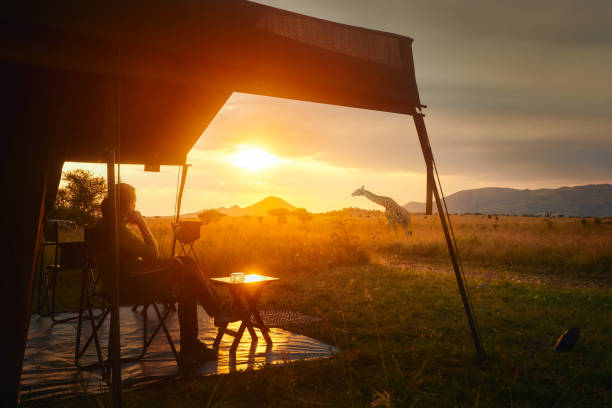
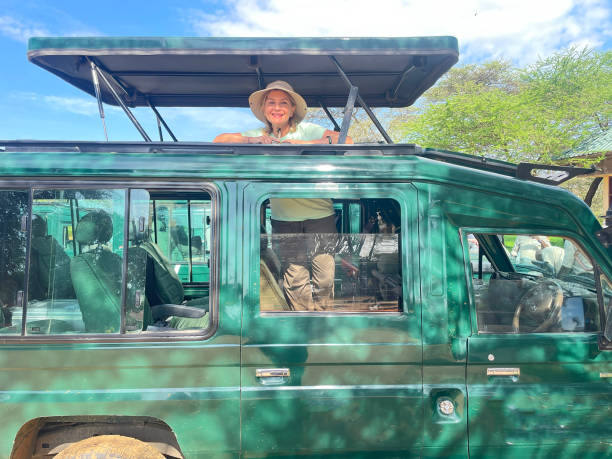
For dedicated wildlife enthusiasts and aspiring conservationists, a 5-day conservation internship — big cats research program offers an unparalleled opportunity to contribute directly to the survival of Africa’s most iconic predators. This intensive program, set against the stunning backdrop of Tanzania’s world-renowned wildlife reserves, provides hands-on experience in vital research activities. It’s more than just a safari; it’s a chance to be part of the solution, working alongside experienced researchers to understand and protect lions, leopards, cheetahs, and other big cat species. Planning such an experience requires careful consideration, from understanding the scientific goals to preparing for the realities of fieldwork. This guide aims to provide all the necessary details for a successful and impactful 5-day conservation internship in Tanzania, covering everything from what to expect in 2026-2027 to how to book your place.
Quick Facts: 5-Day Big Cats Conservation Internship
| Duration | 5 Days / 4 Nights |
| Focus | Big Cats (Lions, Leopards, Cheetahs) Research & Conservation |
| Location | Tanzania (e.g., Serengeti, Ruaha, Selous/Nyerere National Park areas) |
| Activities | Data collection, camera trapping, scat analysis, track identification, wildlife monitoring, community engagement (potential) |
| Accommodation | Field research station, tented camps, or lodges depending on the program |
| Suitability | Individuals aged 18+, passionate about wildlife, physically fit, adaptable, interested in conservation science |
| Best Time to Go | Dry seasons (June-October, January-February) for easier wildlife viewing and research logistics |
| Operator Example | Top Guide Adventures |
Understanding the 5-Day Conservation Internship — Big Cats Research Program
A 5-day conservation internship — big cats research program is designed to offer a concentrated, immersive experience in wildlife research. Unlike a typical tourist safari where observation is the primary goal, this internship involves active participation in scientific projects. The core objective is to gather data that informs conservation strategies, helping to manage populations, mitigate human-wildlife conflict, and protect crucial habitats.
These programs typically operate in areas where big cats are a significant focus for research, often in collaboration with local conservation organizations or national park authorities. The short duration means the focus is on specific, manageable research tasks that can yield meaningful results within the timeframe. Participants aren’t just observers; they are contributing members of a research team.
Why Big Cats Need Our Help
Big cats, including lions, leopards, and cheetahs, are apex predators vital to the health of their ecosystems. However, they face numerous threats:
- Habitat Loss and Fragmentation: As human populations grow, natural habitats shrink, isolating cat populations and reducing prey availability.
- Human-Wildlife Conflict: Retaliatory killings occur when big cats prey on livestock. This is a major driver of population decline.
- Poaching: While often associated with rhinos and elephants, big cats are also targeted for their skins, bones, and other body parts.
- Climate Change: Shifting weather patterns can affect prey distribution and habitat suitability.
- Disease: Increased interaction with domestic animals and dense wildlife populations can spread diseases.
Research is crucial to understanding these threats and developing effective solutions. A 5-day conservation internship allows you to witness these challenges firsthand and contribute to gathering the data needed to address them.
The Role of Research in Big Cat Conservation
Scientific research forms the bedrock of successful conservation efforts. For big cats, this involves a range of methodologies:
- Population Monitoring: Estimating population size, density, and distribution helps track trends and identify areas needing protection. Techniques include camera trapping, scat analysis, and direct observation.
- Movement and Home Range Studies: Understanding how cats move across the landscape, especially in relation to human settlements and protected area boundaries, is key to managing conflict and planning corridors. GPS collaring (usually conducted by experienced researchers) provides invaluable data, but interns might assist in analyzing existing data or setting up camera traps in predicted travel routes.
- Dietary Analysis: Examining scat (feces) reveals what big cats are eating, providing insights into prey availability and the impact of livestock predation.
- Genetic Studies: Analyzing DNA from scat or hair samples can reveal population structure, connectivity, and genetic diversity, crucial for long-term survival.
- Human-Wildlife Conflict Assessment: Documenting incidents, understanding local perceptions, and identifying contributing factors helps develop mitigation strategies.
A 5-day internship will likely focus on one or two of these areas, providing a practical introduction to scientific data collection in the field.
Typical Itinerary for a 5-Day Conservation Internship — Big Cats Research Program
While specific programs vary, a 5-day internship is structured to maximize learning and contribution. Here’s a sample itinerary, demonstrating the intensity and variety of activities.
Sample 5-Day Big Cats Research Internship Itinerary
| Day | Morning Activities | Afternoon Activities | Evening Activities |
|---|---|---|---|
| Day 1: Arrival & Introduction | Arrive at the designated meeting point (e.g., Arusha airport or research base). Meet the research team. Briefing on program objectives, safety protocols, and research ethics. Introduction to the local environment and big cat species. | Field site orientation. Introduction to basic research equipment (GPS, binoculars, camera traps). Short guided walk to identify tracks and signs of wildlife. | Welcome dinner. Discussion on the day’s learning and overview of the week’s plan. |
| Day 2: Data Collection – Camera Trapping & Sign Survey | Travel to designated research zones. Learn how to deploy and retrieve camera traps, ensuring optimal placement for capturing big cat activity. | Conducting transect surveys to identify and record signs of big cat presence (tracks, scat, kill sites). Data recording using field sheets and GPS. | Debrief on data collected. Camera trap data download and initial review (if applicable). Discussion on conservation challenges. |
| Day 3: Field Research – Scat Analysis & Prey Identification | Morning drive to collect fresh scat samples from identified big cat droppings. Learn proper handling and preservation techniques for lab analysis. | Assisting researchers with preliminary scat analysis (e.g., identifying hair and bone fragments under magnification). Identifying potential prey species based on field signs. | Data entry and organization. Presentation on big cat ecology and threats. |
| Day 4: Wildlife Monitoring & Community Insights (Optional) | Early morning game drive focused on observing big cat behavior (if possible) and recording sightings, group sizes, and locations. Practice identifying individuals if possible. | Depending on the program: further data collection, assisting with data entry, or a session focused on understanding human-wildlife conflict from a community perspective (if a community engagement component exists). | Final research data review and discussion. Q&A session with researchers. |
| Day 5: Wrap-up & Departure | Final data compilation and report preparation assistance. Presentation of findings and insights gained during the internship. | Program conclusion. Certificate of participation. Transfer to the airport or next destination. | N/A |
Where Can You Undertake This Internship?
Tanzania offers several prime locations for big cat research due to its vast protected areas and diverse habitats. The choice of location often depends on the specific research focus of the partnering organization.
Key Areas:
- Serengeti National Park: Famous for its immense lion populations and large migratory herds, making it ideal for studying lion ecology and prey dynamics. Cheetahs are also abundant.
- Ruaha National Park: Tanzania’s largest park, known for its large and healthy lion population, as well as significant numbers of cheetahs and leopards. It’s a more remote and wild setting.
- Nyerere National Park (formerly Selous Game Reserve): One of Africa’s largest reserves, offering opportunities to study lions and leopards in a riverine and miombo woodland environment.
- Other Areas: Smaller reserves or conservancies bordering national parks might also host research projects, often focusing on mitigating human-wildlife conflict in buffer zones.
The specific location for your 5-day conservation internship — big cats research program will be determined by the tour operator or conservation partner. It’s important to inquire about the exact research site and the species you’ll be focusing on.
What to Expect: The Reality of Field Research
A conservation internship is an educational and rewarding experience, but it’s crucial to have realistic expectations. Field research is not a luxury holiday.
Daily Life and Work
- Early Starts: Research often begins before dawn to take advantage of cooler temperatures and increased wildlife activity.
- Basic Accommodation: Expect field stations or tented camps that prioritize functionality over luxury. Amenities may be limited (e.g., shared bathrooms, limited electricity, no Wi-Fi).
- Physical Demands: You’ll be spending hours in the field, potentially walking long distances over uneven terrain, carrying equipment, and working in varying weather conditions (heat, dust, occasional rain).
- Data-Intensive Tasks: Much of the work involves meticulous recording of data, careful handling of samples, and learning specific protocols.
- Close to Nature: You will be living and working in wildlife areas. While safety is paramount, you should be prepared for close encounters with wildlife (from a safe distance, guided by experts).
- Teamwork: You’ll be working closely with a small team of researchers and fellow interns. Adaptability and a positive attitude are essential.
Scientific Rigor
The data you collect will be used for scientific purposes. This means accuracy and attention to detail are vital. You’ll be trained on specific methods, and adherence to protocols is expected.
Learning Curve
You’ll be learning new skills, from identifying animal tracks to understanding research methodologies. Be prepared to ask questions and absorb information.
Who is This Internship Best Suited For?
A 5-day conservation internship — big cats research program is ideal for individuals who:
- Are Passionate About Wildlife: A genuine love for animals and a desire to protect them is the primary motivator.
- Seek Hands-On Experience: You want to actively participate in conservation work, not just observe.
- Are Interested in Science: You have a curiosity about ecological research, data collection, and conservation biology.
- Are Adaptable and Resilient: You can handle basic living conditions, unpredictable weather, and physically demanding tasks.
- Are Team Players: You can work effectively and harmoniously with a diverse group of people.
- Are Looking for a Short, Impactful Experience: You have limited time but want to make a meaningful contribution to conservation.
- Are Students or Young Professionals: This can be an excellent way to gain practical experience for a career in wildlife biology, conservation, or environmental science.
This program is generally not suitable for those seeking a luxury safari experience, individuals with significant mobility issues, or those who are uncomfortable with basic living conditions and close proximity to nature.
Preparation and Packing Essentials
Proper preparation is key to a successful and comfortable internship. The environment in Tanzania’s wildlife areas can be challenging.
Essential Packing List for Your Internship
- Clothing:
- Lightweight, breathable long-sleeved shirts and trousers (neutral colors like khaki, beige, green – avoid bright colors and dark blue/black which attract tsetse flies).
- Warm fleece or jacket for cool mornings and evenings.
- Waterproof and windproof jacket.
- Comfortable walking boots (broken in).
- Sandals or comfortable shoes for around the camp/station.
- Socks (plenty of pairs, moisture-wicking).
- Hat with a wide brim for sun protection.
- Pajamas or comfortable sleepwear.
- Gear:
- Backpack (day pack) for carrying essentials during field activities.
- Reusable water bottle.
- Headlamp or flashlight with extra batteries.
- Binoculars (highly recommended for wildlife viewing).
- Camera and extra batteries/memory cards (optional, but useful for personal documentation).
- Notebook and pens/pencils for field notes.
- Small personal first-aid kit (band-aids, antiseptic wipes, pain relievers, personal medication).
- Sunscreen (high SPF).
- Insect repellent (containing DEET or Picaridin).
- Sunglasses.
- Small towel (quick-drying).
- Documents & Money:
- Passport (with at least 6 months validity) and visa (if required).
- Copies of passport, visa, and flight details (stored separately).
- Travel insurance details.
- Emergency contact information.
- Cash (USD is widely accepted for tips and personal expenses; local currency for smaller purchases).
- Toiletries:
- Biodegradable soap and shampoo.
- Toothbrush and toothpaste.
- Hand sanitizer.
- Any personal hygiene items.
Note: Some specialized gear like binoculars or cameras might be provided by the research team, but it’s best to confirm this beforehand. Always pack light but smart.
Health and Safety
- Vaccinations: Consult your doctor or a travel clinic well in advance (ideally 6-8 weeks before travel) regarding recommended vaccinations for Tanzania (e.g., Yellow Fever, Hepatitis A & B, Typhoid, Tetanus).
- Malaria Prevention: Tanzania is a malaria-endemic country. Discuss appropriate antimalarial medication with your doctor.
- Water: Drink only bottled or purified water. Avoid ice in drinks unless you are sure it’s made from purified water.
- Sun Protection: The African sun is intense. Use sunscreen, wear a hat, and stay hydrated.
- Wildlife Safety: Always follow the instructions of your guides and researchers. Never approach wildlife, especially big cats. Maintain a safe distance.
- Communication: Mobile phone reception can be very limited or non-existent in field locations. Inform family and friends of this.
Common Mistakes to Avoid
To ensure your internship is productive and enjoyable, be aware of potential pitfalls:
- Having Unrealistic Expectations: Assuming it will be a luxury safari. It’s fieldwork.
- Poor Preparation: Forgetting essential items like appropriate clothing, medication, or insect repellent.
- Ignoring Safety Briefings: Not taking safety protocols seriously can lead to dangerous situations.
- Not Being Adaptable: Resisting changes in schedule or accommodation due to unforeseen circumstances (weather, vehicle issues).
- Lack of Respect: Disrespecting the local culture, the research team, or the environment.
- Poor Data Handling: Not following protocols for data collection or sample storage, which can compromise scientific integrity.
- Not Engaging with the Team: Being withdrawn can limit your learning experience and hinder teamwork.
The Importance of Choosing the Right Operator
Selecting a reputable tour operator is paramount for a 5-day conservation internship — big cats research program. Your operator is responsible for logistics, safety, and often the partnership with the research institution.
Look for operators who:
- Have Experience in Tanzania: Deep knowledge of the country, its parks, and its conservation landscape.
- Partner with Reputable Research Organizations: Ensure the internship is scientifically sound and contributes genuinely to conservation efforts.
- Provide Clear Itineraries and Expectations: Transparency about daily activities, accommodation, and what is included.
- Prioritize Safety: Robust safety protocols and experienced guides.
- Offer Support: Available to answer your questions before and during the trip.
- Have Positive Reviews/Testimonials: Feedback from previous participants.
Top Guide Adventures is a Tanzanian-based tour operator with extensive experience in crafting unique wildlife and conservation experiences. They understand the intricacies of operating in remote areas and work closely with local conservation partners to ensure impactful internships.
Cost Considerations for a 5-Day Internship
The cost of a 5-day conservation internship can vary significantly based on several factors:
- Inclusions: What is covered – accommodation, meals, research equipment, park fees, transportation within Tanzania, guide fees, research project fees, and potential donations to conservation efforts.
- Accommodation Standard: Field station vs. comfortable lodge.
- Location: Remote locations might incur higher transport costs.
- Operator’s Margin and Overhead: Reputable operators invest in safety, training, and fair wages.
- Program Fees: Some programs include a direct contribution to the research project.
While exact prices fluctuate, expect that such an internship will be more expensive than a standard budget safari due to the specialized nature, research support, and often remote logistics involved. It’s an investment in both your education and conservation.
Factors to inquire about:
- What park entrance fees are included?
- Are all meals provided? What is the meal quality like?
- What is the accommodation type and standard?
- Are research materials and equipment provided?
- What is the transportation method?
- Are there any hidden costs or mandatory tips?
- Does a portion of the fee go directly to conservation efforts?
Seasonality: Best Time for Your Internship (2026-2027)
The timing of your 5-day conservation internship — big cats research program significantly impacts wildlife viewing and research conditions.
Tanzania Seasons and Their Impact on Big Cats Research
| Season | Months | Pros for Internship | Cons for Internship |
|---|---|---|---|
| Dry Season (Peak) | June – October | Easier wildlife spotting as animals congregate around water sources. Vegetation is less dense, improving visibility and trackability. Generally pleasant weather, though can be cool in mornings/evenings. Ideal for camera trap retrieval and sign surveys. | Can be dusty. Higher tourist numbers in popular parks. Some water sources may be scarce, impacting animal distribution unpredictability. |
| Short Rains | November – December | Green landscapes emerge. Wildlife may disperse slightly. Fewer tourists. Potential for interesting observations as animals adapt to changing conditions. | Can be unpredictable weather; short, sharp showers. Vegetation starts to thicken, potentially making tracking harder. |
| Long Rains (Green Season) | March – May | Lush scenery. Excellent for birdwatching. Lower tourist numbers. Animal births may occur, leading to increased predator activity. | Heavy rainfall can disrupt fieldwork and make roads impassable. Vegetation is very dense, significantly hindering track identification and visibility. Lower chances of seeing big cats easily. |
| Dry/Hot Season (Pre-Rain) | January – February | Often considered part of the dry season, with good wildlife viewing. Can be very hot. Ideal for various research activities before the main rains. | Can be extremely hot, making fieldwork physically demanding. |
For a 5-day conservation internship focused on big cats research, the dry seasons (June-October and January-February) are generally preferred for optimal fieldwork conditions and wildlife visibility. Planning for 2026 or 2027 during these periods is advisable.
Planning Your 2026-2027 Internship Trip
Booking a specialized program like this requires advance planning, especially for 2026-2027 when demand for unique travel experiences continues to grow.
Key Planning Steps for 2026-2027 Bookings
- Research Operators: Identify reputable tour operators specializing in conservation experiences and big cat research in Tanzania. Look for those with strong partnerships with conservation bodies.
- Inquire About Specific Programs: Contact operators like Top Guide Adventures to ask about available 5-day internship dates and research focuses for 2026-2027.
- Confirm Details: Understand exactly what the internship entails, the research objectives, the daily schedule, accommodation, inclusions, and exclusions.
- Book in Advance: These specialized programs often have limited spots. For 2026-2027, booking at least 6-12 months ahead is recommended.
- Arrange Flights: Book international flights to Kilimanjaro International Airport (JRO) or potentially Nairobi (NBO) with onward travel to Tanzania.
- Secure Travel Insurance: Ensure your policy covers medical emergencies, evacuation, and trip cancellation, especially for remote fieldwork.
- Health Preparations: Schedule appointments with your doctor or travel clinic for necessary vaccinations and malaria prophylaxis. Start this process early.
- Visa Requirements: Check current visa regulations for Tanzania for your nationality and apply if necessary.
- Financial Planning: Budget for the internship fee, flights, travel insurance, personal expenses, and any necessary gear.
- Pack Appropriately: Use the packing list provided and ensure you have everything before you leave.
Alternatives to a 5-Day Internship
If a 5-day intensive internship doesn’t fit your schedule or preferences, consider these alternatives:
- Longer Conservation Projects: Many organizations offer 1-week, 2-week, or even longer volunteer programs that provide deeper immersion into research and conservation work.
- Citizen Science Safaris: Some standard safaris incorporate elements of citizen science, where tourists can help record sightings or contribute to specific data collection efforts under guidance.
- Research Station Visits: Some research centers might offer educational tours or short visits, though these are typically observational rather than participatory.
- Specialized Wildlife Photography Tours: While not research-focused, these tours often go to remote areas and offer excellent opportunities to observe and photograph big cats with expert guides.
The 5-day format is unique for its concentrated impact and introduction to scientific fieldwork within a limited timeframe.
Booking Advice: Securing Your Spot
When you are ready to book your 5-day conservation internship — big cats research program, follow these steps:
- Contact Top Guide Adventures: Reach out via WhatsApp (+255616946642) or email (topguideadventures@gmail.com, info@topguideadventures.com) to express your interest.
- Discuss Availability: Confirm the exact dates for the 5-day internship programs in 2026 or 2027 that align with your travel plans.
- Request Detailed Program Information: Ask for a comprehensive itinerary, research objectives, team leader qualifications, accommodation details, and a full list of inclusions/exclusions.
- Clarify Costs: Understand the total cost and what it covers. Ask about payment schedules and deposit requirements.
- Confirm Safety Protocols: Ensure the operator has robust safety measures in place for fieldwork in wildlife areas.
- Ask About Group Size: Smaller groups generally mean more personalized attention and better research contribution opportunities.
- Read Terms and Conditions: Familiarize yourself with cancellation policies and booking terms.
- Make Your Deposit: Once satisfied, proceed with the deposit to secure your place.
Booking early is highly recommended, especially for specific dates in 2026 and 2027, as these unique conservation opportunities fill up quickly.
Frequently Asked Questions (FAQs)
Your Questions Answered About Big Cat Internships
Q1: Is a 5-day conservation internship enough time to make a real contribution?
A1: While 5 days is short, it’s designed for focused data collection on specific tasks. Your contribution, alongside other interns, provides valuable data points that researchers use. It’s an introduction to fieldwork and a tangible way to support ongoing projects.
Q2: What level of fitness is required for the internship?
A2: A moderate level of fitness is required. You should be able to walk for several hours over uneven terrain, cope with heat, and carry a daypack. If you have specific health concerns, discuss them with the operator beforehand.
Q3: Will I be in danger from big cats?
A3: Safety is the top priority. You will always be accompanied by experienced researchers or guides. Strict protocols are followed to maintain a safe distance from wildlife. The goal is observation and data collection, not interaction.
Q4: What if I have no prior research experience?
A4: These programs are designed for individuals passionate about conservation, often with little to no prior experience. You will receive thorough training on all research methods and protocols from the experienced field team.
Q5: What kind of accommodation can I expect for a 5-day internship?
A5: Accommodation is typically at a field research station or a comfortable tented camp. Expect functional, clean facilities, possibly shared bathrooms, and limited amenities. It is focused on practicality for fieldwork.
Q6: Can I choose which big cat species I work with?
A6: The focus species often depend on the specific research project active during your internship period and location. While you’ll likely encounter multiple species, the primary research might be concentrated on lions, leopards, or cheetahs based on the project’s needs.
Q7: What is the best time to book for 2026 or 2027?
A7: For the best weather and wildlife viewing conditions conducive to fieldwork, booking for the dry seasons (June-October or January-February) in 2026 or 2027 is recommended. Early booking, 6-12 months in advance, is advised due to limited spots.
Q8: Are there any age restrictions for the internship?
A8: Generally, participants must be 18 years or older to participate in fieldwork and sign waivers. Some programs might have upper age limits based on physical demands, so it’s best to confirm with the operator.
Q9: What happens to the data I help collect?
A9: The data you collect is integrated into the ongoing research projects. It contributes to scientific publications, conservation management plans, and helps inform policy decisions for protecting big cat populations and their habitats.
Q10: How much spending money should I bring?
A10: This depends on your personal spending habits. You’ll need money for tips, souvenirs, and any personal snacks or drinks not included. USD is widely accepted, but having some Tanzanian Shillings is also useful.
Contribute to Big Cat Conservation in Tanzania
A 5-day conservation internship — big cats research program is an extraordinary way to connect with Tanzania’s wildlife on a deeper level. It offers a unique blend of adventure, education, and meaningful contribution to the survival of iconic species. By participating, you gain invaluable insights into conservation science and the challenges faced by big cats, while actively supporting vital research efforts.
If you are ready to take the next step and contribute to the future of big cat conservation in Tanzania, contact us today. Let Top Guide Adventures help you plan an impactful and unforgettable experience for 2026-2027.
WhatsApp: +255616946642
Email: topguideadventures@gmail.com / info@topguideadventures.com
Plan your 5-Day Conservation Internship — Big Cats Research Program with Top Guide Adventures
Tell us your travel dates, group size, comfort level, and dream experience. We will help you shape a clear, realistic, and memorable Tanzania itinerary.







 Veedesigner
 Fatma Kizanga
 Benjamin Waryuba
 Philip Philip
 John jr Itaja
 Antonia Optatus
 Edith Kanyere
 Neema Iddy
 Kelvin Boniphace
 Damari Maiga



