
Updated planning guide for 2026-2027
6-Day Mountain Biking Safari — Rift Valley Trails: Best Guide 2026-2027
Experience the thrill of a 6-Day Mountain Biking Safari through Tanzania's majestic Rift Valley. This comprehensive guide offers everything you need to plan an unforgettable adventure, from choosing the best trails to packing essentials and booking your tour.
WhatsApp +255616946642 | topguideadventures@gmail.com | info@topguideadventures.com
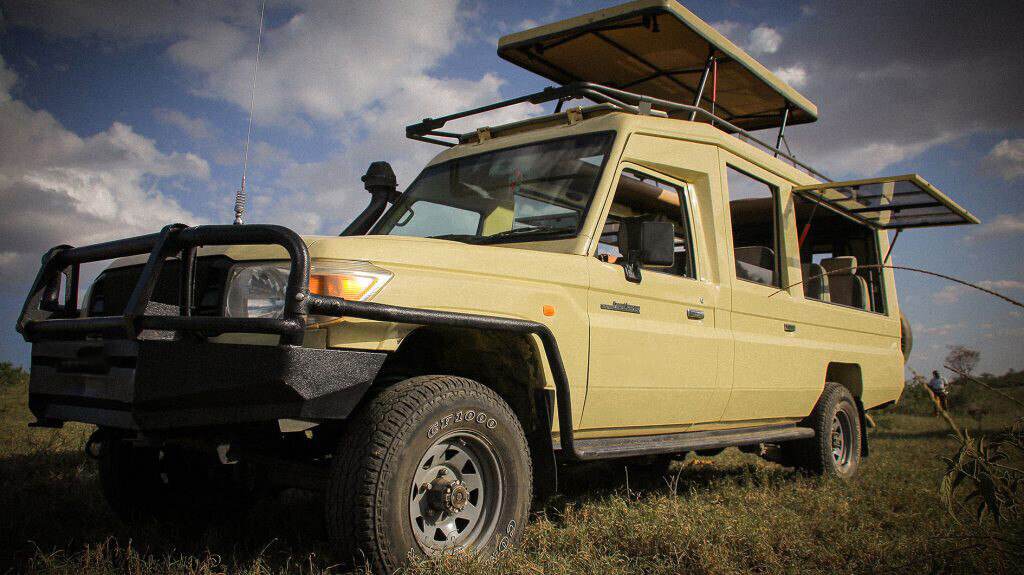
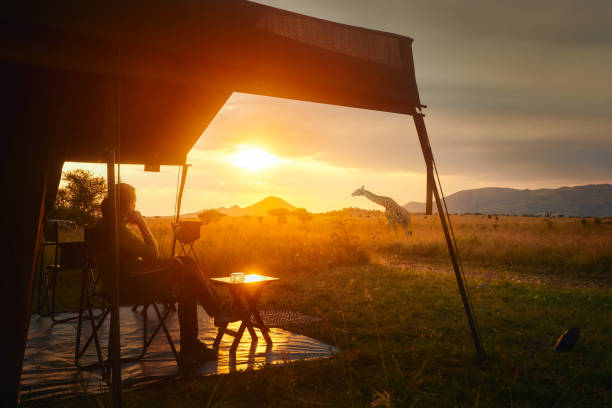
Your Ultimate 6-Day Mountain Biking Safari in Tanzania’s Rift Valley
Imagine yourself navigating dusty tracks, surrounded by dramatic escarpments and vast savannahs, the wind in your hair and the thrill of discovery in your heart. A 6-Day Mountain Biking Safari through Tanzania’s Rift Valley offers an unparalleled way to connect with the raw beauty and wild spirit of East Africa. This isn’t just a bike tour; it’s an immersive journey into a landscape shaped by geological forces and teeming with life, providing a unique perspective away from the typical safari vehicle.
This guide is designed to provide you with everything you need to know for planning your adventure. Whether you’re an experienced cyclist looking for a new challenge or an adventurous traveler eager to explore Tanzania from a different angle, we’ll cover the routes, preparation, what to expect, and how to book the perfect 6-Day Mountain Biking Safari in the Rift Valley. We’ll help you prepare for 2026 and 2027 adventures with confidence.
Quick Answer: What is a 6-Day Mountain Biking Safari in the Rift Valley?
A 6-Day Mountain Biking Safari in the Rift Valley is a multi-day cycling tour focused on exploring the unique geological features, diverse ecosystems, and cultural landscapes of Tanzania’s Great Rift Valley using mountain bikes. It combines the physical challenge of cycling with the adventure of safari, often including wildlife viewing opportunities, interactions with local communities, and exploration of remote areas that are less accessible by vehicle.
Quick Facts: 6-Day Rift Valley Mountain Biking Safari
| Duration | 6 Days / 5 Nights |
| Primary Activity | Mountain Biking |
| Location | Tanzania’s Great Rift Valley (various sectors, e.g., Lake Manyara region, Ngorongoro Conservation Area periphery, or specific Maasai lands) |
| Best Time to Travel | June to October (dry season), January to February (short rains) |
| Difficulty Level | Moderate to Challenging (depends on specific routes and daily distances) |
| Accommodation | Mix of tented camps, lodges, and sometimes basic campsites |
| Wildlife Viewing Potential | High, especially in areas bordering national parks and conservation areas. Includes plains game, birds, and potential for larger predators from a safe distance. |
| Cultural Interaction | Opportunities to visit Maasai villages and local communities. |
The Allure of the Rift Valley for Mountain Biking
Tanzania’s Great Rift Valley is a spectacular geological marvel, a vast trench stretching for thousands of kilometers across Africa. Its dramatic landscapes, characterized by towering escarpments, volcanic craters, alkaline lakes, and expansive plains, provide an extraordinary backdrop for a mountain biking adventure. Unlike traditional safaris that focus on game drives, a biking safari allows for a more intimate and active engagement with this environment.
The appeal lies in several key factors:
- Unspoiled Scenery: You’ll pedal through areas of breathtaking natural beauty, often far from the usual tourist paths. Think rolling hills, acacia-dotted plains, and stunning vistas of the valley floor.
- Proximity to Wildlife: While not a primary focus like a dedicated game drive, you are often cycling through areas where wildlife is present. Expect to see zebras, wildebeest, gazelles, giraffes, and a rich variety of birdlife. While dangerous game is usually avoided on the direct cycling routes, the possibility of sightings adds an element of excitement.
- Cultural Immersion: The Rift Valley is home to various ethnic groups, including the iconic Maasai people. A biking safari provides excellent opportunities to visit local villages, learn about their traditions, and witness their way of life firsthand.
- Physical Challenge and Reward: The varied terrain offers a good physical workout. The sense of accomplishment after a day of cycling, reaching a scenic viewpoint or a remote camp, is immensely rewarding.
- Unique Perspective: Cycling allows you to experience the sounds, smells, and textures of the landscape in a way that’s impossible from inside a vehicle. You notice the smaller details – the tracks in the dust, the calls of unseen birds, the scent of wild herbs.
Why Choose a 6-Day Mountain Biking Safari?
A 6-day itinerary strikes a perfect balance. It’s long enough to truly immerse yourself in the Rift Valley’s wonders, cover significant ground, and experience a range of terrains and environments, but it’s also manageable for those with limited vacation time. This duration allows for a well-paced journey, incorporating challenging rides, rest periods, cultural visits, and opportunities for relaxation and wildlife observation.
It’s an ideal option for:
- Travelers seeking an active and adventurous safari experience.
- Cyclists who want to combine their passion with an exotic destination.
- Those looking for a more intimate and off-the-beaten-path exploration of Tanzania.
- Adventurers who appreciate the blend of physical activity, natural beauty, and cultural encounters.
Potential Regions for a Rift Valley Biking Safari
| Region/Area | Key Features | Biking Terrain | Wildlife Potential |
| Lake Manyara National Park Periphery | Escarpment views, alkaline lake shores, acacia woodlands. | Dusty tracks, rolling hills, some sandy sections. | Flamingos (seasonal), various plains game, tree-climbing lions (rarely seen from bikes). |
| Ngorongoro Conservation Area (NCA) Outskirts | Volcanic landscapes, vast grasslands, Maasai communities. | Undulating trails, gravel roads, some steeper climbs/descents. | Wildebeest, zebras, gazelles, Maasai cattle herds. (Note: Direct access to the crater floor is restricted for biking). |
| Hanang Region | Mount Hanang, fertile agricultural lands, local villages. | Mix of dirt roads, single tracks, and some paved sections. Can be more challenging with elevation gains. | Less dense wildlife, more focus on flora and local life. |
| Mto wa Mbu Area | Chagga and other tribal communities, banana plantations, local markets. | Gentle tracks, agricultural paths, some scenic viewpoints. | Primarily birdlife and smaller mammals; focus on cultural aspects. |
Best Time to Plan Your 6-Day Mountain Biking Safari (2026-2027)
Choosing the right time of year is crucial for a comfortable and enjoyable biking experience. Tanzania’s climate is generally tropical, with distinct wet and dry seasons. For mountain biking, the dry seasons are generally preferred.
- June to October: The Long Dry Season
This is widely considered the prime time for a biking safari. The weather is typically sunny and dry, with lower humidity. Temperatures are pleasant, especially at higher altitudes. The landscape is drier, meaning fewer muddy trails. This is also the peak season for general tourism, so expect more visitors. The vegetation is less dense, offering better visibility for wildlife. - November to December: The Short Rains
These months can be unpredictable. You might experience short, sharp showers, often in the afternoon. The landscape becomes greener, which can be beautiful. Trails can become muddy and slippery in places. It’s a shoulder season, so there might be fewer tourists and potentially better rates. - January to February: The Short Dry Season
This period offers another good window for biking. It’s generally warm and dry, though humidity can be higher than in the long dry season. It’s a popular time for wildlife, particularly for the calving season of wildebeest in the Serengeti (though this is usually away from the typical Rift Valley biking routes). - March to May: The Long Rains
This is the wettest period. Heavy and prolonged rainfall is common, making biking difficult and potentially dangerous due to muddy, washed-out tracks and reduced visibility. Many lodges and camps may have lower occupancy and offer reduced rates, but it’s generally not the ideal time for this specific type of adventure.
For 2026-2027: Aim for the dry months between June and October for the most predictable and comfortable conditions. If you prefer fewer crowds and don’t mind the possibility of occasional rain showers, January-February or parts of November can also be good choices.
Sample 6-Day Mountain Biking Safari Itinerary: Rift Valley Trails
This is a sample itinerary, and actual routes and timings can be customized based on your fitness level, interests, and the specific region chosen. This example focuses on the areas around Lake Manyara and the Ngorongoro Conservation Area periphery, offering a mix of terrain and wildlife potential.
Day 1: Arrival in Arusha & Preparation
- Arrive at Kilimanjaro International Airport (JRO) or Arusha Airport (ARK).
- Transfer to your hotel in Arusha.
- Meet your guide and support team for a detailed briefing on the upcoming 6-Day Mountain Biking Safari.
- Bike fitting and any necessary adjustments.
- Familiarization ride on local trails around Arusha to test equipment and get a feel for the riding conditions.
- Overnight in Arusha.
Day 2: Arusha to Mto wa Mbu & Lake Manyara Escarpment
- After breakfast, drive to the Mto wa Mbu area, a vibrant agricultural hub.
- Begin cycling, heading towards the foothills of the Great Rift Valley escarpment.
- The route involves a mix of dirt tracks and scenic paths, offering glimpses of local life and agricultural practices.
- Ascend gradually towards the escarpment rim, enjoying panoramic views.
- Possible visit to a local banana plantation or a small village.
- Descend carefully to your accommodation near the Lake Manyara National Park boundary or in Mto wa Mbu.
- Daily Distance: Approx. 30-40 km.
- Terrain: Mixed dirt roads, agricultural paths, some inclines.
- Accommodation: Tented camp or lodge.
Day 3: Lake Manyara Escarpment Exploration & Wildlife Viewing
- Today’s ride focuses on exploring the diverse terrain along the escarpment.
- You’ll cycle on tracks with stunning views overlooking Lake Manyara.
- Opportunities for wildlife spotting in the acacia woodlands – expect baboons, various antelope species, and numerous birds.
- The ride might include some challenging climbs and descents, testing your mountain biking skills.
- Lunch will be a picnic stop amidst nature.
- In the late afternoon, you might opt for a short, guided walking safari in a permitted area or a scenic drive near the lake for more concentrated wildlife viewing (optional, depending on tour package).
- Return to your accommodation.
- Daily Distance: Approx. 40-50 km.
- Terrain: Undulating dirt tracks, rocky sections, sandy patches, steep descents.
- Accommodation: Tented camp or lodge.
Day 4: Towards the Ngorongoro Conservation Area Periphery & Maasai Lands
- After breakfast, pack up and begin cycling northwards, heading towards the wider plains that border the Ngorongoro Conservation Area (NCA).
- The landscape opens up into vast grasslands, dotted with acacia trees and Maasai bomas (homesteads).
- This section offers a fantastic opportunity for cultural interaction. Your guide will facilitate a respectful visit to a Maasai village, where you can learn about their traditional lifestyle, social structure, and customs.
- The cycling is generally on wide dirt roads and tracks, with some rolling hills.
- Keep an eye out for herds of zebras, wildebeest, and gazelles grazing in the distance.
- Arrive at your camp or lodge situated in a scenic location on the NCA periphery.
- Daily Distance: Approx. 45-55 km.
- Terrain: Mostly wide dirt roads, some gravel, rolling hills.
- Accommodation: Tented camp or lodge.
Day 5: Rift Valley Plains & Scenic Vistas
- Today is dedicated to exploring the expansive plains and dramatic topography of the Rift Valley’s outer edges.
- The route can be tailored to your preference, perhaps heading towards areas with unique geological formations or offering spectacular viewpoints.
- You might cycle through corridors where wildlife roams freely, always maintaining a safe distance and respecting animal behavior.
- The terrain can vary, offering opportunities for faster riding on flatter sections and more technical challenges on rocky or undulating paths.
- Enjoy a final evening under the vast African sky, perhaps with a campfire and reflections on your biking adventure.
- Daily Distance: Approx. 40-50 km.
- Terrain: Varied – open plains, dirt tracks, rocky paths, potential for moderate climbs.
- Accommodation: Tented camp or lodge.
Day 6: Final Ride & Departure
- Enjoy a final, shorter morning ride, perhaps exploring a different local trail or revisiting a favorite scenic spot.
- After the ride, return to your accommodation for a well-deserved brunch.
- Transfer back to Arusha or directly to Kilimanjaro International Airport (JRO) for your onward journey, filled with memories of your 6-Day Mountain Biking Safari.
- Daily Distance: Approx. 15-20 km (optional).
What to Expect on Your 6-Day Rift Valley Biking Safari
This adventure is designed to be physically engaging and culturally enriching. Here’s a breakdown of what you can anticipate:
The Cycling Experience:
- Terrain: Expect a mix of surfaces. This includes dusty dirt tracks, gravel roads, sandy patches, rocky sections, and potentially some muddier areas if it has rained recently. There will be ascents and descents, varying in steepness and length.
- Daily Distances: Typically range from 30 to 55 kilometers per day. This is manageable for most reasonably fit individuals, but the pace will be dictated by the terrain and any stops for sightseeing or cultural visits.
- Pace: The pace is usually moderate, allowing for enjoyment of the scenery and wildlife. It’s not a race. Your support vehicle will be available for those who need a break or wish to skip a section.
- Support Vehicle: A crucial element of any multi-day biking safari. The vehicle carries your luggage, extra water, snacks, spare parts, and provides transport for riders who need a rest. It also serves as a mobile base for lunch stops.
- Guides: You will be accompanied by experienced local guides who know the routes, understand the local culture, and are trained in first aid. They ensure your safety and enhance your experience.
Wildlife Encounters:
While not a primary game-drive safari, you are cycling through areas where wildlife is present. Common sightings include:
- Plains Game: Zebras, wildebeest, various species of gazelles (Thomson’s, Grant’s), impalas, hartebeest.
- Large Mammals: Giraffes are often seen browsing on acacia trees. Elephants and buffalos are less common on the direct biking routes but can be seen in areas bordering parks.
- Predators: Lions, leopards, cheetahs are present in the wider ecosystem but are rarely encountered on cycling routes due to the noise and speed of bikes. Your guides will ensure you maintain a safe distance from any potential sightings.
- Birds: The Rift Valley is a birdwatcher’s paradise. Expect to see ostriches, secretary birds, various raptors, guinea fowl, and numerous smaller species.
Important Note: Safety is paramount. Guides will always prioritize avoiding dangerous wildlife encounters and will choose routes that minimize risks. You will never be put in a situation where your safety is compromised.
Cultural Immersion:
Tanzania’s Rift Valley is home to vibrant communities. Your tour will likely include opportunities to:
- Visit traditional Maasai villages (bomas).
- Interact with local people, learn about their daily lives, customs, and traditions.
- Understand the relationship between pastoralist communities and the wildlife in their environment.
- Purchase local handicrafts if you wish.
These interactions are facilitated respectfully, ensuring they are a positive experience for both visitors and the communities visited.
Accommodation:
Expect a mix of comfortable and unique accommodations:
- Tented Camps: Often comfortable safari tents with proper beds, en-suite bathrooms (sometimes shared), and a central dining area. These offer a close-to-nature experience.
- Lodges: More permanent structures offering private rooms, often with amenities like swimming pools or restaurants.
- Campsites: In more remote areas, you might stay in basic campsites where tents are set up, and meals are prepared by your support crew.
Preparation and Packing for Your 6-Day Mountain Biking Safari
Proper preparation is key to a successful and enjoyable biking safari. This involves physical fitness, mental readiness, and the right gear.
Physical Fitness:
While you don’t need to be a professional athlete, a good level of general fitness is recommended. Aim to:
- Cycle regularly in the months leading up to your trip.
- Include some hill training to prepare for ascents.
- Engage in other cardiovascular activities like running or hiking.
- Focus on building endurance rather than just speed.
Packing List:
Pack light but smart. Your main luggage will be transported by the support vehicle. Remember that luggage space in vehicles can be limited, so duffel bags are often preferred over hard suitcases.
Essential Gear & Clothing:
- Cycling Apparel:
- Padded cycling shorts (2-3 pairs)
- Moisture-wicking jerseys (3-4)
- Cycling gloves (full finger recommended for protection)
- Cycling shoes (comfortable for walking short distances)
- Helmet (mandatory, bring your own if you prefer)
- Cycling socks (several pairs)
- Lightweight cycling jacket or windbreaker
- Arm warmers/leg warmers (optional, for cooler mornings)
- On-Bike Essentials:
- Water bottles or hydration pack (CamelBak)
- Small cycling backpack or saddle bag for essentials (sunscreen, camera, snacks)
- Sunglasses (essential)
- Sunscreen (high SPF)
- Lip balm with SPF
- Insect repellent (with DEET)
- Basic first-aid kit (personal medications, blister treatment, pain relievers)
- Camera and spare batteries/memory cards
- Off-Bike Clothing:
- Comfortable t-shirts and shorts
- Long-sleeved shirts and trousers (for evenings, sun protection, and mosquito protection)
- Warm fleece or sweater (evenings can be cool)
- Comfortable walking shoes or sandals
- Swimsuit (if accommodation has a pool)
- Toiletries:
- Personal toiletries (biodegradable if possible)
- Hand sanitizer
- Quick-dry towel
- Documents & Money:
- Passport and visa (if required)
- Yellow fever vaccination certificate (if required)
- Travel insurance details
- Cash (USD is widely accepted for tips and souvenirs, local currency for small purchases)
- Credit/debit cards (for emergencies)
- Miscellaneous:
- Headlamp or small flashlight
- Binoculars (optional, for wildlife viewing)
- Book or e-reader
- Power bank for charging devices
Bike and Equipment Considerations:
- Your Bike: If you’re bringing your own, ensure it’s a well-maintained mountain bike suitable for varied terrain. Hardtail or full-suspension bikes are both viable. Ensure it’s serviced before you travel.
- Rental Bikes: Most tour operators provide high-quality, well-maintained mountain bikes for rent. This is often the most convenient option, as they will be familiar with the local conditions and have spare parts. Confirm bike type, size, and included accessories (e.g., pedals) when booking.
- Tools and Spares: Your tour operator will provide a comprehensive tool kit and spare parts. However, it’s wise to bring a few personal essentials like spare tubes, a patch kit, and a tire lever.
Common Mistakes to Avoid
To ensure your 6-Day Mountain Biking Safari is a success, be aware of these common pitfalls:
- Underestimating the Fitness Requirements: Don’t assume it will be easy. Even moderate distances can be challenging with heat, dust, and varied terrain. Train adequately.
- Inadequate Hydration: Dehydration is a serious risk in the African climate. Drink more water than you think you need, and supplement with electrolyte drinks.
- Poor Sun Protection: The equatorial sun is intense. Always wear sunscreen, a hat, sunglasses, and consider long sleeves, even if it feels warm.
- Bringing the Wrong Gear: Avoid cotton clothing, which retains moisture. Pack breathable, moisture-wicking fabrics. Ensure your cycling shorts are well-padded.
- Not Packing Enough Snacks: While your support vehicle will carry food, having your own favorite energy bars or gels can be a lifesaver on longer stretches.
- Ignoring Wildlife Safety Rules: Always follow your guide’s instructions regarding wildlife. Maintain distance, don’t feed animals, and never approach them.
- Cultural Insensitivity: When visiting villages, be respectful. Ask permission before taking photos of people. Dress modestly. Your guide will advise on local customs.
- Not Informing Your Operator of Dietary Needs: If you have allergies or specific dietary requirements, inform your tour operator well in advance.
- Over-packing: Remember that luggage space is limited. Stick to essentials.
Who is a 6-Day Mountain Biking Safari Best Suited For?
This type of adventure appeals to a specific type of traveler:
- The Active Adventurer: Individuals who enjoy physical challenges and want to explore their destination actively.
- The Eco-Conscious Traveler: Biking has a lower environmental impact than vehicle-based safaris, allowing for a more sustainable way to experience nature.
- The Curious Explorer: Those who want to get off the beaten path and experience Tanzania beyond the typical tourist circuits.
- The Cycling Enthusiast: Cyclists looking for a unique destination to test their skills and explore new terrains.
- Couples and Small Groups: It’s a fantastic activity for couples or friends traveling together who share a passion for adventure and the outdoors.
It may NOT be ideal for:
- Travelers seeking a purely relaxed, passive holiday.
- Those with significant physical limitations or who are not comfortable with strenuous activity.
- Families with very young children (though some operators might offer family-friendly variations with shorter distances or e-bikes).
- Travelers who are primarily focused on seeing the ‘Big Five’ in dense numbers, as this itinerary prioritizes the biking and landscape experience.
Alternatives to a 6-Day Rift Valley Biking Safari
If a multi-day biking safari isn’t quite what you’re looking for, Tanzania offers many other incredible adventures:
Comparing Adventure Styles in Tanzania
| Adventure Type | Focus | Physical Demand | Wildlife Viewing | Cultural Immersion | Best For |
| 6-Day Mountain Biking Safari (Rift Valley) | Active exploration, landscapes, unique perspectives, some wildlife & culture. | Moderate to High | Good (plains game, birds) | High (Maasai villages) | Active travelers, cyclists, eco-tourists. |
| Classic Tanzania Safari (e.g., Northern Circuit) | Wildlife viewing (Big Five), iconic parks (Serengeti, Ngorongoro). | Low (mostly in vehicles) | Very High | Moderate (village visits possible) | Wildlife enthusiasts, first-time safari-goers. |
| Mount Kilimanjaro Trek | High-altitude mountaineering, summiting Africa’s highest peak. | Very High (sustained effort) | Minimal (wildlife on lower slopes) | Low (local porters) | Trekking enthusiasts, challenge seekers. |
| Walking Safari (e.g., Ruaha, Selous) | Experiencing wilderness on foot, close encounters with nature. | Moderate to High (walking) | High (especially large mammals) | Moderate (depending on location) | Nature lovers, those seeking a primal experience. |
| Zanzibar Beach Holiday / Spice Tours | Relaxation, beaches, history, culture, spices. | Low to Moderate (walking tours) | Minimal (marine life if snorkeling) | High (Stone Town, spice farms) | Relaxation seekers, history buffs, couples. |
Planning Your 2026-2027 Trip: Key Considerations
Booking your 6-Day Mountain Biking Safari for 2026 or 2027 requires some planning to secure the best experience. Here are some tips:
- Book in Advance: Especially if you plan to travel during peak seasons (June-October), booking 6-12 months ahead is advisable. This secures your preferred dates, accommodation, and ensures availability of guides and bikes.
- Choose the Right Operator: Look for reputable tour operators with extensive experience in organizing biking safaris in Tanzania. Check reviews, ask for references, and ensure they have qualified guides and well-maintained equipment.
- Customization: Discuss your fitness level, interests, and any specific requirements with the operator. A good operator will tailor the itinerary to suit you.
- Inclusions and Exclusions: Clearly understand what is included in your tour package (e.g., bikes, guides, support vehicle, accommodation, meals, park fees, cultural visits) and what is not (e.g., flights, tips, personal insurance, drinks, optional activities).
- Travel Insurance: Comprehensive travel insurance is essential. Ensure it covers adventure activities like mountain biking and medical evacuation.
- Visas and Vaccinations: Check visa requirements for Tanzania well in advance. Consult your doctor or a travel clinic about recommended vaccinations (e.g., Yellow Fever, Hepatitis A, Typhoid) and malaria prophylaxis.
Booking Timeline for 2026-2027 Adventures
| 12+ Months Before | Research destinations and tour operators. Start saving. |
| 9-12 Months Before | Book flights. Confirm tour operator and itinerary. Pay deposit. |
| 6-9 Months Before | Begin fitness training program. Secure necessary visas. |
| 3-6 Months Before | Purchase travel insurance. Arrange any necessary vaccinations. Finalize packing list. |
| 1 Month Before | Confirm all arrangements with tour operator. Pack non-essential items. |
| 1-2 Weeks Before | Pack essentials. Confirm flight details. Exchange currency. |
| Departure Day! | Enjoy your 6-Day Mountain Biking Safari! |
Safety and Health Considerations
Your safety and well-being are paramount. Here’s what you need to know:
- Medical Preparedness: Consult your doctor about necessary vaccinations and malaria prevention. Carry a personal first-aid kit with any prescription medications.
- Guides: Your tour will be led by experienced guides trained in first aid and emergency procedures. They are equipped to handle common issues.
- Wildlife Safety: Always follow guide instructions. Maintain a safe distance from animals. Never feed wildlife. Be aware of your surroundings.
- Cycling Safety: Wear your helmet at all times. Ride defensively, especially on shared tracks. Be aware of the condition of the trail and your bike’s capabilities.
- Hydration and Nutrition: Drink plenty of safe water. Eat well to maintain energy levels. Your tour operator will provide safe, hygienic meals.
- Communication: In remote areas, mobile phone reception can be limited. The support vehicle will have communication devices for emergencies. Ensure your tour operator has your emergency contact details.
Booking Your 6-Day Mountain Biking Safari
Ready to plan your unforgettable 6-Day Mountain Biking Safari in Tanzania’s Rift Valley? Working with a trusted local tour operator is the best way to ensure a well-organized, safe, and authentic experience. We specialize in creating custom adventure itineraries that cater to your interests and fitness levels.
Our team at Best Tanzania Tour Operator has the local knowledge and expertise to craft the perfect biking safari for you. We handle all the logistics, from bike rentals and experienced guides to comfortable accommodation and support vehicles.
Contact us today to start planning your 2026 or 2027 adventure:
WhatsApp: +255616946642
Email: topguideadventures@gmail.com
Backup Email: info@topguideadventures.com
Let us help you create a truly memorable 6-Day Mountain Biking Safari in the Rift Valley, an experience that combines the thrill of cycling with the magic of Tanzania.
Frequently Asked Questions (FAQs)
Q1: What is the minimum age for this safari?
A1: Typically, participants should be at least 16 years old due to the physical demands and safety considerations. This can vary depending on the tour operator and the specific itinerary. Younger participants might be accommodated on custom tours with adjusted routes and pace.
Q2: Can I rent a bike, or do I need to bring my own?
A2: Most tour operators offer high-quality mountain bikes for rent. This is often the most practical option. If you prefer to bring your own bike, discuss this with the operator to ensure it’s suitable for the terrain and that they can accommodate it.
Q3: What if I’m not a very experienced cyclist?
A3: While some fitness is required, you don’t need to be an expert. The routes are designed to be manageable, and the support vehicle is always available for those who need a break. Guides can adapt the pace. Discuss your concerns with the tour operator beforehand.
Q4: How much wildlife can I expect to see?
A4: You will likely see plains game such as zebras, wildebeest, gazelles, and giraffes, along with numerous bird species. While the Rift Valley ecosystem supports predators, direct encounters on biking routes are rare and managed for safety. This is not a dedicated game-drive safari, but wildlife is a constant, exciting presence.
Q5: What are the accommodation standards like?
A5: Accommodation typically ranges from comfortable tented camps with en-suite facilities to mid-range lodges. The focus is on providing a safe and comfortable base after a day of cycling, often in scenic locations.
Q6: What is the typical group size?
A6: Group sizes for these safaris are usually small, often between 4 to 10 participants, ensuring a personalized experience and easier management on the trails.
Q7: Is this safari suitable for 2026-2027 travel?
A7: Absolutely. 2026 and 2027 are excellent years to plan your adventure. Booking in advance, especially for peak dry seasons (June-October), is recommended for these upcoming years.
Q8: What kind of support can I expect on the trail?
A8: You will have a dedicated support vehicle carrying your luggage, water, snacks, spare parts, and providing transport for anyone needing a rest. Experienced guides will lead the way, ensuring safety and navigation.
Q9: What currency should I bring?
A9: US Dollars are widely accepted for tips and larger purchases. You will also need some Tanzanian Shillings for smaller local markets or tips to lodge staff. ATMs are available in Arusha, but less so in remote areas.
Q10: How much should I tip the guides and support crew?
A10: Tipping is customary and appreciated. A typical guideline for a 6-day trip might be around $10-20 per day per traveler for the guide and $5-10 per day for the driver/support crew. Your tour operator can provide more specific recommendations.
Ready for Your Rift Valley Adventure?
A 6-Day Mountain Biking Safari through Tanzania’s Rift Valley is an adventure that promises breathtaking landscapes, exciting physical activity, and genuine cultural encounters. It’s a way to see Tanzania that few travelers experience, offering a deep connection with the land and its people.
Let us help you plan your perfect 6-Day Mountain Biking Safari — Rift Valley Trails. Our expert team is ready to guide you through every step of the planning process, ensuring your 2026 or 2027 adventure is everything you dreamed of and more.
Get in touch today:
WhatsApp: +255616946642
Email: topguideadventures@gmail.com
Backup Email: info@topguideadventures.com
Plan your 6-Day Mountain Biking Safari — Rift Valley Trails with Top Guide Adventures
Tell us your travel dates, group size, comfort level, and dream experience. We will help you shape a clear, realistic, and memorable Tanzania itinerary.







 Veedesigner
 Fatma Kizanga
 Benjamin Waryuba
 Philip Philip
 John jr Itaja
 Antonia Optatus
 Edith Kanyere
 Neema Iddy
 Kelvin Boniphace
 Damari Maiga



