
A 7-day Masai Mara and Serengeti Migration Safari offers an extraordinary journey across two of Africa’s most iconic wildlife reserves, timed to coincide with the Great Migration. This concentrated itinerary typically spans the border between Kenya and Tanzania, allowing you to witness millions of wildebeest, zebras, and other herbivores as they traverse the plains in search of fresh grazing, with predators following closely behind. Expect to see dramatic river crossings, vast herds, and diverse ecosystems within a week-long adventure, ideal for maximizing wildlife viewing opportunities.
Planning Your 7-Day Masai Mara and Serengeti Migration Safari
The 7-Day Masai Mara and Serengeti Migration Safari is a dream trip for many wildlife enthusiasts. It combines the dramatic landscapes and abundant wildlife of Kenya’s Masai Mara National Reserve with the vast, seemingly endless plains of Tanzania’s Serengeti National Park. The primary draw for this specific safari duration is the chance to witness the Great Migration, one of nature’s most spectacular events. This article will guide you through what to expect, how to plan, and what makes this particular safari combination so special, including considerations for 2026 and 2027 travel.
Understanding the Great Migration: The Heart of Your Safari
Before diving into the itinerary specifics, it’s crucial to understand the Great Migration. This is not a static event but a year-round, circular movement of over 1.5 million wildebeest, hundreds of thousands of zebras, and antelopes. They are driven by the primal need for fresh grass and water, following the rains across the Serengeti ecosystem, which includes the Masai Mara.
The migration’s path is dictated by rainfall. Generally:
- December to March: The herds are typically in the southern Serengeti (Tanzania), often around the Ndutu area, calving season. This is a prime time for seeing young animals and predators in action.
- April to May: This is the ‘long rains’ season. The herds begin moving northwards, often in large, dispersed groups. Some may start heading towards the western corridor of the Serengeti.
- June to July: The herds reach the Grumeti River in the western Serengeti and then the Mara River in the northern Serengeti and Masai Mara. This is the period when the most dramatic river crossings occur, as animals brave crocodile-infested waters.
- August to October: The herds are spread across the northern Serengeti and the Masai Mara, grazing on the northern plains and the Loita Plains. This is another excellent time for predator sightings and witnessing large concentrations of animals.
- November: The herds begin their southern movement, heading back towards the short-grass plains of the southern Serengeti and Ndutu.
A 7-day safari focusing on the migration needs careful timing. A typical itinerary will try to position you in the Masai Mara and the northern/central Serengeti during the June-October window for the best chance of seeing river crossings or large herd concentrations.
Why a 7-Day Safari is Ideal for Migration Viewing
While longer safaris offer more in-depth exploration, a 7-Day Masai Mara and Serengeti Migration Safari strikes an excellent balance. It allows sufficient time to:
- Experience two distinct ecosystems: The rolling grasslands of the Mara offer a different feel and wildlife density compared to the vast, open plains of the Serengeti.
- Maximize migration viewing: By focusing on the northern sectors of both parks during the peak migration months, you significantly increase your chances of witnessing the herds and their dramatic movements.
- Minimize travel time: A 7-day trip is long enough to enjoy the wildlife without excessive travel days, making it efficient for those with limited vacation time.
- Balance wildlife and culture: While the focus is wildlife, there’s often time for a visit to a Maasai village or a cultural interaction.
Crafting Your 7-Day Masai Mara and Serengeti Migration Safari Itinerary
The logistics of a 7-day trip crossing between Kenya and Tanzania require careful planning. You’ll typically fly into one country and out of the other, or use internal flights to connect parks efficiently. Here’s a potential structure, assuming optimal migration viewing between June and October.
Day 1: Arrival in Nairobi & Transfer to Masai Mara
Your adventure begins with your arrival at Jomo Kenyatta International Airport (NBO) in Nairobi, Kenya. You’ll be met by a Top Guide Adventures representative and transferred to your accommodation. Depending on your arrival time, you might have a brief orientation or head straight to Wilson Airport for your light aircraft flight to the Masai Mara.
Flight to Masai Mara: The most efficient way to reach the Mara is by a scheduled or charter flight from Wilson Airport. This scenic flight takes approximately 45-60 minutes and lands you at one of the airstrips within or near the Masai Mara National Reserve. This immediately saves you a long drive and puts you directly into the wildlife-rich areas.
Check-in and First Game Drive: Upon arrival at the airstrip, your dedicated safari guide will greet you. After a short drive to your lodge or camp, you’ll check in, have lunch, and then start your first thrilling game drive. The Masai Mara is renowned for its large predator populations, including lions, leopards, cheetahs, and hyenas, as well as abundant herbivores.
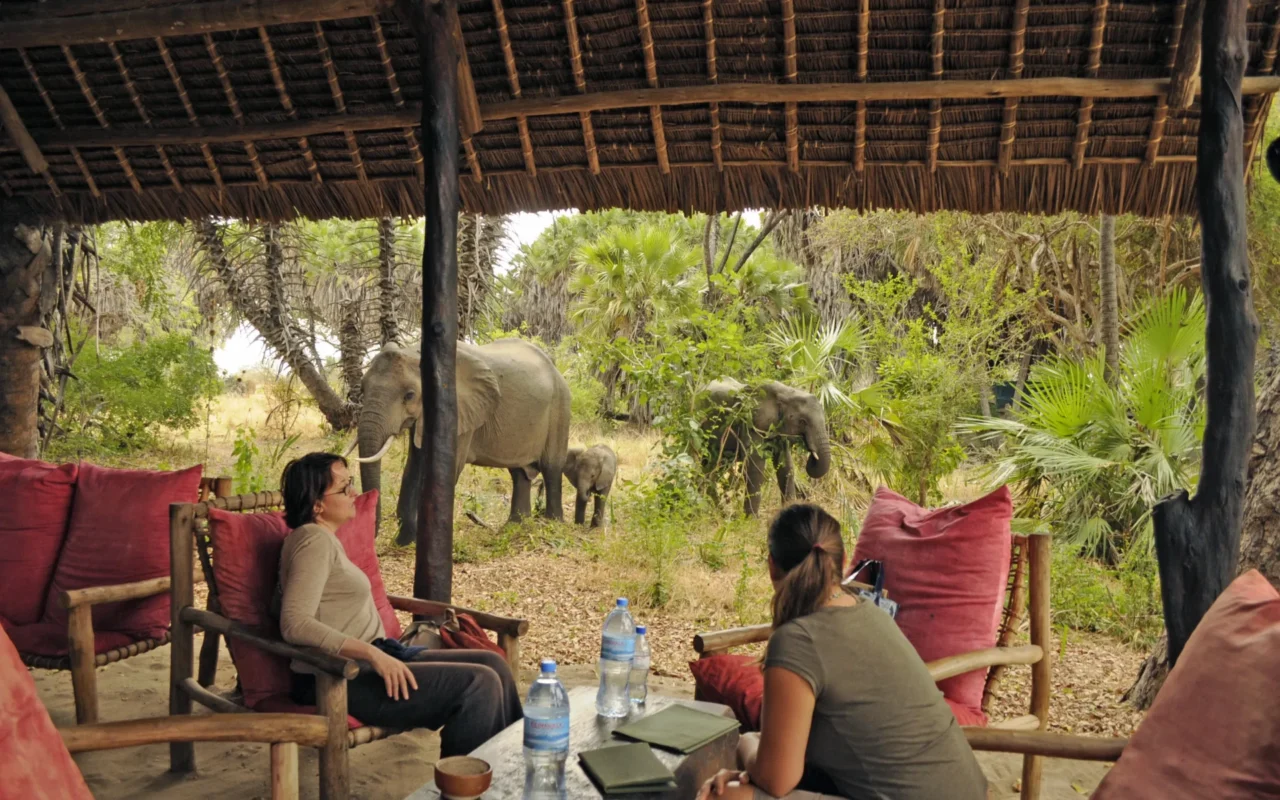
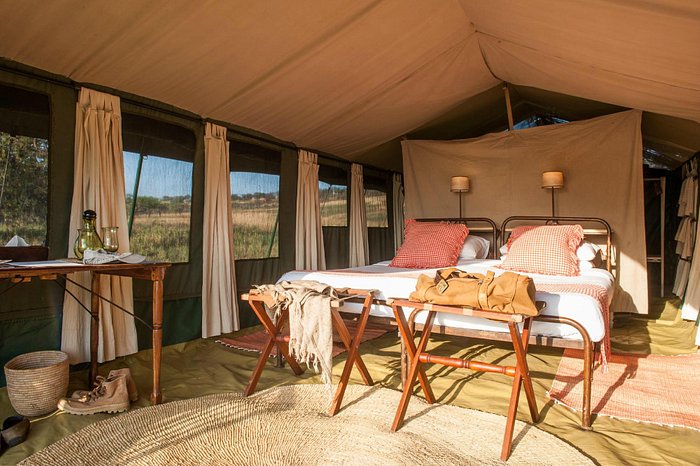
Accommodation: Options range from luxury tented camps offering an authentic safari feel with modern amenities to comfortable lodges. Your choice will depend on your budget and preference for comfort and immersion.
Day 2: Full Day Exploring the Masai Mara
Today is dedicated to exploring the vast plains of the Masai Mara. You’ll likely start with an early morning game drive, the best time to spot predators who are most active at dawn. After returning to your camp for breakfast or brunch, you can relax during the heat of the day, perhaps enjoying the camp’s facilities or a guided nature walk (if offered and available).
Afternoon Game Drive: In the late afternoon, you’ll head out again for another game drive, seeking out different wildlife and enjoying the golden hour light, which is perfect for photography.
Optional Activities: Depending on your camp and the season, you might consider an optional hot air balloon safari at sunrise – a truly unforgettable experience offering a bird’s-eye view of the Mara’s landscapes and wildlife. A visit to a Maasai village can also be arranged, providing insight into the local culture.
Focus on the Migration: During migration season (June-October), your guide will focus on areas where the herds are most concentrated, often near the Mara River. You’ll look for signs of migration activity, such as large herds moving across the plains or gathering near the riverbanks.
Day 3: Masai Mara to Serengeti National Park
After a final morning game drive in the Masai Mara and breakfast, you’ll be transferred back to the airstrip for your flight. This flight is a crucial link between Kenya and Tanzania.
Flight to Serengeti: You will take a flight from the Masai Mara airstrip to the Serengeti National Park in Tanzania. This flight often involves a stopover in Nairobi (Wilson Airport) or Kilimanjaro International Airport (JRO) for immigration and customs, and then continues to one of the Serengeti’s airstrips (e.g., Kogatende or Seronera, depending on the season and migration location).
Border Crossing: The transition from Kenya to Tanzania involves specific visa and immigration procedures. Top Guide Adventures will handle these arrangements, but it’s essential to have your passport and necessary visa information ready.
Arrival in Serengeti: Upon landing in the Serengeti, you’ll be met by your Tanzanian safari guide. You’ll proceed with a game drive en route to your lodge or camp, immediately immersing yourself in the Serengeti’s iconic landscapes.
Accommodation: The Serengeti offers a range of accommodations, from luxury tented camps that follow the migration to permanent lodges. For a 7-day migration safari, staying in the northern Serengeti (near Kogatende) during June-October is highly recommended to be close to the Mara River crossings.
Day 4: Northern Serengeti – The Mara River and Migration
Today is dedicated to the northern Serengeti, specifically focusing on the Mara River region if the migration is present. This is often the highlight for many travelers seeking to witness the dramatic river crossings.
River Crossing Focus: Your day will be spent searching for the herds gathered along the Mara River. Your experienced guide will use their knowledge of the terrain and animal behavior to find the best vantage points for observing potential crossings. Patience is key, as these events can be unpredictable.
Predator Sightings: The concentration of wildebeest and zebras in this area naturally attracts a high density of predators. You’ll have excellent opportunities to see lions, leopards, cheetahs, hyenas, and wild dogs, often with the dramatic backdrop of the migration herds.
Landscape: The northern Serengeti offers a more rugged and hilly landscape compared to the central plains, with acacia woodlands and the winding Mara River creating a diverse environment for wildlife viewing.
Day 5: Exploring Central or Western Serengeti
Depending on the exact timing of the migration and your interests, you might spend this day exploring a different region of the Serengeti, such as the central (Seronera) or western corridor.
Central Serengeti (Seronera): Known for its year-round resident wildlife, Seronera offers excellent game viewing regardless of the migration’s precise location. It’s famous for its large lion prides and leopards often found in the riverine trees. This area is generally good for seeing resident wildlife and predators.
Western Corridor (Grumeti River): If your safari is timed for June/July, the western corridor might be your focus. Here, the Grumeti River is another major obstacle for the migrating herds, offering opportunities for dramatic crossings, often featuring larger crocodiles than those in the Mara River.
Flexibility: Your guide will adjust the plan based on the most recent wildlife movements and sightings, ensuring you get the best possible experience. This might involve a full day in the north if crossings are imminent, or moving to explore other prime areas.
Day 6: Serengeti to Ngorongoro Conservation Area
After a final morning game drive in the Serengeti, you’ll bid farewell to its vast plains and head towards the Ngorongoro Conservation Area (NCA).
Scenic Drive: The drive from the Serengeti to Ngorongoro is itself a scenic journey. You’ll pass through different landscapes and may encounter Maasai communities along the way. Your route might take you past Olduvai Gorge, a significant paleoanthropological site.
Accommodation on the Crater Rim: The highlight is often staying in a lodge or tented camp situated on the rim of the Ngorongoro Crater. This offers impressive views into the caldera and convenient access for an early start the next morning.
Optional Activity: You might have time for a guided walk along the crater rim or a visit to a Maasai village in the NCA, depending on your lodge location and timing.
Day 7: Ngorongoro Crater Tour & Departure
Your final day begins with an early descent into the Ngorongoro Crater, a UNESCO World Heritage Site and one of the most wildlife-dense areas on Earth. The crater floor is a unique ecosystem, home to an incredible array of animals, including the Big Five (lion, leopard, elephant, rhino, buffalo), hippos, flamingos, and numerous bird species.
Crater Game Drive: You’ll spend several hours exploring the crater floor, enjoying incredible wildlife viewing opportunities. The Ngorongoro Crater is one of the best places in Africa to spot the endangered black rhinoceros.
Ascent and Transfer: After your morning in the crater, you’ll ascend back to the crater rim. You will then be driven to Arusha or Kilimanjaro International Airport (JRO) for your onward flight, concluding your 7-Day Masai Mara and Serengeti Migration Safari.
Note: Depending on flight schedules, you might spend the night in Arusha before departing the next day.
Key Considerations for Your 2026-2027 Safari
Planning a safari for 2026 or 2027 requires booking in advance, especially if you aim to see the Great Migration during peak seasons. Here’s what you need to consider:
Best Time to Travel for the Migration
As detailed earlier, the exact timing for witnessing the migration is crucial. For a 7-day safari, aiming for June to October offers the highest probability of seeing the herds in the Masai Mara and the northern/western Serengeti, including potential river crossings.
- June-July: Good for Grumeti River crossings (Western Serengeti) and the start of Mara River crossings (Northern Serengeti/Masai Mara).
- July-September: Peak time for Mara River crossings in the Masai Mara and Northern Serengeti.
- October: Herds are often still in the Masai Mara and Northern Serengeti, beginning their southern movement.
If you are interested in the calving season, traveling between December and March places you in the southern Serengeti/Ndutu area, offering different but equally fascinating wildlife spectacles, particularly predator-prey interactions.
Choosing Your Accommodation Style
Your choice of accommodation significantly impacts your safari experience and budget. For a migration-focused safari, consider:
- Tented Camps: Offer an authentic, close-to-nature experience. Mobile camps often move to follow the migration, placing you right in the heart of the action. Luxury options provide comfort and excellent service.
- Lodges: Permanent structures, often with more amenities like swimming pools and restaurants. They provide comfort and can be a good choice, though they don’t move with the migration.
- Location: For this itinerary, prioritize camps/lodges located in the northern Serengeti (e.g., Kogatende area) and strategically placed lodges/camps in the Masai Mara near the Mara River. In Ngorongoro, lodges on the crater rim are ideal.
Travel Style and Budget
A 7-Day Masai Mara and Serengeti Migration Safari can cater to various budgets. Top Guide Adventures offers tailored experiences:
- Budget Safaris: Utilize more basic but clean accommodations, often public campsites or simpler lodges, and shared transport.
- Mid-Range Safaris: Combine comfortable lodges and tented camps with private vehicles and expert guides. This is the most popular choice for a balance of comfort and value.
- Luxury Safaris: Feature high-end lodges and tented camps, private vehicles, exclusive guiding, and often include premium services and activities like hot air ballooning.
Factors influencing cost:
- Accommodation type and standard
- Time of year (peak season is more expensive)
- Mode of transport (private vehicle vs. shared, flight inclusions)
- Park entry fees (these are fixed but add up)
- Number of travelers (private safaris are more expensive per person than group tours)
For 2026-2027 travel, booking at least 6-12 months in advance is highly recommended, especially for peak migration season. Early booking secures preferred accommodations and flight seats.
Logistics and Border Crossings
Crossing between Kenya and Tanzania requires careful logistical planning. Top Guide Adventures specializes in these cross-border safaris. You’ll need to ensure you have the correct visas for both countries. Depending on your nationality, you may be able to obtain a visa on arrival, but it’s always best to check current regulations and apply in advance if possible.
Flights are key: The most efficient way to cover this distance in 7 days is by utilizing light aircraft flights between parks and across the border. This significantly reduces travel time compared to overland journeys, allowing more time for game viewing.
What to Pack
Packing for an African safari is about being practical and prepared for varying conditions:
- Clothing: Neutral-colored, lightweight clothing (khaki, green, brown). Long sleeves and trousers for sun and insect protection. A warm fleece or jacket for cool mornings and evenings.
- Footwear: Comfortable walking shoes or hiking boots, sandals for camp.
- Sun Protection: Wide-brimmed hat, sunglasses, high SPF sunscreen.
- Health: Insect repellent (with DEET), personal first-aid kit, any necessary prescription medications. Consult your doctor about malaria prophylaxis and vaccinations.
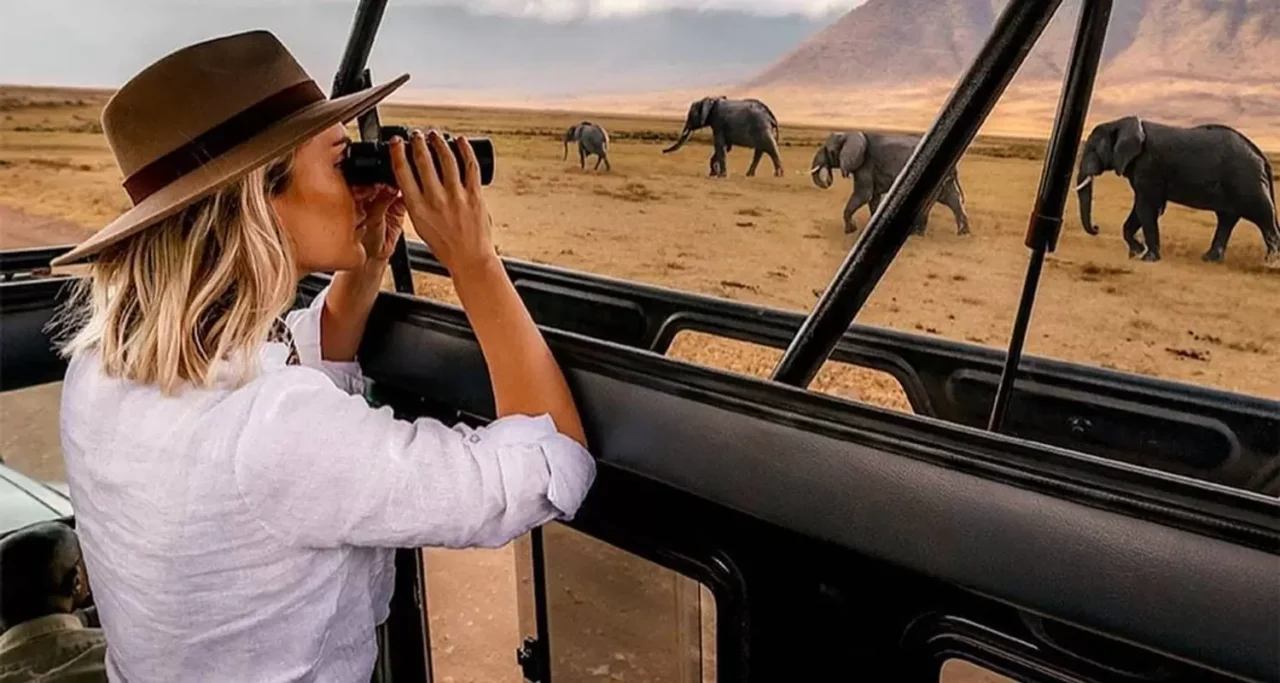
- Camera Gear: Camera, extra batteries, memory cards, zoom lenses, tripod (optional). Binoculars are essential!
- Documents: Passport, visa, flight details, insurance information, vaccination certificates.
- Other: Small backpack for day trips, reusable water bottle, headlamp or flashlight.
The Top Guide Adventures Difference for Your Safari
At Top Guide Adventures, we understand the nuances of planning a migration safari. Our expertise ensures that your 7-Day Masai Mara and Serengeti Migration Safari is not just a trip, but a smooth and unforgettable experience.
Personalized Itinerary Planning
We don’t believe in one-size-fits-all. We work closely with you to understand your interests, budget, and travel style to craft a bespoke itinerary. Whether you dream of witnessing a dramatic river crossing or focusing on predator sightings, we tailor the safari to your preferences.
Expert Local Guides
Our guides are the backbone of our safaris. They are highly experienced, knowledgeable about the wildlife, ecosystems, and local cultures, and dedicated to providing you with the best possible game viewing opportunities. They know the parks intimately and can track animals effectively.
smooth Logistics
From international flight bookings and visa advice to internal flights, park permits, and border crossings, we manage all the complex logistics. This allows you to relax and focus on the incredible wildlife encounters.
Quality Accommodation and Transport
We partner with a curated selection of lodges and tented camps that meet our high standards for comfort, service, and location. Our safari vehicles are well-maintained, comfortable, and equipped for optimal game viewing, often offering pop-up roofs for unobstructed photography.
Commitment to Responsible Tourism
We are committed to sustainable tourism practices that benefit local communities and conservation efforts. We aim to create positive impacts throughout your journey.
Comparing Masai Mara vs. Serengeti for Migration Viewing
While this safari combines both, understanding their unique contributions to the migration experience is helpful:
Masai Mara National Reserve (Kenya)
- Strengths: Famous for the Mara River crossings, high density of predators (especially lions), vast open grasslands, and iconic Maasai culture. Generally more accessible and often slightly more affordable for the Kenyan side.
- Migration Role: Crucial destination from July to October, especially for river crossings. The Loita Plains also attract herds.
- Landscape: Rolling savannah, acacia woodlands, riverine forests along the Mara River.
Serengeti National Park (Tanzania)
- Strengths: Immense scale, incredible diversity of habitats (plains, woodlands, kopjes), year-round resident wildlife, and the sheer volume of migrating animals.
- Migration Role: The central stage for the migration’s year-round movement. The western corridor (Grumeti River) and northern sectors (Mara River) are key during migration season. The southern plains are vital for calving.
- Landscape: Vast central plains (Seronera), acacia woodlands, granite kopjes, western riverine areas (Grumeti), and northern riverine areas (Mara).
A 7-day safari that includes both allows you to appreciate the migration’s journey across different landscapes and witness its different phases.
Potential Challenges and How We Mitigate Them
While a 7-Day Masai Mara and Serengeti Migration Safari is incredibly rewarding, some potential challenges exist:
- Weather: While the dry season (June-October) is ideal, unexpected rains can occur, potentially affecting game drives or river crossings. Our guides are experienced in adapting to weather conditions.
- Migration unpredictability: The exact timing and location of river crossings can vary slightly year to year and even week to week. We rely on up-to-date information from park authorities and our guides on the ground to position you optimally. Booking during the generally accepted peak months (July-September) maximizes your chances.
- Crowding: During peak migration season, popular viewing spots, especially river crossings, can get crowded with safari vehicles. We strive to position our vehicles discreetly and work with guides to find less congested viewpoints where possible. Staying in well-located camps also helps.
- Logistical complexity: As mentioned, border crossings and multi-country flights require expert handling. Top Guide Adventures manages these complexities to ensure a smooth transition.
Making the Most of Your 7-Day Safari
To truly maximize your experience:
- Listen to your guide: They are your eyes and ears on the ground. Their knowledge is invaluable for spotting wildlife and understanding animal behavior.
- Be patient: Wildlife viewing requires patience. Sometimes the most rewarding sightings come after a period of waiting.
- Embrace early mornings and late afternoons: These are the prime times for wildlife activity.
- Stay flexible: While itineraries are planned, be open to spontaneous changes if your guide spots something extraordinary.
- Respect wildlife: Maintain a safe distance, avoid feeding animals, and minimize noise.
- Charge your devices: You’ll want to capture every moment. Ensure you have spare batteries and chargers.
Booking Your 2026-2027 Migration Safari
The 7-Day Masai Mara and Serengeti Migration Safari is a bucket-list adventure. To secure the best dates, accommodations, and flights for your 2026 or 2027 journey, it’s essential to plan ahead.
Top Guide Adventures is your trusted partner for creating this incredible experience. We offer personalized service, expert knowledge, and a commitment to making your safari dreams a reality. Whether you’re looking for a private tour or joining a small group, we can help.
Contact us today to start planning your unforgettable 7-Day Masai Mara and Serengeti Migration Safari. We are ready to assist you with every detail.
WhatsApp: +255616946642
Email: topguideadventures@gmail.com
Backup Email: info@topguideadventures.com
Let us help you witness the magic of the Great Migration in 2026-2027!
Check Availability for 7-Day Masai Mara And Serengeti Migration Safari: The Ultimate Wildlife
Ready to compare dates, prices, and the best option for your group? Send the package name and travel month so the team can reply with a clear quote, availability, and what is included.
July Kilimanjaro Climb With Northern Serengeti Safari In 2026-2027
Combine the challenge of climbing Mount Kilimanjaro with the unparalleled wildlife spectacle of a Northern Serengeti safari during July. This guide details everything you need to know for...
View package details
June Kilimanjaro And Serengeti Safari Guide
start a dual adventure in June, conquering Mount Kilimanjaro and experiencing the magic of a Serengeti safari. This guide details the best of Tanzania in June, covering weather, wildlife...
View package details
August Kilimanjaro And Migration Safari: Your Ultimate Tanzania Adventure
Combine a Kilimanjaro trek with witnessing the Great Migration in August for an unforgettable Tanzania adventure. This guide covers everything you need to know for your 2026-2027 trip.
View package details
July Kilimanjaro And Great Migration Safari: Expert Guide 2026-2027
Combine a Kilimanjaro ascent with witnessing the Great Migration in Tanzania during July. This guide covers everything from optimal routes and safari lodges to packing lists and essential...
View package details
August Kilimanjaro Climb With River-Crossing Safari: Your Ultimate Tanzania
Combine the challenge of climbing Mount Kilimanjaro in August with the thrill of witnessing the Great Migration river crossings on a safari. This guide covers itineraries, routes, packing...
View package details
Kilimanjaro Marathon, Safari & Zanzibar Tour: Your Ultimate Tanzania
Experience the ultimate Tanzania adventure by combining the Kilimanjaro Marathon, an unforgettable safari, and the idyllic beaches of Zanzibar. This comprehensive guide details how to plan...
View package detailsJune Kilimanjaro Climb After A Safari: Your Ultimate Guide 2026-2027
Combining a Tanzania safari with a Kilimanjaro climb in June is an unforgettable adventure. This guide covers everything you need to know for a successful 2026-2027 trip, from weather...
View package details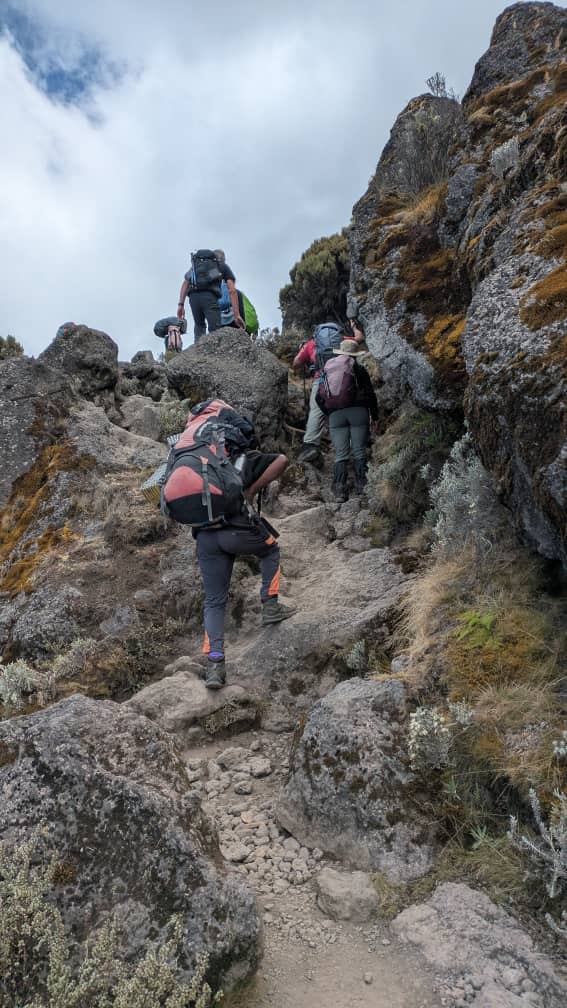
June Kilimanjaro Climb Before A Tanzania Safari In 2026-2027
Combining a Mount Kilimanjaro climb with a Tanzania safari is a dream for many adventurers. June offers excellent conditions for both, making it a prime month to experience these iconic...
View package details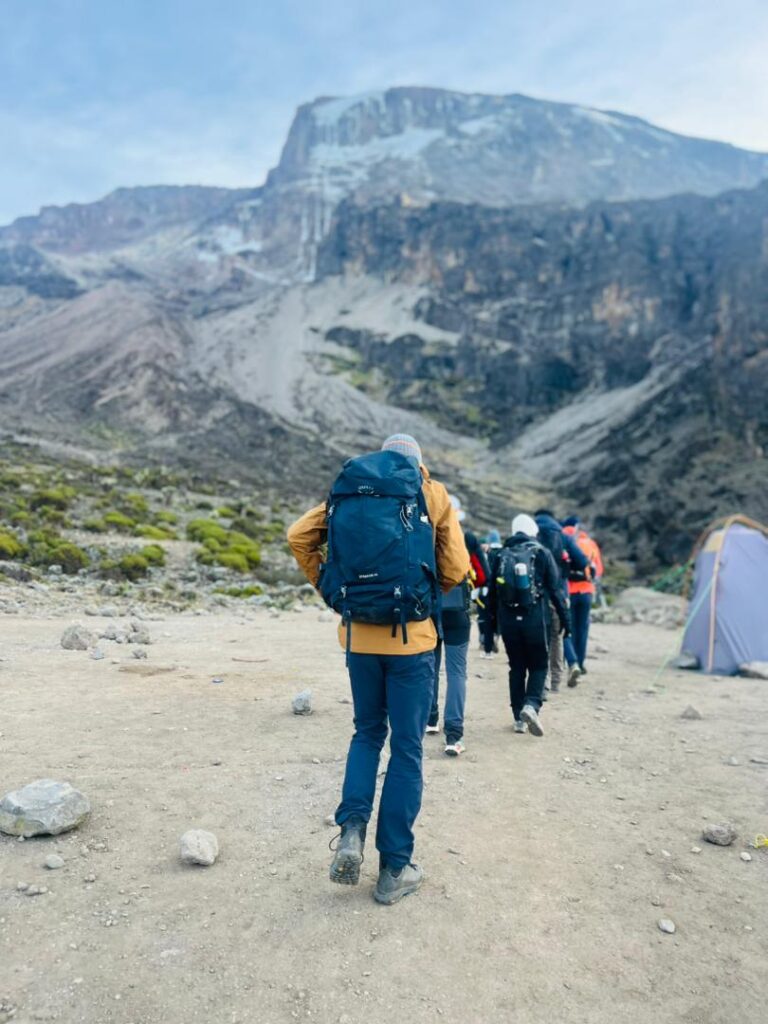
May Kilimanjaro Climb And Wildlife Safari Guide
Combine the thrill of summiting Mount Kilimanjaro with an unforgettable wildlife safari in Tanzania during May. This guide covers everything you need to know for an epic adventure in...
View package details
April Kilimanjaro And Tanzania Safari Package 2026-2027
April Kilimanjaro and Tanzania Safari Package is explained with current 2026-2027 planning, price, itinerary and booking information.
View package detailsNo related package matches those filters. Clear one or more filters to see the other topic-matched options.



