
A July Kilimanjaro and Great Migration safari in Tanzania offers a prime window for both experiences, with cool, dry trekking weather on the mountain and the migration typically found in the central and western Serengeti. This combination provides a remarkable adventure, blending challenging mountain scenery with abundant wildlife viewing opportunities across diverse landscapes, ideal for planning your 2026 or 2027 trip.
July: The Sweet Spot for Kilimanjaro and the Great Migration
Combining a trek up Mount Kilimanjaro with a safari to witness the Great Migration is a dream adventure for many travelers. July emerges as a particularly advantageous month to undertake this dual experience in Tanzania. The weather patterns align favorably for both the mountain climb and the wildlife spectacle, making it a peak season for a reason. Understanding the nuances of July in Tanzania is key to maximizing your chances of success on Kilimanjaro and witnessing the drama of the Serengeti plains.
For Kilimanjaro, July falls within the dry season, which generally runs from June to October. This period is characterized by clear skies, minimal rainfall, and pleasant temperatures, though higher altitudes will still be cold. The dry conditions make the trails more accessible and reduce the risk of weather-related disruptions, offering better visibility for both the climb and the surrounding vistas. For the Great Migration, July is a crucial month. The vast herds of wildebeest and zebras, having crossed the Grumeti River in the western Serengeti, are typically moving northwards through the central Serengeti, often heading towards the Mara River. This stage can present opportunities to witness river crossings, though these are never guaranteed and depend on rainfall patterns and the animals’ movements.
Planning for a July Kilimanjaro and Great Migration safari in 2026 or 2027 requires careful consideration of logistics, booking in advance, and understanding the specific conditions of this time of year. Top Guide Adventures specializes in crafting these complex itineraries, ensuring a smooth blend of challenging trekking and exhilarating wildlife encounters. Our expertise helps navigate the best routes, safari camps, and overall travel experience to make your Tanzanian adventure unforgettable.
Why July is Ideal for Your Dual Adventure
The allure of combining a Kilimanjaro climb with a Serengeti safari is undeniable. When planning for July Kilimanjaro and Great Migration safari adventures in 2026-2027, July stands out for several compelling reasons:
- Kilimanjaro’s Dry Season Advantage: July is firmly within Kilimanjaro’s dry season (June-October). This means fewer rainy days, clearer skies, and excellent visibility for stunning mountain panoramas. The trails are less muddy, making the ascent and descent more comfortable and safer.
- Migration Dynamics in July: The Great Migration is in full swing. Following the rains, the herds, numbering over a million wildebeest and zebras, are typically in the central and western Serengeti. This period often presents opportunities to witness dramatic predator-prey interactions and the sheer scale of the moving herds. While the Mara River crossings are more concentrated in August and September, July can still offer spectacular sights as the migration moves north.
- Pleasant Safari Temperatures: While Kilimanjaro’s summit can be extremely cold, daytime temperatures in the Serengeti during July are generally mild and pleasant, averaging around 20-25°C (68-77°F). Evenings can be cool, especially on the plains.
- Reduced Dust: Compared to the peak of the dry season later in the year (August-October), July can sometimes offer slightly less dusty conditions, though this is highly dependent on local weather.
- Peak Season Demand: It’s important to note that July is a popular travel month due to these favorable conditions. Booking well in advance for both Kilimanjaro climbs and safari accommodations, especially for 2026 and 2027, is crucial to secure your preferred dates and lodges.
Top Guide Adventures understands the strategic advantage of July. We help clients plan their July Kilimanjaro and Great Migration safari to take full advantage of these conditions, ensuring a well-paced and unforgettable journey. Our team can advise on the best safari circuits within the Serengeti to maximize wildlife viewing based on the migration’s predicted path for 2026-2027.
Kilimanjaro Treks in July: Routes and Considerations
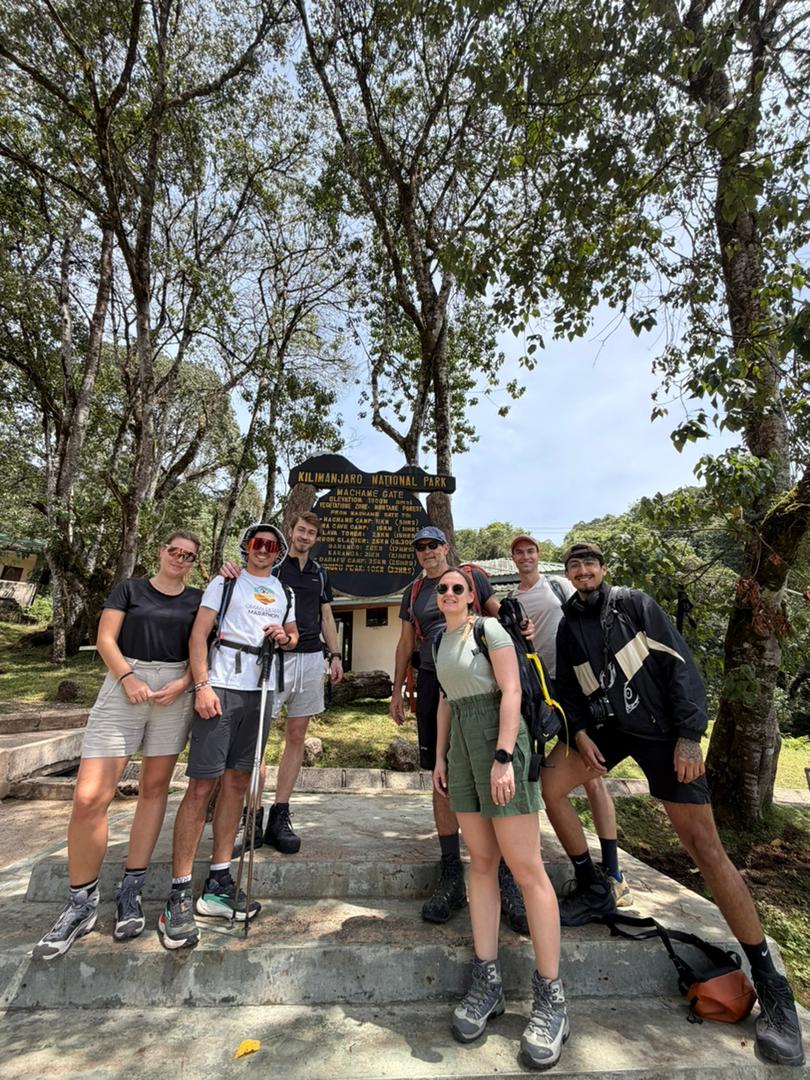
Mount Kilimanjaro, the ‘Roof of Africa’, presents a formidable yet achievable challenge. For those planning a July Kilimanjaro and Great Migration safari, choosing the right route is paramount for acclimatization, success rates, and overall enjoyment. July’s dry weather makes all routes viable, but some offer better acclimatization profiles and scenery.
Popular Kilimanjaro Routes for July Climbs
Several routes ascend Kilimanjaro, each with its own duration, difficulty, and scenic appeal. For July, when clear views are common, the focus shifts to acclimatization and comfort.
Marangu Route (Coca-Cola Route)
- Duration: 5-6 days
- Pros: The only route with dormitory-style huts, offering more comfort. It’s also the shortest and most direct, making it a popular choice for those with less time or seeking basic accommodation.
- Cons: Lower success rates due to a rapid ascent profile, offering poor acclimatization. Scenery is less varied than other routes.
- July Suitability: Generally suitable, but the rapid ascent is a significant drawback for acclimatization.
Machame Route (Whiskey Route)
- Duration: 6-7 days
- Pros: Excellent acclimatization profile, considered one of the most scenic routes. It follows a ‘climb high, sleep low’ principle, significantly increasing success rates. Camping is the accommodation.
- Cons: More physically demanding than Marangu due to steeper ascents and descents.
- July Suitability: Highly recommended for July climbs due to its superior acclimatization and stunning views, which are enhanced by clear skies. This is a favorite for many July Kilimanjaro and Great Migration safari planners.
Lemosho Route
- Duration: 7-8 days
- Pros: Considered the most scenic route, offering fantastic wildlife viewing in its initial stages through the rainforest. It boasts excellent acclimatization, similar to Machame, with high success rates.
- Cons: Longer and more expensive than other routes due to its remote starting point and longer duration.
- July Suitability: An excellent choice for July. The longer duration aids acclimatization, and the clear weather maximizes the impressive scenery.
Shira Route
- Duration: 7-8 days
- Pros: Similar to Lemosho in terms of acclimatization and scenery, starting at a higher altitude.
- Cons: The higher starting altitude can be challenging for some, increasing the risk of altitude sickness in the initial days.
- July Suitability: Viable, but requires careful monitoring of acclimatization due to the higher starting point.
Rongai Route
- Duration: 6-7 days
- Pros: The only route approaching from the north, offering a different perspective and potentially drier conditions even when other routes might be slightly wetter. It’s less crowded.
- Cons: Less scenic than Machame or Lemosho in its initial stages.
- July Suitability: A good option for July, particularly if you prefer a less crowded experience.
For a July Kilimanjaro and Great Migration safari, Top Guide Adventures generally recommends the 7-day Machame route or the 8-day Lemosho route. These offer the best balance of acclimatization, scenery, and ultimately, success rates. Longer itineraries (7+ days) are always preferred for better acclimatization, especially in July when temperatures can be very cold at altitude, potentially impacting physical performance.
July Kilimanjaro Weather and What to Expect
July on Kilimanjaro is characterized by the dry season’s onset. Expect:
- Daytime Temperatures: Pleasant in the lower rainforest and moorland zones (15-20°C / 59-68°F), becoming cooler as you ascend.
- Nighttime Temperatures: Can drop significantly, especially above the tree line. Expect 0-10°C (32-50°F) in the alpine desert and below -10°C (14°F) near the summit (Uhuru Peak). The summit night is particularly cold, often reaching -15°C to -20°C (5°F to -4°F) with wind chill.
- Precipitation: Minimal. Occasional light showers are possible, especially in the rainforest belt, but prolonged rain is rare.
- Visibility: Generally excellent. Clear skies offer impressive views of Mount Meru and the surrounding plains, as well as the dramatic volcanic landscape of Kilimanjaro itself.
- Crowds: July is part of the peak trekking season, so expect more people on the popular routes, especially Machame and Marangu. Booking your 2026 or 2027 trek well in advance is essential.
Proper gear is crucial for a comfortable July climb. Layers are key to managing the temperature fluctuations. We’ll cover packing in more detail later, but think thermal base layers, fleece mid-layers, and a waterproof/windproof outer shell. Warm sleeping bags and insulated mats are also vital for camping.
The Great Migration in July: Serengeti’s Heartbeat
The Great Migration is one of the planet’s most spectacular natural events, and July places you in the heart of its drama. This massive movement of over 1.5 million wildebeest, zebras, and gazelles is a continuous cycle dictated by the rains and the availability of fresh grazing.
Where to Find the Migration in July
By July, the herds have typically completed their journey across the western Serengeti. Key areas to focus on for July sightings include:
- Western Corridor: The migration often lingers in this region, particularly around the Grumeti River, during June and early July. Witnessing crossings here can be spectacular, though the Grumeti is smaller than the Mara and crossings are less frequent.
- Central Serengeti (Seronera Valley): As July progresses, the bulk of the migration usually moves towards the central Serengeti. This area is known for its permanent resident wildlife and offers excellent predator sightings year-round. The migration’s presence here adds another layer of excitement.
- Northern Serengeti and Mara River: The ultimate goal for the herds in July is often to reach the Mara River in the northern Serengeti. While the most intense and frequent river crossings tend to occur in August and September, July can see the initial movements towards this life-giving river. Witnessing these early crossings or the build-up of herds along the riverbanks is a thrilling experience.
The exact location of the migration is fluid and depends on rainfall. For a July Kilimanjaro and Great Migration safari in 2026 or 2027, working with experienced guides like those at Top Guide Adventures is invaluable. We track the migration’s movements and adjust safari plans accordingly to maximize your viewing opportunities.
Wildlife Viewing Beyond the Migration
Even if the migration is slightly ahead or behind schedule, the Serengeti in July offers exceptional wildlife viewing. The dry season means animals congregate around water sources, making them easier to spot. Expect to see:
- Predators: Lions, leopards, cheetahs, hyenas, and wild dogs are abundant. The central and western Serengeti are particularly good for spotting big cats.
- Other Mammals: Elephants, giraffes, buffaloes, hippos, rhinos (though elusive), and a variety of antelopes and gazelles are commonly sighted.
- Birdlife: The Serengeti is a birdwatcher’s paradise, with resident species providing constant activity, even outside the migratory season.
Safari Accommodation in July
July is peak season for safaris, meaning accommodation availability is limited, and prices can be higher. Options range from luxury lodges and tented camps to more budget-friendly options. Booking your 2026 or 2027 safari accommodation for July well in advance is absolutely essential.
- Luxury Lodges: Offer premium amenities, fine dining, and prime locations.
- Tented Camps: Provide an authentic safari experience with comfortable canvas tents, often with en-suite bathrooms. These can be permanent or mobile, following the migration.
- Mid-Range Options: Offer a good balance of comfort and value.
Top Guide Adventures partners with a range of high-quality camps and lodges across the Serengeti. We can recommend accommodations based on your preferred safari style and budget, ensuring you’re positioned to witness the best of the July Kilimanjaro and Great Migration safari experience.
Combining Kilimanjaro and Safari: Logistics and Itinerary Planning
Successfully merging a Kilimanjaro climb with a Serengeti safari requires meticulous planning. The logistics involve coordinating travel between the mountain and the national park, accounting for recovery time after the climb, and ensuring smooth transitions.
Typical Itinerary Flow
A common and effective flow for a July Kilimanjaro and Great Migration safari looks something like this:
- Arrival in Tanzania: Arrive at Kilimanjaro International Airport (JRO). You’ll typically spend a night in a hotel in Arusha or Moshi to rest and prepare.
- Kilimanjaro Climb: Begin your chosen Kilimanjaro route (e.g., 7-day Machame). This takes up the bulk of your time, typically 6-8 days.
- Post-Climb Recovery: After descending Kilimanjaro, you’ll need at least one full day (preferably two) to rest, shower, and recover in Arusha or Moshi. This is crucial before embarking on a safari.
- Safari Briefing: Meet with your safari guide for a briefing on the upcoming adventure.
- Safari to the Serengeti: Fly from Arusha to a Serengeti airstrip or drive to the park. Spend several days exploring different regions of the Serengeti, focusing on the migration’s location in July.
- Optional Add-ons: Consider adding a visit to the Ngorongoro Crater or Tarangire National Park, which are excellent for wildlife viewing and conveniently located near the Serengeti.
- Departure: Fly from the Serengeti back to Arusha or Kilimanjaro International Airport (JRO) for your onward flight.
Recommended Durations for 2026-2027
To comfortably enjoy both Kilimanjaro and a meaningful safari experience, we recommend a minimum of:
- 10-12 days: This allows for a 6-7 day Kilimanjaro climb, 1-2 days recovery, and 2-3 days on safari. This is a fast-paced introduction.
- 14-16 days: A 7-8 day Kilimanjaro climb, 1-2 days recovery, and 4-5 days on safari. This provides a more relaxed pace and deeper safari exploration.
- 18+ days: Ideal for those who want to fully experience themselves in both experiences, perhaps choosing a longer Kilimanjaro route (8+ days) and spending 7+ days on safari, potentially including other parks.
For a July Kilimanjaro and Great Migration safari in 2026 or 2027, a 14-day itinerary is often a good sweet spot, offering a solid climb and a decent safari. Top Guide Adventures excels at tailoring these durations to fit your specific interests and time constraints.
Travel Between Kilimanjaro and Serengeti
There are two main ways to travel between the Kilimanjaro region and the Serengeti:
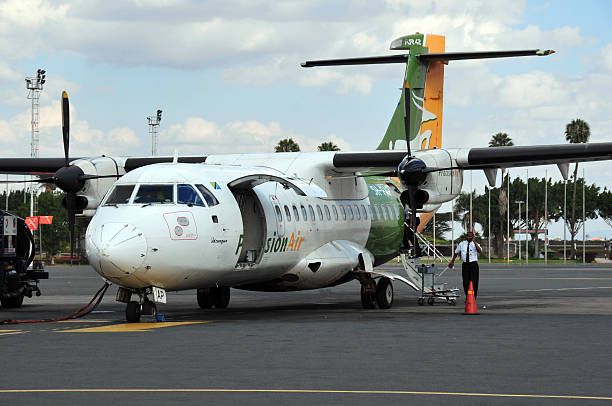
- Flying: The most efficient method. You can take a domestic flight from Arusha Airport (ARK) to various airstrips within the Serengeti (e.g., Seronera, Kogatende, Grumeti). This saves considerable travel time and is highly recommended, especially for shorter trips. Flights offer scenic aerial views of the landscape.
- Driving: A longer but more budget-friendly option. The drive from Arusha to the Serengeti takes approximately 8-10 hours, including park entry and game driving en route. This journey can be an adventure in itself, passing through Maasai villages and the Ngorongoro Conservation Area.
For a July Kilimanjaro and Great Migration safari, combining a flight after your climb with a drive into the Serengeti (or vice-versa) can be a good compromise. Top Guide Adventures handles all flight and ground transfers, ensuring a smooth transition.
Cost of a July Kilimanjaro and Great Migration Safari (2026-2027 Estimates)
The cost of a combined July Kilimanjaro and Great Migration safari varies significantly based on the Kilimanjaro route, safari duration, accommodation choices, and group size. July is considered peak season, so prices will reflect this.
Kilimanjaro Climb Costs
Kilimanjaro climb costs are largely determined by the route chosen, the number of days, and the operator’s standards. Park fees, crew salaries, food, and equipment are significant components. Generally, expect:
- Budget Operators: $1,500 – $2,000 per person for a 7-day climb. Often use less experienced guides or skimp on crew welfare.
- Mid-Range Operators (Recommended): $2,000 – $3,000 per person for a 7-day climb. Offer good quality gear, experienced guides, and fair crew treatment.
- Luxury Operators: $3,000+ per person for a 7-day climb. Provide higher-end equipment, more comfortable camping, and often smaller group sizes.
Note: These are estimates for 2026-2027. Prices are subject to change based on park fee increases and operator policies. Longer routes will cost more due to additional days.
Serengeti Safari Costs
Safari costs are typically calculated per person per day and include park fees, accommodation, vehicle and guide, fuel, and meals. July’s peak season status means higher rates.
- Budget Safaris: $250 – $350 per person per day. Often involve basic tented camps and shared facilities.
- Mid-Range Safaris (Recommended): $350 – $600 per person per day. Includes comfortable lodges or quality tented camps, private vehicles, and experienced guides.
- Luxury Safaris: $600 – $1,000+ per person per day. Feature high-end lodges, exclusive camps, and premium services.
Note: These rates are for 2026-2027 and assume shared vehicles. Private vehicles add a premium. Serengeti park fees are substantial and are a major cost driver.
Estimated Total Cost for a Combined Trip
For a July Kilimanjaro and Great Migration safari, a 14-day trip (7-day climb, 1-2 days recovery, 5-day safari) with mid-range services could range from:
- Kilimanjaro (7 days): $2,200 – $2,800 per person
- Safari (5 days): $1,750 – $3,000 per person
- Total Estimated Range: $4,000 – $6,000+ per person
Important inclusions typically cover: Kilimanjaro park fees, guide and porter salaries, all meals on the mountain, camping equipment, airport transfers, safari vehicle, driver/guide, park fees for safari, accommodation and meals during safari. Exclusions usually are: Flights to Tanzania, visas, travel insurance, tips for guides and crew, personal items, drinks, and optional activities.
Top Guide Adventures provides detailed, transparent quotes for July Kilimanjaro and Great Migration safari packages for 2026-2027. We tailor each quote to your specific needs, ensuring you understand exactly what is included. Email us or contact us via WhatsApp +255616946642 for a personalized quote.
Essential Packing List for Your July Adventure
Packing correctly is vital for both Kilimanjaro and your safari. July’s varied conditions require a comprehensive approach.
Kilimanjaro Packing Essentials (July)
Focus on layering for warmth and protection. Remember, you’ll need gear for temperatures ranging from tropical to arctic.
- Base Layers: Moisture-wicking thermal tops and bottoms (merino wool or synthetic).
- Mid Layers: Fleece jackets or sweaters for insulation.
- Outer Layer: Waterproof and windproof jacket (Gore-Tex or similar) and trousers.
- Insulation Layer: A warm down or synthetic puffer jacket for summit night and cold evenings.
- Headwear: Warm woolen hat, balaclava or neck gaiter, sun hat with a brim.
- Gloves: Warm waterproof gloves or mittens, plus thinner liner gloves.
- Footwear: Broken-in waterproof hiking boots, comfortable camp shoes or trainers, warm socks (wool).
- Sleeping Bag: Rated to at least -15°C (0°F), preferably -20°C (-4°F).
- Backpack: 50-70 liter backpack for your gear, plus a 20-30 liter daypack.
- Other: Sunglasses, high SPF sunscreen, lip balm with SPF, headlamp with extra batteries, water bottles or hydration reservoir (at least 3 liters capacity), water purification tablets or filter, toiletries, personal first-aid kit, camera, power bank.
Safari Packing Essentials (July)
Safari packing is generally more relaxed but still requires practical items.
- Clothing: Lightweight, neutral-colored clothing (khaki, beige, olive green). Long-sleeved shirts and trousers for sun and insect protection. Shorts and t-shirts for warmer daytime. A warm jacket or fleece for cool evenings and early mornings.
- Footwear: Comfortable walking shoes or trainers. Sandals are optional for lodges.
- Headwear: Wide-brimmed hat for sun protection.
- Accessories: Sunglasses, binoculars (essential!), camera with zoom lens, extra batteries and memory cards, power bank, insect repellent (with DEET), small backpack for day trips.
- Health: Personal medications, basic first-aid kit. Consult your doctor about malaria precautions and recommended vaccinations.
Top Guide Adventures provides detailed packing lists specific to your chosen itinerary for your July Kilimanjaro and Great Migration safari. We can also advise on gear rental options for Kilimanjaro if needed.
Preparing for Your Trip: Health, Visas, and Insurance
Thorough preparation is key to a successful and enjoyable July Kilimanjaro and Great Migration safari.
Health Precautions
- Consult Your Doctor: Visit your doctor 4-6 weeks before your trip to discuss necessary vaccinations (e.g., Yellow Fever, Hepatitis A & B, Typhoid) and malaria prophylaxis.
- Altitude Sickness: Kilimanjaro is a high-altitude trek. Acclimatization is crucial. Choose longer routes (7+ days), ascend slowly, stay hydrated, and avoid alcohol and strenuous activity on ascent days. Your guide will monitor you closely.
- Traveler’s Diarrhea: Be cautious with food and water. Drink bottled or purified water, avoid raw or undercooked foods, and peel fruits.
- Sun Protection: The equatorial sun is intense, especially at altitude. Use high SPF sunscreen, wear a hat, and stay hydrated.
Visas and Passports
- Passport Validity: Ensure your passport is valid for at least six months beyond your intended stay and has at least two blank pages.
- Tanzania Visa: Most nationalities require a visa for Tanzania. You can apply online in advance through the Tanzanian Immigration website or obtain one upon arrival at Kilimanjaro International Airport (JRO). Check the latest requirements for your nationality.
Travel Insurance
Comprehensive travel insurance is mandatory for all Kilimanjaro climbs and highly recommended for safaris. It should cover:
- Medical Emergencies: Including emergency evacuation and repatriation.
- Trip Cancellation/Interruption: In case you need to cancel or cut short your trip due to unforeseen circumstances.
- Lost or Stolen Baggage:
Top Guide Adventures requires proof of adequate travel insurance for all Kilimanjaro climbers. We can provide guidance on suitable policies.
Why Choose Top Guide Adventures for Your July Expedition?
Planning a complex trip like a July Kilimanjaro and Great Migration safari requires an experienced and trustworthy partner. Top Guide Adventures is a leading Tanzanian tour operator with a deep understanding of the local terrain, wildlife, and logistical challenges.
Our Commitment to You
- Expert Local Knowledge: We are based in Tanzania and have firsthand experience with Kilimanjaro climbs and Serengeti safaris.
- Safety First: Your safety is our top priority. We employ highly trained guides, carry comprehensive first-aid kits, and adhere to strict safety protocols on Kilimanjaro.
- Ethical Practices: We ensure fair wages and treatment for our guides, porters, and drivers, contributing to sustainable tourism.
- Tailor-Made Itineraries: We specialize in creating personalized July Kilimanjaro and Great Migration safari packages for 2026-2027, ensuring your trip perfectly matches your interests, budget, and timeframe.
- smooth Logistics: From airport transfers to internal flights and lodge bookings, we manage all the details so you can focus on enjoying your adventure.
- Customer Support: We offer dedicated support before, during, and after your trip.
We are proud of our reputation, as reflected in reviews on platforms like TripAdvisor. Read what our clients say about their experiences.
Planning Your 2026-2027 July Kilimanjaro and Great Migration Safari
Booking your adventure for the 2026 or 2027 season is a significant undertaking. Early planning is essential, especially for July, which is a prime travel month.
Booking Timeline Recommendations
- 12+ Months in Advance: Ideal for peak season travel like July, securing the best Kilimanjaro climb dates and preferred safari lodges/camps.
- 6-9 Months in Advance: Still good for securing availability, but options may be more limited.
- 3-6 Months in Advance: Possible, but requires flexibility with dates and accommodations.
Top Guide Adventures can help you navigate the booking process efficiently. We recommend starting your inquiry for a July Kilimanjaro and Great Migration safari for 2026-2027 as soon as possible.
Customizing Your Itinerary
Your dream trip is unique. Whether you prioritize a specific Kilimanjaro route, wish to focus on predator sightings in the Serengeti, or want to add cultural experiences, we can design an itinerary that fits. Consider:
- Kilimanjaro Route Length: Longer routes offer better acclimatization.
- Safari Pace: Do you prefer moving between camps or staying longer in one area?
- Accommodation Style: From rustic charm to ultimate luxury.
- Additional Parks: Ngorongoro Crater, Tarangire, Lake Manyara.
We are here to answer all your questions and help you craft the perfect July Kilimanjaro and Great Migration safari. Contact us today:
- Email: topguideadventures@gmail.com
- Backup Email: info@topguideadventures.com
- WhatsApp: +255616946642
- Website: Top Guide Adventures
- Instagram: @top_guide_adventures
Let us help you plan an extraordinary July Kilimanjaro and Great Migration safari in 2026 or 2027, an adventure that combines two of Tanzania’s most iconic experiences into one unforgettable journey.
Check Availability for July Kilimanjaro And Great Migration Safari: Expert Guide 2026-2027
Ready to compare dates, prices, and the best option for your group? Send the package name and travel month so the team can reply with a clear quote, availability, and what is included.
Kilimanjaro Stopover Package Between Safari And Zanzibar 2026-2027
Kilimanjaro Stopover Package between Safari and Zanzibar is explained with current 2026-2027 planning, price, itinerary and booking information.
View package details
Where To Store Safari Luggage During Kilimanjaro Climb: Expert Guide 2026-2027
Planning a Kilimanjaro climb and a safari in Tanzania? Learn the best strategies for storing your safari luggage and extra gear securely and conveniently during your trek. Top Guide...
View package details
Best Kilimanjaro Month For Safari Extensions In | Top Guide Adventures
Discover the ideal months for combining a Kilimanjaro climb with a safari in Tanzania, focusing on optimal weather conditions, wildlife spectacles, and extension opportunities for...
View package details
Kilimanjaro Airport Meet-And-Greet Service: Your Smooth Arrival In Tanzania
Top Guide Adventures offers a comprehensive Kilimanjaro Airport meet-and-greet service designed to make your arrival in Tanzania effortless and welcoming. From the moment you step off the...
View package details
July Vs August Kilimanjaro Climbing: The Ultimate Comparison For 2026-2027
Choosing between July and August for your Kilimanjaro climb? This in-depth comparison details weather patterns, crowd levels, route popularity, and essential planning tips for 2026-2027 to...
View package details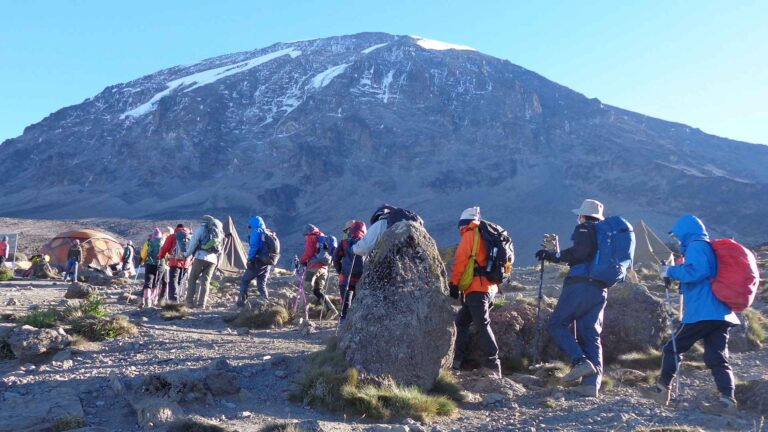
June Vs July Kilimanjaro Weather And Crowds 2026-2027
June vs July Kilimanjaro Weather and Crowds is explained with current 2026-2027 planning, price, itinerary and booking information.
View package details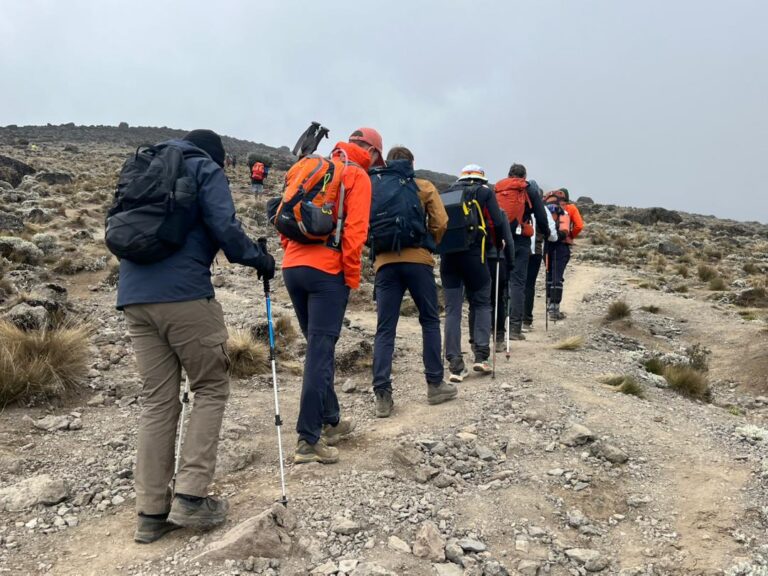
July Kilimanjaro Last-Minute Availability Guide
Planning a last-minute Kilimanjaro climb in July 2026 or 2027? This guide covers current availability, best routes, essential packing, and how to secure your spot with Top Guide Adventures.
View package details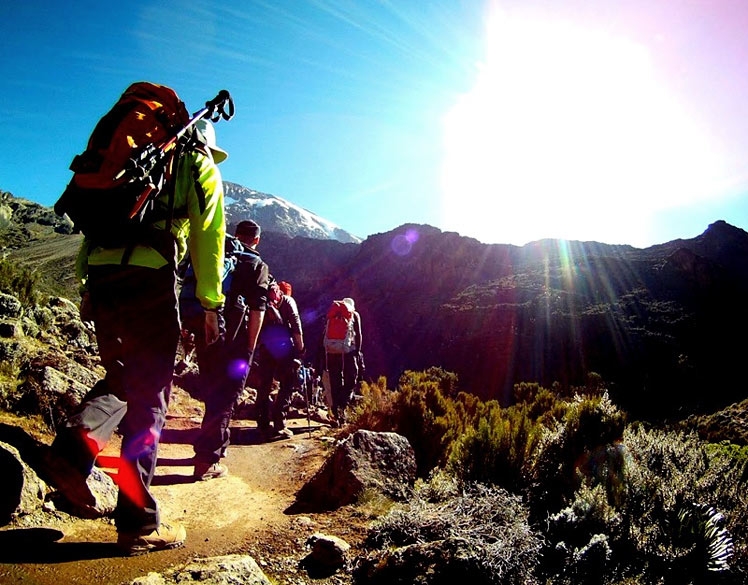
Driest Month To Climb Kilimanjaro: Your Guide For 2026-2027
The driest months for climbing Kilimanjaro are generally January, February, and June through October. These periods offer the clearest skies and lowest rainfall, ideal for a successful and...
View package details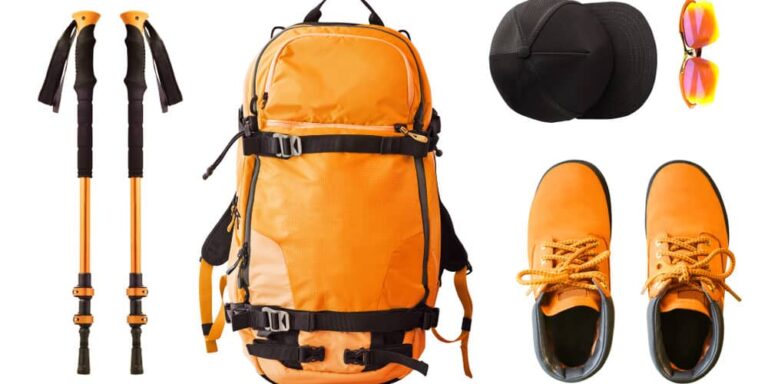
October Vs November Kilimanjaro Rainfall Guide 2026-2027
October vs November Kilimanjaro Rainfall Guide is explained with current 2026-2027 planning, price, itinerary and booking information.
View package details
September Vs October Kilimanjaro Weather Comparison 2026-2027
September vs October Kilimanjaro Weather Comparison is explained with current 2026-2027 planning, price, itinerary and booking information.
View package details
August Vs September: Best Kilimanjaro Summit Month In 2026-2027
Choosing between August and September for your Kilimanjaro climb involves weighing distinct advantages. While both months fall within the dry season, subtle differences in weather patterns...
View package detailsMay Vs June: When Should You Climb Kilimanjaro? 2026-2027
Choosing between May and June for your Kilimanjaro ascent? This in-depth guide compares the two months, helping you pick the optimal time for your trek based on weather patterns, crowd...
View package detailsNo related package matches those filters. Clear one or more filters to see the other topic-matched options.



