
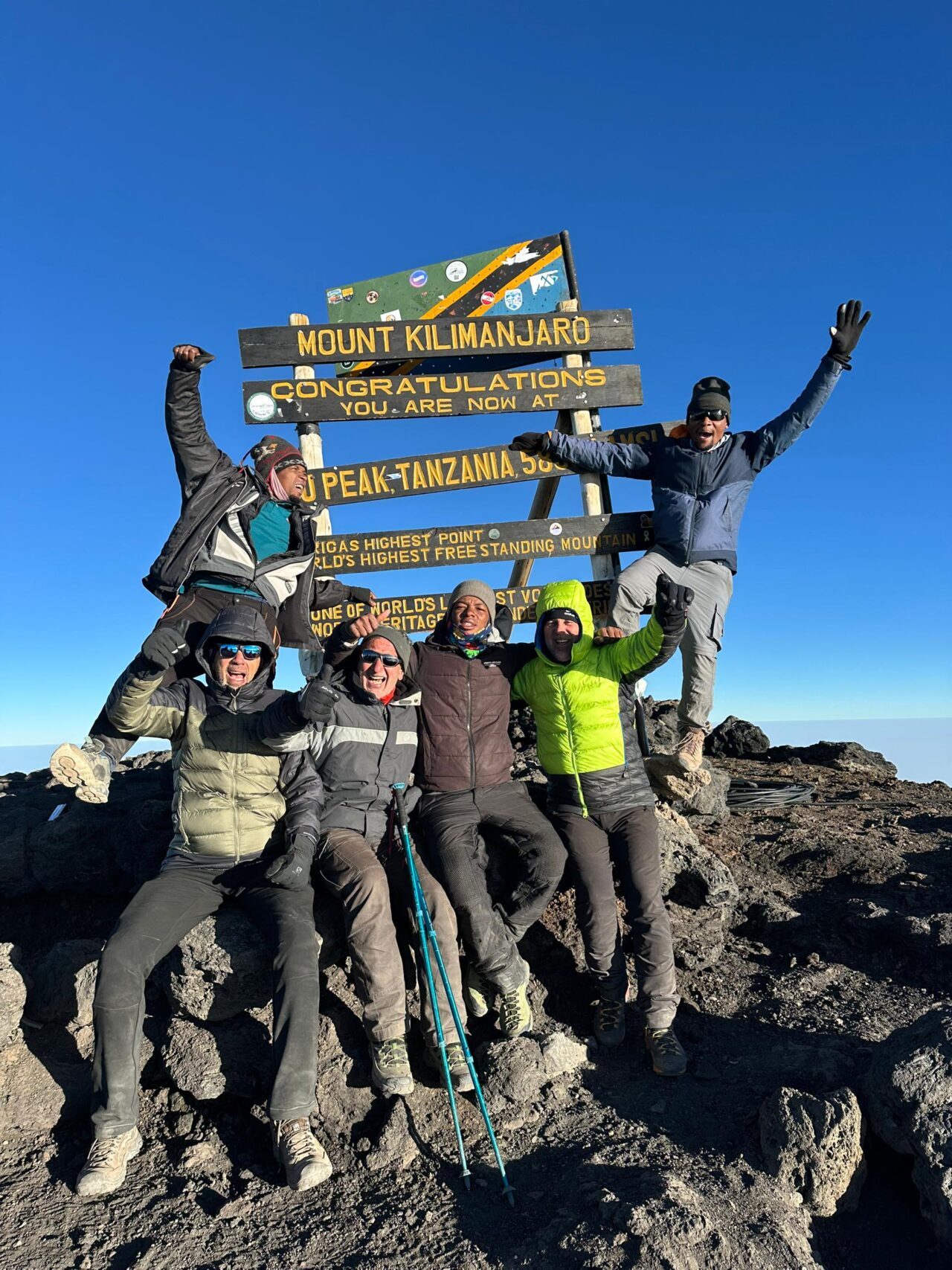
A July Kilimanjaro school group expedition in 2026 or 2027 offers excellent climbing conditions with dry weather and clear skies, making it an ideal time for student groups to summit Africa’s highest peak. Top Guide Adventures specializes in organizing safe, educational, and memorable Kilimanjaro climbs for schools, providing comprehensive support from planning through to the summit and descent, ensuring a positive experience for all participants.
Why Choose July for a School Group Kilimanjaro Expedition?
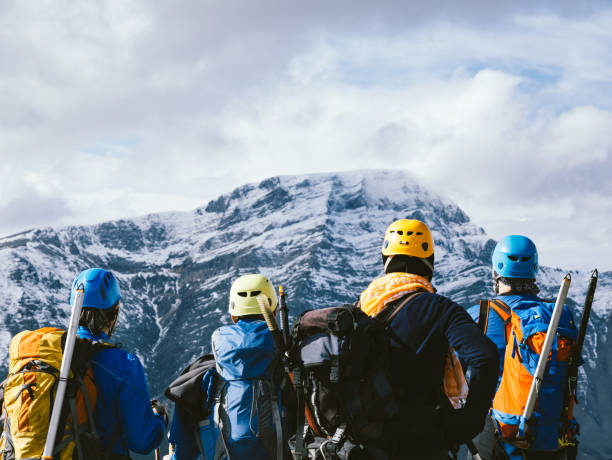
Selecting the right time of year for a school group expedition to Mount Kilimanjaro is crucial for maximizing safety, success rates, and the overall experience. July falls squarely within Kilimanjaro’s dry season, which typically spans from June to October. This period is highly sought after for ascents due to its predictable weather patterns, offering significant advantages for educational groups where safety and logistical predictability are paramount.
During July, the mountain generally experiences sunny days with minimal rainfall. While higher altitudes can still be cold, and occasional showers are possible, the consistent dry conditions significantly reduce the risk of weather-related delays or hazardous trekking conditions. Clear skies also provide unparalleled views of the surrounding landscape, including the vast plains of Tanzania and, on exceptionally clear days, Mount Meru. For students, these vistas are not just beautiful but also educational, offering a tangible connection to geography and the natural world.
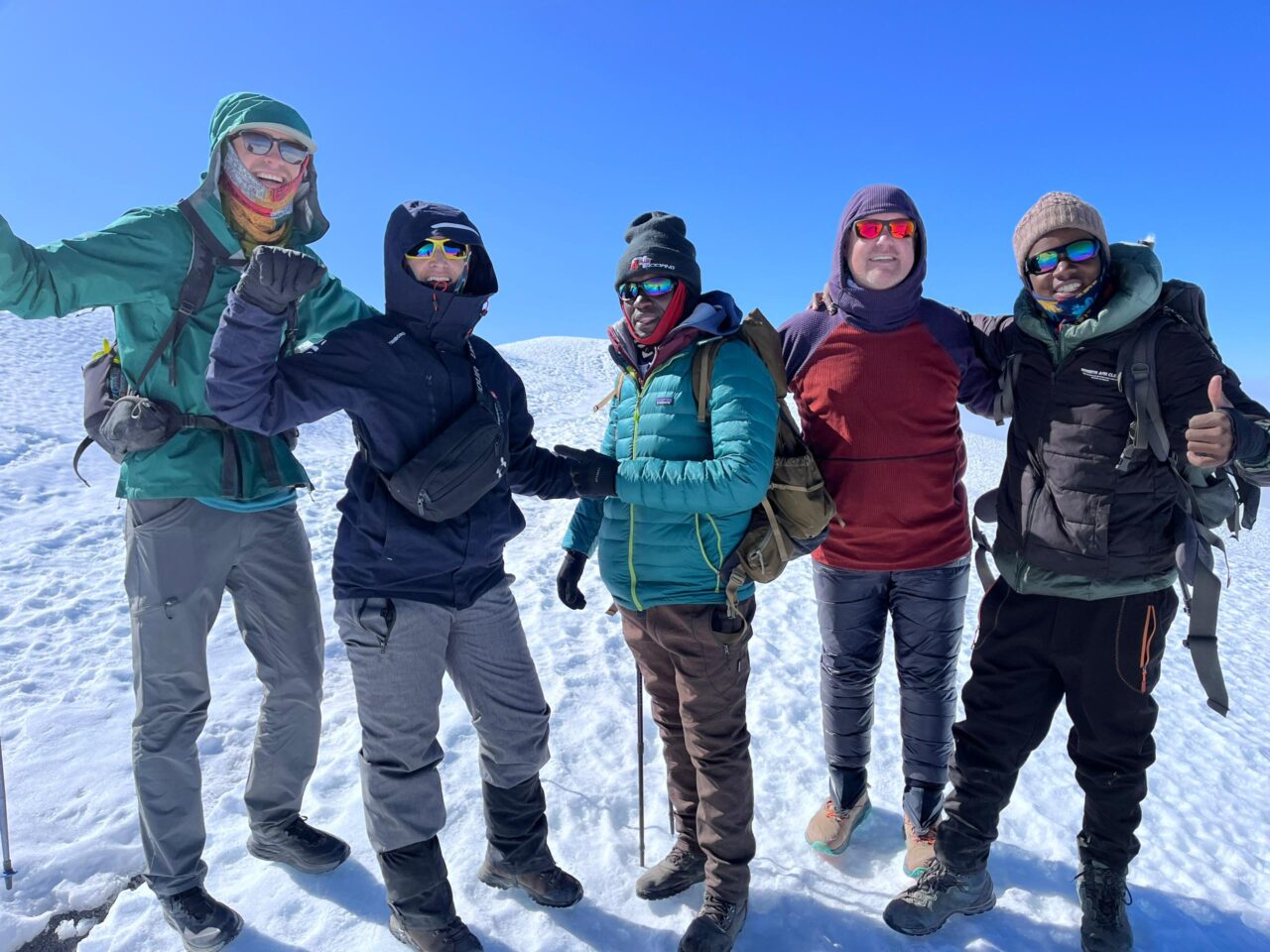
The temperature in July on Kilimanjaro varies dramatically with altitude. At the base, it can be warm and pleasant, but as you ascend, temperatures drop considerably. Summit night, in particular, can be brutally cold, often dipping below 0°F (-18°C). However, the dry conditions mean that frost and ice are more manageable than during the wet seasons, and proper gear, which we emphasize for all school groups, is key to comfort and safety. The lower humidity also makes the air feel less biting than it might in colder, wetter climates.
For school groups planning for 2026 or 2027, booking a July expedition provides a strong foundation for a successful adventure. The dry season generally leads to better trail conditions, reducing the risk of slips and falls, which is a major consideration when leading a group of young people. It also means that camping conditions are more stable, with less mud and fewer challenges in setting up tents and maintaining hygiene. This predictability allows for more focused educational components of the trip, whether it’s learning about the mountain’s ecosystems, the geology, or the cultural significance of Kilimanjaro to the local communities.
Top Guide Adventures: Your Partner for July School Expeditions
Top Guide Adventures has extensive experience in leading school groups up Mount Kilimanjaro. We understand the unique needs and considerations involved in organizing such an expedition, from ensuring the highest safety standards to fostering an environment of learning and personal growth for students. Our commitment is to provide a complete travel experience with personal attention, care, and dedicated support for every client, making us a trusted partner for educational institutions.
Our team comprises highly skilled and experienced guides who are not only experts in mountaineering and safety protocols but also passionate about sharing their knowledge of Kilimanjaro’s natural and cultural heritage. They are trained in first aid and are adept at managing group dynamics, motivating students, and ensuring everyone stays safe and healthy throughout the climb. For a July Kilimanjaro school group expedition, this expertise is invaluable.
We offer tailored itineraries that can be adapted to suit the specific goals and capabilities of a school group. Whether the focus is on achieving the summit, educational outcomes, team-building, or a combination of these, we work closely with educators to design a program that meets their objectives. This includes selecting the most appropriate route, duration, and pace for the group, considering factors like student age, fitness levels, and prior trekking experience.
Safety is our absolute priority. We conduct thorough pre-expedition briefings for students and staff, covering everything from essential gear and acclimatization strategies to emergency procedures. We equip our teams with comprehensive medical kits and ensure that our guides are trained to recognize and manage altitude sickness and other potential health issues. For July Kilimanjaro school group expeditions in 2026-2027, our robust safety management systems are designed to provide peace of mind for parents, schools, and students alike.
Choosing the Right Route for Your School Group in July
Selecting the optimal route is one of the most critical decisions when planning a Kilimanjaro expedition, especially for a school group. The success of the climb, the safety of participants, and the overall experience are heavily influenced by the chosen path. For July expeditions, where weather is generally favorable, the focus shifts to factors like acclimatization, scenery, and logistical feasibility for a group.
Top Guide Adventures recommends routes that offer good acclimatization profiles, as this is the single most important factor in successfully reaching the summit and minimizing the risk of altitude sickness. Longer routes generally provide better acclimatization due to their slower ascent rate, allowing the body more time to adapt to the decreasing oxygen levels. This is particularly important for younger climbers who may be more susceptible to altitude-related issues.
The Machame Route: A Popular Choice for School Groups
The Machame Route, often called the “Whiskey Route,” is a popular choice for school groups and is highly recommended by Top Guide Adventures for its excellent acclimatization profile and stunning scenery. It is typically a 6-day or 7-day trek, with the 7-day option providing a more relaxed pace and superior acclimatization, significantly increasing summit success rates.
Route Profile: The Machame Route ascends from the south-west of Kilimanjaro, offering a varied landscape that passes through rainforest, moorland, and alpine desert before reaching the arctic zone. It’s known for its “climb high, sleep low” trekking style, which aids acclimatization.
Duration: We strongly advise a 7-day Machame itinerary for school groups. This allows for a more gradual ascent, better adaptation to altitude, and a more enjoyable experience overall. A 6-day option is possible but increases the risk of altitude sickness.
Scenery: The Machame Route offers some of the most dramatic and varied scenery on the mountain, including the Shira Plateau, Lava Tower, and the Barranco Wall. The views from the higher camps are exceptional.
Success Rate: With a 7-day itinerary, the Machame Route boasts a high success rate, often exceeding 80-90% for well-prepared groups. This is a critical factor for school expeditions where reaching the summit is a major goal.
Logistics: The route is well-established, and campsites are well-maintained, making it logistically sound for group travel. Top Guide Adventures ensures all necessary arrangements are in place for a smooth operation.
For a July Kilimanjaro school group expedition in 2026 or 2027, the Machame Route provides a balance of challenge, beauty, and a strong emphasis on acclimatization, making it an excellent choice for an educational and adventurous journey.
The Lemosho Route: A Longer, More Scenic Option
The Lemosho Route is another excellent option, particularly for school groups that can commit to a longer expedition. It is renowned for its stunning scenery and excellent acclimatization, often considered one of the most beautiful routes on Kilimanjaro.
Route Profile: Lemosho starts in the west, crossing the Shira Plateau and eventually merging with the Machame Route. It offers a more remote and wild trekking experience in its initial days, passing through pristine rainforests.
Duration: Lemosho is best undertaken over 7 or 8 days. An 8-day itinerary is highly recommended for school groups to maximize acclimatization and enjoyment. This extended duration significantly boosts the chances of a successful summit bid.
Scenery: The Lemosho Route is celebrated for its panoramic views, especially from the Shira Plateau. The approach to the summit via Stella Point or Gilman’s Point offers dramatic vistas, particularly in the clear July skies.
Success Rate: The longer duration of the Lemosho Route, especially an 8-day climb, leads to very high summit success rates, comparable to or even exceeding the Machame route for well-prepared groups.
Logistics: While slightly more remote initially, Lemosho is well-managed, and Top Guide Adventures has robust logistical plans to support groups on this route. The extra day allows for a more relaxed pace, which is beneficial for student groups.
Choosing Lemosho for a July Kilimanjaro school group expedition in 2026-2027 means opting for a more in-depth and potentially more rewarding experience, with a strong emphasis on acclimatization and impressive landscapes.
The Marangu Route: The “Coca-Cola” Route
The Marangu Route is the oldest and most established route on Kilimanjaro. It’s often referred to as the “Coca-Cola” route due to its popularity and relatively easier ascent profile. However, its reputation for being “easier” is somewhat misleading, as it is also one of the routes with the lowest success rates due to poor acclimatization.
Route Profile: Marangu ascends from the southeast and is the only route that offers dormitory-style accommodation in huts rather than camping. It has two ascent options: a 5-day climb and a 6-day climb.
Duration: The 5-day Marangu route is not recommended for school groups due to its rapid ascent and poor acclimatization, leading to a very low success rate. The 6-day option is better but still inferior to routes like Machame or Lemosho in terms of acclimatization.
Scenery: While it offers beautiful rainforest scenery, the Marangu route’s ascent and descent paths are the same, meaning you don’t experience the same variety of landscapes as on other routes.
Success Rate: The 5-day Marangu route has a notoriously low summit success rate, often below 40%. The 6-day route improves this but is still significantly lower than routes offering better acclimatization.
Logistics: The hut accommodation can be an advantage for some, but for a school group seeking a true wilderness experience and prioritizing success, Marangu is generally not the top recommendation, especially for a July Kilimanjaro school group expedition.
Other Routes for Consideration
While Machame and Lemosho are our top recommendations for school groups, other routes like the Northern Circuit (9 days) offer excellent acclimatization and stunning views, making it ideal for those with more time and a desire for a less crowded experience. The Rongai Route (7 days), approaching from the north, is another good option, particularly if early July sees slightly more unpredictable weather on the southern side, though July is generally very dry.
For any July Kilimanjaro school group expedition, the key is to select a route that prioritizes acclimatization and safety. Top Guide Adventures will work with your school to assess the group’s needs and recommend the route that best aligns with your objectives for 2026-2027.
Preparing Your School Group for a July Kilimanjaro Climb
A successful Kilimanjaro expedition for a school group hinges on thorough preparation. This involves not just the physical training but also equipping students with the right gear, knowledge, and mental fortitude. Top Guide Adventures provides comprehensive guidance to help schools prepare their students effectively for a July Kilimanjaro school group expedition.
Physical Training and Fitness
Mount Kilimanjaro is a significant physical challenge. While it is not technically difficult, the altitude and duration of the trek demand a good level of cardiovascular fitness and endurance. For school groups, a structured training program is essential.
- Cardiovascular Fitness: Encourage regular aerobic activities like running, cycling, swimming, or brisk walking for at least 3-4 times a week. Aim for sessions of 45-60 minutes.
- Hiking and Stamina Training: Incorporate regular hiking, especially with a backpack. Encourage students to hike on varied terrain, including hills or stairs, to simulate mountain conditions. Weekend hikes of increasing duration and difficulty are highly beneficial.
- Strength Training: Focus on lower body strength (squats, lunges) and core strength to support the body during long trekking days and carry a pack.
- Altitude Simulation (if possible): While difficult to replicate, some gyms offer altitude training rooms. Even without this, focus on building endurance that helps the body cope better with exertion.
- Mental Preparation: Discuss the challenges of altitude, cold, and potential discomfort. Emphasize perseverance, teamwork, and positive attitude.
For a July Kilimanjaro school group expedition, starting training at least 3-6 months in advance is recommended. The intensity should gradually increase as the expedition date approaches.
Essential Gear for Kilimanjaro in July
Proper gear is vital for comfort, safety, and success, especially in the varying conditions on Kilimanjaro during July. Top Guide Adventures provides detailed gear lists, but here are the essentials:
Clothing Layers (The Layering System)
- Base Layers: Moisture-wicking thermal tops and bottoms (merino wool or synthetic).
- Mid Layers: Fleece jackets or synthetic insulation for warmth.
- Outer Layer (Shell): Waterproof and windproof jacket and trousers (Gore-Tex or similar).
- Insulated Jacket: A warm down or synthetic puffy jacket for evenings and summit night.
Footwear
- Hiking Boots: Waterproof, broken-in, sturdy hiking boots with good ankle support.
- Camp Shoes: Comfortable shoes or sandals for wearing around camp.
- Socks: Several pairs of warm wool or synthetic hiking socks.
Headwear and Handwear
- Warm Hat: Wool or fleece hat that covers the ears.
- Sun Hat: Wide-brimmed hat for sun protection.
- Gloves: Thin liner gloves and warm waterproof outer gloves or mittens.
Sleeping Gear
- Sleeping Bag: A 4-season (rated to -15°C or 0°F) sleeping bag is essential for July.
- Sleeping Pad: Comfortable and insulating sleeping pad (though porters often carry these, check with your operator).
Other Essentials
- Backpack: A comfortable daypack (30-40 liters) for carrying essentials during the trek.
- Duffel Bag: A large, waterproof duffel bag (80-100 liters) for porters to carry.
- Water Bottles/Bladder: At least 3 liters capacity. Insulated covers recommended for July to prevent freezing.
- Headlamp: With extra batteries.
- Sunscreen: High SPF.
- Lip Balm: With SPF.
- Sunglasses: With UV protection.
- Personal First-Aid Kit: Including any personal medications.
- Trekking Poles: Highly recommended for reducing strain on knees.
- Toiletries: Biodegradable soap, toothbrush, toothpaste, wet wipes, hand sanitizer.
- Snacks: High-energy snacks.
Top Guide Adventures can provide a more detailed, customized gear list for your specific July Kilimanjaro school group expedition, ensuring no critical items are missed for 2026 or 2027 departures.
Health and Vaccinations
Consulting a travel clinic or healthcare provider well in advance of the expedition is essential. They can advise on recommended vaccinations and malaria prophylaxis, though Kilimanjaro itself is generally malaria-free due to its altitude. However, areas around Moshi and Arusha may have malaria risk, so precautions are advised for the days before and after the climb.
Altitude Sickness (AMS): Education on the symptoms and prevention of Acute Mountain Sickness is paramount. Guides are trained to monitor climbers, but students must be encouraged to communicate any symptoms immediately. Diamox (acetazolamide) can be prescribed by a doctor to aid acclimatization, and Top Guide Adventures will advise on its use.
Hydration and Nutrition: Emphasize the importance of drinking plenty of water (3-4 liters per day) and eating well, even when appetite is reduced at altitude. High-energy, easily digestible foods are key.
Insurance and Emergency Procedures
Comprehensive travel insurance that covers high-altitude trekking and emergency medical evacuation is mandatory for all participants. Schools must ensure their insurance policies are adequate. Top Guide Adventures will require proof of insurance. We maintain strict emergency protocols and have evacuation plans in place, including the use of stretcher teams and, if necessary, helicopter evacuation for critical situations.
Safety First: Managing Risks on a School Group Expedition
The safety of every student and staff member is the utmost priority for Top Guide Adventures. Leading a school group up Kilimanjaro requires a heightened focus on risk management, clear communication, and robust emergency preparedness. Our operational procedures are designed to mitigate potential risks inherent in high-altitude trekking.
Altitude Sickness Management
Acute Mountain Sickness (AMS) is the most common altitude-related illness. Our guides are extensively trained to recognize the early symptoms, which can include headache, nausea, dizziness, and fatigue. They monitor each climber closely throughout the day and night.
- Gradual Ascent: Choosing longer routes like Machame (7 days) or Lemosho (8 days) is our primary strategy for preventing AMS. This allows the body to acclimatize effectively.
- “Pole Pole” (Slowly Slowly): Guides enforce a slow, steady pace, which is crucial for acclimatization. Students are instructed to walk slowly, take frequent short breaks, and avoid overexertion.
- Hydration: Encouraging consistent fluid intake is vital. Dehydration can exacerbate AMS symptoms.
- Monitoring: Daily checks are conducted, including pulse and oxygen saturation readings where possible. Climbers are encouraged to report any discomfort immediately.
- Descent Protocol: If symptoms of moderate to severe AMS develop, the protocol is immediate descent. This is the most effective treatment. Our teams are equipped to assist with this process safely.
Guide Training and Support
Our guides are not just experienced mountaineers; they are also certified in wilderness first aid and are trained in high-altitude medicine. They understand group dynamics and are skilled in motivating and supporting climbers, especially younger ones, through challenging moments. Each guide is equipped with a comprehensive medical kit, including oxygen, and knows how to administer basic treatments and recognize when a climber needs to descend.
Emergency Evacuation
In the event of a serious medical emergency, Top Guide Adventures has established emergency evacuation procedures. This includes:
- Stretcher Teams: For climbers who need to descend but cannot walk unaided, dedicated porter teams are available to carry them down safely.
- Oxygen: Portable oxygen cylinders are carried by the lead guide for emergency use to stabilize climbers experiencing severe altitude sickness.
- Communication: Guides carry satellite phones or radios for emergency communication, enabling them to contact our base in Moshi and coordinate further assistance.
- Helicopter Evacuation: For the most critical situations, we coordinate with air rescue services for helicopter evacuation from designated points on the mountain. This service is typically covered by travel insurance.
For a July Kilimanjaro school group expedition in 2026 or 2027, these safety measures are non-negotiable. We believe in proactive risk management and constant vigilance to ensure a safe and rewarding adventure for everyone.
Educational and Team-Building Aspects of a School Expedition
A Kilimanjaro expedition offers far more than just a physical challenge; it’s a powerful platform for education and personal development. For school groups, the experience can be structured to enhance learning in various domains and foster crucial life skills.
Environmental Education
Kilimanjaro’s diverse ecosystems provide a living laboratory for environmental studies. As students ascend, they pass through distinct climatic zones:
- Rainforest: Rich biodiversity, unique flora and fauna, and the importance of conservation.
- Heath and Moorland: Adaptations of plants to higher altitudes, changing vegetation patterns.
- Alpine Desert: Sparse vegetation, extreme temperature fluctuations, and the challenges of life in harsh environments.
- Arctic Zone: Glaciers, permafrost (at high altitudes), and the impact of climate change on these fragile environments.
Our guides can provide insights into these ecosystems, their geological formation, and the impact of human activity and climate change. This provides a tangible, real-world context for lessons in biology, geography, and environmental science. Discussions about responsible tourism and minimizing our footprint on the mountain are integral to the expedition.
Cultural Immersion
The journey to Kilimanjaro also offers opportunities for cultural learning. Interacting with our local guides, porters, and support staff provides insights into Tanzanian culture, traditions, and daily life. Students can learn about the Chagga people, who inhabit the slopes of Kilimanjaro, their history, and their relationship with the mountain.
Pre- and post-climb activities can include visits to local villages or cultural heritage sites, further enriching the educational experience. Understanding different perspectives and ways of life is a key component of global citizenship education.
Teamwork and Leadership Development
Climbing Kilimanjaro as a group naturally fosters teamwork and leadership skills. Students learn to:
- Support Each Other: Encouraging fellow climbers, sharing resources, and working together to overcome challenges.
- Communicate Effectively: Sharing observations, reporting concerns, and coordinating efforts.
- Develop Resilience: Pushing through physical discomfort and mental fatigue, learning to persevere.
- Build Trust: Relying on guides, porters, and fellow students, and earning their trust in return.
- Leadership Opportunities: Students can take on informal leadership roles, motivating their peers and contributing to group morale.
These experiences are invaluable for personal growth, preparing students for future academic, professional, and personal endeavors. A July Kilimanjaro school group expedition is a powerful vehicle for developing character and life skills.
Logistics and Support from Top Guide Adventures
Top Guide Adventures handles all logistical aspects of your July Kilimanjaro school group expedition, allowing educators and students to focus on the climb and the educational objectives. Our comprehensive support ensures a smooth and well-managed expedition.
Pre-Expedition Planning and Coordination
We begin by working closely with the school to understand their specific requirements. This includes:
- Customized Itinerary Development: Tailoring routes, durations, and activity schedules.
- Gear Consultation: Providing detailed gear lists and advice on purchasing or renting equipment.
- Training Advice: Offering guidance on physical preparation and health recommendations.
- Risk Assessment and Management Plans: Developing detailed safety protocols in collaboration with the school.
- Visa and Travel Information: Assisting with necessary travel documentation advice.
On-Mountain Support
Our on-mountain operations are designed for efficiency and safety:
- Experienced Guides and Crew: A dedicated team of guides, assistant guides, cooks, and porters for every group. We ensure fair wages and good working conditions for our crew.
- High-Quality Equipment: Providing sturdy tents, cooking equipment, and ensuring all gear is well-maintained.
- Nutritious Meals: Our cooks prepare delicious and energy-rich meals at every camp, catering to dietary needs and preferences.
- Logistics Management: Ensuring timely movement of equipment, supplies, and personnel between campsites.
- Communication: Maintaining communication between the mountain crew and our base office.
Post-Expedition Support
After the climb, we continue to provide support:
- Debriefing: A post-climb debrief to discuss the experience and address any feedback.
- Certificate Presentation: Awarding summit certificates to successful climbers.
- Optional Extensions: Arranging safaris in the Serengeti or Ngorongoro, or relaxing holidays on Zanzibar, to complement the Kilimanjaro experience.
For a July Kilimanjaro school group expedition in 2026-2027, this end-to-end support system ensures a well-organized, safe, and enriching adventure for all participants.
Cost Considerations for a July Kilimanjaro School Group Expedition
The cost of a Kilimanjaro expedition can vary significantly based on the route, duration, group size, and the operator’s inclusions. For school groups, transparency and value for money are key considerations. Top Guide Adventures offers competitive pricing for July Kilimanjaro school group expeditions, focusing on quality services and safety.
While exact pricing for 2026-2027 school group expeditions will be provided via a personalized quote, general cost factors include:
- Route Choice: Longer routes with better acclimatization (e.g., 7-day Machame, 8-day Lemosho) typically cost more than shorter, less optimal routes due to more days of service.
- Duration: A longer trek means more days of guiding, porters, food, and park fees.
- Group Size: Larger groups can sometimes benefit from economies of scale, reducing the per-person cost.
- Inclusions: What is included in the package (e.g., park fees, crew wages, meals, accommodation before/after the climb, gear rental, transfers).
- Operator’s Standards: Reputable operators who prioritize crew welfare, safety equipment, and quality of service will generally have higher prices than budget operators.
Park Fees: These are a significant portion of the cost and are set by the Tanzanian government. They include climbing permits, camping/hut fees, and rescue fees. For July Kilimanjaro school group expeditions, these fees are constant regardless of the operator.
Crew Wages and Welfare: Top Guide Adventures is committed to fair wages and ethical treatment of our guides and porters. This commitment is reflected in our pricing and ensures a motivated and professional team.
What is typically included in a Top Guide Adventures School Group Package:
- Park entry fees, camping/hut fees, crater fees, and rescue fees.
- Salaries for guides, assistant guides, cooks, and porters.
- All meals on the mountain.
- Boiled water on the mountain.
- All camping equipment (tents, sleeping mats, mess tents, tables, chairs).
- A private transfer from Kilimanjaro International Airport (JRO) to your hotel in Moshi/Arusha.
- One night’s accommodation in a hotel before the climb and one night after the climb (on a twin-sharing basis).
- Group equipment: oxygen cylinders, first-aid kits, and communication devices.
What is typically NOT included:
- Flights to and from Tanzania.
- Visa fees.
- Travel and medical insurance.
- Personal gear (sleeping bag, hiking boots, clothing, etc.).
- Tips for guides, porters, and cooks (a crucial part of their income).
- Soft drinks and alcoholic beverages.
- Optional activities or extensions.
We encourage schools to contact us directly for a detailed quote for their July Kilimanjaro school group expedition for 2026 or 2027. We are happy to discuss budget considerations and tailor packages to meet specific financial requirements while maintaining our high standards of safety and service.
Booking Your July Kilimanjaro School Group Expedition
Booking a July Kilimanjaro school group expedition with Top Guide Adventures is a straightforward process designed to ensure all details are covered for a successful and memorable adventure for your students in 2026 or 2027. We pride ourselves on providing personal attention and dedicated support throughout the entire planning and execution phases.
To initiate the booking process or to request a personalized quote, please reach out to our team. We are ready to answer all your questions and guide you through every step:
- Contact Us: You can reach us via email at topguideadventures@gmail.com or info@topguideadventures.com.
- WhatsApp: For immediate assistance or to discuss your group’s needs, please message us on WhatsApp at +255616946642.
- Website: Visit our website at www.topguideadventures.com for more information about our services and Tanzania adventures.
We recommend starting the planning process for a July Kilimanjaro school group expedition at least 12-18 months in advance, especially for 2026-2027 departures, to allow ample time for training, fundraising, and securing the best availability. Our team is committed to making this expedition a safe, educational, and inspiring experience for your students, contributing to their personal growth and creating lasting memories.
We look forward to partnering with your school to make your July Kilimanjaro school group expedition a resounding success.
Check Availability for July Kilimanjaro School Group Expedition: Planning Your Adventure 2026-2027
Ready to compare dates, prices, and the best option for your group? Send the package name and travel month so the team can reply with a clear quote, availability, and what is included.
Kilimanjaro Veterans Group Expeditions For 2026-2027
Discover the unique opportunities for veterans to climb Mount Kilimanjaro together through specially organized group expeditions. Learn about the benefits, best routes, and planning...
View package details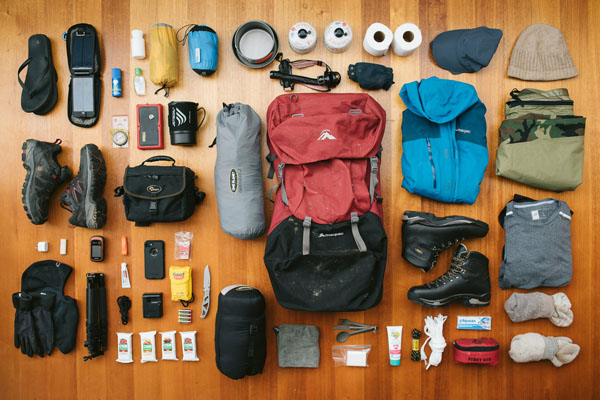
Kilimanjaro School Reunion Climb: Planning Your Ultimate Adventure 2026-2027
Planning a Kilimanjaro School Reunion Climb offers a unique opportunity to reconnect with classmates while achieving a monumental goal. This guide covers everything from choosing the best...
View package details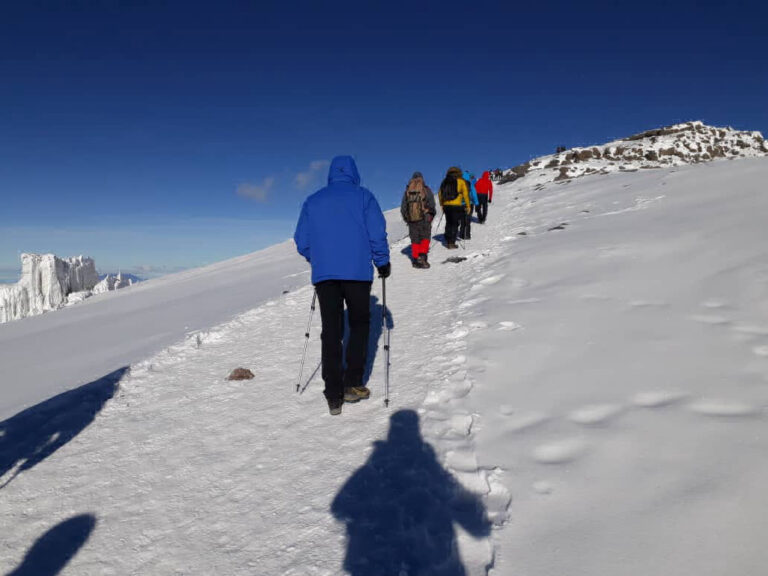
Kilimanjaro Friends’ Group Climbing Holiday: Your Ultimate Guide For 2026-2027
Organizing a Kilimanjaro climb for a group of friends is an unforgettable experience. This guide from Top Guide Adventures covers everything you need to know for a successful 2026-2027...
View package details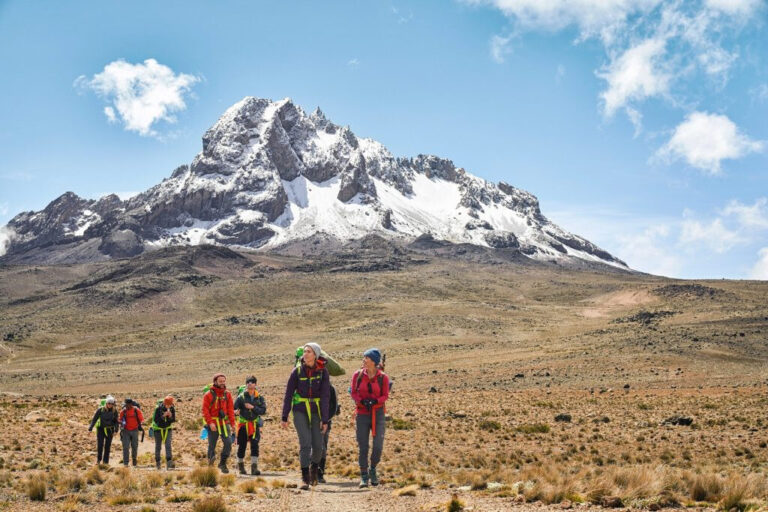
Kilimanjaro Climbing Price For Five People: Group Costs 2026-2027
Understanding the Kilimanjaro climbing price for five people (5 pax) is crucial for group planning. This guide breaks down the costs for 2026-2027, covering route variations, inclusions...
View package details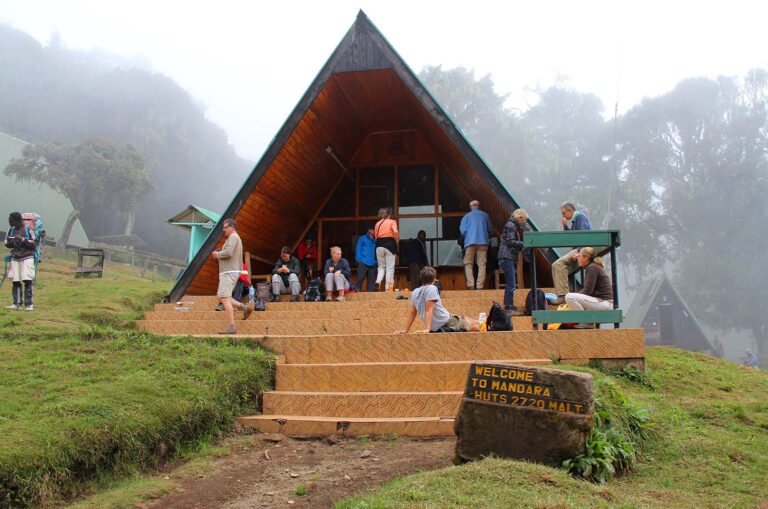
Kilimanjaro Climbing Price For Ten People: Group Trekking Costs Explained
Planning a Kilimanjaro climb for a group of ten? This comprehensive guide breaks down the Kilimanjaro climbing price for ten people, covering 2026-2027 costs, route influences, inclusions...
View package details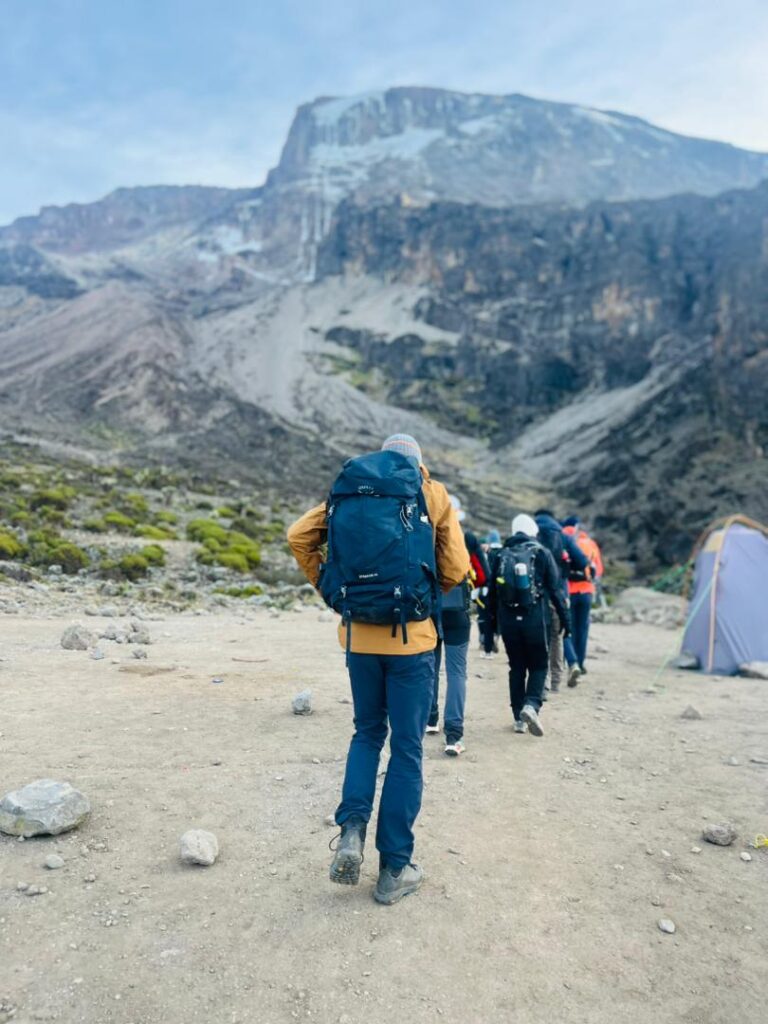
March Kilimanjaro Solo Traveller Group: Your Ultimate Guide For 2026-2027
Planning to climb Kilimanjaro solo in March? This guide connects you with group departures specifically for solo travellers, covering routes, costs, preparation, and what to expect in...
View package details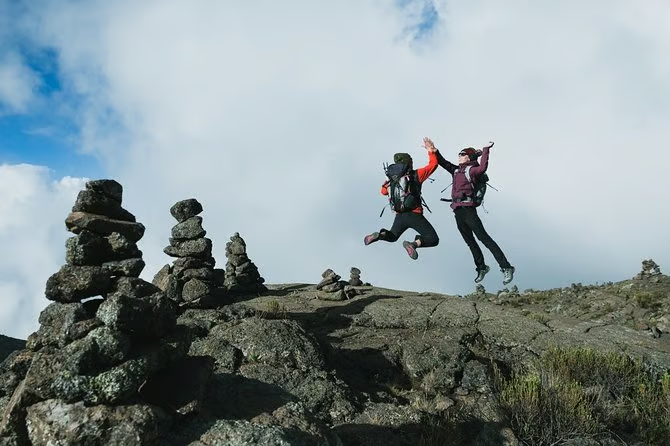
July Vs August Kilimanjaro Climbing: The Ultimate Comparison For 2026-2027
Choosing between July and August for your Kilimanjaro climb? This in-depth comparison details weather patterns, crowd levels, route popularity, and essential planning tips for 2026-2027 to...
View package details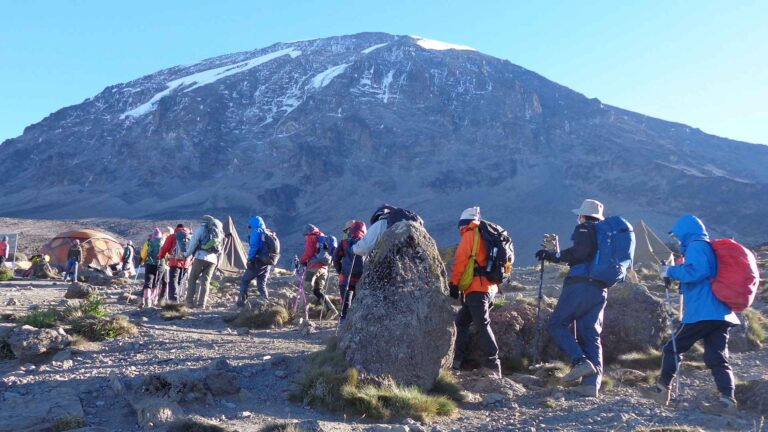
June Vs July Kilimanjaro Weather And Crowds 2026-2027
June vs July Kilimanjaro Weather and Crowds is explained with current 2026-2027 planning, price, itinerary and booking information.
View package details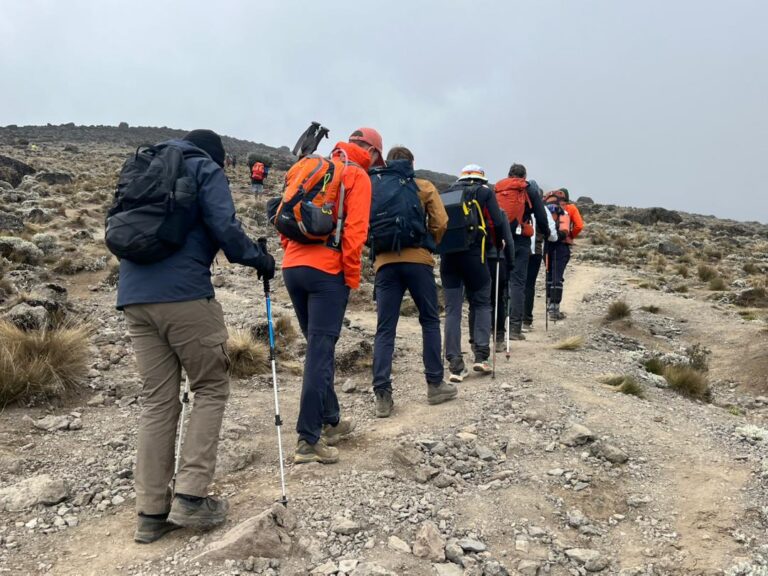
July Kilimanjaro Last-Minute Availability Guide
Planning a last-minute Kilimanjaro climb in July 2026 or 2027? This guide covers current availability, best routes, essential packing, and how to secure your spot with Top Guide Adventures.
View package details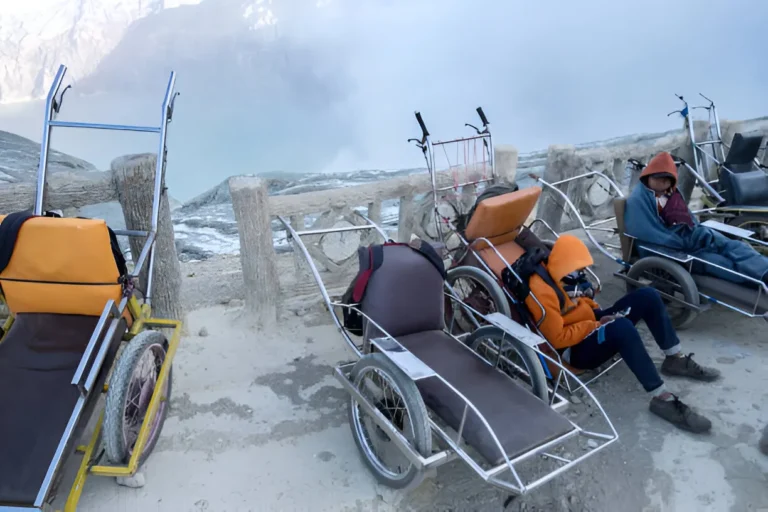
Kilimanjaro Father-And-Son Climbing Package: Forge Bonds On Africas Roof
Discover the ultimate Kilimanjaro father-and-son climbing package, offering a unique opportunity for bonding and achievement on Africa's highest peak. Top Guide Adventures provides tailored...
View package details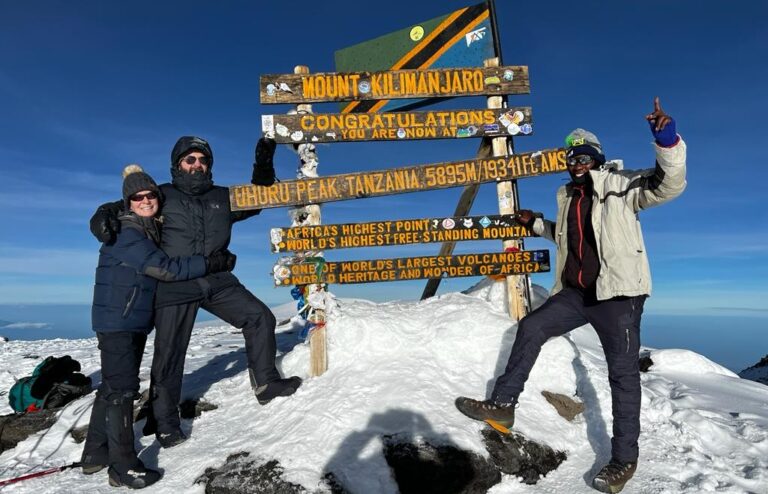
Kilimanjaro Acclimatization For Slow-Paced Groups 2026-2027
Kilimanjaro Acclimatization for Slow-Paced Groups is explained with current 2026-2027 planning, price, itinerary and booking information.
View package details
Kilimanjaro Christmas And New Year Expedition : Your Ultimate Guide 2026-2027
Climb Mount Kilimanjaro during the festive season! This comprehensive guide covers everything you need to know about a Kilimanjaro Christmas and New Year expedition for 2026-2027, from...
View package detailsNo related package matches those filters. Clear one or more filters to see the other topic-matched options.



