
A July Kilimanjaro family summer holiday offers excellent climbing conditions with dry weather, cooler temperatures, and clear skies, making it an ideal time for families to ascend Africa’s highest peak. Expect daytime temperatures around 15-25°C (59-77°F) at lower altitudes and much colder nights, potentially dropping below freezing higher up. Top Guide Adventures specializes in tailoring family climbs, recommending routes like Marangu or Machame for their relative accessibility and scenic beauty, and ensuring all safety protocols are met for a memorable 2026 or 2027 adventure.
Why July is Perfect for Your Kilimanjaro Family Summer Holiday
Choosing July for a Kilimanjaro family summer holiday positions you at the start of the mountain’s second-best climbing season. Following the brief ‘little rainy season’ in June, July typically ushers in a period of stable, dry weather. This means fewer muddy trails, significantly reduced chances of rain interrupting your trek, and clearer, wider views from the summit and along the routes. For families, this predictability is invaluable. It allows for more comfortable trekking days and a greater likelihood of achieving the summit goal without weather-related setbacks. The cooler temperatures, a hallmark of July and August, can also be a significant advantage for those unaccustomed to tropical heat at the base of the mountain, making acclimatization potentially easier.
The ‘summer’ in the Northern Hemisphere often aligns with the dry season in Tanzania, making July a popular choice for international travelers seeking to combine a Kilimanjaro adventure with other East African experiences. For families, this period means schools are often out, facilitating travel arrangements. The clarity of the skies in July is particularly noteworthy. While summit night can still be cold, the absence of heavy cloud cover increases the chances of witnessing a spectacular sunrise from Uhuru Peak, a truly unforgettable moment for any family.
Understanding Kilimanjaro’s Climate in July
Kilimanjaro’s climate is dictated by its altitude and proximity to the equator. July falls within the dry season, characterized by minimal rainfall and cooler average temperatures compared to the hotter months. The mountain experiences distinct ecological zones, each with its own microclimate:
- Cultivation Zone (approx. 800-1800m): Warm and humid, often with rain showers, though less frequent in July.
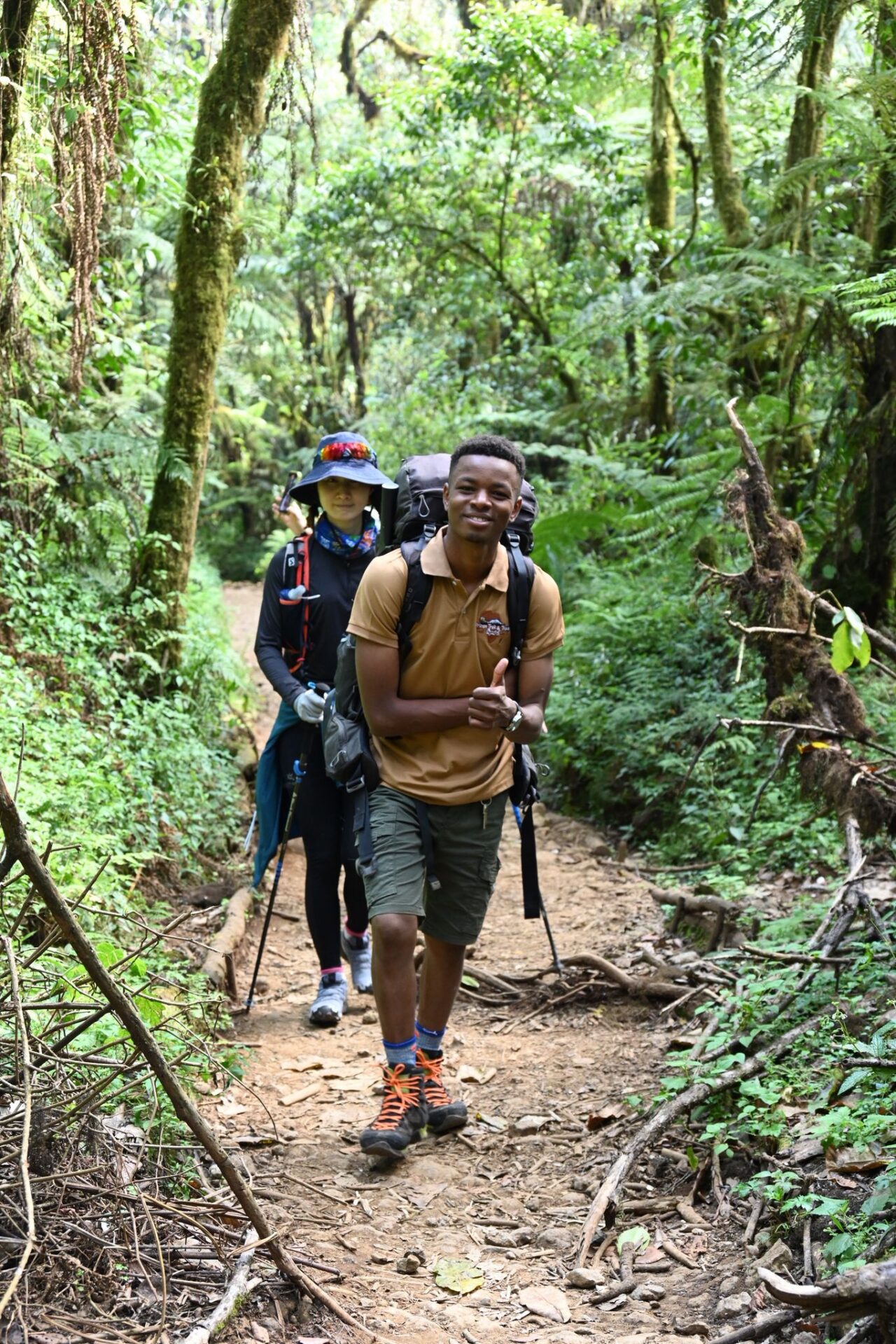
- Rainforest Zone (approx. 1800-2800m): Denser vegetation, can be misty and damp, but July offers more sunshine than other months.
- Moorland Zone (approx. 2800-4000m): Cooler, drier, with ericaceous shrubs and moorland vegetation.
- Alpine Desert Zone (approx. 4000-4800m): Arid, with sparse vegetation, temperatures can fluctuate significantly between day and night.
- Arctic Zone (above 4800m): Extremely cold, with permanent ice and snow near the summit.
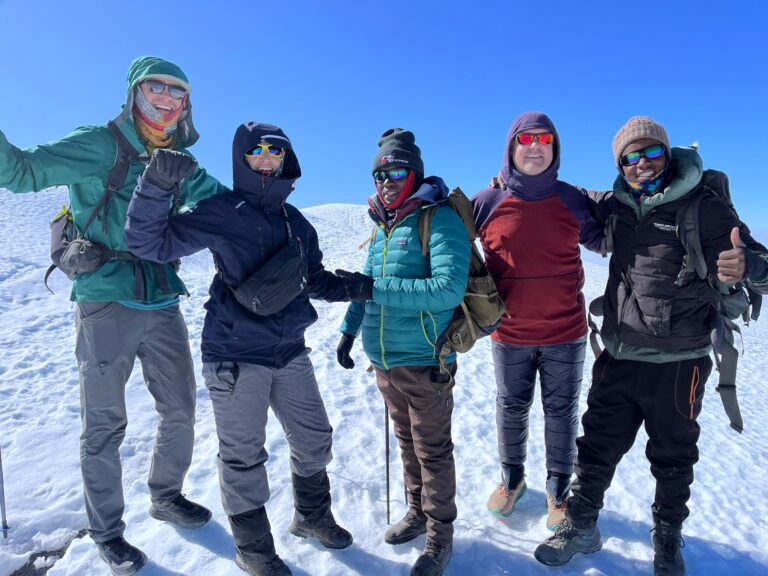
In July, you can expect daytime temperatures to range from 15-25°C (59-77°F) in the lower rainforest zones, gradually decreasing as you ascend. At the summit (Uhuru Peak, 5,895m), temperatures will consistently be below freezing, often between -7°C to -15°C (19°F to 5°F), especially at night and during sunrise. Wind chill can make it feel even colder. The dry air means humidity is low, which can be comfortable during the day but contributes to the intense cold at night. Visibility is generally excellent, offering panoramic views of the surrounding landscape, including Mount Meru and, on exceptionally clear days, the plains of Kenya.
Family-Friendly Considerations for a July Climb
Climbing Kilimanjaro as a family requires careful planning, especially regarding age, fitness, and the chosen route. While there’s no strict minimum age, most reputable operators recommend children be at least 10-12 years old, with good physical fitness and mental preparedness for the challenges. The key to a successful family climb in July is selecting a route that balances scenery, acclimatization profile, and comfort. Longer routes are generally recommended for better acclimatization, reducing the risk of altitude sickness. This is crucial for younger climbers who might be more susceptible.
Safety is paramount. Ensure your chosen tour operator, like Top Guide Adventures, adheres to strict safety standards, including carrying sufficient oxygen, having trained guides with wilderness first aid certifications, and maintaining clear communication protocols. For a July Kilimanjaro family summer holiday, selecting a tour that offers private climbs can provide more flexibility for family pace and rest stops. Understanding the physical and mental demands, discussing expectations with children, and preparing them adequately are vital steps. The cooler July weather can be an advantage, but it also means packing warmer gear is non-negotiable.
Choosing the Right Route for Your July Kilimanjaro Family Summer Holiday
The selection of a trekking route is one of the most critical decisions for a July Kilimanjaro family summer holiday. While all routes eventually lead to the same summit, their length, ascent profiles, scenery, and camping arrangements differ significantly. For families, the primary considerations are acclimatization, safety, and the overall enjoyment of the journey. Longer routes generally offer better acclimatization rates, which is vital for preventing altitude sickness, especially in younger trekkers. Top Guide Adventures focuses on routes that provide a positive and safe experience for families, prioritizing success and well-being over speed.
In July, when weather is stable, the scenic beauty of all routes is enhanced. However, the number of trekkers can increase, especially on more popular paths. Balancing popularity with a less crowded experience might be a consideration for some families seeking a more intimate adventure. We will explore the most suitable routes for families in July, detailing their pros and cons to help you make an informed choice for your 2026 or 2027 expedition.
Marangu Route: The Coca-Cola Route
The Marangu Route, often called the “Coca-Cola” route due to its popularity and relative ease, is the oldest and arguably the most straightforward path up Kilimanjaro. It’s known for its unique accommodation in dormitory-style huts rather than tents, offering a different kind of comfort, especially appealing for families who might prefer more solid shelter. This route is also one of the shortest in terms of days required (typically 5-6 days).
Pros for Families in July:
- Hut Accommodation: Provides a comfortable, dry, and warm place to sleep, a significant plus for families, especially during cooler July nights.
- Shorter Duration: A 5-day trek is the minimum, which might appeal to families with time constraints. However, Top Guide Adventures strongly recommends extending this to 6 days for better acclimatization.
- Scenic Views: Offers beautiful forest scenery in the initial stages.
Cons for Families in July:
- Lower Success Rate: The shorter duration (especially the 5-day option) leads to rapid ascent and poor acclimatization, resulting in a lower summit success rate compared to longer routes. This is a significant concern for families.
- Crowding: Being the most popular route, it can get quite crowded, even in July.
- Less Gradual Ascent: The steeper ascent profile means more rapid altitude gain, increasing the risk of altitude sickness.
Recommendation: While Marangu offers comfort, its rapid ascent makes it less ideal for families prioritizing acclimatization and success. If choosing Marangu, a 6-day itinerary is strongly advised by Top Guide Adventures to improve acclimatization chances. The 5-day option is generally not recommended for family climbs.
Machame Route: The “Whiskey” Route
The Machame Route is currently the most popular route on Kilimanjaro, renowned for its stunning scenery and excellent acclimatization profile, often referred to as the “Whiskey” route in contrast to Marangu’s “Coca-Cola.” It’s a camping route, meaning trekkers sleep in tents. The route follows a “climb high, sleep low” strategy, which is crucial for aiding acclimatization and significantly boosting summit success rates.
Pros for Families in July:
- Excellent Acclimatization: The 6-day and especially the 7-day Machame itineraries are designed for optimal acclimatization, leading to higher success rates. This is a major advantage for families.
- High Success Rate: Due to the excellent acclimatization, summit success rates are among the highest on Kilimanjaro.
- Beautiful Scenery: Offers diverse and dramatic landscapes, from rainforest to alpine desert, with impressive views.
- Less Crowded than Marangu: While popular, it generally feels less congested than the Marangu route.
Cons for Families in July:
- Camping: Requires sleeping in tents, which might be a consideration for families accustomed to more comfort. However, Top Guide Adventures provides high-quality tents and camping equipment.
- Steeper Sections: Some sections can be steep, requiring good physical fitness.
Recommendation: The 7-day Machame route is highly recommended by Top Guide Adventures for families undertaking a July Kilimanjaro family summer holiday. It provides the best balance of acclimatization, scenery, and success rates, making it a superior choice for a memorable and safe family expedition. The 6-day option is also viable but the 7-day offers an extra day for slower pacing and acclimatization.
Lemosho Route: The Scenic Gem
The Lemosho Route is widely regarded as one of the most scenic routes on Kilimanjaro. It starts in the west and crosses the Shira Plateau, offering spectacular views and a great opportunity to see wildlife in the forest zone. It’s a camping route and is typically trekked over 7-8 days, making it excellent for acclimatization.
Pros for Families in July:
- Exceptional Scenery: Offers some of the most beautiful and varied landscapes on the mountain.
- Excellent Acclimatization: The longer duration (7 or 8 days) provides superior acclimatization, leading to very high summit success rates.
- Less Crowded: Especially in the initial days, Lemosho is less crowded, offering a more private trekking experience.
- Wildlife Spotting: The early stages through the rainforest offer chances to see monkeys and other wildlife.
Cons for Families in July:
- Longer Duration: Requires more time commitment, typically 7-8 days.
- Cost: Generally more expensive due to the longer duration and logistics involved.
Recommendation: For families seeking the most visually rewarding and comfortable acclimatization, the 7-day or 8-day Lemosho route is an outstanding choice for a July Kilimanjaro family summer holiday. It offers a fantastic balance of beauty, success, and a more secluded experience, ideal for creating lasting family memories in 2026 or 2027.
Other Routes to Consider
While Marangu, Machame, and Lemosho are the most common choices for families, other routes offer unique advantages:
- Shira Route: Similar to Lemosho but starts at a higher altitude on the Shira Plateau. This can be a drawback for acclimatization, so it’s generally less recommended for families.
- Rongai Route: Approaches Kilimanjaro from the north, entering the semi-arid landscape. It’s a good alternative during wetter seasons but can be less scenic than western routes. In July, its advantage of being drier is less pronounced. It is a camping route, typically 6-7 days.
- Northern Circuit: The longest route (9 days), offering the highest success rate due to superior acclimatization. It circumnavigates the mountain, providing unique views and a more relaxed pace. This is an excellent, though more expensive, option for families prioritizing success and a less rushed experience.
- Umbwe Route: The shortest and steepest route, offering the most direct path to the summit. It is extremely challenging and not recommended for families due to its rapid ascent and high risk of altitude sickness.
Top Guide Adventures’ Family Route Advice for July: For a July Kilimanjaro family summer holiday, we consistently recommend the 7-day Machame or 7/8-day Lemosho routes. If budget and time allow for the ultimate acclimatization and success, the 9-day Northern Circuit is superb. These routes offer the best balance of acclimatization, scenery, and safety for family groups. We advise against the 5-day Marangu or the challenging Umbwe route for family climbs.
Key Route Decision Factors for Families:
- Acclimatization Profile: Longer routes (7+ days) are best.
- Success Rate: Prioritize routes known for high success (Machame, Lemosho, Northern Circuit).
- Scenery: Lemosho and Machame offer diverse and stunning views.
- Accommodation: Camping (Machame, Lemosho) vs. Huts (Marangu).
- Pace: Longer routes allow for a more relaxed family pace.
Preparing Your Family for a July Kilimanjaro Climb
Successful preparation is the cornerstone of any Kilimanjaro climb, especially for a family undertaking a July Kilimanjaro family summer holiday. The goal is to ensure everyone is physically ready, mentally prepared, and properly equipped. This preparation begins months in advance and involves a multi-faceted approach, covering fitness, health, and gear selection. Top Guide Adventures believes that thorough preparation significantly enhances the safety, enjoyment, and success rate of your family’s climb.
Physical Fitness Training
Kilimanjaro is not a technical climb, but it is a strenuous high-altitude trek. Building endurance and leg strength is key. For families, training should be progressive and enjoyable, involving activities that mimic the demands of the trek.
- Cardiovascular Endurance: Aim for at least 3-4 sessions per week. Activities like hiking (with a backpack), running, cycling, or swimming for 45-60 minutes will build stamina.
- Strength Training: Focus on leg muscles (quadriceps, hamstrings, calves) and core strength. Squats, lunges, step-ups (ideally on an incline or stairs), and planks are beneficial.
- Hiking Practice: This is the most relevant training. Go on hikes of increasing duration and elevation gain, preferably on consecutive days if possible, to simulate multi-day trekking. Encourage family hikes where everyone participates. Carry a backpack with some weight (e.g., water bottles, snacks) to get used to the load.
- Altitude Simulation (if possible): While difficult to replicate, training at higher altitudes or using altitude training masks can offer some benefits, though it’s not essential for most.
- Consistency: Start training at least 2-3 months before your climb. Consistency is more important than intensity.
For Children: Ensure children have a good level of fitness before starting specific training. Their training should be fun and engaging, focusing on activities they enjoy. Make family hikes an adventure, not a chore. Emphasize teamwork and encouragement.
Health and Medical Preparations
Consulting with a healthcare professional is a crucial step for everyone in the family planning a Kilimanjaro climb.
- Doctor’s Consultation: Discuss your plans with your doctor. They can assess individual health conditions, advise on necessary vaccinations, and provide prescriptions for altitude sickness medication (like Diamox/acetazolamide) if deemed appropriate.
- Vaccinations: Ensure routine vaccinations are up-to-date. Yellow fever vaccination is often required for entry into Tanzania. Consult your doctor or a travel clinic for recommended vaccinations for Tanzania (e.g., Hepatitis A, Typhoid).
- Altitude Sickness (AMS): Educate yourselves about the symptoms of Acute Mountain Sickness (AMS), High Altitude Cerebral Edema (HACE), and High Altitude Pulmonary Edema (HAPE). Understanding these conditions is vital for recognizing them in yourself or others, especially children. Diamox can be prescribed to aid acclimatization, but it is not a substitute for proper acclimatization and hydration.
- Dental Check-up: Changes in air pressure at altitude can exacerbate existing dental problems. A check-up before you go is advisable.
- Travel Insurance: Ensure you have comprehensive travel insurance that covers high-altitude trekking and medical evacuation. This is non-negotiable for a July Kilimanjaro family summer holiday.
Mental Preparation for Families
Climbing Kilimanjaro is as much a mental challenge as a physical one. Preparing your family mentally involves setting realistic expectations and fostering a positive attitude.
- Discuss Expectations: Talk openly about the challenges involved – the long days, the cold, the altitude, the basic camping conditions (if applicable). Explain that not everyone might reach the summit, but the journey itself is the achievement.
- Focus on Teamwork: Emphasize that the family will be supporting each other. This is a shared goal and a shared experience.
- Positive Reinforcement: Encourage a positive mindset. Celebrate small victories along the way, like reaching a campsite or a scenic viewpoint.
- Dealing with Discomfort: Prepare for periods of discomfort – cold mornings, tired legs, basic hygiene. Frame these as temporary and part of the adventure.
- Education: Watch documentaries, read books, or look at photos of Kilimanjaro together to build excitement and understanding.
Packing Essentials for a July Kilimanjaro Family Summer Holiday
Proper gear is essential for comfort and safety, especially in the varied July climate. Layering is key to managing temperature changes. Top Guide Adventures provides a detailed packing list, but here are the essentials:
Essential Gear List:
- Clothing:
- Moisture-wicking base layers (thermal tops and bottoms)
- Mid-layers (fleece jackets or down vests)
- Waterproof and windproof outer shell jacket and pants (Gore-Tex or similar)
- Insulated, waterproof down jacket (crucial for summit night)
- Trekking trousers (quick-drying, comfortable)
- Trekking shirts (long and short-sleeved, moisture-wicking)
- Warm hat (fleece or wool)
- Sun hat with a wide brim
- Gloves: Thin liner gloves and warm, waterproof outer gloves/mittens
- Warm socks (wool or synthetic, several pairs)
- Camp shoes or comfortable trainers
- Underwear (moisture-wicking)
- Footwear:
- Broken-in, waterproof hiking boots (sturdy ankle support)
- Comfortable shoes for camp
- Equipment:
- Backpack (40-60 liters, comfortable for carrying essentials)
- Daypack (20-30 liters, for daily water, snacks, layers)
- Sleeping bag (rated to -15°C / 0°F, essential for July nights)
- Sleeping bag liner (for added warmth and hygiene)
- Trekking poles (highly recommended for stability and reducing knee strain)
- Headlamp or flashlight with extra batteries
- Water bottles or hydration reservoir (at least 2-3 liters capacity)
- Water purification tablets or filter (backup)
- Sunglasses (with UV protection)
- Sunscreen (high SPF)
- Lip balm with SPF
- Personal first-aid kit (band-aids, antiseptic wipes, pain relievers, blister treatment, personal medications)
- Toiletries (biodegradable soap, toothbrush, toothpaste, wet wipes, hand sanitizer)
- Quick-drying towel
- Snacks (energy bars, nuts, dried fruit – high-energy and easily digestible)
- Camera and spare batteries/power bank
- Book or journal for downtime
- Duffel bag (80-100 liters, waterproof, for your main gear carried by porters)
- Documents:
- Passport (with visa if required)
- Flight tickets
- Travel insurance details
- Emergency contact information
- Vaccination certificates
Note on Children’s Gear: Ensure all gear fits children properly. Renting bulky items like sleeping bags and warm jackets from your tour operator can be a convenient option.
The Kilimanjaro Trekking Experience in July
A July Kilimanjaro family summer holiday offers a unique trekking experience, characterized by stable weather, cooler temperatures, and stunning vistas. The mountain’s diverse ecosystems provide a constantly changing backdrop, from lush rainforests to stark alpine deserts. Understanding the daily rhythm of a Kilimanjaro climb will help families anticipate and enjoy each stage of their journey.
Daily Itinerary and Pace
While specific itineraries vary by route, a typical day on Kilimanjaro follows a predictable pattern:
- Morning: Wake up early (around 7:00 AM). After a quick wash and dressing in your day’s layers, you’ll have breakfast.
- Trekking: Begin trekking around 8:00 AM. Guides will set a slow, steady pace, often referred to as “pole pole” (Swahili for “slowly, slowly”). This pace is crucial for acclimatization and conserving energy. Short breaks for water, snacks, and photos are frequent.
- Lunch: A packed lunch is usually enjoyed en route, either at a scenic spot or a designated resting area.
- Afternoon: Continue trekking towards the day’s campsite or hut.
- Arrival at Camp/Hut: Aim to arrive by mid-afternoon. This allows ample time to rest, hydrate, and enjoy the surroundings before dinner.
- Evening: Upon arrival, guides will brief you on the next day’s plan. You’ll have time to relax, read, or chat with fellow trekkers. Dinner is typically served around 6:30-7:00 PM.
- Night: Retire to your tent or hut relatively early (around 8:00-9:00 PM) to ensure adequate rest before the next day’s trek.
Pacing for Families: For a family climb in July, adhering to “pole pole” is essential. Guides will monitor everyone’s condition, particularly the younger members, and adjust the pace as needed. The longer routes recommended by Top Guide Adventures provide the necessary buffer for families to trek at their own comfortable pace without feeling rushed.
The Role of Guides and Porters
The trekking crew is fundamental to a successful and safe Kilimanjaro climb. For a July Kilimanjaro family summer holiday, understanding their roles is important.
- Lead Guide: Responsible for the overall safety and success of the climb. They make critical decisions regarding pace, acclimatization, and emergency procedures.
- Assistant Guides: Support the lead guide, monitor trekkers’ health, and ensure everyone stays together. They often have specialized knowledge in first aid.
- Porters: Carry the majority of the equipment, including tents, food, cooking gear, and sleeping bags. They are crucial for making the trek feasible and comfortable.
- Cooks: Prepare nutritious and varied meals at the campsites, often with surprising culinary skill given the conditions.
Ethical Treatment: Top Guide Adventures is committed to ethical treatment of our crew, ensuring fair wages, adequate food, proper gear, and respectful working conditions. This is a core part of our commitment to responsible tourism.
Food and Hydration on the Mountain
Proper nutrition and hydration are vital for maintaining energy levels and aiding acclimatization.
- Meals: Expect hearty, balanced meals prepared by your cook. Breakfasts often include porridge, eggs, toast, and fruit. Lunches are typically packed, featuring sandwiches, fruit, boiled eggs, and snacks. Dinners are more substantial, with soups, stews, rice, pasta, chicken, or vegetables. The food is designed to be high in carbohydrates for energy.
- Hydration: Aim to drink 3-4 liters of water per day. This is crucial for preventing altitude sickness. Guides will provide boiled and cooled water or purified water. You can also use water purification tablets or filters as a backup. Electrolyte powders can be added to water to help with hydration and replace lost salts.
- Snacks: Carry your own high-energy snacks like energy bars, nuts, dried fruit, and chocolate. These are useful for quick boosts during the trek and can be supplemented with what the crew provides.
Family Considerations: Ensure children are encouraged to drink enough water. Offering their favorite snacks can be a great motivator. Discuss food options with your tour operator beforehand if there are any dietary restrictions or preferences within the family.
Summit Night: The Ultimate Challenge
Summit night is the most demanding part of the Kilimanjaro climb. It typically begins around midnight from the last camp (e.g., Barafu Camp on Machame/Lemosho). The ascent is steep, slow, and conducted in the dark, guided by headlamps. Temperatures are well below freezing, and the altitude is extreme.
- The Ascent: You’ll trek for 5-8 hours in the dark, aiming to reach Stella Point (5,756m) by sunrise. The path is often scree and can be challenging.
- Sunrise at Stella Point: Reaching Stella Point is a significant achievement, offering the first glimpse of the crater rim and the stunning sunrise.
- To Uhuru Peak: From Stella Point, it’s another 1-2 hours to Uhuru Peak (5,895m), the true summit. The path along the crater rim is relatively flat but can be exposed to wind and extreme cold.
- The Descent: The descent is long and arduous, often taking 3-4 hours from the summit back to Barafu Camp. It’s crucial to maintain focus, as fatigue can lead to falls. Descending aids acclimatization, but the physical toll is considerable.
- Reaching Camp: After a short rest and perhaps a meal at Barafu Camp, you’ll descend further to Mweka Camp (or Millennium Camp on Lemosho).
Tips for Summit Night:
- Stay Warm: Layer up extensively. Wear your down jacket, warm hat, gloves, and balaclava.
- Hydrate and Snack: Sip water frequently and eat small, high-energy snacks.
- Move Slowly: “Pole pole” is more critical than ever.
- Listen to Your Body: Communicate any symptoms of altitude sickness to your guide immediately.
- Encourage Children: Provide constant encouragement and support to younger climbers. Celebrate every step.
For families, summit night is a true test of resilience. Top Guide Adventures ensures guides are experienced in managing family dynamics and supporting children through this challenging phase. The shared triumph of reaching the summit together is an unparalleled family bonding experience.
Safety First: Ensuring a Secure July Kilimanjaro Family Summer Holiday
Safety is the absolute priority for Top Guide Adventures, especially when families, including children, are involved in a July Kilimanjaro family summer holiday. Kilimanjaro presents significant altitude challenges, and a robust safety protocol is non-negotiable. We implement comprehensive measures to mitigate risks and ensure a secure and enjoyable experience for every member of your family.
Altitude Sickness Management
Altitude sickness is the most common risk on Kilimanjaro. Our protocols are designed to prevent, detect, and manage it effectively.
- Gradual Ascent: We exclusively use routes and itineraries that promote gradual acclimatization, adhering to the “climb high, sleep low” principle wherever possible. Longer itineraries (7+ days) are essential.
- Experienced Guides: Our guides are trained in recognizing the symptoms of AMS, HACE, and HAPE. They conduct daily health checks on all clients, including children, monitoring for signs like headaches, nausea, dizziness, and fatigue.
- Oxygen Support: We carry supplementary oxygen on all our climbs. This can be administered by our guides if a client shows signs of moderate to severe altitude sickness, providing immediate relief and aiding descent if necessary.
- Emergency Oxygen: For severe cases, portable hyperbaric chambers (Gamow bags) are also available.
- Communication: Guides maintain communication with our operations base and can coordinate emergency evacuations if required.
- Descent as Treatment: The most effective treatment for altitude sickness is descent. Our guides will not hesitate to recommend or initiate a descent if a client’s condition deteriorates.
Emergency Procedures and Evacuation
Preparedness for emergencies is critical.
- Communication Systems: Guides carry satellite phones or radios to maintain contact with our office and emergency services.
- Evacuation Plans: We have established evacuation plans for each route, coordinating with local rescue services and air evacuation providers.
- First Aid: All guides are certified in wilderness first aid and carry comprehensive medical kits.
- Rescue Services: Kilimanjaro National Park has a dedicated rescue team, and we work closely with them.
Choosing a Reputable Operator
The choice of tour operator significantly impacts safety. Top Guide Adventures prides itself on its commitment to safety standards:
- Guide Training: Continuous training and certification for our guides in first aid, high-altitude medicine, and rescue techniques.
- Equipment Standards: Ensuring all equipment, from tents to medical supplies, is of the highest quality and regularly maintained.
- Crew-to-Client Ratio: Maintaining a favorable ratio of guides to clients to ensure adequate attention for everyone.
- Ethical Practices: Fair treatment of our porters and guides, which contributes to a motivated and professional team.
When planning your July Kilimanjaro family summer holiday for 2026 or 2027, choosing an operator like Top Guide Adventures, which prioritizes safety above all else, provides peace of mind. We ensure that every aspect of your climb is managed with the utmost care and professionalism.
The Rewards of a July Kilimanjaro Family Summer Holiday
Beyond the physical achievement, a July Kilimanjaro family summer holiday offers profound rewards that extend far beyond the summit itself. It’s an opportunity for unparalleled family bonding, personal growth, and the creation of lifelong memories. The unique environment of Kilimanjaro, combined with the stable July weather, makes for an experience that is both challenging and deeply fulfilling.
Family Bonding and Shared Achievement
Trekking up Kilimanjaro together creates an extraordinary shared experience. The challenges faced and overcome as a family forge stronger bonds.
- Teamwork in Action: Family members learn to rely on and support each other. Older siblings might help younger ones, parents offer encouragement, and everyone celebrates collective progress.
- Shared Goal: Working towards a common, significant goal provides a powerful unifying force. Reaching the summit together is a moment of immense shared pride and accomplishment.
- Unplugged Time: Away from daily distractions, families have dedicated time to connect, talk, and truly be present with one another.
- Overcoming Challenges Together: Facing and conquering difficulties, whether it’s a steep climb or a cold morning, builds resilience and a sense of shared capability within the family.
Personal Growth and Resilience
Kilimanjaro is a journey of self-discovery for all ages.
- Building Confidence: Successfully completing such a demanding trek significantly boosts self-esteem and confidence, especially for children.
- Developing Resilience: Learning to push through physical and mental fatigue teaches valuable lessons about perseverance and overcoming adversity.
- Appreciation for Nature: Experiencing Kilimanjaro’s diverse ecosystems firsthand fosters a deep appreciation for the natural world and conservation.
- Perspective Shift: The vastness of the landscape and the simplicity of life on the mountain can offer a valuable shift in perspective on life’s priorities.
Unforgettable Memories and Stories
The memories created on Kilimanjaro are vivid and lasting.
- The Summit Sunrise: Witnessing the sunrise from Uhuru Peak is a moment that stays with individuals forever.
- Diverse Landscapes: The journey through rainforests, moorlands, and alpine deserts offers a constantly evolving visual spectacle.
- Cultural Encounters: Interacting with the local guides, porters, and communities provides a rich cultural dimension to the trip.
- The “Pole Pole” Philosophy: The slow, mindful pace of the trek can instill a greater sense of presence and appreciation for the journey itself.
A July Kilimanjaro family summer holiday, expertly guided by Top Guide Adventures, is more than just a trek; it’s an investment in family connection, personal development, and the creation of stories that will be cherished for generations. The clear skies and dry conditions of July provide the perfect canvas for these enriching experiences.
Planning Your July Kilimanjaro Family Summer Holiday with Top Guide Adventures
Top Guide Adventures is dedicated to making your family’s dream of climbing Kilimanjaro a reality. We understand the unique requirements of family travel and are committed to providing a safe, enjoyable, and memorable experience for all. From initial planning to the final descent, our team offers personalized support and expert guidance.
Why Choose Top Guide Adventures for Your Family Climb?
- Expertise in Family Treks: We have extensive experience organizing climbs for families, including those with younger participants. We tailor itineraries to ensure appropriate pacing and acclimatization.
- Safety First Approach: Your family’s safety is our utmost priority. We adhere to the highest safety standards, employ highly trained guides, and carry essential safety equipment.
- Ethical Operations: We are committed to responsible tourism, ensuring fair treatment and excellent working conditions for our entire crew.
- Personalized Service: We offer dedicated support throughout the planning process, answering all your questions and customizing your itinerary to meet your family’s specific needs.
- Quality Equipment: We provide high-quality camping gear, ensuring comfort and protection against the elements during your July Kilimanjaro family summer holiday.
Booking Your 2026 or 2027 Climb
Booking your July Kilimanjaro family summer holiday for 2026 or 2027 is straightforward. We recommend booking in advance, especially for family groups, to secure your preferred dates and ensure availability. The July season is popular, so early planning is advisable.
Next Steps:
- Contact Us: Reach out to our team to discuss your family’s specific requirements, interests, and preferred dates.
- Itinerary Customization: We will work with you to select the best route and duration for your family, considering factors like age, fitness levels, and desired experience.
- Quotation: Receive a detailed, transparent quotation outlining all inclusions and exclusions.
- Booking: Once you are happy with the plan, we will guide you through the booking process.
Let Top Guide Adventures be your partner in creating an unforgettable July Kilimanjaro family summer holiday. We are passionate about sharing the magic of Kilimanjaro and ensuring your family’s adventure is a resounding success. For inquiries regarding your 2026 or 2027 climb, please do not hesitate to get in touch.
Contact Top Guide Adventures:
- WhatsApp: +255616946642
- Email: topguideadventures@gmail.com
- Backup Email: info@topguideadventures.com
We look forward to helping your family conquer Kilimanjaro!
“,
“faq_schema”: [
{
“question”: “What is the weather like on Kilimanjaro in July for a family holiday?”,
“answer”: “July falls within Kilimanjaro’s dry season, offering excellent climbing conditions. Expect clear skies, minimal rain, and cooler temperatures compared to other months. Daytime temperatures typically range from 15-25°C (59-77°F) at lower altitudes, dropping significantly at night, especially near the summit where temperatures can be well below freezing (-7°C to -15°C or 19°F to 5°F).”
},
{
“question”: “What are the best Kilimanjaro routes for families in July?”,
“answer”: “For a July Kilimanjaro family summer holiday, Top Guide Adventures highly recommends longer routes for better acclimatization and higher success rates. The 7-day Machame route, the 7 or 8-day Lemosho route, and the 9-day Northern Circuit are excellent choices. These routes balance stunning scenery with optimal acclimatization profiles, crucial for family safety and enjoyment.”
},
{
“question”: “What is the recommended minimum age for children climbing Kilimanjaro?”,
“answer”: “While there’s no strict minimum age, most reputable operators, including Top Guide Adventures, recommend children be at least 10-12 years old. This age recommendation is based on the child’s physical fitness, mental preparedness, and ability to communicate any symptoms of altitude sickness. Thorough preparation and choosing an appropriate route are key.”
},
{
“question”: “How should families prepare physically for a July Kilimanjaro climb?”,
“answer”: “Physical preparation should begin 2-3 months before the climb. Focus on cardiovascular endurance through activities like hiking, running, and cycling. Incorporate strength training for legs and core. The most important preparation is hiking practice, ideally on consecutive days, carrying a backpack, to simulate trekking conditions. Make training a family activity to build stamina and enjoyment.”
},
{
“question”: “What are the key safety considerations for a family Kilimanjaro climb in July?”,
“answer”: “Safety is paramount. Top Guide Adventures ensures experienced guides trained in altitude sickness recognition and first aid, carry supplementary oxygen and emergency equipment, and use routes with excellent acclimatization profiles. Families should also ensure they have comprehensive travel insurance covering high-altitude trekking and medical evacuation. Open communication about well-being is vital.”
},
{
“question”: “What should families pack for a July Kilimanjaro climb?”,
“answer”: “Packing for a July Kilimanjaro family summer holiday requires attention to layering. Essentials include moisture-wicking base layers, insulating mid-layers, and waterproof/windproof outer shells. A warm down jacket is crucial for summit night. Other key items are broken-in waterproof hiking boots, warm gloves and hat, a good sleeping bag rated to at least -15°C, trekking poles, sunscreen, sunglasses, and a personal first-aid kit. Top Guide Adventures provides a detailed packing list.”
},
{
“question”: “Is summit night difficult for families in July?”,
“answer”: “Summit night is the most challenging part of the climb for everyone, including families. It involves trekking for 5-8 hours in the dark, extreme cold, and high altitude. Pace is critical (‘pole pole’), and guides provide constant support and encouragement. Reaching the summit at sunrise is an incredibly rewarding, albeit tough, experience for the entire family.”
},
{
“question”: “How much does a July Kilimanjaro family summer holiday typically cost?”,
“answer”: “The cost of a July Kilimanjaro family summer holiday varies based on the route chosen, duration, group size, and operator. Longer routes like Lemosho or Northern Circuit are generally more expensive than shorter ones. Top Guide Adventures offers transparent pricing. For specific 2026-2027 pricing and a personalized quote for your family, please contact us directly via WhatsApp or email.”
}
]
}
“`
Check Availability for July Kilimanjaro Family Summer Holiday 2026-2027
Ready to compare dates, prices, and the best option for your group? Send the package name and travel month so the team can reply with a clear quote, availability, and what is included.
October Kilimanjaro Family Climbing Holiday: Your Ultimate Guide 2026-2027
Planning an October Kilimanjaro family climbing holiday? This comprehensive guide covers everything from route selection and packing essentials to acclimatization and safety for your...
View package details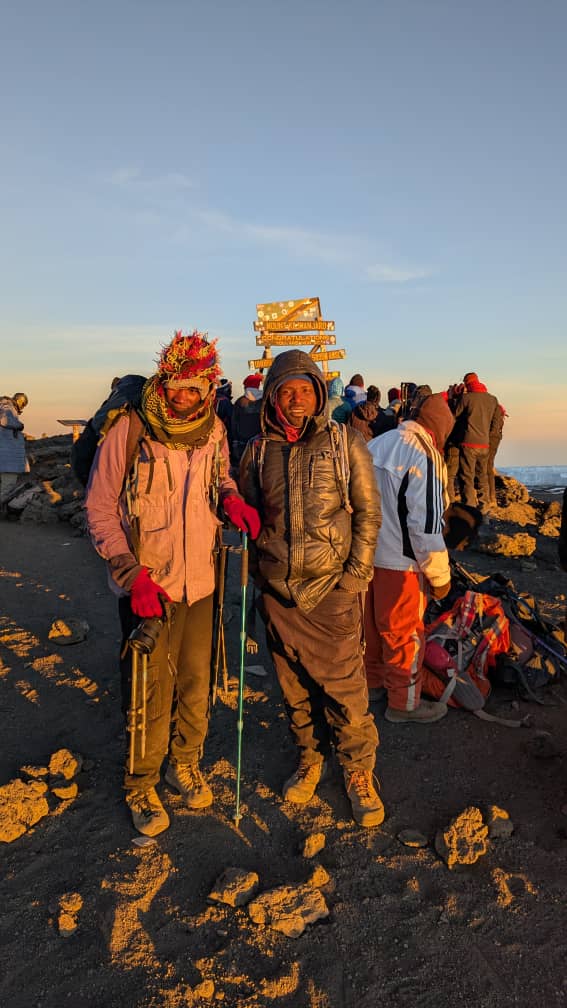
December Kilimanjaro Family Holiday Package: Your Ultimate Adventure Guide
Explore Top Guide Adventures' December Kilimanjaro family holiday packages for 2026-2027. This comprehensive guide covers everything families need to know, from route selection and...
View package details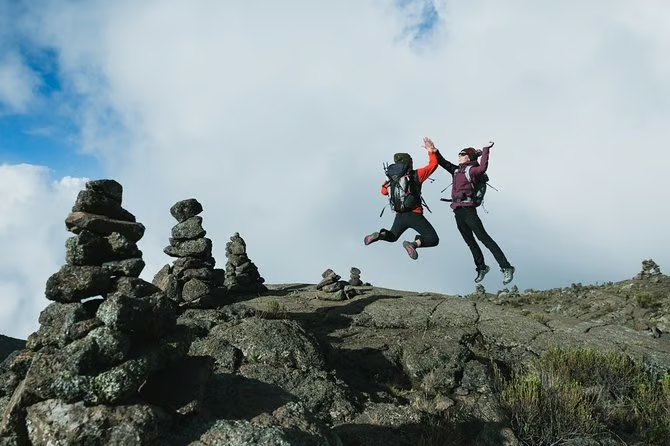
July Vs August Kilimanjaro Climbing: The Ultimate Comparison For 2026-2027
Choosing between July and August for your Kilimanjaro climb? This in-depth comparison details weather patterns, crowd levels, route popularity, and essential planning tips for 2026-2027 to...
View package details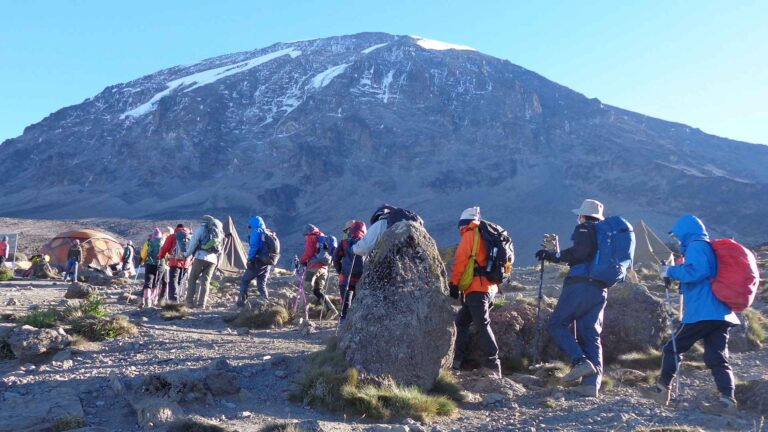
June Vs July Kilimanjaro Weather And Crowds 2026-2027
June vs July Kilimanjaro Weather and Crowds is explained with current 2026-2027 planning, price, itinerary and booking information.
View package details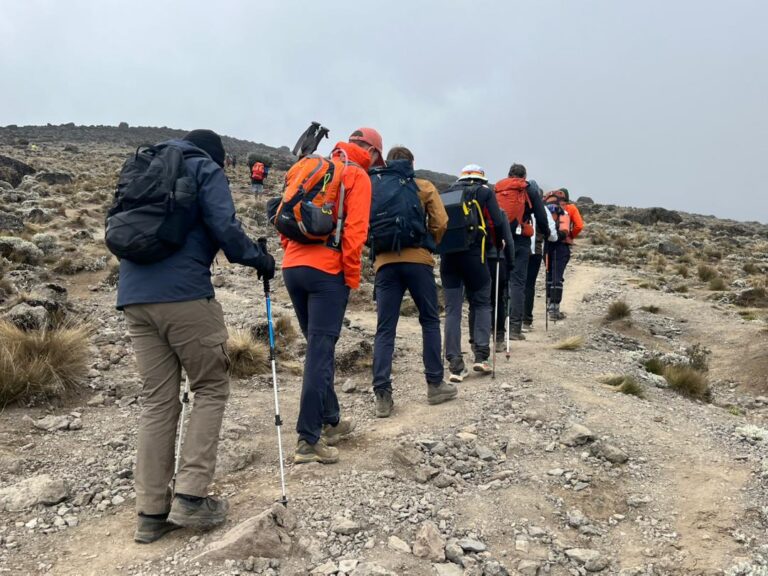
July Kilimanjaro Last-Minute Availability Guide
Planning a last-minute Kilimanjaro climb in July 2026 or 2027? This guide covers current availability, best routes, essential packing, and how to secure your spot with Top Guide Adventures.
View package details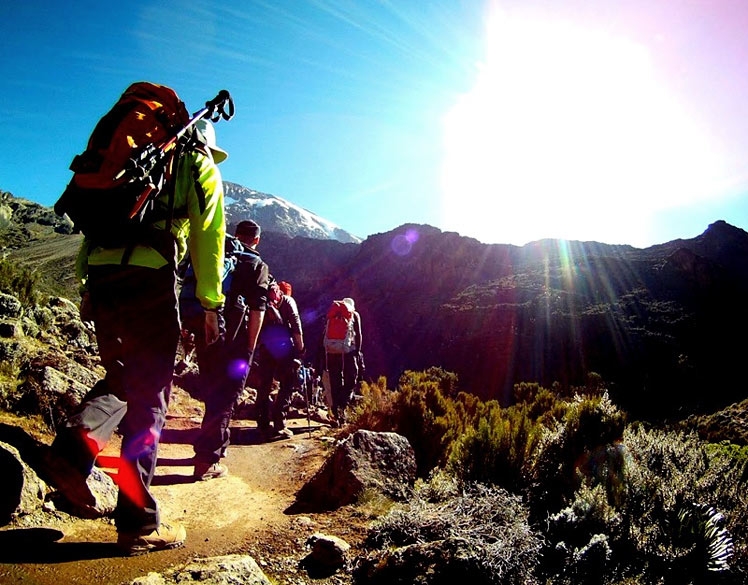
Driest Month To Climb Kilimanjaro: Your Guide For 2026-2027
The driest months for climbing Kilimanjaro are generally January, February, and June through October. These periods offer the clearest skies and lowest rainfall, ideal for a successful and...
View package details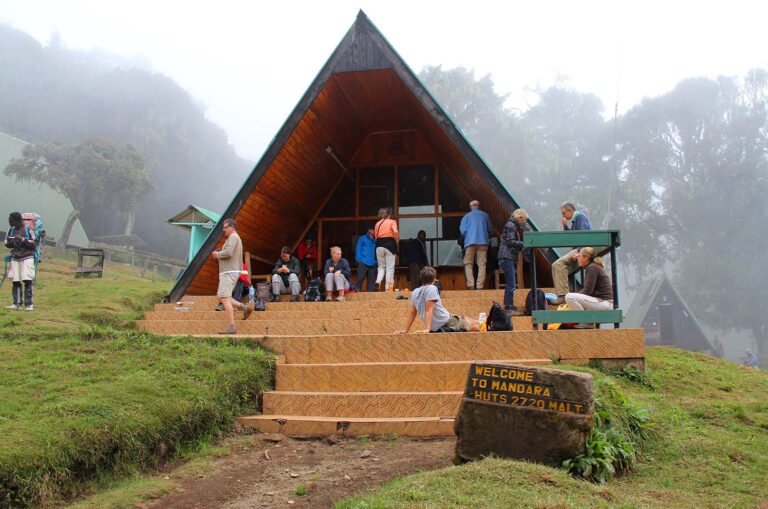
December Vs January Kilimanjaro Holiday Climb 2026-2027
December vs January Kilimanjaro Holiday Climb is explained with current 2026-2027 planning, price, itinerary and booking information.
View package details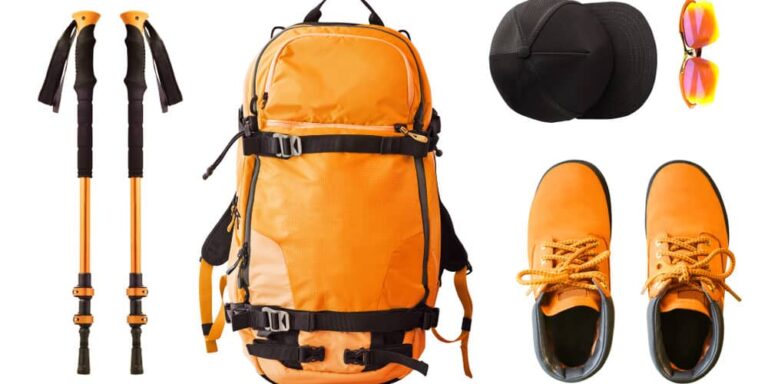
October Vs November Kilimanjaro Rainfall Guide 2026-2027
October vs November Kilimanjaro Rainfall Guide is explained with current 2026-2027 planning, price, itinerary and booking information.
View package details
September Vs October Kilimanjaro Weather Comparison 2026-2027
September vs October Kilimanjaro Weather Comparison is explained with current 2026-2027 planning, price, itinerary and booking information.
View package detailsAugust Vs September: Best Kilimanjaro Summit Month In 2026-2027
Choosing between August and September for your Kilimanjaro climb involves weighing distinct advantages. While both months fall within the dry season, subtle differences in weather patterns...
View package detailsMay Vs June: When Should You Climb Kilimanjaro? 2026-2027
Choosing between May and June for your Kilimanjaro ascent? This in-depth guide compares the two months, helping you pick the optimal time for your trek based on weather patterns, crowd...
View package details
December Kilimanjaro Last-Minute Holiday Deals For Climbs 2026-2027
Planning a Kilimanjaro climb in December 2026 or 2027? Discover last-minute holiday deals, essential tips for winter ascents, and how Top Guide Adventures can make your dream a reality.
View package detailsNo related package matches those filters. Clear one or more filters to see the other topic-matched options.



