
Updated planning guide for 2026, 2027
Ngorongoro Crater And Lake Manyara Safari: Expert Planning Guide
Discover the magic of Tanzania's northern circuit with a safari focused on the Ngorongoro Crater and Lake Manyara. This comprehensive guide covers everything you need to plan an unforgettable wildlife adventure.
WhatsApp +255616946642 | topguideadventures@gmail.com | info@topguideadventures.com
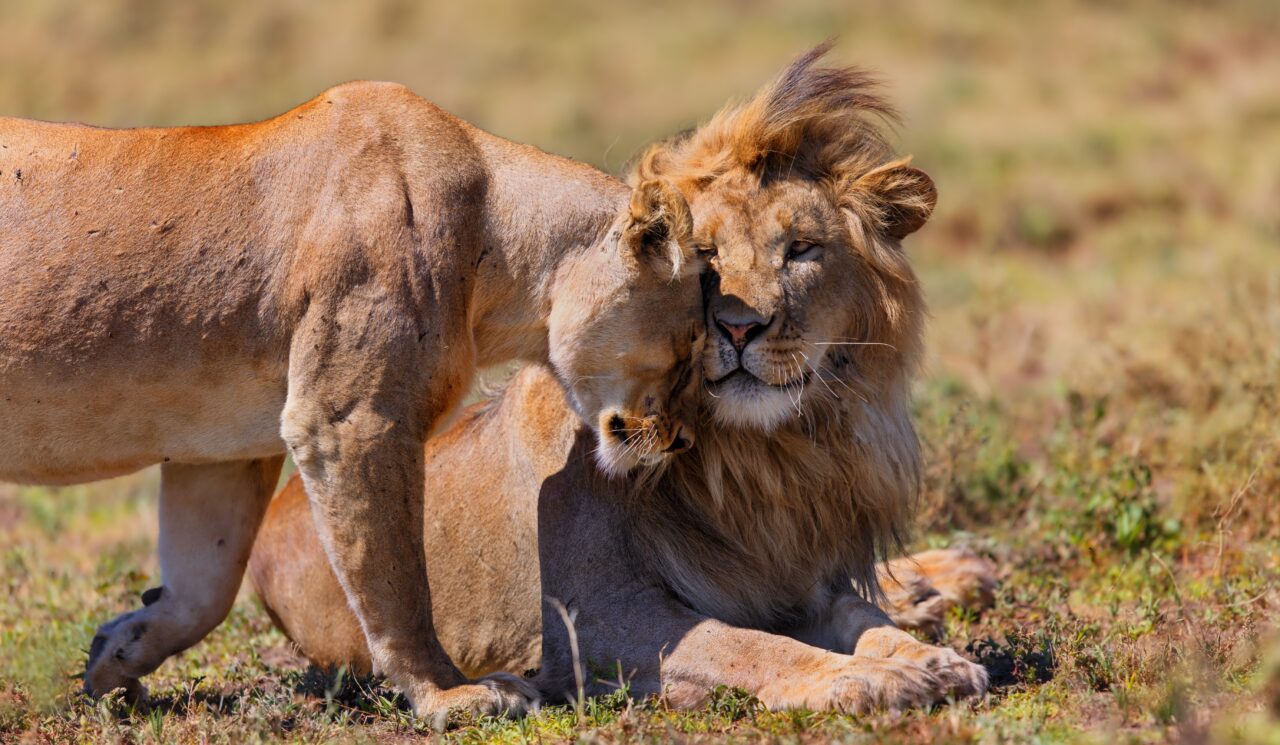
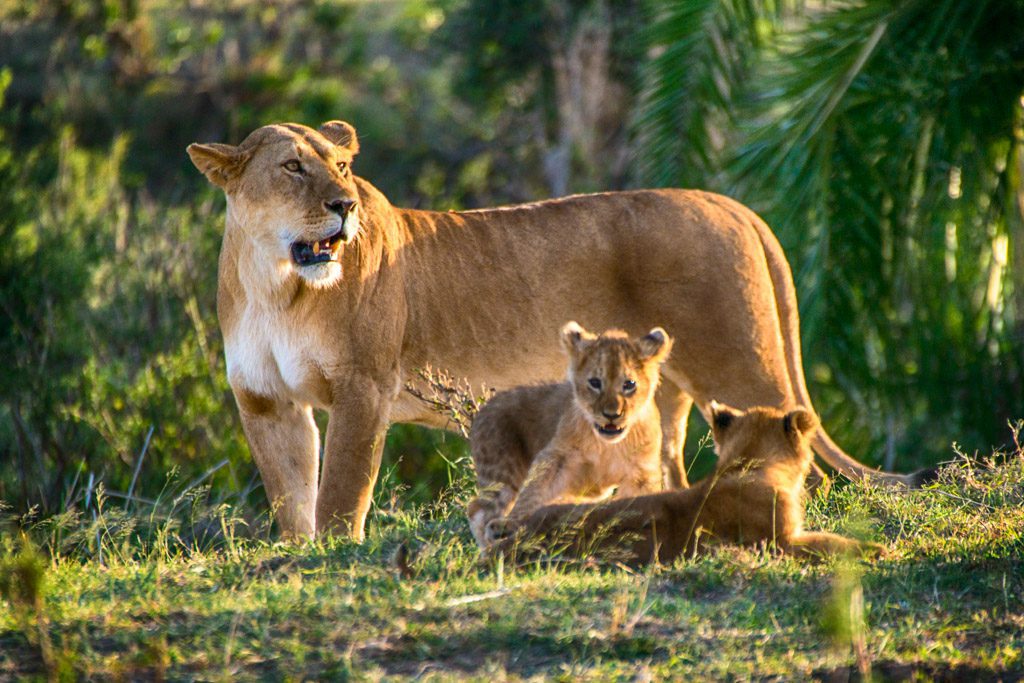
Ngorongoro Crater and Lake Manyara Safari: An Essential Travel Guide
A safari to the Ngorongoro Crater and Lake Manyara offers a concentrated dose of Tanzania’s incredible wildlife and diverse landscapes. These two iconic destinations, often combined due to their proximity on the northern safari circuit, promise unparalleled game viewing opportunities. Whether you’re a first-time visitor to Africa or a seasoned safari-goer, understanding the nuances of planning a trip to these parks is key to maximizing your experience. This guide provides an in-depth look at what makes a Ngorongoro Crater and Lake Manyara safari so special, offering practical advice for your 2026 or 2027 adventure.
This guide is designed to help you make informed decisions, from understanding the unique ecosystems of each park to crafting the perfect itinerary. We’ll cover the best times to visit, what wildlife to expect, accommodation options, and essential preparation tips to ensure your safari is both memorable and smooth.
Quick Answer: Ngorongoro Crater and Lake Manyara Safari
A Ngorongoro Crater and Lake Manyara safari is a highly recommended combination for wildlife enthusiasts, offering dense populations of animals within the unique caldera of Ngorongoro and the tree-climbing lions and vibrant birdlife of Lake Manyara. It’s ideal for shorter safaris or as part of a longer northern circuit trip, providing diverse viewing experiences in close proximity. Planning for 2026 and 2027 involves considering the dry seasons for optimal game viewing and booking accommodations and tours in advance.
| Feature | Details |
|---|---|
| Location | Northern Tanzania |
| Key Attractions | Ngorongoro Crater: Big Five, dense wildlife. Lake Manyara: Tree-climbing lions, flamingos, diverse birdlife, baboons. |
| Best Time to Visit | Dry seasons (June-October, December-February) for concentrated wildlife. |
| Typical Duration | 2-3 days for both parks. |
| Travel Style | Often combined with Serengeti, Tarangire. Suitable for families, couples, solo travelers. |
| Accessibility | Easily accessible from Arusha via road. |
Table of Contents
- Overview: Two Parks, Distinct Wonders
- Why Choose a Ngorongoro Crater and Lake Manyara Safari?
- When is the Best Time to Visit for a Ngorongoro Crater and Lake Manyara Safari?
- Route and Area Overview
- Sample Itinerary: 3-Day Ngorongoro Crater and Lake Manyara Safari
- What to Expect on Your Safari
- Inclusions, Packing, and Preparation
- Common Mistakes to Avoid
- Who is a Ngorongoro Crater and Lake Manyara Safari Best For?
- Alternatives and Combinations
- Planning Your 2026-2027 Safari
- Booking Your Ngorongoro Crater and Lake Manyara Safari
- Frequently Asked Questions (FAQs)
Overview: Two Parks, Distinct Wonders
The Ngorongoro Conservation Area and Lake Manyara National Park are jewels of Tanzania’s northern safari circuit. They are relatively close to each other and to Arusha, making them highly accessible and popular choices for travelers with limited time or those seeking diverse wildlife experiences without extensive travel distances.
Lake Manyara National Park is a compact park famous for its diverse ecosystems, which support a surprisingly large amount of wildlife. Visitors are often struck by the groundwater forests, acacia woodlands, and the soda lake itself. It’s renowned for its elusive tree-climbing lions, large troops of baboons, and a spectacular array of birdlife, including thousands of flamingos during certain times of the year. The park’s relatively small size means game drives can cover a good portion of its area efficiently.
The Ngorongoro Conservation Area (NCA) is a UNESCO World Heritage Site, and its centerpiece is the Ngorongoro Crater. This vast, intact volcanic caldera is a natural amphitheater teeming with wildlife. Unlike many other parks, the crater floor is home to a remarkably high density of animals, including the Big Five (lion, leopard, elephant, rhino, and buffalo), year-round. The conservation area also encompasses the crater highlands, home to Maasai communities, adding a cultural dimension to the experience.
Why Choose a Ngorongoro Crater and Lake Manyara Safari?
Combining these two destinations offers a potent safari experience for several compelling reasons:
- Exceptional Wildlife Density: The Ngorongoro Crater boasts one of the highest concentrations of wildlife in Africa, making sightings almost guaranteed. Lake Manyara provides opportunities to see specific species like tree-climbing lions and a vast bird population.
- Variety of Habitats: From the dense forests and open grasslands of the crater floor to the acacia woodlands, groundwater forests, and alkaline lake of Manyara, the landscapes are varied and visually striking.
- Accessibility and Convenience: Both parks are within easy driving distance of Arusha, the gateway to northern Tanzania safaris. This makes them ideal for shorter trips or for those who prefer less travel time between destinations.
- Iconic Species: Witnessing the Big Five in the Ngorongoro Crater is a major draw. Lake Manyara offers the unique chance to spot lions lounging in trees and a spectacular variety of water birds.
- Cultural Interaction: The Ngorongoro Conservation Area is one of the few places where you can still observe the traditional lifestyle of the Maasai people, often seen herding their cattle alongside wildlife.
- Complementary Experiences: Lake Manyara’s compact size is perfect for a day or half-day game drive, while the Ngorongoro Crater offers a full day of exploration within its unique ecosystem.
When is the Best Time to Visit for a Ngorongoro Crater and Lake Manyara Safari?
The best time for a Ngorongoro Crater and Lake Manyara safari largely depends on your priorities, particularly regarding wildlife viewing and weather. Tanzania experiences distinct wet and dry seasons.
| Period | Weather | Wildlife Viewing | Crowds | Notes |
|---|---|---|---|---|
| Dry Season (June – October) | Cooler temperatures, sunny days, minimal rain. Roads are generally good. | Excellent. Animals congregate around shrinking water sources, making them easier to spot. This is prime time for spotting the Big Five in the Ngorongoro. | Higher. This is peak tourist season. | Ideal for photography. Book well in advance for 2026/2027. |
| Short Rains (November – December) | Brief, localized showers, often in the afternoon. Warmer. | Good. Wildlife is more dispersed as smaller waterholes fill up. Birdlife is excellent as migratory birds arrive. | Moderate. | Greener landscapes. Fewer crowds than peak season. |
| Long Rains (March – May) | Heavier, prolonged rains, especially April/May. Humid. Roads can become challenging. | Fair. Wildlife disperses into the vast plains. Some roads may be closed or difficult to navigate. | Lower. This is the low season. | Fewer tourists, lower prices possible. Lush green scenery. Not ideal for first-time safari visitors prioritizing game density. |
| Dry Spell (Late Jan – Feb) | Short dry period within the long rains, often good weather. | Good. Wildlife starts to concentrate again. | Moderate. | A good window if avoiding the main dry season. |
For optimal Ngorongoro Crater and Lake Manyara safari experiences, especially in 2026 and 2027:
- June to October: The most popular period due to dry weather and concentrated wildlife. Expect higher prices and more visitors.
- December to February: Another dry period, often with good game viewing. Can be warmer.
If you are interested in birdwatching, the period when migratory birds are present (roughly October to April) can be particularly rewarding.
Route and Area Overview
The Ngorongoro Crater and Lake Manyara National Park are located in northern Tanzania, part of the renowned Northern Safari Circuit. They are typically accessed from Arusha, the main hub for safaris in this region.
Simplified Route Illustration:
- Arusha (Starting point)
- Drive towards Lake Manyara National Park (approx. 2-3 hours)
- Lake Manyara National Park (Game drive)
- Drive to Karatu or Ngorongoro Conservation Area accommodation (approx. 1-1.5 hours)
- Ngorongoro Crater (Descend for full-day game drive)
- Return to accommodation or drive back to Arusha.
Note: This route is often combined with Tarangire National Park (known for elephants and baobabs) and the Serengeti National Park (famous for the Great Migration) for longer safari itineraries.
The drive between parks is scenic, passing through agricultural lands and small villages before entering the more arid savanna landscapes. The terrain within Lake Manyara includes dense forests and open plains, while the Ngorongoro Crater is a dramatic descent into a caldera with varied habitats including grasslands, swamps, and a lake.
Sample Itinerary: 3-Day Ngorongoro Crater and Lake Manyara Safari
This itinerary is a popular choice for travelers looking to experience the highlights of both parks efficiently. It assumes arrival in Arusha the day before or early on Day 1.
Day 1: Arusha to Lake Manyara National Park
- Morning: After breakfast in Arusha, meet your guide and depart for Lake Manyara National Park. The drive takes approximately 2-3 hours, offering glimpses of local life and landscapes.
- Late Morning/Afternoon: Arrive at Lake Manyara and begin your game drive. Explore the park’s diverse habitats, from the groundwater forests to the open savannas and the alkaline lake shore. Look for tree-climbing lions, large elephant herds, baboons, and a profusion of birdlife. Enjoy a picnic lunch within the park.
- Late Afternoon: Exit Lake Manyara and drive to your accommodation in the Karatu area or on the crater rim for overnight. This location is strategic for an early start into the Ngorongoro Crater the next day.
- Evening: Dinner and overnight at your lodge or camp.
Day 2: Ngorongoro Crater Exploration
- Morning: After an early breakfast, descend into the Ngorongoro Crater for a full-day game drive. The crater floor is a natural wonder, home to an incredible density of wildlife.
- Full Day: Spend the day searching for the Big Five – lion, leopard, elephant, rhino, and buffalo. You’ll also see wildebeest, zebras, hyenas, hippos, and a variety of other mammals. The crater supports a diverse ecosystem, including a soda lake attracting flamingos and other water birds. Enjoy a picnic lunch by the hippo pool.
- Late Afternoon: Ascend from the crater and return to your lodge in Karatu or on the crater rim.
- Evening: Dinner and overnight at your lodge or camp.
Day 3: Cultural Visit & Departure to Arusha
- Morning: After breakfast, you have a couple of options. You might visit a local Maasai village to learn about their culture and traditions, or enjoy a final short game drive in the Ngorongoro Conservation Area (outside the crater) if time permits. Alternatively, you can spend more time at your lodge enjoying the views.
- Late Morning/Lunch: Begin your scenic drive back to Arusha.
- Afternoon: Arrive back in Arusha, where your safari concludes. You can arrange for a day room or transfer to Kilimanjaro International Airport (JRO) for your onward journey.
This is a sample itinerary. It can be customized based on your interests, budget, and the length of your safari. For 2026 and 2027 travel, early booking is highly recommended, especially for crater rim accommodations.
What to Expect on Your Safari
A Ngorongoro Crater and Lake Manyara safari offers distinct yet complementary wildlife viewing experiences.
Ngorongoro Crater Expectations
The Ngorongoro Crater is often described as a wildlife paradise. Its relatively small size (about 19 kilometers or 12 miles in diameter) and the steep crater walls mean that animals are largely contained, leading to exceptionally high densities. You can expect:
- High Chances of Seeing the Big Five: Lions are abundant, leopards are present though more elusive, elephants are common (though typically smaller than those found in the Serengeti), buffalo herds are large, and the endangered black rhino is present and regularly sighted.
- Abundant Herbivores: Wildebeest, zebras, gazelles, and buffalos are present in large numbers, creating a dynamic ecosystem.
- Birdlife: While not as famous for birds as Lake Manyara, the crater still hosts a good variety, including flamingos on the soda lake, various raptors, and water birds.
- Predator-Prey Interactions: The dense populations increase the likelihood of witnessing predator-prey interactions, though these are never guaranteed on any safari.
- Picnic Lunch Experience: Most full-day crater tours include a picnic lunch, often set up near the hippo pool, offering a memorable dining experience surrounded by nature.
- Crater Floor Access: Access to the crater floor is strictly controlled. Vehicles typically descend early in the morning and ascend in the late afternoon. There are time and visitor limits to protect the environment.
Lake Manyara Expectations
Lake Manyara offers a different but equally rewarding experience:
- Tree-Climbing Lions: This is one of the few places in Africa where lions are known to habitually climb trees. While not guaranteed, the chance of spotting them is higher here.
- Birdlife Spectacle: Lake Manyara is a birder’s paradise, especially during the migratory season. The alkaline lake attracts thousands of flamingos, pelicans, storks, and numerous other water and woodland birds.
- Large Mammals: Expect to see large herds of elephants, as well as buffalo, hippos, giraffes, zebras, wildebeest, and various antelope species.
- Baboon Troops: Large troops of baboons are a common sight, often seen near the park entrance or along the forest trails.
- Diverse Habitats: The park features a narrow strip of groundwater forest, acacia woodlands, and the expansive soda lake, offering varied scenery and wildlife viewing opportunities.
- Compact Size: The park is relatively small, allowing for comprehensive game viewing within a half-day or full-day visit.
Inclusions, Packing, and Preparation
Proper planning ensures a comfortable and enjoyable safari. Here’s what to consider regarding what’s included in tours, what to pack, and how to prepare.
Typical Safari Inclusions
When booking a safari package for the Ngorongoro Crater and Lake Manyara, most reputable tour operators will include:
- Accommodation: Lodges or tented camps based on your chosen budget and style.
- Transportation: A 4×4 safari vehicle with a pop-up roof for game viewing, driven by a professional English-speaking guide.
- Park Fees: Entrance fees for Lake Manyara National Park and the Ngorongoro Conservation Area. Note that Ngorongoro Crater fees are separate from the conservation area fees and are typically per vehicle and per person for crater descent.
- Crater Service Fee: For the Ngorongoro Crater, this is usually included.
- Meals: Usually full board (breakfast, lunch, dinner) during the safari days. Some operators might include meals in Arusha, while others do not.
- Water: Bottled drinking water in the vehicle during game drives.
- Game Drives: Guided game drives within the parks.
What is usually NOT included:
- International flights
- Visa fees
- Travel insurance
- Gratuities for the guide and lodge staff
- Alcoholic and soft drinks (unless specified)
- Personal expenses (souvenirs, laundry, etc.)
- Optional activities (e.g., Maasai village visits, walking safaris outside designated areas)
- Accommodation and meals in Arusha before and after the safari.
Essential Packing List
Pack light and smart. Layers are key for varying temperatures.
- Clothing:
- Neutral-colored clothing (khaki, green, brown) – avoid bright colors and dark blue/black (can attract tsetse flies).
- Long-sleeved shirts and trousers for sun protection and cooler evenings.
- T-shirts and shorts for warmer days.
- A warm fleece or jacket for early mornings and evenings (especially on the crater rim).
- Comfortable walking shoes or trainers.
- Sandals or flip-flops for relaxing at the lodge.
- Socks (including warm ones for evenings).
- Pajamas.
- Swimsuit (if your lodge has a pool).
- Headwear:
- Wide-brimmed hat for sun protection.
- Beanie or warm hat for cold mornings/evenings.
- Eyewear:
- Sunglasses.
- Health & Hygiene:
- Personal toiletries (biodegradable options are preferred).
- Insect repellent with DEET.
- Sunscreen (high SPF).
- Hand sanitizer.
- Personal first-aid kit (band-aids, antiseptic wipes, pain relievers, any personal medications).
- Motion sickness medication if needed for bumpy roads.
- Gear:
- Binoculars (essential for wildlife viewing).
- Camera with extra batteries and memory cards.
- Power bank or portable charger.
- Adapter for charging electronics (Tanzania uses Type G plugs, 230V).
- Headlamp or small flashlight.
- Reusable water bottle.
- Small backpack or daypack for essentials during game drives.
- Documents:
- Passport (with at least 6 months validity).
- Visa (if required).
- Flight details.
- Travel insurance documents.
- Vaccination certificates (e.g., Yellow Fever, if required).
- Copies of all important documents (stored separately).
Pre-Safari Preparation
- Health Consultations: Consult your doctor or a travel clinic 6-8 weeks before your trip regarding recommended vaccinations (e.g., Yellow Fever, Hepatitis A, Typhoid) and malaria prophylaxis.
- Travel Insurance: Ensure you have comprehensive travel insurance that covers medical emergencies, evacuation, trip cancellation, and lost belongings.
- Visa Requirements: Check if you need a visa for Tanzania and apply in advance if necessary.
- Currency: The local currency is the Tanzanian Shilling (TZS). USD is widely accepted for safari payments and at lodges, but smaller denominations are useful for tips and souvenirs. Inform your bank about your travel dates.
- Fitness: While safaris are not physically demanding, you should be able to get in and out of vehicles and potentially walk short distances.
- Research: Read about the wildlife you might see and learn a few basic Swahili phrases.
Common Mistakes to Avoid
To ensure your Ngorongoro Crater and Lake Manyara safari is as smooth and rewarding as possible, be aware of these common pitfalls:
- Underestimating Travel Times: While the parks are relatively close, driving on Tanzanian roads can be slow. Factor in sufficient travel time between locations.
- Not Booking in Advance: Especially for peak seasons (June-October) and for accommodations on the Ngorongoro Crater rim, booking 6-12 months ahead is crucial for 2026 and 2027 trips. Popular lodges fill up quickly.
- Overpacking: Luggage space in safari vehicles is limited. Stick to soft duffel bags rather than hard suitcases.
- Ignoring Altitude: The Ngorongoro Conservation Area is at a high altitude (crater rim is over 2,200 meters / 7,200 feet). Some people experience mild altitude sickness. Stay hydrated and avoid strenuous activity on arrival.
- Wearing the Wrong Clothing: Avoid bright colors, black, or dark blue. Stick to neutral tones.
- Expecting Guaranteed Sightings: While wildlife viewing is excellent, nature is unpredictable. Don’t set expectations too high for seeing specific animals, like the leopard or a kill.
- Not Bringing Binoculars: These are essential for spotting distant wildlife and appreciating finer details.
- Disregarding Local Customs: When visiting Maasai villages or interacting with locals, be respectful of their culture and traditions. Always ask permission before taking photos.
- Forgetting Insect Repellent: Malaria is present, and mosquitoes can be bothersome, especially at dawn and dusk.
- Relying Solely on Mobile Phones for Photos: Bring a dedicated camera with sufficient battery and storage. Mobile phone cameras often struggle in low light conditions common during early morning and late afternoon game drives.
Who is a Ngorongoro Crater and Lake Manyara Safari Best For?
This safari combination is incredibly versatile and suits a wide range of travelers:
- First-Time Safari Goers: The high wildlife density and iconic sights make it an ideal introduction to African safaris.
- Families: The accessibility, diverse wildlife, and relative safety of the crater environment make it suitable for children. The variety of animals keeps them engaged.
- Photographers: The stunning landscapes and abundant wildlife provide endless photographic opportunities. The crater floor offers unique perspectives.
- Wildlife Enthusiasts: Those keen on seeing a wide array of species, including the Big Five and specific attractions like tree-climbing lions and vast bird populations.
- Travelers with Limited Time: Its proximity to Arusha means it can be experienced in 2-3 days, fitting into shorter itineraries.
- Travelers Seeking Variety: The contrast between the dense wildlife of the crater and the unique birdlife and woodland habitats of Lake Manyara offers a rich experience.
- Those Interested in Conservation: The Ngorongoro Conservation Area is a prime example of co-existence between wildlife and human populations (Maasai), offering insights into conservation challenges and successes.
Alternatives and Combinations
While Ngorongoro Crater and Lake Manyara are excellent on their own, they are often part of a larger safari experience:
- Tarangire National Park: Often visited before or after Lake Manyara, Tarangire is famous for its large elephant herds, baobab trees, and diverse birdlife. It offers a more spacious feel than Manyara.
- Serengeti National Park: The quintessential African safari destination. Combining Lake Manyara and Ngorongoro with the vast plains of the Serengeti is the classic Northern Circuit safari. This allows for witnessing the Great Migration (seasonal).
- Mount Kilimanjaro Trek: Many travelers combine a Kilimanjaro climb with a safari. The northern parks are conveniently located for this.
- Zanzibar Holidays: After a dusty safari, many opt for relaxation on the beaches of Zanzibar. Arusha is the gateway for flights to Zanzibar.
- Cultural Tours: The region around Karatu offers opportunities for cultural visits to local communities, coffee plantations, and craft markets.
For shorter trips: A 2-day trip could focus solely on the Ngorongoro Crater, or combine Lake Manyara with a brief visit to Tarangire.
Planning Your 2026-2027 Safari
Planning ahead is essential for a successful safari in 2026 and 2027, especially for popular destinations like the Ngorongoro Crater and Lake Manyara. Here’s how to approach it:
- Book Early: For peak seasons (June-October 2026/2027), start planning and booking 9-12 months in advance. Even for shoulder seasons, early booking secures better lodges and availability.
- Choose Your Operator Wisely: Research tour operators. Look for those with good reviews, clear communication, and a commitment to responsible tourism. Ensure they are experienced with the Ngorongoro Conservation Area regulations.
- Consider Accommodation Location: For Ngorongoro Crater, staying on the crater rim offers early access but is more expensive and can feel more exposed. Staying in Karatu offers more lodge options, often at a lower price point, with a slightly longer drive to the crater on game day.
- Budgeting: Safari costs vary significantly based on accommodation level, vehicle type, and group size. Understand what is included in your package to avoid hidden costs. Park fees are a significant component.
- Itinerary Flexibility: While sample itineraries are helpful, discuss your specific interests with your operator. If you love birds, spend more time at Lake Manyara. If you want more Big Five sightings, focus on the crater.
- Understand Crater Regulations: The Ngorongoro Crater has strict rules regarding vehicle numbers, time spent on the floor, and visitor numbers to protect its delicate ecosystem. Your tour operator should be well-versed in these.
- Pack Appropriately: Refer to the packing list above. The weather can vary, so layers are essential.
- Health Preparations: Consult your doctor well in advance for vaccinations and malaria advice.
Booking Your Ngorongoro Crater and Lake Manyara Safari
When you’re ready to book your Ngorongoro Crater and Lake Manyara safari, follow these steps to ensure a smooth process:
- Research and Shortlist Operators: Look for companies that specialize in Tanzanian safaris. Check their websites, reviews, and social media presence.
- Request Detailed Quotes: Contact 2-3 operators with your desired dates, number of travelers, budget range, and any specific interests. Ask for detailed itineraries and what is included.
- Clarify Inclusions and Exclusions: Pay close attention to what your quote covers. Confirm park fees, accommodation details, meals, and any optional activities.
- Discuss Accommodation Options: Understand the difference between crater rim lodges, Karatu lodges, and tented camps. Ask about specific lodges if you have preferences.
- Ask About Vehicle and Guide: Ensure you’ll have a reliable 4×4 vehicle and an experienced, knowledgeable guide.
- Payment Schedule: Most operators require a deposit (typically 30-50%) upon booking, with the balance due 30-60 days before departure.
- Read the Terms and Conditions: Understand cancellation policies, payment terms, and liability clauses.
- Confirmation: Once you’ve chosen an operator, confirm all details in writing and ensure you receive a detailed booking confirmation and itinerary.
For a trusted and experienced partner for your 2026 or 2027 Ngorongoro Crater and Lake Manyara safari, consider reaching out to us. We specialize in creating memorable Tanzanian adventures tailored to your needs.
Get in touch today:
- WhatsApp: +255616946642
- Email: topguideadventures@gmail.com
- Backup Email: info@topguideadventures.com
Frequently Asked Questions (FAQs)
What is the main difference between Ngorongoro Crater and Lake Manyara?
The Ngorongoro Crater is a vast, intact volcanic caldera with extremely high wildlife density, including the Big Five. Lake Manyara is a smaller park known for its tree-climbing lions, abundant birdlife, and diverse habitats like groundwater forests and a soda lake.
Can I see the Big Five in both parks?
You have the highest chance of seeing all of the Big Five (lion, leopard, elephant, rhino, buffalo) within the Ngorongoro Crater due to its concentrated wildlife. Lake Manyara has lions, elephants, and buffalo, but leopards and rhinos are rarely seen there.
How many days are recommended for a Ngorongoro Crater and Lake Manyara safari?
A minimum of 2 full days is recommended: one full day for the Ngorongoro Crater and a half to full day for Lake Manyara. A 3-day itinerary, including travel time and perhaps a cultural visit, is more comfortable.
Is it possible to stay inside the Ngorongoro Crater?
No, overnight stays are not permitted inside the Ngorongoro Crater itself. Accommodation is available on the crater rim or just outside the conservation area in places like Karatu.
What are the costs for Ngorongoro Crater and Lake Manyara safaris?
Costs vary greatly depending on accommodation standards (budget, mid-range, luxury), vehicle type, and the number of days. Park fees are a significant component. A typical 3-day safari can range from mid-hundreds to several thousand US dollars per person, excluding international flights.
When is the best time to visit in 2026 or 2027?
The dry seasons, from June to October and December to February, offer the best wildlife viewing as animals congregate around water sources. However, these are also peak seasons, so booking well in advance is crucial for 2026 and 2027.
Do I need to be vaccinated for Yellow Fever?
A Yellow Fever vaccination certificate is required if you are arriving from or transiting through a country with a risk of Yellow Fever transmission. It’s always best to check the latest requirements with your local health authority or embassy.
What kind of vehicle is used for the safari?
Typically, a 4×4 safari vehicle with a pop-up roof is used. This allows for excellent game viewing and photography from a raised position. The vehicle is usually a Toyota Land Cruiser or Land Rover, customized for safari use.
Can children go on a Ngorongoro Crater and Lake Manyara safari?
Yes, these safaris are generally very family-friendly. The variety of animals and the enclosed nature of the crater make it engaging for children. However, long drives can be tiring for very young children.
What is the altitude of the Ngorongoro Crater?
The floor of the Ngorongoro Crater is approximately 1,800 meters (5,900 feet) above sea level. The rim is much higher, around 2,200 meters (7,200 feet). Some visitors may experience mild altitude sickness due to the higher elevations in the conservation area.
How much should I tip my safari guide?
Tipping is customary. A common guideline is $20-30 USD per day for the driver-guide, per group. Your tour operator can provide specific recommendations.
Can I combine this safari with other parks?
Absolutely. This safari is a core part of the Northern Circuit and is frequently combined with Tarangire National Park and the Serengeti National Park for longer, more comprehensive experiences. It’s also often combined with Kilimanjaro climbs and Zanzibar holidays.
Plan Your Unforgettable Ngorongoro Crater and Lake Manyara Safari
A Ngorongoro Crater and Lake Manyara safari offers an unparalleled glimpse into the heart of Tanzania’s wild beauty. From the dense wildlife of the iconic crater to the unique ecosystems and birdlife of Lake Manyara, this combination promises diverse and thrilling encounters with nature. Planning is key to ensuring a smooth and memorable trip, especially as you look towards 2026 and 2027 travel seasons.
Let us help you craft the perfect safari itinerary. Our expert team understands the intricacies of these parks and can tailor an experience to match your interests, budget, and travel style. We are dedicated to providing authentic, responsible, and unforgettable Tanzanian adventures.
Ready to start planning your dream safari? Contact us today:
- WhatsApp: +255616946642
- Email: topguideadventures@gmail.com
- Backup Email: info@topguideadventures.com
Plan your Ngorongoro Crater and Lake Manyara Safari with Top Guide Adventures
Tell us your travel dates, group size, comfort level, and dream experience. We will help you shape a clear, realistic, and memorable Tanzania itinerary.







 Veedesigner
 Fatma Kizanga
 Benjamin Waryuba
 Philip Philip
 John jr Itaja
 Antonia Optatus
 Edith Kanyere
 Neema Iddy
 Kelvin Boniphace
 Damari Maiga



