
Updated planning guide for 2026, 2027
Ngorongoro Crater And Tarangire Safari: Expert Travel Guide
Discover the unparalleled wildlife viewing opportunities of a Ngorongoro Crater and Tarangire safari. This comprehensive guide covers everything you need to plan your unforgettable Tanzanian adventure.
WhatsApp +255616946642 | topguideadventures@gmail.com | info@topguideadventures.com
Ngorongoro Crater and Tarangire Safari: Your Ultimate Planning Guide
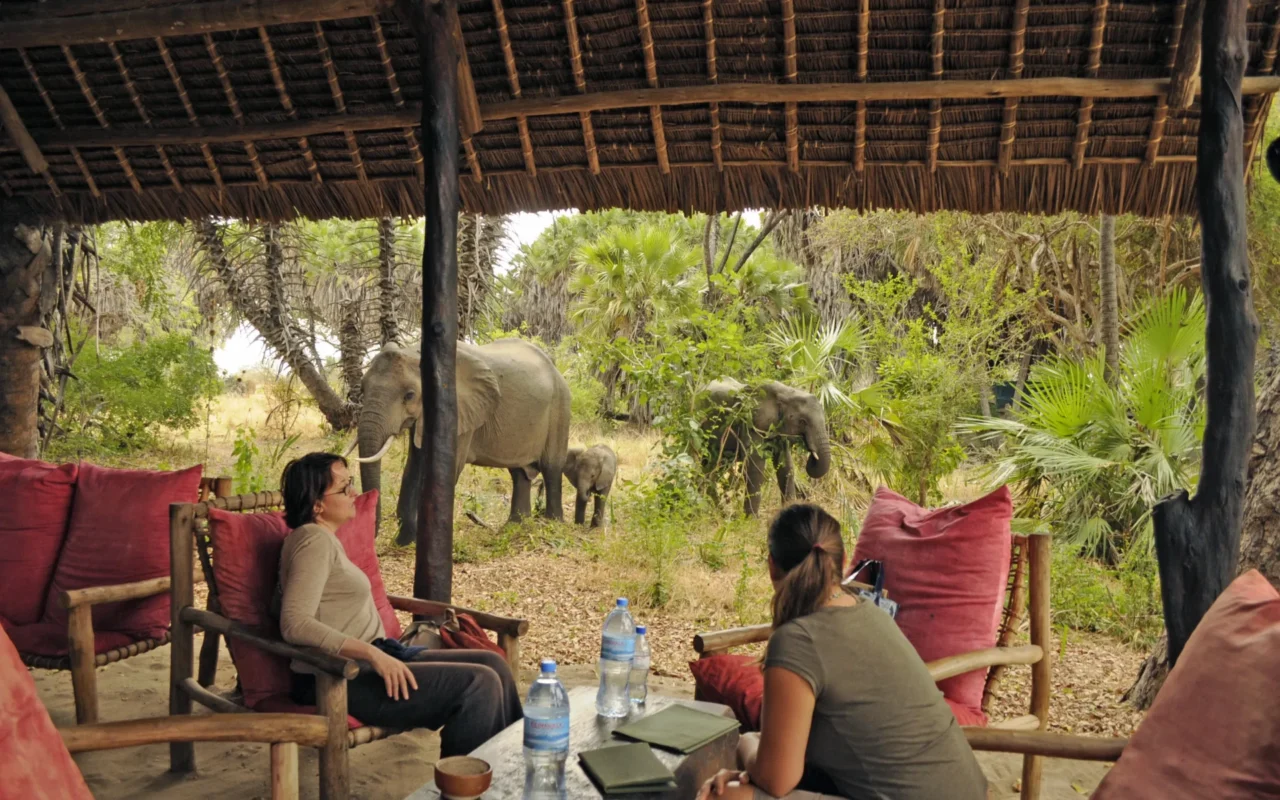
A safari combining the Ngorongoro Crater and Tarangire National Park offers a spectacular introduction to Tanzania’s world-renowned wildlife. These two iconic destinations, though distinct in their landscapes and attractions, create a powerful synergy for any visitor seeking an authentic African wilderness experience. Tarangire captivates with its vast elephant herds and baobab-studded plains, while the Ngorongoro Crater, a UNESCO World Heritage Site, presents a unique, self-contained ecosystem teeming with predators and a remarkable density of wildlife. This guide is designed to provide you with all the essential information needed to plan, prepare for, and book your Ngorongoro Crater and Tarangire safari, ensuring a memorable and rewarding journey for 2026 and 2027.
Table of Contents
- Quick Facts: Ngorongoro Crater & Tarangire Safari
- Safari Overview: Two Parks, One Incredible Experience
- Why Choose Ngorongoro Crater and Tarangire for Your Safari?
- Best Time to Visit: Seasonality for Wildlife and Weather
- Ngorongoro Crater and Tarangire Safari Route Overview
- Sample Itinerary: A Classic Ngorongoro Crater and Tarangire Safari
- What to Expect on Your Ngorongoro Crater and Tarangire Safari
- Wildlife Highlights: What You Might See
- Accommodation Options: From Budget to Luxury
- Packing and Preparation Essentials
- Common Mistakes to Avoid
- Who is This Safari Best Suited For?
- Alternative Safari Combinations
- Planning Your 2026-2027 Safari
- Booking Your Ngorongoro Crater and Tarangire Safari
- Frequently Asked Questions (FAQs)
Quick Facts: Ngorongoro Crater & Tarangire Safari
| Feature | Details |
|---|---|
| Primary Destinations | Ngorongoro Conservation Area (Crater floor), Tarangire National Park |
| Key Wildlife Focus | Big Five (Lion, Leopard, Elephant, Rhino, Buffalo), large elephant herds, diverse birdlife, wildebeest, zebra, predators. |
| Landscape | Crater floor: diverse grassland, woodland, soda lake. Tarangire: savannah, acacia woodlands, baobab trees, permanent river. |
| Typical Duration | 3 to 5 days (can be extended) |
| Best For | First-time safari-goers, wildlife enthusiasts, photographers, families. |
| Activities | Game drives (Crater floor, Tarangire), optional cultural visits (Maasai), bird watching. |
| Travel Season | Year-round, but distinct dry and wet seasons influence animal movements. |
| Accessibility | Accessible via road from Arusha. |
Safari Overview: Two Parks, One Incredible Experience
The Ngorongoro Crater and Tarangire safari is a cornerstone of Tanzania’s famed Northern Circuit. It’s a journey that combines two dramatically different, yet equally compelling, wildlife viewing environments. Tarangire National Park, often referred to as the ‘land of giants,’ is celebrated for its massive elephant populations, particularly during the dry season when they congregate around the Tarangire River. Its iconic baobab trees dotting the landscape create a truly unique and memorable setting. Venturing from Tarangire to the Ngorongoro Crater means descending into a natural amphitheater, a caldera formed by a collapsed volcano, which harbors an astonishing concentration of wildlife. This unique topography means that many of the ‘Big Five’ are often seen in a single day within the crater. Planning this combination ensures you experience both the expansive plains and the contained, vibrant ecosystem that makes Tanzania a premier safari destination.
Why Choose Ngorongoro Crater and Tarangire for Your Safari?
The allure of a Ngorongoro Crater and Tarangire safari lies in its ability to deliver diverse and exceptional wildlife encounters. Here’s why this combination stands out:
- Exceptional Elephant Sightings in Tarangire: Tarangire is synonymous with elephants. During the dry season (roughly June to October), hundreds, sometimes thousands, of elephants gather along the Tarangire River, offering unparalleled viewing opportunities. The park’s large, ancient baobab trees also provide a striking backdrop to these majestic creatures.
- The “Eighth Wonder of the World” in Ngorongoro: The Ngorongoro Crater is a natural marvel. Its 260 square kilometer floor is home to an estimated 25,000 animals. The enclosed nature of the crater means that finding wildlife, including the rare black rhino, is highly probable. Lions, hyenas, wildebeest, zebras, buffalos, hippos, and a wealth of bird species are all residents.
- High Density of Predators: The Ngorongoro Crater is one of the best places in Africa to spot predators. Lions are abundant, and the chances of seeing leopards and cheetahs are also good, though they are more elusive. The crater’s rich ecosystem supports a healthy predator-prey balance.
- Variety of Landscapes: From the sprawling savannahs and baobab forests of Tarangire to the lush grasslands, acacia woodlands, soda lake, and marshlands of the Ngorongoro Crater floor, the visual diversity is immense. This variety not only enhances the safari experience but also supports a wide range of animal species.
- Accessibility and Convenience: Both parks are part of the Northern Circuit and are relatively easy to access from Arusha, the safari gateway city. They can be combined efficiently within a typical safari itinerary, making them ideal for travelers with limited time or those seeking a focused wildlife experience.
- Year-Round Appeal: While certain times offer specific advantages, both parks provide excellent game viewing throughout the year, making them reliable choices for planning your trip in 2026 or 2027.
Best Time to Visit: Seasonality for Wildlife and Weather
Understanding the seasons in Tanzania is crucial for maximizing your Ngorongoro Crater and Tarangire safari experience. The climate is generally divided into a dry season and a wet season, each offering unique advantages for wildlife viewing.
| Season | Months | Tarangire Highlights | Ngorongoro Crater Highlights | Weather | Pros | Cons |
|---|---|---|---|---|---|---|
| Dry Season (Great Migration Season) | June – October | Massive elephant herds congregate at the Tarangire River. Migratory birds depart. | Excellent for spotting predators and resident wildlife. Water sources are limited, concentrating animals. | Sunny, dry, cooler temperatures (especially mornings/evenings). | Concentrated wildlife, easier game viewing, less vegetation obscures views, fewer mosquitoes. | Can be dusty, can be crowded, higher accommodation prices. |
| Short Rains | November – December | Animals begin to disperse. Landscape becomes greener. | Still good resident wildlife viewing. Landscape starts to revive. | Intermittent showers, warm. | Greener landscapes, fewer crowds than peak dry season. | Rain can interrupt game drives. |
| Long Rains (Green Season) | January – March | Calving season for wildebeest and zebras in southern Serengeti (often visited before or after Tarangire/Ngorongoro). Lush vegetation. | Calving season for resident wildebeest. Lush green scenery. | Heavy rains possible, especially April-May. Warm and humid. | Stunning green landscapes, excellent birding, baby animals, fewer tourists, lower prices. | Rain can make roads muddy and difficult, some wildlife may disperse, mosquitoes are more prevalent. |
| End of Rains / Start of Dry | April – May | Landscape is very green. Animals start to concentrate again. | Animals begin to concentrate as water sources reduce. | Still wet, but easing. Warm and humid. | Beautiful green scenery, very few tourists. | Road conditions can be poor, some wildlife may have moved. |
For 2026 and 2027 planning: The dry season (June-October) is generally considered prime time for Tarangire due to elephant concentrations and for Ngorongoro due to concentrated wildlife. However, the green season (January-March) offers a different beauty with lush landscapes, baby animals, and fewer crowds, making it an excellent choice for budget-conscious travelers or those seeking a more photographic experience. The shoulder months of November-December and April-May can offer a good balance of weather, wildlife, and visitor numbers.
Ngorongoro Crater and Tarangire Safari Route Overview
The Ngorongoro Crater and Tarangire safari typically forms part of the Northern Circuit, beginning and ending in Arusha. The route is designed for efficient travel between these key locations.
Here is a typical flow:
Arusha -> Tarangire National Park -> Ngorongoro Conservation Area (Crater rim/lodge) -> Ngorongoro Crater Floor Game Drive -> Return to Arusha (or continue to Serengeti).
Detailed Route Breakdown:
- Day 1: Arusha to Tarangire National Park. After breakfast in Arusha, you’ll drive approximately 2-3 hours to Tarangire. The journey itself offers glimpses of rural Tanzanian life. Upon entering the park, you begin your game drive, often heading towards the Tarangire River or a central lodge/campsite.
- Day 2: Tarangire Exploration & Transfer to Ngorongoro. You’ll typically spend the morning on a final game drive in Tarangire, searching for any species you might have missed or enjoying more time with elephants. After lunch, you’ll drive towards the Ngorongoro Conservation Area, a journey of about 2-3 hours. You’ll likely stay at a lodge on the crater rim or nearby Karatu town, enjoying spectacular views or a more secluded setting.
- Day 3: Ngorongoro Crater Floor Game Drive & Return to Arusha. An early start is essential to descend into the Ngorongoro Crater. You’ll spend the morning exploring the crater floor, searching for the Big Five and other wildlife. After a picnic lunch on the crater floor, you’ll ascend and begin your drive back to Arusha, arriving in the late afternoon or early evening.
This basic 3-day itinerary can be expanded. For instance, an extra day in Tarangire allows for more in-depth exploration, including walking safaris (if offered and permitted), or an extra day allows for a more relaxed pace or a visit to a Maasai village. Extending the safari to include the Serengeti is also a popular option.
Sample Itinerary: A Classic Ngorongoro Crater and Tarangire Safari
This sample itinerary is a popular choice for travelers looking for a concentrated wildlife experience. It can be customized to fit your interests, budget, and available time.
| Day | Location | Morning Activity | Afternoon Activity | Overnight Stay |
|---|---|---|---|---|
| Day 1 | Arusha to Tarangire | Drive from Arusha to Tarangire NP. Game drive en route to lodge/camp. | Afternoon game drive in Tarangire, focusing on elephants and baobabs. | Tented Camp or Lodge in/near Tarangire |
| Day 2 | Tarangire to Ngorongoro | Morning game drive in Tarangire, seeking out diverse wildlife. | Drive to Ngorongoro Conservation Area, check into crater rim lodge or Karatu lodge. | Lodge on Ngorongoro Crater Rim or in Karatu |
| Day 3 | Ngorongoro Crater & Return to Arusha | Early descent into Ngorongoro Crater for a 6-hour game drive. Search for Big Five, including black rhino. | Picnic lunch on the crater floor. Ascend and drive back to Arusha. | N/A (End of Safari) |
Possible Extensions:
- Add a Day in Tarangire: Allows for a full day of game drives, exploring different park sectors, or perhaps a guided walking safari if available.
- Add a Day for Cultural Experience: Visit a local Maasai village for an insight into their traditional way of life.
- Continue to Serengeti: Extend your safari by driving to the Serengeti National Park for a few more days of exploration, especially if you are interested in the Great Migration. This would typically add 2-3 days minimum.
What to Expect on Your Ngorongoro Crater and Tarangire Safari
A Ngorongoro Crater and Tarangire safari is an immersive wildlife experience. Here’s a breakdown of what you can anticipate:
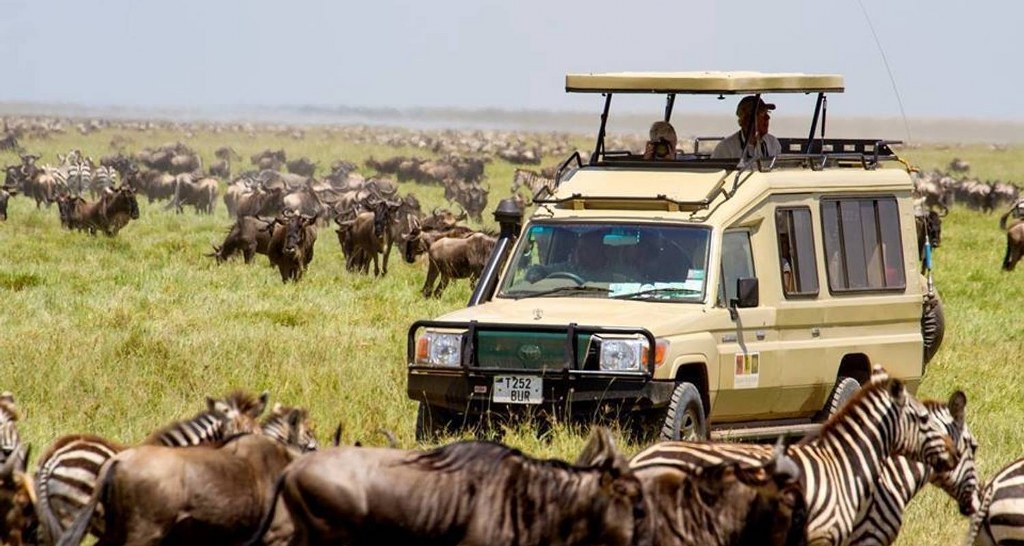
- Game Drives: The primary activity will be game drives in specialized 4×4 safari vehicles, equipped with pop-up roofs for optimal viewing and photography. These drives are typically conducted in the early morning and late afternoon, when animals are most active.
- Vehicle Type: Expect to be in a sturdy 4×4 safari vehicle, usually a Land Cruiser or Land Rover, driven by an experienced guide. These vehicles are designed for rough terrain and offer excellent visibility.
- Guide Expertise: Your guide is crucial. They possess intimate knowledge of animal behavior, tracks, and the best locations for sightings. They will share insights into the ecosystem, culture, and history of the areas you visit.
- Accommodation: Options range from basic but comfortable tented camps and lodges within or near the parks to luxurious lodges offering premium amenities. Lodges on the Ngorongoro crater rim provide stunning views and convenient access, while those in Karatu offer a more tranquil setting.
- Crater Floor Rules: In the Ngorongoro Crater, there are strict regulations regarding time spent on the floor (usually a maximum of 6 hours) and a limit on the number of vehicles. This helps to protect the fragile ecosystem.
- Tarangire River Focus: In Tarangire, much of the game viewing during the dry season centers around the Tarangire River, which acts as a vital water source. Expect to see large gatherings of animals here.
- Predator Sightings: While wildlife sightings are never guaranteed, the Ngorongoro Crater offers some of the highest chances of seeing lions, hyenas, and potentially leopards and cheetahs due to the high prey density.
- Rhino in Ngorongoro: The Ngorongoro Crater is one of the best places in Tanzania to see the endangered black rhino, although they are still elusive and sightings are not guaranteed.
- Cultural Encounters: While the focus is on wildlife, many tours can incorporate visits to Maasai or Datoga villages, offering a glimpse into the lives of the local communities. These visits are typically optional and may incur an extra fee.
- Pace: The pace is generally active, with early mornings to catch the best wildlife activity. However, there’s also time for relaxation at your lodge or camp, enjoying the sounds and sights of the African bush.
Wildlife Highlights: What You Might See
The Ngorongoro Crater and Tarangire safari is a wildlife enthusiast’s dream. Here are some of the key species you have a strong chance of encountering:
In Tarangire National Park:
- Elephants: Tarangire is famous for its huge herds, often numbering in the hundreds, especially during the dry season.
- Baobab Trees: While not wildlife, these ancient, iconic trees are a defining feature of Tarangire’s landscape.
- Lions: Often found lounging in trees during the heat of the day.
- Leopards: More elusive but present, often seen in acacia trees.
- Cheetahs: Can be spotted on the open plains.
- Buffalo: Large herds are common.
- Giraffes: The Masai giraffe is a common sight.
- Zebras and Wildebeest: Present in good numbers, especially outside the peak dry season.
- Diverse Birdlife: Tarangire is a birdwatcher’s paradise, with over 500 species recorded.
In Ngorongoro Crater:
- The Big Five:
- Lion: Abundant and often seen.
- Elephant: Resident population, though generally smaller than in Tarangire.
- Buffalo: Large herds are common.
- Leopard: Present but very shy and difficult to spot.
- Black Rhinoceros: The crater is one of the best places to see this endangered species, though sightings are not guaranteed.
- Hippos: Found in large numbers in the crater’s rivers and pools.
- Wildebeest and Zebras: Form large herds.
- Hyenas: Spotted hyenas are common, often seen during the day.
- Jackals: Several species are present.
- Flamingos: On the soda lake, especially during certain times of the year.
- Vultures and Other Birds of Prey: A significant avian population.
- Waterbirds: Various species around the lake and streams.
Accommodation Options: From Budget to Luxury
Your choice of accommodation significantly impacts the safari experience and cost. For a Ngorongoro Crater and Tarangire safari, options generally fall into three categories:
- Budget/Mid-Range:
- Tented Camps: Offer comfortable canvas tents, often with en-suite bathrooms and basic amenities. They provide a closer-to-nature feel.
- Budget Lodges: Simpler lodges with standard rooms, often in towns like Karatu or outside park boundaries.
These options are ideal for travelers prioritizing game viewing and looking to manage costs.
- Mid-Range/Comfort:
- Comfortable Tented Camps: Larger, well-appointed tents with more amenities, better furnishings, and often on-site dining and lounge areas.
- Mid-Range Lodges: Hotels with private rooms, en-suite bathrooms, good service, and amenities like swimming pools. Lodges in Karatu or slightly further from the crater rim fall into this category.
These offer a good balance of comfort, service, and value.
- Luxury:
- Luxury Tented Camps: Spacious, permanent canvas suites with high-end furnishings, private verandas, fine dining, and personalized service.
- Exclusive Lodges: Often situated on prime locations, such as the Ngorongoro crater rim, offering breathtaking views, gourmet cuisine, private plunge pools, and impeccable service.
These are for travelers seeking the ultimate comfort, exclusivity, and often, unique experiences.
Location Matters: Staying on the Ngorongoro crater rim provides immediate access and stunning views, but is often more expensive and can be busier. Staying in Karatu offers a more relaxed atmosphere and can be more budget-friendly, but requires a drive down to the crater entrance each day.
Packing and Preparation Essentials
Proper packing is key to a comfortable and enjoyable safari. Focus on practical, versatile items.
Clothing:
- Neutral Colors: Pack light, neutral-colored clothing (khaki, beige, olive green, brown). Avoid bright colors and black/dark blue, which can attract insects or be too hot.
- Layers: Temperatures can vary significantly. Pack t-shirts, long-sleeved shirts, sweaters or fleeces for cool mornings and evenings.
- Trousers/Pants: Comfortable, lightweight trousers are essential for game drives. Zip-off trousers can be versatile.
- Shorts: Suitable for warmer days when not on game drives or for relaxing at the lodge.
- Rain Gear: A lightweight, waterproof jacket or poncho is advisable, especially during the wet seasons.
- Swimsuit: For lodges with pools.
Footwear:
- Comfortable Walking Shoes/Sneakers: For around lodges and light walking.
- Closed-toe Shoes: Essential for game drives.
- Sandals/Flip-flops: For relaxing.
Accessories:
- Sun Hat: Wide-brimmed for maximum protection.
- Sunglasses: Essential for eye protection.
- Sunscreen: High SPF.
- Insect Repellent: With DEET for protection against mosquitoes.
- Camera & Extra Batteries/Memory Cards: Wildlife photography is a highlight.
- Binoculars: Highly recommended for spotting distant wildlife.
- Adapter/Power Bank: For charging electronics.
- Personal First-Aid Kit: Include any personal medications.
- Hand Sanitizer: For use on the go.
- Small Backpack/Daypack: For carrying essentials during game drives.
- Water Bottle: Reusable to minimize waste.
Documents & Money:
- Passport & Visa: Ensure they are valid and accessible.
- Yellow Fever Certificate: May be required.
- Travel Insurance Details: Keep copies handy.
- Cash: For tips, souvenirs, and small purchases. USD is widely accepted.
Important Notes:
- Luggage Restrictions: Most safari operators have a soft-sided luggage limit (usually 15-20kg) for small bush planes, though this is less of an issue for road safaris. Check with your operator.
- Laundry Services: Most lodges offer laundry services, allowing you to pack lighter.
Common Mistakes to Avoid
To ensure your Ngorongoro Crater and Tarangire safari is as smooth and enjoyable as possible, be aware of these common pitfalls:
- Over-packing Bright Colors: This can disturb wildlife and make you more visible to insects. Stick to muted, natural tones.
- Underestimating Weather Changes: Even in the dry season, mornings and evenings can be cool. Pack layers.
- Not Bringing Binoculars: While guides have them, your own pair enhances the experience immensely, allowing you to spot smaller animals or distant herds.
- Expecting Guaranteed Sightings: Wildlife is wild. While chances are high, never assume you will see every animal, especially elusive ones like leopards or rhinos. Be patient and enjoy the journey.
- Focusing Only on the “Big Five”: While iconic, Tanzania’s parks are home to incredible biodiversity. Appreciate the smaller creatures, birds, and the unique flora.
- Not Booking in Advance: Especially for peak seasons (June-October) and popular lodges (like those on the crater rim), booking well in advance for 2026 or 2027 is crucial.
- Ignoring Your Guide: Your guide is your expert. Listen to their advice regarding safety, photography, and animal behavior.
- Not Staying Hydrated: The African sun can be intense. Drink plenty of water, even if you don’t feel thirsty.
- Failing to Budget for Extras: Factor in tips for guides and lodge staff, souvenirs, drinks, and any optional activities.
- Assuming All Operators Are Equal: Research and choose a reputable tour operator with good reviews and a strong commitment to responsible tourism.
Who is This Safari Best Suited For?
The Ngorongoro Crater and Tarangire safari is a versatile itinerary that appeals to a broad range of travelers:
- First-Time Safari Goers: It offers a fantastic introduction to African wildlife and the safari experience, with high chances of seeing iconic animals.
- Wildlife Enthusiasts: The sheer density and diversity of animals in both parks, especially the predators in Ngorongoro and elephants in Tarangire, are a major draw.
- Photographers: The dramatic landscapes, abundant wildlife, and opportunities for close-up shots make it a photographer’s dream. The golden hours of early morning and late afternoon are particularly rewarding.
- Families: The relatively short travel times between destinations, high chances of sightings, and the contained environment of the crater make it suitable for families with children (age restrictions may apply for some activities or accommodations).
- Travelers with Limited Time: A 3-day itinerary focusing on these two parks can deliver a very rewarding safari experience without requiring extensive time off.
- Those Seeking the “Big Five”: The Ngorongoro Crater is one of the best places on the continent to achieve a sighting of all five iconic animals in a single day.
Alternative Safari Combinations
While the Ngorongoro Crater and Tarangire combination is superb, other Northern Circuit safaris offer different experiences:
- Serengeti & Ngorongoro: The classic pairing. The vast plains of the Serengeti offer unparalleled opportunities to witness the Great Migration (depending on the time of year) and vast predator populations. Combining it with Ngorongoro provides both expansive wilderness and the unique crater ecosystem. This is typically a longer safari (5-7 days minimum).
- Tarangire, Lake Manyara & Ngorongoro: Lake Manyara National Park, known for its tree-climbing lions and large baboon troops, can be added for a shorter, more varied itinerary. It offers a different landscape, including a large soda lake. This is often a 4-5 day trip.
- Northern Circuit Grand Safari (Serengeti, Ngorongoro, Tarangire, Lake Manyara): For those with more time (7-10 days), this comprehensive tour covers the highlights of the Northern Circuit, offering a deep dive into Tanzania’s diverse wildlife and landscapes.
The choice depends on your interests, time, and budget. For a focused wildlife experience emphasizing elephants and the unique crater environment, Ngorongoro and Tarangire is hard to beat.
Planning Your 2026-2027 Safari
Planning a safari for future years like 2026 and 2027 requires foresight. Here are key considerations:
- Book Early: Especially for peak seasons (June-October) and desirable accommodations (e.g., crater rim lodges), booking 9-12 months in advance is highly recommended to secure your preferred options and potentially better rates. For 2026, early booking is already advisable, and for 2027, starting your research and booking process soon is a good idea.
- Define Your Budget: Safari costs vary significantly based on accommodation style, vehicle type, and safari duration. Having a clear budget will help narrow down choices.
- Consider Your Travel Style: Are you looking for a budget-friendly adventure, a comfortable mid-range experience, or a luxurious escape? This will guide your accommodation and vehicle choices.
- Flexibility with Dates: If your dates are flexible, you might find better availability and prices during the shoulder or green seasons.
- Research Tour Operators: Look for reputable operators with strong local knowledge, good safety records, and positive reviews. Companies like Top Guide Adventures have years of experience crafting tailored Tanzanian safaris.
- Visa and Health Requirements: Check current visa requirements for Tanzania and consult your doctor about necessary vaccinations and malaria precautions well in advance of your 2026 or 2027 trip.
- Travel Insurance: Ensure you have comprehensive travel insurance that covers medical emergencies, trip cancellations, and lost luggage.
Booking Your Ngorongoro Crater and Tarangire Safari
Booking your safari with a trusted operator is crucial for a stress-free and authentic experience. Here’s how to approach it:
- Research and Shortlist Operators: Look for Tanzanian-based operators who have a deep understanding of the local parks, culture, and logistics. Online reviews, recommendations, and professional affiliations (like TANAPA partner status) are good indicators.
- Request Custom Itineraries: Share your interests, budget, and desired travel dates. A good operator will work with you to create a personalized itinerary. For a Ngorongoro Crater and Tarangire safari, specify if you want more time in one park, specific types of accommodation, or any cultural add-ons.
- Clarify Inclusions and Exclusions: Ensure you understand what is covered in the price. Typically, this includes park fees, accommodation, vehicle and driver-guide, meals as specified, and water. Exclusions often involve international flights, visas, tips, personal insurance, and drinks.
- Ask About Vehicle Type and Guide: For optimal game viewing, a pop-up roof 4×4 safari vehicle is standard. Inquire about the experience and qualifications of your driver-guide.
- Understand Payment Terms: Most operators require a deposit to confirm bookings, with the balance due a certain number of weeks before departure. Clarify cancellation policies.
- Confirm Accommodation Details: Ensure you know the exact lodges or camps booked and their locations (e.g., crater rim vs. Karatu).
- Pre-Trip Communication: Maintain open communication with your operator regarding any questions or specific requests leading up to your departure.
Ready to plan your dream safari? Contact Top Guide Adventures for expert advice and a personalized quote. We specialize in creating unforgettable Ngorongoro Crater and Tarangire safaris tailored to your preferences.
Let’s Plan Your Tanzania Adventure!
For a bespoke Ngorongoro Crater and Tarangire safari, or any other Tanzanian adventure, get in touch with our expert team. We are passionate about creating authentic and memorable travel experiences.
WhatsApp: +255616946642
Email: topguideadventures@gmail.com
Backup Email: info@topguideadventures.com
We look forward to helping you discover the magic of Tanzania!
Frequently Asked Questions (FAQs)
Q1: Is a Ngorongoro Crater and Tarangire safari suitable for families with young children?
Yes, it can be. The parks offer high chances of wildlife sightings, which keeps children engaged. However, children under 6 may not be permitted on the crater floor by some operators or for safety reasons. It’s best to discuss the ages of your children with your tour operator to ensure the itinerary is appropriate and safe.
Q2: How many days are typically needed for a Ngorongoro Crater and Tarangire safari?
A minimum of 3 days is usually recommended to experience both parks adequately: 1 day for Tarangire and 2 days for Ngorongoro (including travel). However, 4-5 days would allow for a more relaxed pace, more time in each park, or the inclusion of other activities.
Q3: What is the difference between the Ngorongoro Conservation Area and the Ngorongoro Crater?
The Ngorongoro Conservation Area (NCA) is a vast protected region that includes the Ngorongoro Crater, as well as Maasai communities, archaeological sites like Olduvai Gorge, and other landscapes. The Ngorongoro Crater is the large caldera within the NCA, renowned for its dense wildlife population. When you visit the ‘Crater,’ you are referring to the game drive on the crater floor itself.
Q4: Can I do a walking safari in Tarangire or Ngorongoro?
Walking safaris are generally permitted in designated areas of the Ngorongoro Conservation Area outside the crater floor, often accompanied by an armed ranger and a guide. In Tarangire, walking safaris are sometimes offered by specific lodges, but they are not a standard park activity and are usually limited to areas away from the main game drive routes. Always confirm availability and regulations with your tour operator.
Q5: What are the typical costs involved in a Ngorongoro Crater and Tarangire safari?
Costs vary significantly based on accommodation choice (budget, mid-range, luxury), safari duration, and vehicle type. Key components include park fees, accommodation, vehicle hire, guide fees, and meals. A rough estimate for a mid-range 3-day safari might range from $700 to $1500+ per person, excluding international flights, visas, and tips. For 2026 and 2027, it’s advisable to get specific quotes from operators.
Q6: Is it possible to see the Great Migration on a Ngorongoro Crater and Tarangire safari?
Generally, no. The Great Migration is primarily associated with the Serengeti National Park. While there are large numbers of wildebeest and zebras in Tarangire and Ngorongoro, they are resident populations or part of smaller, localized movements. To witness the main Great Migration, you would need to extend your safari to include the Serengeti.
Q7: What is the best way to book a Ngorongoro Crater and Tarangire safari for 2026 or 2027?
The best approach is to contact a reputable Tanzanian tour operator like Top Guide Adventures. They can help you design a custom itinerary, advise on the best times to visit, and handle all the logistics, ensuring a smooth and memorable experience. Booking 6-12 months in advance is recommended for 2026 and 2027.
Q8: Are there single supplements for solo travelers?
Yes, most safari operators and lodges charge a single supplement for solo travelers to cover the cost of a room or vehicle that would otherwise be shared. This can increase the overall cost for individuals. Some operators may be able to pair solo travelers with others to share costs, but this is not always guaranteed.
Q9: What kind of vehicle will I use for the safari?
For road safaris in Tanzania, the standard vehicle is a 4×4 safari Land Cruiser or Land Rover. These are equipped with pop-up roofs for excellent game viewing and photography, comfortable seating, and are built to handle the terrain of the national parks.
Q10: What are the main differences between Tarangire and Ngorongoro Crater for wildlife viewing?
Tarangire is known for its vast elephant herds, baobab trees, and diverse birdlife, offering a more open savannah and woodland experience. The Ngorongoro Crater is a unique, self-contained ecosystem within a caldera, offering exceptionally high densities of wildlife, including a strong chance of seeing the Big Five in a single day, particularly predators and the rare black rhino. The landscapes are also distinct, with Tarangire being more sprawling and Ngorongoro more contained and dramatic.
Your Dream Ngorongoro Crater and Tarangire Safari Awaits
A Ngorongoro Crater and Tarangire safari promises an unforgettable journey into the heart of Tanzania’s wild beauty. From the colossal elephant herds of Tarangire to the unique, wildlife-rich caldera of Ngorongoro, this combination offers a concentrated and spectacular wildlife experience. Whether you’re planning for 2026, 2027, or beyond, expert guidance is key to crafting the perfect adventure.
Top Guide Adventures is dedicated to providing authentic, well-organized, and memorable safari experiences. Our deep knowledge of Tanzania, combined with our commitment to personalized service, ensures your trip will be everything you dreamed of and more. Let us handle the details so you can focus on the magic of the African bush.
Start Planning Your Tanzania Safari Today!
Contact us to discuss your ideal Ngorongoro Crater and Tarangire safari itinerary. We are here to answer all your questions and help you create lasting memories.
WhatsApp: +255616946642
Email: topguideadventures@gmail.com
Backup Email: info@topguideadventures.com
We look forward to guiding you through the wonders of Tanzania!
Plan your Ngorongoro Crater and Tarangire Safari with Top Guide Adventures
Tell us your travel dates, group size, comfort level, and dream experience. We will help you shape a clear, realistic, and memorable Tanzania itinerary.







 Veedesigner
 Fatma Kizanga
 Benjamin Waryuba
 Philip Philip
 John jr Itaja
 Antonia Optatus
 Edith Kanyere
 Neema Iddy
 Kelvin Boniphace
 Damari Maiga



