
Updated planning guide for 2026, 2027
How To Visit Ngorongoro Crater On A Budget: Essential Travel Guide
Discover how to experience the magic of the Ngorongoro Crater without breaking the bank. This comprehensive guide offers practical advice for budget-conscious travelers planning their Tanzania safari for 2026 and 2027.
WhatsApp +255616946642 | topguideadventures@gmail.com | info@topguideadventures.com
How to Visit Ngorongoro Crater on a Budget: Your Complete Planning Guide
The Ngorongoro Conservation Area, a UNESCO World Heritage Site, is a jewel in Tanzania’s crown. Its caldera, a vast volcanic crater teeming with wildlife, offers one of the most concentrated and spectacular safari experiences on the continent. Many travelers assume visiting such an iconic destination comes with a hefty price tag. However, with smart planning and insider knowledge, it is entirely possible to visit Ngorongoro Crater on a budget. This guide provides everything you need to know to make your dream safari a reality without overspending.
Quick Answer: Visiting Ngorongoro Crater Affordably
Visiting Ngorongoro Crater on a budget involves strategic choices regarding accommodation, transportation, tour duration, and timing. Opting for shared group tours, staying in budget-friendly lodges or campsites outside the crater rim, traveling during the shoulder seasons (April-May, November), and booking with a local, reputable operator can significantly reduce costs. Focus on value by selecting tours that offer well-planned itineraries and experienced guides, rather than just the cheapest option.
| Aspect | Budget Considerations |
|---|---|
| Accommodation | Campsites, budget lodges outside the crater rim. |
| Transportation | Shared group tours, public transport to nearby towns. |
| Tour Duration | Focus on 1-2 days within the conservation area. |
| Park Fees | Non-negotiable, factor these in carefully. |
| Food | Picnic lunches, self-catering options if camping. |
| Best Time to Visit (Budget) | Shoulder seasons: April-May, November. |
| Booking | Local operators often offer better value. |
Understanding the Ngorongoro Conservation Area
Before diving into budget strategies, it’s essential to understand what makes the Ngorongoro Conservation Area so special and why certain costs are inherent to visiting. The area is unique as it’s a designated conservation area, not a national park. This means it supports wildlife conservation alongside human habitation (primarily Maasai communities). This dual purpose influences management and costs.
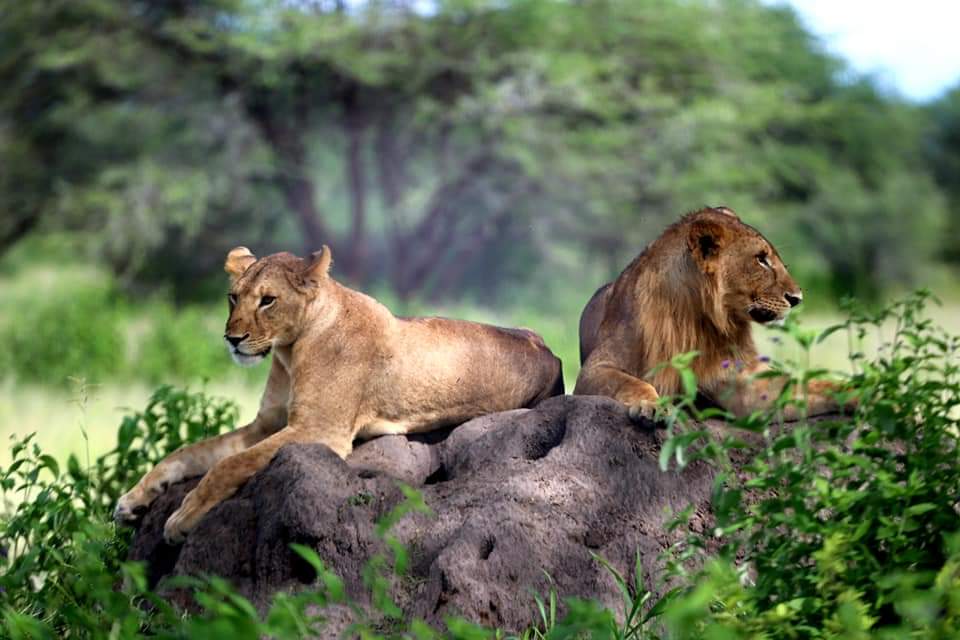
The main attraction is the Ngorongoro Crater itself, a massive caldera formed by a collapsed volcano. Its floor, approximately 260 square kilometers, is a natural amphitheater that supports an incredible density of wildlife, including the ‘Big Five’ (lion, leopard, elephant, rhino, buffalo). The crater floor is also home to a large population of wildebeest, zebras, hyenas, hippos, and numerous bird species. The landscape within the crater is diverse, featuring grasslands, swamps, forests, and a salt lake.
Why is Ngorongoro Conservation Area Special?
- Biodiversity Hotspot: One of the highest densities of predators in Africa.
- The Big Five: High chance of spotting all five in a single day.
- Rhino Sanctuary: Home to the endangered black rhino.
- Unique Ecosystem: A self-contained world within the crater walls.
- Cultural Significance: Coexistence of wildlife and Maasai people.
- UNESCO World Heritage Site: Recognized for its outstanding universal value.
Deconstructing Ngorongoro Crater Costs
To visit Ngorongoro Crater on a budget, you must first understand where the money typically goes. The primary cost drivers are:
- Park Entrance Fees: These are set by the Tanzania government and are substantial. They are charged per person, per 24-hour period.
- Vehicle Fees: A daily fee for the safari vehicle entering the conservation area.
- Crater Service Fee: A per-vehicle fee for entering the crater floor itself.
- Accommodation: Lodges and campsites within or near the conservation area vary wildly in price.
- Transportation: The cost of the safari vehicle and fuel for the duration of your trip.
- Guide Fees: The cost of hiring an experienced safari guide.
- Food and Drinks: Meals and beverages during your safari.
- Tour Operator Markups: The profit margin of the company you book with.
Understanding these components is the first step to finding savings. For example, park fees and vehicle fees are largely fixed, but accommodation, transportation arrangements, and tour operator choices offer flexibility for budget travelers.
Budget-Friendly Accommodation Options
Accommodation is often the biggest variable cost. Staying inside the conservation area, especially at lodges on the crater rim, is the most expensive. To visit Ngorongoro Crater on a budget, consider these alternatives:
1. Campsites within the Conservation Area
The Ngorongoro Conservation Area Authority (NCAA) operates several public campsites. These offer basic facilities (toilets, showers, a cooking area) and are the most affordable way to stay overnight. You’ll need to be part of a tour that includes camping gear and meals. Waking up inside the conservation area provides early access opportunities, but facilities are rustic.
2. Budget Lodges Outside the Crater Rim
Many lodges are located just outside the main gates of the conservation area, in or around the town of Karatu. These are significantly cheaper than rim lodges. While they require a drive to the crater entrance each morning, they often offer comfortable rooms and good value. Some lodges even arrange packed lunches for your safari day.
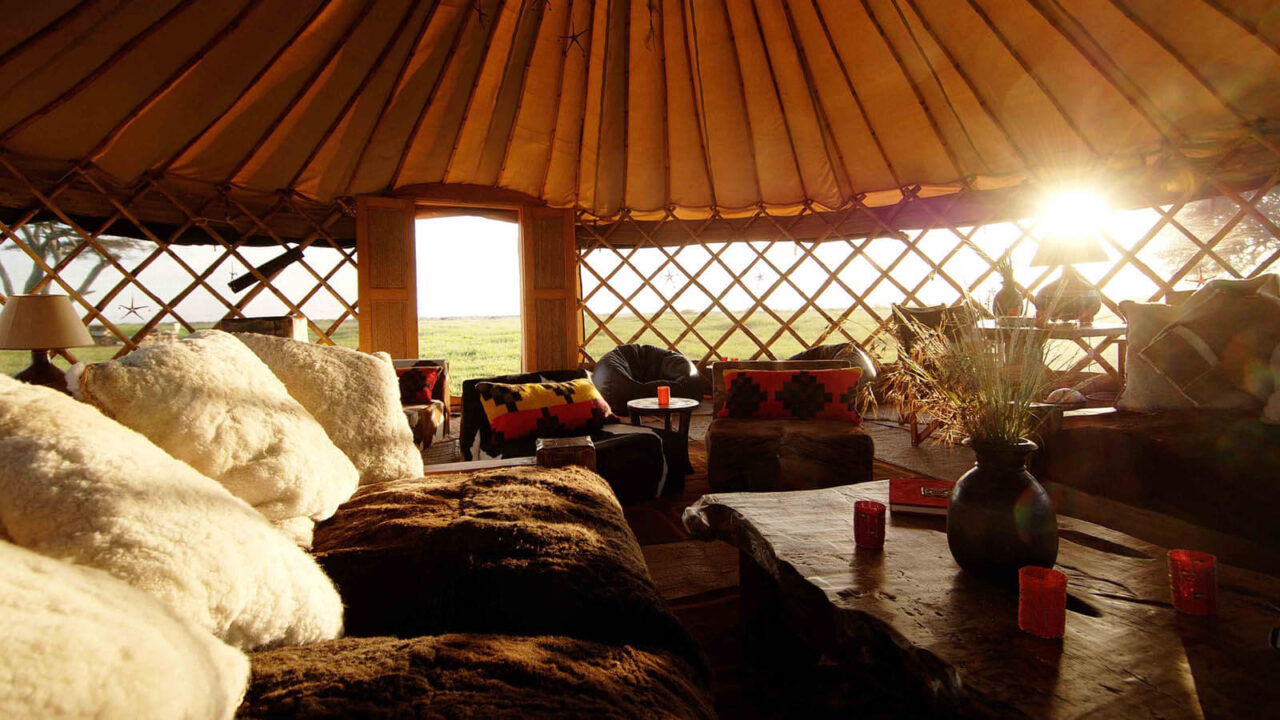
3. Tented Camps (Budget-Friendly Options)
While luxury tented camps are expensive, some operators offer more basic, comfortable tented camps that provide a camping experience with more amenities than public campsites, at a mid-range price point. These can be a good compromise between full camping and lodges.
4. Staying in Arusha/Moshi (Less Ideal for Budget Ngorongoro)
It is technically possible to do a very long day trip from Arusha to Ngorongoro. However, this involves a very early start (around 5 AM) and a late return (9-10 PM), making for an exhausting day and significantly increasing driving time and fuel costs within the conservation area if your operator charges by the day. For a true Ngorongoro experience, an overnight stay is highly recommended, even on a budget.
Budget Tip: Group tours often have access to more affordable campsites and lodges than individual bookings. They also spread the vehicle and guide costs among more people.
Strategic Transportation Choices
Safari vehicles are a significant part of the cost. While most safaris use robust 4×4 Land Cruisers, the type and sharing arrangements can impact your budget.
1. Shared Group Tours
This is the single most effective way to visit Ngorongoro Crater on a budget. By joining a group tour, you share the cost of the safari vehicle, fuel, and guide among several travelers. This drastically reduces your individual expense compared to a private tour. Group sizes can range from 4 to 7 people per vehicle.
2. Vehicle Type
Most reputable operators use custom-built 4×4 Land Cruisers or Land Rovers, equipped with pop-up roofs for optimal game viewing. While you might see cheaper options using vans or less robust vehicles, these are generally not suitable for Tanzania’s rough roads and national parks and can lead to breakdowns and a less enjoyable experience. Stick to specialized safari vehicles for reliability and comfort, even on a budget.
3. Duration of Safari Vehicle Use
Park fees are often charged per 24-hour period. This means a 1-day entry into Ngorongoro Crater costs the same as 2 days, as long as you exit and re-enter within that 24-hour window. For a budget trip focusing on the crater, a single 6-8 hour game drive within the crater is usually sufficient and cost-effective.
Timing Your Visit for Savings
The ‘best’ time to visit Tanzania for game viewing often coincides with peak tourist seasons, which means higher prices. To visit Ngorongoro Crater on a budget, consider traveling during the shoulder or low seasons.
Peak Season (Dry Season): June to October
Pros: Excellent game viewing, clear skies, easier road conditions. The Great Migration may be in the Serengeti, drawing visitors to the region.
Cons: Highest prices for accommodation and tours, more crowds.
Shoulder Seasons: April to May (Long Rains) & November (Short Rains)
Pros: Significantly lower prices for tours and accommodation. Landscapes are lush and green, beautiful for photography. Fewer tourists. Wildlife is still abundant, though dispersed by rain.
Cons: Higher chance of rain, which can disrupt game drives or make roads muddy. Some roads might become impassable. Visibility can be reduced.
Low Season (Wet Season): March to April
Pros: Lowest prices, very few tourists, stunning green scenery. Birdwatching is excellent.
Cons: Heavy rains can make travel difficult, some lodges might close, game viewing can be more challenging due to animals dispersing and dense vegetation.
| Season | Time of Year | Budget Impact | Pros | Cons |
|---|---|---|---|---|
| Peak (Dry) | June – Oct | High | Excellent game viewing, clear weather | High prices, crowds |
| Shoulder (Rainy) | April – May | Medium-Low | Lower prices, lush scenery, fewer tourists | Rain possible, muddy roads |
| Shoulder (Short Rain) | November | Medium-Low | Lower prices, lush scenery, fewer tourists | Rain possible |
| Low (Wet) | March – April | Low | Lowest prices, very few tourists, green landscapes | Heavy rain, difficult roads, dispersed wildlife |
Sample Budget Itinerary: 3 Days Northern Circuit (Including Ngorongoro)
A common and cost-effective way to include Ngorongoro is as part of a longer Northern Circuit safari. This allows you to spread the vehicle and guide costs over more days. Here’s a sample itinerary focusing on value.
Day 1: Arusha to Tarangire National Park
Morning: Pick up from your Arusha accommodation. Meet your guide and safari vehicle. Briefing and depart for Tarangire National Park, known for its large elephant herds and iconic baobab trees.
Afternoon: Full game drive in Tarangire. Enjoy a picnic lunch. Late afternoon, drive to your budget accommodation or campsite near Karatu.
Accommodation: Budget lodge or campsite near Karatu.
Day 2: Ngorongoro Crater Day Trip
Morning: Early breakfast. Descend into the Ngorongoro Crater for a full morning game drive. This is your prime opportunity to spot the Big Five and a vast array of other wildlife in this unique caldera ecosystem.
Lunch: Enjoy a picnic lunch by the hippo pool within the crater.
Afternoon: Ascend from the crater and drive back to your accommodation near Karatu. You might have time for a brief visit to a local market or cultural experience if time and budget allow.
Accommodation: Budget lodge or campsite near Karatu.
Day 3: Karatu to Arusha
Morning: After breakfast, depart for Lake Manyara National Park for a morning game drive. This park is famous for its tree-climbing lions (though sightings are not guaranteed) and diverse birdlife. Alternatively, if budget is extremely tight, you could skip Lake Manyara and head straight back to Arusha, spending more time on your budget Ngorongoro day.
Lunch: Picnic lunch en route or at a local eatery.
Afternoon: Drive back to Arusha, arriving in the late afternoon. Transfer to your accommodation or the airport.
Note: This itinerary can be adjusted. Some budget travelers opt for a 2-day/1-night trip focusing solely on Ngorongoro, but this can be rushed and might incur higher daily vehicle costs if not part of a larger package.
Food and Drink on a Budget
Food costs can add up. Here’s how to manage:
- Picnic Lunches: Most safari operators include packed lunches on full-day game drives. These are usually simple but filling (sandwiches, fruit, snacks).
- Self-Catering: If you are camping, you can coordinate with your operator to purchase groceries and prepare some of your own meals. This is significantly cheaper than restaurant meals.
- Limit Drinks: Bottled water is essential, but other drinks purchased at lodges or camps can be expensive. Bring a reusable water bottle and refill it where possible (ensure water is purified).
- Avoid Lodge Meals (if not included): If your accommodation offers optional dinners, weigh the cost against bringing snacks or eating a simpler meal.
Maximizing Value: Choosing the Right Tour Operator
This is crucial for visiting Ngorongoro Crater on a budget. While the cheapest option might seem appealing, it can lead to compromises in safety, vehicle quality, guide experience, and overall enjoyment.
Why Local Operators Often Offer Better Value:
- Lower Overheads: They don’t have expensive international marketing campaigns or large overseas offices.
- Local Knowledge: They understand the best routes, accommodation options, and how to navigate costs within Tanzania.
- Direct Contact: You can communicate directly with the people managing your safari, leading to clearer expectations and potentially more flexibility.
What to Look For in a Budget-Friendly Operator:
- Reputation: Check reviews on platforms like TripAdvisor, but also look for operators recommended by word-of-mouth.
- Transparency: They should clearly outline what is included and excluded in their prices.
- Responsiveness: Good communication is key. They should answer your questions promptly and thoroughly.
- Experience: Ensure they have experience running budget safaris and understand the specific needs of budget travelers.
- Vehicle Quality: Ask about the type of vehicles they use.
Contact Us: For a reliable and value-driven safari experience, consider contacting Top Guide Adventures. We specialize in creating memorable Tanzanian adventures tailored to various budgets. Reach us on WhatsApp at +255616946642 or email us at topguideadventures@gmail.com or info@topguideadventures.com.
Common Mistakes to Avoid When Budgeting for Ngorongoro
Even when trying to save money, certain pitfalls can turn a budget trip into a costly disaster.
- Ignoring Park Fees: These are non-negotiable and a significant part of the budget. Factor them in from the start.
- Choosing the Absolute Cheapest Option: This often means a lower-quality vehicle, inexperienced guide, poor accommodation, or hidden costs.
- Underestimating Total Costs: Besides the tour package, budget for tips, souvenirs, personal expenses, and potential visa fees.
- Not Booking in Advance (Especially for Groups): Budget campsites and lodges, as well as group tour spots, can fill up, especially during peak season or shoulder months.
- Not Clarifying Inclusions: Does the price include park fees? Meals? Accommodation? Vehicle hire? Ensure you know exactly what you’re paying for.
- Overpacking: Excess luggage can sometimes incur extra fees or be difficult to manage in safari vehicles.
Who is a Budget Ngorongoro Trip Best For?
Visiting Ngorongoro Crater on a budget is ideal for:
- Independent Travelers: Those comfortable with basic accommodations and group travel.
- Young Backpackers and Students: Seeking adventure without a large financial outlay.
- Long-Term Travelers: Those on an extended trip through Africa who need to manage their funds carefully.
- Value-Conscious Travelers: People who prioritize experiencing the destination over luxury amenities.
- Small Groups of Friends: Sharing costs makes budget travel more feasible and fun.
It may be less suitable for travelers who require high levels of comfort, privacy, or have very specific dietary needs that are hard to cater for in basic settings.
Ngorongoro Crater vs. Other Parks on a Budget
While Ngorongoro is iconic, other Tanzanian parks offer incredible safari experiences at potentially lower costs, especially if you are focusing purely on wildlife density and variety without the unique crater landscape.
| Park/Area | Budget Friendliness | Wildlife Highlights | Pros for Budget Traveler | Cons for Budget Traveler |
|---|---|---|---|---|
| Ngorongoro Crater | Medium-High (due to fees) | Big Five, dense wildlife, black rhino | Incredible wildlife density, unique caldera | High daily conservation fees, requires specific vehicle access |
| Tarangire National Park | Medium | Large elephant herds, baobabs, diverse birdlife | Good value for money, great for birders and elephant lovers | Can be dusty in dry season, not as concentrated as Ngorongoro |
| Lake Manyara National Park | Medium | Tree-climbing lions, flamingos, hippos | Compact park, good for shorter game drives, diverse habitats | Smaller area, can feel less ‘wild’ than others |
| Serengeti National Park | Medium-High (fees, size) | Great Migration, vast plains, Big Five | Iconic safari destination, diverse landscapes | Requires more days to explore, higher fees and vehicle costs due to size |
| Ruaha National Park | Medium-High (remote) | Large predators, elephants, wild dogs | Less crowded, wilder feel, good for experienced safari-goers | More remote, higher transport costs to get there, fewer budget accommodation options |
| Selous Game Reserve (Nyerere NP) | Medium-High (remote) | Elephants, lions, wild dogs, boat safaris | Vast, less crowded, unique boat safaris | Remote, higher transport costs, fewer budget options than northern circuit |
For a pure budget Ngorongoro experience, it’s often best combined with nearby Tarangire and Lake Manyara, as they are on the same northern tourist circuit, minimizing travel time and costs between parks.
Planning Your 2026-2027 Budget Ngorongoro Safari
Planning ahead is key to securing the best deals and ensuring a smooth trip. For 2026 and 2027, consider these planning steps:
1. Research and Choose Your Operator (6-12 Months Out)
Start researching local Tanzanian tour operators that specialize in budget safaris. Get quotes from at least 3-4 reputable companies. Look for those that are transparent about their pricing and inclusions.
2. Decide on Itinerary Length and Parks (5-10 Months Out)
Determine how many days you want to spend on safari and which parks you want to visit. A 3-day Northern Circuit, including Ngorongoro, is a popular and relatively affordable option for 2026 and 2027.
3. Book Your Safari Package (4-8 Months Out)
Once you’ve chosen an operator and itinerary, book your safari. Many operators require a deposit to confirm your booking. This secures your spot, especially if you’re traveling during shoulder seasons when budget accommodations can be limited.
4. Book Flights (3-6 Months Out)
Book your international flights to Kilimanjaro International Airport (JRO) or Nairobi (NBO) if you plan to combine with Kenya. Booking in advance usually yields better prices for 2026 and 2027 travel.
5. Arrange Visas and Vaccinations (2-4 Months Out)
Check visa requirements for Tanzania for your nationality. Obtain any necessary vaccinations or malaria prophylaxis from your doctor. Consult your travel clinic well in advance.
6. Final Payments and Packing (1-2 Months Out)
Make final payments for your safari. Start gathering your packing list. Focus on lightweight, breathable clothing suitable for safari and warm layers for cooler evenings.
Ngorongoro Budget Safari Planning Checklist (2026-2027)
- [ ] Research & shortlist budget safari operators.
- [ ] Request quotes and compare inclusions/exclusions.
- [ ] Confirm safari itinerary length and parks (e.g., 3-day Northern Circuit).
- [ ] Book safari with chosen operator & pay deposit.
- [ ] Book international flights to JRO.
- [ ] Check Tanzania visa requirements.
- [ ] Consult travel clinic for vaccinations & malaria prevention.
- [ ] Purchase travel insurance.
- [ ] Make final safari payment.
- [ ] Prepare packing list (lightweight clothing, warm layers, sun protection).
- [ ] Inform bank of travel dates to avoid card issues.
- [ ] Exchange some currency for tips and small purchases.
What to Expect on a Budget Ngorongoro Safari
A budget safari to Ngorongoro Crater is about the incredible wildlife and landscapes, not luxury. Expect:
- Shared Experience: You’ll likely be in a vehicle with other travelers.
- Basic Accommodation: Campsites or simple lodges with essential amenities.
- Picnic Meals: Lunches are typically packed. Dinners might be communal if camping.
- Early Starts: To maximize game viewing time and avoid crowds, early mornings are common.
- Dust and Rough Roads: Safari travel involves dust and bumpy rides.
- Incredible Wildlife: The highlight will undoubtedly be the close encounters with animals.
- Dedicated Guide: A knowledgeable guide is your key to spotting wildlife and understanding the ecosystem.
Packing Essentials for a Budget Safari
Pack smart to save space and hassle:
- Lightweight Clothing: Neutral colors (khaki, beige, green) are best. T-shirts, long-sleeved shirts, trousers.
- Warm Layers: A fleece or jacket is essential for early mornings and evenings, especially at higher altitudes like the crater rim.
- Sun Protection: Wide-brimmed hat, sunglasses, high SPF sunscreen.
- Insect Repellent: Crucial for evenings and malaria prevention.
- Comfortable Shoes: Closed-toe shoes for game drives.
- Camera & Binoculars: Essential for wildlife viewing. Bring extra batteries/power bank.
- Reusable Water Bottle: Stay hydrated and reduce plastic waste.
- Small Backpack: For daily essentials during game drives.
- Headlamp or Torch: Useful for navigating campsites at night.
- Basic First-Aid Kit: Include personal medications, pain relievers, antiseptic wipes.
FAQs: Your Budget Ngorongoro Questions Answered
Q1: Is it possible to visit Ngorongoro Crater on a budget in 2026?
Yes, absolutely. By choosing group tours, budget accommodation (campsites or lodges outside the crater), traveling in shoulder seasons, and booking with a local operator, you can significantly reduce the cost of visiting Ngorongoro Crater on a budget for your 2026 or 2027 trip.
Q2: What are the biggest costs associated with Ngorongoro Crater?
The primary costs are the park conservation fees (per person, per day), vehicle entry fees, crater service fees, accommodation, and transportation/guide. While park fees are fixed, accommodation and tour operator choices offer the most flexibility for budget travelers.
Q3: How much does a budget safari to Ngorongoro Crater typically cost?
Exact prices vary greatly based on the operator, itinerary length, and season. However, a budget 3-day Northern Circuit safari including Ngorongoro might start from around $600-$900 per person for a group tour. This is a rough estimate, and it’s essential to get personalized quotes.
Q4: What is the cheapest way to stay near Ngorongoro Crater?
The most affordable accommodation options are public campsites within the Ngorongoro Conservation Area. Alternatively, budget lodges and guesthouses in the nearby town of Karatu offer good value and are significantly cheaper than lodges on the crater rim.
Q5: Can I visit Ngorongoro Crater as a day trip from Arusha on a budget?
While technically possible, it’s a very long and tiring day (around 16-18 hours total). It also means you might pay a full day’s vehicle and park fee for a shorter experience, potentially making it less cost-effective than an overnight stay, especially if you’re looking to visit Ngorongoro Crater on a budget and maximize your time.
Q6: When is the cheapest time to visit Ngorongoro Crater?
The shoulder seasons, specifically April to May (long rains) and November (short rains), generally offer the lowest prices for tours and accommodation. You’ll find fewer tourists and greener landscapes, though there’s a higher chance of rain.
Q7: Is it better to book a safari in advance or on arrival?
For budget travel, especially during shoulder seasons, booking in advance is highly recommended. This allows you to secure spots on group tours and access the most affordable accommodation options before they are fully booked.
Q8: What are the daily park fees for Ngorongoro Crater?
Park fees are set by the NCAA and are subject to change. As of recent information, they are typically around $70-$80 per person per 24-hour entry, plus vehicle fees. These are non-negotiable costs that must be factored into your budget.
Q9: Can I visit Ngorongoro Crater without a guide?
No, it is not possible to enter the Ngorongoro Conservation Area or descend into the crater without a registered safari vehicle and guide. All visitors must be part of an organized safari tour.
Q10: What is the difference between Ngorongoro Conservation Area and a National Park?
Ngorongoro is a conservation area, meaning it is managed for both wildlife and human inhabitants (primarily the Maasai people). National Parks are solely for wildlife conservation. This dual purpose influences visitor activities and management strategies.
Final Thoughts: Your Affordable Ngorongoro Adventure Awaits
Visiting the Ngorongoro Crater is a truly unforgettable experience, and it doesn’t have to be an expensive one. By focusing on smart planning, embracing group travel, choosing value-driven accommodation, and timing your visit wisely, you can make your dream safari a reality. Remember that a budget trip is about prioritizing the incredible wildlife and natural beauty over luxury amenities. With careful consideration and by working with reputable local operators, you can plan an amazing adventure for 2026 or 2027.
Ready to plan your budget-friendly Ngorongoro Crater adventure? Contact our expert team at Top Guide Adventures. We are passionate about creating authentic and affordable Tanzanian safari experiences. Let us help you craft the perfect itinerary.
Get in touch today:
WhatsApp: +255616946642
Email: topguideadventures@gmail.com
Backup Email: info@topguideadventures.com
Plan your How to Visit Ngorongoro Crater on a Budget with Top Guide Adventures
Tell us your travel dates, group size, comfort level, and dream experience. We will help you shape a clear, realistic, and memorable Tanzania itinerary.







 Veedesigner
 Fatma Kizanga
 Benjamin Waryuba
 Philip Philip
 John jr Itaja
 Antonia Optatus
 Edith Kanyere
 Neema Iddy
 Kelvin Boniphace
 Damari Maiga



