
Updated planning guide for 2026-2027
Kondoa Day Trip Guide: Essential Travel Tips 2026-2027
Discover the ancient wonders of Kondoa on a memorable day trip. This comprehensive guide covers everything you need to know for an unforgettable experience in Tanzania.
WhatsApp +255616946642 | topguideadventures@gmail.com | info@topguideadventures.com
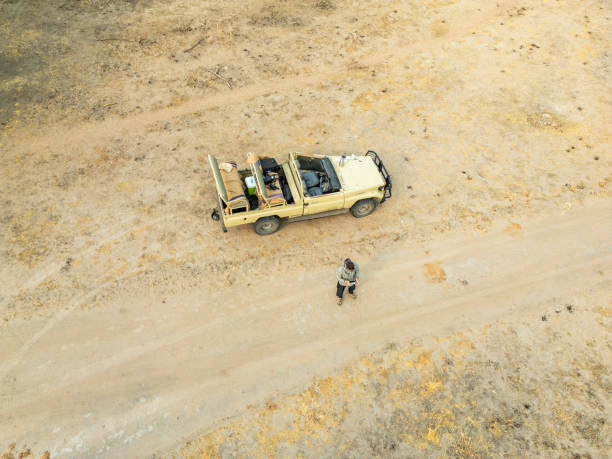
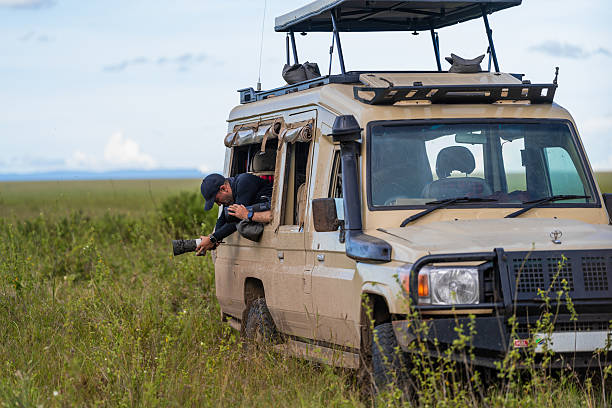
Kondoa Day Trip: Your Comprehensive Guide to Ancient Wonders
Tanzania offers a wealth of experiences beyond its famous safaris and Kilimanjaro climbs. For those seeking a deeper connection with history and culture, a Kondoa day trip presents an exceptional opportunity. This UNESCO World Heritage site, located a few hours from Dodoma and Arusha, is home to some of Africa’s most significant rock art, offering a glimpse into the lives of our ancestors. This guide provides everything you need to plan and enjoy an enriching Kondoa day trip, ensuring you make the most of your visit in 2026 and 2027.
Table of Contents
- Quick Facts About Kondoa
- Kondoa Rock-Art Sites: An Overview
- Why Take a Kondoa Day Trip?
- Best Time to Visit Kondoa
- Getting to Kondoa
- Sample Kondoa Day Trip Itinerary
- What to Expect During Your Visit
- Cultural Etiquette and Respect
- Packing Essentials for Your Day Trip
- Common Mistakes to Avoid
- Who is a Kondoa Day Trip Best Suited For?
- Alternatives to a Kondoa Day Trip
- Planning Your Kondoa Trip for 2026-2027
- Booking Your Kondoa Day Trip
- Frequently Asked Questions
Quick Facts About Kondoa
| Category | Details |
|---|---|
| Location | Central Tanzania, near the town of Kondoa |
| UNESCO Status | World Heritage Site since 2006 |
| Primary Attraction | Ancient rock paintings and engravings |
| Age of Art | Estimated 50,000 years old (Paleolithic to Iron Age) |
| Main Sites | Kolo, Chenene, Maji ya Moto, Pahi, Gidagoda, Thao |
| Access Points | From Dodoma or Arusha |
| Travel Time (from Arusha) | Approx. 4-6 hours one way |
| Travel Time (from Dodoma) | Approx. 2-3 hours one way |
| Best for | History buffs, cultural explorers, photographers |
Kondoa Rock-Art Sites: An Overview
The Kondoa Rock-Art Sites represent one of the most extensive and significant concentrations of ancient rock art in Africa. Spread across a vast area, these sites are not just paintings; they are historical records left by hunter-gatherer and agro-pastoralist communities over tens of thousands of years. The art depicts animals, human figures, hunting scenes, and abstract symbols, providing invaluable insights into the social, economic, and spiritual lives of past populations. The sheer scale and antiquity of these paintings make them a profound cultural treasure.
The art is found in caves, rock shelters, and on exposed rock faces, often in dramatic geological formations. The pigments used, derived from local minerals, have remarkably endured the test of time. The paintings are categorized into different styles, reflecting distinct periods and cultural groups, from the earliest hunter-gatherers to later pastoralist communities. Exploring these sites is like stepping back through millennia of human history.
Why Take a Kondoa Day Trip?
A Kondoa day trip offers a unique departure from typical Tanzanian tourist trails. It’s an opportunity to:
- Connect with Ancient History: Witness art created by human hands tens of thousands of years ago. It’s a tangible link to our distant past.
- Experience Authentic Culture: Interact with local communities and learn about their heritage, which is often intertwined with the rock art sites.
- Discover a UNESCO Site: Visit a location recognized globally for its outstanding universal value.
- Escape the Crowds: Enjoy a more intimate and less commercialized travel experience.
- Photography Opportunities: Capture striking landscapes and ancient art that tell compelling stories.
- Expand Your Tanzanian Experience: See a different facet of Tanzania beyond wildlife and mountains.
For travelers interested in archaeology, anthropology, or simply understanding the deep human history of East Africa, a Kondoa day trip is an essential addition to their itinerary.
Best Time to Visit Kondoa
The climate in Kondoa is generally semi-arid. The best time for a Kondoa day trip is during the dry seasons, which offer the most comfortable conditions for exploring the open-air sites.
| Season | Months | Conditions | Notes |
|---|---|---|---|
| Dry Season 1 (Short Dry) | June – October | Cooler temperatures, low humidity, minimal rain. Ideal for walking and exploration. | This is generally considered the prime time for visiting. |
| Dry Season 2 (Long Dry) | December – February | Warmer temperatures, dry conditions. Can be hot during midday. | Good for travel, but be prepared for heat. |
| Rainy Season | March – May | Heavy rainfall, muddy roads, high humidity. | Not recommended for a day trip due to accessibility issues and discomfort. |
| Transitional Periods | November, March | Variable weather, potential for rain showers. | Can be suitable, but flexibility is key. |
When planning your Kondoa day trip for 2026 or 2027, aim for the months between June and October for the most pleasant weather. Even in the dry season, carry water and sun protection.
Getting to Kondoa
Kondoa is accessible primarily by road. The journey is part of the experience, offering views of the Tanzanian landscape. The most common starting points for a day trip are Arusha or Dodoma.
From Arusha
The drive from Arusha to Kondoa town is approximately 250-300 kilometers, typically taking 4 to 6 hours one way, depending on road conditions and vehicle type. The route passes through diverse scenery. For a day trip from Arusha, an early start is crucial. Most visitors will arrange a private vehicle with a driver/guide for this journey. This allows for flexibility and comfort.
From Dodoma
Dodoma, the capital of Tanzania, is closer to Kondoa, about 150-180 kilometers. The journey takes around 2 to 3 hours one way. This is a more manageable distance for a day trip and often involves better road conditions.
Kondoa Region Overview
Main Route:
- Start from Arusha or Dodoma.
- Travel via main paved roads towards Kondoa town.
- From Kondoa town, local roads lead to the rock art sites. A 4×4 vehicle is often recommended for accessing some of the more remote shelters.
- The key areas with significant sites are often referred to as Kolo, Chenene, and Maji ya Moto.
Note: The exact route to specific shelters may vary and is best navigated with a local guide.
Sample Kondoa Day Trip Itinerary
This sample itinerary assumes a day trip starting from Arusha. Adjust timings if starting from Dodoma or if specific sites are prioritized.
Kondoa Day Trip from Arusha
| Time | Activity | Notes |
|---|---|---|
| 6:00 AM | Depart from Arusha | Ensure a hearty breakfast. Start early to maximize daylight. |
| 7:00 AM – 10:00 AM | Scenic Drive | Travel through Tanzanian countryside. Brief stop for photos if needed. |
| 10:00 AM | Arrive at Kondoa Town / Kolo Area | Meet local guide (if not already with you). Brief orientation. |
| 10:30 AM – 1:00 PM | Visit Kolo Rock Shelters | Explore several key shelters (e.g., Kolo Main, Kolo North). Focus on understanding the art and its context. |
| 1:00 PM – 2:00 PM | Picnic Lunch | Enjoy a packed lunch amidst the natural surroundings. |
| 2:00 PM – 4:00 PM | Explore Additional Sites | Visit sites like Chenene or Maji ya Moto, depending on time and accessibility. Learn about different painting styles. |
| 4:00 PM | Begin Return Journey to Arusha | Reflect on the day’s discoveries. |
| 8:00 PM – 9:00 PM | Arrive back in Arusha | Transfer to your accommodation. |
What to Expect During Your Visit
A Kondoa day trip is an immersive experience that differs from a typical safari or city tour. Be prepared for:
- Walking: You will be walking on uneven terrain, sometimes uphill, to reach the rock shelters. Comfortable footwear is essential.
- Natural Environment: The sites are in natural settings, often undeveloped. Expect dust, insects, and varying temperatures.
- Local Guides: You will likely be accompanied by local guides who are knowledgeable about the history and cultural significance of the art. They may not always have formal academic training but possess invaluable local knowledge.
- Visual Interpretation: The art can be subtle and faded. Your guide will help point out figures and explain their meanings, which can be subject to interpretation and local lore.
- Simplicity: Facilities are minimal. There are no visitor centers or extensive signage at the remote sites. The focus is on the art itself and its natural context.
- Heat and Sun: Especially during the warmer months, expect significant sun exposure and heat.
The beauty of Kondoa lies in its raw, untouched nature. It’s an adventure into the past, requiring a sense of curiosity and appreciation for the subtle.
Cultural Etiquette and Respect
When visiting Kondoa, it’s vital to show respect for the local culture and the sacredness of the sites:
- Ask Permission: Always ask your guide before taking close-up photos of local people.
- Dress Modestly: While not strictly enforced at the sites themselves, it’s respectful to dress modestly when interacting with local communities. Shoulders and knees should ideally be covered.
- Do Not Touch: Absolutely do not touch the rock paintings or engravings. The oils from your skin can damage the ancient art.
- No Littering: Carry out everything you carry in. Leave no trace of your visit.
- Listen to Your Guide: Local guides often have specific knowledge about which areas are considered sacred or sensitive. Follow their instructions.
- Photography: While photography is generally allowed, be mindful of your surroundings. Some local communities may have specific views on photographing certain symbols or locations.
Respectful engagement ensures the preservation of the sites and fosters positive interactions with the communities who are custodians of this heritage.
Packing Essentials for Your Day Trip
To ensure a comfortable and enjoyable Kondoa day trip, pack the following:
- Comfortable Walking Shoes: Sturdy, closed-toe shoes are a must for uneven terrain.
- Sun Protection: Wide-brimmed hat, sunglasses, and high-SPF sunscreen.
- Water: Plenty of drinking water. It’s crucial to stay hydrated, especially in the heat.
- Snacks: High-energy snacks like nuts, fruit, or energy bars.
- Lightweight Clothing: Breathable, long-sleeved shirts and trousers to protect from sun and insects.
- Camera: With extra batteries and memory cards.
- Insect Repellent: Especially for dawn and dusk.
- Small Backpack: To carry your essentials.
- Hand Sanitizer: For hygiene before and after snacks.
- Binoculars (Optional): For viewing distant landscapes or wildlife.
- Light Rain Jacket (Seasonal): If traveling near the rainy season.
Common Mistakes to Avoid
To make your Kondoa day trip a success, be aware of these common pitfalls:
- Underestimating Travel Time: The distances in Tanzania can be deceiving. Always factor in ample travel time, especially for a day trip. Starting late is a recipe for a rushed experience.
- Not Hiring a Local Guide: While you can drive to the general area, a local guide is indispensable for finding the specific shelters, understanding the art, and navigating the terrain safely.
- Wearing Inappropriate Footwear: Sandals or flip-flops are not suitable for the rocky and dusty paths.
- Not Bringing Enough Water: Dehydration is a serious risk. Always carry more water than you think you’ll need.
- Touching the Art: This cannot be stressed enough. It’s irreversible damage.
- Expecting Modern Facilities: Kondoa is an archaeological site, not a theme park. Embrace the rustic nature of the experience.
- Ignoring Cultural Norms: Show respect to the local people and their heritage.
- Not Checking Road Conditions: Especially outside the dry season, roads can become impassable. Confirm with your tour operator.
Avoiding these mistakes will significantly enhance your Kondoa day trip experience.
Who is a Kondoa Day Trip Best Suited For?
A Kondoa day trip is ideal for:
- History Enthusiasts: Anyone fascinated by ancient human history, archaeology, and anthropology.
- Cultural Explorers: Travelers who want to understand the deep cultural roots of Tanzania and its people.
- Off-the-Beaten-Path Adventurers: Those looking for unique experiences away from mainstream tourist routes.
- Photographers: Individuals seeking distinctive subjects, from ancient art to dramatic landscapes.
- Short-Term Visitors: Travelers with limited time in Tanzania who want to incorporate a significant cultural and historical element into their trip.
- Tandem Travelers: Those combining a Kondoa trip with other Tanzanian highlights like safaris or Zanzibar.
It is less suited for those seeking luxury amenities, fast-paced activities, or guaranteed wildlife sightings. The reward is in the discovery and contemplation of ancient human achievement.
Alternatives to a Kondoa Day Trip
While Kondoa is unique, other destinations in Tanzania offer historical or cultural insights:
- Tanganyika Historical Sites: While not rock art, sites around Lake Tanganyika offer glimpses into historical trade routes and Swahili culture.
- Olduvai Gorge: Located in the Serengeti ecosystem, this is a significant paleoanthropological site, often visited as part of a Northern Circuit safari. It focuses on early hominid fossil discoveries rather than art.
- Bagamoyo: A historic coastal town with remnants of ancient trade, slave trade history, and early Christian missions. Offers a different kind of historical exploration.
- Stone Town, Zanzibar: A UNESCO World Heritage site rich in Swahili and Omani history, architecture, and culture.
Each of these offers a distinct historical or cultural perspective, but none replicate the specific experience of the Kondoa rock art.
Planning Your Kondoa Trip for 2026-2027
Planning ahead is key for a successful Kondoa day trip, especially when looking at 2026 and 2027. Here’s how to approach it:
1. Choose Your Starting Point and Dates
Decide if you are traveling from Arusha or Dodoma. Select dates that align with the dry seasons (June-October or December-February) for the best weather.
2. Book Transportation
Reliable transport is essential. A 4×4 vehicle is recommended, especially if you plan to visit more remote sites. Booking a vehicle with a knowledgeable driver-guide is highly advisable.
3. Secure a Local Guide
Your tour operator should arrange for a certified local guide at Kondoa. These guides are crucial for accessing the sites and understanding their significance. Confirm this is included in your booking.
4. Pack Appropriately
Refer to the packing list above. Ensure you have all essentials before you leave your base city.
5. Confirm Site Accessibility
Road conditions can change. Inquire about the accessibility of specific sites closer to your travel date, particularly if traveling during or just after the rainy season.
6. Manage Expectations
Understand that this is an archaeological and cultural site, not a luxury resort. Embrace the adventure and the historical immersion.
7. Health Precautions
Consult your doctor about any necessary vaccinations or malaria precautions, although Kondoa itself is less of a malaria risk than coastal areas, it’s always wise to check for the region.
Sample Booking Timeline (for 2026-2027)
- 6-12 Months Prior: Research tour operators, define your interests (e.g., specific sites, cultural interaction), and get initial quotes.
- 3-6 Months Prior: Finalize your itinerary, confirm inclusions, and book your chosen tour operator.
- 1-2 Months Prior: Make final payments, confirm all arrangements, and start gathering your packing list.
- 1-2 Weeks Prior: Reconfirm details with your tour operator, check weather forecasts, and purchase any last-minute items.
Booking Your Kondoa Day Trip
Booking a Kondoa day trip requires careful consideration to ensure a smooth and enriching experience. As a reputable Tanzania tour operator, we specialize in creating personalized and authentic travel experiences. Here’s how to book with us and what to expect:
What to Look For in a Tour Operator:
- Local Expertise: They should have in-depth knowledge of Kondoa and its surrounding areas.
- Experienced Guides: Ensure they work with certified and knowledgeable local guides.
- Reliable Transportation: Confirm the type of vehicle used (4×4 recommended) and its condition.
- Clear Itinerary: A well-structured plan that balances travel time with exploration.
- Transparency: Clear pricing and what is included/excluded.
Booking Your Kondoa Day Trip with Us:
We make the booking process straightforward and tailored to your needs. Here’s how to get started:
- Contact Us: Reach out via WhatsApp at +255616946642 or email us at topguideadventures@gmail.com or info@topguideadventures.com.
- Share Your Requirements: Let us know your preferred dates, starting point (Arusha/Dodoma), number of travelers, and any specific interests.
- Customized Itinerary: We will design a personalized Kondoa day trip itinerary for you, including transportation, guide services, and any other requested arrangements.
- Confirmation and Payment: Once you approve the itinerary, we will provide a detailed quote and payment instructions. We typically require a deposit to secure your booking, with the balance due closer to the travel date.
- Pre-Trip Support: We offer ongoing support to answer any questions you may have leading up to your trip.
We are committed to providing an exceptional Kondoa day trip that respects the heritage of the site and offers a profound connection to Tanzania’s ancient past. Whether you are planning for 2026 or 2027, we are ready to help you create unforgettable memories.
Frequently Asked Questions
Can I visit the Kondoa rock art sites independently without a guide?
While you can drive to the general vicinity, it is strongly recommended and often required to hire a local guide. They are essential for navigating to the specific rock shelters, understanding the art, and ensuring you have a safe and informative visit. Independent access to all sites might be restricted or impractical.
How physically demanding is a Kondoa day trip?
The trip involves moderate physical activity. You will be walking on uneven, rocky, and sometimes dusty terrain. Some sites require short climbs. Comfortable walking shoes are essential. It’s generally manageable for most people with average fitness, but not suitable for those with severe mobility issues.
What kind of art will I see at Kondoa?
You will see a variety of ancient rock art, including depictions of animals (elephants, giraffes, antelopes), human figures in various activities (hunting, dancing), abstract symbols, and sometimes scenes of daily life. The art spans thousands of years, from hunter-gatherer periods to later pastoralist societies.
Is a Kondoa day trip safe?
Yes, a Kondoa day trip is generally safe when organized with a reputable tour operator and accompanied by local guides. The primary concerns are related to the natural environment (heat, terrain, insects) and road safety during travel. Following your guide’s instructions and taking standard precautions will ensure a safe experience.
Can I take photos of the rock art?
Photography of the rock art is usually permitted for personal use. However, it’s important to do so respectfully. Avoid using flash photography directly on the paintings, as this can potentially cause damage over time. Always ask your guide if there are any specific restrictions for certain sensitive areas.
What are the costs involved for a Kondoa day trip?
Costs vary depending on your starting point, the type of vehicle used, the number of people in your group, and whether meals and guide fees are included. Generally, expect to pay for private transportation, guide fees, park/site entrance fees (if applicable), and your meals. Exact prices are best obtained directly from tour operators for current rates for 2026-2027.
How long does it take to explore the Kondoa rock art sites?
A typical day trip allows for exploration of 2-3 key sites. The time spent at each site depends on your interest and the guide’s knowledge. The travel time to and from the sites is a significant factor, often taking up the majority of the day, especially if starting from Arusha.
Are there accommodation options near Kondoa for overnight stays?
While this guide focuses on a day trip, there are basic guesthouses and lodges in Kondoa town. However, for a true UNESCO site experience, most visitors opt for day trips from Arusha or Dodoma, or incorporate it as part of a longer overland journey.
What is the difference between Kondoa and other rock art sites in Africa?
Kondoa is distinguished by the sheer scale, age, and diversity of its rock art. It represents a continuous record spanning tens of thousands of years, offering a unique chronological depth not found in many other sites. Its location in East Africa also provides a different cultural and environmental context compared to sites in Southern or Northern Africa.
Can I combine a Kondoa day trip with other activities in Tanzania?
Absolutely. A Kondoa day trip can be a fascinating addition to a Northern Circuit safari (e.g., before or after visiting the Serengeti/Ngorongoro), a trip to Mount Kilimanjaro, or a journey through central Tanzania. It provides a cultural and historical counterpoint to wildlife or trekking experiences.
Your Journey to Ancient Tanzania Awaits
A Kondoa day trip offers a profound journey into Tanzania’s ancient past, revealing layers of human history through its spectacular rock art. It’s an experience that resonates long after you’ve left, offering a unique perspective on the continent’s heritage. Whether you are planning for 2026 or 2027, Top Guide Adventures is here to help you craft the perfect Kondoa day trip. Our expertise ensures you will witness these ancient wonders with comfort, insight, and respect.
Ready to Explore Kondoa?
Let us help you plan an unforgettable Kondoa day trip. We offer personalized itineraries, reliable transportation, and expert local guides to ensure you experience the magic of Tanzania’s ancient rock art.
Contact us today:
WhatsApp: +255616946642
Email: topguideadventures@gmail.com
Backup Email: info@topguideadventures.com
Start planning your Kondoa day trip with us!
Plan your Kondoa Day Trip Guide with Top Guide Adventures
Tell us your travel dates, group size, comfort level, and dream experience. We will help you shape a clear, realistic, and memorable Tanzania itinerary.







 Veedesigner
 Fatma Kizanga
 Benjamin Waryuba
 Philip Philip
 John jr Itaja
 Antonia Optatus
 Edith Kanyere
 Neema Iddy
 Kelvin Boniphace
 Damari Maiga



