
Updated planning guide for 2026-2027
Health Tips For Traveling In Tanzania: Complete Guide 2026-2027
Planning a trip to Tanzania? This guide provides essential health tips for traveling in Tanzania, covering everything from vaccinations and malaria prevention to staying hydrated and safe during your safari, Kilimanjaro climb, or Zanzibar beach escape.
WhatsApp +255616946642 | topguideadventures@gmail.com | info@topguideadventures.com
Planning Your Tanzanian Adventure: Health First
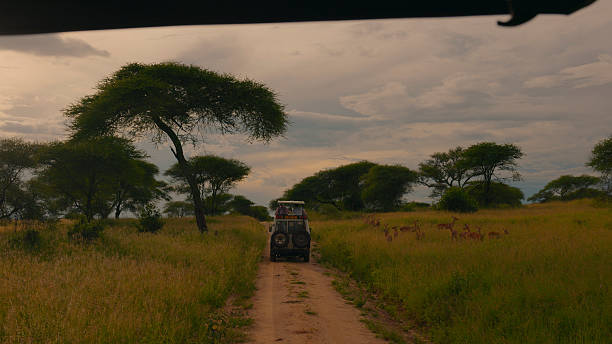
Tanzania offers an unparalleled travel experience, from the vast plains of the Serengeti to the summit of Kilimanjaro and the spice-scented shores of Zanzibar. To ensure your journey is as safe and enjoyable as it is memorable, prioritizing your health is paramount. This comprehensive guide provides essential health tips for traveling in Tanzania, covering pre-trip preparations, on-the-ground safety, and post-travel considerations. Whether you’re planning a 2026 safari or a 2027 Kilimanjaro trek, understanding these health aspects will help you prepare thoroughly.
This article is designed to be your go-to resource, offering practical advice, itinerary insights, packing recommendations, and answers to common traveler questions. We aim to equip you with the knowledge to make informed decisions, allowing you to fully immerse yourself in the magic of Tanzania without undue worry.
Quick Health Facts for Tanzania Travel
| Aspect | Key Considerations |
|---|---|
| Vaccinations | Routine vaccines, Yellow Fever (if arriving from endemic country), Hepatitis A & B, Typhoid, Rabies (consider). Consult your doctor. |
| Malaria | Malaria is present. Consult your doctor about appropriate antimalarial medication and take precautions against mosquito bites. |
| Water Safety | Drink only bottled or purified water. Avoid ice in drinks unless sure of its source. |
| Food Safety | Eat well-cooked food, peel fruits and vegetables, and be cautious with street food. |
| Sun Protection | High UV index. Use high SPF sunscreen, wear hats, and seek shade. |
| Insect Protection | Use insect repellent (DEET-based recommended) especially at dawn and dusk. Wear long sleeves and trousers. |
| Altitude Sickness | A risk on Kilimanjaro. Ascend slowly, stay hydrated, and be aware of symptoms. |
| Travel Insurance | Essential. Ensure it covers medical emergencies, evacuation, and activities like trekking. |
Understanding Health Risks in Tanzania
Tanzania’s diverse environments, from humid coastal areas to high-altitude mountains, present unique health considerations. While millions travel safely each year, being informed is the first step to a healthy trip.
Vaccinations and Medical Preparations
Before you even pack your bags, consulting with a travel health professional or your doctor is crucial. They can assess your individual health needs based on your itinerary, medical history, and the latest health advisories for Tanzania.
- Routine Vaccinations: Ensure you are up-to-date on standard immunizations like measles, mumps, rubella (MMR), polio, tetanus, diphtheria, and pertussis.
- Yellow Fever: A Yellow Fever vaccination certificate is required for entry if you are arriving from a country with a risk of Yellow Fever transmission. Even if not strictly required for your entry point, it’s often recommended.
- Hepatitis A and Typhoid: These are commonly recommended for travelers to Tanzania due to potential exposure through contaminated food or water.
- Hepatitis B: Recommended if you anticipate close contact with locals, have sexual contact, or may undergo medical procedures.
- Rabies: Consider this if you plan to spend a lot of time outdoors, especially in rural areas, or if you will be involved in activities that increase exposure risk (e.g., working with animals).
- Influenza: Especially relevant if traveling during flu season or if you are in a high-risk group.
- Tetanus/Diphtheria: A booster is generally recommended every 10 years.
When to see your doctor: Ideally, schedule your pre-travel health consultation 4-6 weeks before your departure date. This allows sufficient time for vaccines to become effective and for you to start any necessary preventative medications.
Malaria Prevention: A Key Concern
Malaria is a significant concern in most parts of Tanzania, including safari destinations and Zanzibar. It is transmitted by mosquitoes, primarily between dusk and dawn. Effective prevention involves a two-pronged approach: medication and mosquito bite avoidance.
- Antimalarial Medication: Your doctor will prescribe the most suitable antimalarial drug based on your health profile and the latest recommendations. Common options include Atovaquone-Proguanil (Malarone), Doxycycline, or Mefloquine. It is vital to take the medication exactly as prescribed, starting before your trip and continuing for the recommended duration after returning home.
- Mosquito Bite Prevention: This is your first line of defense.
- Repellents: Use insect repellent containing DEET (20-30% concentration is generally recommended) or Picaridin on exposed skin. Apply it generously, especially during dawn and dusk.
- Clothing: Wear long-sleeved shirts, long trousers, and socks, particularly in the evenings. Light-colored clothing can help deter some insects. Consider treating your clothing with permethrin for added protection.
- Accommodation: Most lodges and tented camps provide mosquito nets over beds. Ensure they are properly tucked in and free of holes. If not provided, request one. Keep windows and doors screened or closed during peak mosquito activity hours.
Note: While prophylaxis significantly reduces the risk, it does not eliminate it entirely. Always remain vigilant about bite prevention.
Water and Food Safety
Contaminated food and water are common sources of traveler’s diarrhea and other gastrointestinal illnesses. Adhering to strict food and water hygiene practices is essential.
- Drinking Water: Only drink bottled or sealed water. Ensure the seal is intact before opening. Avoid tap water, even for brushing your teeth, unless it has been purified (e.g., by boiling or using a reliable water filter).
- Ice: Be cautious with ice in drinks. If you are unsure of the water source, it’s best to avoid it. Many lodges and reputable establishments use purified water for ice.
- Fruits and Vegetables: Eat fruits and vegetables that you have peeled yourself or that have been thoroughly cooked. Avoid salads unless you are certain they have been prepared hygienically.
- Meat and Fish: Ensure all meat, poultry, and fish are cooked thoroughly and served hot. Avoid raw or undercooked options.
- Dairy Products: Consume only pasteurized dairy products.
- Street Food: Exercise extreme caution with street food. While it can be tempting, the risk of contamination is higher. If you do try it, ensure it is cooked fresh in front of you and served piping hot.
Traveler’s Diarrhea: While precautions help, traveler’s diarrhea can still occur. Pack an anti-diarrheal medication (like Loperamide) and oral rehydration salts (ORS). If symptoms are severe or persist, seek medical attention.
Sun Protection and Hydration
Tanzania’s equatorial location means strong sun exposure, especially on safaris and at higher altitudes. Staying hydrated is equally important.
- Sun Protection:
- Sunscreen: Use a broad-spectrum sunscreen with a high SPF (30-50+) and reapply frequently, especially after swimming or sweating.
- Headwear: Wear a wide-brimmed hat or a cap to protect your face, neck, and ears.
- Clothing: Lightweight, long-sleeved clothing and trousers can provide excellent sun protection.
- Sunglasses: Protect your eyes with UV-protective sunglasses.
- Seek Shade: Take breaks in shaded areas, particularly during the hottest parts of the day (typically 10 am to 4 pm).
- Hydration:
- Drink Plenty: Drink plenty of safe water throughout the day. Carry a reusable water bottle and refill it with bottled or purified water.
- Electrolytes: In hot conditions or after strenuous activity, consider electrolyte-replenishing drinks.
- Limit Alcohol and Caffeine: These can contribute to dehydration.
Health Considerations for Specific Tanzanian Activities
Different regions and activities in Tanzania present distinct health challenges. Understanding these nuances will help you prepare effectively.
Kilimanjaro Trekking Health
Climbing Kilimanjaro is a significant physical undertaking, and altitude sickness is the primary health concern.
- Altitude Sickness (Acute Mountain Sickness – AMS): This can affect anyone, regardless of fitness level, above 2,500 meters (8,000 feet). Symptoms include headache, nausea, dizziness, fatigue, and shortness of breath.
- Prevention and Management:
- Ascend Slowly: Choose a longer route (e.g., Machame, Lemosho) that allows for a slower ascent and acclimatization days. ‘Pole pole’ (slowly, slowly) is the mantra.
- Hydration: Drink 3-4 liters of water per day.
- Avoid Alcohol and Smoking: These can worsen altitude symptoms.
- Eat Well: Maintain a good intake of carbohydrates.
- Medication: Your doctor may prescribe Diamox (Acetazolamide) to aid acclimatization. Start taking it before ascending.
- Monitor Symptoms: Listen to your body and your guide. If symptoms worsen, immediate descent is the only cure. Never ascend with symptoms of moderate to severe AMS.
- Physical Fitness: While not a technical climb, good cardiovascular fitness is essential. Train by hiking with a backpack, focusing on endurance.
- Cold Weather Gear: Temperatures on Kilimanjaro can drop significantly. Proper layering is crucial to prevent hypothermia.
Safari Health Tips
Safaris involve exposure to the sun, insects, and potentially dusty conditions.
- Insect Protection: As mentioned, malaria is present in most safari areas. Be diligent with repellents and clothing, especially during early mornings and late evenings when wildlife viewing is often best.
- Sun Protection: You’ll spend significant time in open safari vehicles. Sunscreen, hats, and sunglasses are non-negotiable.
- Hydration: The heat and dust can lead to dehydration quickly. Keep a water bottle handy in the vehicle.
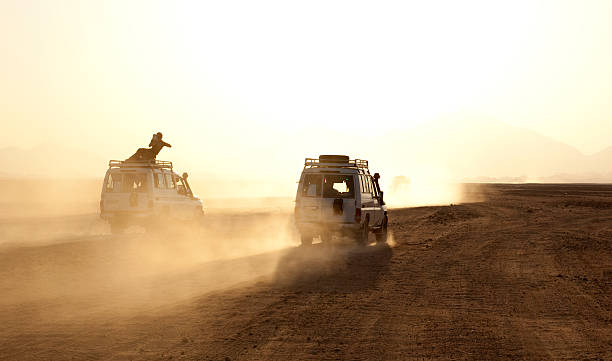
- Dust: A bandana or scarf can be useful to protect your mouth and nose from dust, especially on unpaved roads.
- Eyes: Sunglasses are essential to protect against dust and glare.
Zanzibar Beach and Island Health
Zanzibar’s tropical climate brings its own set of health considerations.
- Heat and Humidity: The tropical heat can be intense. Stay hydrated, wear light clothing, and seek shade.
- Sunburn: The sun is very strong, especially on the beaches. Use high SPF sunscreen liberally and frequently.
- Mosquitoes: While malaria risk might be lower in some tourist areas compared to the mainland, it still exists. Take precautions, especially in the evenings. Dengue fever is also a possibility.
- Water Safety: Stick to bottled water. Be cautious with seafood if you have a sensitive stomach, ensuring it’s cooked well.
- Recreational Water Illnesses: Be aware of potential risks from swimming in certain waters. Avoid swallowing water.
Packing for Health and Safety
Your packing list should reflect the health advice given. Here’s a guide to essential health-related items:
Essential Health Packing List
- Personal First-Aid Kit: Band-aids, antiseptic wipes, gauze pads, medical tape, pain relievers (ibuprofen, paracetamol), antihistamines, anti-diarrheal medication, motion sickness medication, any personal prescription medications (with doctor’s note if necessary).
- Prescription Medications: Enough for your entire trip, plus a few extra days, in original packaging. Carry a copy of your prescriptions.
- Antimalarial Medication: As prescribed by your doctor.
- Insect Repellent: Containing DEET or Picaridin.
- Sunscreen: High SPF broad-spectrum.
- After-Sun Lotion: For soothing skin.
- Hand Sanitizer: Alcohol-based, for use when soap and water aren’t available.
- Water Purification Tablets or Filter: As a backup or for specific situations.
- Oral Rehydration Salts (ORS): To combat dehydration from illness or heat.
- Lip Balm with SPF: To protect lips from sun and wind.
- Wide-Brimmed Hat and Sunglasses: For sun protection.
- Lightweight, Long-Sleeved Clothing and Trousers: For sun and insect protection.
- Bandana or Scarf: For dust protection.
- Reusable Water Bottle: To stay hydrated.
- Small Towel: Quick-drying, useful for various situations.
- Basic Medical Supplies for Kilimanjaro (if applicable): Blister treatment, moleskin, high-energy snacks, Diamox (if prescribed).
Common Mistakes to Avoid
Many health issues can be prevented by understanding and avoiding common traveler mistakes.
- Not consulting a doctor early enough: Delaying medical advice can mean missing crucial vaccination windows or not having the right medications.
- Skipping antimalarials or not taking them correctly: This is one of the most preventable serious illnesses. Follow instructions precisely.
- Drinking tap water or using ice from unknown sources: A quick way to get sick. Always opt for bottled or purified water.
- Underestimating the sun: Sunburn and heatstroke are serious risks. Always use protection.
- Ignoring altitude sickness symptoms: Pushing on when feeling unwell at altitude can lead to severe, life-threatening conditions. Descend immediately.
- Not having comprehensive travel insurance: Medical emergencies and evacuations can be extremely expensive. Ensure your policy covers your planned activities.
- Overexertion on arrival: Give your body time to adjust to the climate and time zone before undertaking strenuous activities.
- Eating risky street food without caution: While tempting, it’s a common source of food poisoning.
Who is this advice for?
These health tips for traveling in Tanzania are essential for all travelers, but particularly for those undertaking:
- Safari-goers: For protection against sun, insects, and dehydration.
- Kilimanjaro Climbers: For managing altitude sickness, cold, and exertion.
- Zanzibar Visitors: For dealing with heat, humidity, sun, and tropical insects.
- Families: Extra attention to vaccinations, hydration, and food safety is needed for children.
- Solo Travelers: Being self-reliant and well-prepared is key.
- Older Travelers: Pre-existing conditions need careful management, and acclimatization can be slower.
Alternatives and Complementary Health Practices
While medical advice is paramount, some travelers consider complementary practices:
- Herbal Remedies: Some travelers use ginger for nausea or certain essential oils for insect repellent. Always research and use with caution, and never as a replacement for medical advice or prescribed medication.
- Probiotics: Some studies suggest probiotics may help prevent traveler’s diarrhea, but they are not a substitute for proper food and water hygiene.
- Acupuncture: Some find it helpful for travel-related stress or jet lag, though evidence is anecdotal for travel health.
Remember, these are supplementary and should not replace professional medical guidance.
Planning Your Tanzania Trip for 2026-2027: Health Focus
Planning ahead is crucial for a healthy trip. For travelers looking at 2026 and 2027, here are some key planning points with a health focus:
Tanzania Health Planning Timeline (2026-2027)
| Timeframe | Action | Health Relevance |
|---|---|---|
| 6-12 Months Before | Research destinations, consult travel specialists. | Identify potential health risks specific to chosen regions. |
| 4-6 Months Before | Schedule pre-travel medical consultation. Book flights and accommodation. | Discuss vaccinations, malaria prophylaxis, and any necessary prescriptions. Allow time for vaccine series. |
| 2-3 Months Before | Purchase travel insurance. Begin fitness training (especially for Kilimanjaro). | Ensure insurance covers medical evacuation and adventure activities. Fitness aids acclimatization and recovery. |
| 1 Month Before | Obtain all prescribed medications. Pack your first-aid kit. Confirm visa requirements. | Start any antimalarial medication if advised. Ensure you have enough medication for the entire trip. |
| 1-2 Weeks Before | Finalize packing. Reconfirm travel arrangements. | Ensure all health items are packed and accessible. |
| During Trip | Follow all health advice diligently. Stay hydrated. | Maintain vigilance with food, water, sun, and insect precautions. Report any concerning symptoms to your guide or local medical services. |
| Post-Trip | Continue antimalarials if prescribed. Monitor for any delayed symptoms. | Seek medical advice if you develop fever or flu-like symptoms upon returning home. |
Booking Your Tanzanian Adventure with Health in Mind
When booking your safari, Kilimanjaro trek, or Zanzibar holiday, choose a tour operator that prioritizes traveler well-being. Top Guide Adventures is committed to providing safe and responsible travel experiences.
What to look for in a tour operator regarding health:
- Clear Communication: They should provide detailed pre-trip information, including health and safety advice, and be readily available to answer your questions.
- Experienced Guides: Guides, especially for Kilimanjaro, should be trained in first aid and altitude sickness management.
- Quality Accommodation: Reputable lodges and camps usually maintain higher standards of hygiene and provide safe drinking water and mosquito nets.
- Safety Protocols: They should have established protocols for emergencies and access to medical facilities.
- Transparency: They should be upfront about potential risks and how they are managed.
Top Guide Adventures works with clients to ensure they are well-prepared for their Tanzanian journey. We can provide guidance on health preparations and partner with reputable lodges and experienced guides to ensure your safety and comfort.
Contact us to discuss your upcoming 2026 or 2027 adventure:
- WhatsApp: +255616946642
- Email: topguideadventures@gmail.com
- Backup Email: info@topguideadventures.com
Frequently Asked Questions (FAQs)
What are the most important vaccinations for Tanzania?
The most important vaccinations for Tanzania typically include routine vaccines, Yellow Fever (required if arriving from an endemic country), Hepatitis A, and Typhoid. Rabies and Hepatitis B may also be recommended depending on your itinerary and activities. It’s crucial to consult with a travel health professional 4-6 weeks before your trip for personalized advice.
Is malaria a serious risk in Tanzania, and how can I prevent it?
Yes, malaria is a significant risk in most of Tanzania. Prevention involves taking prescribed antimalarial medication diligently and practicing strict mosquito bite avoidance, especially between dusk and dawn. Use insect repellent with DEET, wear protective clothing, and sleep under a mosquito net.
What should I do about drinking water in Tanzania?
Always drink bottled or purified water. Avoid tap water, even for brushing your teeth, unless it’s been boiled or treated. Be cautious with ice in drinks, as it may be made from tap water. Ensure bottled water seals are intact before opening.
How can I prepare for altitude sickness on Kilimanjaro?
The best preparation for altitude sickness on Kilimanjaro includes choosing a longer, slower ascent route, staying well-hydrated, avoiding alcohol and smoking, eating well, and potentially using Diamox (acetazolamide) as prescribed by your doctor. Listen to your body and your guide; immediate descent is the only cure for severe symptoms.
What kind of travel insurance do I need for Tanzania?
You need comprehensive travel insurance that covers medical emergencies, hospital stays, and importantly, medical evacuation. If you plan to trek Kilimanjaro or engage in other adventure activities, ensure your policy explicitly covers these activities for 2026-2027 travel.
What are the main health concerns for Zanzibar?
On Zanzibar, key health concerns include intense sun exposure leading to sunburn, heat and humidity causing dehydration, and mosquito-borne illnesses like malaria and dengue fever. Practicing good sun protection, staying hydrated, and using insect repellent are vital.
Can I get traveler’s diarrhea, and how should I manage it?
Yes, traveler’s diarrhea is possible. To minimize risk, follow strict food and water safety guidelines. If you do get it, drink plenty of fluids (bottled water or ORS) and consider using anti-diarrheal medication like Loperamide for symptom relief. Seek medical advice if symptoms are severe or persist.
Is it safe to eat street food in Tanzania?
Eating street food carries a higher risk of foodborne illness due to potential issues with hygiene and food preparation. While tempting, it’s generally advisable to exercise extreme caution. If you choose to eat street food, ensure it’s cooked fresh in front of you and served piping hot.
What should I pack in my personal first-aid kit for Tanzania?
Your personal first-aid kit should include essentials like bandages, antiseptic wipes, pain relievers, antihistamines, anti-diarrheal medication, any personal prescriptions, and supplies for blisters if you’re trekking. Hand sanitizer and rehydration salts are also highly recommended for 2026-2027 trips.
Do I need a Yellow Fever vaccination certificate?
A Yellow Fever vaccination certificate is required for entry into Tanzania if you are arriving from a country with a risk of Yellow Fever transmission. It’s always best to check the latest entry requirements from your country of departure and transit countries before your travel for 2026-2027.
Your Healthiest Tanzanian Adventure Awaits
By understanding and preparing for the potential health considerations, you can ensure your trip to Tanzania is safe, healthy, and incredibly rewarding. From the moment you plan your 2026 or 2027 adventure to your return home, prioritizing your well-being will allow you to fully embrace the wonders of this magnificent country.
Ready to plan your dream Tanzanian safari, Kilimanjaro climb, or Zanzibar getaway? Top Guide Adventures is here to help you every step of the way, ensuring you have all the information needed for a healthy and unforgettable experience. We focus on providing practical advice and support, making your health and safety our top priority.
Get in touch with our expert team today:
- WhatsApp: +255616946642
- Email: topguideadventures@gmail.com
- Backup Email: info@topguideadventures.com
Let us help you craft an amazing and safe journey, with excellent health tips for traveling in Tanzania integrated into your planning.
Plan your Health Tips for Traveling in Tanzania with Top Guide Adventures
Tell us your travel dates, group size, comfort level, and dream experience. We will help you shape a clear, realistic, and memorable Tanzania itinerary.







 Veedesigner
 Fatma Kizanga
 Benjamin Waryuba
 Philip Philip
 John jr Itaja
 Antonia Optatus
 Edith Kanyere
 Neema Iddy
 Kelvin Boniphace
 Damari Maiga



