
Updated planning guide for 2026-2027
Transportation Options In Tanzania Explained: Complete Guide 2026-2027
Planning a trip to Tanzania? This detailed guide explains all the transportation options available, from internal flights and public buses to private transfers and specialized safari vehicles. Make informed travel decisions for your 2026-2027 adventure.
WhatsApp +255616946642 | topguideadventures@gmail.com | info@topguideadventures.com
Transportation Options in Tanzania Explained: Your Ultimate Planning Guide
Navigating Tanzania, a vast and diverse East African nation, requires understanding its unique transportation landscape. Whether you’re planning a thrilling safari adventure in the Serengeti, a trek up Mount Kilimanjaro, a relaxing escape to Zanzibar, or exploring bustling cities like Dar es Salaam and Arusha, knowing your travel options is crucial for a smooth and enjoyable experience. This comprehensive guide details everything you need to consider for transportation within Tanzania, helping you plan your 2026-2027 journey with confidence.
Choosing the right transport impacts your budget, travel time, comfort, and overall experience. From the convenience of internal flights to the cultural immersion offered by local buses, each option presents its own set of advantages and considerations. We’ll break down each mode of transport, offering practical advice, cost insights, and tips for booking.
Quick Facts: Tanzania Transportation
| Aspect | Details |
|---|---|
| Primary International Airports | Julius Nyerere International Airport (DAR) in Dar es Salaam, Kilimanjaro International Airport (JRO) near Arusha. Zanzibar International Airport (ZNZ). |
| Main Domestic Hubs | Arusha (ARK), Dar es Salaam (DAR), Zanzibar (ZNZ), Mwanza (MWZ), Kilimanjaro (JRO). |
| Common Public Transport | Buses (mbus/daladala), long-distance coaches, dala-dalas (minibuses). |
| Popular Private Transport | Private cars with drivers, taxis, specialized safari vehicles. |
| Railways | Limited passenger network, primarily Tanzania Railways Corporation (TRC) routes. |
| Inter-Island Travel | Ferries and fast ferries between mainland Tanzania and Zanzibar. |
| Key Travel Considerations | Road conditions, travel times, booking in advance (especially for flights), safety, driver reliability. |
Understanding Tanzania’s Diverse Travel Needs
Tanzania’s geography presents unique challenges and opportunities for travelers. The country is large, with significant distances between major tourist attractions like the northern safari circuit (Serengeti, Ngorongoro, Tarangire), Mount Kilimanjaro, and the coastal areas of Zanzibar. This means that efficient transportation planning is not just a convenience but a necessity.
For those embarking on a classic Northern Circuit safari, moving between parks often involves driving, but the distances can be substantial. Kilimanjaro treks require reaching specific base points. Zanzibar holidays involve getting from the airport to your hotel and potentially exploring the island. Each of these experiences demands different approaches to getting around.
Travelers in 2026-2027 will find that while infrastructure is improving, it still lags behind many developed nations. This means flexibility and patience are key. Understanding the nuances of each transport option will help you build an itinerary that is both realistic and enjoyable.
Why Choosing the Right Transport Matters
- Time Efficiency: Long distances mean that slow or unreliable transport can eat into valuable vacation time. Internal flights can save many hours compared to road travel.
- Budget Management: Public transport is the cheapest, while private transfers and flights are more expensive. Balancing cost with convenience is essential.
- Comfort and Safety: Road conditions can be poor, and public buses can be crowded. Private vehicles and reputable tour operators often provide a more comfortable and secure travel experience.
- Access to Destinations: Some remote areas are only accessible by 4×4 vehicles, especially during the rainy season.
- Experience: The journey itself can be part of the adventure. Traveling by local bus offers a glimpse into daily Tanzanian life, while a private safari vehicle allows for flexibility and comfort.
Internal Flights: The Fastest Way to Cover Long Distances
For travelers aiming to maximize their time and cover significant distances quickly, internal flights are often the best solution. Tanzania has several domestic airlines that connect major cities and tourist hubs.
Key Domestic Airports and Routes:
- Arusha (ARK): Serves as the gateway to the Northern Safari Circuit (Serengeti, Ngorongoro, Tarangire, Manyara) and Mount Kilimanjaro. Flights connect Arusha to Dar es Salaam, Zanzibar, and other regional centers.
- Dar es Salaam (DAR): Tanzania’s largest city and commercial hub. It’s a major connection point for flights to Arusha, Zanzibar, Mwanza, and coastal towns.
- Zanzibar (ZNZ): Essential for reaching the islands. Flights connect Zanzibar to Dar es Salaam, Arusha, and Nairobi (Kenya).
- Serengeti Airstrips: Several airstrips within the Serengeti National Park (e.g., Seronera, Kogatende, Grumeti) allow for direct flights from Arusha or Dar es Salaam, significantly reducing travel time to your lodge or camp. This is a popular option for high-end safaris.
- Other Airports: Mwanza (MWZ) on the shores of Lake Victoria, Kigoma (KGM) for Gombe Stream National Park, and smaller airports exist but are less relevant for typical tourist routes.
Airlines Operating in Tanzania:
Several reputable airlines operate domestic routes, including:
- Precision Air: A well-established airline with a good network.
- Fastjet: Offers budget-friendly options on some key routes.
- Tropical Air: Specializes in charter flights and some scheduled routes, particularly to safari airstrips.
- Coastal Aviation: Another popular choice for safari flights and island transfers.
Cost Considerations for Internal Flights:
Prices vary significantly based on the route, airline, time of booking, and season. Expect to pay anywhere from $150 to $400+ per person for a one-way flight between major hubs like Arusha and Dar es Salaam or Arusha and the Serengeti. Booking several months in advance, especially for 2026-2027 travel during peak seasons (June-October, December-February), is highly recommended to secure better fares and availability.
Pros of Internal Flights:
- Speed: Saves considerable travel time compared to road or rail.
- Comfort: Generally more comfortable than long bus journeys.
- Access: Direct access to remote safari airstrips.
Cons of Internal Flights:
- Cost: The most expensive option for covering distances.
- Baggage Restrictions: Strict weight limits (often 15-20 kg in soft bags for bush flights) apply, especially for flights to safari airstrips.
- Limited Flexibility: Fixed schedules mean less spontaneity.
Road Travel: The Backbone of Tanzanian Exploration
Road travel is the most common way to get around Tanzania, offering a mix of public and private options. It’s essential for reaching many destinations, especially within safari circuits.
1. Private Transfers and Safari Vehicles
This is the most popular and recommended option for tourists, especially for safaris and Kilimanjaro treks. When you book a safari package, the transportation within the safari circuit is almost always included and handled by your tour operator.
What to Expect:
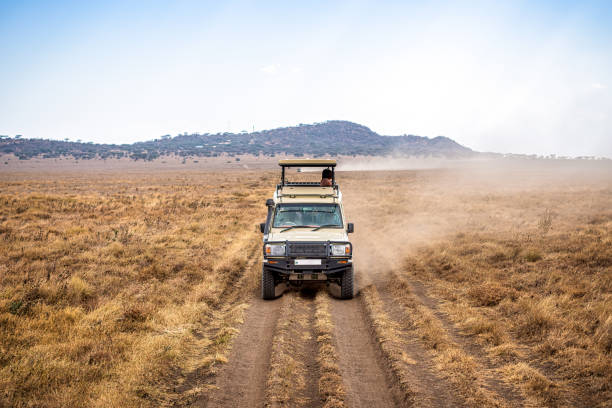
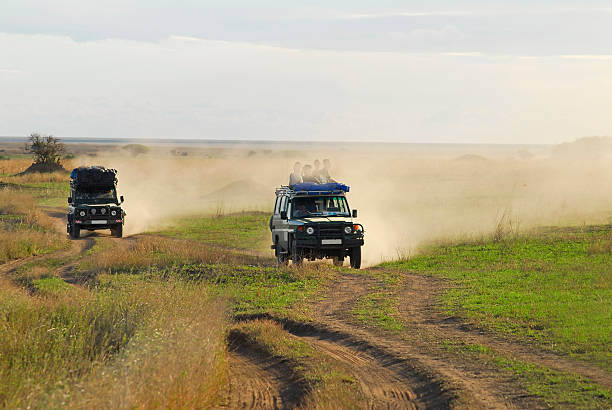
- Vehicle Types: Typically 4×4 safari Land Cruisers or Land Rovers, equipped with pop-up roofs for game viewing. For Kilimanjaro, specialized support vehicles are used. For transfers between towns, comfortable sedans or minibuses might be used.
- Driver-Guides: Most safari vehicles come with an experienced, English-speaking driver-guide who is knowledgeable about wildlife, local culture, and mechanics.
- Flexibility: Private transfers offer the highest level of flexibility. You can stop for photos, take breaks, and adjust your schedule (within reason) as needed.
- Comfort: These vehicles are designed for the terrain and offer a better viewing experience than standard cars.
Cost Considerations:
This is generally included in safari package prices. If hiring separately for transfers, expect rates from $150-$300+ per day, depending on the vehicle type, duration, and inclusions (driver’s accommodation/meals). For Kilimanjaro, specific vehicle costs are factored into the trek package.
Pros:
- Comfort and Safety: High standard, especially with reputable operators.
- Flexibility: Ideal for exploring national parks and custom routes.
- Convenience: Door-to-door service, often with luggage handling.
- Expertise: Driver-guides enhance the safari experience.
Cons:
- Cost: The most expensive option for road travel.
- Availability: Requires booking in advance, especially during peak seasons.
2. Public Buses (Mbus/Daladala)
For the adventurous and budget-conscious traveler, local buses offer a true taste of Tanzanian life. These are ubiquitous for short to medium distances within cities and towns.
What to Expect:
- Crowded: Expect them to be very full, often with people standing.
- Basic: Minimal comfort, no luggage space, and frequent stops.
- Routes: Cover most urban and inter-town routes.
- Experience: A vibrant, sometimes chaotic, but authentic way to travel.
Cost Considerations:
Extremely cheap, often less than $1 for short urban trips. Longer inter-town routes might cost a few dollars.
Pros:
- Affordable: The cheapest way to travel.
- Local Immersion: Great for experiencing local culture.
Cons:
- Time-Consuming: Very slow due to frequent stops and traffic.
- Uncomfortable: Crowded, hot, and bumpy rides.
- Safety Concerns: Can be prone to petty theft; not recommended for valuable luggage.
- Limited Luggage Space: Difficult to manage large suitcases.
- Not Suitable for Tourists: Generally not recommended for inter-park travel or long distances due to time and comfort factors.
3. Long-Distance Coaches
These are a step up from local buses and are used for travel between major cities like Dar es Salaam, Arusha, Mwanza, and Dodoma. Companies like Scandinavia Express, Abood Bus Services, and Dar Express operate these routes.
What to Expect:
- More Comfortable: Usually have assigned seating, sometimes air-conditioning, and are slightly less crowded than daladalas.
- Slower than Flights: Journeys can still take 8-12 hours or more.
- Luggage Storage: Typically have a separate luggage compartment.
- Road Conditions: Travel times are heavily dependent on road quality, which can vary.
Cost Considerations:
Significantly cheaper than flights, perhaps $20-$50 for a long-distance journey, depending on the route and company. Tickets can often be bought at bus stations or sometimes online.
Pros:
- Affordable: A budget-friendly option for inter-city travel.
- More Comfortable than Daladalas: Better for longer journeys.
- Direct Routes: Connect major cities without many stops.
Cons:
- Slow: Still very time-consuming compared to flying.
- Variable Comfort: Air conditioning can be inconsistent or too cold.
- Road Safety: Can be a concern, especially on longer overnight journeys.
- Not Ideal for Safari/Kilimanjaro: Not suitable for reaching park gates or trek start points directly.
4. Taxis
Taxis are readily available in cities and larger towns for shorter distances. They are a convenient option for getting from the airport to your hotel, or for getting around within a city.
What to Expect:
- Availability: Plentiful in urban areas.
- Negotiate Fares: It is crucial to agree on a fare before starting your journey, as meters are rarely used.
- Comfort: Varies by vehicle condition.
Cost Considerations:
Negotiated fares. A short city trip might cost $5-$15. Longer airport transfers could be $30-$50+. Always confirm the price beforehand.
Pros:
- Convenience: Door-to-door service for short trips.
- Availability: Easy to find in cities.
Cons:
- Cost: Can add up quickly for longer distances.
- Negotiation Required: Potential for overcharging if not careful.
- Not for Inter-City Travel: Too expensive and impractical for long distances.
Rail Travel: A Limited but Developing Option
Tanzania’s railway network is not as extensive or as developed as its road network, but it serves certain key routes and is undergoing modernization.
Tanzania Railways Corporation (TRC):
The TRC operates a network that includes:
- Central Line: Connects Dar es Salaam to Kigoma on Lake Tanganyika and Mwanza on Lake Victoria. This is the most significant passenger route.
- Tazara Line: Connects Dar es Salaam to Kapiri Mposhi in Zambia. Passenger services on this line can be infrequent or suspended.
What to Expect on TRC Trains:
- Classes: Trains typically offer different classes, from basic to more comfortable first-class cabins.
- Travel Times: Journeys are generally slow, often taking 24-48 hours for long routes.
- Reliability: Schedules can be subject to delays.
- Modernization: The TRC is investing in new rolling stock and infrastructure, particularly on the central line, which might improve services in 2026-2027.
Cost Considerations:
Generally more affordable than flights and comparable to or slightly more expensive than long-distance buses, depending on the class. Expect prices from $30-$100+ for long journeys.
Pros:
- Affordable for Long Distances: A budget option for inter-city travel.
- Scenic Routes: Offers a chance to see the countryside.
- Potential for Comfort: First-class cabins can be reasonably comfortable.
Cons:
- Slow: Extremely time-consuming.
- Limited Network: Does not serve major safari destinations or Kilimanjaro base.
- Reliability Issues: Delays and schedule changes are common.
- Safety: While generally safe, vigilance is advised, especially with luggage.
Water Travel: Ferries and Boats
Water transport is essential for travel to and around Zanzibar and other coastal areas.
1. Ferries to Zanzibar
The most common way to travel between Dar es Salaam and Zanzibar (Stone Town) is by ferry. There are two main types:
a) Fast Ferries:
- Companies: Several operators run these services (e.g., Azam Marine, Sea Express).
- Duration: Approximately 1.5 to 2 hours.
- Comfort: Air-conditioned seating, often with different classes (economy, business). Can be bumpy in rough seas.
- Cost: Varies by class, typically $35-$50 one-way.
- Booking: Can be booked at the ferry terminal or through agents. It’s wise to book a day or two in advance during busy periods.
b) Cargo/Slow Ferries:
- Duration: Much longer, often 6-12 hours.
- Comfort: Very basic, often crowded, and not recommended for tourists unless on a very tight budget and seeking an authentic experience.
- Cost: Significantly cheaper than fast ferries.
2. Boats within Zanzibar and to Islands
Within Zanzibar, you’ll use smaller boats for excursions:
- Dhows: Traditional wooden sailing boats used for sunset cruises and short trips.
- Speedboats/Motorboats: Used for trips to nearby islands like Mnemba Atoll for snorkeling or Prison Island for giant tortoises.
Cost Considerations:
Included in excursion packages or can be hired privately. Prices vary widely based on the trip, duration, and negotiation.
Pros of Water Travel:
- Essential for Zanzibar: The primary link between mainland and island.
- Scenic: Fast ferries offer ocean views; dhows offer romantic sunset experiences.
- Cost-Effective (Fast Ferry): Cheaper than flying between Dar and Zanzibar.
Cons of Water Travel:
- Sea Sickness: Fast ferries can be rough in choppy waters.
- Limited Routes: Primarily focused on Zanzibar and coastal areas.
- Potential for Delays: Ferry schedules can change.
Choosing the Best Transportation for Your Tanzanian Adventure
The optimal choice depends heavily on your itinerary, budget, and travel style. Here’s a breakdown based on common travel scenarios in Tanzania for 2026-2027:
Scenario 1: Northern Circuit Safari (Serengeti, Ngorongoro, etc.)
- Primary Transport: 4×4 Safari Vehicle with driver-guide (included in tour package).
- Getting to the Circuit: Fly into Kilimanjaro International Airport (JRO) or Arusha Airport (ARK).
- Inter-Park Travel: Primarily by your safari vehicle. Distances between parks can be 3-6 hours of driving.
- Optional: Fly into Serengeti airstrips from Arusha/Dar es Salaam to save significant driving time. This is common for luxury or time-limited safaris.
Scenario 2: Mount Kilimanjaro Trek
- Getting to the Start Point: Fly into Kilimanjaro International Airport (JRO). Private transfer to your Moshi/Arusha hotel. Your tour operator will arrange transport from your hotel to the park gate on trek day.
- During the Trek: On foot! Support vehicles are used for carrying gear and for emergencies.
Scenario 3: Zanzibar Holiday
- Getting to Zanzibar: Fly into Zanzibar International Airport (ZNZ) or take a fast ferry from Dar es Salaam.
- Getting Around Zanzibar: Private transfers (pre-booked or at the airport), taxis (negotiate fares), or hire a car with a driver. For short distances within Stone Town, walking is best.
Scenario 4: Budget Travel Between Cities (e.g., Dar es Salaam to Arusha)
- Option 1 (Fastest Budget): Internal flight (e.g., Precision Air, Fastjet).
- Option 2 (Cheapest): Long-distance coach (e.g., Scandinavia Express). This will take 8-12 hours.
- Option 3 (Slowest): Train (Central Line), if routes align and schedules permit. Very time-consuming.
Sample Itinerary Logic: Arusha to Serengeti and Back
This illustrates how transportation is integrated into a typical safari itinerary:
| Day | Activity | Transportation | Notes |
|---|---|---|---|
| 1 | Arrive at JRO, transfer to Arusha hotel. | Pre-booked private transfer (e.g., 4×4 vehicle with driver). | Approx. 1 hour drive. |
| 2 | Arusha to Tarangire National Park. Game drive. | 4×4 Safari Vehicle with driver-guide. | Approx. 2-3 hour drive to Tarangire gate. Full day in park. |
| 3 | Tarangire to Ngorongoro Crater. Game drive. | 4×4 Safari Vehicle with driver-guide. | Approx. 3-4 hour drive to Ngorongoro Conservation Area. Descend into crater for game drive. Overnight on crater rim or nearby. |
| 4 | Ngorongoro to Serengeti National Park. Game drive en route. | 4×4 Safari Vehicle with driver-guide. | Approx. 3-5 hour drive to Central Serengeti gate. Stop at Olduvai Gorge (optional, extra fee). Game drive en route to lodge. |
| 5-6 | Serengeti National Park. Full-day game drives. | 4×4 Safari Vehicle with driver-guide. | Explore different areas of Serengeti. Optional hot air balloon safari. |
| 7 | Serengeti to Arusha. | Option A (Drive): 4×4 Safari Vehicle with driver-guide. Approx. 6-8 hour drive back to Arusha. Option B (Fly): Transfer to Serengeti airstrip (e.g., Seronera). Fly to Arusha Airport (ARK). Transfer to Arusha hotel. |
Option B is faster but more expensive. |
Planning Your 2026-2027 Transportation
When planning your trip for 2026-2027, consider these key factors for transportation:
1. Seasonality and Road Conditions
- Dry Season (June-October, December-February): Roads are generally in better condition, making travel smoother and faster. This is peak tourist season, so book flights and private transfers well in advance.
- Rainy Season (March-May, November): Roads, especially in national parks and remote areas, can become muddy and impassable for standard vehicles. 4×4 vehicles are essential. Some flights to remote airstrips might be suspended. Travel times can increase significantly.
2. Luggage Considerations
- Soft Bags Recommended: Especially for internal flights to safari airstrips, soft-sided duffel bags are mandatory due to weight and space limitations (usually 15-20 kg limit). Hard suitcases are often not permitted on bush flights.
- Safari Vehicles: While more spacious than planes, avoid overpacking.
3. Booking in Advance
- Internal Flights: Book 3-6 months in advance for the best prices and availability, particularly for 2026-2027 peak travel.
- Private Transfers/Safari Vehicles: Essential to book as part of your tour package well in advance.
- Ferries: Booking a few days ahead is advisable for fast ferries during peak times.
4. Safety and Reliability
- Reputable Operators: For all private transport, always use well-established and recommended tour operators. Check reviews and ask for recommendations.
- Public Transport: Exercise caution. Keep valuables secure, be aware of your surroundings, and avoid traveling alone at night.
- Driver-Guides: A good driver-guide is invaluable for safaris. They ensure your safety on the road and enhance your wildlife viewing experience.
5. Cost Comparison Summary
| Transport Mode | Cost (Relative) | Time Efficiency | Comfort | Best For |
|---|---|---|---|---|
| Internal Flights | $$$$ | Very High | High | Long distances, time-saving, remote airstrips |
| Private 4×4 Safari Vehicle | $$$ (often packaged) | Medium-High (depends on road) | High | Safaris, Kilimanjaro transfers, comfortable inter-city |
| Fast Ferry (Dar-Zanzibar) | $$ | Medium | Medium-High | Mainland to Zanzibar travel |
| Long-Distance Coach | $ | Low | Low-Medium | Budget inter-city travel |
| Taxis | $-$$ (negotiated) | Medium (local) | Medium | Short city trips, airport transfers |
| Public Buses (Daladala) | $ | Very Low | Low | Short local trips, budget immersion |
| Trains | $-$$ | Very Low | Low-Medium | Specific long routes, budget travel |
Common Mistakes to Avoid with Tanzania Transportation
To ensure a smooth journey, be aware of these common pitfalls:
- Underestimating Travel Times: Tanzania is vast. A 3-hour drive on a map can easily become 5-6 hours due to road conditions, traffic, and stops. Always add buffer time.
- Not Booking in Advance: Especially for flights and reputable private transport during peak seasons (2026-2027 included), last-minute bookings can mean higher prices or no availability.
- Relying Solely on Public Transport for Safari: While possible for the very budget-conscious, it’s impractical for reaching park gates, moving between parks efficiently, and enjoying game drives.
- Failing to Negotiate Taxi Fares: Always agree on a price before starting a taxi journey to avoid disputes.
- Ignoring Luggage Restrictions: Be mindful of weight and bag type for internal flights. Soft bags are often essential.
- Not Considering Road Conditions: Especially during the rainy season, poor road conditions can significantly impact travel plans. Ensure your transport is suitable.
- Booking with Unverified Operators: For private transfers and safari vehicles, stick to well-reviewed and established companies.
Who is This Transportation Guide For?
This guide is designed for:
- First-time visitors to Tanzania: Providing a comprehensive overview of all available options.
- Budget travelers: Detailing the most affordable ways to get around.
- Mid-range and Luxury travelers: Explaining the benefits and logistics of private transfers and internal flights.
- Safari enthusiasts: Highlighting the importance of safari vehicles and park access.
- Kilimanjaro trekkers: Clarifying transport to trek start points.
- Zanzibar visitors: Covering ferry and island transport.
- Anyone planning a trip for 2026-2027: Offering timely advice for future travel.
Alternatives to Standard Transportation
While the above cover the main modes, consider these niche options:
- Motorcycle Taxis (Boda-bodas): Common for very short distances in towns. Extremely risky and not recommended for tourists due to safety concerns.
- Bicycle Hire: Available in some tourist areas like Stone Town, Zanzibar, for local exploration.
Expert Planning Tips for 2026-2027 Travel
To make your 2026-2027 Tanzanian adventure seamless, integrate these transportation planning tips:
- Prioritize Your Itinerary: Decide which destinations are must-sees. This will dictate the type of transport needed. For example, extensive safari requires dedicated safari vehicles.
- Balance Cost and Time: If time is limited, invest in internal flights. If budget is the primary concern, embrace longer bus journeys but build in extra days.
- Consult Your Tour Operator: For safaris, Kilimanjaro, or complex itineraries, your tour operator (like us!) will handle all internal logistics. Confirm what is included in your package.
- Factor in Transfers: Don’t forget the time and cost of getting from airports to hotels, and from hotels to bus stations or ferry terminals.
- Pack Smart: Especially if flying internally, adhere to luggage restrictions. Soft bags are your friend.
- Stay Informed: Road conditions and ferry schedules can change. Stay updated through your accommodation or tour operator.
- Have Backup Plans: Delays happen. Having a flexible mindset and perhaps a backup option (like a contact for a last-minute taxi or knowing the next bus departure) can be helpful.
Booking Advice for Tanzania Transportation
Booking the right transport is key to a successful trip. Here’s how to approach it:
- For Safaris and Kilimanjaro Treks: This is best handled by a reputable tour operator. They will arrange all necessary 4×4 vehicles, driver-guides, and transfers as part of your package. This ensures quality, reliability, and seamless logistics. Contact us at WhatsApp +255616946642 or email topguideadventures@gmail.com / info@topguideadventures.com to discuss your customized itinerary.
- Internal Flights: Book directly with airlines like Precision Air or Fastjet, or through reputable online travel agencies. Booking 3-6 months in advance for 2026-2027 is highly recommended.
- Long-Distance Coaches: Tickets can usually be purchased at the bus station on the day of travel or the day before. For popular routes, booking a day in advance is wise. Some companies might offer online booking.
- Ferries to Zanzibar: For fast ferries, purchase tickets at the ferry terminal in Dar es Salaam or Zanzibar, or through authorized agents. Booking a day or two ahead is advisable during busy periods.
- Taxis: Negotiate fare before starting the journey. For airport transfers, consider pre-booking with your hotel or a tour operator for a fixed rate and peace of mind.
Frequently Asked Questions (FAQs) about Tanzania Transportation
Q1: What is the best way to get from Kilimanjaro Airport (JRO) to Arusha for a safari?
The most convenient and recommended option is a pre-booked private transfer. Your tour operator can arrange this for you. It takes about 1 hour and ensures a smooth start to your trip. Taxis are also available but agree on the price beforehand.
Q2: Can I use public buses to travel between safari parks?
It is generally not practical or recommended. Public buses are slow, crowded, and do not go directly to park gates or inside the parks. You would spend excessive time and effort navigating this. Private 4×4 safari vehicles arranged by a tour operator are the standard and best way for inter-park travel and game drives.
Q3: What are the baggage restrictions for flights within Tanzania?
For flights to safari airstrips (e.g., Serengeti), the limit is typically 15-20 kg (33-44 lbs) per person in a soft-sided duffel bag. Hard suitcases are usually not allowed. For flights between major cities, restrictions are more standard airline limits, but it’s always best to check with the specific airline.
Q4: How do I get from Dar es Salaam to Zanzibar?
The most common method is by fast ferry, which takes about 1.5 to 2 hours. Alternatively, you can fly from Dar es Salaam (DAR) to Zanzibar (ZNZ), which is faster but more expensive. For 2026-2027 travel, both options are reliable.
Q5: Are taxis safe to use in Tanzania?
Taxis are generally safe for short trips within cities, provided you agree on the fare beforehand. For longer distances or airport transfers, pre-booking with a reputable company or your hotel is often a safer and more predictable option. Be cautious with your belongings.
Q6: What is the best transportation for a Mount Kilimanjaro climb?
Your tour operator will arrange transport. This typically includes a private transfer from Kilimanjaro Airport (JRO) or your hotel in Moshi/Arusha to the specific park gate where your trek begins. Support vehicles are used for carrying equipment during the climb.
Q7: How reliable is the train service in Tanzania?
The train service, primarily operated by TRC, can be slow and subject to delays. While undergoing modernization, it’s not the most reliable option for time-sensitive travel. It’s best suited for budget travelers who are not on a strict schedule and wish to experience the country by rail.
Q8: What are the typical travel times between major safari parks in the Northern Circuit?
Travel times vary greatly depending on road conditions and the specific route. For example, Arusha to Tarangire can be 2-3 hours, Tarangire to Ngorongoro 3-4 hours, and Ngorongoro to Central Serengeti 3-5 hours. These are approximate and can be longer, especially in the rainy season.
Q9: Should I book internal flights for my 2026-2027 Tanzania trip now?
If you plan to travel during peak seasons (June-October, December-February) or have specific flight requirements, booking your internal flights 3-6 months in advance is highly recommended for 2026-2027 to secure better prices and availability.
Q10: What kind of vehicle is used for safaris in Tanzania?
The standard vehicle for safaris in Tanzania is a 4×4 Land Cruiser or Land Rover, equipped with a pop-up roof for optimal game viewing and photography. These vehicles are robust and suitable for the varied terrain found in national parks.
Ready to Plan Your Tanzanian Adventure?
Understanding the transportation options in Tanzania is a vital step in planning your trip. Whether you prioritize speed with internal flights, comfort and expertise with private safari vehicles, or the adventure of local buses, there’s a solution for every traveler.
For a truly seamless and unforgettable experience, especially for safaris, Kilimanjaro treks, or tailor-made holidays in 2026-2027, partnering with an experienced local tour operator is invaluable. We handle all the complexities of transportation, allowing you to focus on enjoying the incredible sights and sounds of Tanzania.
Let us help you craft the perfect itinerary. Get in touch today to discuss your dream Tanzanian adventure and learn how we can arrange the most suitable transportation options in Tanzania for your journey.
Contact us:
- WhatsApp: +255616946642
- Email: topguideadventures@gmail.com
- Backup Email: info@topguideadventures.com
Plan your Transportation Options in Tanzania Explained with Top Guide Adventures
Tell us your travel dates, group size, comfort level, and dream experience. We will help you shape a clear, realistic, and memorable Tanzania itinerary.







 Veedesigner
 Fatma Kizanga
 Benjamin Waryuba
 Philip Philip
 John jr Itaja
 Antonia Optatus
 Edith Kanyere
 Neema Iddy
 Kelvin Boniphace
 Damari Maiga



