
Updated planning guide for 2026-2027
Bus Travel In Tanzania: Routes And Safety: Complete Guide 2026-2027
Planning a trip to Tanzania and considering bus travel? This guide covers everything you need to know about routes, safety, costs, and how to make the most of your journey across this incredible country.
WhatsApp +255616946642 | topguideadventures@gmail.com | info@topguideadventures.com
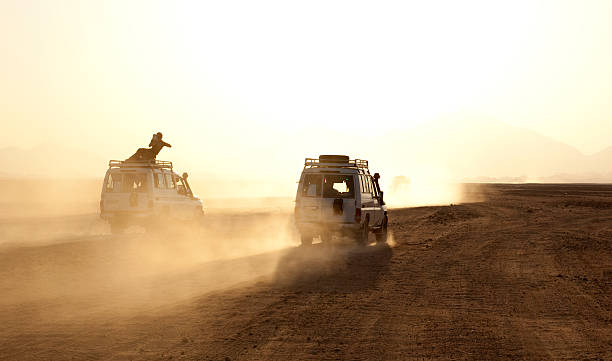

Your Complete Guide to Bus Travel in Tanzania: Routes and Safety
Tanzania, a land of breathtaking landscapes, vibrant cultures, and iconic wildlife, calls to adventurers from around the globe. While many envision luxury safaris or exclusive lodges, a significant portion of Tanzanian life and travel happens on its extensive bus network. For the budget-conscious traveler, the culturally curious, or those seeking an authentic experience, bus travel in Tanzania offers a unique window into the heart of the country. This guide provides an in-depth look at bus travel in Tanzania, focusing on routes and safety to help you plan your 2026-2027 adventure.
Navigating Tanzania by bus might seem daunting, but with the right information, it can be a rewarding and memorable part of your journey. We’ll cover popular routes, essential safety precautions, what to expect on board, and how to best integrate bus travel into your broader Tanzanian itinerary, whether you’re heading to the Serengeti, the spice island of Zanzibar, or the slopes of Kilimanjaro.
Table of Contents
- Quick Facts About Tanzanian Bus Travel
- An Overview of Tanzania’s Bus Network
- Why Choose Bus Travel in Tanzania?
- Best Time for Bus Travel
- Major Bus Routes and Destinations
- Tanzania Bus Route Areas: A Simplified View
- What to Expect on Tanzanian Buses
- Safety Tips for Bus Travel in Tanzania
- Packing and Preparation for Bus Journeys
- Common Mistakes to Avoid
- Who is Bus Travel in Tanzania Best Suited For?
- Alternatives to Bus Travel
- Planning Your 2026-2027 Bus Travel Itinerary
- Booking Bus Tickets and Travel Advice
- Frequently Asked Questions (FAQs)
- Ready to Plan Your Tanzanian Adventure?
Quick Facts About Tanzanian Bus Travel
| Aspect | Details |
|---|---|
| Primary Users | Locals, students, budget travelers, adventurous tourists |
| Service Types | Express (fast), Semi-express, Local (slow) |
| Comfort Levels | Varies greatly; from basic to slightly more comfortable (e.g., Scania, Royal Coach) |
| Ticket Purchase | Bus stations, sometimes online (limited), through agents |
| Luggage | Usually stored on roof or in luggage compartments; potential for theft if not secured |
| Payment | Tanzanian Shillings (TZS) |
| Language | Swahili is primary; English understood by some staff on major routes |
An Overview of Tanzania’s Bus Network
Tanzania’s bus network is the lifeblood of intercity and interregional transport. It connects major cities like Dar es Salaam, Arusha, Mwanza, and Dodoma, as well as countless smaller towns and villages. The system is diverse, ranging from modern, air-conditioned coaches on trunk routes to more basic, often crowded minibuses (known locally as dala-dalas for shorter distances) that serve as local transport.
For long-distance travel, especially between tourist hubs, you’ll find companies operating larger buses. These are generally more comfortable and faster than local options. They are crucial for connecting Dar es Salaam to Arusha (gateway to the northern safari circuit), for instance, or for reaching the coast from inland cities. Understanding the different types of buses and services available is the first step to a successful journey.
Why Choose Bus Travel in Tanzania?
Opting for bus travel in Tanzania offers several compelling advantages:
- Affordability: This is often the primary driver. Bus tickets are significantly cheaper than flights or private transfers, making them ideal for budget travelers.
- Authentic Experience: You’ll be traveling alongside locals, observing daily life, and interacting with Tanzanian culture in a way that’s impossible on a private tour or flight.
- Extensive Network: Buses reach almost every corner of the country, offering flexibility in your travel plans, even to remote areas.
- Scenery: Long bus journeys provide ample opportunities to witness the changing landscapes of Tanzania, from coastal plains to highlands and savannah.
- Flexibility: While schedules exist, there’s often a sense of spontaneity, with buses departing when full, allowing for an adaptable pace.
However, it’s important to balance these benefits with the realities of comfort, speed, and potential challenges. For travelers with limited time or those prioritizing comfort, other transport options might be more suitable.
Best Time for Bus Travel
The best time for bus travel in Tanzania largely aligns with the country’s dry seasons, which generally run from June to October and December to February. During these periods:
- Road Conditions: Roads are generally in better condition, with less risk of washouts or severe delays due to rain.
- Comfort: Travel can be more comfortable as extreme heat is less prevalent, especially in the highlands.
- Passenger Traffic: While busy, it’s often more predictable than during the peak of the rainy season.
The rainy seasons (roughly March-May and November) can see more unpredictable delays due to poor road conditions, especially on unpaved routes. While buses still run, journeys may take longer, and comfort can be reduced.
Major Bus Routes and Destinations
Tanzania’s bus network is extensive. Here are some of the most common and important routes for travelers:
1. Dar es Salaam to Arusha
This is one of the most traveled routes, connecting Tanzania’s largest city and commercial hub with the gateway to the northern safari circuit (Serengeti, Ngorongoro, Tarangire, etc.) and Mount Kilimanjaro.
- Distance: Approximately 600 km.
- Duration: 8-12 hours, depending on the service and stops.
- Bus Companies: Numerous, including Scandinavia, Kilimanjaro Express, Modern Coast, and others. Look for express services for faster journeys.
- Departure Points: Ubungo Bus Terminal in Dar es Salaam.
- Arrival Point: Arusha Central Bus Station.
2. Arusha to Moshi
A shorter but vital route for those heading to climb Kilimanjaro or visit the town of Moshi.
- Distance: Approximately 80 km.
- Duration: 1.5-2.5 hours.
- Service: Frequent departures, both express and local buses.
3. Dar es Salaam to Zanzibar (Ferry Complementary)
While there’s no direct bus to Zanzibar (it’s an island), buses are used to get to the ferry terminal in Dar es Salaam. You would take a bus to the city center or ferry terminal, then a ferry to Zanzibar. From Zanzibar’s main port (Stone Town), local buses and minibuses connect to various towns like Nungwi, Paje, and Jambiani.
4. Dar es Salaam to Mbeya
Connecting the coast to the southern highlands, this is a long but important route.
- Distance: Approximately 850 km.
- Duration: 12-18 hours.
- Service: Major companies operate this route.
5. Arusha to Mwanza
Linking the northern safari region to the shores of Lake Victoria.
- Distance: Approximately 450 km.
- Duration: 6-9 hours.
6. Dodoma to Dar es Salaam / Arusha
Connecting the capital city to the major economic and tourist hubs.
- Distance: ~450 km to Dar, ~500 km to Arusha.
- Duration: 6-9 hours for each route.
These are just a few of the primary routes. Smaller buses and dala-dalas connect virtually every town and village in between.
Tanzania Bus Route Areas: A Simplified View
Visualize Tanzania’s bus network as a web, with major hubs connected by express lines and smaller towns linked by local arteries.
| Region/Hub | Key Connections (Bus) | Primary Destinations Served |
|---|---|---|
| Dar es Salaam (Coast) | Arusha, Moshi, Mbeya, Mwanza, Tanga, Zanzibar (via ferry) | National Capital, Safari Circuit Gateway, Southern Highlands, Lake Victoria, Coast, Islands |
| Arusha (North) | Dar es Salaam, Moshi, Mwanza, Karatu, Nairobi (Kenya) | Northern Safari Circuit Gateway, Kilimanjaro, Lake Victoria, Ngorongoro Highlands |
| Moshi (North) | Arusha, Dar es Salaam, Nairobi (Kenya) | Kilimanjaro Base, Safari Circuit Access |
| Mwanza (West) | Dar es Salaam, Arusha, Kigoma, Shinyanga | Lake Victoria, Western Tanzania |
| Dodoma (Central) | Dar es Salaam, Arusha, Mwanza, Iringa | Capital City, Central Tanzania |
| Mbeya (South) | Dar es Salaam, Iringa, Songwe Border (Malawi) | Southern Highlands, Border Crossing |
What to Expect on Tanzanian Buses
Bus journeys in Tanzania are an experience in themselves. Here’s a breakdown of what you might encounter:
- Bus Types:
- Express Buses: Often newer models (Scania, Volvo, Mercedes-Benz), with reclining seats, sometimes air conditioning, and fewer stops. These are the most comfortable option for long distances.
- Semi-Express/Regular Buses: Still larger buses, but may be older, with more stops.
- Minibuses (Dala-dalas): For very short distances within towns or between nearby villages. Crowded, frequent stops, and very basic. Not recommended for long intercity travel.
- Seating: Seats can be tight on some buses. Express services usually offer more legroom. It’s advisable to book a seat towards the front if possible.
- Onboard Amenities: Air conditioning is a luxury, not a standard. If available, it can be very cold, so a sweater is recommended. Some buses might have basic toilets, but don’t rely on them being clean or functional.
- Luggage: Your main luggage will typically be stowed on the roof or in a luggage compartment. It’s essential to secure your valuables and keep them with you if possible. Label your bags clearly.
- Stops: Buses make frequent stops, sometimes for official breaks at restaurants, and sometimes for passengers to alight or board along the route.
- Entertainment: Expect local music, lively conversations, and the ever-changing scenery.
- Food and Drink: Vendors often board buses at stops selling snacks, drinks, and sometimes meals. It’s a good idea to carry your own water and snacks.
- Departure Times: Buses often depart when they are full, which can mean delays, especially outside of peak hours or on less popular routes. Express buses are usually more punctual.
Safety Tips for Bus Travel in Tanzania
Safety is paramount, and while bus travel is generally safe, taking precautions will enhance your experience. Here are key safety tips for bus travel in Tanzania:
- Choose Reputable Companies: For long-distance travel, opt for well-known express bus companies (e.g., Scandinavia, Kilimanjaro Express, Modern Coast). Ask locals or your accommodation for recommendations.
- Secure Your Valuables: This is crucial. Keep your passport, money, phone, and any essential items in a small bag that you keep with you at all times. Avoid placing valuables in your checked luggage.
- Be Aware of Your Surroundings: Especially at busy bus stations and during stops. Watch out for pickpockets.
- Luggage Security: If your luggage is stowed on the roof, ensure it’s clearly labeled and consider using a lock. Keep an eye on it during stops.
- Night Travel: While many long-distance buses travel overnight to save daylight hours, this can be more tiring and potentially less safe. If possible, choose daytime travel. If you must travel at night, ensure you are with a trusted group or have made arrangements.
- Seat Selection: If possible, choose a seat towards the front of the bus. This can offer better visibility and a quicker exit.
- Food and Drink: Be cautious with food and drinks purchased from unofficial vendors. Stick to bottled water and sealed snacks, or eat at reputable restaurants during longer breaks.
- Avoid Overcrowding: If a bus is excessively overcrowded, consider waiting for the next one. It can be uncomfortable and pose a safety risk.
- Inform Someone: Let your hotel or a friend know your travel plans, including your expected departure and arrival times, and the route you’ll be taking.
- Health: Carry a basic first-aid kit and any personal medications. Motion sickness medication can be helpful for winding roads.
Packing and Preparation for Bus Journeys
Proper preparation is key to a comfortable bus journey. Pack smart:
- Daypack: A small backpack or shoulder bag for essentials you’ll need during the journey (water, snacks, book, camera, charger, toiletries, medication, travel pillow).
- Water: Carry plenty of bottled water. Staying hydrated is important.
- Snacks: Non-perishable snacks like biscuits, nuts, dried fruit, or energy bars are good to have.
- Warm Layer: Even in hot climates, buses can get cold with air conditioning or during night travel. A sweater, fleece, or light jacket is recommended.
- Travel Pillow and Blanket: For comfort on long journeys, especially if traveling overnight.
- Entertainment: A book, downloaded music or podcasts, or a travel journal.
- Toiletries: Hand sanitizer, wet wipes, and tissues are essential.
- Medication: Any personal prescriptions, plus basic remedies for headaches, stomach issues, or motion sickness.
- Charger/Power Bank: Ensure your devices are charged. Some buses may have charging points, but they are not always reliable.
- Small Lock: For your daypack or luggage if needed.
- Copies of Documents: Keep copies of your passport and visa separate from the originals.
Preparation:
- Research Bus Companies: Before arriving at the station, try to find out which companies are recommended for your route.
- Arrive Early: Especially for popular routes, arrive at the bus station at least an hour before the scheduled departure to secure a good seat and manage your luggage.
- Confirm Details: Double-check departure times and platforms.
- Learn Basic Swahili Phrases: While English is spoken by some, knowing basic greetings and phrases in Swahili can be very helpful and appreciated.
Common Mistakes to Avoid
Travelers new to bus travel in Tanzania often make a few common mistakes:
- Underestimating Travel Times: Distances might look short on a map, but road conditions and frequent stops mean journeys often take much longer than expected. Plan with buffer time.
- Not Securing Valuables: Leaving bags unattended or placing expensive items in checked luggage is a recipe for potential loss.
- Relying Solely on Scheduled Times: Buses often leave when full, not necessarily at the exact scheduled time. Be patient.
- Not Carrying Enough Water and Snacks: You might not have convenient stops for supplies.
- Choosing the Cheapest Option Blindly: While budget is important, the absolute cheapest bus might be older, less safe, or significantly slower. Research reputable companies.
- Not Having Local Currency: Tickets and onboard purchases are typically in Tanzanian Shillings. Ensure you have enough small denominations.
- Expecting Western Standards: Bus travel in Tanzania is a local experience. Manage expectations regarding comfort, punctuality, and amenities.
- Ignoring Luggage Limits: While often flexible, there can be limits. Be mindful of the size and weight of your bags.
Who is Bus Travel in Tanzania Best Suited For?
Bus travel in Tanzania is ideal for:
- Budget Backpackers: Those looking to stretch their travel funds as far as possible.
- Independent Travelers: Individuals or small groups who enjoy navigating local transport and experiencing a place like a local.
- Culturally Curious: Travelers who want to immerse themselves in Tanzanian daily life and interact with local communities.
- Slow Travelers: Those with ample time who don’t mind longer journeys and are happy to go with the flow.
- Adventurous Souls: People who are comfortable with a bit of unpredictability and enjoy the challenge of local transport.
It is less suitable for:
- Travelers with very limited time.
- Those who prioritize comfort and luxury.
- Families with very young children or individuals with mobility issues who may find the conditions challenging.
- Anyone who gets easily stressed by delays or unpredictable schedules.
Alternatives to Bus Travel
If bus travel doesn’t sound like your ideal mode of transport, Tanzania offers other options:
- Flights: The fastest way to cover long distances, connecting major cities like Dar es Salaam, Kilimanjaro International Airport (JRO), Mwanza, and Zanzibar. Companies like Precision Air and Air Tanzania offer domestic routes. This is the most expensive option.
- Private Transfers/Taxis: Ideal for door-to-door service, flexibility, and comfort. You can hire a private car and driver for specific routes or for your entire trip. This is a popular choice for safari transfers and for those who want to maximize their time and comfort.
- Shared Taxis/Shuttles: A middle ground between buses and private cars. These are often minivans that operate on fixed routes, departing when full. They are faster than buses but less comfortable and more expensive.
- Trains: Tanzania has a railway network (TAZARA from Dar to Zambia, and the Central Line from Dar to Kigoma/Mwanza). While scenic and an adventure, train services can be infrequent, slow, and sometimes unreliable compared to buses.
- Ferries: Essential for travel to Zanzibar and Pemba islands from Dar es Salaam.
Planning Your 2026-2027 Bus Travel Itinerary
Integrating bus travel into your 2026-2027 Tanzanian adventure requires careful planning. Here’s how to approach it:
1. Define Your Route and Priorities:
- Where do you want to go? Identify your key destinations (e.g., Arusha for safari, Moshi for Kilimanjaro, Dar es Salaam for arrival/departure, Zanzibar for beaches).
- How much time do you have? Bus travel adds significant time to journeys. If you have only 7-10 days, relying heavily on buses might limit your exploration. For longer trips (2-3 weeks or more), it’s more feasible.
2. Research Specific Routes and Companies:
- Use Online Resources: Forums, travel blogs, and travel agent sites can offer insights into reputable bus companies for specific routes.
- Ask Locals: Your hotel, guesthouse, or tour operator can provide up-to-date recommendations.
3. Build in Buffer Time:
- Account for Delays: Always add extra hours (or even a full day) to your travel plans to account for potential delays due to traffic, breakdowns, or waiting for the bus to fill up.
- Avoid Tight Connections: Do not book flights or accommodations that require immediate onward travel after a long bus journey.
4. Consider Your Overall Itinerary:
- Mix and Match: For a balanced trip in 2026-2027, consider using buses for shorter, well-traveled routes (e.g., Arusha-Moshi) and flights or private transfers for very long distances or time-sensitive connections.
- Example: Arrive in Dar es Salaam, take a bus to Arusha, spend time on safari, take a bus back to Dar, and then fly to Zanzibar. Or, fly into Kilimanjaro International Airport (JRO) and take a bus to Moshi or Arusha.
5. Budgeting for Bus Travel:
- Cost-Effective: Bus tickets are a fraction of flight costs.
- Ancillary Costs: Factor in costs for food, water, and potentially small tips for luggage handlers.
Sample Itinerary Logic (incorporating bus travel):
Trip Focus: Northern Tanzania Safari & Kilimanjaro Prep
- Day 1: Arrive at Kilimanjaro International Airport (JRO). Take a pre-booked shuttle or taxi to Arusha (approx. 1-hour drive). Settle in.
- Day 2: Morning bus from Arusha to Moshi (approx. 2 hours). Prepare for Kilimanjaro climb.
- Day 3-8: Kilimanjaro Climb (guided tour).
- Day 9: Descend Kilimanjaro. Bus from Moshi back to Arusha (approx. 2 hours). Rest.
- Day 10: Begin Northern Circuit Safari (e.g., Tarangire, Serengeti, Ngorongoro). This part is typically done via safari vehicle.
- Day 14: Safari concludes in Arusha.
- Day 15: Express bus from Arusha to Dar es Salaam (approx. 9-10 hours). Overnight in Dar.
- Day 16: Depart from Dar es Salaam.
This example shows how bus travel can be efficiently used for transfers between tourist hubs, saving costs while still allowing for a comprehensive experience.
Booking Bus Tickets and Travel Advice
Booking bus tickets in Tanzania is straightforward but requires a bit of local knowledge:
- At the Bus Station: This is the most common method. Head to the main bus terminal for your departure city (e.g., Ubungo in Dar es Salaam, Arusha Central Bus Station). Look for the ticket counters of the reputable companies operating your desired route. Purchase your ticket directly from the official counter.
- Booking in Advance: For popular express routes, especially during peak seasons or holidays, it’s advisable to book your ticket a day or two in advance if possible. Some companies may offer limited online booking or phone reservations, but this is not widespread.
- Ticket Agents: In some towns, there might be authorized ticket agents. Be sure they are official representatives of the bus company.
- Price Negotiation: For express buses, prices are usually fixed. For local buses or dala-dalas, fares might be more flexible, but for long-distance travel, fixed prices are the norm.
- Payment: Tickets are purchased in Tanzanian Shillings (TZS). Ensure you have sufficient cash, as card payments are rare at bus stations.
- Seat Selection: You can often request a specific seat (e.g., window, aisle, front) when buying your ticket.
- Confirm Departure: Always confirm the departure platform and time upon arrival at the station.
General Travel Advice:
- Patience is Key: Embrace the local pace. Delays are common, and getting frustrated won’t help.
- Stay Connected: Consider getting a local SIM card (e.g., Vodacom, Tigo, Airtel) for easier communication and internet access.
- Respect Local Customs: Dress modestly, especially when traveling through more conservative areas. Ask permission before taking photos of people.
- Learn Basic Swahili: Greetings like ‘Jambo’ (Hello), ‘Asante’ (Thank you), and ‘Karibu’ (Welcome) go a long way.
- Stay Hydrated and Eat Well: Drink plenty of bottled water and choose reputable places to eat.
Frequently Asked Questions (FAQs)
Is bus travel in Tanzania safe for tourists?
Bus travel in Tanzania is generally safe, especially on major routes with reputable express bus companies. However, like anywhere, it’s important to take precautions. Secure your valuables, be aware of your surroundings, choose well-maintained buses, and avoid traveling alone at night if possible. For 2026-2027 travel, these precautions remain essential.
How much does a bus ticket cost in Tanzania?
Prices vary significantly by route, distance, and bus company. Long-distance express buses from Dar es Salaam to Arusha, for example, can range from TZS 30,000 to TZS 60,000 (approx. $12-$25 USD), but this is a rough estimate and subject to change. Local buses are much cheaper. It’s best to check prices directly at the bus station.
Can I book bus tickets online for Tanzania?
Online booking for Tanzanian buses is limited. Most tickets are purchased directly at the bus station on the day of travel or a day or two in advance for popular routes. Some companies may have rudimentary websites or phone booking options, but it’s not as common or reliable as in other countries.
What is the difference between an express bus and a local bus?
Express buses are typically newer, faster, and have fewer stops, often with more comfortable seating and sometimes air conditioning. Local buses are older, make many stops to pick up and drop off passengers, and are generally slower and less comfortable. Dala-dalas are minibuses used for very short, local routes.
What should I do with my luggage on a Tanzanian bus?
Large luggage is usually stowed in a luggage compartment or on the roof. Keep your valuables (passport, money, phone, camera) in a small bag that you keep with you in the cabin. It’s advisable to label your luggage clearly and consider using a lock for the main bag.
Are there toilets on Tanzanian buses?
Some longer-distance express buses may have toilets, but they are not always clean, functional, or available. It’s best to use facilities at the bus station or at designated rest stops. Always carry your own tissues and hand sanitizer.
What is the best way to travel from Dar es Salaam to Arusha by bus?
The most common and recommended way is to take an express bus from Dar es Salaam’s Ubungo Bus Terminal to Arusha Central Bus Station. Companies like Scandinavia, Kilimanjaro Express, and Modern Coast operate this route. The journey takes approximately 8-12 hours.
Can I travel by bus to national parks in Tanzania?
Generally, buses do not go directly into national parks like the Serengeti or Ngorongoro. Buses will take you to the nearest major town or park entrance gate (e.g., Arusha, Karatu, Manyara). From there, you will need to arrange safari vehicles for park entry and game drives. Bus travel is useful for reaching the gateway towns.
What if my bus breaks down?
Breakdowns can happen. If it’s a minor issue, the driver and mechanics will usually fix it. If it’s a major issue, passengers might be transferred to another bus or have to wait for assistance. This is part of the adventure of local transport; patience and a good attitude are essential. Your tour operator can assist if you have pre-arranged transfers.
Is it possible to travel by bus from Tanzania to neighboring countries?
Yes, it is possible to travel by bus from Tanzania to neighboring countries like Kenya (e.g., Arusha to Nairobi) and Uganda. These are long journeys and require border crossing procedures. Ensure you have the necessary visas and documentation. For 2026-2027, these cross-border services are generally reliable.
Ready to Plan Your Tanzanian Adventure?
While bus travel in Tanzania offers an authentic and budget-friendly way to see the country, planning a comprehensive trip can still be complex. For seamless transfers, reliable safari arrangements, Kilimanjaro treks, or bespoke Zanzibar holidays, partnering with an experienced local tour operator can make all the difference.
At Best Tanzania Tour Operator, we specialize in crafting unforgettable Tanzanian experiences. Whether you want to incorporate some bus travel into your itinerary or prefer fully arranged private transport, we can help you navigate the logistics. We offer expert advice on routes, safety, and the best ways to explore Tanzania’s wonders.
Let us handle the details so you can focus on enjoying the magic of Tanzania. We can help you plan your 2026-2027 trip, ensuring it’s tailored to your interests and budget, including advice on bus travel in Tanzania where appropriate.
Contact us today:
- WhatsApp: +255616946642
- Email: topguideadventures@gmail.com
- Backup Email: info@topguideadventures.com
We look forward to helping you create your dream Tanzanian journey!
Plan your Bus Travel in Tanzania: Routes and Safety with Top Guide Adventures
Tell us your travel dates, group size, comfort level, and dream experience. We will help you shape a clear, realistic, and memorable Tanzania itinerary.







 Veedesigner
 Fatma Kizanga
 Benjamin Waryuba
 Philip Philip
 John jr Itaja
 Antonia Optatus
 Edith Kanyere
 Neema Iddy
 Kelvin Boniphace
 Damari Maiga



